

ProductPRODUCT
Featured products
Contact Us
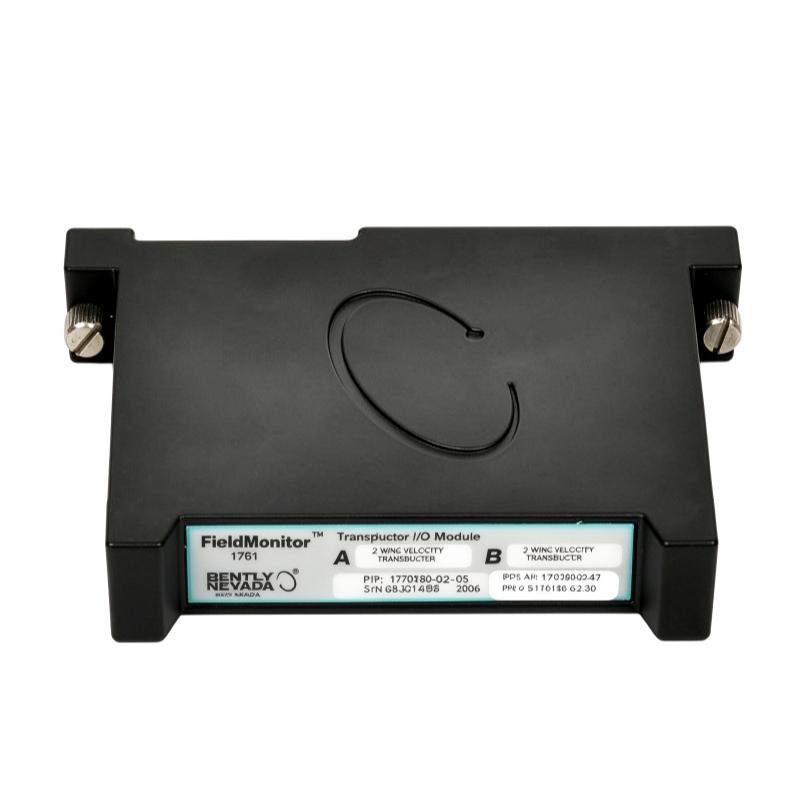
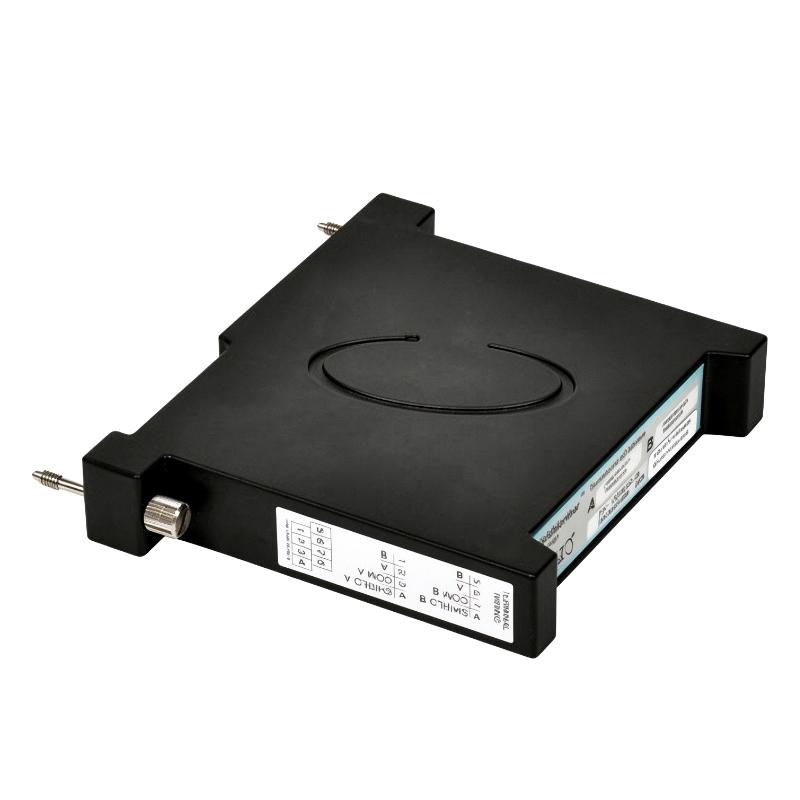
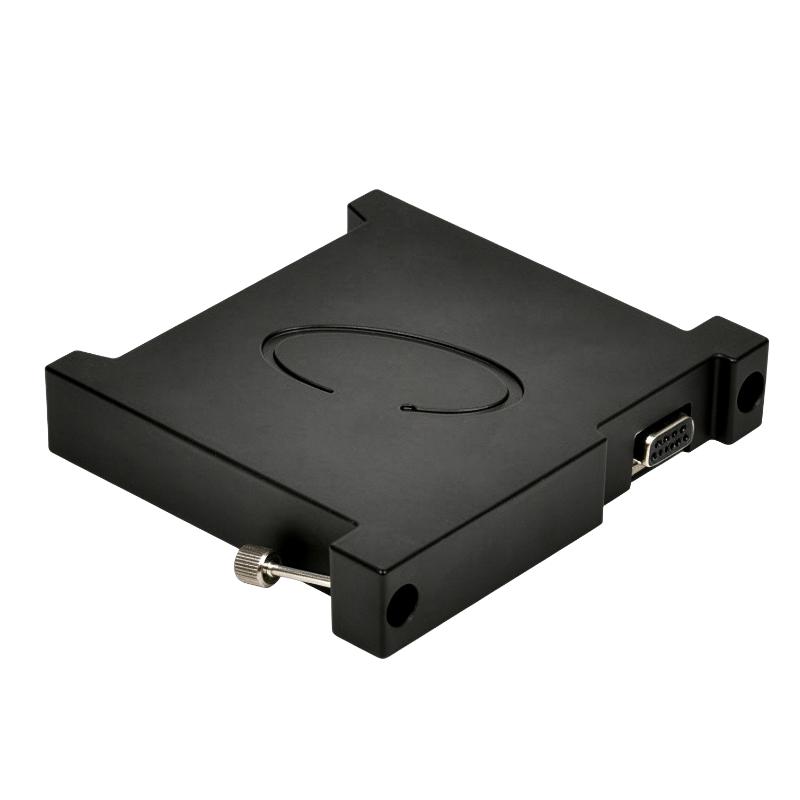
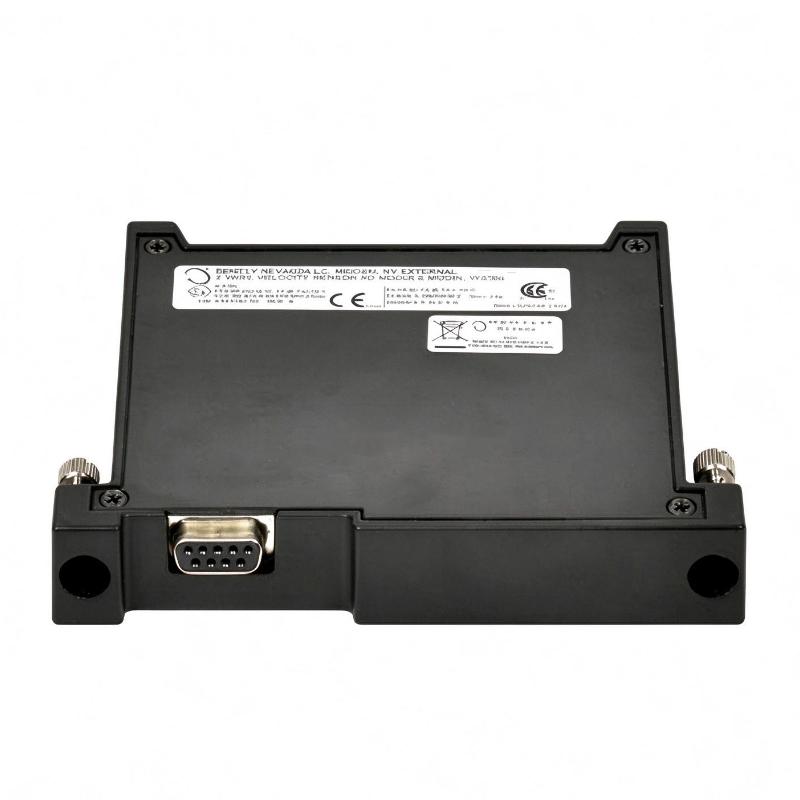
- Bently Nevada
- 170180-02-05
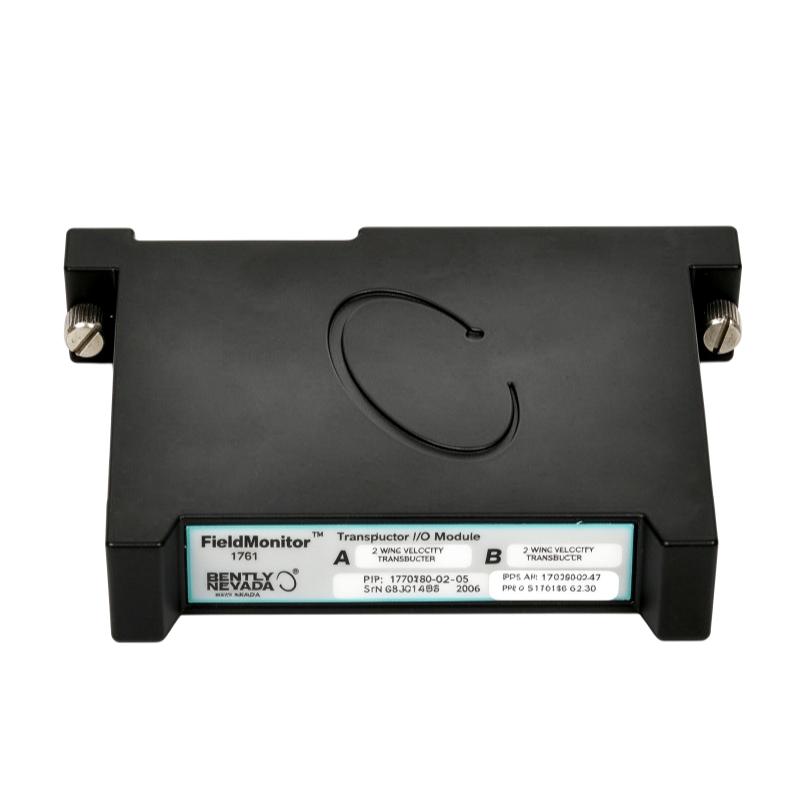
- External Sensor I/O Module
- USA
- 105.3 x 126.9 x 21.6 mm
- 0.277 kg
- Xiamen, China
- New & In Stock
- T/T, PayPal, Western Union
- 1 Year
- 1-3 Working Days
- DHL, UPS, TNT, FedEx and EMS.
- 24-Hour Service
- COO
- 1
Our advantage

Global Logistics
We have a 10-year logistics and express cooperation agreement, so our products can be shipped to any place in the world.

Brand new and original
Our products are imported in bulk from the place of origin. Because of the cooperative relationship, our products are all original and 100% new.

24-hour service
We provide 7*24 hours service to our customers. We will be there whenever you need us.

Price advantage
All our products are priced very favorably because we have our own warehouse and supply.
| Company Information | |||
| [email protected] | |||
| Mobile | +8615980777398 | ||
| +8615980777398 | |||
| 15980777398 |
Product Overview
The Bently Nevada 170180-02-05 External Sensor I/O Module is an interface module designed for the Bently Nevada FieldMonitor machinery condition monitoring system. It provides the connection between external vibration velocity transducers and the corresponding monitoring hardware, allowing machinery vibration signals to be acquired and processed for equipment condition assessment.
The 170180 series is designed to support different external transducer configurations. The 170180-02-05 is specifically configured as a dual-channel, two-wire velocity transducer interface. It supports two compatible velocity transducer inputs, identified as Channel A and Channel B, and occupies one slot in a FieldMonitor terminal base.
In industrial environments, vibration monitoring is an important part of predictive maintenance. Rotating equipment such as motors, pumps, compressors, fans, and turbines can develop mechanical problems that produce changes in vibration behavior. Monitoring these signals helps maintenance teams identify abnormal operating conditions and investigate potential equipment deterioration.
The 170180-02-05 provides the sensor interface required for this type of monitoring arrangement. It works with compatible FieldMonitor monitoring modules and the associated terminal base rather than functioning as a standalone vibration analyzer.
Its dual-channel design allows two sensor signals to be connected through one I/O module. This arrangement can support monitoring strategies that compare vibration measurements from different locations or equipment points.
Technical Specifications
| Parameter | Specification |
|---|---|
| Brand | Bently Nevada |
| Manufacturer | Baker Hughes |
| Model | 170180-02-05 |
| Product Series | 170180 FieldMonitor |
| Product Type | External Transducer I/O Module |
| Alternative Description | External Sensor I/O Module |
| Interface Type | Two-wire velocity transducer interface |
| Number of Channels | 2 |
| Channel A | One compatible two-wire velocity transducer |
| Channel B | One compatible two-wire velocity transducer |
| Maximum Transducer Inputs | 2 |
| System Compatibility | Bently Nevada FieldMonitor 1701 system |
| Mounting | One slot in a FieldMonitor terminal base |
| Dimensions Provided | 105.3 × 126.9 × 21.6 mm |
| Weight Provided | 0.277 kg |
| Typical Weight in Product Documentation | 277 g |
| Main Function | External vibration transducer signal interfacing |
Note: The dimensions and weight supplied for this listing are consistent with the published physical specifications for the 170180 module. Confirm the exact revision and terminal-base compatibility before installation.
Function and Working Principle
The 170180-02-05 acts as an interface between external vibration velocity transducers and the FieldMonitor monitoring system. Its primary role is to provide the appropriate electrical connection for two-wire velocity sensors and make their signals available to the associated monitoring hardware.
1. Dual-Channel Sensor Interface
The module provides two independent transducer input channels:
- Channel A: Connects to one compatible two-wire velocity transducer.
- Channel B: Connects to a second compatible two-wire velocity transducer.
This arrangement allows two measurement points to be connected through one external transducer I/O module. For example, a maintenance team may monitor vibration at two locations on a rotating machine to assess its mechanical condition.
The two channels must be connected to compatible transducer types. The 170180-02-05 should not be treated as a universal interface for every vibration sensor.
2. Two-Wire Velocity Transducer Connection
The module is specifically designed for two-wire velocity transducers. These sensors convert mechanical vibration into an electrical signal that can be used by the monitoring system.
The module provides the required interface between the field sensor wiring and the FieldMonitor system. Correct sensor selection, wiring polarity, cable condition, and connection practices are important for obtaining reliable measurements.
3. Signal Transfer to the Monitoring System
After a transducer is connected, its signal is passed through the I/O interface to the corresponding FieldMonitor monitoring hardware.
The monitoring module processes the incoming measurement according to the configured monitoring application. Depending on the system arrangement, the measured information can be used for vibration monitoring, alarm evaluation, and equipment-condition assessment.
The 170180-02-05 itself is not a complete monitoring system. It depends on compatible FieldMonitor modules, terminal-base hardware, power arrangements, and system configuration.
4. Support for Machinery Condition Monitoring
Vibration measurements provide information about the mechanical behavior of rotating equipment. Changes in vibration amplitude or frequency characteristics may indicate developing mechanical problems.
The 170180-02-05 supports the acquisition side of this process by providing the interface for two compatible velocity transducers. The associated monitoring equipment performs the measurement processing and alarm-related functions.
Role in Industrial Machinery Monitoring Systems
The 170180-02-05 is part of a broader machinery condition monitoring architecture. Its purpose is to connect external sensors to FieldMonitor monitoring equipment so that vibration information can be used in maintenance and equipment-protection strategies.
Rotating Machinery Monitoring
Industrial rotating machines are exposed to mechanical forces, changing loads, and operating conditions that can influence vibration levels.
The module can connect compatible velocity transducers used to monitor vibration at selected measurement locations. These measurements can help maintenance personnel evaluate changes in equipment behavior over time.
FieldMonitor System Integration
The module is designed for use with the Bently Nevada FieldMonitor platform. It occupies one slot in a compatible FieldMonitor terminal base and operates alongside the corresponding monitoring hardware.
System compatibility should be confirmed before installation. The terminal base, monitoring module, transducer type, and system configuration must all be suitable for the intended measurement application.
Maintenance and Alarm Support
The vibration signals acquired through the module can contribute to a wider condition monitoring strategy. When connected to an appropriately configured monitoring system, these measurements can support alarm evaluation and maintenance investigations.
The module does not independently determine machine health or replace the monitoring functions of the associated FieldMonitor equipment.
Industrial Applications
The 170180-02-05 is relevant to industrial installations that use compatible two-wire velocity transducers for machinery vibration monitoring.
1. Electric Motors
Electric motors are widely used in manufacturing plants, pumping stations, and industrial production lines. Mechanical problems such as imbalance, misalignment, bearing deterioration, and looseness can affect vibration behavior.
Compatible velocity transducers connected through the 170180-02-05 can provide vibration signals to the monitoring system for further evaluation.
2. Industrial Pumps
Pumps are critical components in water treatment, chemical processing, oil and gas facilities, and general manufacturing.
Vibration monitoring can help maintenance teams investigate changes in pump mechanical condition. Depending on the monitoring design, sensors may be installed at selected bearing or housing locations.
3. Compressors
Compressors often operate continuously and may be exposed to demanding mechanical and process conditions. Vibration monitoring is therefore important in many compressor installations.
The 170180-02-05 can provide the external transducer interface required for compatible vibration measurement points within a FieldMonitor arrangement.
4. Fans and Blowers
Industrial fans and blowers are used in ventilation, cooling, combustion-air systems, and material processing.
Vibration changes may be associated with imbalance, bearing problems, looseness, or other mechanical issues. A suitable monitoring arrangement can help detect changes before they develop into more serious equipment problems.
5. Turbines and Other Rotating Equipment
Some industrial rotating equipment requires continuous or periodic vibration assessment as part of its maintenance strategy.
The 170180-02-05 may be used where compatible two-wire velocity transducers are specified within a FieldMonitor system. Sensor selection and monitoring configuration must be based on the machine’s measurement requirements.
Installation and System Integration
Correct installation is necessary for reliable sensor signals and stable monitoring-system operation.
1. Verify the Module Model
Before installation, confirm that the module is marked 170180-02-05. The 170180 series includes several different transducer I/O configurations, and they are not interchangeable simply because they share the same product family.
The 170180-02-05 is intended for two-wire velocity transducers on both channels. Other variants may support different sensor technologies or signal configurations.
2. Check Terminal Base Compatibility
The module occupies one slot in a FieldMonitor terminal base. Confirm that the available terminal base is compatible with the 170180 series and that the selected slot and system configuration are appropriate.
The module should be installed according to the applicable FieldMonitor hardware documentation.
3. Connect the Correct Transducers
Connect only compatible two-wire velocity transducers to the designated channels. Confirm the wiring arrangement, terminal assignments, cable condition, and sensor specifications before energizing the system.
Incorrect sensor selection or wiring can result in invalid measurements or unreliable monitoring performance.
4. Inspect Cable Routing
Sensor cables should be routed in accordance with the system installation requirements. Where necessary, separate sensor wiring from high-power conductors and sources of electrical interference.
Inspect connectors and cable insulation for damage. Poor connections, loose terminals, or damaged shielding can affect signal quality.
5. Verify the Monitoring Configuration
After installation, confirm that the associated FieldMonitor monitoring hardware is configured for the connected transducer type and measurement application.
Check both channels independently. Verify that the system recognizes the expected sensor signals and that the measurement values are reasonable for the machine’s operating condition.
6. Perform Functional Checks
Before returning the monitoring system to normal service, inspect the module seating, terminal connections, sensor wiring, and system status.
Compare the measurements with expected operating conditions and investigate abnormal readings. Record the final configuration so that maintenance personnel can reproduce the installation if the module is replaced.
Compatible System Components
The 170180-02-05 operates as part of a FieldMonitor system. Its correct application depends on the compatibility of the terminal base, monitoring hardware, transducers, and associated wiring.
| Component | Function | Compatibility Considerations |
|---|---|---|
| Bently Nevada FieldMonitor terminal base | Provides the mounting and connection platform | Must support the 170180 external transducer I/O module |
| 1701/25 Seismic Input Monitor | Processes compatible seismic and vibration monitoring inputs | Verify the selected transducer I/O configuration |
| Two-wire velocity transducer | Measures mechanical vibration | Both channels of the 170180-02-05 are designed for compatible two-wire velocity transducers |
| FieldMonitor power supply | Supplies operating power to the monitoring system | Confirm system voltage and power requirements |
| Sensor cables | Carry signals from field transducers to the I/O module | Check cable type, length, shielding, and connection requirements |
| FieldMonitor configuration software | Supports system configuration | Use the software version and configuration method appropriate to the installed system |
| PLC or plant control system | Receives or uses monitoring information | Integration depends on the overall FieldMonitor architecture and available interfaces |
The listed components describe the broader system architecture. They are not necessarily supplied with the 170180-02-05 module.
Alternative Models and Replacement Considerations
The 170180 family includes several external transducer I/O module variants. Selection must be based on the sensor technology and the intended measurement arrangement.
| Model | General Configuration | Replacement Considerations |
|---|---|---|
| 170180-01 series | Dual Proximitor / accelerometer interface | Intended for compatible proximity or acceleration transducer arrangements |
| 170180-02 series | Dual two-wire velocity interface | Relevant to applications using two compatible two-wire velocity transducers |
| 170180-03 series | Dual Velomitor interface | Intended for compatible Velomitor velocity transducers |
| 170180-04 series | Velomitor Channel A and velocity Channel B | Uses a mixed transducer configuration |
| 170180-05 series | Dual -18 V Proximitor interface | Intended for compatible -18 V Proximitor sensor arrangements |
These models belong to the same general product family but have different signal interfaces. A replacement should not be selected based only on physical dimensions or family number.
Before ordering a replacement, verify:
- Complete catalog number and suffix.
- Transducer type connected to each channel.
- FieldMonitor terminal-base compatibility.
- Associated monitoring-module compatibility.
- Wiring and terminal assignments.
- System configuration and software requirements.
- Physical condition and hardware revision.
For critical machinery monitoring applications, verify the replacement against the original system documentation before commissioning.
Key Advantages
Dual-Channel Capability
The module supports two compatible two-wire velocity transducer inputs, allowing two measurement points to be connected through one I/O module.
Dedicated Velocity Transducer Interface
Its configuration is designed specifically for two-wire velocity transducers rather than general-purpose analog or digital signals.
FieldMonitor Integration
The module is designed for the Bently Nevada FieldMonitor platform and occupies one terminal-base slot.
Support for Condition Monitoring
By providing the sensor interface, the module helps make vibration information available to the monitoring system for machinery-condition assessment.
Compact Hardware Format
Its compact dimensions allow it to be installed within the designated FieldMonitor terminal-base arrangement.
Established Industrial Monitoring Application
The 170180 series has a defined role in the FieldMonitor architecture, making exact model identification important when maintaining existing installations.
Technical FAQs
1. What is the Bently Nevada 170180-02-05?
It is an external transducer I/O module for the Bently Nevada FieldMonitor system. It provides a dual-channel interface for compatible two-wire velocity transducers.
2. How many sensors can the module connect?
The module supports up to two compatible transducer inputs, one on Channel A and one on Channel B.
3. What type of sensor does it support?
The 170180-02-05 is designed for two-wire velocity transducers. It should not be treated as a universal interface for all proximity, acceleration, or vibration sensors.
4. Is the 170180-02-05 a standalone vibration monitor?
No. It is an external transducer I/O module. It requires compatible FieldMonitor terminal-base and monitoring hardware to form part of a functioning monitoring system.
5. Which FieldMonitor system does it belong to?
It belongs to the Bently Nevada FieldMonitor 1701 platform and is installed in a compatible FieldMonitor terminal base.
6. Can it replace the 170180-01-05?
Not as a direct substitution without checking the sensor requirements. The 170180-01-05 and 170180-02-05 have different transducer interface configurations. The former is associated with Proximitor/accelerometer applications, while the latter supports two-wire velocity transducers.
7. What is the weight of the 170180-02-05?
The supplied listing weight is 0.277 kg. Published product documentation gives a typical weight of approximately 277 g.
8. What are the dimensions of this module?
The supplied dimensions are 105.3 × 126.9 × 21.6 mm. Published documentation lists approximately 105 × 127 × 21.6 mm, using a different dimension order.
9. What should be checked before purchasing?
Confirm the complete part number, channel configuration, sensor compatibility, terminal-base requirements, physical condition, and whether the unit has been tested.
10. What can cause incorrect vibration readings?
Possible causes include incompatible transducers, incorrect wiring, damaged sensor cables, poor terminal connections, unsuitable system configuration, and actual changes in machine vibration. Both the sensor installation and monitoring hardware should be checked when measurements appear abnormal.
Procurement and Maintenance Recommendations
When purchasing the Bently Nevada 170180-02-05, verify the complete model number and ensure that the module is intended for a dual two-wire velocity transducer application. The 170180 series contains several variants, so the correct suffix is important for maintaining sensor compatibility.
For replacement projects, compare the existing module’s catalog number with the proposed replacement. Confirm that the terminal base, monitoring module, sensor types, and wiring arrangement are suitable for the new unit.
For used or surplus equipment, request clear photographs of the product label, connectors, and physical condition. Check for damaged terminals, corrosion, bent contacts, or signs of improper storage. Where possible, obtain functional test information before installation.
During routine maintenance, inspect sensor cables and connectors, check module seating, and review the monitoring system for abnormal channel readings. Keep configuration records for both channels and document any sensor or module replacement.
Because vibration monitoring contributes to machinery maintenance and protection strategies, replacement decisions should be based on verified system compatibility rather than physical appearance alone.
Conclusion
The Bently Nevada 170180-02-05 External Sensor I/O Module is a dual-channel interface designed for two compatible two-wire velocity transducers in the FieldMonitor machinery condition monitoring system. It occupies one terminal-base slot and provides the sensor connection required for vibration signal acquisition by the associated monitoring hardware.
With supplied dimensions of 105.3 × 126.9 × 21.6 mm and a weight of 0.277 kg, the module is a compact component for existing FieldMonitor installations. Its dedicated sensor configuration makes correct model identification essential when purchasing, maintaining, or replacing equipment.
For industrial users, verifying transducer compatibility, terminal-base requirements, wiring, and monitoring-system configuration is the most important step in ensuring reliable operation.