

ProductPRODUCT
Featured products
Contact Us
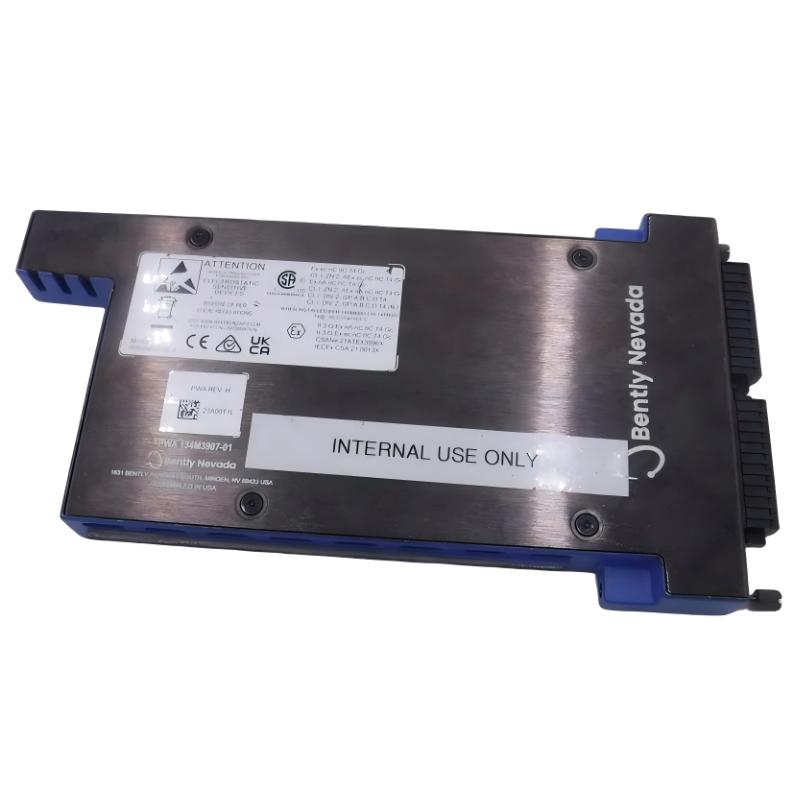
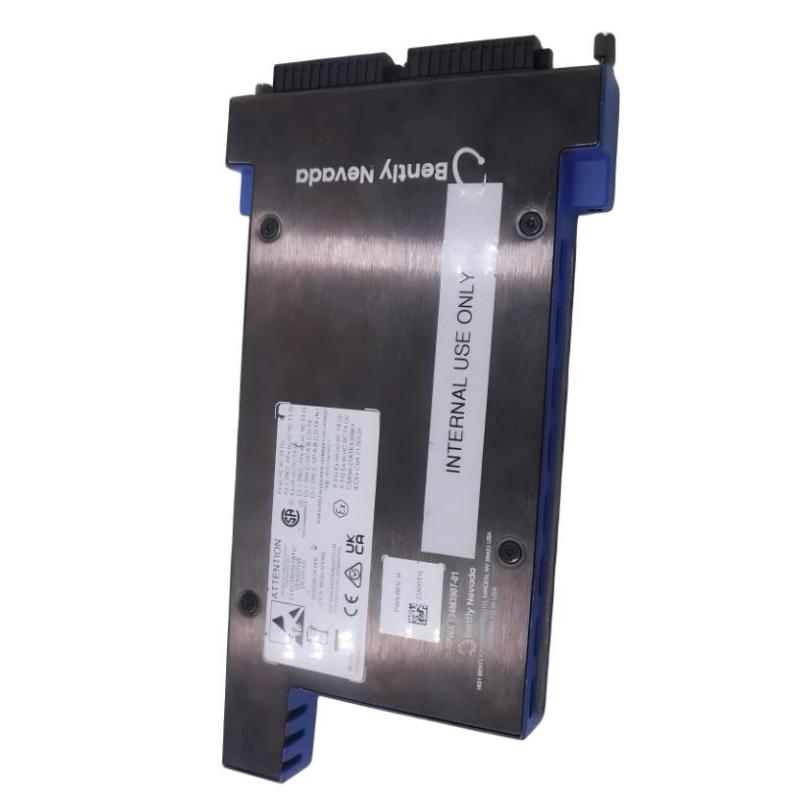
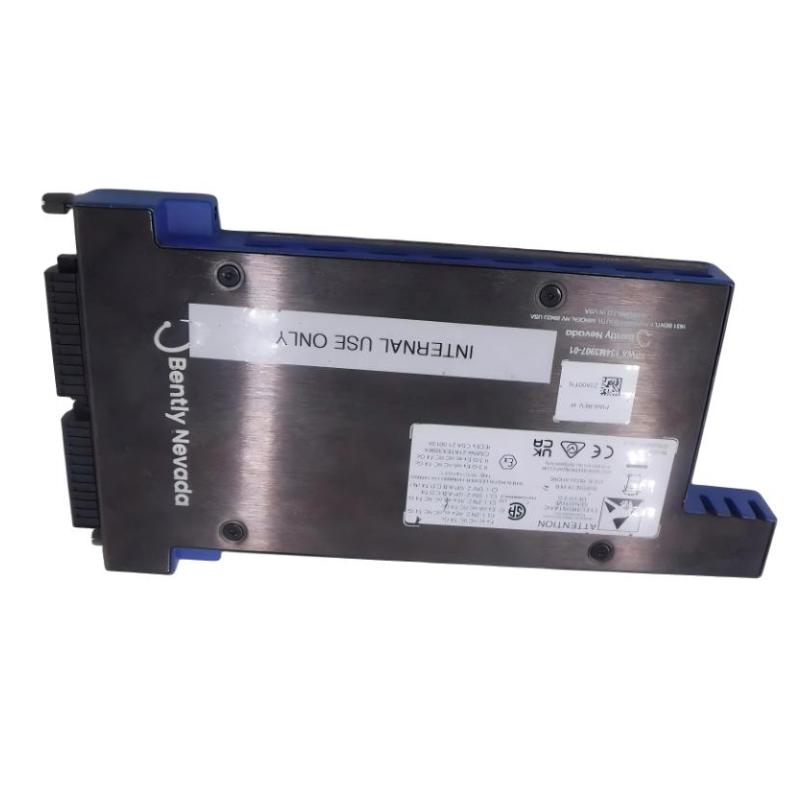
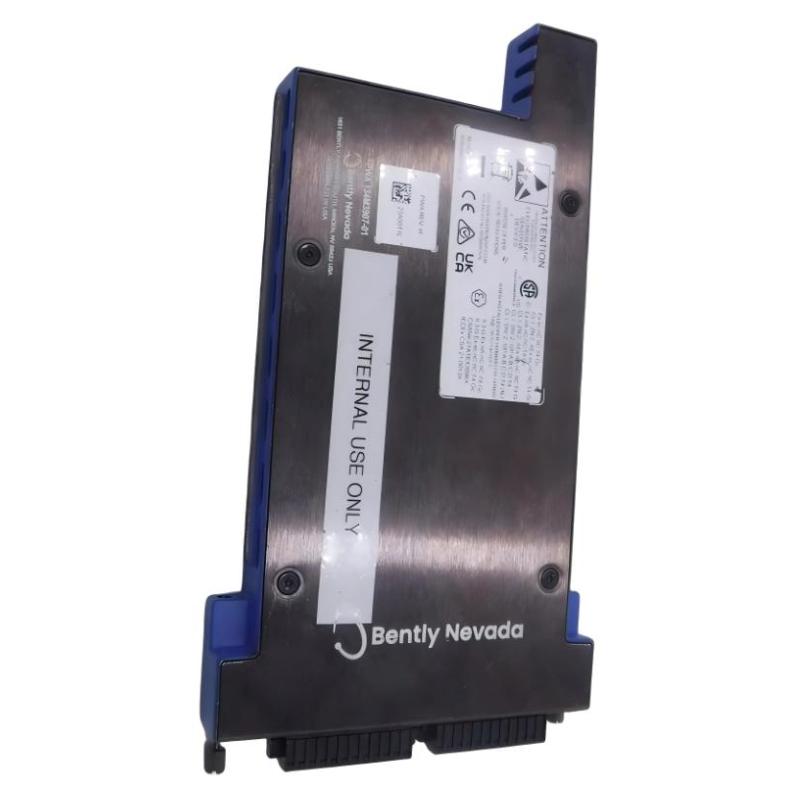
- Bently Nevada
- 60R/INP07
- RTD/TC Temperature Module
- USA
- 132.1 × 20.3 × 245.6 mm
- 1.2 kg
- Xiamen, China
- New & In Stock
- T/T, PayPal, Western Union
- 1 Year
- 1-3 Working Days
- DHL, UPS, TNT, FedEx and EMS.
- 24-Hour Service
- COO
- 32
Our advantage

Global Logistics
We have a 10-year logistics and express cooperation agreement, so our products can be shipped to any place in the world.

Brand new and original
Our products are imported in bulk from the place of origin. Because of the cooperative relationship, our products are all original and 100% new.

24-hour service
We provide 7*24 hours service to our customers. We will be there whenever you need us.

Price advantage
All our products are priced very favorably because we have our own warehouse and supply.
| Company Information | |||
| [email protected] | |||
| Mobile | +8615980777398 | ||
| +8615980777398 | |||
| 15980777398 |
Product Overview
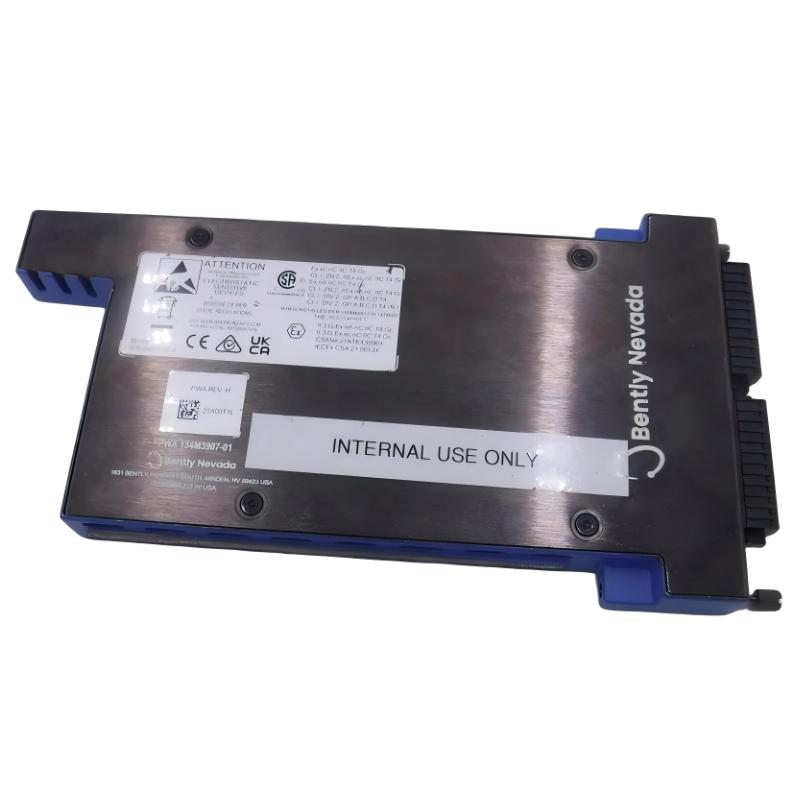
The Bently Nevada 60R/INP07 RTD/TC Temperature Module is a temperature input module used in industrial condition monitoring and machinery protection systems. It is intended to interface temperature sensors with the monitoring system so that temperature-related operating conditions can be collected and evaluated.
RTD and thermocouple sensors are widely used for monitoring bearings, housings, process equipment, machinery components, and other locations where temperature changes can indicate abnormal operating conditions. The 60R/INP07 provides the input interface between these temperature sensors and the monitoring architecture.
In a machinery monitoring application, temperature information can be evaluated together with vibration, speed, displacement, and other operating parameters. This allows engineers to identify developing equipment problems before they result in severe mechanical damage.
The module is therefore particularly relevant to rotating machinery condition monitoring, equipment protection, and continuous plant monitoring applications.
Technical Specifications
| Parameter | Specification |
|---|---|
| Manufacturer | Bently Nevada |
| Model | 60R/INP07 |
| Product Type | RTD/TC Temperature Module |
| Input Type | RTD / Thermocouple |
| Main Function | Temperature Signal Acquisition |
| Application | Machinery Condition Monitoring |
| Dimensions | 132.1 × 20.3 × 245.6 mm |
| Weight | 1.2 kg |
Main Features
The 60R/INP07 focuses on temperature signal acquisition within a machinery monitoring system.
Key characteristics include:
- Bently Nevada RTD/TC Temperature Module
- Supports temperature measurement applications
- Designed for RTD and thermocouple sensor interfaces
- Suitable for machinery condition monitoring
- Can be used alongside vibration monitoring channels
- Supports continuous equipment temperature observation
- Suitable for industrial monitoring systems
- Useful for bearing and machine-temperature monitoring
- Compact modular construction
- Dimensions of 132.1 × 20.3 × 245.6 mm
- Weight of 1.2 kg
The appropriate sensor type, wiring arrangement, input configuration, and temperature range should be confirmed according to the actual monitoring application.
Working Principle
The 60R/INP07 receives electrical signals generated by connected temperature sensors and makes the temperature information available to the monitoring system.
A simplified signal path is:
RTD / Thermocouple → 60R/INP07 → Monitoring System → Temperature Evaluation → Alarm / Protection
An RTD determines temperature through the change in electrical resistance of its sensing element, while a thermocouple produces a temperature-dependent electrical signal.
The module interfaces with these sensor signals and passes the corresponding temperature information into the monitoring system. The system can then compare the measured temperature against configured operating limits or evaluate it together with other machine parameters.
For example, an increasing bearing temperature accompanied by rising vibration may indicate a developing mechanical or lubrication problem. Temperature data therefore becomes more useful when interpreted alongside other condition-monitoring measurements.
Temperature Monitoring in Machinery Protection
Temperature is an important parameter in rotating equipment because many mechanical problems produce a corresponding increase in heat.
A typical monitoring architecture may look like:
Temperature Sensor → 60R/INP07 → Monitoring Rack → Monitoring Software / Protection Logic
Potential monitoring points include:
- Bearing temperature
- Motor temperature
- Generator temperature
- Gearbox temperature
- Pump temperature
- Compressor temperature
- Machine housing temperature
- Process equipment temperature
The RTD/TC input function allows temperature measurements to become part of the wider machinery monitoring strategy.
Temperature information can be used for trending as well as alarm and protection functions, depending on the configuration of the monitoring system.
Industrial Applications
The 60R/INP07 is suited to industrial environments where temperature measurements form part of a machinery condition-monitoring strategy.
| Application | Typical Monitoring Point |
|---|---|
| Steam Turbines | Bearing temperature |
| Gas Turbines | Bearing and machine temperature |
| Generators | Bearing or winding-related temperature |
| Motors | Bearing and housing temperature |
| Compressors | Bearing and casing temperature |
| Pumps | Bearing and housing temperature |
| Gearboxes | Gearbox and bearing temperature |
| Fans | Bearing temperature |
| Industrial Rotating Equipment | Mechanical temperature trends |
| Process Machinery | Equipment operating temperature |
It is especially useful when temperature needs to be monitored together with vibration and other machine-condition parameters.
Sensor Integration
The performance of a temperature input module depends heavily on the sensor installation.
For an RTD installation, engineers should consider:
- RTD sensor type
- Wiring configuration
- Cable resistance
- Connection quality
- Sensor location
- Temperature range
- Shielding and grounding
For thermocouple applications, additional considerations include:
- Thermocouple type
- Polarity
- Extension or compensation cable
- Junction configuration
- Sensor location
- Temperature range
- Electrical noise
Incorrect sensor wiring can result in unstable readings, incorrect temperature values, or loss of signal. Therefore, troubleshooting should begin by checking the sensor and wiring before replacing the input module.
Installation and Maintenance
The 60R/INP07 should be installed as part of the complete Bently Nevada monitoring architecture.
Before installation or replacement:
- Confirm the complete 60R/INP07 model.
- Verify the monitoring-system configuration.
- Confirm the intended RTD or thermocouple sensor type.
- Check sensor wiring.
- Verify terminal assignments.
- Inspect connectors.
- Check the monitoring rack and power condition.
- Record existing configuration information.
During commissioning, compare the module’s reported temperature with a known reference where practical. A reasonable test can help distinguish sensor errors from module or configuration problems.
If a temperature channel reports an abnormal value, check the fault path in sequence:
Sensor → Wiring → Termination → Module → Monitoring Configuration
This approach is generally more effective than immediately replacing the module.
Related Components
The 60R/INP07 normally forms part of a larger machinery monitoring system.
| Component | Function |
|---|---|
| RTD Sensor | Measures temperature through resistance change |
| Thermocouple | Generates temperature-dependent electrical signal |
| Temperature Input Module | Acquires temperature signals |
| Monitoring Rack | Houses monitoring modules |
| Vibration Monitoring Module | Measures machine vibration |
| Proximity Probe | Measures shaft displacement or position |
| Speed Sensor | Provides rotational-speed information |
| Monitoring Software | Displays and trends machine data |
| Alarm System | Generates warning or trip conditions |
| Power Supply | Supplies the monitoring system |
Combining temperature with vibration and speed measurements can provide a more complete picture of machine condition.
Recommended Related Models
For Bently Nevada machinery monitoring applications, related modules can be selected according to the parameter that needs to be measured.
| Model | Product Type | Main Function | Typical Application |
|---|---|---|---|
| Bently Nevada 60R/INP07 | RTD/TC Temperature Module | Temperature acquisition | Bearing and equipment temperature |
| Bently Nevada 60R/CMM01 | Condition Monitoring Module | Machine-condition monitoring | Continuous monitoring |
| Bently Nevada 60R/INP01 | Dynamic Input Module | Dynamic signal acquisition | Vibration monitoring |
| Bently Nevada 60R/INP01-00-0 | Dynamic Input Module | Dynamic signal acquisition | Machinery monitoring |
| Bently Nevada 60R/CGW01 | Communication Gateway Module | System communication | Monitoring-system integration |
| Bently Nevada 60R/CHA02 | 3U Panel Chassis | Module mounting | Monitoring rack installation |
The correct combination depends on whether the application requires temperature, dynamic vibration, communication, or broader condition-monitoring functions.
Key Advantages
- RTD and thermocouple temperature input capability
- Suitable for industrial temperature monitoring
- Designed for machinery condition-monitoring applications
- Useful for bearing-temperature monitoring
- Can complement vibration measurements
- Suitable for continuous equipment monitoring
- Supports temperature trending and monitoring
- Modular construction for monitoring-system integration
- Suitable for rotating machinery applications
- Dimensions of 132.1 × 20.3 × 245.6 mm
- Weight of 1.2 kg
Technical FAQs
What types of temperature sensors are associated with the 60R/INP07?
The module is identified as an RTD/TC Temperature Module, making it suitable for temperature-input applications involving resistance temperature detectors and thermocouple sensors. The specific supported sensor configuration should be matched to the monitoring-system setup.
Why is temperature monitoring important in a vibration monitoring system?
Temperature can provide information that vibration alone may not reveal. For example, abnormal bearing temperature can indicate lubrication problems, excessive friction, cooling issues, or developing mechanical faults. Combining temperature and vibration trends gives engineers additional information for condition assessment.
What can cause an RTD or thermocouple channel to show an incorrect temperature?
Possible causes include sensor failure, incorrect wiring, loose connections, incorrect sensor configuration, damaged cables, electrical interference, or a problem with the input channel. The sensor and wiring should be checked before concluding that the 60R/INP07 itself has failed.
How should a temperature channel be checked after installing the module?
Verify the sensor type and wiring first, then confirm that the monitoring system recognizes the channel correctly. Compare the displayed temperature with a known reference or expected process condition and monitor the signal for stability before enabling temperature-based alarms or protection functions.