

ProductPRODUCT
Featured products
Contact Us
- Bently Nevada
- 350900-394
- High-temperature Speed and Acceleration Sensors
- USA
- 10 meters
- 1.545 kg
- Xiamen, China
- New & In Stock
- T/T, PayPal, Western Union
- 1 Year
- 1-3 Working Days
- DHL, UPS, TNT, FedEx and EMS.
- 24-Hour Service
- COO
- 42
Our advantage

Global Logistics
We have a 10-year logistics and express cooperation agreement, so our products can be shipped to any place in the world.

Brand new and original
Our products are imported in bulk from the place of origin. Because of the cooperative relationship, our products are all original and 100% new.

24-hour service
We provide 7*24 hours service to our customers. We will be there whenever you need us.

Price advantage
All our products are priced very favorably because we have our own warehouse and supply.
| Company Information | |||
| [email protected] | |||
| Mobile | +8615980777398 | ||
| +8615980777398 | |||
| 15980777398 |
Overview
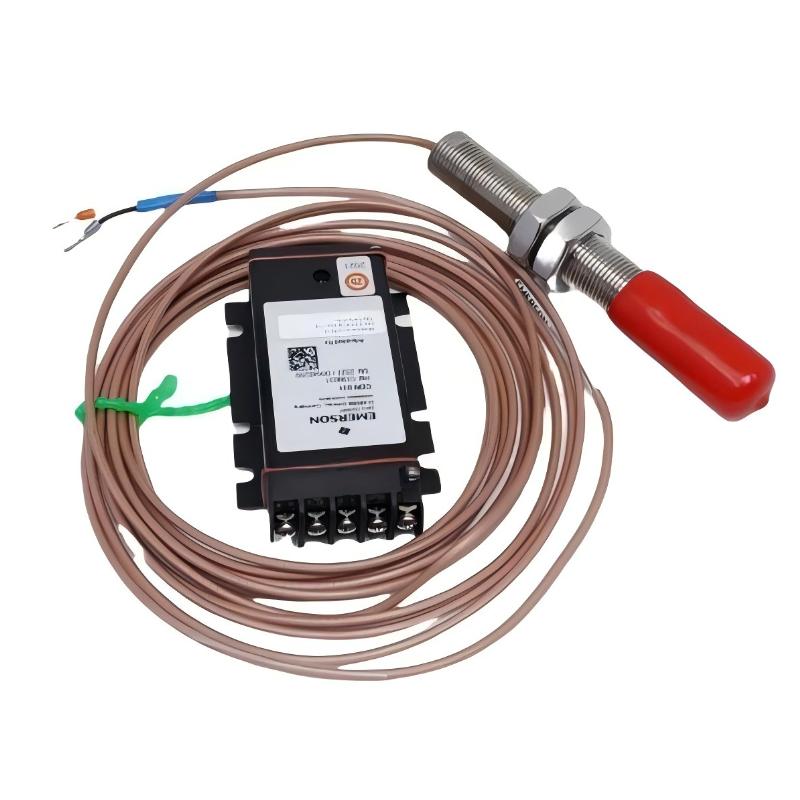
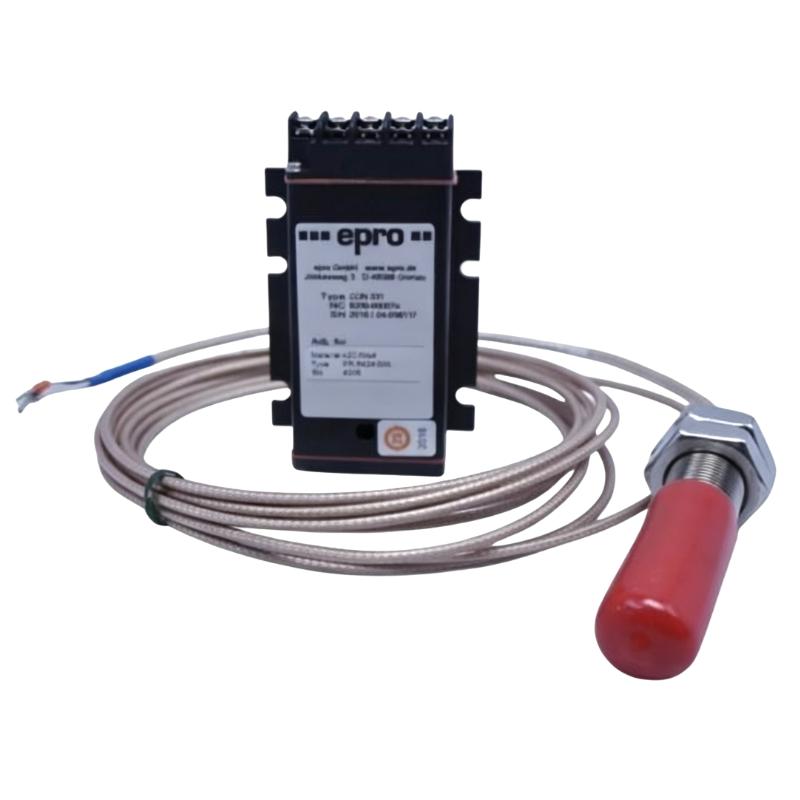
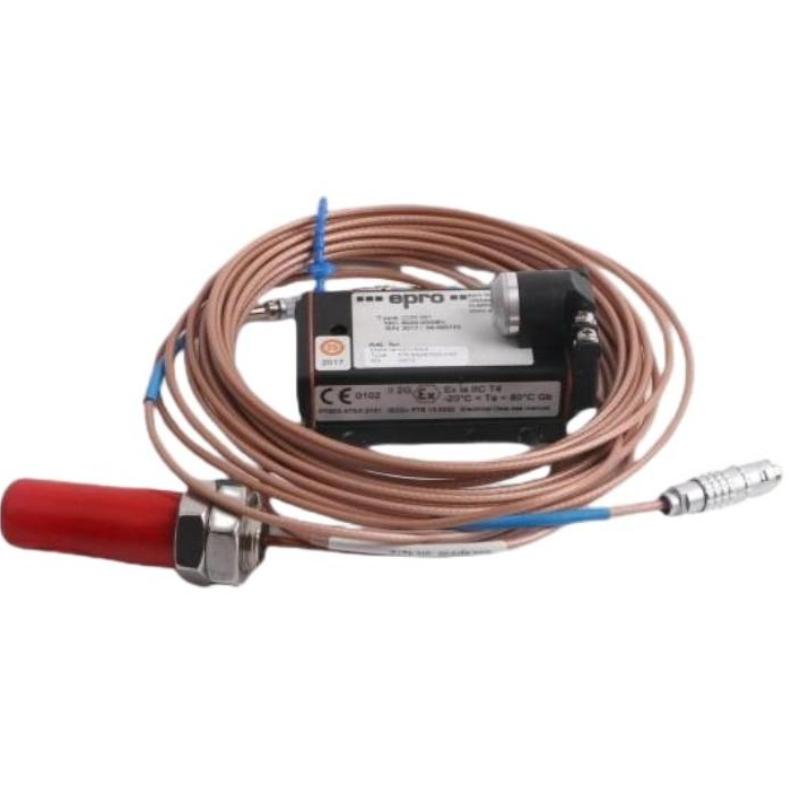
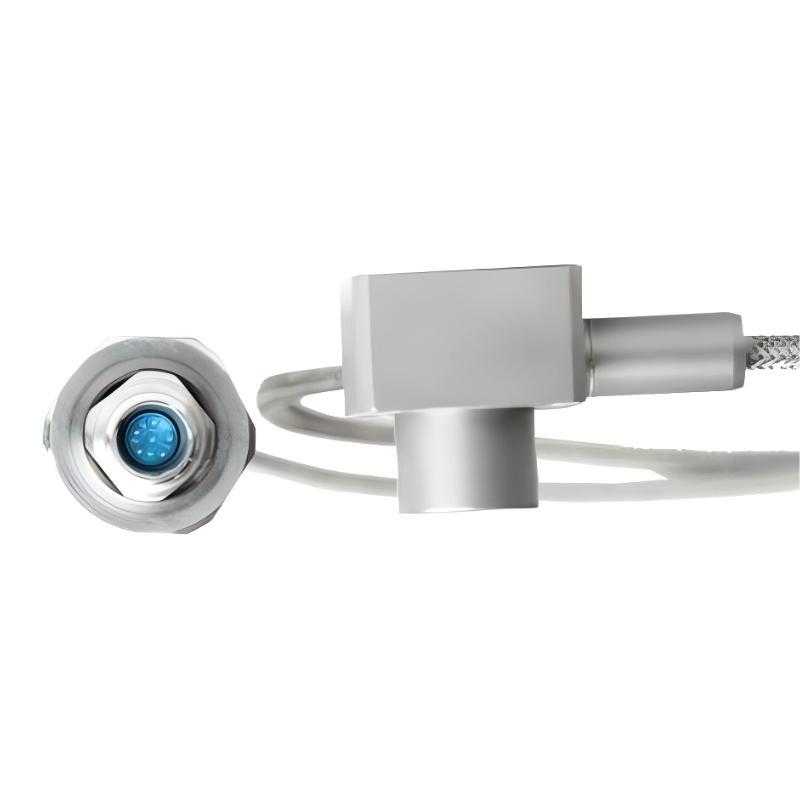
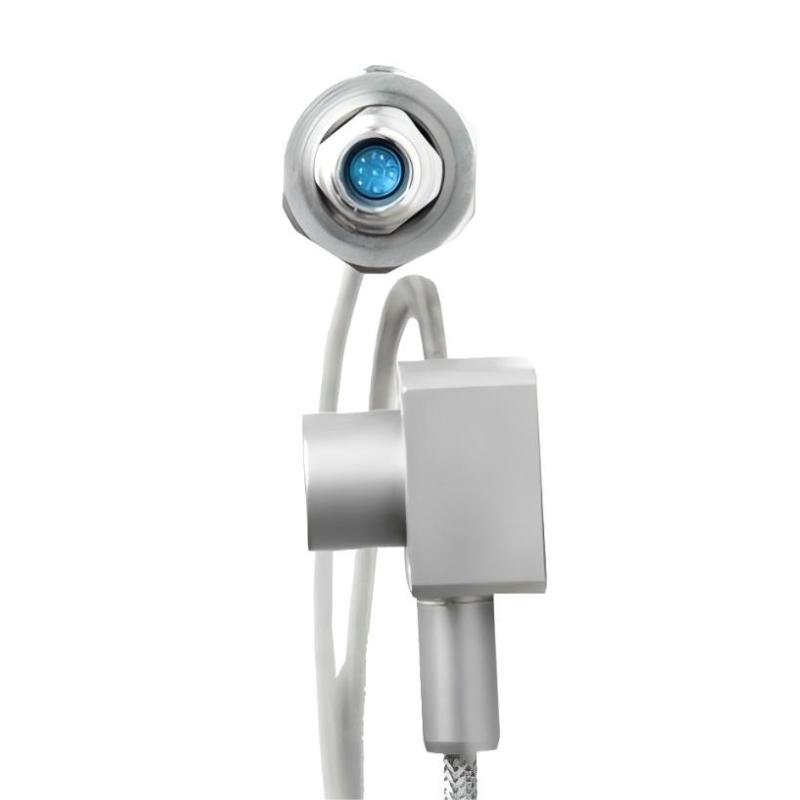
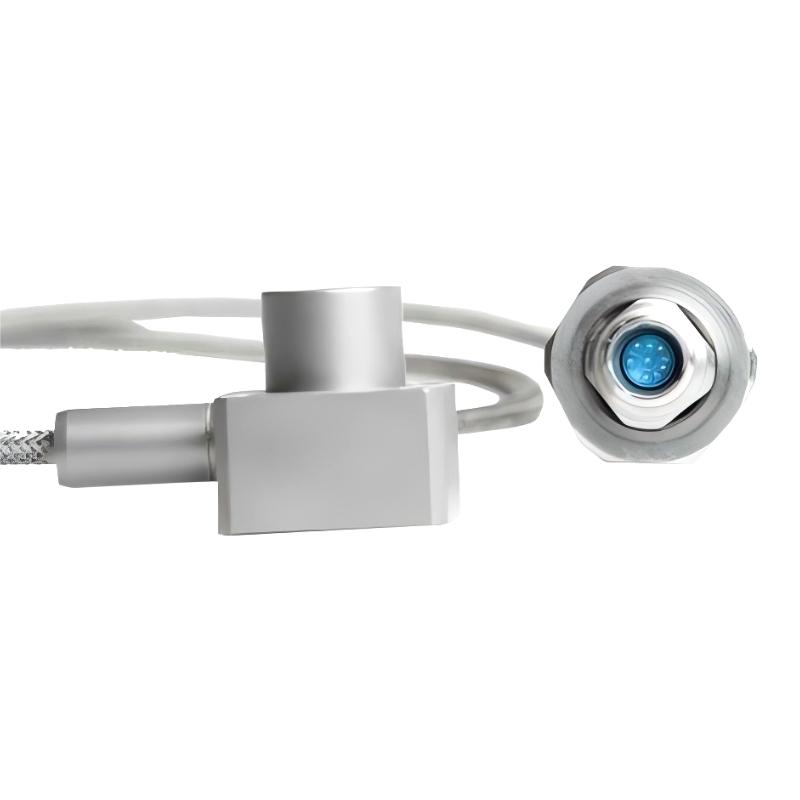
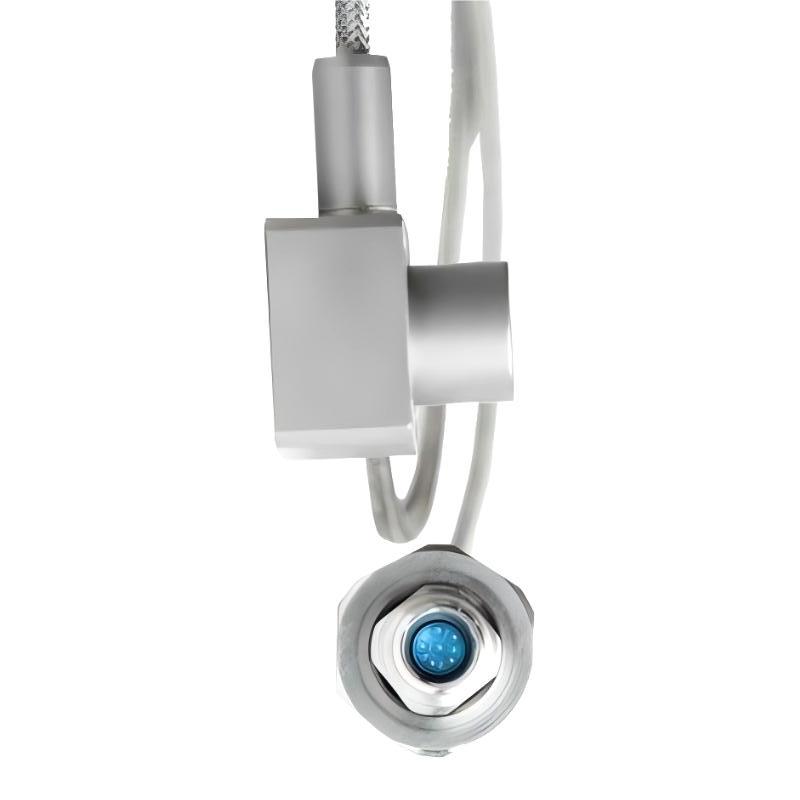
The Bently Nevada 350900-394 is a High Temperature Velocity and Acceleration Sensor (HTVAS) designed for vibration monitoring applications in extreme temperature environments. It provides both velocity and acceleration outputs, allowing machinery monitoring systems to perform vibration protection and diagnostic analysis at the same time.
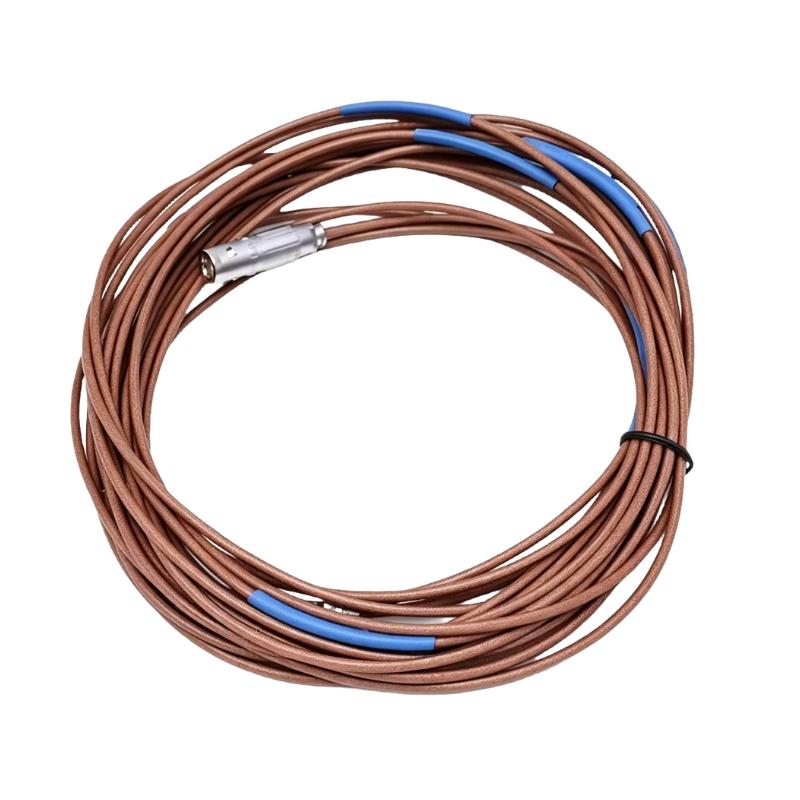
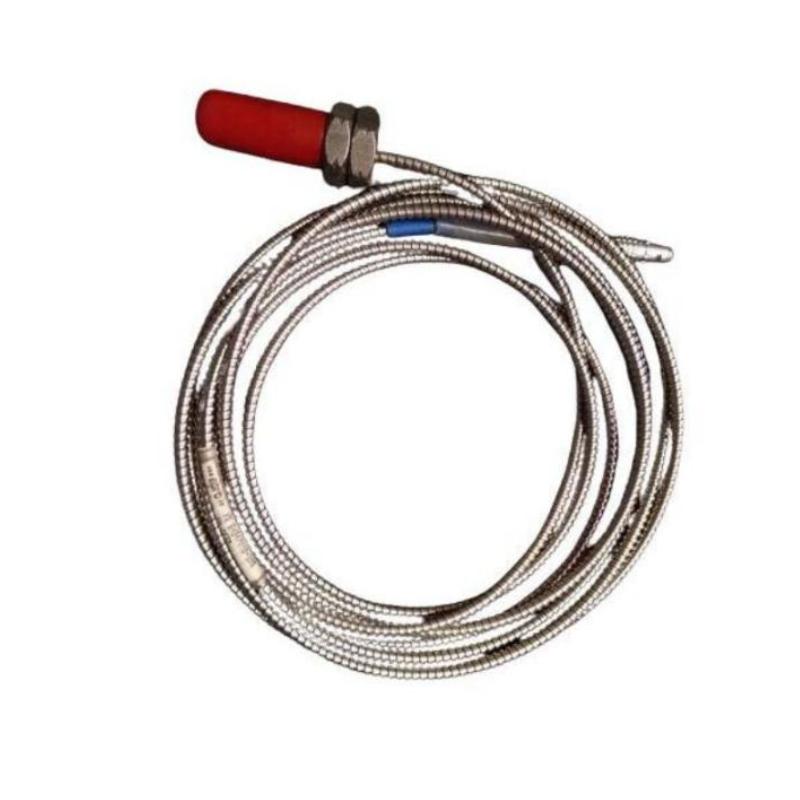
The sensor separates the high-temperature sensing element from the signal-conditioning electronics through an integrated cable design. This allows the sensing section to be installed near high-temperature machine surfaces while keeping the electronics in a cooler location. It is commonly used for monitoring steam turbines, gas turbines, compressors, and other rotating equipment operating under demanding thermal conditions.
Technical Specifications
| Parameter | Details |
|---|---|
| Brand | Bently Nevada |
| Model | 350900-394 |
| Product Type | High Temperature Velocity and Acceleration Sensor |
| Series | 350900 HTVAS |
| Cable Length | 10 meters |
| Weight | 1.545 kg |
| Sensor Type | Velocity and Acceleration Transducer |
| Measurement Output | Velocity Signal and Acceleration Signal |
| Maximum Sensing Temperature | Up to +482°C (+900°F) |
| Electronics Operating Temperature | Up to +125°C (+257°F) |
| Sensor Material | Nickel Alloy |
| Cable Type | High Temperature Mineral Insulated Cable |
| Application | Rotating Machinery Vibration Monitoring |
| Compatible Monitoring Systems | Bently Nevada 3500 Series Monitoring Systems |
Applications
Gas Turbines
The 350900-394 is suitable for gas turbine vibration monitoring where sensor installation locations may experience extremely high temperatures.
Steam Turbines
Steam turbine applications can use the sensor for continuous vibration measurement on high-temperature sections while maintaining reliable signal transmission.
Compressors
The sensor provides vibration data for compressor condition monitoring, helping detect mechanical problems such as imbalance, looseness, and bearing-related issues.
Industrial Rotating Equipment
It is suitable for rotating machinery in power generation, oil and gas, petrochemical, and industrial processing applications where conventional vibration sensors may not tolerate the operating temperature.
High Temperature Machinery Areas
The extended cable design allows the sensing element to be installed close to hot machine surfaces while placing signal-conditioning electronics in a more suitable environment.
How It Works
The 350900-394 combines velocity and acceleration measurement functions in one high-temperature vibration sensor.
The sensing element detects mechanical vibration from the machine structure and generates vibration signals representing both velocity and acceleration. These signals are transmitted through the integrated high-temperature cable to the monitoring electronics for processing and analysis.
A typical monitoring chain is:
Rotating Machine → 350900 HTVAS Sensor → Signal Conditioning → Machinery Monitoring System
The separation between the sensing head and electronics allows the sensor to operate in areas with much higher temperatures than standard vibration transducers. This design reduces the risk of electronic component failure caused by excessive heat exposure.
Key Benefits
| Feature | Benefit |
|---|---|
| High Temperature Capability | Designed for vibration measurement in extreme temperature environments. |
| Dual Output Measurement | Provides both velocity and acceleration signals for protection and diagnostics. |
| Integrated Cable Design | Reduces connection points between sensing element and electronics. |
| Extended Cable Length | Allows flexible installation between hot machine areas and monitoring equipment. |
| Industrial Construction | Suitable for demanding rotating machinery applications. |
| Condition Monitoring Support | Helps identify abnormal vibration behavior before equipment failure. |
Related Components
| Component | Function |
|---|---|
| 350900-394 HTVAS Sensor | Measures machine vibration velocity and acceleration. |
| 3500/42M Monitor | Processes vibration signals from compatible transducers. |
| 3500/44M Monitor | Supports vibration monitoring applications using acceleration and velocity inputs. |
| Signal Conditioning Equipment | Processes and converts sensor signals. |
| Machinery Protection System | Provides alarms, monitoring, and protection functions. |
| Rotating Machine Structure | Provides the vibration source being measured. |
Installation
The 350900-394 should be installed on a clean and mechanically stable mounting surface to ensure accurate vibration measurement.
Before installation, technicians should verify:
- Sensor model and cable length
- Mounting surface condition
- Cable routing path
- Operating temperature near the sensing location
- Connection compatibility with monitoring equipment
- Mechanical fastening condition
The high-temperature sensing section should be positioned close to the measurement point, while the cable should be routed carefully to avoid sharp bends, mechanical damage, and unnecessary thermal exposure.
Proper installation is important because vibration measurements depend on the mechanical connection between the sensor and the machine structure.
Troubleshooting
| Problem | Possible Cause | Recommended Check |
|---|---|---|
| No Vibration Signal | Wiring problem or sensor failure | Check cable connection and monitoring input. |
| Unstable Signal | Loose mounting or mechanical interference | Inspect mounting condition and sensor installation. |
| Incorrect Vibration Reading | Sensor orientation or installation issue | Verify sensor mounting and measurement direction. |
| Signal Loss at High Temperature | Excessive thermal exposure or cable damage | Check installation temperature and cable condition. |
| Different Velocity and Acceleration Results | Monitoring configuration issue | Verify channel setup and signal processing parameters. |
Recommended Models
| Model | Product Type | Application |
|---|---|---|
| 350900-394 | High Temperature Velocity and Acceleration Sensor | 10-meter cable high-temperature vibration monitoring |
| 350900-315 | High Temperature Velocity and Acceleration Sensor | 8-meter cable application |
| 350900-237 | High Temperature Velocity and Acceleration Sensor | 6-meter cable application |
| 350900 Series HTVAS | High Temperature Vibration Sensor | Extreme temperature machinery monitoring |
| 330500 Velomitor Sensor | Velocity Sensor | Standard rotating machinery vibration monitoring |
| 370300 Accelerometer | Industrial Accelerometer | Acceleration measurement applications |
Related Products
| Product / Series | Product Type | Main Use |
|---|---|---|
| 350900 HTVAS Series | High Temperature Vibration Sensor | Velocity and acceleration monitoring |
| 3500 Series Monitoring System | Machinery Protection System | Vibration protection and diagnostics |
| 330500 Velomitor Series | Velocity Sensor | Rotating machinery vibration measurement |
| 370300 Series | Accelerometer | Acceleration monitoring |
| Bently Nevada Vibration Sensors | Condition Monitoring Sensors | Machinery health monitoring |
| Vibration Monitoring Modules | Signal Processing Equipment | Sensor data analysis |
Technical FAQs
1. What is the main advantage of the 350900-394 sensor?
The main advantage is its ability to provide vibration measurement in high-temperature environments by separating the sensing element from the signal-conditioning electronics.
2. What signals does the 350900-394 provide?
The sensor provides both velocity and acceleration outputs, allowing the monitoring system to perform vibration protection and diagnostic analysis.
3. Why is the sensor suitable for high-temperature applications?
The sensing element is designed for installation near hot machine surfaces, while the electronics are positioned away from excessive heat through the extended cable arrangement.
4. What monitoring systems are commonly used with this sensor?
The 350900 series is commonly integrated with Bently Nevada machinery monitoring systems that support velocity and acceleration vibration inputs.
5. What should be checked when replacing a 350900-394?
The sensor configuration, cable length, mounting arrangement, operating temperature, wiring connection, and compatibility with the existing monitoring system should be verified before replacement.