

ProductPRODUCT
Featured products
Contact Us
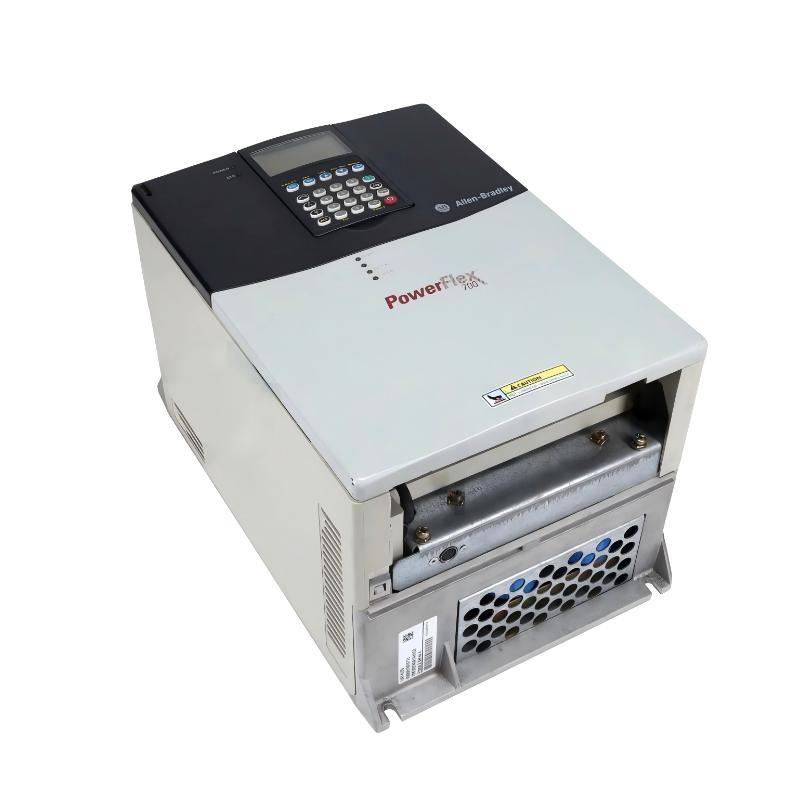
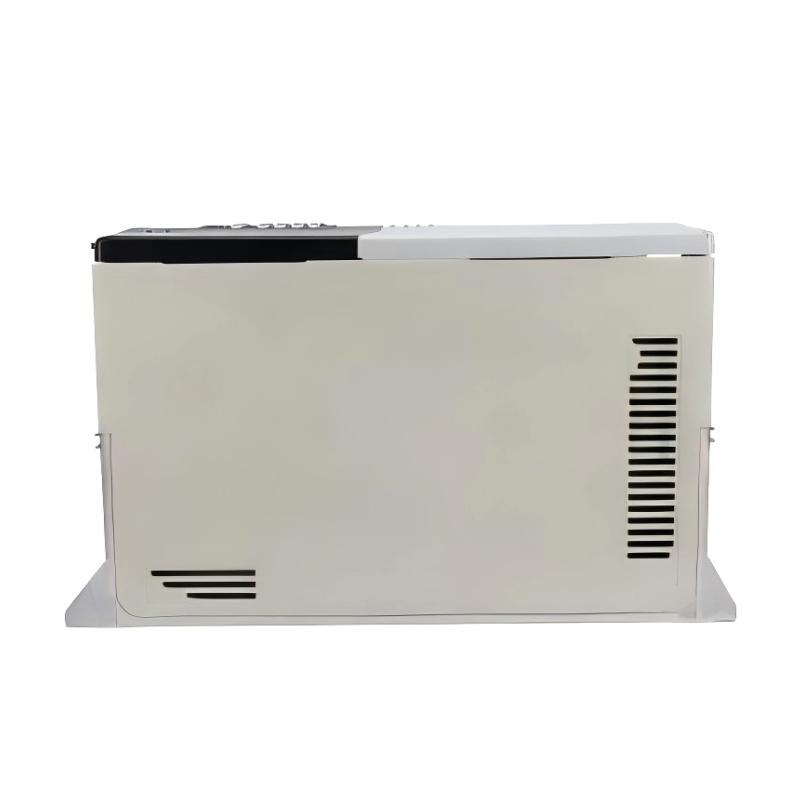
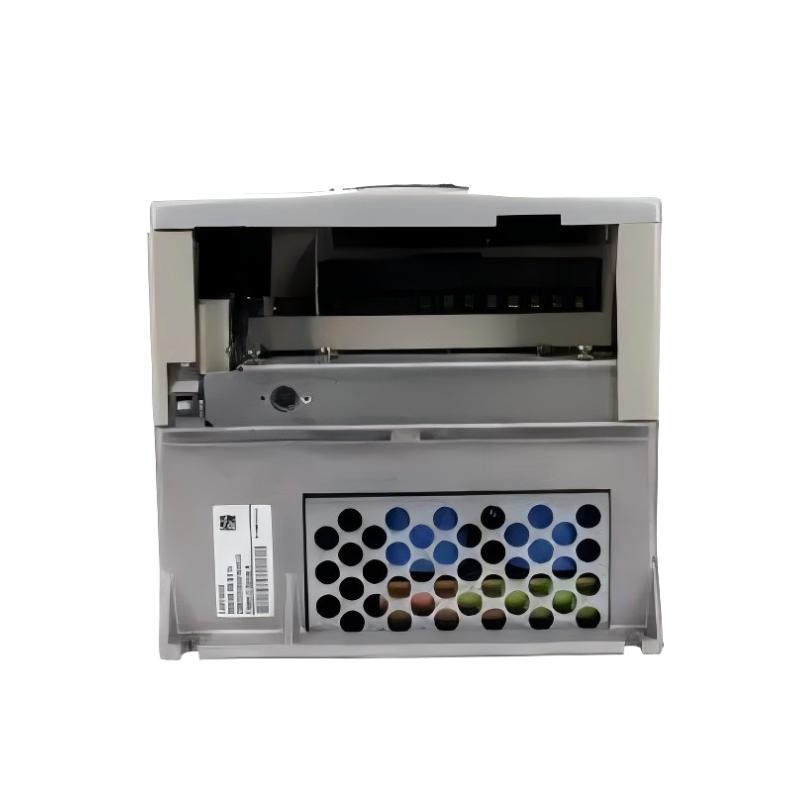
- Allen Bradley
- 20BR365U0ANNNND0
- PowerFlex AC Drive
- USA
- 757.7 × 889.0 × 381.7 mm
- 384 kg
- Xiamen, China
- New & In Stock
- T/T, PayPal, Western Union
- 1 Year
- 1-3 Working Days
- DHL, UPS, TNT, FedEx and EMS.
- 24-Hour Service
- COO
- 50
Our advantage

Global Logistics
We have a 10-year logistics and express cooperation agreement, so our products can be shipped to any place in the world.

Brand new and original
Our products are imported in bulk from the place of origin. Because of the cooperative relationship, our products are all original and 100% new.

24-hour service
We provide 7*24 hours service to our customers. We will be there whenever you need us.

Price advantage
All our products are priced very favorably because we have our own warehouse and supply.
| Company Information | |||
| [email protected] | |||
| Mobile | +8615980777398 | ||
| +8615980777398 | |||
| 15980777398 |
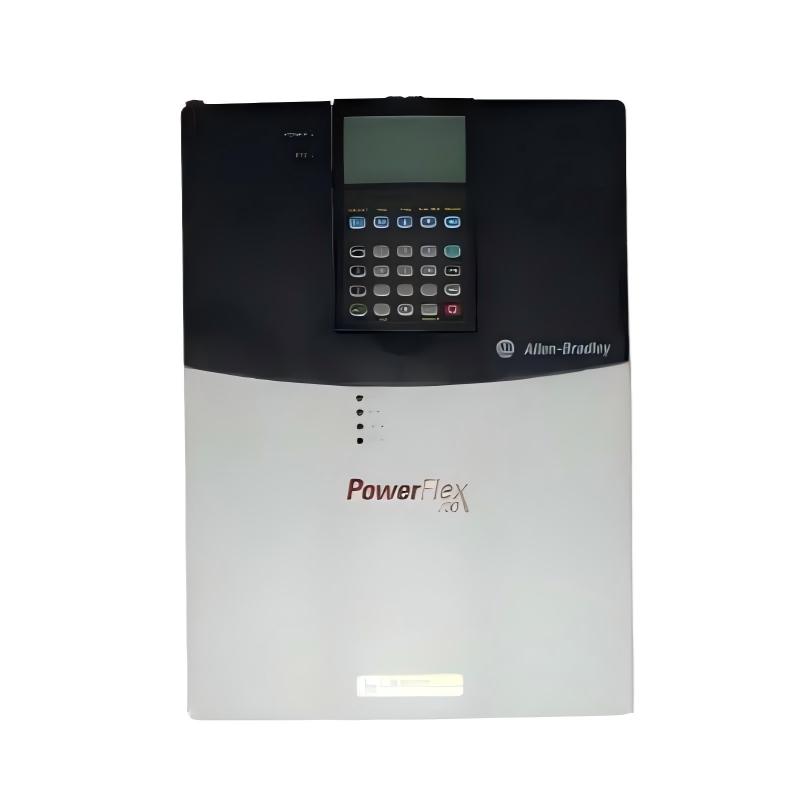
20BR365U0ANNNND0 — Detailed Product Overview, Specifications, Applications, Advantages and Related Models
The 20BR365U0ANNNND0 is a high-power AC drive from the PowerFlex 700, 20B series. It is a large industrial variable-frequency drive intended for demanding motor-control applications where conventional low-power drives are not sufficient.
The catalog number identifies a 365 A drive configuration. The “BR” family designation is associated with a high-power regenerative-drive configuration within the PowerFlex 700 range, making this type of unit particularly relevant to applications where motor operation may include significant deceleration or energy returning from the motor/load system.
The product is an older-generation industrial drive and is particularly relevant to existing machinery, replacement projects, plant maintenance, and applications already designed around the PowerFlex 700 architecture.
1. Basic Product Information
| Parameter | Specification |
|---|---|
| Model | 20BR365U0ANNNND0 |
| Brand | Allen-Bradley |
| Product Family | PowerFlex 700 |
| Series | 20B |
| Product Type | High-power AC regenerative drive |
| Rated Current | 365 A |
| Voltage Code | R |
| Configuration Code | U0 |
| Control Platform | PowerFlex 700 drive architecture |
| Drive Category | High-power industrial variable-frequency drive |
| Regeneration | Regenerative configuration |
| Motor Control | Variable-speed AC motor control |
| Typical Installation | Industrial electrical cabinet / drive system |
| Application Level | Medium-to-large industrial machinery |
| Product Generation | Legacy / discontinued-generation equipment |
| Cooling | Forced-air industrial cooling |
| Enclosure | Installation-dependent |
| Dimensions | Large-frame configuration; exact dimensions depend on the complete mechanical arrangement |
| Weight (kg) | Configuration-dependent; exact shipping weight should be confirmed from the actual mechanical assembly |
The 365 in the catalog number is the most immediately recognizable electrical rating and represents the drive’s current class.
The U0 portion identifies a particular voltage/configuration option, while the remaining characters define additional factory-selected options.
Because this is a high-power drive, the complete catalog number should always be used when identifying a replacement. A 365 A drive with a different voltage code or option configuration should not automatically be treated as a direct replacement.
2. Product Series
The 20BR365U0ANNNND0 belongs to the:
PowerFlex 700 → 20B Series → High-Power / Regenerative Drive Configuration
The PowerFlex 700 family was developed for industrial applications requiring more advanced motor control than a simple general-purpose inverter.
The 20B series covers a broad range of drive configurations, from relatively compact industrial drives through high-current equipment used with large motors.
Within this family, the 20BR configuration is particularly important for applications where regeneration and controlled energy handling are part of the machine’s operating cycle.
3. What Is a Regenerative Drive?
A conventional AC drive normally takes electrical energy from the supply, converts it through the drive, and supplies controlled electrical power to the motor.
During certain operating conditions, however, the motor can act as a generator.
This commonly occurs when:
- A large load is being decelerated.
- A suspended load is lowering.
- A conveyor is being driven by an overhauling load.
- A high-inertia machine is slowing down.
- A rotating machine feeds energy back toward the drive.
- The motor needs frequent acceleration and deceleration.
Instead of dissipating all of this energy as heat through a braking resistor, a regenerative drive can return suitable regenerated energy to the electrical supply.
This is one of the main reasons a high-power regenerative configuration can be attractive for demanding industrial machinery.
4. Product Introduction
The 20BR365U0ANNNND0 is designed for high-power motor-control systems where speed regulation, controlled acceleration, controlled deceleration, and energy regeneration are important.
With a 365 A current rating, it belongs to the high-current portion of the PowerFlex 700 product range.
It is much larger than the compact variable-frequency drives normally used for small pumps, fans, conveyors, or machine tools.
The drive is more appropriate for large rotating equipment and production machinery where the motor may experience substantial torque, inertia, or regenerative energy.
In practical terms, this type of drive is intended to become part of a complete motor-control system rather than operate as an isolated electrical component.
The final system normally includes the incoming electrical supply, protection equipment, motor cabling, motor, control system, safety circuitry, cooling arrangement, cabinet, grounding system, and suitable programming.
5. Main Technical Parameters
| Parameter | 20BR365U0ANNNND0 |
|---|---|
| Catalog Number | 20BR365U0ANNNND0 |
| Brand | Allen-Bradley |
| Product Family | PowerFlex 700 |
| Series | 20B |
| Drive Type | Regenerative AC Drive |
| Current Rating | 365 A |
| Voltage Code | R |
| Configuration | U0 |
| Control | Advanced AC motor control |
| Motor Type | Three-phase AC motor |
| Application | Variable-speed industrial motor control |
| Regenerative Operation | Yes, regenerative configuration |
| Input Power | Industrial AC supply, dependent on voltage configuration |
| Output | Variable-frequency three-phase AC |
| Acceleration Control | Yes |
| Deceleration Control | Yes |
| Speed Regulation | Yes |
| Torque Control | Available through drive control architecture |
| Braking Method | Regenerative braking / energy return configuration |
| Cooling | Forced-air cooling |
| Installation | Industrial cabinet/system installation |
| Frame | Large-frame/high-power construction |
| Enclosure | Depends on system configuration |
| Dimensions | Large-frame; exact H × W × D depends on the mechanical configuration |
| Weight (kg) | Configuration-dependent |
| Product Status | Legacy / discontinued generation |
6. Electrical Rating
The most important electrical characteristic of this model is its 365 A current rating.
This rating should be considered together with the motor’s rated current rather than relying only on motor horsepower or kilowatt values.
For industrial motor applications, the motor nameplate current, operating duty, overload requirements, acceleration profile, ambient temperature, installation altitude, and cooling conditions can all influence the correct drive selection.
A 365 A drive is intended for substantially larger motor systems than compact industrial inverters.
7. Regenerative Capability
One of the key advantages of the 20BR configuration is regenerative operation.
In a conventional drive system, regenerated motor energy may need to be converted into heat.
That can require braking resistors and associated thermal management.
A regenerative architecture provides another approach: when operating conditions allow it, regenerated energy can be transferred back toward the electrical supply.
This can be especially useful when a machine repeatedly changes speed.
For example, imagine a large conveyor that accelerates, operates at speed, slows down, and then accelerates again many times during production.
The repeated deceleration process can generate significant energy.
A regenerative drive can handle this type of operating condition more effectively than a basic drive that relies solely on resistive braking.
8. Product Applications
8.1 Large Conveyor Systems
Large conveyors are one of the most suitable applications for high-power drive technology.
The drive can provide controlled acceleration and deceleration while regulating conveyor speed.
In systems with high inertia or frequent stopping, regenerative capability can become particularly valuable.
Typical applications include:
- Mining conveyors
- Bulk-material conveyors
- Heavy production conveyors
- Long-distance conveyors
- Material-handling equipment
- Processing-line conveyors
8.2 Hoists and Lifting Machinery
Lifting equipment can create significant regenerative energy.
When a load is lowered, the motor may be driven by the mechanical load instead of simply consuming electrical energy.
This makes regenerative drive technology attractive for certain high-power lifting applications.
However, hoisting systems also have special safety requirements, so the drive must be selected as part of the complete hoist-control architecture.
8.3 Cranes
Industrial cranes frequently accelerate, decelerate, lift, lower, and reposition heavy loads.
These operating cycles can produce substantial changes in motor torque and energy flow.
A regenerative drive can therefore be advantageous when the system requires frequent braking and controlled energy recovery.
8.4 Test Stands
Large motor test stands can operate through repeated acceleration and deceleration cycles.
The drive can provide precise speed control while handling energy generated during deceleration.
This can make regenerative operation useful in high-power test equipment.
8.5 Centrifuges
High-inertia rotating machines can generate considerable energy during deceleration.
A regenerative drive can be useful when the centrifuge requires frequent stopping and restarting.
The exact suitability depends on the machine’s speed, inertia, braking time, and motor characteristics.
8.6 Large Fans and Blowers
Large fans generally do not regenerate as aggressively as lifting equipment or high-inertia machinery.
However, high-power variable-speed control can still provide benefits where the operating speed needs to be adjusted continuously.
8.7 Process Machinery
High-power process equipment can require stable speed control and controlled acceleration.
The drive can be used in applications such as:
- Large mixers
- Industrial processing equipment
- Material-handling systems
- Large rotating machinery
- Production machinery
- High-inertia machines
9. Product Advantages
9.1 High Current Capacity
The 365 A rating provides substantial capacity for large industrial motors.
This makes the drive appropriate for applications where a standard compact inverter would not have sufficient current capability.
9.2 Regenerative Operation
The regenerative configuration is one of the strongest features of the 20BR family.
Instead of treating regenerated energy purely as waste heat, the system can return appropriate regenerated power toward the electrical supply.
This is particularly valuable for applications with frequent deceleration.
9.3 Controlled Acceleration
Large motors and machines can experience considerable mechanical stress when started abruptly.
The drive can provide a controlled acceleration ramp.
This can reduce sudden torque transmission through:
- Gearboxes
- Couplings
- Shafts
- Belts
- Chains
- Conveyor components
- Mechanical drive trains
9.4 Controlled Deceleration
Controlled deceleration can be just as important as controlled acceleration.
A large rotating load can have significant stored kinetic energy.
The drive provides a controlled method of reducing motor speed rather than relying on an abrupt stop.
9.5 Better Process Control
Variable-speed control allows machine speed to follow production requirements.
For many industrial processes, this provides more flexibility than fixed-speed operation.
9.6 Suitable for High-Inertia Loads
Large rotating equipment can store considerable mechanical energy.
A drive designed for demanding motor-control applications is better suited to these operating conditions than a small general-purpose inverter.
10. Limitations and Important Selection Considerations
The 20BR365U0ANNNND0 should not be selected solely because a motor is approximately within the same horsepower range.
The following factors should be checked before replacement or installation.
| Selection Factor | Required Check |
|---|---|
| Motor voltage | Confirm motor nameplate voltage |
| Motor current | Confirm motor full-load current |
| Drive current | 365 A class |
| Duty cycle | Continuous, variable, cyclic, overload |
| Acceleration | Required acceleration time |
| Deceleration | Required stopping time |
| Regeneration | Determine whether regenerated energy is significant |
| Incoming supply | Confirm voltage and frequency |
| Motor cable | Check cable size and installation |
| Grounding | Verify grounding arrangement |
| Cooling | Verify cabinet ventilation |
| Ambient temperature | Confirm operating temperature |
| Altitude | Check derating requirements |
| Communication | Confirm PLC/network requirements |
| Feedback | Check whether encoder feedback is needed |
| Safety | Check complete machine safety architecture |
| Dimensions | Confirm actual installation dimensions |
| Weight (kg) | Confirm actual shipping/installed weight |
| Cabinet | Confirm available enclosure space |
11. Dimensions and Weight
Because the 20BR365U0ANNNND0 is a high-power PowerFlex 700 configuration, the mechanical size is substantially larger than small-frame drives.
The exact physical dimensions should be treated as configuration-dependent.
A high-power drive may be supplied as part of a larger mechanical arrangement, and the final footprint can depend on:
- Enclosure configuration
- Input/output arrangement
- Cooling system
- Line components
- Disconnect equipment
- Filters
- Reactor arrangement
- Mounting structure
- Factory packaging
- Cabinet configuration
For this reason, it would be misleading to provide an invented single H × W × D figure or a guessed kilogram value.
| Mechanical Parameter | Specification |
|---|---|
| Model | 20BR365U0ANNNND0 |
| Frame | High-power / large frame |
| Installation | Industrial cabinet/system |
| Height | Configuration-dependent |
| Width | Configuration-dependent |
| Depth | Configuration-dependent |
| Overall footprint | Depends on installation arrangement |
| Shipping dimensions | Packaging-dependent |
| Weight (kg) | Configuration-dependent |
| Mounting | Industrial cabinet / suitable structural support |
| Cooling clearance | Must follow the installation arrangement |
For procurement and installation, the actual nameplate and mechanical drawing for the exact unit should be treated as the controlling information.
12. Five Related Models from the Same Series
The following models are closely related to the 20BR365U0ANNNND0 and are useful when comparing different current ratings and option configurations within the same PowerFlex 700 20B family.
| Model | Series | Current | Drive Type | Main Difference | Typical Application | Dimensions | Weight (kg) |
|---|---|---|---|---|---|---|---|
| 20BR365N0ANNNND0 | PowerFlex 700 / 20B | 365 A | Regenerative AC drive | Different configuration option | Large industrial motors | Large frame | Configuration dependent |
| 20BR365U0ANNNNC0 | PowerFlex 700 / 20B | 365 A | Regenerative AC drive | Different final option configuration | High-power motor control | Large frame | Configuration dependent |
| 20BR365V0NNNNND0 | PowerFlex 700 / 20B | 365 A | Regenerative AC drive | Different voltage/configuration option | Large rotating equipment | Large frame | Configuration dependent |
| 20BR415U0ANNNND0 | PowerFlex 700 / 20B | 415 A | Regenerative AC drive | Higher current capacity | Larger motor systems | Large frame | Configuration dependent |
| 20BR481N0ANNNND0 | PowerFlex 700 / 20B | 481 A | Regenerative AC drive | Higher current capacity | High-power industrial machinery | Large frame | Configuration dependent |
These models are useful comparisons because they remain within the same broad 20BR high-power regenerative family.
The most important difference among them is not simply the catalog number itself but the combination of current rating, voltage configuration, option code, control configuration, and final factory option selection.
13. Current-Rating Comparison
| Model | Rated Current | Relative Capacity | General Application Level | Dimensions | Weight (kg) |
|---|---|---|---|---|---|
| 20BR365U0ANNNND0 | 365 A | Reference | Large industrial motor | Large frame | Configuration dependent |
| 20BR365N0ANNNND0 | 365 A | Same | Large industrial motor | Large frame | Configuration dependent |
| 20BR365V0NNNNND0 | 365 A | Same | Large industrial motor | Large frame | Configuration dependent |
| 20BR415U0ANNNND0 | 415 A | Higher | Larger industrial motor | Large frame | Configuration dependent |
| 20BR481N0ANNNND0 | 481 A | Higher | Very large industrial motor | Large frame | Configuration dependent |
The 415 A and 481 A models should not automatically be regarded as replacements simply because their current ratings are higher.
A higher-current drive can have different electrical and mechanical requirements, and compatibility must be confirmed at system level.
14. Five Popular Models from the Same Brand
For a broader product comparison, the following models represent other commonly encountered products from the same industrial automation brand.
They cover different drive families and power levels, so they are better viewed as alternatives for different application classes rather than direct substitutes.
| Model | Product Family | Product Type | Current / Power Class | Main Application | Control Capability | Dimensions | Weight (kg) |
|---|---|---|---|---|---|---|---|
| 20BD180A0AYNANC0 | PowerFlex 700 | AC drive | 180 A class | Industrial motor control | Vector control | Medium/large frame | Configuration dependent |
| 20BR535U0ANNNND1 | PowerFlex 700 | Regenerative AC drive | 535 A | Large regenerative applications | Advanced motor control | Large frame | Configuration dependent |
| 20BP730N0NNNNNC0 | PowerFlex 700 | High-power AC drive | 730 A | Very large motor systems | Vector control | Large frame | Configuration dependent |
| 20CC1K0A0ANNBNA0 | PowerFlex 400 | High-power VFD configuration | 1,000-class current designation | Industrial motor applications | General industrial drive control | Large frame | Configuration dependent |
| 20G14TC750JN0NNNNN | PowerFlex 755 | High-performance AC drive | 750-class power/current configuration | Advanced industrial machinery | Advanced vector control | Large frame | Configuration dependent |
These products span several generations and application categories.
For a direct replacement project, the models should not be treated as interchangeable merely because they are all high-power variable-frequency drives.
15. Comparison of Related Products
| Model | Family | Current / Class | Regenerative | Application Level | Relative Position |
|---|---|---|---|---|---|
| 20BR365U0ANNNND0 | PowerFlex 700 | 365 A | Yes | Large industrial | Reference model |
| 20BR365N0ANNNND0 | PowerFlex 700 | 365 A | Yes | Large industrial | Same current class |
| 20BR365V0NNNNND0 | PowerFlex 700 | 365 A | Yes | Large industrial | Same current class |
| 20BR415U0ANNNND0 | PowerFlex 700 | 415 A | Yes | Larger industrial | Higher current |
| 20BR481N0ANNNND0 | PowerFlex 700 | 481 A | Yes | Very large industrial | Higher current |
| 20BR535U0ANNNND1 | PowerFlex 700 | 535 A | Yes | Very large industrial | Higher current |
| 20BP730N0NNNNNC0 | PowerFlex 700 | 730 A | Different configuration | Very high-power | Higher power class |
16. Catalog Number Interpretation
The catalog number can be divided into several logical sections.
| Catalog Section | General Meaning |
|---|---|
| 20B | PowerFlex 700 product family |
| R | Regenerative/high-power configuration code |
| 365 | 365 A current rating |
| U0 | Voltage/configuration selection |
| A | Factory option position |
| NNNN | Additional option positions |
| D0 | Final configuration designation |
The exact interpretation of every character is important when selecting a replacement.
A model that differs by only one character can contain a different electrical or functional configuration.
For maintenance departments, it is therefore good practice to record the entire catalog number from the equipment nameplate rather than recording only “PowerFlex 700 365 A”.
17. Typical Industrial Applications
| Application | Why the Drive Is Suitable |
|---|---|
| Heavy conveyors | Controlled speed and acceleration |
| Mining equipment | High-current motor control |
| Cranes | Controlled acceleration and regenerative operation |
| Hoists | Energy recovery during lowering |
| Large centrifuges | High-inertia deceleration |
| Material handling | Smooth speed regulation |
| Large process machinery | Adjustable operating speed |
| Test stands | Repeated acceleration/deceleration |
| Large rotating equipment | High-power variable-speed operation |
| Production machinery | Improved process control |
18. Application Example — Heavy Conveyor
A large conveyor can place considerable demand on its motor during acceleration.
If the conveyor is loaded with material, the motor must produce sufficient torque to overcome both static resistance and the inertia of the moving system.
With a variable-frequency drive, the motor can accelerate gradually.
This reduces sudden mechanical loading.
When the conveyor decelerates, the motor and conveyor can transfer mechanical energy back toward the drive.
If the system is designed for regenerative operation, this energy can be managed through the regenerative power section rather than relying exclusively on heat-producing braking methods.
This is one of the clearest situations where the 20BR configuration can provide a practical advantage.
19. Application Example — Hoisting Equipment
Hoisting systems have a different operating pattern.
During lifting, electrical energy is supplied to the motor.
During lowering, the mechanical load can drive the motor.
The motor can then behave as a generator.
This makes regenerative energy management especially important.
A regenerative drive can be attractive for such applications because it is designed around bidirectional power flow.
However, hoisting applications require careful attention to mechanical brakes, safety circuits, load control, overspeed protection, emergency stopping, and machine-specific safety requirements.
The drive should therefore be regarded as one part of the complete hoisting system.
20. Application Example — High-Inertia Machinery
Suppose a large machine contains a heavy rotating assembly.
Once the machine reaches operating speed, the rotating components store significant kinetic energy.
When the machine needs to stop quickly, that energy must go somewhere.
A regenerative drive provides a way of managing this energy through the electrical system.
This can be preferable to dissipating a very large amount of energy through braking resistors, particularly where the machine repeatedly performs the same acceleration and deceleration cycle.
21. Energy-Management Advantages
The regenerative configuration can provide several practical benefits.
| Benefit | Description |
|---|---|
| Energy recovery | Suitable regenerated energy can be returned to the supply |
| Reduced braking heat | Less dependence on resistive braking for suitable applications |
| Repeated cycling | Well suited to frequent acceleration/deceleration |
| High-inertia control | Better suited to machines storing significant kinetic energy |
| Controlled stopping | Provides controlled deceleration |
| Process flexibility | Motor speed can be adjusted to production needs |
Actual energy savings depend heavily on the application.
A pump operating at relatively constant speed may have very little regenerative energy.
A crane, hoist, test stand, or high-inertia machine may have considerably more opportunity for regeneration.
22. Maintenance Considerations
For an older high-power drive such as the 20BR365U0ANNNND0, maintenance planning is particularly important.
The drive contains power electronics that operate under significant electrical and thermal stress.
Regular inspection should consider:
- Cooling fans
- Airflow
- Cabinet cleanliness
- Power connections
- DC-bus components
- Capacitor condition
- Semiconductor assemblies
- Control boards
- Grounding
- Motor cables
- Terminal connections
- Environmental temperature
- Humidity
- Dust accumulation
- Vibration
A clean cooling path is particularly important for high-power electronics.
Restricted airflow can increase component temperature and accelerate aging.
23. Replacement Considerations
When replacing a 20BR365U0ANNNND0, the safest approach is to start with the exact catalog number.
If the original model cannot be obtained, compare the replacement candidate against the following points:
| Area | Required Match |
|---|---|
| Current | At least suitable for motor current and duty |
| Voltage | Must match system requirements |
| Regeneration | Must satisfy energy-flow requirements |
| Motor | Voltage, current, power and frequency |
| Control | Required speed/torque performance |
| Feedback | Encoder or other feedback requirements |
| Communication | PLC and network compatibility |
| I/O | Existing control wiring |
| Braking | Existing braking requirements |
| Physical size | Cabinet compatibility |
| Weight (kg) | Structural and lifting compatibility |
| Cooling | Heat dissipation and airflow |
| Programming | Parameter compatibility |
| Safety | Machine safety requirements |
| Commissioning | Required engineering changes |
24. Overall Product Advantages
| Feature | Practical Advantage |
|---|---|
| 365 A rating | Suitable for high-power motors |
| PowerFlex 700 architecture | Designed for demanding industrial applications |
| Regenerative configuration | Handles suitable regenerative energy |
| Variable-speed control | Allows machine speed adjustment |
| Controlled acceleration | Reduces mechanical shock |
| Controlled deceleration | Provides smoother stopping |
| High-power construction | Suitable for large industrial machinery |
| Advanced control | Better speed and torque management |
| Existing-system compatibility | Useful for maintaining established installations |
| Wide application range | Suitable for conveyors, cranes, hoists and process equipment |
25. Summary Specification Table
| Parameter | Detailed Information |
|---|---|
| Model | 20BR365U0ANNNND0 |
| Brand | Allen-Bradley |
| Product Family | PowerFlex |
| Series | PowerFlex 700 |
| Bulletin | 20B |
| Drive Type | High-power regenerative AC drive |
| Current Rating | 365 A |
| Voltage Code | R |
| Configuration | U0 |
| Output | Variable-frequency three-phase AC |
| Motor Application | Large industrial AC motors |
| Control | Advanced variable-speed motor control |
| Regeneration | Yes |
| Acceleration | Controlled |
| Deceleration | Controlled |
| Braking | Regenerative configuration |
| Typical Machines | Conveyors, cranes, hoists, test stands, high-inertia machinery |
| Installation | Industrial cabinet/system |
| Cooling | Forced air |
| Frame | Large/high-power frame |
| Dimensions | Configuration-dependent |
| Height | Configuration-dependent |
| Width | Configuration-dependent |
| Depth | Configuration-dependent |
| Weight (kg) | Configuration-dependent |
| Product Generation | Legacy / discontinued generation |
26. Final Assessment
The 20BR365U0ANNNND0 is a high-power PowerFlex 700 20B-series regenerative AC drive with a 365 A current rating.
Its main distinguishing feature is the regenerative architecture, which makes it particularly useful in applications where the motor frequently decelerates or where the mechanical load can drive the motor.
For conventional applications such as a continuously operating fan or pump, the regenerative capability may not provide the same level of benefit as it would in a crane, hoist, conveyor, high-inertia machine, or cyclic test system.
The drive’s high current capacity also makes it suitable for large industrial motors where controlled speed, torque, acceleration, and deceleration are required.
The most important selection point is that the complete catalog number matters. The 365 A rating alone does not define the entire product.
The voltage configuration, option codes, control architecture, regenerative requirements, feedback, communication functions, cabinet arrangement, motor characteristics, and application duty all need to be considered.
For mechanical planning, the dimensions and weight in kg should be treated as configuration-specific. A 365 A high-power drive is not a small component, and cabinet layout, transportation, lifting, ventilation, and mounting requirements should be established using the actual unit configuration rather than an estimated generic figure.
For an existing PowerFlex 700 installation, the closest comparison models are the other 20BR365, 20BR415, 20BR481, and 20BR535 configurations. These provide a useful path for evaluating alternative current ratings and option combinations while remaining within the same broad product family.
If the goal is a direct replacement, however, 20BR365U0ANNNND0 remains the correct reference point, and any substitute should be checked against the complete electrical and mechanical requirements before installation.