

ProductPRODUCT
Featured products
Contact Us
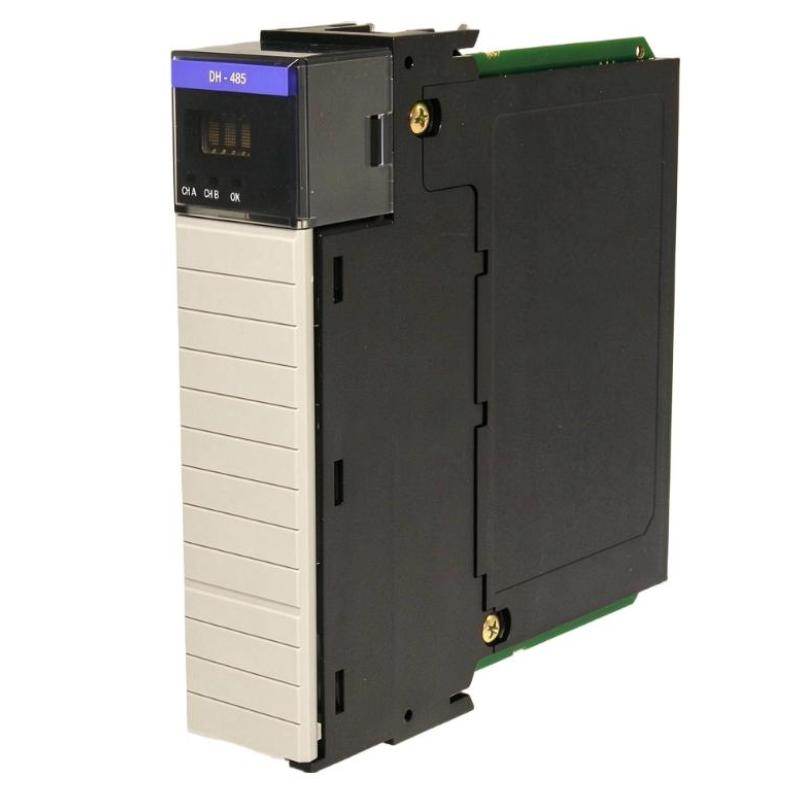
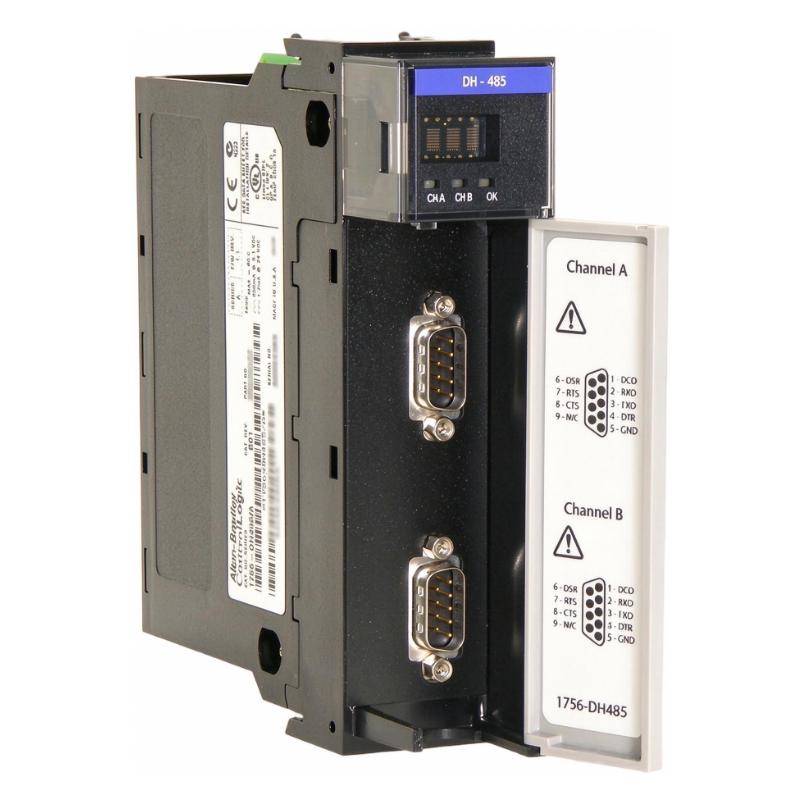
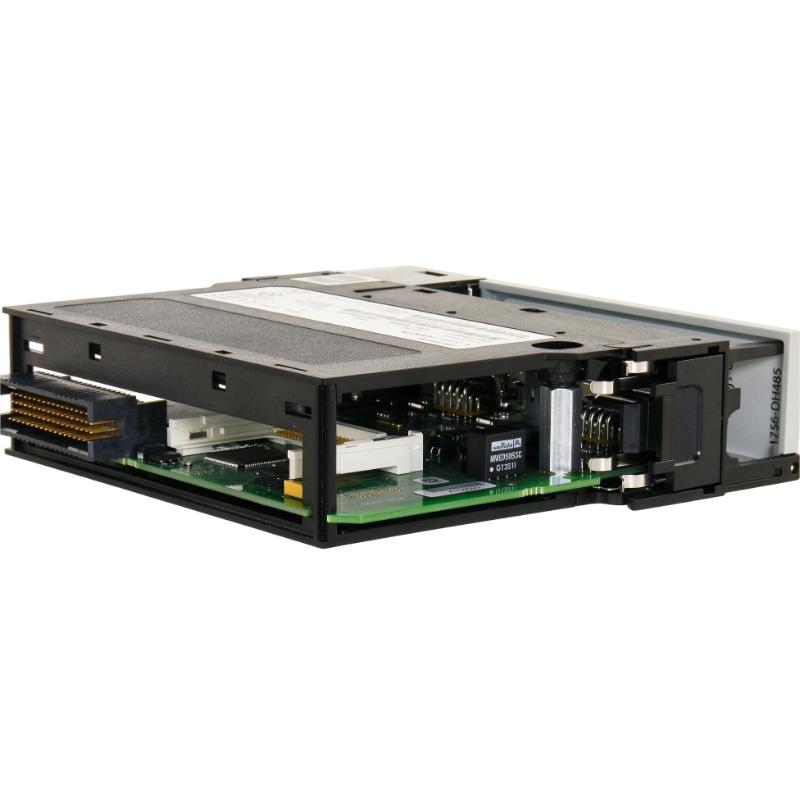
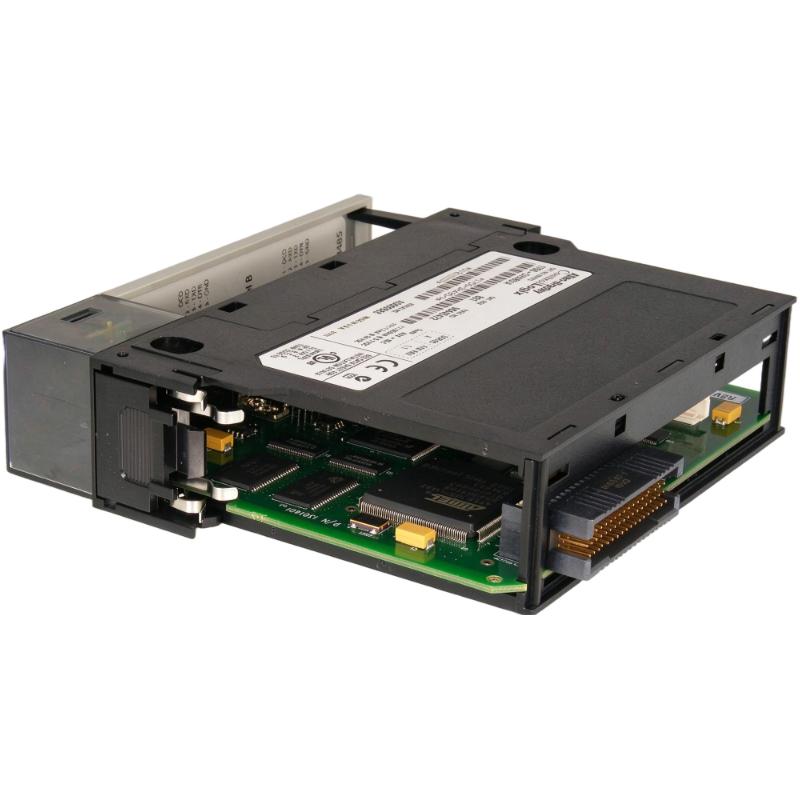
- Allen Bradley
- 1756-DH485
- ControlLogix Communication Module
- USA
- 144.5 × 34.6 × 130.18 mm
- 0.272 kg
- Xiamen, China
- New & In Stock
- T/T, PayPal, Western Union
- 1 Year
- 1-3 Working Days
- DHL, UPS, TNT, FedEx and EMS.
- 24-Hour Service
- COO
- 3
Our advantage

Global Logistics
We have a 10-year logistics and express cooperation agreement, so our products can be shipped to any place in the world.

Brand new and original
Our products are imported in bulk from the place of origin. Because of the cooperative relationship, our products are all original and 100% new.

24-hour service
We provide 7*24 hours service to our customers. We will be there whenever you need us.

Price advantage
All our products are priced very favorably because we have our own warehouse and supply.
| Company Information | |||
| [email protected] | |||
| Mobile | +8615980777398 | ||
| +8615980777398 | |||
| 15980777398 |
Product Overview
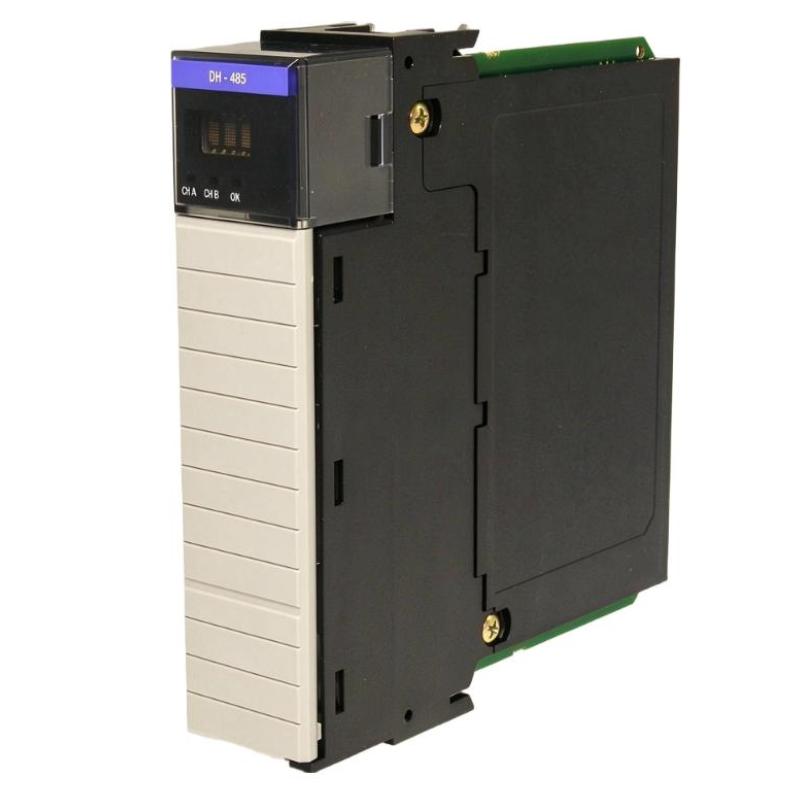
The Allen-Bradley 1756-DH485 ControlLogix Communication Module is a chassis-based communication module designed to connect a ControlLogix automation system with devices operating on a DH-485 network. Manufactured by Rockwell Automation, this module supports communication between ControlLogix controllers and equipment used in established industrial control networks.
DH-485 is a communication protocol commonly associated with legacy Allen-Bradley automation equipment. It allows supported controllers and other devices to exchange data over a network. The 1756-DH485 module provides two independent DH-485 channels, making it possible to connect a ControlLogix system to two separate DH-485 network segments.
The module is particularly relevant to industrial facilities that continue to operate legacy PLCs, operator interfaces, and control equipment. Rather than replacing an entire automation architecture, engineers may use a communication interface such as the 1756-DH485 to maintain connectivity between newer ControlLogix equipment and existing DH-485 networks.
The 1756-DH485 supports communication rates of 19.2 kbps and 9600 bps. It occupies one slot in a ControlLogix chassis and receives its operating power through the chassis backplane. Its two DH-485 communication channels provide an interface for exchanging messages with compatible network devices.
This module is not an Ethernet communication interface. It should not be confused with ControlLogix EtherNet/IP modules such as the 1756-EN2T or 1756-EN3TR. When selecting a replacement or planning a system expansion, engineers should verify the required protocol, network topology, communication speed, and physical connection type.
Technical Specifications
| Parameter | Specification |
|---|---|
| Brand | Allen-Bradley |
| Manufacturer | Rockwell Automation |
| Model | 1756-DH485 |
| Product Series | ControlLogix |
| Product Type | Communication Module |
| Communication Protocol | DH-485 |
| Communication Channels | 2 independent DH-485 channels |
| Communication Rates | 19.2 kbps / 9600 bps |
| Connector Type | 9-pin D-shell connectors |
| Module Location | ControlLogix chassis |
| Slot Width | 1 slot |
| Backplane Current at 5.1 V DC | 850 mA |
| Current Draw at 24 V DC | 1.7 mA |
| Maximum Power Dissipation | 4.5 W |
| Maximum Thermal Dissipation | 15.4 BTU/hr |
| Isolation Voltage | 50 V continuous |
| Isolation Test Voltage | 750 V DC for 60 seconds |
| Enclosure Type | Open-style |
| Dimensions Provided | 144.5 × 34.6 × 130.18 mm |
| Weight Provided | 0.272 kg |
| Typical Application | ControlLogix integration with existing DH-485 networks |
Note: The dimensions and weight above are the supplied listing values. Confirm the actual module and its hardware revision before installation or shipping.
Function and Working Principle
The 1756-DH485 functions as a communication interface between a ControlLogix chassis and compatible DH-485 network devices. It transfers messages between the ControlLogix controller and equipment connected through its communication channels.
1. DH-485 Network Communication
DH-485 is a serial industrial communication protocol used by compatible Allen-Bradley controllers and automation devices. It allows devices on the same network to exchange data and messages.
The 1756-DH485 provides two DH-485 channels, allowing the ControlLogix platform to communicate with two separate network segments. This can be useful in facilities where different machine areas or existing control systems operate on independent DH-485 networks.
2. Communication Between Controllers
In an industrial installation, multiple controllers may need to exchange operating information. For example, one PLC may control a production machine while another manages material handling or auxiliary equipment.
The 1756-DH485 supports message exchange with compatible controllers on the DH-485 network. This helps integrate legacy control equipment into a wider automation architecture without requiring every controller to use the same communication interface.
3. Remote Programming and Monitoring
The DH-485 connection supports remote programming and monitoring through the Studio 5000 environment, subject to the supported system configuration and communication path.
This capability can help maintenance personnel access connected control equipment without being physically located beside every controller. However, network performance depends on traffic levels and the configuration of the communication infrastructure.
Excessive DH-485 traffic can affect performance and may lead to communication timeouts. Network loading should therefore be considered when designing or maintaining a system.
4. Communication Rate Selection
The module supports communication rates of 19.2 kbps and 9600 bps. The selected rate must be compatible with the connected devices and the network configuration.
All devices participating in the same communication segment should use compatible communication parameters. Incorrect settings can prevent devices from exchanging data or cause intermittent communication problems.
5. Electrical Isolation
The 1756-DH485 provides specified isolation between the DH-485 communication circuits and the chassis backplane, as well as between the DH-485 channels.
This isolation helps separate communication circuits electrically within the specified limits. It does not eliminate the need for correct grounding, suitable cable selection, and proper installation practices.
Role in Industrial Control Systems
The 1756-DH485 plays a communication role within a ControlLogix automation architecture. It allows the controller to exchange information with compatible equipment operating on DH-485 networks.
ControlLogix System Integration
A ControlLogix system uses a chassis-based architecture in which controllers, power supplies, communication modules, and I/O modules share a common backplane.
The 1756-DH485 occupies one chassis slot and uses the backplane to communicate with the ControlLogix controller. The module provides the network connection, while the controller handles the application logic and message-processing requirements.
Legacy PLC Connectivity
Many industrial facilities operate equipment installed over several generations of automation technology. Some machines may use older controllers that communicate through DH-485.
The 1756-DH485 can provide a communication path between a compatible ControlLogix system and these existing networks. This can support phased modernization projects where legacy equipment remains operational while supervisory and control systems are upgraded.
Data Exchange Between Production Areas
Manufacturing facilities often divide their control systems into machine-level or process-level sections. Information such as machine status, operating conditions, alarms, and production signals may need to be shared between these sections.
The module’s two DH-485 channels can support connections to separate network segments, depending on the system architecture and communication requirements.
Maintenance and Troubleshooting
The module also supports maintenance activities by providing a communication interface for monitoring and programming compatible devices. Its channel and module status indicators can help technicians identify communication conditions and diagnose network problems.
Industrial Applications
The 1756-DH485 is primarily useful in facilities that need to maintain or extend existing DH-485 communication networks.
1. Legacy PLC Integration
Industrial plants may operate older Allen-Bradley PLC systems alongside newer ControlLogix controllers. The 1756-DH485 can provide a communication interface for compatible DH-485 devices.
This is useful when replacing a central controller or upgrading supervisory functions without immediately replacing every field-level control device.
2. Manufacturing Production Lines
Production lines may contain several machines controlled by separate PLCs. Communication between these systems can help coordinate machine status, production sequences, and material flow.
Where compatible DH-485 equipment is already installed, the module can help maintain communication between the ControlLogix platform and the existing network.
3. Packaging Machinery
Packaging systems frequently combine conveyors, filling equipment, labeling machines, and inspection stations. These machines may have different control generations and communication requirements.
The 1756-DH485 can be used in an appropriate legacy integration arrangement to exchange data with compatible controllers and operator interfaces.
4. Material Handling Systems
Conveyors, transfer equipment, and automated handling systems may use separate controllers to manage different operating zones.
A DH-485 communication connection can support data exchange between compatible control devices, helping coordinate equipment operation and machine status.
5. Industrial Process Facilities
Older process-control installations may include PLCs and operator stations that use DH-485 communication. The module can help connect these existing devices to a ControlLogix-based system where the required protocol and network configuration are supported.
6. Automation System Modernization
During a gradual modernization project, some equipment may be upgraded while other devices remain in service. The 1756-DH485 can be considered when an existing DH-485 network needs to remain connected to a ControlLogix system.
Engineers should evaluate long-term maintenance requirements and consider whether migration to a newer communication architecture is appropriate.
Installation and System Integration
Correct installation is necessary for reliable communication and stable ControlLogix operation.
1. Verify the ControlLogix Chassis
The 1756-DH485 is a chassis-based module. Before installation, confirm that the ControlLogix chassis and power supply are installed and operating correctly.
Check the available slot, chassis compatibility, and backplane power capacity. The module requires 850 mA at 5.1 V DC and 1.7 mA at 24 V DC from the chassis backplane.
2. Select the Correct Module Slot
The module occupies one chassis slot. Install it according to the applicable ControlLogix system installation instructions.
Before inserting or removing the module, review the hardware revision and installation requirements. Do not assume that all installation or removal procedures are identical across chassis configurations.
3. Connect the DH-485 Network
The module provides two 9-pin D-shell DH-485 connectors. Use suitable network cables and verify the connector pin assignments and wiring requirements.
The cable type and network wiring arrangement should follow the applicable Rockwell Automation documentation. Incorrect wiring, poor connections, or unsuitable cable routing can cause communication errors.
4. Configure Communication Parameters
Set the communication rate and other network parameters according to the connected equipment. The supported rates are 19.2 kbps and 9600 bps.
Ensure that devices on the same network segment use compatible settings. Check the network configuration before commissioning or replacing an existing module.
5. Consider Network Loading
DH-485 is a relatively low-speed communication network compared with modern industrial Ethernet systems. Excessive traffic can reduce performance and contribute to communication timeouts.
Avoid unnecessary message traffic and organize communication tasks according to the requirements of the control application.
6. Verify Module and Channel Status
After installation, apply chassis power and inspect the module and channel status indicators. The indicators provide information about module operation and the status of the communication channels.
If a channel does not establish communication, check the cable, connector, network parameters, connected devices, and channel status before replacing the module.
7. Maintain Electrical and Environmental Conditions
The module has an open-style enclosure rating and is intended for installation inside a suitable industrial control enclosure.
Maintain the required operating temperature and humidity conditions. Keep the chassis free from conductive dust, moisture, and other contaminants that could affect the backplane or communication connections.
Compatible System Components
The 1756-DH485 operates as part of a ControlLogix chassis and may communicate with compatible devices on a DH-485 network.
| Component | Function | Integration Considerations |
|---|---|---|
| ControlLogix Controller | Executes control logic and communication instructions | Verify controller and firmware compatibility |
| ControlLogix Chassis | Provides mounting and backplane connections | Confirm available slot and chassis configuration |
| ControlLogix Power Supply | Supplies power to the chassis backplane | Verify backplane capacity and power requirements |
| DH-485 Network Devices | Exchange messages with the ControlLogix system | Devices must support DH-485 |
| 1761-NET-AIC | Provides an interface for connecting supported serial devices to DH-485 | Required for applicable controller connection arrangements |
| 1747-CP3 Cable | Supports specified serial connections | Confirm the correct port and wiring arrangement |
| 1761-CBL-AC00 Cable | Supports specified DB-9 RS-232 connections | Verify the connection requirements |
| Studio 5000 Environment | Supports controller programming and monitoring | Use a compatible software and controller configuration |
| Industrial Control Cabinet | Protects the chassis and installed modules | Maintain suitable temperature and environmental conditions |
The components listed are examples of equipment used in compatible system arrangements. They are not necessarily supplied with the 1756-DH485 module.
Alternative Models and Replacement Considerations
The 1756-DH485 is designed specifically for DH-485 communication. It should not be replaced with an arbitrary ControlLogix communication module because different modules support different protocols and network architectures.
| Alternative or Related Module | Main Function | Replacement Considerations |
|---|---|---|
| Allen-Bradley 1756-EN2T | EtherNet/IP communication | Suitable only when the system can use EtherNet/IP |
| Allen-Bradley 1756-EN3TR | EtherNet/IP communication with embedded switch technology | Requires an Ethernet-based network design |
| Allen-Bradley 1756-CN2R | ControlNet communication | Intended for ControlNet applications, not direct DH-485 replacement |
| Allen-Bradley 1756-DHRIO | Data Highway Plus and Remote I/O communication | Supports different network protocols and applications |
| Allen-Bradley 1756-EN2TR | EtherNet/IP communication with dual ports | Requires suitable network and controller configuration |
Before selecting a replacement, compare the following:
- Required communication protocol.
- Number of communication channels.
- Network topology and connected devices.
- Communication speed and configuration.
- Physical connector type and cable arrangement.
- Controller and firmware compatibility.
- Programming and monitoring requirements.
- Available chassis slots and backplane capacity.
- Long-term maintenance and migration plans.
If the existing installation depends on DH-485, an Ethernet or ControlNet module is not a direct replacement. A migration may require additional communication hardware, new cabling, configuration changes, and modifications to the control program.
Key Advantages
Two Independent DH-485 Channels
The module provides two communication channels, allowing a ControlLogix system to interface with two separate DH-485 network segments when the system design supports this arrangement.
Legacy Equipment Connectivity
It helps maintain communication with compatible legacy controllers and automation devices, making it useful in facilities with mixed generations of industrial equipment.
ControlLogix Chassis Integration
The module installs directly into a ControlLogix chassis and uses the system backplane for communication with the controller.
Remote Programming and Monitoring Support
The DH-485 connection supports remote programming and monitoring through a suitable Studio 5000 environment and system configuration.
Defined Communication Rates
Support for 19.2 kbps and 9600 bps allows integration with compatible DH-485 network devices.
Electrical Isolation
Specified isolation between communication circuits and the backplane supports electrical separation within the manufacturer’s defined ratings.
Practical for Gradual Modernization
The module can help maintain existing network connections during phased automation upgrades, reducing the need for immediate replacement of all legacy equipment.
Technical FAQs
1. What is the Allen-Bradley 1756-DH485?
The 1756-DH485 is a ControlLogix communication module that provides an interface to DH-485 industrial networks. It supports communication between a ControlLogix system and compatible devices on two DH-485 channels.
2. How many communication channels does it provide?
It provides two independent DH-485 communication channels. These channels can connect to separate network segments when configured according to the system design.
3. What communication speeds does the module support?
The documented communication rates are 19.2 kbps and 9600 bps. The connected network devices must use compatible communication settings.
4. Is the 1756-DH485 an Ethernet module?
No. It is a DH-485 communication module. It does not provide an EtherNet/IP interface and should not be treated as a direct substitute for a 1756 Ethernet communication module.
5. Can it communicate with legacy Allen-Bradley PLCs?
Yes, it can communicate with compatible devices on DH-485 networks. The exact connection arrangement depends on the controller, network interface, cable, and communication configuration.
6. Does it support remote programming and monitoring?
Yes. The DH-485 connection supports remote programming and monitoring through a suitable Studio 5000 environment and compatible system configuration.
7. What is the power consumption of the 1756-DH485?
The module’s maximum power dissipation is 4.5 W, with a maximum thermal dissipation of 15.4 BTU/hr. Its backplane current draw is 850 mA at 5.1 V DC and 1.7 mA at 24 V DC.
8. How many chassis slots does it occupy?
The 1756-DH485 occupies one slot in a ControlLogix chassis. Ensure that the chassis has an available slot and sufficient backplane power capacity.
9. What should be checked if communication fails?
Inspect the DH-485 cables and connectors, communication settings, network topology, connected devices, and module status indicators. Also check whether excessive network traffic is affecting communication performance.
10. Can it be replaced with a 1756-EN2T?
No, not as a direct protocol-for-protocol replacement. The 1756-EN2T supports EtherNet/IP, while the 1756-DH485 supports DH-485. Replacing it with an Ethernet module requires an appropriate network migration and control-system changes.
Procurement and Maintenance Recommendations
When purchasing an Allen-Bradley 1756-DH485 ControlLogix Communication Module, verify the complete catalog number and hardware series. Confirm that the module supports the communication protocol required by the installed automation system.
For used or refurbished modules, request clear photographs of the front panel, connectors, backplane interface, and identification label. Check the condition of the 9-pin connectors and inspect the housing for cracks or damage. Where possible, request functional testing of both communication channels.
Before ordering a replacement, confirm that the existing ControlLogix chassis has the required slot and backplane power capacity. Also verify the network cable type, connected devices, and communication parameters.
During maintenance, inspect network cabling and connectors for loose connections, damage, or contamination. Monitor channel status indicators and investigate recurring communication faults rather than repeatedly resetting the module without identifying the cause.
For long-term modernization projects, evaluate whether the existing DH-485 network should remain in service or be migrated to a newer industrial communication architecture. Any migration should include a review of controller compatibility, network topology, programming requirements, and downtime planning.
Conclusion
The Allen-Bradley 1756-DH485 ControlLogix Communication Module provides a communication interface between ControlLogix systems and compatible DH-485 networks. With two independent communication channels, support for 19.2 kbps and 9600 bps communication rates, and direct integration into a ControlLogix chassis, it is useful for maintaining connectivity with legacy industrial automation equipment.
For maintenance, replacement, and system integration projects, the most important considerations are protocol compatibility, network configuration, chassis requirements, and the condition of the communication infrastructure. Accurate identification of the 1756-DH485 helps ensure that the selected module meets the requirements of the existing control system.