

ProductPRODUCT
Featured products
Contact Us
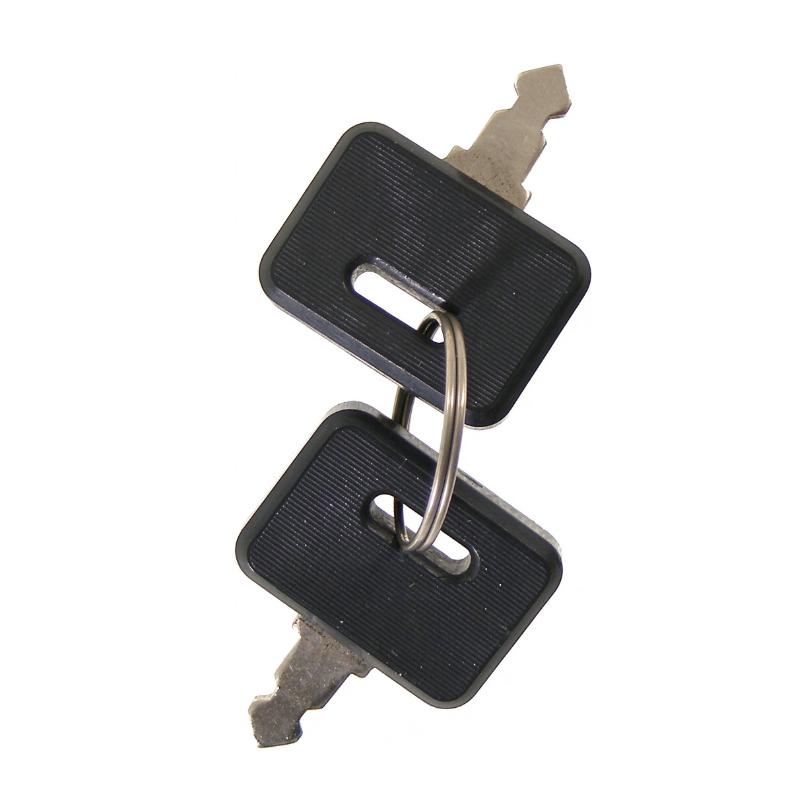
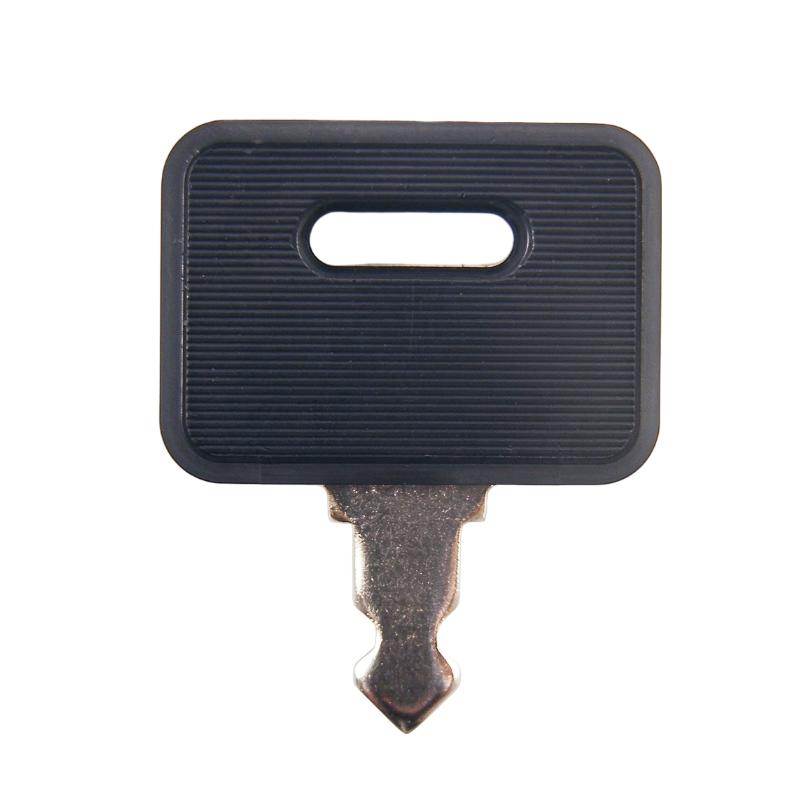
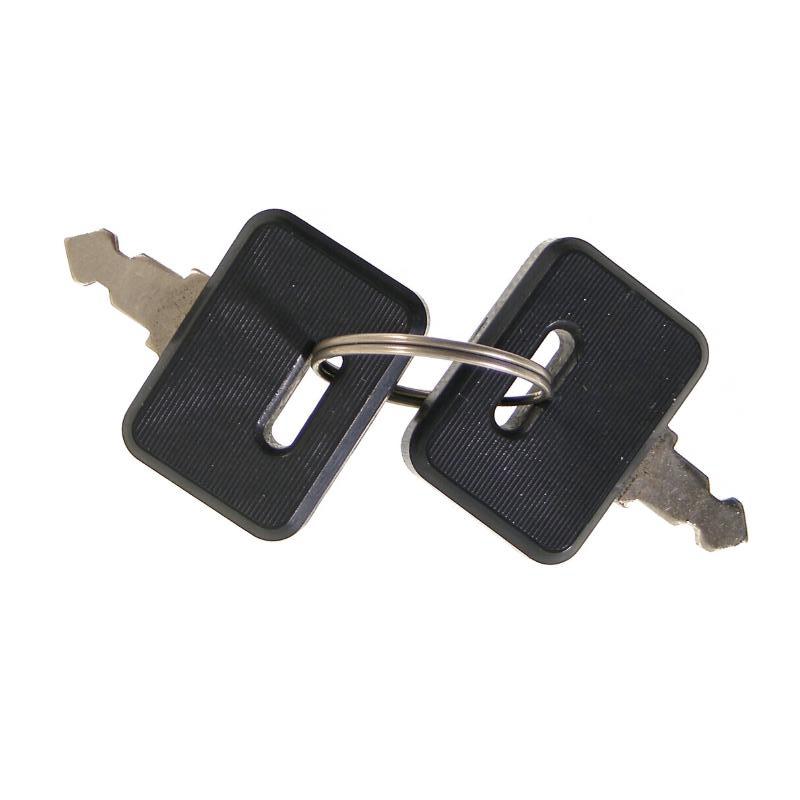
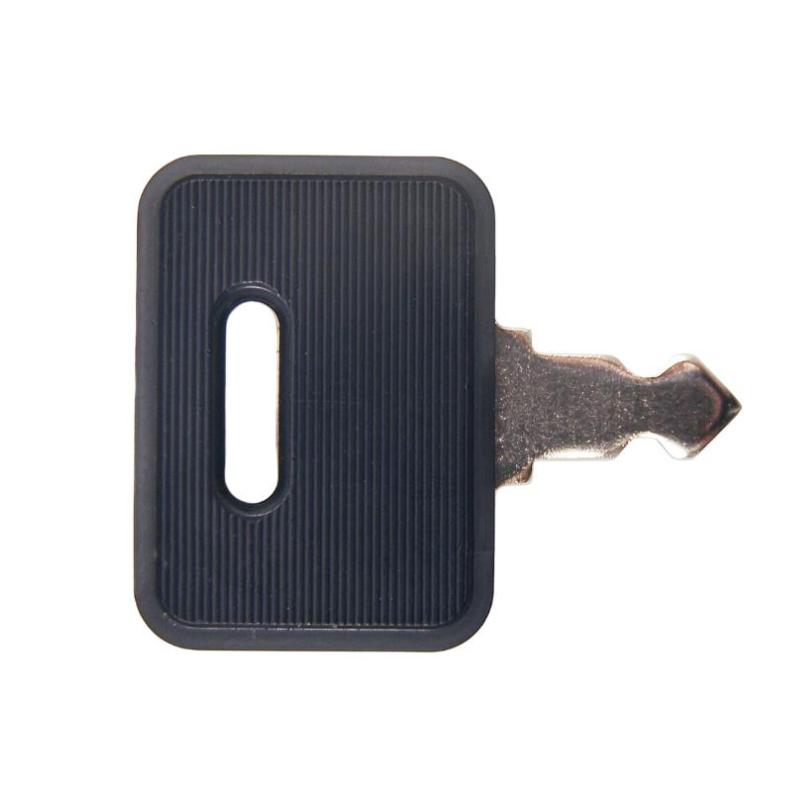
- Allen Bradley
- 1747-KY1
- SLC Processor Replacement Key
- USA
- 45 × 12 × 30 mm
- 0.1 kg
- Xiamen, China
- New & In Stock
- T/T, PayPal, Western Union
- 1 Year
- 1-3 Working Days
- DHL, UPS, TNT, FedEx and EMS.
- 24-Hour Service
- COO
- 2
Our advantage

Global Logistics
We have a 10-year logistics and express cooperation agreement, so our products can be shipped to any place in the world.

Brand new and original
Our products are imported in bulk from the place of origin. Because of the cooperative relationship, our products are all original and 100% new.

24-hour service
We provide 7*24 hours service to our customers. We will be there whenever you need us.

Price advantage
All our products are priced very favorably because we have our own warehouse and supply.
| Company Information | |||
| [email protected] | |||
| Mobile | +8615980777398 | ||
| +8615980777398 | |||
| 15980777398 |
Product Overview
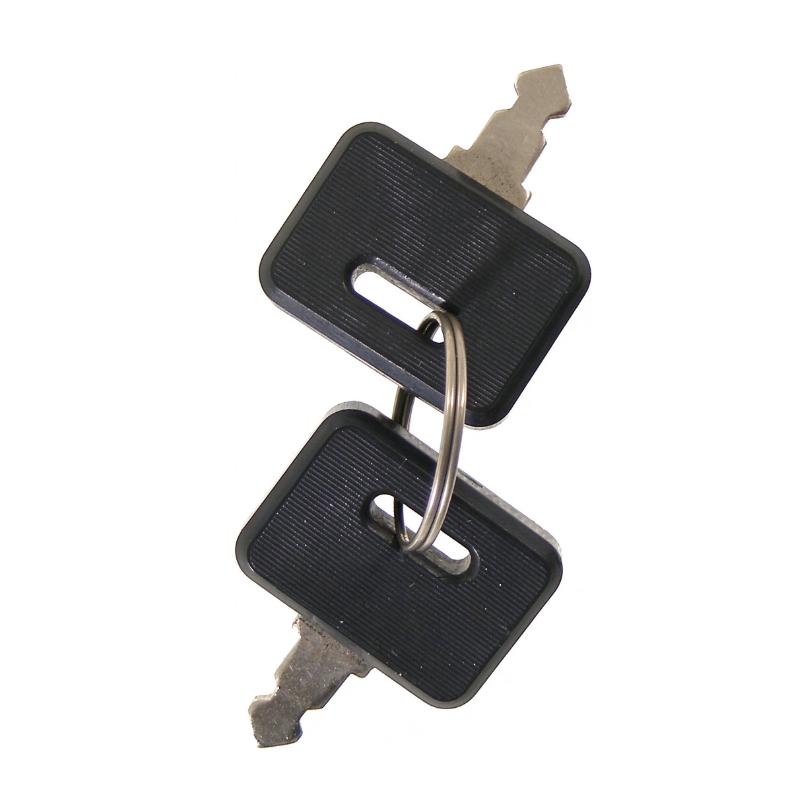
The Allen-Bradley 1747-KY1 SLC 500 Processor Replacement Key is a mechanical accessory designed for compatible Allen-Bradley SLC 500 programmable logic controller processors. Manufactured by Rockwell Automation, this replacement key is intended for maintenance, service, and operational access to the processor’s front-panel keyswitch.
Unlike a PLC CPU, I/O module, or communication module, the 1747-KY1 does not contain electronic control circuitry. Its function is mechanical: it provides the physical key required to operate the processor’s mode-selection switch on compatible SLC controllers.
The SLC 500 platform is widely associated with industrial machinery, manufacturing equipment, process-control systems, and legacy automation installations. Its processors use operating modes to determine how the controller executes its program and how users interact with the control system. A compatible replacement key is therefore a small but important maintenance item when the original key is lost, damaged, or unavailable.
The 1747-KY1 is identified by Rockwell Automation as a replacement-key accessory for SLC 5/03, SLC 5/04, and SLC 5/05 processors. These processor families use a keyswitch that allows authorized personnel to select the appropriate operating mode.
For maintenance departments supporting existing SLC 500 installations, keeping a compatible replacement key available can help avoid unnecessary delays caused by missing or damaged keys. Before ordering, users should confirm the processor model and the complete accessory catalog number.
Technical Specifications
| Parameter | Specification |
|---|---|
| Brand | Allen-Bradley |
| Manufacturer | Rockwell Automation |
| Model | 1747-KY1 |
| Product Type | SLC Processor Replacement Key |
| Product Family | SLC 500 |
| Accessory Category | Processor Keyswitch Accessory |
| Compatible Processors | SLC 5/03, SLC 5/04, SLC 5/05 |
| Primary Function | Mechanical processor mode-switch operation |
| Electronic Circuitry | None |
| Dimensions Provided | 45 × 12 × 30 mm |
| Weight Provided | 0.1 kg |
| Product Lifecycle | Discontinued |
| Discontinued Date | December 31, 2022 |
| Manufacturer Replacement | No planned direct replacement |
Dimensions and weight are supplied listing values. Confirm the actual package contents and physical measurements with the supplier before ordering.
Function and Working Principle
The 1747-KY1 is designed to operate the physical keyswitch on compatible SLC 500 processors. The processor’s keyswitch provides a means of selecting operating modes according to the controller’s design.
1. Processor Mode Selection
The SLC 5/03, SLC 5/04, and SLC 5/05 processors provide operating modes that support different stages of controller operation.
The keyswitch is used to select the available positions, commonly including:
- RUN: Places the processor in its run mode so that it executes the user program.
- REM: Provides remote mode selection, allowing supported mode changes through the programming or control environment.
- PROG: Places the processor in program mode for programming and configuration activities.
The exact behavior and permitted operations depend on the processor model and operating state.
2. Mechanical Key Operation
The 1747-KY1 works through a mechanical interface rather than an electrical signal. When inserted into the compatible processor’s keyswitch, it allows the operator to turn the switch to an available position.
The key does not execute PLC instructions, modify the user program, or provide communication with a programming computer. Those functions remain the responsibility of the processor and associated programming environment.
3. Access Control
A physical keyswitch provides an additional operational control point. It helps prevent casual or unintended changes to the processor’s operating mode when access to the key is managed appropriately.
The key itself is not an electronic security device and does not replace user permissions, cabinet access controls, or industrial cybersecurity measures.
4. Maintenance Support
A replacement key is useful when the original key has been misplaced, damaged, or separated from the control cabinet. Keeping a spare in a controlled maintenance location can help personnel restore access without delaying routine service work.
Role in Industrial Control Systems
Although the 1747-KY1 is a small mechanical accessory, it supports the operation and maintenance of industrial control systems based on the SLC 500 platform.
SLC 500 Processor Operation
The SLC 500 processor executes the control program and manages the logic associated with connected input and output modules. The keyswitch provides a local method of selecting the processor’s operating mode.
The replacement key helps maintenance personnel retain access to this physical control interface when the original key is unavailable.
Maintenance and Programming Activities
During maintenance, engineers may need to place a processor into a different operating mode before performing authorized programming or troubleshooting tasks.
The 1747-KY1 supports operation of the compatible keyswitch. It does not replace programming software, a communication cable, or the controller’s own access-management functions.
Operational Control
In production environments, processor mode selection can affect whether the controller executes its application program or remains in a programming-related state.
For this reason, keys should be stored securely and made available only to personnel authorized to operate the controller.
Industrial Applications
The 1747-KY1 is primarily used in facilities that continue to operate compatible SLC 500 processors.
1. Manufacturing Automation
Manufacturing facilities often use SLC 500 controllers to manage machine sequences, production equipment, and supporting automation processes.
A replacement key can help maintenance personnel operate the processor’s keyswitch when the original key is missing or damaged.
2. Packaging Machinery
Packaging equipment may use SLC 500 processors to coordinate conveyors, sensors, actuators, and machine sequences.
The 1747-KY1 can support authorized access to the processor’s operating-mode selector during maintenance and troubleshooting.
3. Material Handling Systems
Conveyors, transfer equipment, and other material-handling installations may include legacy SLC 500 control systems.
Keeping a compatible replacement key available can help maintenance teams avoid delays caused by missing processor keys.
4. Process Control Equipment
Some older process-control installations continue to rely on SLC 500 controllers for auxiliary machine functions, equipment interlocks, and sequence control.
The 1747-KY1 supports the physical keyswitch interface on compatible processors used in these installations.
5. Industrial Maintenance Workshops
Maintenance workshops and automation service teams may support multiple SLC 500 installations. A replacement key can be maintained as a spare accessory for service activities involving compatible processors.
Installation and System Integration
The 1747-KY1 does not require electrical wiring, software installation, or PLC configuration. Its use is limited to the mechanical keyswitch on compatible processors.
1. Verify Processor Compatibility
Before ordering, identify the processor model installed in the control system.
Rockwell Automation identifies the 1747-KY1 for:
- SLC 5/03 processors.
- SLC 5/04 processors.
- SLC 5/05 processors.
Do not assume that a key for one controller family will fit every Allen-Bradley processor.
2. Inspect the Replacement Key
Check the physical condition of the key before use. Look for deformation, damage, corrosion, or other defects that could affect insertion or turning.
Do not force a key into a keyswitch if it does not fit smoothly.
3. Insert the Key Correctly
Align the key with the processor’s keyswitch and insert it carefully. Operate the switch according to the processor’s documentation and the site’s maintenance procedures.
Avoid applying excessive force, as this may damage the key or the keyswitch mechanism.
4. Select the Required Operating Mode
Before changing the processor mode, confirm that the action is authorized and appropriate for the machine’s operating condition.
Changing a controller from RUN to another mode can affect machine operation. Follow the plant’s shutdown, interlock, and maintenance procedures before making changes.
5. Store Spare Keys Securely
When the key is not in use, keep it in a designated maintenance location. Access should be controlled so that unauthorized personnel cannot change processor operating modes.
Compatible System Components
The 1747-KY1 is a mechanical accessory rather than an electronic component. Its primary compatibility is with the specified SLC 500 processor models.
| Component | Function | Relationship to 1747-KY1 |
|---|---|---|
| SLC 5/03 Processor | Executes PLC control programs | Compatible processor keyswitch |
| SLC 5/04 Processor | Executes PLC control programs and supports its communication interfaces | Compatible processor keyswitch |
| SLC 5/05 Processor | Provides SLC 500 processor and Ethernet communication capabilities | Compatible processor keyswitch |
| SLC 500 Chassis | Houses compatible modular system components | Supports the processor installed in the chassis |
| SLC 500 I/O Modules | Provide digital and analog signal interfaces | Operate under processor control; not directly connected to the key |
| Programming Software | Used for controller programming and configuration | Separate tool used for authorized programming activities |
| Programming Cable | Provides a physical communication connection to compatible controllers | Not included with the replacement key |
The 1747-KY1 should not be confused with a processor module, programming cable, battery, or electronic access-control device.
Alternative Models and Replacement Considerations
Rockwell Automation lists the 1747-KY1 as discontinued, with no planned direct replacement. When sourcing this accessory, the original catalog number and processor compatibility should be confirmed.
| Product or Option | Consideration |
|---|---|
| Allen-Bradley 1747-KY1 | Original replacement-key catalog number for SLC 5/03, 5/04, and 5/05 processors |
| Existing original SLC processor key | Can be retained as a spare if it is undamaged and operates correctly |
| Compatible surplus replacement key | May be considered after checking physical fit and condition |
| Replacement SLC processor | A broader maintenance decision if the processor itself is defective; not a direct substitute for the key |
| Modern PLC migration | A long-term modernization option for installations approaching the end of their service life |
Before purchasing, verify:
- The processor model and catalog number.
- The required key accessory number.
- Physical condition and fit.
- Whether the item is supplied individually or as a set.
- Supplier stock and product condition.
- Return terms for incorrect or incompatible parts.
A processor replacement key is not interchangeable with every key used in industrial automation equipment. Compatibility should be confirmed before installation.
Key Advantages
Direct Maintenance Access
The 1747-KY1 provides a replacement for a missing or damaged key used with compatible SLC 500 processors.
Simple Mechanical Operation
The accessory does not require a separate power supply, wiring, software, or electronic configuration.
Support for Legacy SLC 500 Systems
It is useful for facilities maintaining SLC 5/03, SLC 5/04, and SLC 5/05 processor installations.
Convenient Spare-Part Management
Keeping a replacement key in a controlled maintenance inventory can help reduce delays caused by lost or damaged keys.
Compact Accessory
Its small physical size makes it easy to store alongside other PLC maintenance accessories.
Clearly Identifiable Catalog Number
The 1747-KY1 catalog number helps maintenance teams identify the required replacement accessory when sourcing spare parts.
Technical FAQs
1. What is the Allen-Bradley 1747-KY1?
The 1747-KY1 is a mechanical replacement key accessory for compatible Allen-Bradley SLC 500 processors. It is used to operate the processor’s front-panel keyswitch.
2. Which processors are compatible with the 1747-KY1?
Rockwell Automation identifies the 1747-KY1 for SLC 5/03, SLC 5/04, and SLC 5/05 processors.
3. Is the 1747-KY1 a PLC module?
No. It is a mechanical accessory. It does not contain a CPU, I/O circuitry, communication interface, or programmable logic.
4. What is the purpose of the processor keyswitch?
The keyswitch allows authorized personnel to select the processor’s operating mode. Available modes include RUN, REM, and PROG, depending on the processor.
5. Does the replacement key require electrical wiring?
No. The 1747-KY1 operates mechanically and does not require electrical connections or a separate power supply.
6. Can the 1747-KY1 be used with every Allen-Bradley PLC?
No. It is identified for specific SLC 500 processor models. Confirm compatibility before attempting to use it with another controller family.
7. Is the 1747-KY1 still manufactured?
Rockwell Automation lists the product as discontinued, effective December 31, 2022. Availability may depend on remaining inventory and the industrial surplus market.
8. Does Rockwell Automation provide a direct replacement?
The manufacturer lists no planned direct replacement for the 1747-KY1. Users maintaining existing installations should verify availability of the original accessory or evaluate compatible service options.
9. Can the key change the PLC program?
No. The key operates the processor’s physical mode selector. Program editing and configuration require the appropriate programming software, communication connection, and authorized access.
10. What should be checked before purchasing?
Confirm the processor model, catalog number, physical condition, quantity supplied, and return policy. If replacing a lost key, verify that the selected accessory is specifically intended for the installed SLC processor.
Procurement and Maintenance Recommendations
Since the 1747-KY1 has been discontinued, buyers should confirm availability and condition before placing an order. New-old-stock and surplus items may remain available through industrial automation suppliers, but packaging and condition can vary.
When requesting a quotation, provide the complete catalog number and identify the compatible processor model. Ask the supplier to confirm whether the item is supplied individually or as a set and whether the product has been inspected.
For maintenance inventory, store replacement keys in a controlled location and maintain a record of which processors they support. Avoid leaving keys inserted in equipment when they are not required by the operating procedure.
If the original key is difficult to turn or the keyswitch does not operate correctly, inspect the mechanism rather than forcing the replacement key. A damaged keyswitch may require service beyond simply replacing the key.
For facilities with a large installed SLC 500 base, it may also be useful to review the availability of other critical spare parts and develop a long-term maintenance or migration plan.
Conclusion
The Allen-Bradley 1747-KY1 SLC 500 Processor Replacement Key is a mechanical accessory designed for SLC 5/03, SLC 5/04, and SLC 5/05 processors. It provides the physical key required to operate the processor’s front-panel mode selector and supports maintenance of existing SLC 500 control systems.
Although small and simple compared with electronic automation modules, the 1747-KY1 remains a useful spare part for facilities maintaining legacy Allen-Bradley equipment. Because it has been discontinued, accurate catalog-number identification and compatibility verification are important when sourcing a replacement.