

ProductPRODUCT
Featured products

Contact Us
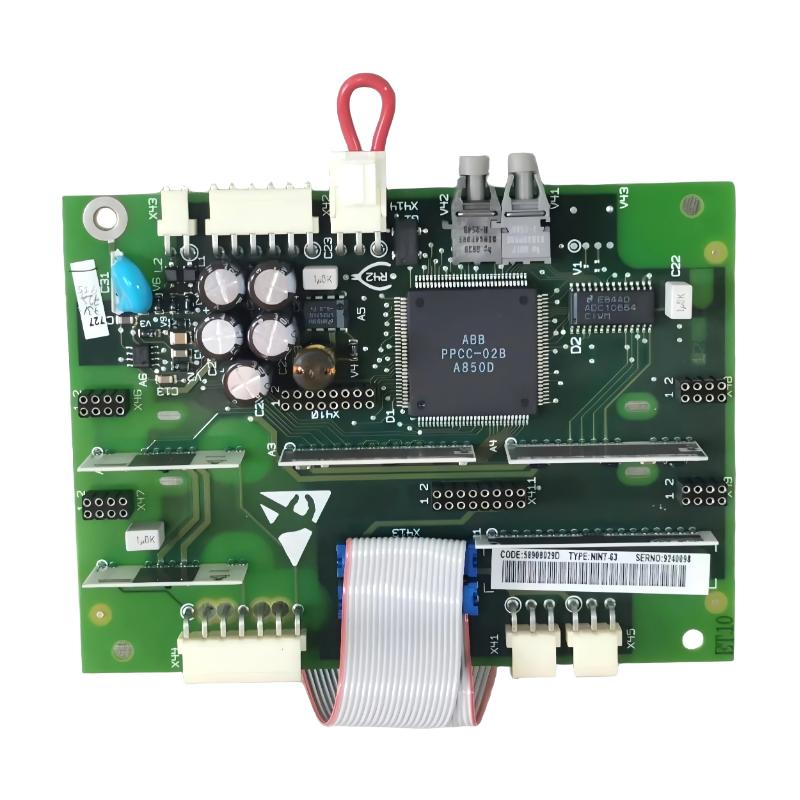
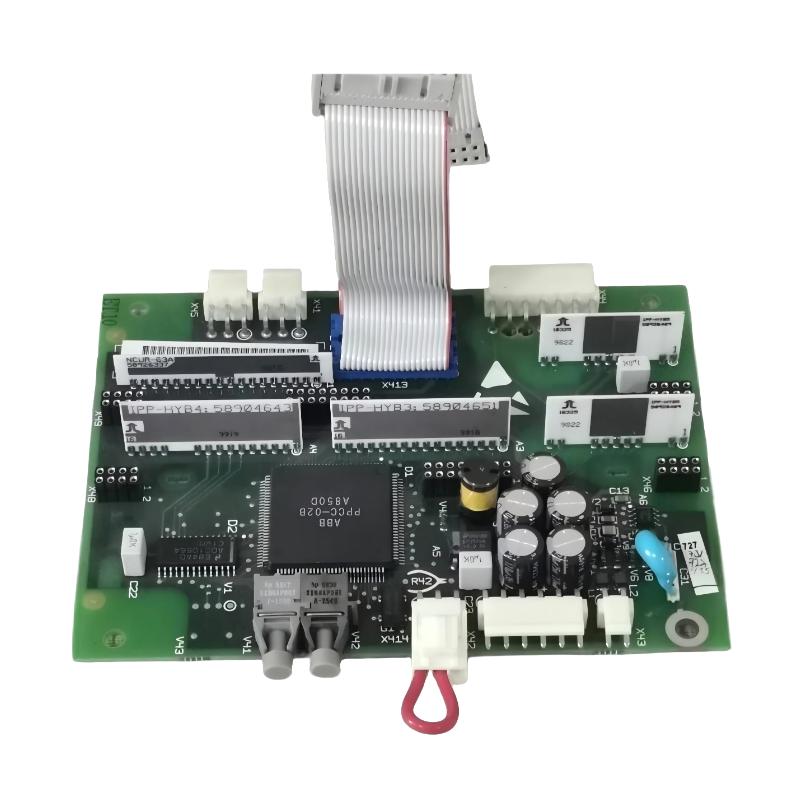
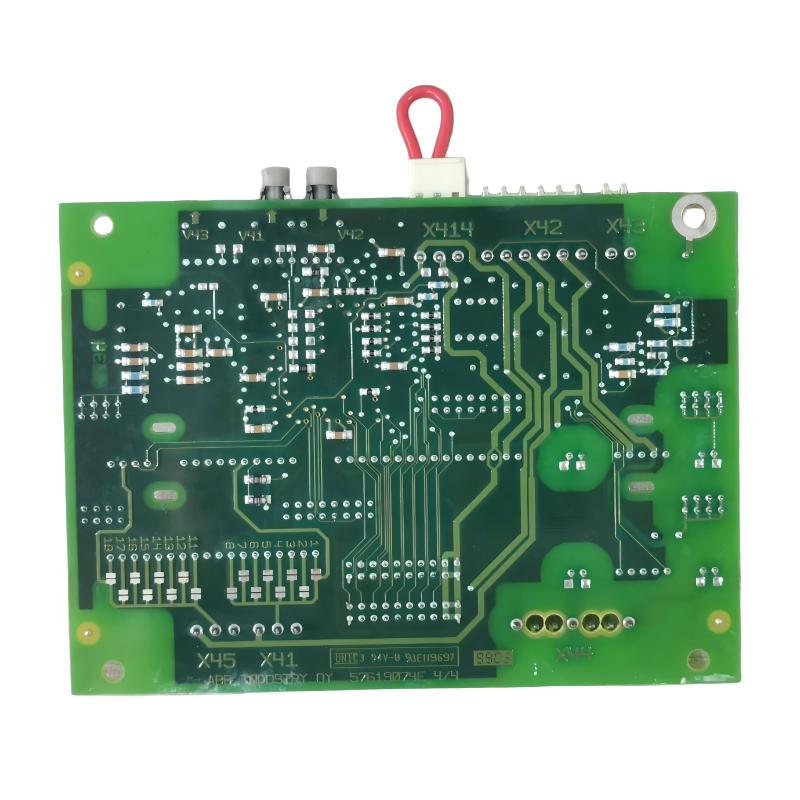
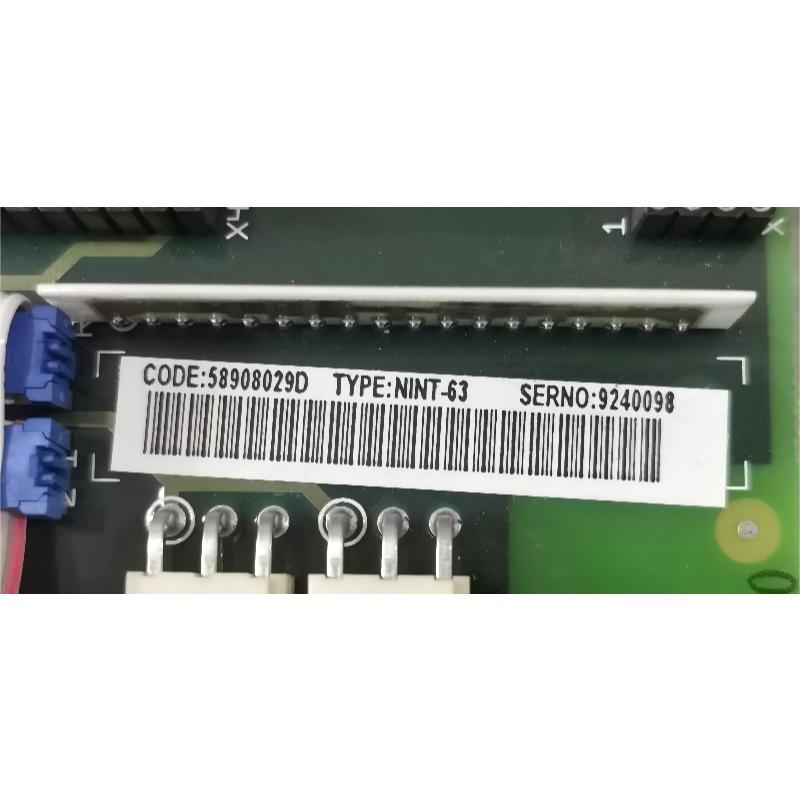
- ABB
- NINT-63 58908029D
- Inverter Amplifier Board
- Sweden (SE)
- 180 × 35 × 130 mm
- 0.15 kg
- Xiamen, China
- New & In Stock
- T/T, PayPal, Western Union
- 1 Year
- 1-3 Working Days
- DHL, UPS, TNT, FedEx and EMS.
- 24-Hour Service
- COO
- 41
Our advantage

Global Logistics
We have a 10-year logistics and express cooperation agreement, so our products can be shipped to any place in the world.

Brand new and original
Our products are imported in bulk from the place of origin. Because of the cooperative relationship, our products are all original and 100% new.

24-hour service
We provide 7*24 hours service to our customers. We will be there whenever you need us.

Price advantage
All our products are priced very favorably because we have our own warehouse and supply.
| Company Information | |||
| [email protected] | |||
| Mobile | +8615980777398 | ||
| +8615980777398 | |||
| 15980777398 |
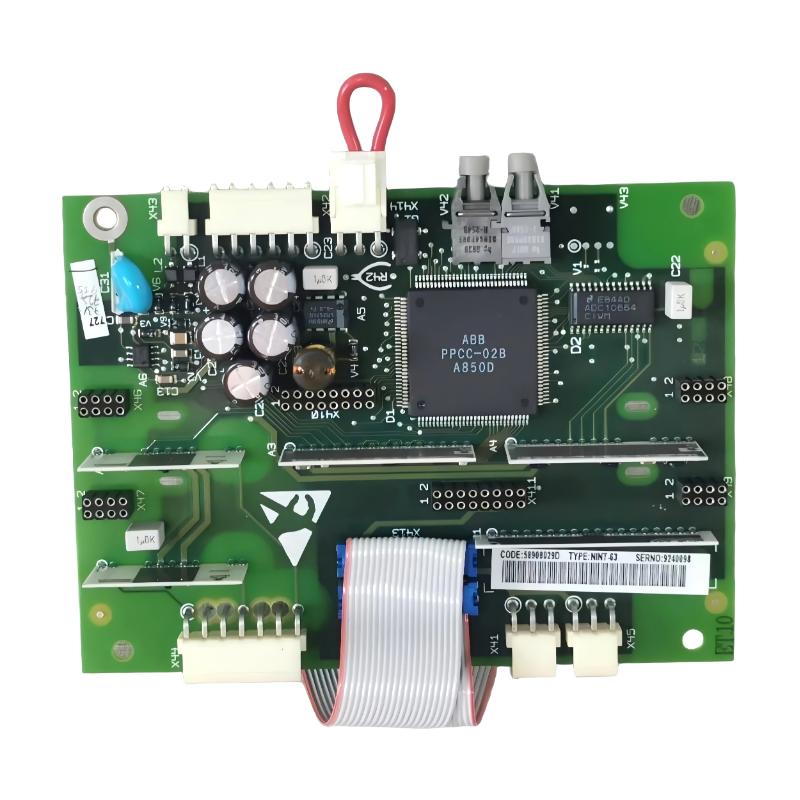
Product Overview
In industrial automation drive systems, inverter control boards are essential components responsible for signal transmission, control pulse processing, and communication between low-voltage control circuits and high-power switching sections. These electronic boards directly influence the accuracy, stability, and reliability of motor control operations.
The ABB NINT-63 58908029D Inverter Amplifier Board is an industrial control circuit board designed for ABB inverter and frequency converter systems. It functions as an internal signal processing and amplification component, helping transfer control signals between the drive control system and inverter power components.
The NINT-63 board is commonly used within ABB industrial drive architectures, working together with main circuit interface boards, gate driver boards, and other control assemblies to maintain accurate inverter operation.
With dimensions of 180 × 35 × 130 mm and a weight of 0.15 kg, the ABB NINT-63 58908029D features a compact PCB structure designed for internal installation inside industrial drives, inverter units, and automation control equipment.
Technical Specifications
| Parameter | Details |
|---|---|
| Manufacturer | ABB |
| Model | NINT-63 |
| Part Number | 58908029D |
| Product Type | Inverter Amplifier Board |
| Application | Industrial Inverter Drive System |
| Function | Signal Amplification and Control Interface |
| Installation Type | Internal Drive Mounting |
| Dimensions | 180 × 35 × 130 mm |
| Weight | 0.15 kg |
Function and Working Principle
The ABB NINT-63 58908029D operates as a signal control interface inside ABB inverter systems.
The basic control process is:
Control System → NINT-63 Amplifier Board → Power Control Section → Motor
The working sequence includes:
- The main control board generates inverter operation commands
- The NINT-63 receives control signals from the drive electronics
- The board processes and amplifies required signals
- Processed signals are transferred to inverter power components
- The drive controls motor speed, torque, and operating conditions
The amplifier board helps ensure that control signals maintain sufficient quality and accuracy when transferred between electronic modules.
Role in Industrial Automation Systems
The ABB NINT-63 58908029D plays an important role in industrial motor control applications.
Its main functions include:
- Supporting inverter signal communication
- Processing internal control signals
- Improving signal transmission stability
- Connecting control electronics with power sections
- Supporting reliable motor operation
It is commonly applied in:
- ABB AC drive systems
- Industrial frequency converters
- Variable speed drive equipment
- Automation control cabinets
- Power conversion systems
Main Features
Reliable Inverter Signal Amplification
The primary function of the ABB NINT-63 is to process and strengthen control signals used inside inverter systems.
Key advantages include:
- Accurate signal transmission
- Improved control response
- Stable inverter operation
- Reduced communication errors between modules
The board helps maintain proper coordination between drive control circuits and power switching components.
Compact Industrial PCB Structure
The ABB NINT-63 58908029D adopts a compact electronic board design.
Benefits include:
- Efficient use of internal drive space
- Easy installation inside inverter assemblies
- Reduced equipment size requirements
- Convenient maintenance replacement
The compact structure makes it suitable for industrial equipment with limited internal installation space.
Stable Drive Communication
Industrial inverter systems require precise communication between multiple electronic boards.
The NINT-63 supports:
- Control signal exchange
- Internal module communication
- Drive operation coordination
- Reliable inverter performance
This improves overall system stability during continuous industrial operation.
Maintenance-Friendly Replacement
The ABB NINT-63 58908029D is suitable for drive repair and replacement applications.
Advantages include:
- Reduced machine downtime
- Faster troubleshooting
- Improved maintenance efficiency
- Extended service life of industrial drives
Industrial Applications
Variable Frequency Drive Systems
Frequency converters depend on reliable internal boards for accurate motor control.
Applications include:
- Motor speed regulation
- Industrial automation systems
- Energy-efficient motor operation
- Process control equipment
The ABB NINT-63 supports stable inverter control performance.
Industrial Motor Control Equipment
Modern industrial machines require accurate motor control solutions.
Applications include:
- Pumps
- Fans
- Compressors
- Conveyor systems
- Production machinery
The amplifier board helps maintain consistent motor control signals.
Factory Automation Systems
Automated production equipment uses inverter systems for precise movement control.
Applications include:
- Manufacturing lines
- Machine tools
- Material handling systems
- Automated processing equipment
The NINT-63 contributes to reliable automation system operation.
Power Conversion Equipment
Power electronic systems require efficient communication between control and power circuits.
Applications include:
- Industrial inverter cabinets
- Motor drive panels
- Electrical control systems
- Automation equipment
The board supports stable internal control communication.
Installation Guide
Proper installation is important when replacing the ABB NINT-63 58908029D.
Recommended installation steps:
- Disconnect all power sources from the inverter system
- Confirm the correct board model and part number
- Remove the existing amplifier board carefully
- Install the ABB NINT-63 58908029D into the correct position
- Check connectors and mounting points
- Perform drive testing after installation
During installation, pay attention to:
- Anti-static protection
- Correct connector connection
- Clean working environment
- Secure board installation
- Proper electrical isolation
Common Failure Symptoms
| Fault Symptom | Possible Cause |
|---|---|
| Inverter cannot start | Amplifier board failure |
| Motor operation becomes unstable | Signal processing problem |
| Drive generates repeated alarms | Internal communication fault |
| Incorrect motor response | Control signal issue |
| Intermittent operation | Aging electronic components |
Maintenance Recommendations
To maintain reliable operation of the ABB NINT-63 58908029D:
- Inspect connectors regularly
- Check PCB condition
- Keep inverter cabinets clean
- Monitor drive fault information
- Replace damaged boards when required
Regular inspection helps improve drive reliability and reduce unexpected production downtime.
Compatible System Components
| Component | Function |
|---|---|
| Control Board | Generates drive commands |
| NINT-63 Amplifier Board | Processes and transfers inverter signals |
| Gate Driver Board | Controls power switching devices |
| Power Module | Performs electrical conversion |
| Motor System | Provides mechanical output |
These components work together to form a complete ABB industrial inverter control system.
Key Advantages
- Reliable inverter signal processing
- Compact industrial PCB design
- Supports ABB drive maintenance
- Improves internal communication stability
- Suitable for industrial automation applications
- Reduces equipment downtime
- Provides effective replacement solution
Technical FAQs
What is ABB NINT-63 58908029D used for?
The ABB NINT-63 58908029D is an inverter amplifier board used inside ABB industrial drive systems for signal processing and communication between control and power sections.
What is the function of an inverter amplifier board?
An inverter amplifier board processes and strengthens control signals to ensure reliable operation of inverter power components.
Where is ABB NINT-63 58908029D installed?
It is installed inside ABB inverter systems, frequency converters, and industrial motor drive equipment.
Why is the NINT-63 important in drive systems?
The board ensures accurate signal transmission between internal drive components, helping maintain stable motor control and inverter performance.
Conclusion
The ABB NINT-63 58908029D Inverter Amplifier Board is a key electronic component designed for ABB industrial inverter and motor control systems.
With its compact structure, reliable signal processing capability, and important role in internal drive communication, it helps maintain stable operation of industrial automation equipment.
For automation engineers, system integrators, and maintenance professionals, the ABB NINT-63 58908029D provides a practical solution for inverter repair, component replacement, and improving the long-term reliability of industrial drive systems.