

ProductPRODUCT
Featured products

Contact Us
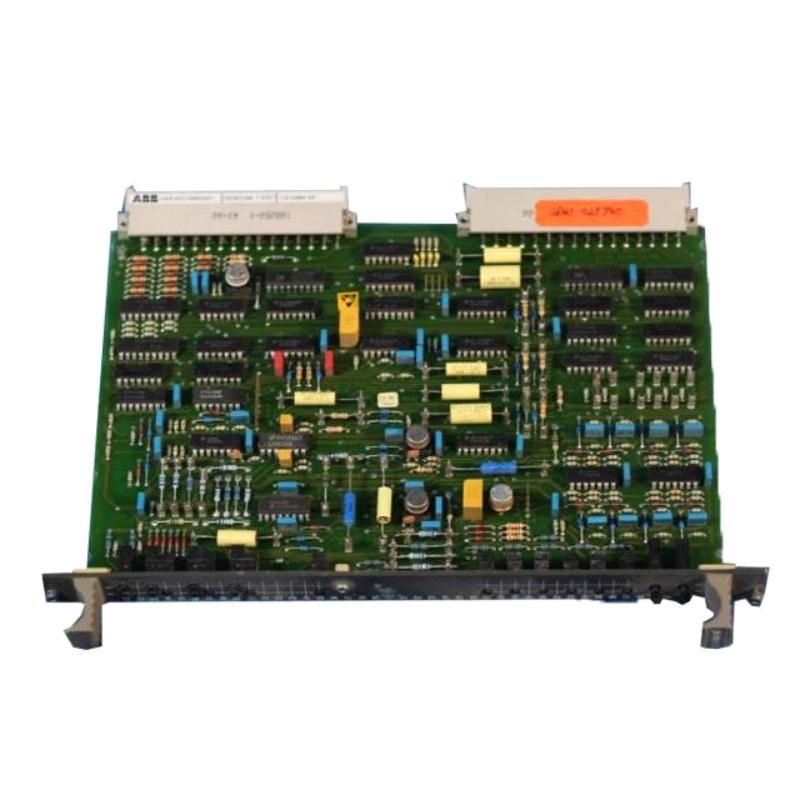
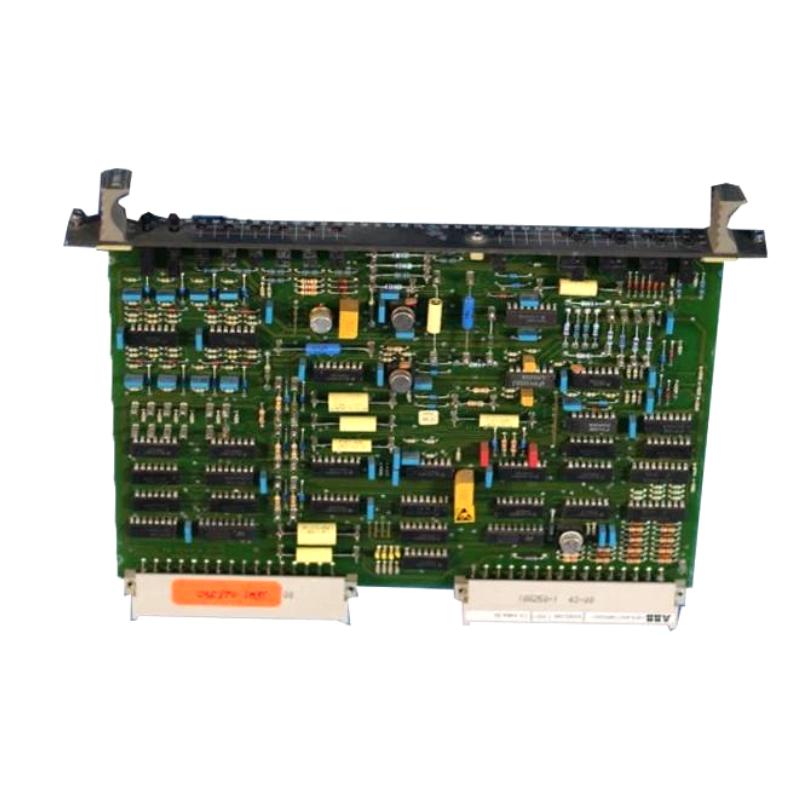
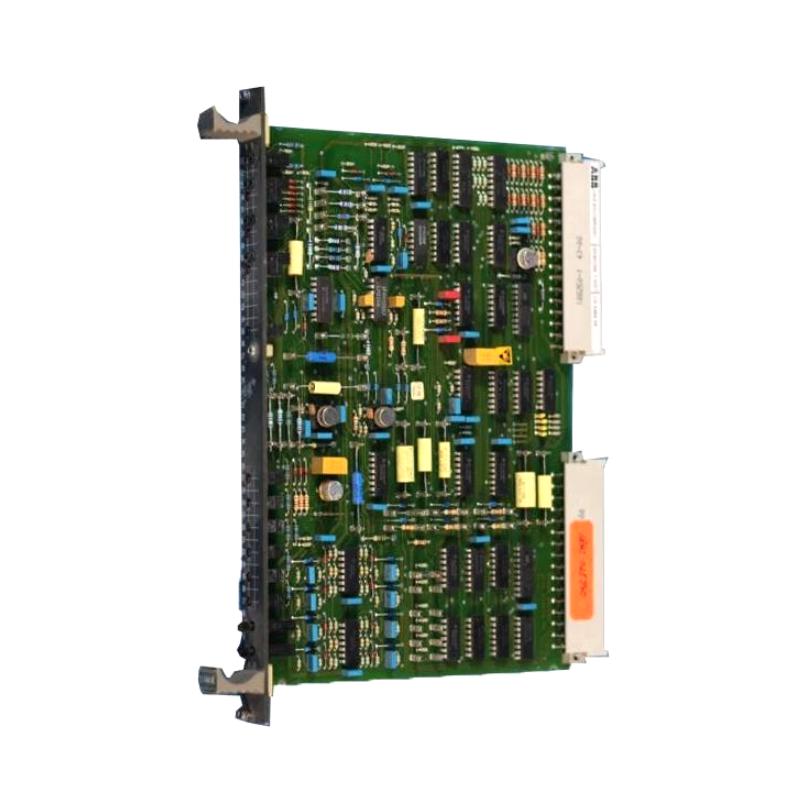
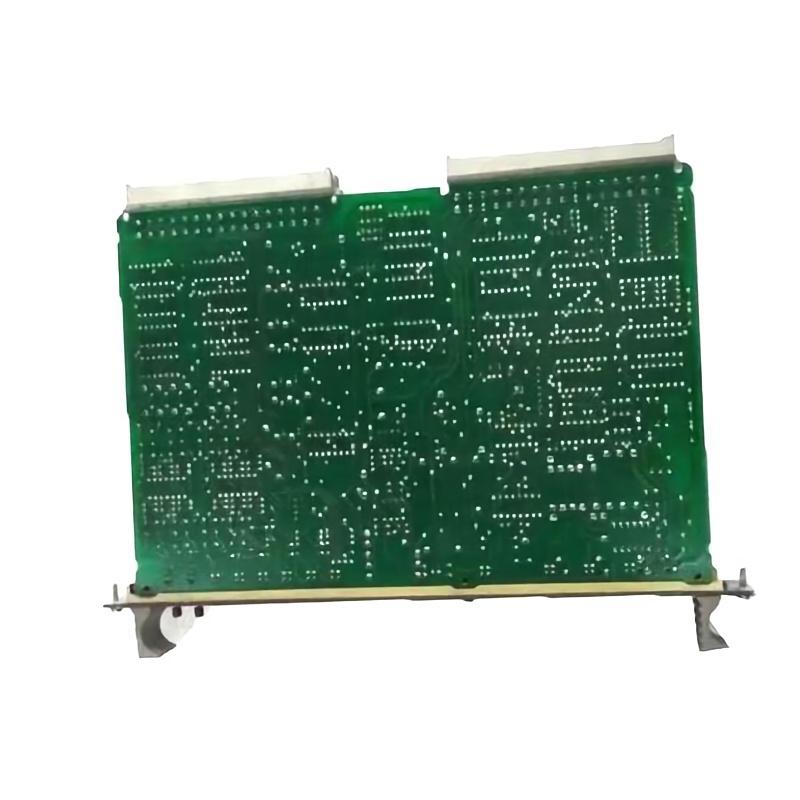
- ABB
- DSPU/41/952
- Distributed Signal Processing Unit
- Sweden (SE)
- 275 x 130 x 45 mm
- 1.2 kg
- Xiamen, China
- New & In Stock
- T/T, PayPal, Western Union
- 1 Year
- 1-3 Working Days
- DHL, UPS, TNT, FedEx and EMS.
- 24-Hour Service
- COO
- 38
Our advantage

Global Logistics
We have a 10-year logistics and express cooperation agreement, so our products can be shipped to any place in the world.

Brand new and original
Our products are imported in bulk from the place of origin. Because of the cooperative relationship, our products are all original and 100% new.

24-hour service
We provide 7*24 hours service to our customers. We will be there whenever you need us.

Price advantage
All our products are priced very favorably because we have our own warehouse and supply.
| Company Information | |||
| [email protected] | |||
| Mobile | +8615980777398 | ||
| +8615980777398 | |||
| 15980777398 |
Product Overview
The ABB DSPU/41/952 is a Distributed Signal Processing Unit designed for integration within ABB’s industrial automation systems. This unit is specifically designed to process and distribute signals efficiently across various components of a control system. It plays a crucial role in ensuring timely signal conversion, data handling, and system-wide synchronization, which are essential for real-time industrial operations.
Technical Specifications
| Parameter | Details |
|---|---|
| Manufacturer | ABB |
| Model | DSPU/41/952 |
| Product Type | Distributed Signal Processing Unit |
| Function | Signal processing and data distribution |
| Dimensions | 275 × 130 × 45 mm |
| Weight | 1.2 kg |
| System Compatibility | ABB control and automation systems |
| Operating Environment | Industrial-grade |
Function and Working Principle
The DSPU/41/952 functions as an intermediary signal processor within ABB’s industrial control systems. Its main responsibilities include:
- Signal Conversion: The unit converts analog and digital signals from field devices (such as sensors) to formats that can be processed by control systems.
- Data Distribution: It efficiently distributes processed signals to other system components, such as controllers, I/O modules, and communication units.
- Real-Time Processing: It ensures real-time data handling, processing signals without delay to facilitate immediate responses from the control system.
- System Synchronization: The DSPU/41/952 synchronizes the signal flow between various modules, ensuring all system components work in harmony.
This distributed approach makes it a key component for maintaining system efficiency and timeliness in automation applications.
Role in Industrial Control Systems
Within an industrial control system, the DSPU/41/952 plays a vital role in ensuring that signals are processed, converted, and distributed in real-time. Its functions include:
- Signal Processing: Handles both analog and digital signal conversion from field devices.
- Real-Time Data Handling: Processes signals in real-time to ensure immediate control system responses.
- System Integration: Helps in integrating different modules within the control system by synchronizing data flows.
- Data Distribution: Ensures that all relevant system components receive accurate and up-to-date signal information.
This ensures that industrial processes are controlled and monitored effectively without delays or disruptions.
Industrial Applications
The ABB DSPU/41/952 Distributed Signal Processing Unit can be used in various industrial applications, such as:
- Distributed Control Systems (DCS): Manages and processes signals within large-scale, complex control systems.
- Manufacturing Automation: Processes data from sensors and machinery in automated production environments.
- Energy and Power Systems: Applied in power generation and distribution systems to ensure real-time signal management and synchronization.
- Process Control: Used in industries such as chemical, oil & gas, and petrochemical to control and monitor industrial processes.
- Heavy Industry: Supports systems in industries like automotive manufacturing, mining, and steel production, where real-time data processing is crucial.
The DSPU/41/952 is especially useful in industries where timely and precise signal processing is critical for the smooth operation of automated systems.
Installation and System Integration
For optimal performance, the DSPU/41/952 should be installed as follows:
- Mounting: The unit can be mounted in control cabinets or racks depending on the system design.
- Connections: Connect to field devices (sensors, actuators), I/O modules, and communication units to facilitate signal handling and distribution.
- System Configuration: The unit should be configured to match the signal requirements of the system. This includes setting the appropriate communication protocols and signal processing algorithms.
- Protection and Calibration: Proper grounding, overcurrent protection, and environmental protection should be ensured. Calibration may be required to adjust the unit to specific system parameters.
Once installed, it will enable seamless signal processing and effective system synchronization for industrial automation.
Compatible System Components
The DSPU/41/952 works effectively with a wide range of ABB system components, including:
- ABB controller and processor modules
- I/O modules for signal acquisition and output
- Communication modules for system-wide data exchange
- Sensors and field devices for real-time data input
- Human-Machine Interfaces (HMIs) for user monitoring and control
These components work in harmony to form a comprehensive and efficient automation system.
Recommended Alternative Models
| Model | Type | Key Feature | Application |
|---|---|---|---|
| DSPU/41/953 | Signal Processing Unit | Higher processing capacity for complex systems | High data throughput control systems |
| DSPU/41/951 | Signal Processing Unit | Enhanced signal processing for industrial systems | Process automation |
| AC 800M I/O Module | I/O Module | High-performance signal processing and data management | Large-scale industrial control |
| ABB Signal Interface Modules | Interface Module | Reliable signal distribution for automation | Energy management and process control |
| DSPU/40 | Signal Processor | Efficient signal handling for smaller systems | Basic industrial automation |
Key Advantages
- Real-Time Signal Processing: Ensures fast and accurate conversion and handling of signals for immediate control actions.
- System Synchronization: Facilitates seamless integration of various modules within the control system, improving overall efficiency.
- Compact and Efficient Design: Space-saving design suitable for control cabinets or panels with limited space.
- Flexible Integration: Compatible with a wide range of ABB control modules and industrial components, ensuring easy integration into existing systems.
- Reliability: Built to operate in industrial environments, offering long-term stability and resilience.
Technical FAQs
What does the DSPU/41/952 primarily do?
The unit processes and distributes signals from sensors and field devices to various components within an automation system, ensuring real-time control and data handling.
Can the DSPU/41/952 handle both analog and digital signals?
Yes, it is capable of handling both analog and digital signals for seamless signal conversion and distribution.
How is it integrated into an industrial control system?
It is installed in a control panel or rack, connected to sensors, I/O modules, and other system components for efficient signal management and synchronization.
Conclusion
The ABB DSPU/41/952 Distributed Signal Processing Unit is a crucial component for ensuring the efficient processing and distribution of signals in ABB industrial automation systems. Its real-time signal handling and integration capabilities are essential for maintaining the stability and performance of complex control systems across various industries, from manufacturing to energy management.