

ProductPRODUCT
Featured products
Contact Us
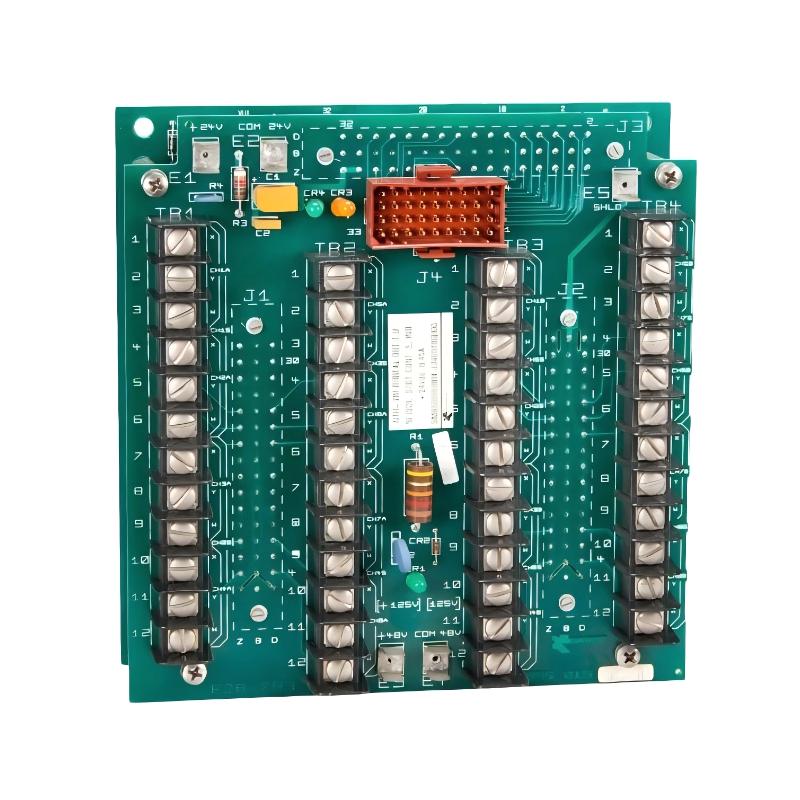
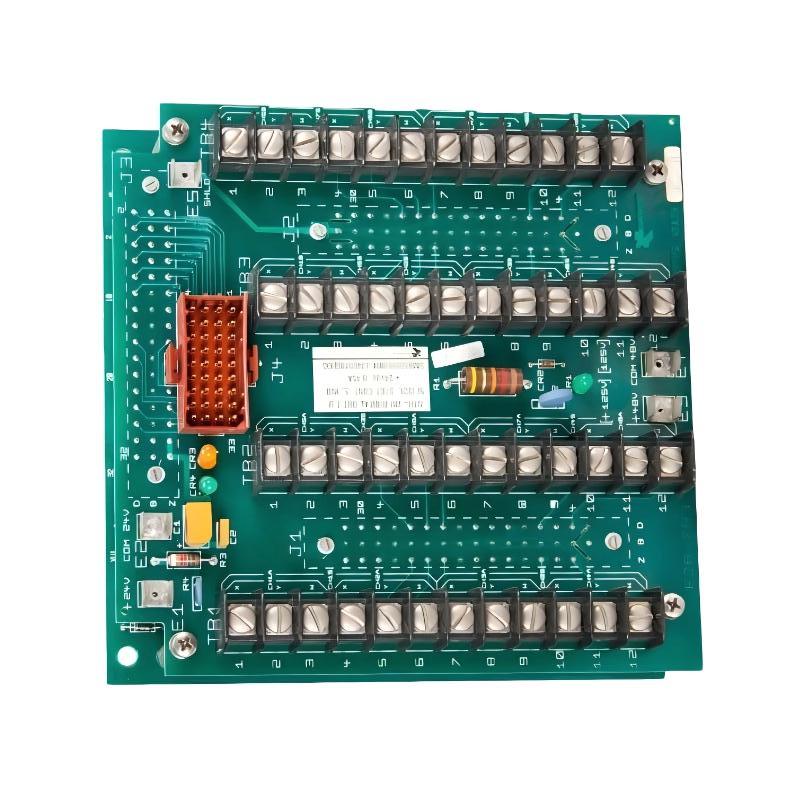
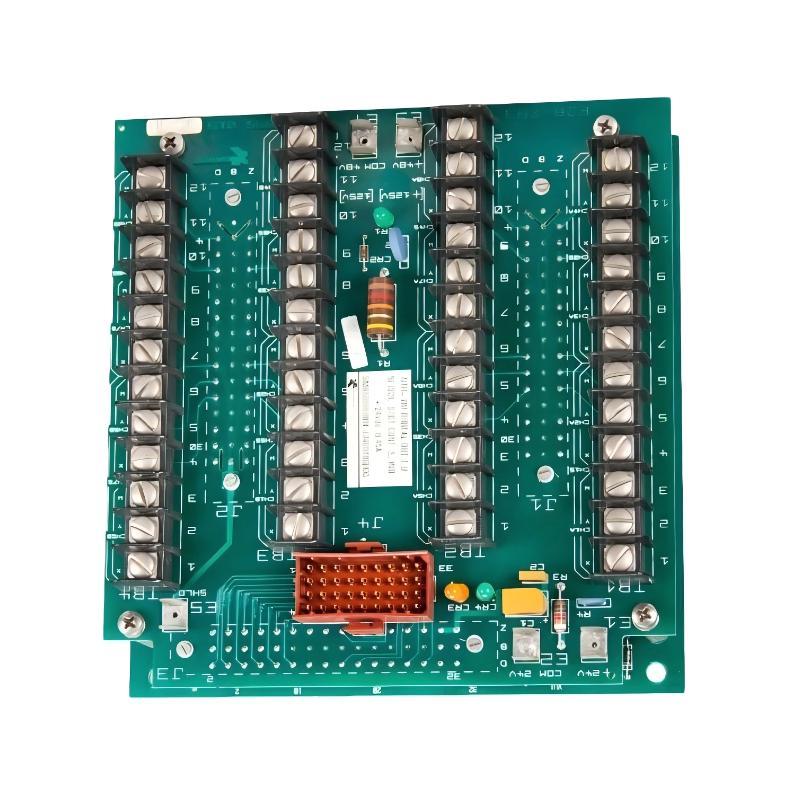
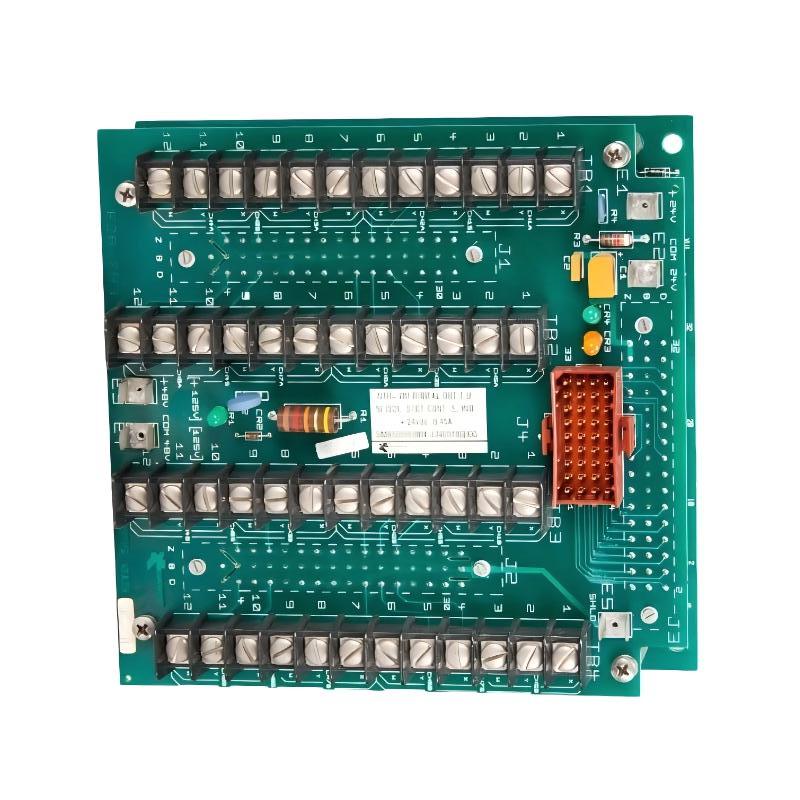
- ABB Bailey
- NTU-7Q1
- Digital Output Terminal Module
- Sweden (SE)
- 185 x 40 x 150 mm
- 0.86 kg
- Xiamen, China
- New & In Stock
- T/T, PayPal, Western Union
- 1 Year
- 1-3 Working Days
- DHL, UPS, TNT, FedEx and EMS.
- 24-Hour Service
- COO
- 4
Our advantage

Global Logistics
We have a 10-year logistics and express cooperation agreement, so our products can be shipped to any place in the world.

Brand new and original
Our products are imported in bulk from the place of origin. Because of the cooperative relationship, our products are all original and 100% new.

24-hour service
We provide 7*24 hours service to our customers. We will be there whenever you need us.

Price advantage
All our products are priced very favorably because we have our own warehouse and supply.
| Company Information | |||
| [email protected] | |||
| Mobile | +8615980777398 | ||
| +8615980777398 | |||
| 15980777398 |
Product Overview
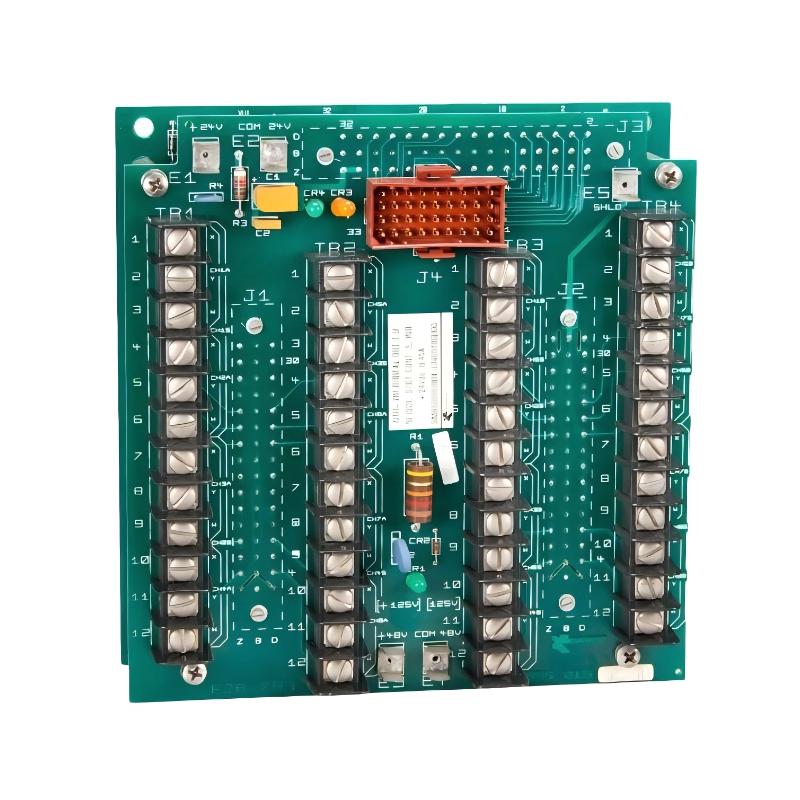
The ABB Bailey NTU-7Q1 Digital Output Termination Module is an industrial control component designed for use in compatible Bailey INFI 90 and Net 90 distributed control systems. It provides an interface between digital output control circuits and external field devices, supporting the switching and distribution of discrete control signals in industrial automation environments.
In a distributed control system, digital outputs are used to execute commands generated by controllers. These commands may operate relays, contactors, alarms, solenoid valves, interlocks, and other field devices. The NTU-7Q1 provides a termination and switching interface for these output circuits, helping organize field connections within the control-system architecture.
The NTU-7Q1 is documented as a digital output termination unit with 16 isolated single-pole double-throw (SPDT) output contacts. Its control-side configuration uses a 24 V DC supply, with a listed current specification of 0.45 A. The isolated contact arrangement allows individual output circuits to be handled separately, which is useful in industrial systems where multiple devices operate under different control conditions.
Unlike a general-purpose PLC CPU or standalone controller, the NTU-7Q1 is a dedicated interface component. Its function is associated with the output termination arrangement of the Bailey control system. Correct system integration therefore requires checking the associated output module, wiring arrangement, terminal assignments, and application-specific electrical requirements.
The NTU-7Q1 is relevant to maintenance and spare-parts requirements in existing Bailey INFI 90 installations. Accurate identification is important because Bailey termination units may have similar physical designs while serving different signal types and system functions.
Technical Specifications
| Parameter | Specification |
|---|---|
| Brand | ABB Bailey |
| Manufacturer | ABB / Bailey Controls |
| Model | NTU-7Q1 |
| Product Type | Digital Output Termination Module |
| System Family | Bailey INFI 90 / Net 90 |
| Signal Type | Digital Output |
| Output Configuration | 16 isolated SPDT contacts |
| Control-Side Voltage | 24 V DC |
| Listed Control-Side Current | 0.45 A |
| Output Function | Discrete signal switching and termination |
| Channel Isolation | Isolated output circuits |
| Dimensions | 185 × 40 × 150 mm |
| Weight | 0.86 kg |
| Typical Applications | Relay control, alarms, interlocks, and field-device switching |
Note: Electrical ratings should be checked against the applicable hardware documentation and the complete output-circuit design. The 0.45 A figure is a listed control-side current specification and should not be interpreted as the contact rating of each output.
Function and Working Principle
The NTU-7Q1 serves as an output termination and switching interface within a compatible Bailey control system. It connects the control-system output arrangement to field wiring and external equipment.
1. Digital Output Signal Interface
Digital output signals represent discrete operating states, such as ON and OFF. A controller generates these commands according to its control logic, process measurements, and programmed operating sequence.
The NTU-7Q1 provides the corresponding termination interface for compatible output circuits. Depending on the system configuration, these circuits can be used to operate external relays, contactors, alarms, and other discrete devices.
2. SPDT Contact Switching
The NTU-7Q1 is identified as having 16 isolated SPDT output contacts.
SPDT stands for Single Pole Double Throw. Each contact arrangement provides a common connection that can switch between two contact paths. This allows the connected circuit to change between alternative states according to the control signal.
This arrangement is useful in applications involving equipment enable signals, alarm routing, interlocking, and other discrete switching functions.
3. Output Circuit Isolation
Isolation is an important consideration in industrial control systems because different field circuits may operate at different electrical potentials or serve separate equipment.
The NTU-7Q1’s isolated output arrangement helps separate individual output circuits. This can reduce unwanted electrical interaction between connected field circuits, provided the wiring and external loads remain within the specified electrical limits.
Isolation should not be confused with complete protection against every electrical fault. Correct grounding, circuit protection, wiring practices, and load selection remain necessary.
4. Field Device Control
The output interface can be used to transmit discrete commands to external equipment. Typical examples include:
- Relay and contactor activation.
- Solenoid valve control through suitable interface circuits.
- Alarm and annunciator activation.
- Equipment permissive and interlock signals.
- Discrete operating commands for auxiliary machinery.
The actual connected devices depend on the system design and the electrical ratings of the complete output circuit.
5. Control-System Signal Coordination
The NTU-7Q1 works as part of a larger control architecture. The controller processes field information and executes the programmed logic, while the associated output hardware and termination arrangement provide the physical interface to external equipment.
This division of functions allows the control system to coordinate multiple field devices without requiring each device to connect directly to the controller’s internal electronics.
Role in ABB Bailey INFI 90 and Net 90 Systems
The NTU-7Q1 is associated with ABB Bailey INFI 90 and Net 90 control-system installations. These systems are used in industrial environments where distributed process monitoring and control are required.
Digital Output Termination
The module provides a field-side termination arrangement for digital output circuits. It helps organize the connection between control-system output signals and external equipment.
This is particularly useful in installations with multiple discrete devices, where clearly arranged output connections support troubleshooting and maintenance.
Relay-Based Equipment Control
The isolated SPDT contact configuration supports relay-style switching applications. Depending on the external circuit design, output states can be used to activate or deactivate associated equipment.
Alarm and Interlock Functions
Industrial processes often rely on discrete signals for alarms, equipment permissives, and interlocks. The NTU-7Q1 can form part of these signal paths when configured with compatible control hardware.
For example, a controller may generate an output command when a process condition is met. The associated output circuit can then operate an alarm relay or transmit a control signal to another device.
Maintenance of Existing DCS Installations
Many industrial facilities continue to operate established Bailey control systems. Replacing a termination unit requires more than matching its external dimensions.
Engineers should verify the exact model, channel arrangement, associated output module, terminal assignments, and wiring configuration before installing a replacement.
Industrial Applications
1. Power Generation
Power plants use distributed control systems to coordinate auxiliary equipment, alarms, and process-related switching functions.
The NTU-7Q1 can be used in compatible Bailey installations where isolated digital output circuits are required for equipment commands and discrete status-related operations.
2. Oil and Gas Facilities
Oil and gas facilities contain numerous electrically controlled devices, including pumps, valves, alarms, and auxiliary machinery.
The NTU-7Q1 can provide a suitable output termination interface within a compatible control-system design. Its use depends on the field-device requirements and the electrical ratings of the connected circuits.
3. Chemical and Petrochemical Processing
Chemical plants rely on discrete control signals for equipment sequencing, alarm handling, and process interlocks.
A digital output termination unit can help connect controller-generated commands to suitable external devices, supporting coordinated operation across the process facility.
4. Water and Wastewater Treatment
Water treatment systems use pumps, valves, alarms, and auxiliary equipment that require discrete operating commands.
Within an appropriate Bailey control architecture, the NTU-7Q1 can support output switching for compatible field circuits.
5. Industrial Manufacturing
Manufacturing facilities use digital outputs to operate relays, contactors, machine alarms, and auxiliary equipment.
The NTU-7Q1 can be used in existing INFI 90 or Net 90 installations where multiple isolated output contacts are required.
Installation and System Integration
Correct installation is essential for reliable operation and safe field-device control.
1. Verify the Model and System Compatibility
Before installation, confirm that the module is the NTU-7Q1 and that it matches the existing Bailey control-system configuration.
Check the associated output hardware, system documentation, terminal arrangement, and applicable revision information. Do not substitute another NTU-series unit solely because it has a similar appearance.
2. Confirm the Electrical Requirements
The NTU-7Q1 is listed with a 24 V DC control-side configuration and a 0.45 A current specification.
Verify the supply requirements and distinguish control-side electrical values from the switching ratings of the output contacts. The field-load voltage and current must remain within the documented contact limits.
3. Check Mounting and Cabinet Space
The supplied dimensions are 185 × 40 × 150 mm, with a listed weight of 0.86 kg.
Allow adequate space for mounting, field wiring, terminal access, cable routing, and maintenance. Confirm the actual mounting arrangement and clearances against the relevant equipment documentation.
4. Inspect Field Wiring
Before connecting field devices, verify the terminal assignments and wiring diagrams.
Check conductor identification, polarity where applicable, insulation condition, and separation between control wiring and higher-voltage field circuits. Incorrect wiring may cause unexpected switching or equipment operation.
5. Verify External Loads
Confirm that connected relays, contactors, solenoids, and other devices are compatible with the output contact ratings.
Inductive loads may generate voltage transients during switching. Where required, use appropriate suppression components designed for the connected load and circuit.
6. Perform Functional Testing
After installation, verify each required output channel according to the approved commissioning procedure.
Testing should include:
- Confirmation of the control-side supply.
- Verification of terminal connections.
- Individual output-channel operation.
- Confirmation of SPDT contact switching.
- Testing of connected alarms and interlocks.
- Verification of the associated controller logic.
- Inspection for abnormal heating or wiring problems.
Document the final wiring arrangement and test results for future maintenance.
Compatible System Components
The NTU-7Q1 should be considered as part of a complete Bailey control-system installation.
| Component | Function | Integration Considerations |
|---|---|---|
| Bailey INFI 90 controller | Executes process-control logic | Confirm the applicable system architecture |
| Digital output module | Generates output commands | Verify the specific module and termination-unit compatibility |
| NTU-7Q1 | Provides digital output termination and switching | Confirm 16 isolated SPDT contact arrangement |
| 24 V DC supply | Supports the control-side circuit | Verify voltage, current capacity, and grounding |
| Interposing relays | Provide additional switching or electrical interface | Select according to load and contact requirements |
| Contactors | Switch suitable electrical loads | Confirm coil and contact ratings |
| Solenoid valves | Provide electrically controlled fluid or gas operation | Verify the complete control circuit and suppression requirements |
| Alarm devices | Provide audible or visual warnings | Confirm switching and load compatibility |
| Field wiring | Connects termination hardware to external equipment | Follow approved wiring diagrams and electrical codes |
The components above describe a typical integration environment. They are not necessarily supplied with the NTU-7Q1.
Alternative Models and Replacement Considerations
The NTU-7Q1 should not be replaced with another Bailey termination unit without checking its electrical and functional characteristics.
| Related Model or Component | Function | Replacement Considerations |
|---|---|---|
| NTU-7Q2E | Relay termination unit | Different model and electrical configuration; verify before substitution |
| NTU-7Q2/R | Electromechanical relay termination unit | Not automatically interchangeable with NTU-7Q1 |
| NTU-7C9 | Digital I/O termination-related unit | Confirm channel arrangement and system compatibility |
| Compatible Bailey digital output hardware | Generates discrete output commands | Must match the termination-unit configuration |
| Modern ABB control-system I/O | Provides digital output functionality in newer systems | May require engineering changes and system migration |
Before selecting an alternative, compare:
- Number of output channels.
- SPDT contact configuration.
- Electrical isolation.
- Control-side voltage and current.
- Output contact ratings.
- Terminal assignments.
- Associated controller and output module.
- Mounting and wiring requirements.
- System configuration and application logic.
A replacement should be approved only after the electrical and functional requirements have been verified.
Key Advantages
16 Isolated SPDT Output Contacts
The documented 16-channel contact arrangement provides multiple discrete switching paths for compatible industrial control applications.
Organized Field Connections
The termination-unit design provides a structured interface between control-system outputs and external field wiring.
Integration with Bailey Control Systems
The NTU-7Q1 is associated with Bailey INFI 90 and Net 90 installations, making it relevant to maintenance and spare-parts requirements in these systems.
Support for Relay-Based Switching
Its SPDT contact arrangement supports suitable relay-style switching functions used in industrial equipment control.
Flexible Application Use
The output interface can be applied to compatible alarm, interlock, relay, and auxiliary equipment circuits.
Practical Maintenance Identification
The model number provides a clear identification point for procurement and replacement work. Checking the full model helps reduce the risk of selecting an incompatible termination unit.
Technical FAQs
1. What is the ABB Bailey NTU-7Q1?
The NTU-7Q1 is a digital output termination module associated with ABB Bailey INFI 90 and Net 90 control systems. It provides an interface for discrete output switching and field connections.
2. How many output channels does the NTU-7Q1 provide?
Available product information identifies 16 isolated SPDT output contacts.
3. What does SPDT mean?
SPDT means Single Pole Double Throw. Each contact arrangement provides one common connection that can switch between two alternative contact paths.
4. What voltage is associated with the NTU-7Q1?
The listed control-side configuration uses 24 V DC. The electrical ratings of the external switching contacts should be checked separately against the applicable hardware documentation.
5. What is the function of output isolation?
Output isolation helps separate individual field circuits and can reduce unwanted electrical interaction between connected devices. Correct wiring and external circuit protection are still required.
6. Can the NTU-7Q1 control solenoid valves?
It may be used in a compatible control circuit for solenoid valve operation. The valve’s voltage, current, switching characteristics, and any required interposing relay or suppression components must be checked first.
7. Is the NTU-7Q1 a controller?
No. It is a termination and output-interface component, not a standalone PLC CPU or DCS controller. Its operation depends on compatible control-system hardware.
8. Can it be used in a Bailey INFI 90 system?
Yes. The NTU-7Q1 is identified with Bailey INFI 90 and Net 90 control-system applications. Confirm the exact associated output hardware before installation.
9. What should be checked before replacing an NTU-7Q1?
Verify the complete model number, output channel arrangement, electrical requirements, terminal assignments, associated output module, and field wiring.
10. What are the dimensions and weight?
The supplied product dimensions are 185 × 40 × 150 mm, and the supplied weight is 0.86 kg. Confirm the actual unit and shipping configuration before using these values for logistics planning.
Procurement and Maintenance Recommendations
When purchasing an ABB Bailey NTU-7Q1, verify the model number and the intended application within the existing INFI 90 or Net 90 system. The product should be identified as a digital output termination module rather than a general-purpose digital output controller.
For replacement projects, compare the existing module’s terminal arrangement, output-contact configuration, associated control hardware, and electrical requirements. Similar-looking Bailey components may have different signal functions and cannot necessarily be exchanged.
For used or surplus equipment, request clear photographs of the product label, connectors, terminals, and overall condition. Where possible, obtain functional test information and confirm the seller’s warranty and return conditions.
During maintenance, inspect wiring connections, terminal condition, mounting hardware, and signs of overheating or contamination. Verify the operation of connected field devices and keep wiring diagrams and commissioning records updated.
Conclusion
The ABB Bailey NTU-7Q1 Digital Output Termination Module is an industrial interface component used in compatible Bailey INFI 90 and Net 90 control systems. Its documented configuration includes 16 isolated SPDT output contacts and a 24 V DC control-side arrangement.
The module supports discrete switching applications involving relays, alarms, interlocks, and other field devices. For industrial maintenance and replacement projects, accurate identification of the NTU-7Q1 and verification of its associated output hardware are essential for reliable system integration.