

ProductPRODUCT
Featured products
Contact Us
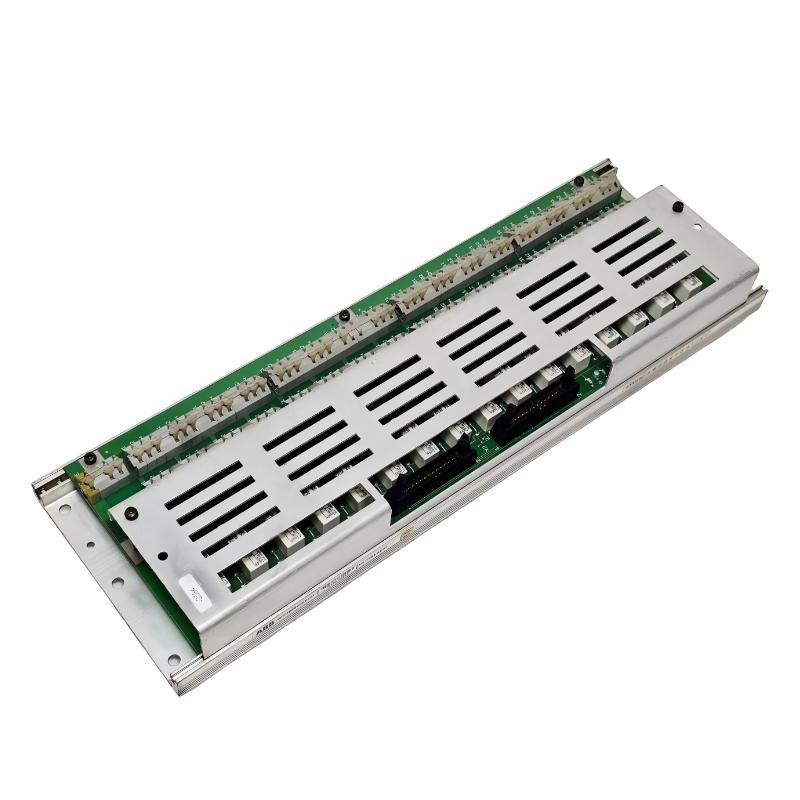
- ABB
- AR C093 AE01 HIEE300690R0001
- Relay Output Card
- Sweden (SE)
- 480 × 80 × 180 mm
- 0.76 kg
- Xiamen, China
- New & In Stock
- T/T, PayPal, Western Union
- 1 Year
- 1-3 Working Days
- DHL, UPS, TNT, FedEx and EMS.
- 24-Hour Service
- COO
- 48
Our advantage

Global Logistics
We have a 10-year logistics and express cooperation agreement, so our products can be shipped to any place in the world.

Brand new and original
Our products are imported in bulk from the place of origin. Because of the cooperative relationship, our products are all original and 100% new.

24-hour service
We provide 7*24 hours service to our customers. We will be there whenever you need us.

Price advantage
All our products are priced very favorably because we have our own warehouse and supply.
| Company Information | |||
| [email protected] | |||
| Mobile | +8615980777398 | ||
| +8615980777398 | |||
| 15980777398 |
Product Overview
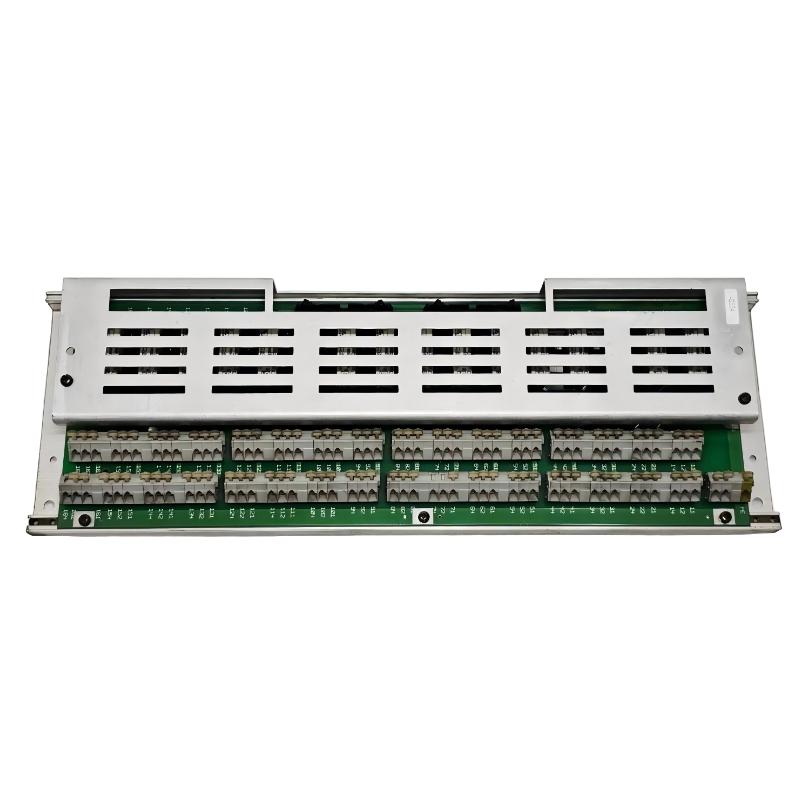
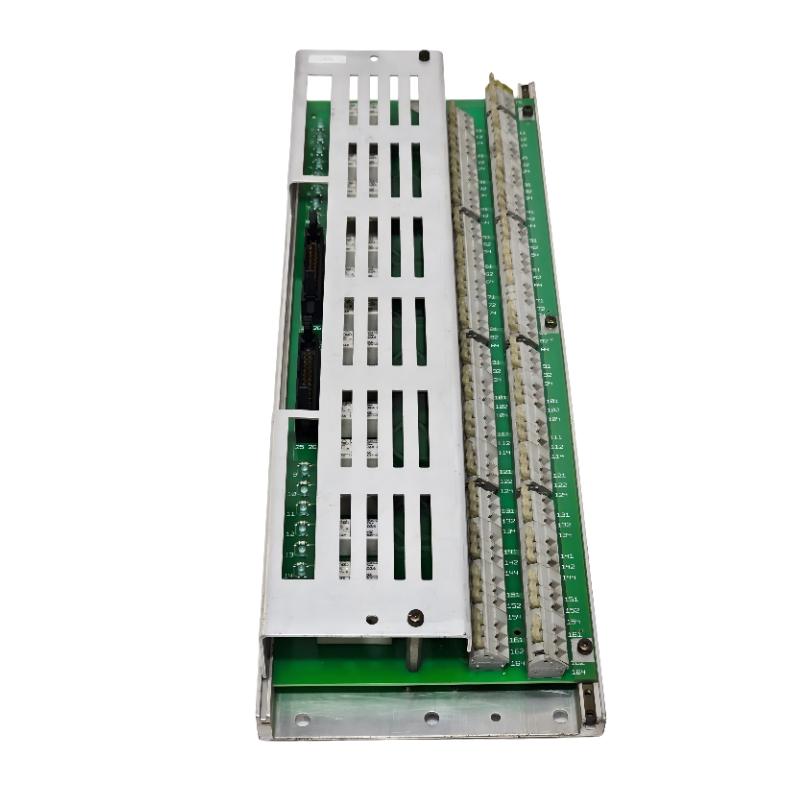
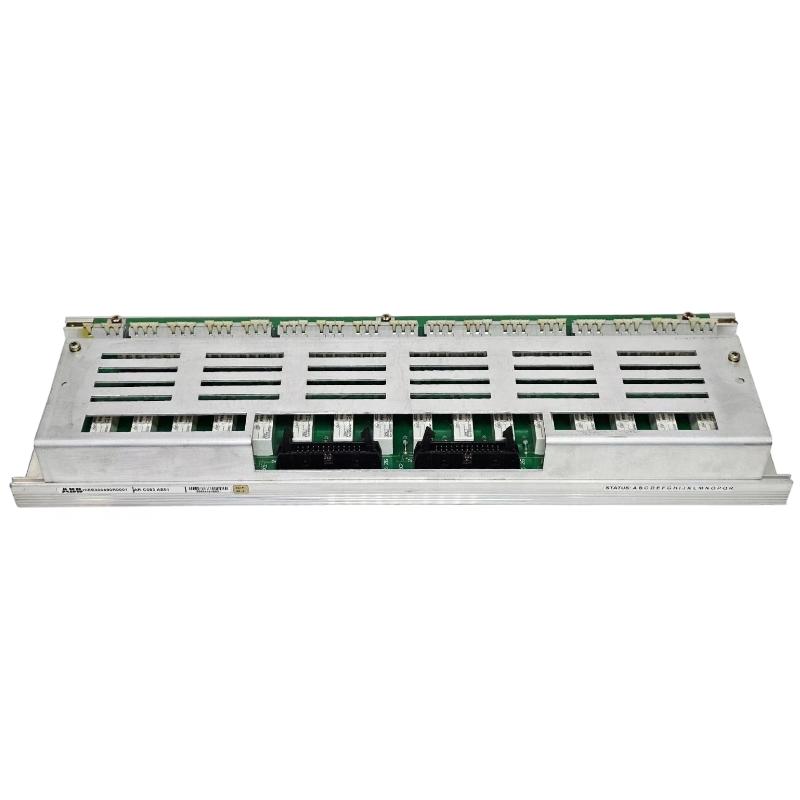
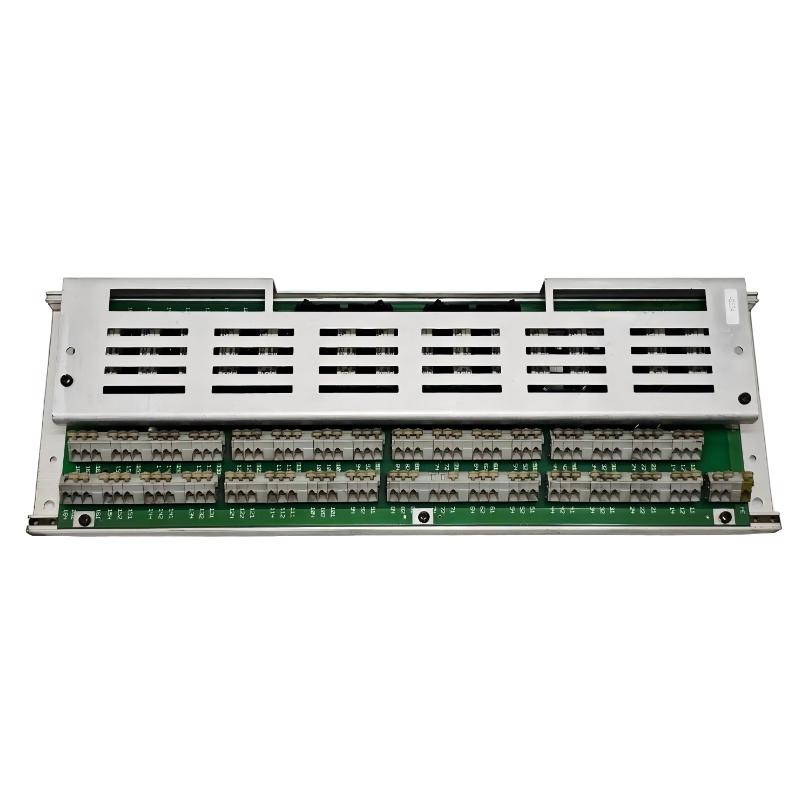
The ABB AR C093 AE01 HIEE300690R0001 is a Relay Output Card used to interface control-system logic with external relay-controlled circuits. It is suitable for automation installations where discrete output commands need to be transferred from the control system to contactors, relays, alarms, interposing circuits, or other electrical equipment.
The card operates on the output side of the control architecture. When the controller issues a discrete command, the relay output circuitry changes state according to the configured logic, allowing the connected field circuit to respond without requiring the controller to switch the external load directly.
Relay outputs are useful in industrial systems where electrical isolation, contact-based switching, or compatibility with conventional control circuits is required. The AR C093 AE01 can therefore be used in control cabinets containing a mixture of electronic controllers and conventional relay-based field equipment.
For maintenance work, the output card should be evaluated together with its associated controller, terminal wiring, relay circuits, and connected loads. A failure at any point in this chain can produce similar symptoms at the machine or process level.
Technical Specifications
| Parameter | Specification |
|---|---|
| Manufacturer | ABB |
| Model | AR C093 AE01 |
| Part Number | HIEE300690R0001 |
| Product Type | Relay Output Card |
| Primary Function | Relay-based discrete output switching |
| System Role | Digital output interface |
| Application | Industrial automation and control systems |
| Dimensions | 480 × 80 × 180 mm |
| Weight | 0.76 kg |
Product Features
- Relay output card for industrial control applications
- Provides discrete switching between controller logic and external circuits
- Suitable for relay, contactor, alarm, and auxiliary control functions
- Can interface electronic control systems with conventional electrical circuits
- Useful where contact-based output switching is required
- Suitable for installation within industrial control architectures
- Supports maintenance and replacement of compatible relay output interfaces
Working Principle
The AR C093 AE01 receives discrete output commands from the associated control system and uses its relay circuitry to change the state of the corresponding output circuit.
When the controller activates an output, the associated relay changes contact state. The connected external circuit can then use that contact condition to energize an auxiliary relay, operate a contactor, activate an alarm, or transmit a discrete status command to another control device.
Controller → AR C093 AE01 Relay Output Card → Relay Contacts → Interposing Circuit / Contactor / Alarm → Field Equipment
The relay interface keeps the controller output function separate from the external switching circuit. During troubleshooting, the commanded output state should therefore be compared with the actual relay state and the resulting field-circuit response.
Role in an ABB Industrial Control Architecture
The AR C093 AE01 occupies the discrete output interface layer between the controller and external electrical equipment. It converts control-system output commands into relay contact states that can be used by downstream circuits.
ABB Controller → Relay Output Card → Terminal / Relay Circuit → Field Equipment
| System Element | Function |
|---|---|
| ABB Controller | Executes control logic and output commands |
| AR C093 AE01 | Provides relay-based output switching |
| Relay Contacts | Switch connected discrete circuits |
| Terminal / Interface | Connects output circuits to field wiring |
| Contactors / Relays | Switch or isolate external electrical loads |
| Alarm / Indication | Reports commanded or fault conditions |
| Field Equipment | Performs the resulting machine function |
This arrangement allows controller commands to operate conventional electrical circuits through a dedicated relay interface.
Industrial Applications
| Application | Typical Use |
|---|---|
| Industrial Automation | Discrete control of auxiliary equipment |
| Motor Control Systems | Switching contactors and motor-control circuits |
| Generator Systems | Start, stop, alarm, and auxiliary control signals |
| Process Control | Relay-based commands to field equipment |
| Switchgear Systems | Breaker and auxiliary control circuits |
| Machine Control Panels | Interfacing PLC logic with conventional relays |
| Alarm Systems | Discrete alarm and indication outputs |
| Plant Utility Systems | Auxiliary equipment switching |
Installation and Maintenance
- Confirm that the AR C093 AE01 is compatible with the intended ABB control-system configuration before installation.
- Isolate the relevant control and field circuits according to the approved maintenance procedure.
- Verify the card position and associated control-system configuration.
- Check the output wiring against the approved electrical schematic.
- Confirm each relay output assignment before connecting external circuits.
- Verify that connected loads are suitable for the applicable relay output circuit.
- Inspect terminal connections for looseness, corrosion, or signs of overheating.
- Keep relay output wiring correctly identified throughout maintenance work.
- Apply control power and verify the card’s output status during commissioning.
- Test each required relay output against the associated control sequence.
- If an output fails to operate, check the controller command, card output, wiring, and external load separately.
- After replacement, perform a complete relay-output and field-function test before returning the control system to normal operation.
Compatible System Components
| Component | Function |
|---|---|
| ABB Controller | Executes control and sequencing logic |
| ABB I/O System | Provides field signal interfaces |
| Relay Interface Modules | Provides additional electrical isolation |
| Interposing Relays | Interfaces output contacts with field loads |
| Contactors | Switch higher-power electrical equipment |
| Alarm / Indication Devices | Provides discrete status indication |
| Terminal Blocks | Provides organized field wiring |
| Field Actuators | Performs commanded physical operations |
Recommended Related Models
| Model / Product Family | Product Type | Typical Application |
|---|---|---|
| ABB AR C093 AE01 | Relay Output Card | Discrete relay output control |
| ABB HIEE300690R0001 | Relay Output Card | Industrial relay interface |
| ABB Digital Output Cards | Digital Output Module | Discrete field-device control |
| ABB Relay Output Modules | Relay Interface Module | Relay-based signal switching |
| ABB Digital I/O Systems | Industrial I/O | Field signal acquisition and control |
| ABB Control I/O Modules | I/O Module | Controller-to-field interfacing |
Key Advantages
- Provides relay-based discrete output switching for industrial control systems.
- Allows controller commands to operate conventional electrical circuits.
- Suitable for contactors, auxiliary relays, alarms, and status circuits.
- Simplifies the interface between electronic controllers and relay-based field equipment.
- Useful for industrial machine, generator, process, and switchgear applications.
- Supports straightforward output-level troubleshooting and maintenance.
Technical FAQs
What is the main purpose of a relay output card?
A relay output card converts discrete control commands into relay contact states that can be used by external electrical circuits. This allows a controller to interface with conventional relay-controlled equipment.
What should be checked if the controller shows an active output but the field device does not respond?
Compare the controller command with the actual relay output state first. Then inspect the output wiring, terminal connections, interposing relay or contactor, and external load to determine where the signal path is interrupted.
Why are interposing relays sometimes used with relay output cards?
An interposing relay can provide additional isolation or allow the output circuit to interface with a different electrical circuit arrangement. It can also help separate the control-system output from the downstream load circuit.
What is important when replacing the AR C093 AE01?
The replacement should match the existing system configuration and output assignments. Wiring should be verified against the electrical drawings, followed by individual output tests and a complete functional test of the connected equipment.