

ProductPRODUCT
Featured products
Contact Us
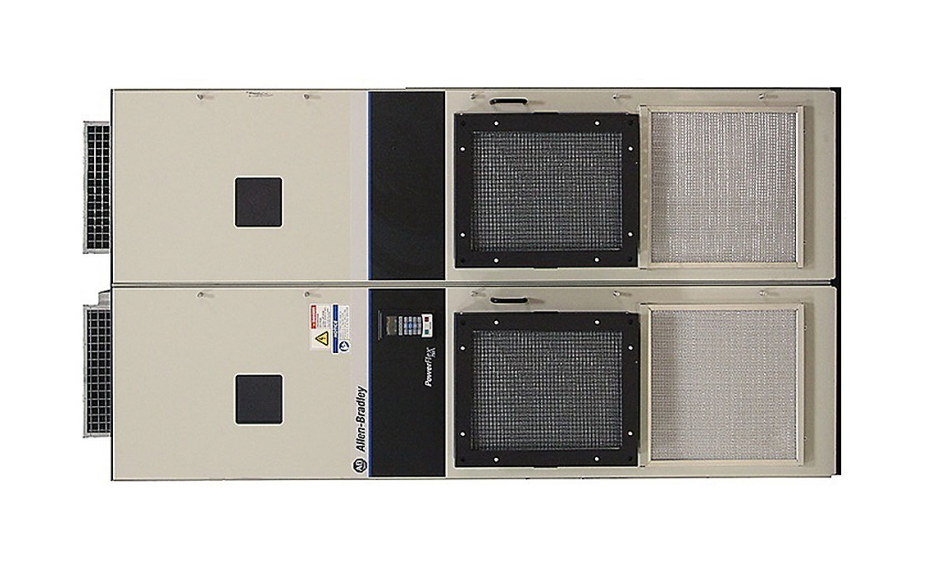
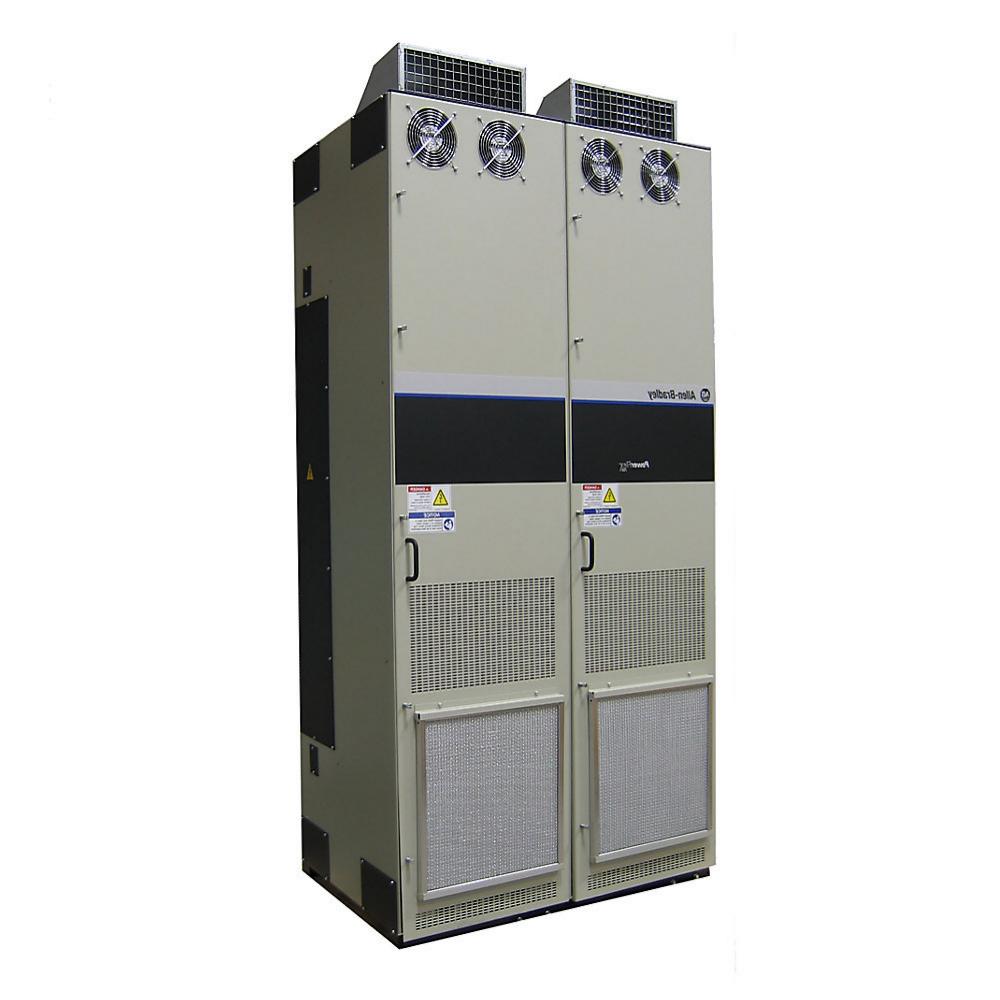
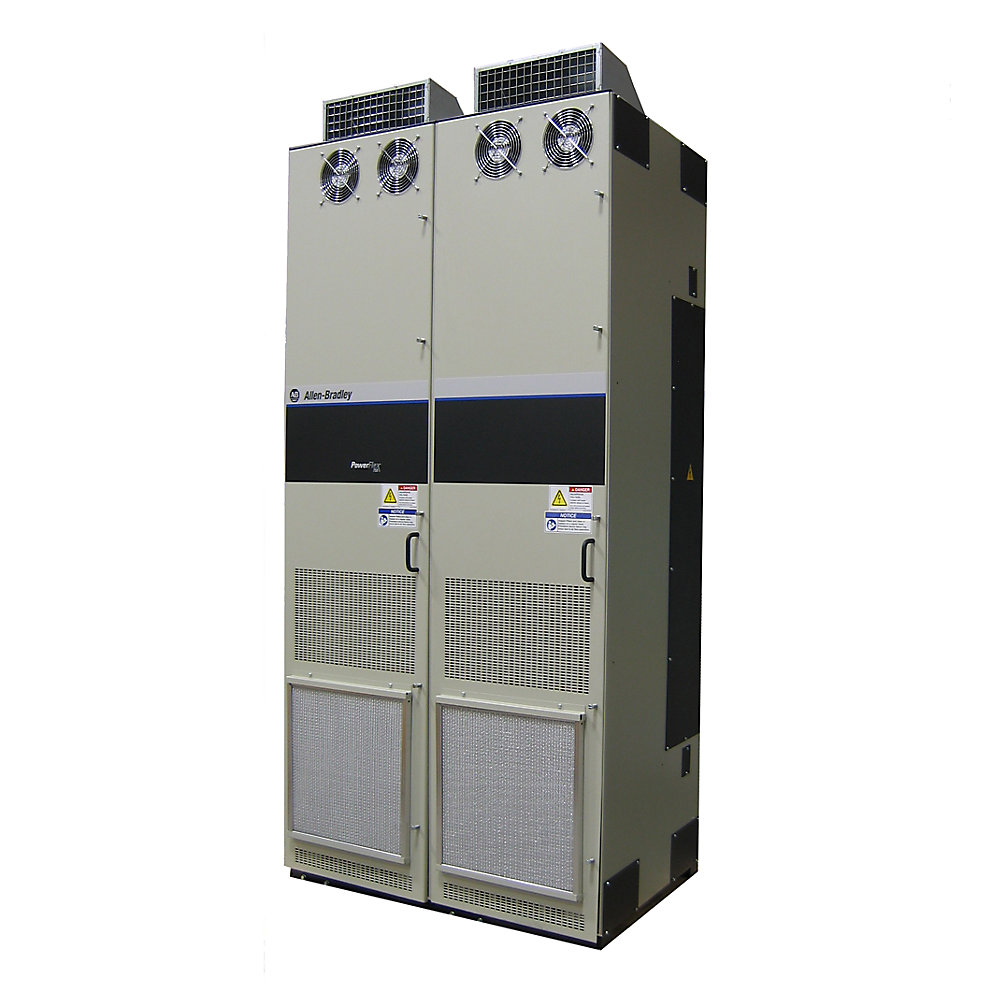
- Allen Bradley
- 20G1F3D710LNDNNNNN
- PowerFlex AC Drive
- USA
- 2477 × 1200 × 800 mm
- 1287kg
- Xiamen, China
- New & In Stock
- T/T, PayPal, Western Union
- 1 Year
- 1-3 Working Days
- DHL, UPS, TNT, FedEx and EMS.
- 24-Hour Service
- COO
- 3
Our advantage

Global Logistics
We have a 10-year logistics and express cooperation agreement, so our products can be shipped to any place in the world.

Brand new and original
Our products are imported in bulk from the place of origin. Because of the cooperative relationship, our products are all original and 100% new.

24-hour service
We provide 7*24 hours service to our customers. We will be there whenever you need us.

Price advantage
All our products are priced very favorably because we have our own warehouse and supply.
| Company Information | |||
| [email protected] | |||
| Mobile | +8615980777398 | ||
| +8615980777398 | |||
| 15980777398 |
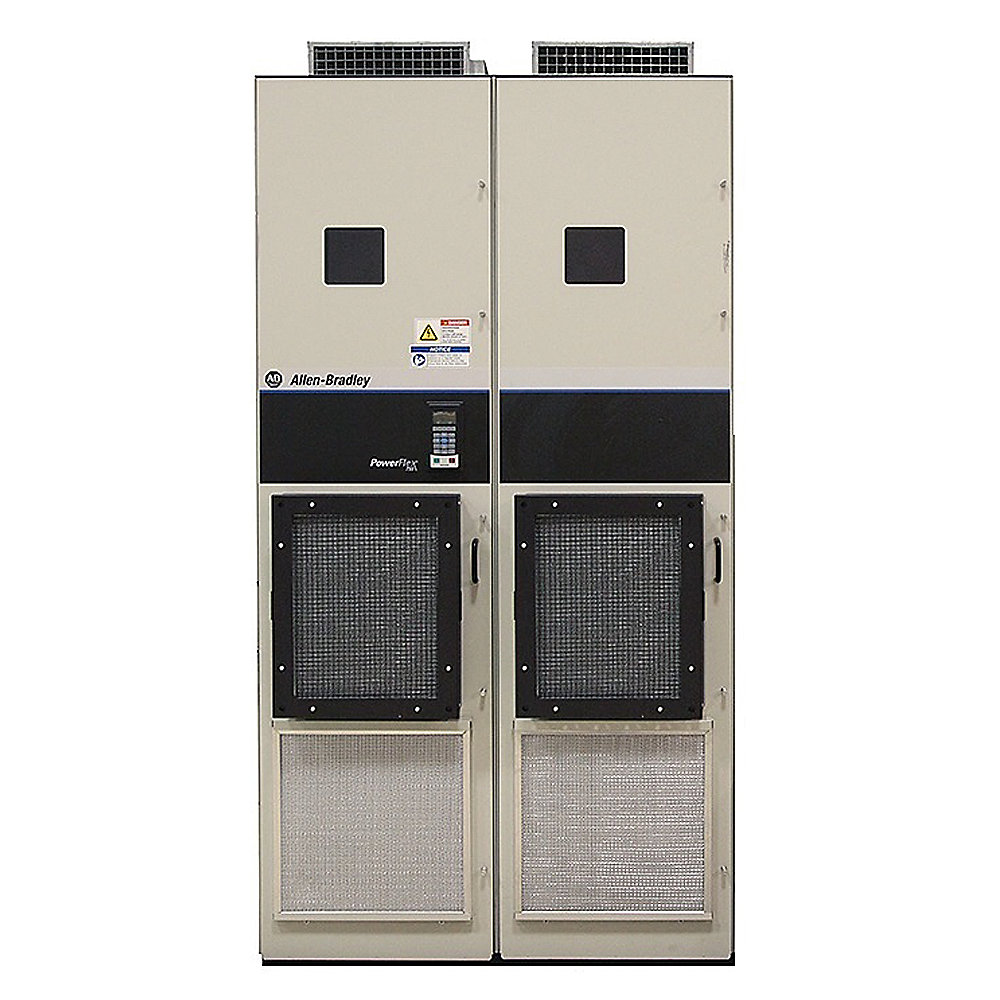
Allen-Bradley 20G1F3D710LNDNNNNN – Detailed Product Introduction, Specifications, Applications, Advantages and Related Models
1. Product Overview
The Allen-Bradley 20G1F3D710LNDNNNNN is a high-power AC variable frequency drive belonging to the PowerFlex 755 AC Drive family.
It is designed for large industrial motor applications where precise speed regulation, controlled acceleration and deceleration, dependable torque production, and integration with an industrial automation system are required.
The 710 A class places this drive toward the high-power end of the PowerFlex 755 range. It is intended for large motors and demanding industrial machinery rather than small machine-level applications.
The model is associated with a 480 V AC, three-phase supply and Frame 8 construction. The 710 A rating is particularly relevant for large motor loads such as conveyors, pumps, fans, compressors, crushers, mixers, process machinery, and other heavy industrial equipment.
For applications where the motor load changes considerably during operation, a drive of this size provides considerably more flexibility than a small general-purpose inverter. It can be incorporated into a larger motor-control architecture where speed commands, process feedback, start/stop commands, fault handling, and other operating information are exchanged with the control system.
The 20G1F3D710LNDNNNNN should therefore be regarded as a large industrial motor-control platform, not simply as a basic standalone speed controller.
2. Brand
Brand: Allen-Bradley
Allen-Bradley products are widely associated with industrial automation, motor control, programmable control, operator interfaces, and factory electrical systems.
The brand’s drive portfolio includes multiple PowerFlex families intended for applications ranging from relatively small machine motors to large industrial motor systems.
The 20G1F3D710LNDNNNNN belongs to the higher-power section of this drive portfolio and is particularly suited to installations where the motor and driven equipment require substantial electrical capacity.
3. Product Series
Series: PowerFlex 755 AC Drive
The PowerFlex 755 family is intended for demanding industrial applications requiring flexible motor control and extensive configuration possibilities.
The family covers a wide range of current ratings and mechanical frame sizes. Within the high-current range, Frame 8 drives are designed for large motor installations.
The 710 A model is one of the larger current classes in the traditional PowerFlex 755 AC drive range.
The family is suitable for both standalone machine control and integration into larger automation systems.
4. Basic Product Identification
| Parameter | Specification |
|---|---|
| Model | 20G1F3D710LNDNNNNN |
| Brand | Allen-Bradley |
| Product Family | PowerFlex |
| Product Series | PowerFlex 755 AC Drive |
| Product Type | AC Variable Frequency Drive |
| Drive Construction | Large industrial AC drive |
| Cooling Concept | Air-cooled configuration |
| Input Voltage Class | 480 V AC |
| Input Phase | Three-phase |
| Current Class | 710 A |
| Frame | Frame 8 |
| Typical Duty Classification | Normal-duty applications; application-specific ratings should be checked |
| Motor Application | Large industrial AC motors |
| Control Function | Variable-speed motor control |
| Installation | Industrial / floor-mounted high-power installation |
| Dimensions | Configuration-dependent; verify the mechanical drawing for the exact assembled configuration |
| Weight (kg) | Configuration-dependent; verify the final product configuration and shipping documentation |
The 710 A designation is an important part of the model identification. It places the drive in a substantially higher power class than smaller PowerFlex 755 units.
5. Main Technical Specifications
The following table summarizes the principal characteristics relevant to selecting this drive.
| Parameter | 20G1F3D710LNDNNNNN |
|---|---|
| Model | 20G1F3D710LNDNNNNN |
| Brand | Allen-Bradley |
| Series | PowerFlex 755 |
| Drive Type | AC Variable Frequency Drive |
| Voltage | 480 V AC |
| Phase | Three-phase |
| Current Rating | 710 A class |
| Frame Size | Frame 8 |
| Cooling | Air cooled |
| Motor Type | Industrial AC motor applications |
| Frequency Control | Variable-frequency operation |
| Speed Regulation | Programmable drive-based speed control |
| Acceleration Control | Programmable |
| Deceleration Control | Programmable |
| Torque Control | Available through the PowerFlex control architecture and configured operating mode |
| Application Range | Large industrial machinery |
| Typical Motor Size | Large motor installations; exact HP/kW depends on duty and application |
| Installation Type | Industrial floor-mounted / high-power drive installation |
| Dimensions | Configuration-dependent; verify exact mechanical arrangement |
| Weight (kg) | Configuration-dependent; verify exact product configuration |
For large drives such as this one, the final installation dimensions cannot always be treated as a single universal number. Cabinet arrangement, enclosure selection, power components, input configuration, control options, wiring sections, and other configuration choices can affect the final mechanical footprint.
For that reason, the exact dimensions and shipping weight should always be taken from the mechanical drawing and final configured bill of materials before the electrical room, cabinet, lifting equipment, or transportation route is finalized.
6. 710 A Current Rating
The 710 A designation is one of the most important specifications of the 20G1F3D710LNDNNNNN.
A drive in this current class is intended for large AC motor systems. It is substantially different from the smaller PowerFlex drives commonly installed on compact conveyors, small pumps, machine tools, or small fans.
At this current level, installation engineering becomes especially important.
The incoming electrical system must be designed for the drive’s power requirements, while the motor feeder, disconnect equipment, protection devices, buswork, grounding system, cable arrangement, and thermal management all need to be considered as part of the complete installation.
The 710 A rating also means that the drive is appropriate for applications where the motor must deliver significant mechanical power continuously.
Examples include large belt conveyors, large process pumps, high-capacity fans, crushers, mixers, material-handling systems, and other industrial machinery.
7. 480 V AC Three-Phase Supply
The 20G1F3D710LNDNNNNN is associated with the 480 V AC three-phase industrial power class.
480 V three-phase systems are widely used in large industrial facilities because they allow substantial motor power to be delivered without requiring extremely high current compared with lower-voltage systems.
For a high-power drive, the 480 V class is especially practical because large motors can be controlled without moving to a medium-voltage motor system.
The exact incoming voltage, allowable voltage tolerance, short-circuit rating, disconnect requirements, protection equipment, grounding arrangement, and installation requirements should be checked against the applicable electrical standards and the actual plant power system.
8. Frame 8 Construction
The drive uses Frame 8 construction.
Frame size is important because it affects mechanical installation, power connection arrangements, cooling requirements, service access, and cabinet or electrical-room planning.
A Frame 8 drive is physically much larger than the smaller frame sizes used for low-power motor applications.
The installation therefore needs adequate space around the equipment for:
- Power cable routing
- Control wiring
- Ventilation
- Heat removal
- Inspection
- Maintenance
- Component replacement
- Safe access to electrical connections
- Lifting and transportation
The final mechanical arrangement should always be checked before construction begins.
9. Air-Cooled Design
The 20G1F3D710LNDNNNNN uses an air-cooled architecture.
Air cooling is common in industrial drive systems because it provides a practical method of removing heat from power semiconductors and other electrical components.
At a 710 A power level, thermal management becomes a major part of system design.
The electrical room or enclosure must provide an appropriate air path, and the heat generated by the drive must be considered when calculating the room’s overall cooling requirement.
Poor airflow can increase internal temperatures and shorten component life.
For this reason, the drive should not be treated as an isolated piece of equipment. The surrounding electrical environment is part of the thermal design.
10. Variable-Speed Motor Control
The main function of the PowerFlex 755 is to control the operating speed of an AC motor.
Instead of applying fixed-frequency utility power directly to the motor, the drive controls the electrical output supplied to the motor.
This allows the motor to operate at different speeds according to the process requirement.
For example, a conveyor may need slow speed during inspection and higher speed during normal production.
A pump may require reduced speed when demand falls.
A fan may operate at a lower speed during periods of reduced ventilation demand.
A process mixer may require different operating speeds for loading, mixing, and discharge.
The drive provides the electrical control layer necessary to implement these operating requirements.
11. Controlled Acceleration
Large industrial motors can create significant mechanical stress if they are started abruptly.
A high-power variable frequency drive allows acceleration to be controlled.
Instead of immediately applying full-speed operation, the motor can be brought up to operating speed according to a programmed acceleration profile.
This can reduce mechanical shock to:
- Gearboxes
- Couplings
- Conveyor belts
- Shafts
- Pumps
- Fans
- Rollers
- Crushers
- Mixers
The acceleration profile can be adjusted to match the driven equipment.
This is particularly useful for large conveyor systems and process equipment where sudden acceleration could create excessive mechanical stress.
12. Controlled Deceleration
Deceleration is equally important.
When a large motor and driven machine are operating at high speed, the rotating equipment contains considerable mechanical energy.
A controlled deceleration profile allows the motor to slow down in a predictable manner.
This is useful for:
- Conveyor stopping
- Pump shutdown
- Fan speed reduction
- Process equipment stopping
- Material handling
- Machine sequencing
- Controlled production-line shutdown
The exact stopping behavior depends on the application, drive configuration, motor characteristics, load inertia, and whether additional braking equipment is required.
13. Torque Control
Many industrial applications are not concerned only with speed.
They also require sufficient torque during starting, acceleration, steady-state operation, or changing load conditions.
Examples include:
- Heavy conveyors
- Crushers
- Mixers
- Hoists
- Large process machines
- Material-handling equipment
- Extrusion equipment
A properly configured PowerFlex 755 system can provide advanced motor-control functions appropriate to demanding applications.
The actual control method should be selected according to the motor type, feedback requirements, load characteristics, and application duty.
14. Product Advantages
14.1 High Current Capacity
One of the clearest advantages of the 20G1F3D710LNDNNNNN is its high current capability.
The 710 A class makes it suitable for very large industrial motor applications that are outside the practical range of small and medium-sized variable frequency drives.
This makes the model appropriate for heavy industrial equipment where substantial motor power is required.
14.2 Suitable for Large Industrial Machinery
The PowerFlex 755 platform was developed for industrial applications where motor control requirements are more sophisticated than simple speed adjustment.
The 710 A model can be considered when a plant needs a high-power drive for a large motor while still maintaining programmable speed and control functions.
14.3 Flexible Application Range
A major benefit of a general-purpose industrial drive platform is that the same basic technology can be adapted to many types of machinery.
The same drive family can therefore be encountered in:
- Conveyors
- Pumps
- Fans
- Compressors
- Crushers
- Mixers
- Material-handling systems
- Process machinery
- Production lines
- Large industrial machinery
14.4 Controlled Motor Starting
Large motors can produce high mechanical and electrical stresses when started directly.
Variable-frequency starting provides a more controlled acceleration process.
This can help reduce mechanical shock and make machine operation smoother.
14.5 Improved Process Control
The ability to change motor speed according to process demand is particularly useful in applications where the motor does not need to operate at one fixed speed.
This can improve the controllability of production equipment.
For pumps and fans, variable-speed operation can also help match motor output to actual process demand.
14.6 Integration with Industrial Automation
The PowerFlex 755 family is intended to operate within larger industrial automation environments.
A drive installation can form part of a control architecture involving:
- Programmable controllers
- Operator interfaces
- Remote I/O
- Industrial communication networks
- Motor feedback
- Process instrumentation
- Safety systems
- Supervisory control
This makes it suitable for centralized control systems where the drive is one component of a larger automated process.
15. Typical Applications
15.1 Conveyor Systems
Large conveyor systems are one of the most appropriate application areas for a high-current AC drive.
A conveyor may have a long belt, large rollers, significant material loading, and high starting torque requirements.
The drive can be used to control conveyor speed and provide controlled acceleration and deceleration.
This is useful in:
- Mining
- Cement plants
- Aggregate handling
- Ports
- Warehouses
- Steel plants
- Bulk material processing
- Manufacturing plants
A 710 A drive is especially relevant to very large conveyor motors.
16. Mining Applications
Mining equipment frequently requires large motors.
Typical applications include:
- Belt conveyors
- Crushers
- Screens
- Material feeders
- Fans
- Pumps
- Processing equipment
Mining machinery can operate under difficult load conditions, and equipment may experience significant changes in mechanical load.
A large PowerFlex drive can provide controlled motor operation while allowing the motor speed to be matched to the process.
17. Cement Industry
Cement production includes many large motor-driven machines.
Examples include:
- Raw material conveyors
- Grinding equipment
- Fans
- Material handling systems
- Crushers
- Mixers
- Pumps
- Exhaust systems
- Process blowers
Many of these machines require substantial motor power and continuous operation.
A high-current variable frequency drive can be used where process speed needs to be adjusted rather than fixed.
18. Aggregate Processing
Aggregate plants contain numerous high-power machines.
Large crushers, conveyors, feeders, screens, and material-handling systems can require large AC motors.
The drive can provide controlled starting and speed adjustment.
This can be particularly useful when material flow needs to be coordinated between different stages of the process.
19. Large Pump Systems
Large industrial pumps can be driven at variable speed rather than operating continuously at maximum speed.
Applications include:
- Water treatment
- Industrial water circulation
- Cooling systems
- Process water
- Wastewater
- Mining dewatering
- Chemical process circulation
- Industrial pumping stations
The ability to adjust pump speed can help match pump output to changing process requirements.
20. Large Fan Systems
Large fans and blowers can consume substantial amounts of energy when operated continuously.
Variable-speed operation allows the fan to operate according to actual airflow requirements.
Typical applications include:
- Industrial ventilation
- Furnace systems
- Cement production
- Mining ventilation
- Dust collection
- Process exhaust
- Cooling systems
- Combustion air systems
21. Compressor Applications
Large compressors may require substantial motor power and carefully controlled acceleration.
A high-power AC drive can be considered where variable-speed compressor operation is appropriate.
The actual suitability depends on the compressor type, required starting torque, operating speed range, control strategy, and process requirements.
22. Crusher Applications
Crushers represent demanding mechanical loads.
Starting a crusher can require considerable torque, particularly if material remains inside the crushing chamber.
A large drive can provide controlled acceleration and motor control.
The drive selection should take into account:
- Starting torque
- Continuous current
- Overload requirements
- Mechanical inertia
- Duty cycle
- Stopping requirements
- Ambient conditions
- Motor characteristics
23. Mixer Applications
Industrial mixers can experience changing mechanical loads depending on the material being processed.
During startup, the load can be considerably higher than during steady-state operation.
A variable frequency drive allows the motor to accelerate under controlled conditions and can provide different operating speeds for different production stages.
24. Process Machinery
The 20G1F3D710LNDNNNNN can also be considered for large process machinery where a high-power AC motor requires adjustable speed.
Examples include:
- Production machinery
- Material processing systems
- Large mechanical handling equipment
- Industrial production lines
- Large rotating machinery
The exact drive configuration should always be selected based on the process duty rather than current rating alone.
25. Electrical Installation Considerations
A 710 A drive requires considerably more installation planning than a small inverter.
The following areas should be evaluated before installation.
Incoming Power
The incoming electrical system must be capable of supplying the drive under the expected operating conditions.
Protection
The installation requires appropriate upstream protection and disconnecting equipment.
Grounding
A proper grounding system is essential for personnel safety, equipment protection, and electrical noise control.
Cable Selection
Power conductors must be selected based on current, temperature, installation method, cable length, applicable electrical standards, and voltage drop.
Control Wiring
Control cables should be routed in a manner that minimizes interference from high-current power conductors.
Thermal Management
The heat generated by the drive must be considered when designing the electrical room or enclosure.
Service Clearance
Adequate working space should be provided around the equipment.
26. Motor Selection
Selecting a drive solely because its current rating appears adequate is not sufficient.
The motor must be evaluated together with the drive.
Important motor information includes:
- Motor rated voltage
- Motor rated current
- Motor rated frequency
- Motor rated speed
- Motor power
- Motor efficiency
- Motor power factor
- Starting torque
- Load torque
- Operating speed range
- Duty cycle
- Feedback requirements
For a large motor, the drive’s current rating should be matched carefully to the motor’s actual operating duty.
27. Constant-Torque Applications
Constant-torque machinery can place substantial demand on the drive.
Typical examples include:
- Conveyors
- Crushers
- Mixers
- Positive-displacement equipment
- Certain material-processing machines
In these applications, the drive needs to maintain appropriate motor torque over the required speed range.
The motor and drive should therefore be selected according to the actual mechanical load rather than simply the motor nameplate horsepower.
28. Variable-Torque Applications
Variable-torque applications include many pumps and fans.
In these systems, motor power changes significantly with speed.
A variable-speed drive can therefore be used to adjust the motor’s operating point according to process demand.
Examples include:
- Water pumps
- Cooling-water pumps
- Large fans
- Ventilation systems
- Process blowers
- Circulation systems
29. Maintenance Considerations
High-power drives should be incorporated into a planned maintenance program.
Important maintenance areas include:
- Cooling fans
- Air passages
- Electrical connections
- Power terminals
- Grounding connections
- Control wiring
- Enclosure condition
- Dust accumulation
- Moisture contamination
- Signs of overheating
- Abnormal noise
- Abnormal vibration
- Historical fault records
Keeping cooling paths clean is particularly important for an air-cooled high-power drive.
Dust accumulation can restrict airflow and reduce thermal performance.
30. Troubleshooting Considerations
When troubleshooting a large PowerFlex 755 installation, it is useful to divide the problem into several areas.
Input Power
Check whether the incoming three-phase supply is within the required operating range.
Motor
Check motor insulation, wiring, bearings, mechanical loading, and nameplate information.
Drive
Check fault history, operating status, current behavior, speed reference, and control parameters.
Mechanical System
A drive fault may sometimes be caused by a mechanical problem rather than an electrical problem.
Examples include:
- Jammed machinery
- Excessive load
- Damaged bearings
- Belt problems
- Gearbox problems
- Pump blockage
- Conveyor obstruction
A complete troubleshooting process should therefore consider the entire motor-driven system.
31. Installation Environment
The environmental conditions are important for any large industrial drive.
Before installation, evaluate:
- Ambient temperature
- Humidity
- Dust
- Chemical contamination
- Altitude
- Ventilation
- Vibration
- Corrosive gases
- Water exposure
- Electrical noise
The exact environmental limits should be confirmed against the specific product documentation and configured enclosure.
32. Mechanical Dimensions and Weight
Because this model represents a high-power Frame 8 drive, the mechanical dimensions and weight are not specifications that should be estimated from the current rating alone.
The final physical arrangement can vary according to the selected configuration.
For engineering purposes, the following should be treated as configuration-dependent values:
| Mechanical Parameter | Specification |
|---|---|
| Model | 20G1F3D710LNDNNNNN |
| Frame | Frame 8 |
| Mounting Concept | Large industrial floor-mounted installation |
| Enclosure Arrangement | Configuration dependent |
| Height | Configuration dependent |
| Width | Configuration dependent |
| Depth | Configuration dependent |
| Dimensions (H × W × D) | Verify final mechanical drawing |
| Weight (kg) | Verify final configured product/shipping documentation |
| Service Clearance | Must be determined from installation requirements |
| Cable Entry Arrangement | Configuration dependent |
| Cooling Airflow | Installation dependent |
For a real project, it is strongly recommended that the final dimensional drawing be checked before ordering cabinets, foundations, lifting equipment, cable trays, or transport equipment.
33. Product Selection Advantages at a Glance
| Feature | Practical Benefit |
|---|---|
| 710 A current class | Suitable for very large industrial motors |
| 480 V AC | Appropriate for large low-voltage industrial motor systems |
| Three-phase input | Standard industrial power architecture |
| Frame 8 | Provides a high-power mechanical platform |
| PowerFlex 755 family | Flexible industrial motor-control architecture |
| Variable-frequency operation | Allows motor speed to be adjusted |
| Controlled acceleration | Reduces mechanical starting shock |
| Controlled deceleration | Provides predictable stopping behavior |
| High-power capability | Suitable for large machinery |
| Industrial automation integration | Can be incorporated into larger control systems |
| Air-cooled design | Practical thermal management approach |
| Broad application range | Suitable for conveyors, pumps, fans and process machinery |
| Dimensions | Configuration dependent |
| Weight (kg) | Configuration dependent |
34. Five Related or Same-Series Models
The following models are useful comparison points when evaluating the 20G1F3D710LNDNNNNN within the PowerFlex 755 family.
| Model | Series | Voltage Class | Current Class | Frame | Typical Application Position | Dimensions | Weight (kg) |
|---|---|---|---|---|---|---|---|
| 20G1F3D430LNDNNNNN | PowerFlex 755 | 480 V AC | 430 A class | Frame 8 | Large industrial motors | Configuration dependent | Configuration dependent |
| 20G1F3D505LNDNNNNN | PowerFlex 755 | 480 V AC | 505 A class | Frame 8 | Large conveyors, pumps, fans | Configuration dependent | Configuration dependent |
| 20G1F3D545LNDNNNNN | PowerFlex 755 | 480 V AC | 545 A class | Frame 8 | Heavy industrial machinery | Configuration dependent | Configuration dependent |
| 20G1F3D617LNDNNNNN | PowerFlex 755 | 480 V AC | 617 A class | Frame 8 | High-power industrial equipment | Configuration dependent | Configuration dependent |
| 20G1F3D740LNDNNNNN | PowerFlex 755 | 480 V AC | 740 A class | Frame 8 | Very large motor systems | Configuration dependent | Configuration dependent |
These models are useful when comparing motor sizes and current requirements.
For example, a 430 A model may be appropriate when the motor requirement is below the 710 A class, while the 617 A and 740 A models provide nearby alternatives for higher or lower current requirements.
The correct selection should always be based on actual motor current, duty cycle, overload requirements, ambient conditions, and application characteristics.
35. Related Model – 20G1F3D430LNDNNNNN
The 20G1F3D430LNDNNNNN is a lower-current member of the same general PowerFlex 755 high-power range.
Compared with the 710 A model, the 430 A class is intended for applications requiring less motor current.
It can be considered for large conveyors, pumps, fans, process machinery, and other industrial equipment where the motor does not require the higher current capacity of the 710 A drive.
| Parameter | Specification |
|---|---|
| Model | 20G1F3D430LNDNNNNN |
| Series | PowerFlex 755 |
| Voltage | 480 V AC |
| Current Class | 430 A |
| Frame | Frame 8 |
| Application | Large industrial AC motors |
| Cooling | Air cooled |
| Dimensions | Configuration dependent |
| Weight (kg) | Configuration dependent |
36. Related Model – 20G1F3D505LNDNNNNN
The 20G1F3D505LNDNNNNN provides another current class within the same PowerFlex 755 family.
It can be useful when the motor current requirement falls between the smaller 430 A class and larger high-current models.
| Parameter | Specification |
|---|---|
| Model | 20G1F3D505LNDNNNNN |
| Series | PowerFlex 755 |
| Voltage | 480 V AC |
| Current Class | 505 A |
| Frame | Frame 8 |
| Application | Large industrial motor control |
| Cooling | Air cooled |
| Dimensions | Configuration dependent |
| Weight (kg) | Configuration dependent |
37. Related Model – 20G1F3D545LNDNNNNN
The 20G1F3D545LNDNNNNN is positioned above the 505 A class and provides additional current capability for larger motor applications.
It can be useful for applications involving heavy conveyors, industrial fans, large pumps, mixers, and process machinery.
| Parameter | Specification |
|---|---|
| Model | 20G1F3D545LNDNNNNN |
| Series | PowerFlex 755 |
| Voltage | 480 V AC |
| Current Class | 545 A |
| Frame | Frame 8 |
| Application | Heavy industrial motor control |
| Cooling | Air cooled |
| Dimensions | Configuration dependent |
| Weight (kg) | Configuration dependent |
38. Related Model – 20G1F3D617LNDNNNNN
The 20G1F3D617LNDNNNNN is particularly close to the 710 A model in terms of current class.
It is useful when a project requires a large Frame 8 drive but the actual motor current is below the 710 A requirement.
| Parameter | Specification |
|---|---|
| Model | 20G1F3D617LNDNNNNN |
| Series | PowerFlex 755 |
| Voltage | 480 V AC |
| Current Class | 617 A |
| Frame | Frame 8 |
| Application | High-power industrial motors |
| Cooling | Air cooled |
| Dimensions | Configuration dependent |
| Weight (kg) | Configuration dependent |
39. Related Model – 20G1F3D740LNDNNNNN
The 20G1F3D740LNDNNNNN is a higher-current model within the same high-power PowerFlex 755 range.
It can be considered when the motor or load requires more current capacity than the 710 A class.
| Parameter | Specification |
|---|---|
| Model | 20G1F3D740LNDNNNNN |
| Series | PowerFlex 755 |
| Voltage | 480 V AC |
| Current Class | 740 A |
| Frame | Frame 8 |
| Application | Very large industrial motor systems |
| Cooling | Air cooled |
| Dimensions | Configuration dependent |
| Weight (kg) | Configuration dependent |
40. Five Same-Brand Reference Models
For broader comparison within the Allen-Bradley drive portfolio, the following models are useful reference points.
| Model | Product Family | Voltage | Current / Power Class | Frame | Main Application | Dimensions | Weight (kg) |
|---|---|---|---|---|---|---|---|
| 20G1F3D430LNDNNNNN | PowerFlex 755 | 480 V AC | 430 A class | 8 | Large motor applications | Configuration dependent | Configuration dependent |
| 20G1F3D545LNDNNNNN | PowerFlex 755 | 480 V AC | 545 A class | 8 | Heavy industrial equipment | Configuration dependent | Configuration dependent |
| 20G1F3D617LNDNNNNN | PowerFlex 755 | 480 V AC | 617 A class | 8 | High-power motor control | Configuration dependent | Configuration dependent |
| 20G1F3D710LNDNNNNN | PowerFlex 755 | 480 V AC | 710 A class | 8 | Very large motor systems | Configuration dependent | Configuration dependent |
| 20G1F3D740LNDNNNNN | PowerFlex 755 | 480 V AC | 740 A class | 8 | Very high-power industrial equipment | Configuration dependent | Configuration dependent |
These models provide a useful current-capacity progression for engineers comparing different motor requirements.
41. Current-Class Comparison
| Model | Approximate Current Class | Relative Application Scale | Frame | Dimensions | Weight (kg) |
|---|---|---|---|---|---|
| 20G1F3D430LNDNNNNN | 430 A | Large industrial | 8 | Configuration dependent | Configuration dependent |
| 20G1F3D505LNDNNNNN | 505 A | Large industrial | 8 | Configuration dependent | Configuration dependent |
| 20G1F3D545LNDNNNNN | 545 A | Heavy industrial | 8 | Configuration dependent | Configuration dependent |
| 20G1F3D617LNDNNNNN | 617 A | High-power industrial | 8 | Configuration dependent | Configuration dependent |
| 20G1F3D710LNDNNNNN | 710 A | Very high-power industrial | 8 | Configuration dependent | Configuration dependent |
| 20G1F3D740LNDNNNNN | 740 A | Very high-power industrial | 8 | Configuration dependent | Configuration dependent |
The table illustrates why selecting the correct current class is important.
A larger current rating does not automatically mean that the drive is the correct choice. The drive should be selected according to the motor’s actual rated current, required overload capability, load type, operating speed, environmental conditions, and control requirements.
42. Application Comparison
| Application | Suitability of 710 A Class | Main Reason |
|---|---|---|
| Large Conveyor | Very suitable | High motor current and controlled acceleration |
| Mining Conveyor | Suitable | Large motor and variable process speed |
| Large Crusher | Suitable | High starting and running torque requirements |
| Large Pump | Suitable | Variable-speed flow control |
| Large Fan | Suitable | Adjustable airflow and speed |
| Industrial Blower | Suitable | Variable process demand |
| Large Mixer | Suitable | Variable load and controlled startup |
| Material Handling | Suitable | Controlled speed and torque |
| Process Machinery | Suitable | Flexible speed regulation |
| Large Compressor | Application dependent | Depends on compressor and duty |
| Small Machine Motor | Generally oversized | Current capacity exceeds typical requirement |
43. Advantages in Conveyor Systems
For large conveyors, the most important benefits are controlled starting, adjustable speed, and high current capability.
A conveyor can be accelerated gradually instead of starting at full speed.
This can reduce stress on mechanical components and provide smoother material movement.
In a production system, the conveyor speed can also be coordinated with upstream and downstream machinery.
This is particularly useful in long conveyor systems where material flow needs to be carefully controlled.
44. Advantages in Pump Systems
Pump applications can benefit from variable-speed control because the pump does not necessarily need to operate at full speed all the time.
If process demand changes, the motor speed can be adjusted accordingly.
This is useful for:
- Water circulation
- Process cooling
- Industrial water systems
- Wastewater
- Dewatering
- Cooling towers
- Process fluid handling
The final energy benefit depends on the pump system, operating profile, control method, and hydraulic characteristics.
45. Advantages in Fan Systems
Large fans can also benefit from adjustable speed.
Instead of continuously operating at a fixed maximum speed, the fan can be controlled according to ventilation requirements.
Potential benefits include:
- Improved airflow control
- Reduced mechanical shock
- Better process regulation
- Easier system coordination
- Reduced operation at unnecessarily high speed
46. Advantages in Mining Equipment
Mining systems often contain large rotating machines and conveyors.
The 710 A class is appropriate for applications where large motors must be controlled reliably under changing load conditions.
A variable-frequency drive can provide a controlled interface between the plant electrical system and the motor.
This can make speed adjustment and machine sequencing easier to implement.
47. Advantages in Cement Plants
Cement production equipment often operates continuously and requires high motor power.
The PowerFlex 755 architecture is suitable for applications where motor speed needs to be controlled according to the process.
Potential application areas include:
- Material transport
- Large fans
- Crushers
- Process equipment
- Pumps
- Mixers
The correct drive configuration should be selected according to the specific machine.
48. Advantages in Continuous-Process Industries
In continuous-process plants, a motor may operate for long periods without stopping.
The drive must therefore be integrated into a system designed for continuous operation.
Important considerations include:
- Thermal management
- Motor loading
- Cooling
- Process feedback
- Alarm handling
- Maintenance
- Electrical protection
- Control-system integration
The 20G1F3D710LNDNNNNN is suited to the high-power portion of this type of industrial environment.
49. Control-System Integration
The drive can be incorporated into an industrial automation system where the controller provides operating commands and receives drive status information.
Typical information exchanged between the control system and drive may include:
- Start command
- Stop command
- Speed reference
- Actual speed
- Motor current
- Drive status
- Fault status
- Warning status
- Process-related information
The exact communication architecture depends on the control platform and installed communication options.
50. Feedback Applications
Some machines require feedback from an encoder or another speed/position sensing device.
Feedback may be useful when the process requires more precise speed control.
Potential examples include:
- Large conveyors
- Material handling
- Tension control
- Precision process machinery
- Coordinated mechanical systems
The exact feedback hardware and control mode should be selected according to the application.
51. Electrical Room Planning
A 710 A Frame 8 drive requires serious attention during electrical-room planning.
The room should provide adequate:
- Floor space
- Cable routing
- Ventilation
- Service clearance
- Working access
- Heat removal
- Lifting access
- Equipment transportation routes
The weight of the completed configuration should be confirmed before selecting lifting equipment or determining floor-loading requirements.
52. Transportation and Handling
Large Frame 8 equipment can be significantly heavier and larger than standard wall-mounted drives.
Transportation planning should therefore consider:
- Delivery route
- Door dimensions
- Elevator capacity
- Floor loading
- Forklift capacity
- Crane requirements
- Packaging dimensions
- Final installation position
The final product weight should be obtained from the configured equipment documentation rather than estimated from the electrical current rating.
53. Replacement Considerations
When replacing an existing drive with a 20G1F3D710LNDNNNNN or evaluating it as a replacement candidate, electrical compatibility alone is not enough.
The following should be checked:
- Motor voltage
- Motor current
- Motor power
- Required overload rating
- Existing cabinet dimensions
- Incoming power arrangement
- Output cable arrangement
- Control architecture
- Communication system
- Feedback hardware
- Braking requirements
- Cooling requirements
- Environmental conditions
- Safety requirements
- Mechanical installation
A replacement drive may require modifications to the cabinet, wiring, programming, or control system.
54. Product Selection Checklist
Before selecting the 20G1F3D710LNDNNN for a project, engineers should verify:
| Selection Item | Check |
|---|---|
| Model | 20G1F3D710LNDNNNNN |
| Motor Voltage | Confirm compatibility |
| Motor Current | Confirm against drive rating |
| Motor Power | Confirm required power |
| Supply Voltage | 480 V AC class |
| Supply Phase | Three-phase |
| Application Type | Constant torque / variable torque / other |
| Overload Requirement | Confirm application duty |
| Starting Torque | Confirm |
| Maximum Speed | Confirm |
| Minimum Speed | Confirm |
| Braking | Determine whether additional braking is needed |
| Feedback | Determine whether required |
| Communication | Confirm control-system requirements |
| Environment | Confirm temperature, humidity and contamination |
| Cooling | Confirm airflow and heat removal |
| Dimensions | Confirm final mechanical drawing |
| Weight (kg) | Confirm final configured equipment weight |
| Cabinet | Confirm enclosure and mounting arrangement |
| Maintenance Access | Confirm service space |
| Cable Entry | Confirm |
| Grounding | Confirm |
| Protection | Confirm upstream protection requirements |
55. Detailed Product Parameter Table
| Parameter | Detailed Information |
|---|---|
| Catalog Number | 20G1F3D710LNDNNNNN |
| Brand | Allen-Bradley |
| Series | PowerFlex 755 |
| Product Type | AC Variable Frequency Drive |
| Product Category | High-power industrial AC drive |
| Input Voltage | 480 V AC class |
| Input Phase | Three-phase |
| Current Rating | 710 A class |
| Frame Size | Frame 8 |
| Cooling Method | Air cooled |
| Motor Control | Variable-frequency AC motor control |
| Application Class | Large industrial motor applications |
| Typical Equipment | Conveyors, pumps, fans, crushers, mixers, process machinery |
| Speed Control | Programmable variable speed |
| Acceleration | Programmable |
| Deceleration | Programmable |
| Torque Control | Available according to configured control mode |
| Automation Integration | Suitable for industrial control-system integration |
| Installation | Large industrial installation |
| Enclosure / Mechanical Arrangement | Configuration dependent |
| Dimensions | Configuration dependent; verify exact mechanical drawing |
| Weight (kg) | Configuration dependent; verify final configured weight |
| Maintenance | Periodic inspection and cooling-system maintenance recommended |
| Environment | Must comply with the applicable configured product limits |
| Application Engineering | Required for correct motor and system selection |
56. Five Related Models – Final Comparison
| Model | Series | Current Class | Voltage | Frame | Cooling | Main Use | Dimensions | Weight (kg) |
|---|---|---|---|---|---|---|---|---|
| 20G1F3D430LNDNNNNN | PowerFlex 755 | 430 A | 480 V AC | 8 | Air cooled | Large motors | Configuration dependent | Configuration dependent |
| 20G1F3D505LNDNNNNN | PowerFlex 755 | 505 A | 480 V AC | 8 | Air cooled | Large industrial equipment | Configuration dependent | Configuration dependent |
| 20G1F3D545LNDNNNNN | PowerFlex 755 | 545 A | 480 V AC | 8 | Air cooled | Heavy industrial equipment | Configuration dependent | Configuration dependent |
| 20G1F3D617LNDNNNNN | PowerFlex 755 | 617 A | 480 V AC | 8 | Air cooled | High-power motor systems | Configuration dependent | Configuration dependent |
| 20G1F3D740LNDNNNNN | PowerFlex 755 | 740 A | 480 V AC | 8 | Air cooled | Very large motor systems | Configuration dependent | Configuration dependent |
57. Five Same-Brand Reference Models – Final Comparison
| Model | Product Family | Voltage | Current Class | Frame | Application | Dimensions | Weight (kg) |
|---|---|---|---|---|---|---|---|
| 20G1F3D430LNDNNNNN | PowerFlex 755 | 480 V AC | 430 A | 8 | Large industrial motors | Configuration dependent | Configuration dependent |
| 20G1F3D545LNDNNNNN | PowerFlex 755 | 480 V AC | 545 A | 8 | Heavy industrial motors | Configuration dependent | Configuration dependent |
| 20G1F3D617LNDNNNNN | PowerFlex 755 | 480 V AC | 617 A | 8 | High-power industrial motors | Configuration dependent | Configuration dependent |
| 20G1F3D710LNDNNNNN | PowerFlex 755 | 480 V AC | 710 A | 8 | Very large industrial motors | Configuration dependent | Configuration dependent |
| 20G1F3D740LNDNNNNN | PowerFlex 755 | 480 V AC | 740 A | 8 | Very high-power industrial motors | Configuration dependent | Configuration dependent |
58. Overall Product Advantages
The Allen-Bradley 20G1F3D710LNDNNNNN is primarily valuable because it combines a high-current capacity with the flexible motor-control architecture of the PowerFlex 755 family.
Its 710 A class makes it appropriate for large low-voltage industrial motors.
The 480 V AC three-phase design fits common high-power industrial electrical systems.
The Frame 8 construction places the drive in a high-power physical platform intended for substantial industrial equipment.
Variable-frequency control allows motor speed to be adjusted according to process requirements instead of relying solely on fixed-speed operation.
Controlled acceleration and deceleration can make large machinery easier to start and stop while reducing mechanical shock.
The drive is also suitable for integration into broader industrial automation systems where motor status, speed commands, alarms, process signals, and control functions need to be coordinated.
59. Important Engineering Note
The model number identifies the basic drive configuration and current class, but a complete industrial installation contains many additional variables.
The motor, incoming electrical supply, enclosure, environmental conditions, braking requirements, control architecture, communication equipment, feedback devices, cable system, protection equipment, and mechanical installation must all be considered together.
For this reason, the 710 A rating should not be treated as a substitute for complete application engineering.
The exact dimensions and weight are also configuration-dependent for equipment in this class. Before designing a cabinet, foundation, lifting system, shipping package, or electrical room around this drive, the final mechanical documentation for the exact configured unit should be used.
60. Final Summary
The Allen-Bradley 20G1F3D710LNDNNNNN is a high-power PowerFlex 755 AC Drive designed for large industrial motor-control applications.
Its primary electrical characteristics are associated with a 480 V AC, three-phase system, a 710 A current class, and Frame 8 construction.
Its application range includes large conveyors, mining equipment, cement machinery, crushers, pumps, fans, blowers, mixers, compressors, material-handling systems, and other high-power industrial machinery.
The principal advantages are its high current capability, variable-speed operation, controlled acceleration and deceleration, flexible industrial motor control, and suitability for integration into larger automation systems.
For projects requiring a similar but different current capacity, the 430 A, 505 A, 545 A, 617 A, and 740 A PowerFlex 755 models provide useful comparison points.
When selecting between these models, the most important factors are not simply horsepower or current rating. Motor rated current, duty cycle, overload requirements, load characteristics, starting torque, speed range, environmental conditions, braking requirements, feedback requirements, mechanical dimensions, cooling, and control-system compatibility should all be considered.
The 20G1F3D710LNDNNNNN is therefore best viewed as a high-capacity industrial motor-control solution for large AC motor systems, particularly where a robust variable-speed architecture is required.