

ProductPRODUCT
Featured products
Contact Us
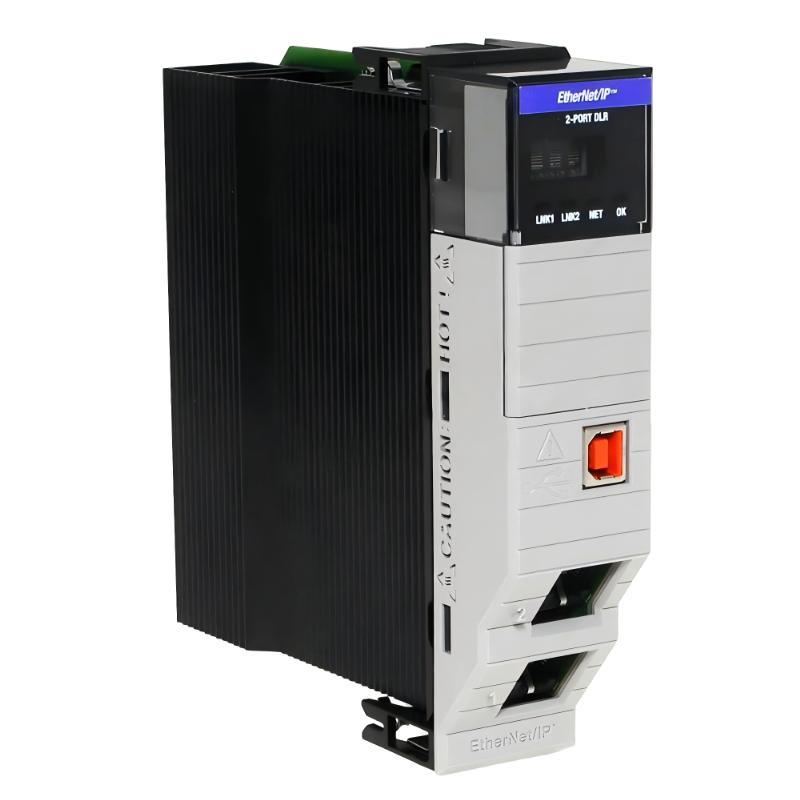
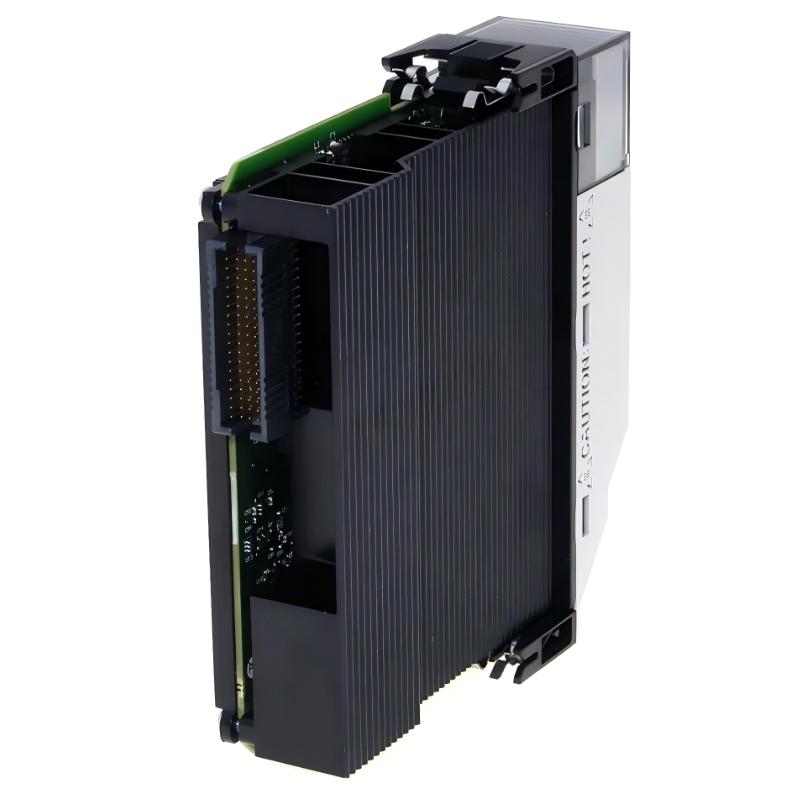
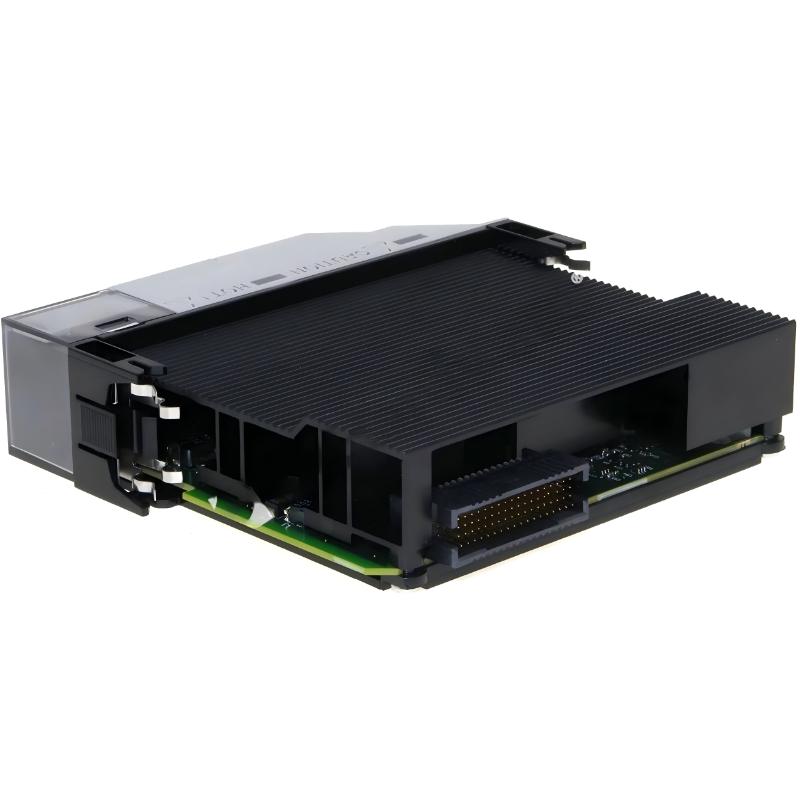
- Allen Bradley
- 1756-EN2TP
- ControlLogix ControlNet Communication Module
- USA
- 140 × 145 × 35 mm
- 0.3kg
- Xiamen, China
- New & In Stock
- T/T, PayPal, Western Union
- 1 Year
- 1-3 Working Days
- DHL, UPS, TNT, FedEx and EMS.
- 24-Hour Service
- COO
- 64
Our advantage

Global Logistics
We have a 10-year logistics and express cooperation agreement, so our products can be shipped to any place in the world.

Brand new and original
Our products are imported in bulk from the place of origin. Because of the cooperative relationship, our products are all original and 100% new.

24-hour service
We provide 7*24 hours service to our customers. We will be there whenever you need us.

Price advantage
All our products are priced very favorably because we have our own warehouse and supply.
| Company Information | |||
| [email protected] | |||
| Mobile | +8615980777398 | ||
| +8615980777398 | |||
| 15980777398 |
Industrial Communication Module Technical Report
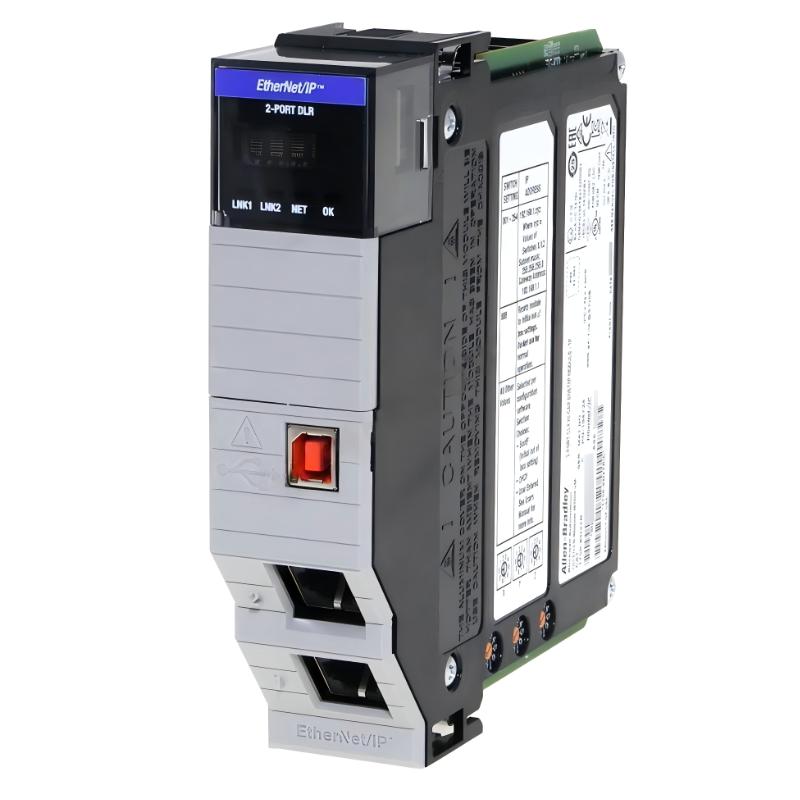
Model: 1756-EN2TP EtherNet/IP Redundant Communication Module (PRP Enabled)
1. Product Overview
The 1756-EN2TP is an advanced ControlLogix EtherNet/IP communication module designed for industrial automation systems requiring high availability and network redundancy. It supports Parallel Redundancy Protocol (PRP), allowing seamless failover communication between redundant Ethernet paths without data interruption.
This module is used to connect ControlLogix controllers to Ethernet-based industrial networks such as SCADA systems, distributed I/O, HMIs, and drives.
Compared with standard Ethernet modules, it provides higher fault tolerance and is commonly deployed in critical infrastructure and continuous production environments.
2. Brand and Series Information
- Brand: Industrial automation control platform
- Series: ControlLogix 1756 Series
- Product Family: EtherNet/IP Communication Modules
- Module Type: Redundant Ethernet Communication Module (PRP Support)
The 1756 series is a modular PLC platform designed for scalable industrial automation systems with multi-protocol communication capability.
3. Product Description
The 1756-EN2TP module provides dual-path Ethernet communication using PRP (Parallel Redundancy Protocol). It ensures zero recovery time in case one Ethernet path fails by transmitting duplicate frames across two independent networks.
It supports EtherNet/IP, TCP/IP, and CIP communication protocols, enabling real-time industrial control and data exchange.
The module features a single RJ45 Ethernet port and is integrated into the ControlLogix backplane system.
It is typically used in high-availability systems where communication interruption is not acceptable.
4. Technical Parameters
| Parameter | Specification |
|---|---|
| Communication Protocol | EtherNet/IP (CIP) |
| Redundancy | PRP (Parallel Redundancy Protocol) |
| Network Type | Industrial Ethernet (Copper RJ45) |
| Data Rate | 10/100 Mbps |
| Ethernet Ports | 1 × RJ45 |
| TCP Connections | up to 128 |
| CIP Connections | up to 256 |
| Backplane Current | 1.0 A @ 5.1 V DC |
| Auxiliary Current | 3 mA @ 24 V DC |
| Power Consumption | 5.1 W |
| Thermal Dissipation | 17.4 BTU/hr |
| Isolation Voltage | 30 V continuous |
| Operating Temperature | 0°C to 60°C |
| Storage Temperature | -40°C to 85°C |
| Humidity Range | 5% – 95% non-condensing |
| Vibration Resistance | 2 G (10–500 Hz) |
| Shock Resistance | 30 G operating |
| Chassis Compatibility | 1756 ControlLogix chassis |
| Slot Width | 1 slot |
| Dimensions | approx. 140 × 145 × 35 mm |
| Weight | ~0.30 kg |
5. Product Applications
The 1756-EN2TP is used in high-availability industrial automation systems:
- Power generation and electrical grid control systems
- Oil and gas processing facilities
- Large-scale manufacturing automation lines
- SCADA-based monitoring systems
- Chemical and petrochemical plants
- Water treatment and infrastructure control
- Data center industrial automation systems
- Critical process industries requiring redundancy
It is especially suitable for systems requiring zero-downtime Ethernet communication.
6. Product Advantages
- PRP redundancy ensures zero recovery communication switching
- High-speed industrial Ethernet performance
- Supports up to 256 CIP connections
- Strong fault tolerance for critical systems
- Seamless integration into ControlLogix architecture
- Stable operation under heavy network load
- Supports real-time industrial control communication
- High reliability in mission-critical applications
- Compatible with modern industrial Ethernet systems
- Reduces risk of communication downtime
7. Same Series / Related Models (ControlLogix Ethernet Family)
| Model | Function | Key Parameters |
|---|---|---|
| 1756-EN2TP | PRP redundant Ethernet module | 10/100 Mbps, PRP support, ~0.30 kg |
| 1756-EN2TR | Dual-port redundant Ethernet module | Ring topology support |
| 1756-EN2T | Standard Ethernet module | 10/100 Mbps single network |
| 1756-EN2F | Fiber Ethernet module | Optical fiber, EMI resistant |
| 1756-ENBT | Legacy Ethernet module | Early EtherNet/IP generation |
8. Other Popular Modules in Same Ecosystem
| Model | Function | Key Parameters |
|---|---|---|
| 1756-L71 | PLC controller module | High-performance CPU, large memory |
| 1756-L72 | Advanced PLC controller | Faster processing capability |
| 1756-IF8 | Analog input module | 8-channel analog acquisition |
| 1756-OB16E | Digital output module | 16-point industrial output |
| 1756-IB16 | Digital input module | 16-channel digital input module |
9. Engineering Summary
The 1756-EN2TP is a high-reliability Ethernet communication module designed for redundant industrial network architectures using PRP technology.
Its main advantage is eliminating communication downtime by maintaining parallel Ethernet paths, making it suitable for critical infrastructure systems.
It is widely used in industries where continuous operation and network resilience are essential.