

ProductPRODUCT
Featured products
Contact Us
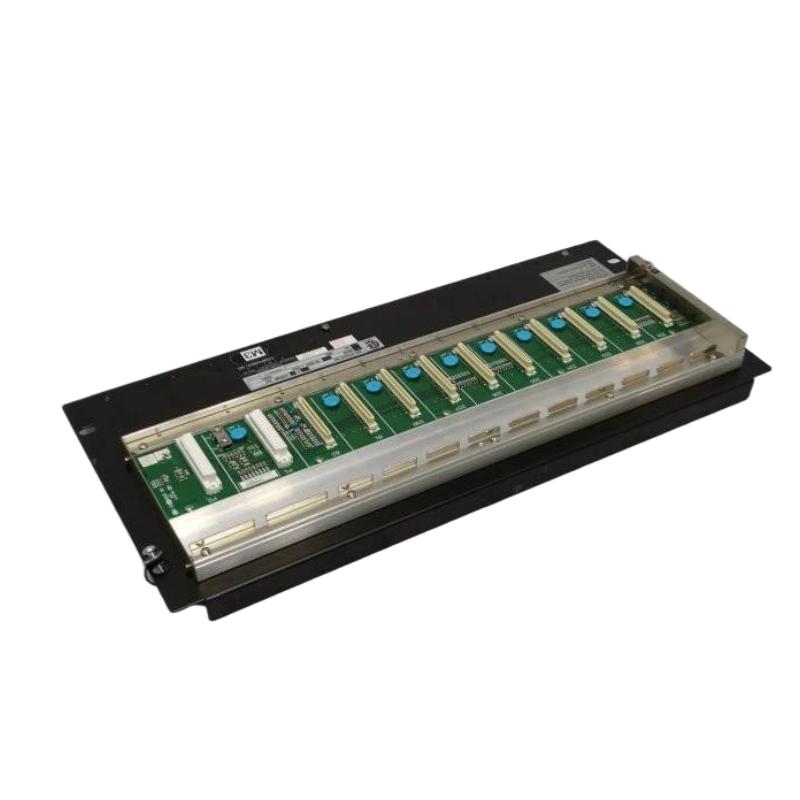
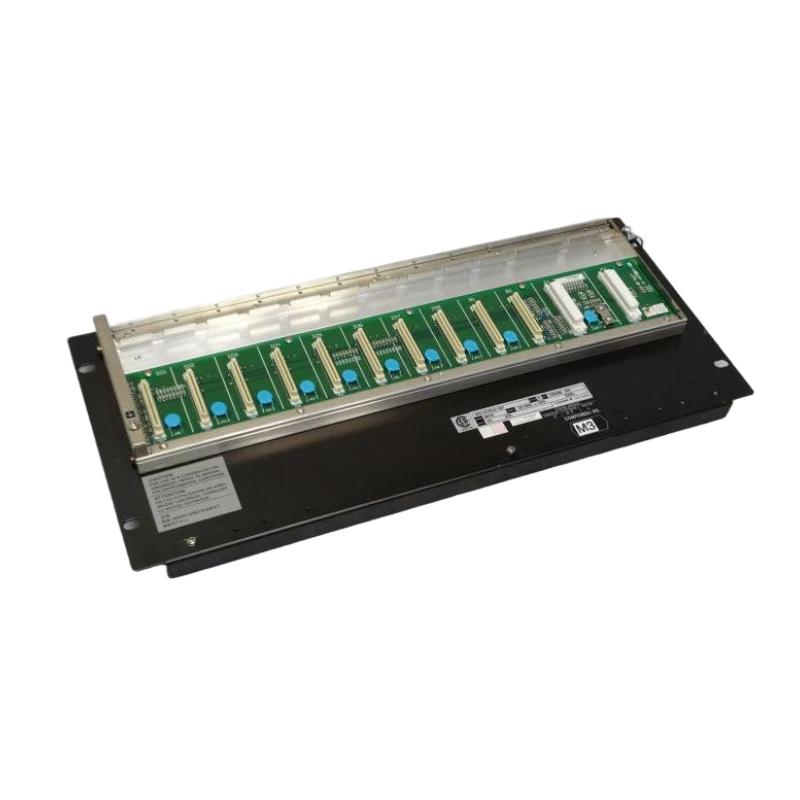
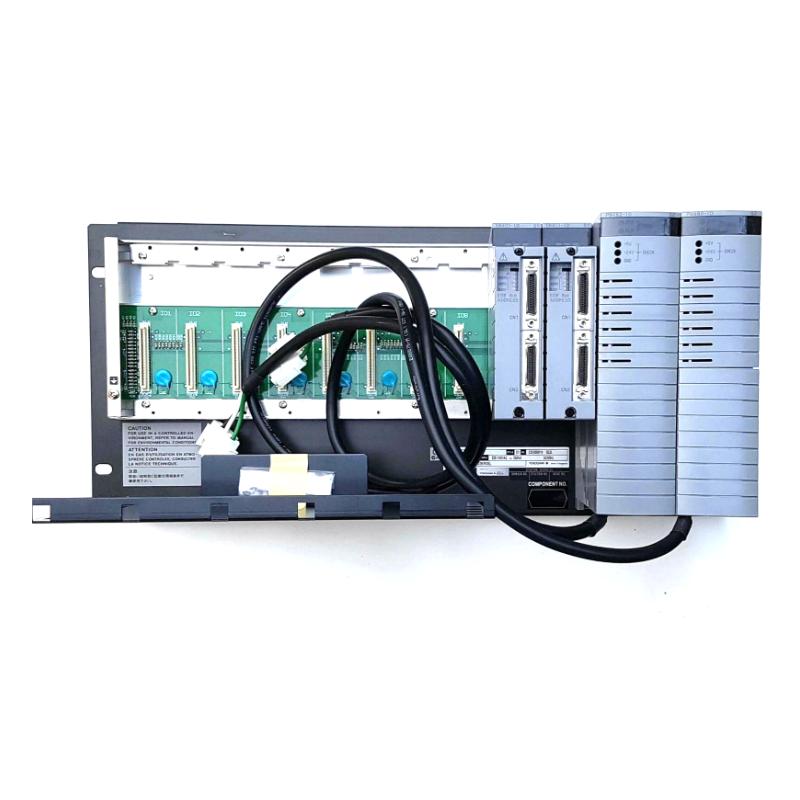
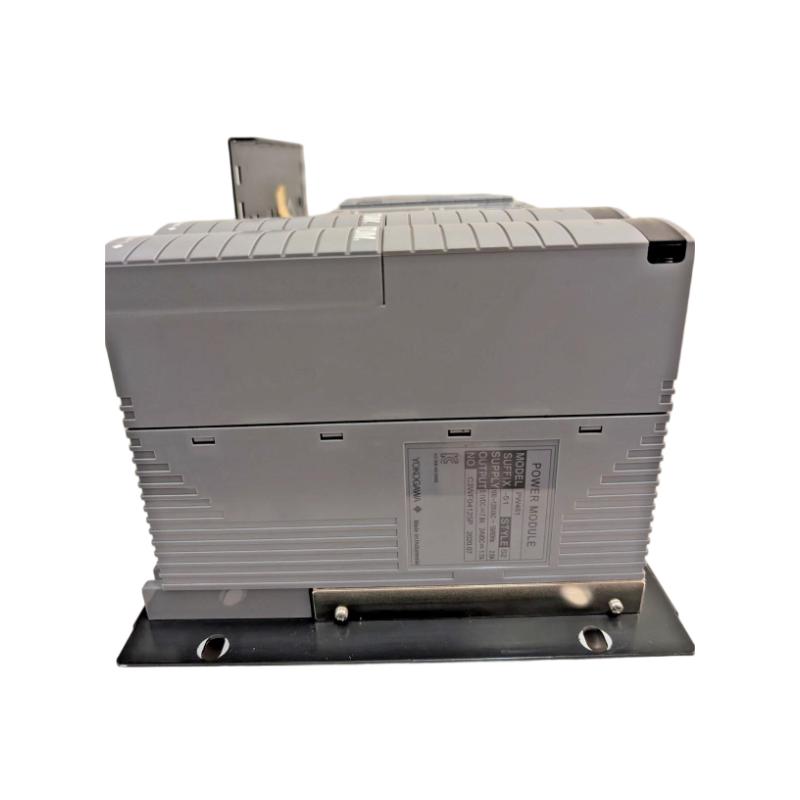
- Yokogawa
- ANB11D-225/BU2B
- Fiber Optic ESB Bus Node Unit
- Japan
- 482.6 × 221.5 × 205 mm
- 10 kg
- Xiamen, China
- New & In Stock
- T/T, PayPal, Western Union
- 1 Year
- 1-3 Working Days
- DHL, UPS, TNT, FedEx and EMS.
- 24-Hour Service
- COO
- 145
Our advantage

Global Logistics
We have a 10-year logistics and express cooperation agreement, so our products can be shipped to any place in the world.

Brand new and original
Our products are imported in bulk from the place of origin. Because of the cooperative relationship, our products are all original and 100% new.

24-hour service
We provide 7*24 hours service to our customers. We will be there whenever you need us.

Price advantage
All our products are priced very favorably because we have our own warehouse and supply.
| Company Information | |||
| [email protected] | |||
| Mobile | +8615980777398 | ||
| +8615980777398 | |||
| 15980777398 |
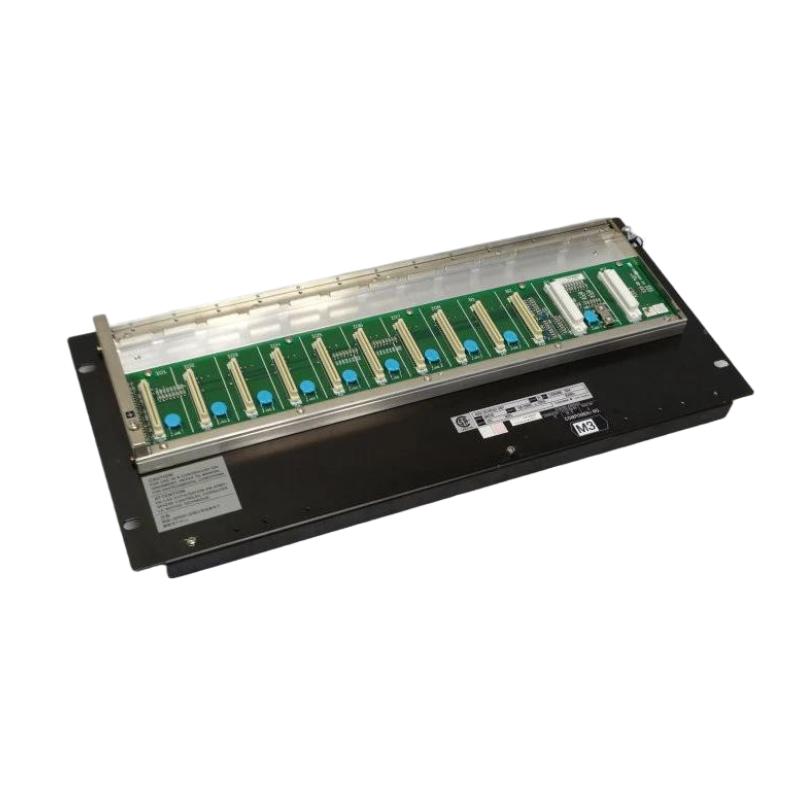
Product Overview
The Yokogawa ANB11D-225/BU2B Fiber Optic ESB Bus Node Unit is a high-performance communication device specifically designed for industrial automation systems that demand robust, high-speed data transmission. Using Fiber Optic technology in combination with the Ethernet Smart Bus (ESB) protocol, this unit enables faster, more reliable communication over long distances, making it suitable for expansive industrial environments. With dimensions of 482.6 × 221.5 × 205 mm and weighing 10 kg, this unit is optimized for environments requiring secure, high-volume data communication. Its ability to manage large amounts of data efficiently makes it perfect for critical applications in industries such as power generation, manufacturing, and oil & gas.
Technical Specifications
| Parameter | Details |
|---|---|
| Model | ANB11D-225/BU2B |
| Product Type | Fiber Optic ESB Bus Node Unit |
| Dimensions | 482.6 × 221.5 × 205 mm |
| Weight | 10 kg |
| Communication Protocol | Ethernet Smart Bus (ESB), Fiber Optic Communication |
| Application | Industrial automation, manufacturing, oil & gas, power generation, etc. |
| Material | Industrial-grade, durable construction |
| Environmental Rating | Suitable for harsh industrial conditions |
Function and Working Principle
The Yokogawa ANB11D-225/BU2B Fiber Optic ESB Bus Node Unit provides essential communication capabilities for industrial automation systems:
- High-Speed Communication: Utilizes Fiber Optic technology to transmit data at high speeds, enabling rapid communication between devices, even over long distances.
- ESB Protocol: The unit supports the Ethernet Smart Bus (ESB) communication protocol, ensuring reliable, real-time data transfer between field devices and control systems.
- Data Integrity: The use of fiber optic cables significantly reduces the risks of electromagnetic interference, ensuring accurate and secure data transfer in challenging environments.
- Long-Distance Communication: Fiber optic communication allows for longer cable runs without loss of signal quality, which is essential for large-scale industrial systems with widespread equipment.
- Real-Time Communication: Facilitates real-time monitoring and control of industrial systems, allowing operators to make fast, informed decisions based on up-to-date data.
Role in Industrial Systems
The ANB11D-225/BU2B plays a pivotal role in large-scale industrial systems, ensuring smooth, high-speed communication across a wide range of devices:
- Centralized Data Transmission: Acts as a communication hub, collecting data from various field devices (e.g., sensors, actuators) and sending it to the control systems for analysis and decision-making.
- Reduces Latency: With the high-speed transmission capabilities of Fiber Optic communication, the unit minimizes data transfer latency, which is critical for time-sensitive operations.
- System Scalability: The unit’s modular design allows for easy expansion, making it possible to add more devices or systems to the network as industrial needs evolve.
- Reliability in Harsh Environments: Built to withstand challenging industrial conditions, it ensures reliable performance in extreme environments, preventing downtime or data loss.
Industrial Applications
The Yokogawa ANB11D-225/BU2B is well-suited for applications in industries requiring high-speed, reliable communication over long distances:
- Manufacturing Automation: Facilitates communication between production equipment, enabling centralized control and real-time monitoring of manufacturing processes.
- Power Generation: Provides reliable, fast communication in power plants for energy production, distribution, and monitoring, ensuring operational efficiency and safety.
- Oil & Gas: Ideal for remote or offshore oil and gas facilities, where fiber optic communication ensures secure and uninterrupted data exchange across long distances.
- Chemical Processing: Offers robust communication capabilities in chemical plants, improving system performance and safety by ensuring that real-time data is transmitted securely.
- Water Treatment: Enables smooth communication between water treatment facilities, ensuring efficient monitoring and control of water quality and distribution systems.
Installation and System Integration
The Yokogawa ANB11D-225/BU2B is designed for easy installation and integration into industrial systems:
- Rack-Mountable Design: The unit can be easily mounted in standard industrial racks or control panels, saving space and optimizing the system setup.
- Simple Cabling: The use of Fiber Optic cables allows for more straightforward cabling and longer cable runs without signal degradation, reducing the complexity of installation.
- Flexible System Integration: The unit integrates seamlessly with other Yokogawa products, such as controllers, I/O modules, and SCADA systems, forming a cohesive automation environment.
- Scalable Configuration: The modular nature of the ANB11D-225/BU2B allows for the system to grow as needed by adding more devices and systems, making it a flexible solution for evolving industrial applications.
Compatible System Components
The Yokogawa ANB11D-225/BU2B is designed to work seamlessly with a range of Yokogawa components, ensuring easy integration and system expansion:
- Yokogawa Controllers: Compatible with Yokogawa controllers, enabling centralized control and system management.
- Yokogawa I/O Modules: Collects data from field devices and transmits it to control systems for processing and real-time decision-making.
- SCADA Systems: Integrates with SCADA systems for real-time monitoring, visualization, and control.
- Field Devices: Works with a variety of field devices, including sensors, transmitters, and actuators, to ensure seamless operation within industrial networks.
Recommended Alternative Models
| Model | Type | Key Feature | Application |
|---|---|---|---|
| Yokogawa ANB10D-420/CU2N | ESB Bus Node Unit | Compact and ideal for smaller systems | Best for applications with fewer connected devices |
| Yokogawa ANB10D-410/CU2T | ESB Bus Node Unit | Flexible and scalable | Suitable for larger systems with more devices |
Key Advantages
- Fiber Optic Communication: The use of Fiber Optic cables ensures high-speed, long-distance communication with minimal signal loss, making it ideal for large-scale industrial systems.
- High-Speed Data Transfer: The ESB protocol ensures quick, efficient data transfer, which is essential for real-time monitoring and control in industrial operations.
- Scalability: The ANB11D-225/BU2B can be easily integrated into existing systems and expanded as needed, making it a future-proof solution for growing industrial networks.
- Industrial Durability: Built to withstand harsh environments, this unit ensures reliable performance even in demanding industrial settings.
- Easy Integration: The unit integrates effortlessly with other Yokogawa products, ensuring a streamlined and cohesive automation system.
Technical FAQs
Why is Fiber Optic communication advantageous in industrial automation?
Fiber Optic technology provides high-speed data transfer over long distances without signal degradation, making it ideal for expansive industrial systems. Additionally, it is resistant to electromagnetic interference, ensuring reliable communication in challenging environments.
Can the ANB11D-225/BU2B work with non-Yokogawa devices?
Yes, the ANB11D-225/BU2B can integrate with third-party devices that support the ESB protocol, providing flexibility for diverse industrial systems.
Which industries benefit most from the ANB11D-225/BU2B?
The ANB11D-225/BU2B is ideal for industries requiring high-speed, reliable communication over long distances, such as oil & gas, power generation, manufacturing, and chemical processing.
Conclusion
The Yokogawa ANB11D-225/BU2B Fiber Optic ESB Bus Node Unit offers an essential communication solution for large-scale industrial automation systems. With its Fiber Optic technology and ESB communication protocol, this unit ensures fast, reliable, and secure data transmission, even over long distances. It is perfectly suited for industries such as power generation, oil & gas, and chemical processing, where high-speed, real-time communication is critical for operational success.