Product Overview
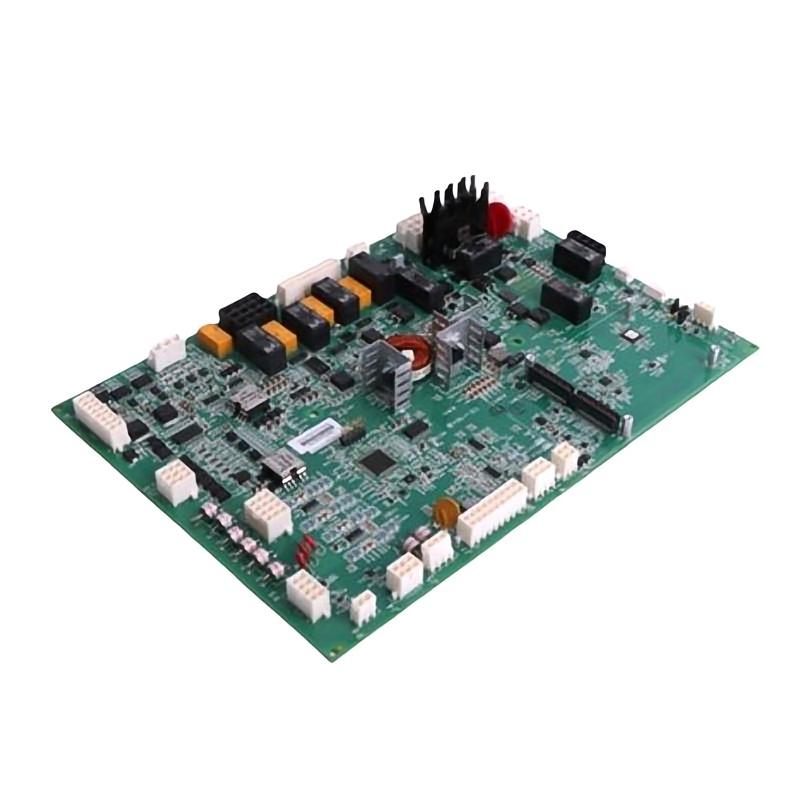
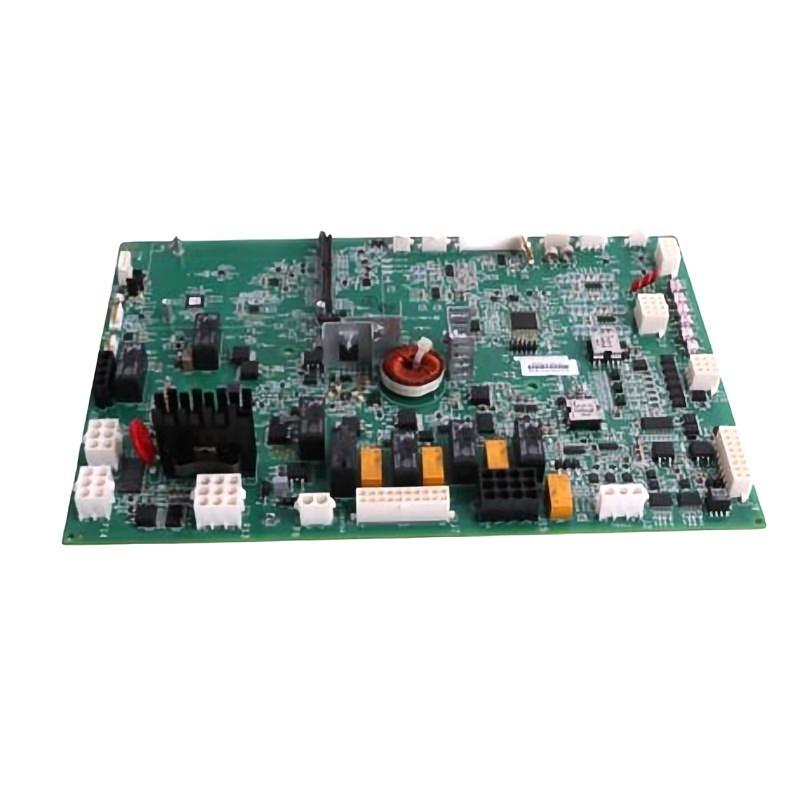
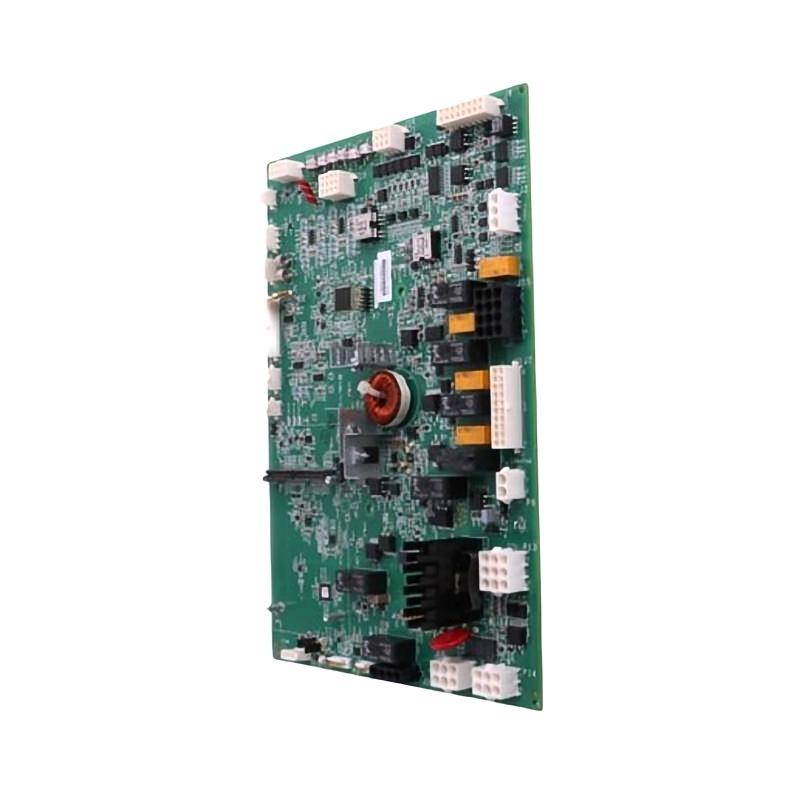
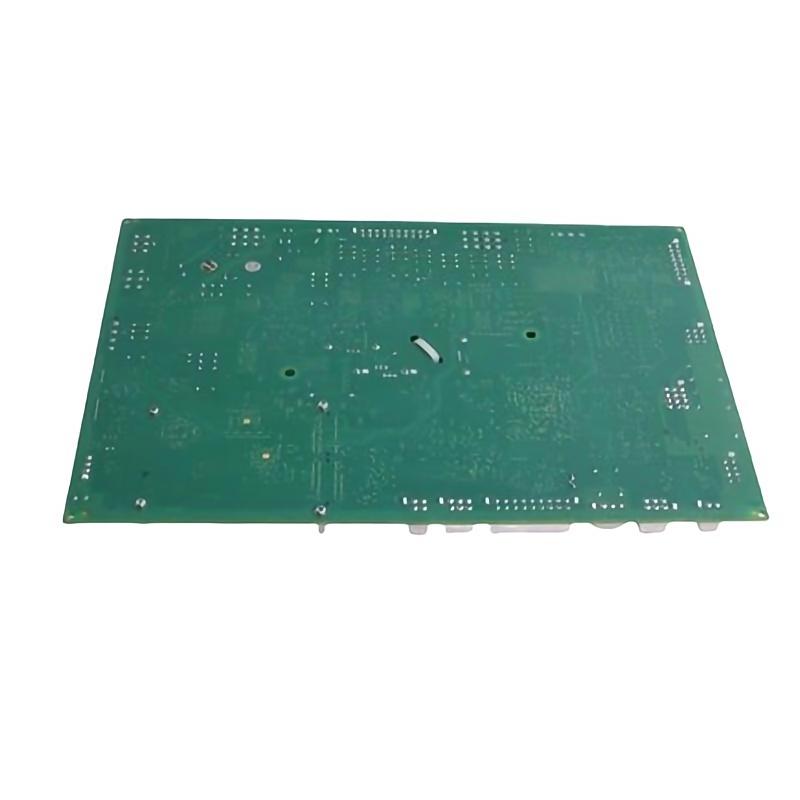
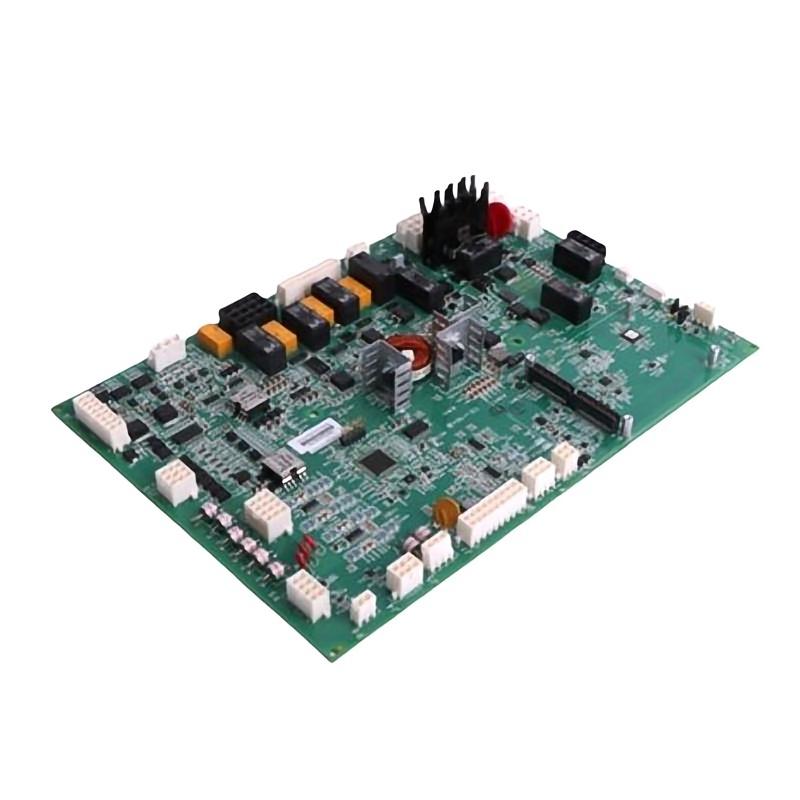
The GE IS200AEPAH1B is a Printed Circuit Board (PCB) used in GE Mark VI turbine control systems. It is designed to support internal signal processing, communication routing, and interface coordination within the control architecture.
This module is commonly deployed in power generation and industrial turbine automation systems, where high reliability and continuous operation are essential.
Technical Specifications
| Parameter |
Specification |
| Manufacturer |
GE |
| Model |
IS200AEPAH1B |
| Product Type |
Printed Circuit Board (PCB) |
| System Series |
GE Mark VI |
| Function |
Signal processing / interface support board |
| Circuit Type |
Multi-layer industrial control PCB |
| Backplane Interface |
Mark VI proprietary high-speed control bus |
| Power Supply |
Backplane powered |
| Diagnostic Features |
System-level diagnostics via controller |
| Protection |
EMI shielding and electrical isolation |
| Mounting Type |
Rack-mounted PCB assembly |
| Operating Environment |
Industrial control cabinet |
| Humidity Range |
5%–95% non-condensing |
| Material |
Industrial-grade PCB assembly |
| Dimensions |
330 × 240 × 35 mm |
| Weight |
1.7 kg |
Function and Working Principle
The IS200AEPAH1B operates as a supporting electronic processing and interface board within the GE Mark VI system.
Its core functions include:
- Processing internal control and feedback signals
- Supporting communication between system modules
- Managing data routing across the backplane
- Assisting analog and digital signal exchange
- Ensuring stable and synchronized system communication
It functions as a hardware-level support layer for turbine control operations.
Role in Industrial Control Systems
Within GE Mark VI systems, the IS200AEPAH1B provides:
- Internal signal routing and interface coordination
- Support for turbine control data exchange
- Coordination between control and I/O modules
- Stable backplane communication support
- Reliable operation in mission-critical environments
Industrial Applications
The GE IS200AEPAH1B is widely used in:
- Gas turbine control systems
- Steam turbine automation systems
- Power generation plants
- Energy production facilities
- Industrial process control environments
- Critical infrastructure automation systems
Installation and System Integration
Recommended installation practices include:
- Installing into GE Mark VI control rack
- Ensuring proper backplane alignment and seating
- Maintaining controlled cabinet cooling and ventilation
- Applying ESD-safe handling procedures
- Verifying system communication after installation
Compatible System Components
The IS200AEPAH1B typically works with:
- GE Mark VI controller modules
- Application control modules (ACLE series)
- DSP processing modules
- I/O interface modules
- Power supply and backplane assemblies
- HMI and SCADA systems
Recommended Alternative Models
| Model |
Type |
Key Feature |
Application |
| IS200AEPAH1B |
PCB Module |
Mark VI interface board |
Turbine systems |
| IS200AEPAH1A |
PCB Module |
Earlier revision |
Similar applications |
| IS200AECPH1CCB |
Control Board |
Control processing module |
System coordination |
| IS200AEADH4ADA |
PCB Module |
Signal processing board |
Control systems |
| IS200DSPXH1D |
DSP Module |
High-speed processing |
Turbine control |
Key Advantages
- Reliable industrial-grade PCB construction
- Stable signal routing and communication support
- Strong integration with Mark VI architecture
- Supports real-time turbine control operations
- Designed for harsh industrial environments
- Long operational lifecycle in critical systems
Technical FAQs
What is the IS200AEPAH1B used for?
It is used as a printed circuit board in GE Mark VI turbine control systems.
Is it a standalone controller?
No, it operates as part of a larger Mark VI system.
Where is it used?
Primarily in turbine and power generation control systems.
Does it require programming?
No, it functions as a hardware-level module.
Conclusion
The GE IS200AEPAH1B Printed Circuit Board is a critical internal component of GE Mark VI systems. It provides stable signal processing, communication support, and system coordination, ensuring reliable performance in turbine control and industrial automation environments.