
NewsNEWCENTER
Featured products

Contact Us
Schneider Electric Advances Open Automation and Industrial AI with Its New Industrial Automazing Initiative
2026-11-17Schneider Electric is placing greater emphasis on open automation, industrial software and artificial intelligence with the launch of its new Industrial Automazing campaign on November 16, 2026. The initiative highlights how automation technologies can help manufacturers improve productivity, simplify engineering processes and respond more effectively to changing industrial requirements.
Rather than focusing exclusively on hardware specifications and traditional control technologies, Schneider Electric is emphasizing the business results that industrial automation can deliver. The initiative brings together automation equipment, software, digital technologies, energy management and industrial expertise to support more connected manufacturing environments.
This development reflects a broader transformation in the industrial automation market, where manufacturers increasingly expect PLC, SCADA, DCS and industrial software platforms to work together as part of an integrated operational strategy.
Moving Beyond Traditional Industrial Automation
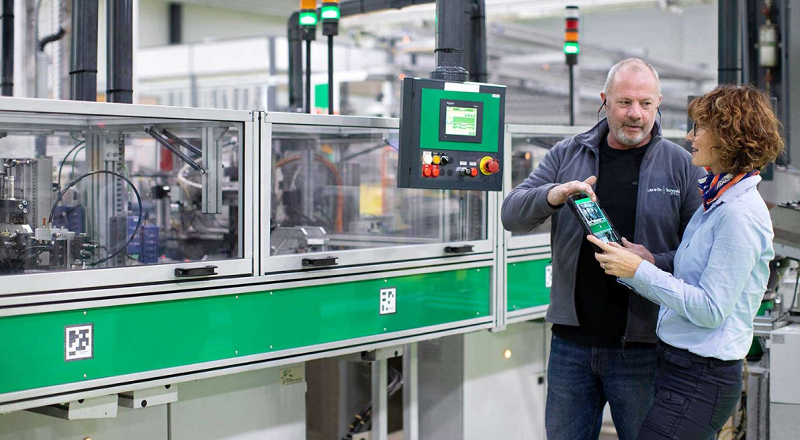
Traditional industrial automation has largely focused on controlling machines, monitoring production processes and maintaining stable equipment operation. PLCs, distributed I/O modules, sensors, drives and industrial communication networks remain fundamental components of these systems.
However, modern manufacturers face challenges that extend beyond basic machine control.
Production facilities must respond to changing customer demand, improve energy efficiency, maintain product quality and protect increasingly connected industrial networks. These requirements are encouraging manufacturers to adopt more flexible automation architectures.
Schneider Electric’s Industrial Automazing initiative focuses on combining technology, intelligence and application expertise to address these challenges.
The company’s approach emphasizes several important areas:
-
Open and software-defined automation architectures.
-
AI-enabled industrial intelligence.
-
Integrated energy management and process control.
-
Industrial software and digital transformation.
-
Improved engineering efficiency and operational visibility.
The objective is to help customers move from isolated automation equipment toward more connected and adaptable industrial operations.
Open Automation Creates Greater Engineering Flexibility
One of the important themes in Schneider Electric’s automation strategy is openness.
Traditional automation architectures can create challenges when equipment and software are closely tied to a single manufacturer’s ecosystem. This can make system expansion, technology upgrades and integration with third-party equipment more complicated.
Open automation aims to reduce these limitations by improving interoperability between different technologies.
Schneider Electric has been developing this approach through its EcoStruxure Automation Expert platform and software-defined automation initiatives.
For industrial engineers, an open architecture can offer several potential advantages:
Greater interoperability: Different automation components can communicate through supported interfaces and standardized engineering approaches.
Simplified modernization: Existing equipment may be retained where technically appropriate, reducing the need for complete system replacement.
Flexible system design: Engineers can develop automation architectures according to application requirements rather than relying exclusively on fixed hardware configurations.
Improved lifecycle management: Software-based engineering can support system updates and future expansion.
These benefits depend on actual product compatibility, supported communication protocols and the engineering requirements of each project.
Connecting PLC, SCADA and Industrial Software
Modern manufacturing facilities rely on several automation layers working together.
At the field level, sensors and actuators collect process information and perform physical operations. PLCs execute control logic, while industrial networks connect controllers with remote I/O, drives and other devices.
At higher levels, SCADA and supervisory platforms provide process visualization, alarm management and operational monitoring. Manufacturing software and analytics tools can then use this information to support production planning and performance evaluation.
Schneider Electric’s broader portfolio combines technologies across these layers.
Its Modicon PLC family supports machine and process control applications, while EcoStruxure platforms provide engineering, monitoring and digital capabilities. AVEVA industrial software adds further capabilities for visualization, operations management and industrial data analysis.
When these technologies are properly integrated, manufacturers can improve the flow of information between production equipment and management systems.
For system integrators, this creates opportunities to design more flexible solutions for new installations as well as modernization projects.
Industrial AI Supports Smarter Manufacturing Decisions
Artificial intelligence is becoming increasingly important in industrial environments.
Manufacturing facilities generate large amounts of information from controllers, sensors, drives, production systems and maintenance records. AI-enabled applications can help analyze this information, identify patterns and provide additional insight into equipment and process performance.
Potential applications include:
-
Detecting abnormal equipment behavior.
-
Supporting predictive maintenance strategies.
-
Identifying production inefficiencies.
-
Improving energy consumption analysis.
-
Assisting engineering and troubleshooting activities.
Schneider Electric’s strategy connects industrial automation with AI-enabled intelligence and industrial software.
For example, a manufacturer may use operational data to identify recurring production interruptions or analyze energy consumption across different production lines. Engineers can then investigate the underlying causes and evaluate potential improvements.
AI does not replace the need for properly designed PLC logic, validated safety systems or experienced engineering personnel. Instead, it provides additional analytical capabilities that can support better operational decisions.
Different Industries Require Different Automation Solutions
Schneider Electric’s Industrial Automazing initiative emphasizes that automation requirements vary considerably between industries.
Food and Beverage Manufacturing
Food and beverage producers must respond quickly to changing demand while maintaining product quality, hygiene requirements and production traceability. Flexible automation can help manufacturers coordinate production equipment and improve visibility across processing and packaging operations.
Energy and Chemical Industries
Energy and chemical facilities require reliable process control, accurate instrumentation and effective alarm management. Integrated automation can help operators maintain production continuity and manage complex operating conditions.
Machine Builders and OEMs
Machine manufacturers need efficient engineering workflows and reliable control solutions. Software-defined automation and reusable engineering components can help simplify machine development and reduce configuration effort.
Pharmaceutical Manufacturing
Pharmaceutical production places significant emphasis on process consistency, documentation and traceability. Integrated automation and digital monitoring can support controlled production environments and improve access to operational information.
These applications demonstrate why industrial automation solutions increasingly need to combine hardware, software and application-specific engineering knowledge.
Implications for PLC and DCS Modernization
Schneider Electric’s latest initiative also reflects an important trend in industrial system modernization.
Many manufacturing facilities continue to operate PLCs, controllers and distributed control systems installed years ago. These systems may remain operational, but their supporting infrastructure can face challenges related to spare parts, cybersecurity, software compatibility and changing production requirements.
A complete replacement is not always the most practical approach.
Modernization projects can instead introduce new software, communication capabilities and monitoring technologies while retaining suitable existing equipment.
Before implementing an upgrade, engineering teams should evaluate:
-
Controller compatibility: Confirm support for existing PLCs, CPUs, I/O modules and communication interfaces.
-
Software integration: Review compatibility between engineering tools, SCADA platforms and supervisory applications.
-
Cybersecurity: Establish appropriate network segmentation, access permissions and update procedures.
-
System availability: Plan testing and commissioning to minimize production disruption.
-
Lifecycle requirements: Evaluate spare-part availability, maintenance needs and future expansion plans.
A phased modernization strategy can help manufacturers improve their automation infrastructure while managing technical and operational risks.
Conclusion
Schneider Electric’s Industrial Automazing initiative, launched on November 16, 2026, highlights the company’s continued focus on open automation, industrial software, AI-enabled intelligence and integrated energy technologies.
For PLC engineers, DCS specialists, OEM manufacturers and industrial system integrators, the development reflects a clear direction in the automation market: future industrial systems will increasingly depend on interoperability, software flexibility and intelligent use of operational data.
Although PLCs, controllers, sensors and drives remain essential to industrial production, their value is increasingly connected to the software and digital platforms surrounding them.
As manufacturers continue modernizing their facilities, integrated and open automation architectures will play an important role in improving engineering efficiency, production flexibility and long-term operational performance.