

ProductPRODUCT
Featured products
Contact Us
- Ingersoll Rand
- 47556925001 95023388
- O-Ring
- USA
- 142.875 × 149.225 × 3.175 mm
- 3 kg
- Xiamen, China
- New & In Stock
- T/T, PayPal, Western Union
- 1 Year
- 1-3 Working Days
- DHL, UPS, TNT, FedEx and EMS.
- 24-Hour Service
- COO
- 16
Our advantage

Global Logistics
We have a 10-year logistics and express cooperation agreement, so our products can be shipped to any place in the world.

Brand new and original
Our products are imported in bulk from the place of origin. Because of the cooperative relationship, our products are all original and 100% new.

24-hour service
We provide 7*24 hours service to our customers. We will be there whenever you need us.

Price advantage
All our products are priced very favorably because we have our own warehouse and supply.
| Company Information | |||
| [email protected] | |||
| Mobile | +8615980777398 | ||
| +8615980777398 | |||
| 15980777398 |
Product Overview
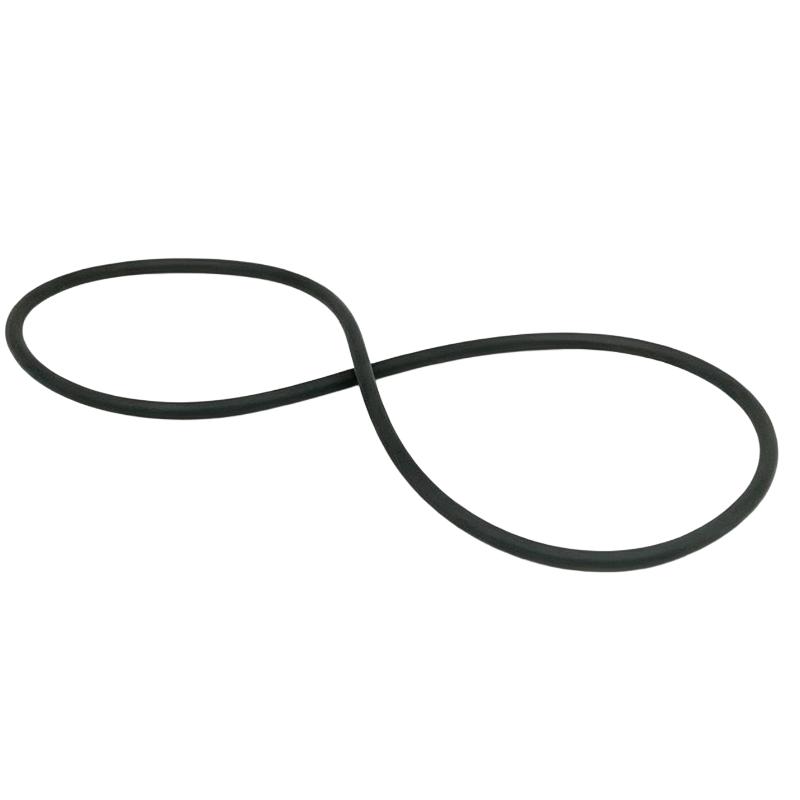
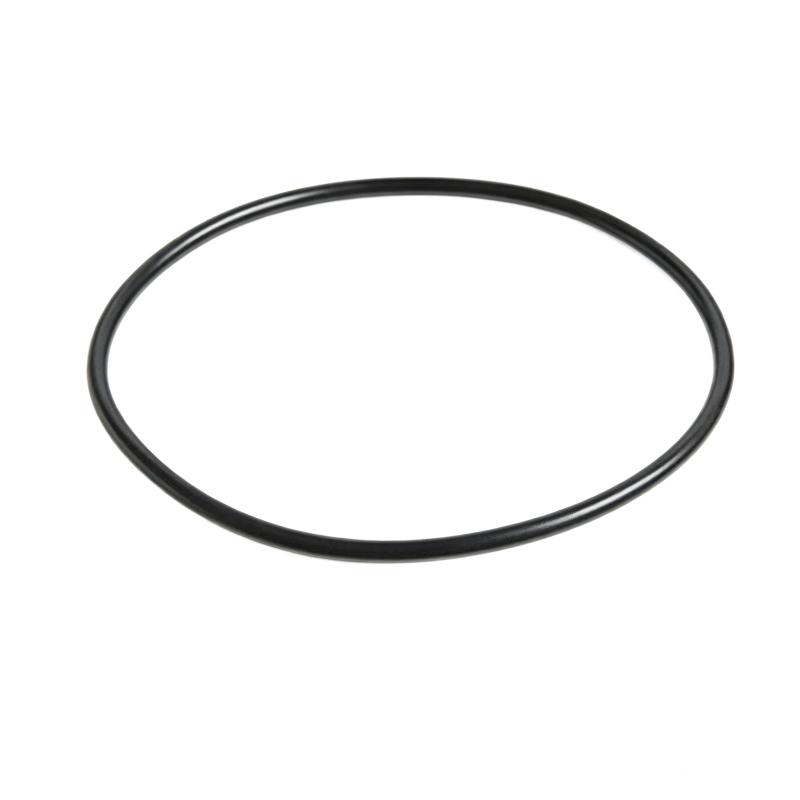
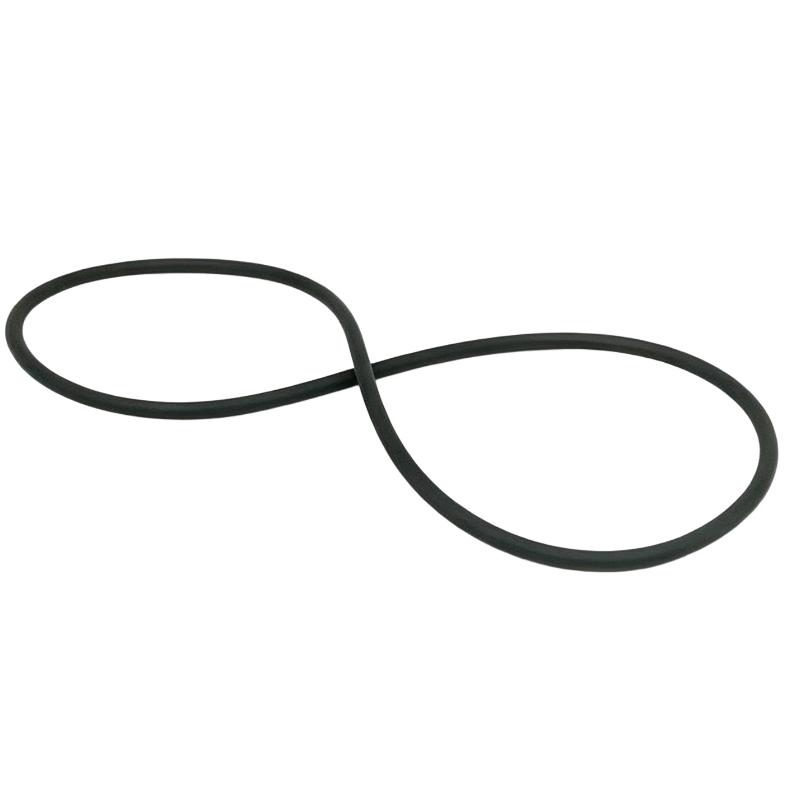
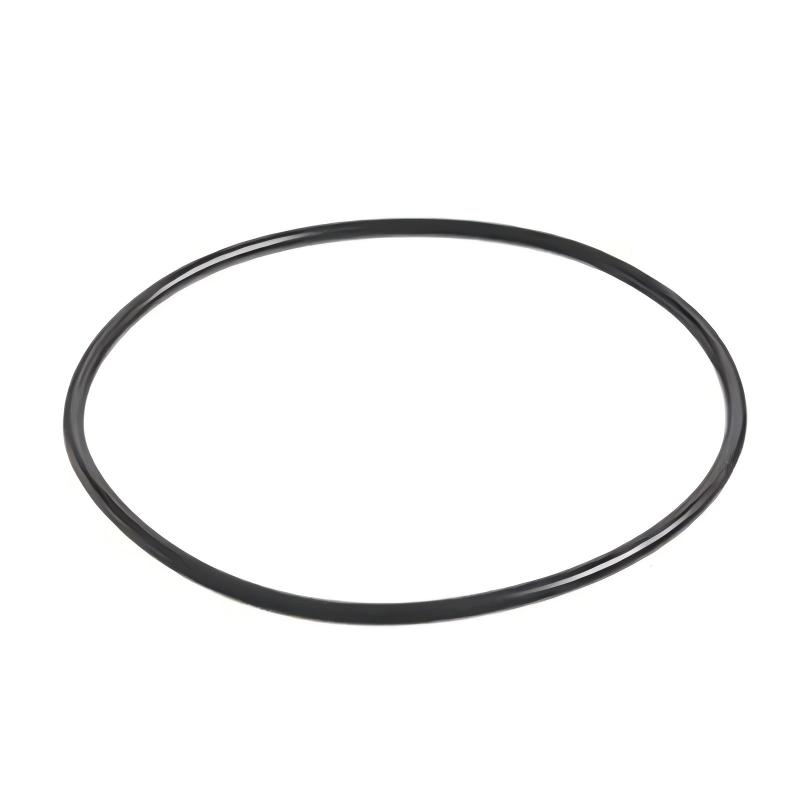
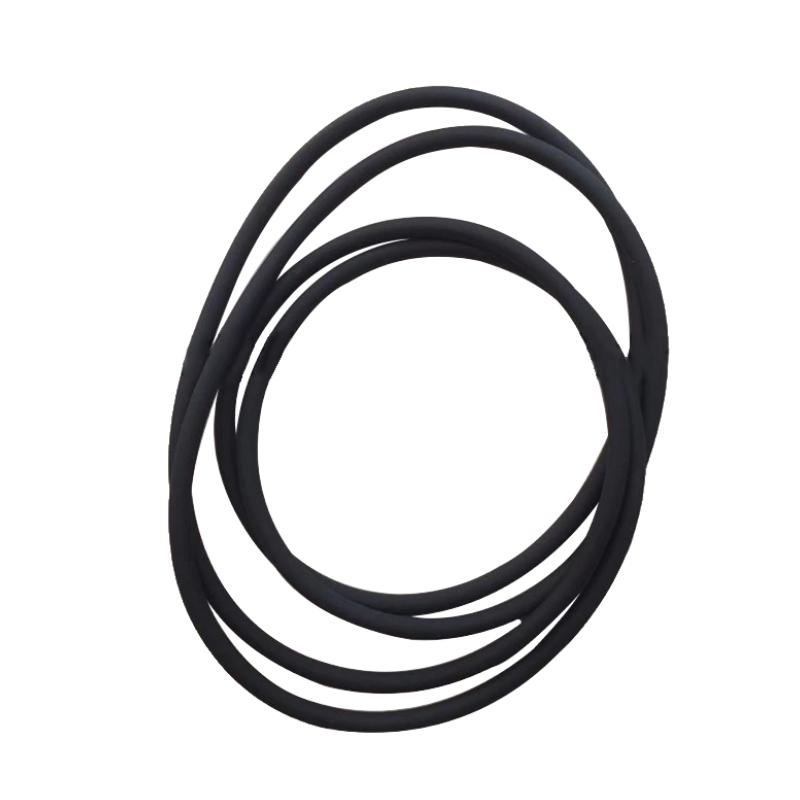
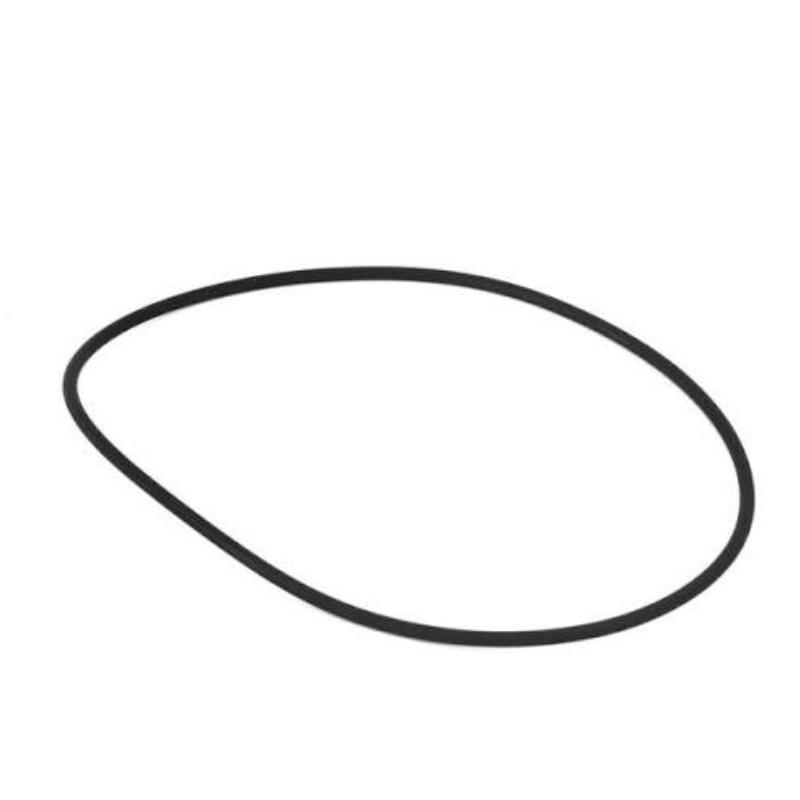
The Ingersoll Rand 47556925001 95023388 O-Ring is a replacement sealing component designed for use in compatible Ingersoll Rand compressed-air equipment. O-rings are essential parts of compressor assemblies because they help maintain sealed connections between mating surfaces and prevent unwanted leakage of air, oil, or other operating fluids.
In industrial air compressors, sealing components are exposed to pressure changes, temperature variations, vibration, and continuous operating cycles. A correctly selected O-ring helps maintain the integrity of the assembly and supports stable equipment operation.
This part is identified by the numbers 47556925001 and 95023388. The 95023388 reference appears in Ingersoll Rand compressor parts listings as an O-ring. Before ordering, users should confirm the complete part reference and the equipment application to ensure that the replacement matches the original component.
The supplied dimensions are 142.875 mm inner diameter, 149.225 mm outer diameter, and 3.175 mm cross-sectional diameter. These measurements provide important information for identifying the sealing component and checking its fit within the intended groove.
Material composition should also be confirmed before installation. Different elastomer compounds have different resistance characteristics when exposed to compressor oil, elevated temperatures, pressure, and cleaning chemicals. Selecting the correct material is important for long-term sealing performance.
Technical Specifications
| Parameter | Specification |
|---|---|
| Brand | Ingersoll Rand |
| Manufacturer | Ingersoll Rand |
| Part Number | 47556925001 |
| Alternate Part Number | 95023388 |
| Product Name | O-Ring |
| Product Type | Compressor Sealing Component |
| Inner Diameter | 142.875 mm |
| Outer Diameter | 149.225 mm |
| Cross-Sectional Diameter | 3.175 mm |
| Size Format | ID × OD × Cross-Section |
| Shipping Weight | 3 kg |
| Application | Compatible Ingersoll Rand compressed-air equipment |
| Material | Confirm according to the original part specification |
| Installation Position | Matching sealing groove or mating assembly |
| Product Function | Sealing and leakage prevention |
Note: The 3 kg figure is the supplied shipping weight, not a confirmed net weight of the O-ring. Verify the actual material and equipment compatibility before installation.
Function and Working Principle
An O-ring creates a seal by being compressed between two mating surfaces. When installed in a correctly designed groove, its elastic material deforms slightly and fills the available sealing space. This contact helps prevent fluid or gas from passing through the joint.
1. Static Sealing
In static applications, the O-ring seals two components that remain stationary relative to each other. It may be installed between a housing, cover, flange, or other assembled parts.
The correct groove dimensions and compression are important. Insufficient compression can allow leakage, while excessive compression may damage the ring or shorten its service life.
2. Pressure Retention
Industrial compressors operate under pressure, so sealing components must maintain contact with their mating surfaces during normal operating conditions.
The O-ring helps prevent compressed air or lubricant from escaping through the joint. Its suitability depends on the pressure range, material properties, groove design, and installation conditions.
3. Oil and Fluid Sealing
Depending on its location in the compressor, an O-ring may be exposed to lubricating oil or other operating fluids. The elastomer compound must be compatible with the specific fluid and operating temperature.
A material that performs well in one compressor application may not be appropriate for another. The original equipment specification should be used when identifying a replacement.
4. Vibration and Temperature Compensation
Compressors generate mechanical vibration and heat during operation. An elastomeric O-ring can accommodate small variations in the sealing interface while maintaining contact.
However, repeated thermal cycling and prolonged exposure to operating conditions can gradually change the material’s elasticity. Regular inspection helps identify deterioration before it causes leakage.
Role in Industrial Compressor Systems
Although small compared with major compressor assemblies, an O-ring plays an important role in maintaining the mechanical integrity of compressed-air equipment.
Maintaining Sealed Connections
O-rings are used at selected joints where two components must remain sealed during operation. A properly fitted replacement helps maintain the original sealing function and reduces the possibility of air or oil leakage.
Supporting Compressor Reliability
A damaged seal can cause leakage, pressure loss, oil seepage, or contamination around the affected assembly. Replacing worn sealing components helps prevent minor problems from developing into larger maintenance issues.
Protecting Internal Components
Where an O-ring separates internal passages or compartments, it helps keep operating fluids and gases within their intended flow paths. This contributes to the correct operation of the compressor assembly.
Reducing Unplanned Maintenance
Keeping suitable replacement seals available can help maintenance teams complete scheduled service work without unnecessary delays. Correct part identification is particularly important for equipment that has been operating for many years.
Industrial Applications
The 47556925001 / 95023388 O-ring is intended for compatible Ingersoll Rand compressor equipment. Its actual installation location should be confirmed through the relevant parts documentation.
1. Industrial Air Compressors
Industrial compressors depend on properly sealed joints to maintain pressure and control lubricant leakage. An appropriately specified O-ring can be used when servicing compatible compressor assemblies.
2. Compressor Housing Assemblies
O-rings may be installed between housings, covers, and other mating components. Correct dimensions and material selection help maintain sealing performance after maintenance or component replacement.
3. Lubrication-Related Assemblies
Certain compressor joints contain or are exposed to lubricating oil. In these locations, the seal must be compatible with the lubricant and the expected operating temperature.
4. Air-End Maintenance
Compressor air-end assemblies contain multiple mechanical interfaces where sealing components are necessary. During an overhaul, maintenance personnel should inspect the relevant O-rings and replace damaged or permanently deformed seals.
5. Preventive Maintenance Programs
Industrial maintenance teams may keep commonly required sealing components in spare-parts inventory. Having the correct O-ring available can simplify scheduled inspections and reduce equipment downtime.
Installation and System Integration
Correct installation is essential because even a dimensionally suitable O-ring can fail if the groove, mating surfaces, or assembly procedure are incorrect.
1. Confirm the Part Number
Before installation, verify both references: 47556925001 and 95023388. Compare the replacement with the original component and consult the equipment parts documentation.
Do not rely solely on appearance. Similar O-rings may have different cross-sections, materials, or application requirements.
2. Check the Dimensions
The supplied dimensions are:
- Inner diameter: 142.875 mm
- Outer diameter: 149.225 mm
- Cross-section: 3.175 mm
Check these measurements against the original seal and the equipment’s groove dimensions. A small dimensional difference can affect compression and sealing performance.
3. Inspect the Sealing Groove
Before fitting the replacement, inspect the groove and mating surfaces for scratches, corrosion, burrs, contamination, or other damage.
Clean the area using a method compatible with the equipment and sealing material. Sharp edges and damaged surfaces can cut or deform the O-ring during installation.
4. Confirm Material Compatibility
The material must be suitable for the compressor’s operating temperature, pressure, and fluid exposure.
Do not assume that every black elastomer O-ring has the same chemical or temperature resistance. Confirm the original material specification or obtain guidance from the equipment documentation.
5. Install Without Twisting
Position the O-ring carefully in its groove. Avoid twisting, stretching excessively, or using sharp tools that may damage the sealing surface.
Where lubrication is required, use only a lubricant approved for the seal material and compressor application.
6. Reassemble and Inspect
Reassemble the components according to the equipment manufacturer’s procedures. Apply the specified tightening sequence and torque where applicable.
After installation, restore the system safely and inspect the joint for signs of leakage under the appropriate operating conditions.
Compatible System Components
The O-ring works as part of a larger compressor assembly. The following components represent typical areas where sealing components may be used; they are not a confirmation that this specific O-ring fits every item listed.
| Component | Function | Relationship to the O-Ring |
|---|---|---|
| Compressor housing | Supports internal mechanical assemblies | May contain sealing grooves at mating interfaces |
| Housing cover | Encloses internal components | May require an O-ring to seal the joint |
| Air-end assembly | Performs the main compression process | Contains multiple sealing interfaces |
| Lubrication circuit | Distributes lubricant to required areas | Seals selected fluid passages and connections |
| Compressor piping | Transfers compressed air or fluid | Uses application-specific sealing arrangements |
| Valve assembly | Controls airflow or fluid movement | May contain seals at selected interfaces |
| Fasteners and retaining components | Secure assembled parts | Maintain the mechanical joint that compresses the seal |
Always confirm the exact assembly location and part compatibility through the relevant Ingersoll Rand parts documentation.
Replacement and Selection Considerations
When replacing the 47556925001 / 95023388 O-ring, the most important factors are the exact part reference, dimensions, material, and installation location.
| Selection Factor | What to Check |
|---|---|
| Part number | Confirm 47556925001 and 95023388 against the equipment records |
| Inner diameter | Verify 142.875 mm |
| Outer diameter | Verify 149.225 mm |
| Cross-section | Verify 3.175 mm |
| Material | Confirm the original elastomer compound |
| Temperature range | Match the compressor’s operating conditions |
| Fluid compatibility | Check exposure to compressor oil and other fluids |
| Pressure conditions | Confirm suitability for the sealing application |
| Groove dimensions | Check groove width, depth, and surface condition |
| Storage condition | Avoid heat, sunlight, contamination, and deformation |
A replacement should not be selected by dimensions alone. Material compatibility and the intended sealing arrangement are equally important.
Key Advantages
Accurate Component Identification
The two supplied references help maintenance teams identify the required sealing component when checking compressor spare-parts records.
Defined Dimensional Information
The supplied inner diameter, outer diameter, and cross-sectional diameter provide useful measurements for replacement verification.
Support for Leakage Prevention
When correctly selected and installed, the O-ring helps maintain a sealed connection and reduce unwanted air or lubricant leakage.
Useful for Compressor Maintenance
The component can be included in compatible Ingersoll Rand compressor maintenance and repair activities.
Helps Maintain Equipment Availability
Keeping the correct replacement seal available can reduce delays during scheduled service and repair work.
Straightforward Replacement Component
An O-ring is a compact mechanical sealing component, but correct handling and installation remain important for dependable performance.
Technical FAQs
1. What is the Ingersoll Rand 47556925001 95023388?
It is an O-ring sealing component identified by part references 47556925001 and 95023388. It is intended for compatible Ingersoll Rand compressed-air equipment.
2. What are the dimensions of this O-ring?
The supplied dimensions are 142.875 mm inner diameter, 149.225 mm outer diameter, and 3.175 mm cross-sectional diameter.
3. What does ID × OD × Cross-Section mean?
ID refers to the inner diameter, OD refers to the outer diameter, and cross-section refers to the thickness of the O-ring material measured across its circular profile.
4. What is the function of an O-ring in an air compressor?
An O-ring seals a joint between mating components. It helps prevent compressed air, lubricant, or other fluids from escaping through the connection.
5. What material is the 95023388 O-ring made from?
The material should be confirmed from the original equipment specification or supplier documentation. Do not assume a particular elastomer compound without verification.
6. Can this O-ring be used with compressor oil?
That depends on the material compound and the lubricant used in the compressor. Confirm chemical compatibility and the permitted operating temperature before installation.
7. How can I identify an incorrectly sized O-ring?
Compare its inner diameter, outer diameter, and cross-sectional diameter with the original part and the equipment groove. An incorrect size may fit loosely, stretch excessively, or become over-compressed.
8. When should an O-ring be replaced?
Replace it when it shows cracks, cuts, flattening, swelling, hardening, permanent deformation, or other signs of deterioration. Follow the compressor manufacturer’s maintenance recommendations.
9. Can an old O-ring be reused after disassembly?
Reusing an O-ring is generally not recommended when a sealed joint has been opened, particularly if the seal has been compressed for a long period. A new, correctly specified seal helps reduce the risk of leakage after reassembly.
10. What does the 3 kg weight represent?
The 3 kg figure is the supplied shipping weight. It should not be interpreted as the net weight of the O-ring itself. Packaging and shipment details should be checked separately.
Procurement and Maintenance Recommendations
When purchasing the Ingersoll Rand 47556925001 / 95023388 O-ring, confirm both part references and compare the supplied dimensions with the original component. For critical compressor equipment, verify the installation location and material specification before placing an order.
For spare-parts inventory, store O-rings in clean, dry conditions away from direct sunlight, excessive heat, ozone-producing equipment, and chemicals that may damage elastomer materials. Avoid hanging, stretching, or placing heavy objects on stored seals.
During compressor maintenance, inspect the sealing groove and mating surfaces before installing a new O-ring. Replacing the seal without correcting a damaged groove or scratched surface may not resolve the original leakage problem.
Keep records of the installed part number, material specification, replacement date, and equipment location. These details help maintenance teams identify the correct component during future service work.
Conclusion
The Ingersoll Rand 47556925001 95023388 O-Ring is a replacement sealing component for compatible compressed-air equipment. Its supplied dimensions are 142.875 mm inner diameter, 149.225 mm outer diameter, and 3.175 mm cross-sectional diameter.
Although small, an O-ring plays an important role in maintaining sealed connections and supporting reliable compressor operation. Accurate part identification, material compatibility, correct installation, and routine inspection are essential when using this component in industrial maintenance and repair applications.