

ProductPRODUCT
Featured products
Contact Us
- Ingersoll Rand
- 47556925001 89292445
- Shaft Seal
- USA
- 130 × 107.95 × 12 mm
- 2.29 kg
- Xiamen, China
- New & In Stock
- T/T, PayPal, Western Union
- 1 Year
- 1-3 Working Days
- DHL, UPS, TNT, FedEx and EMS.
- 24-Hour Service
- COO
- 18
Our advantage

Global Logistics
We have a 10-year logistics and express cooperation agreement, so our products can be shipped to any place in the world.

Brand new and original
Our products are imported in bulk from the place of origin. Because of the cooperative relationship, our products are all original and 100% new.

24-hour service
We provide 7*24 hours service to our customers. We will be there whenever you need us.

Price advantage
All our products are priced very favorably because we have our own warehouse and supply.
| Company Information | |||
| [email protected] | |||
| Mobile | +8615980777398 | ||
| +8615980777398 | |||
| 15980777398 |
Product Overview
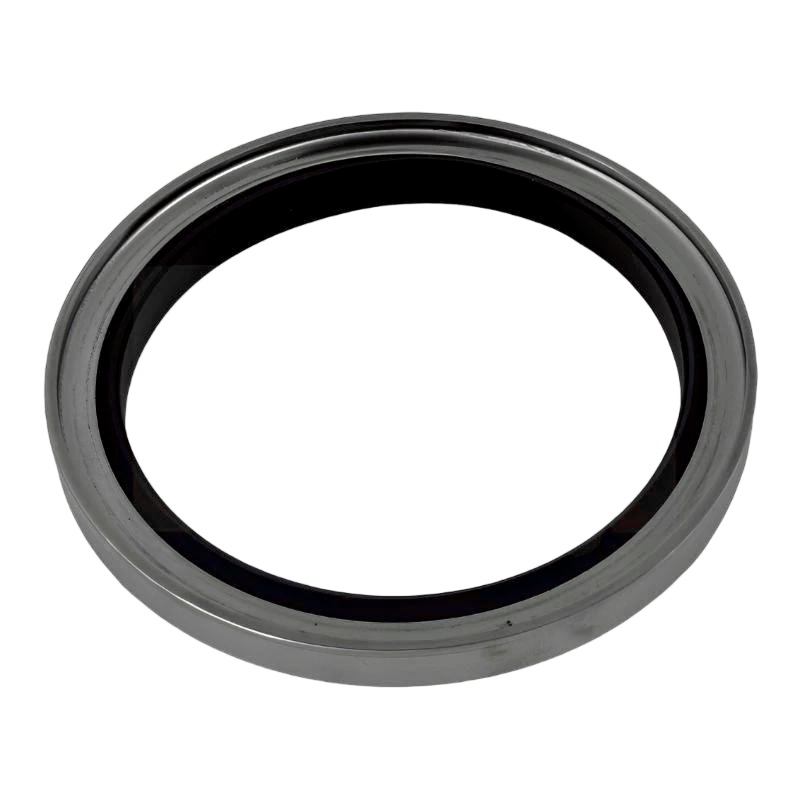
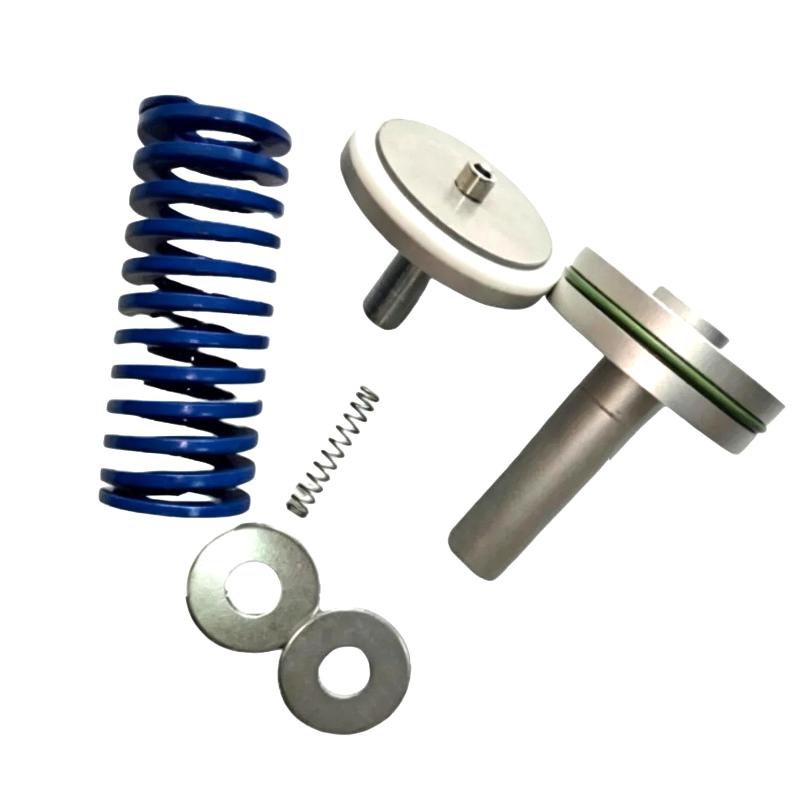
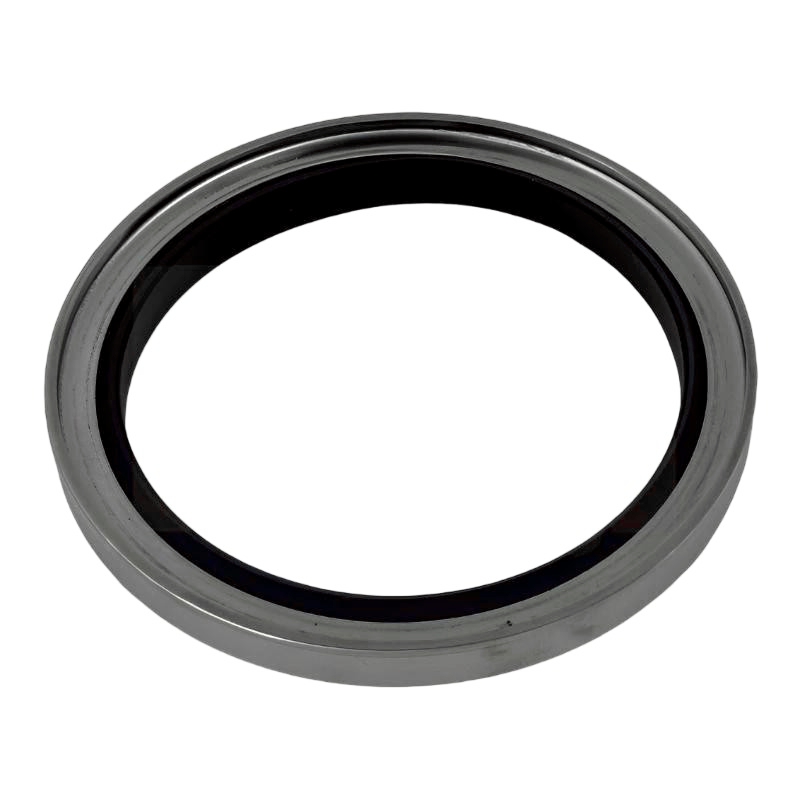
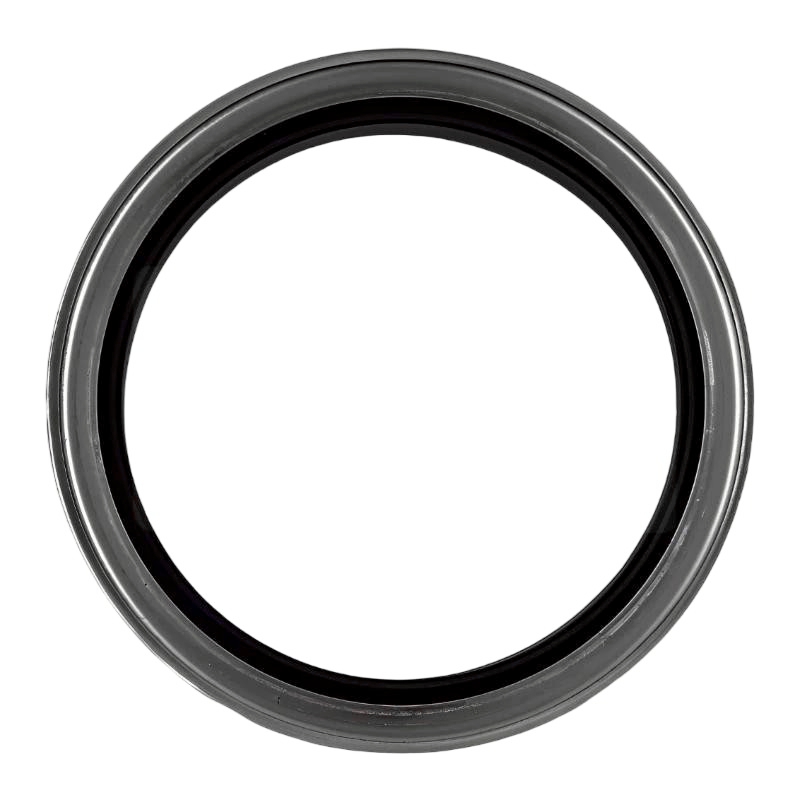
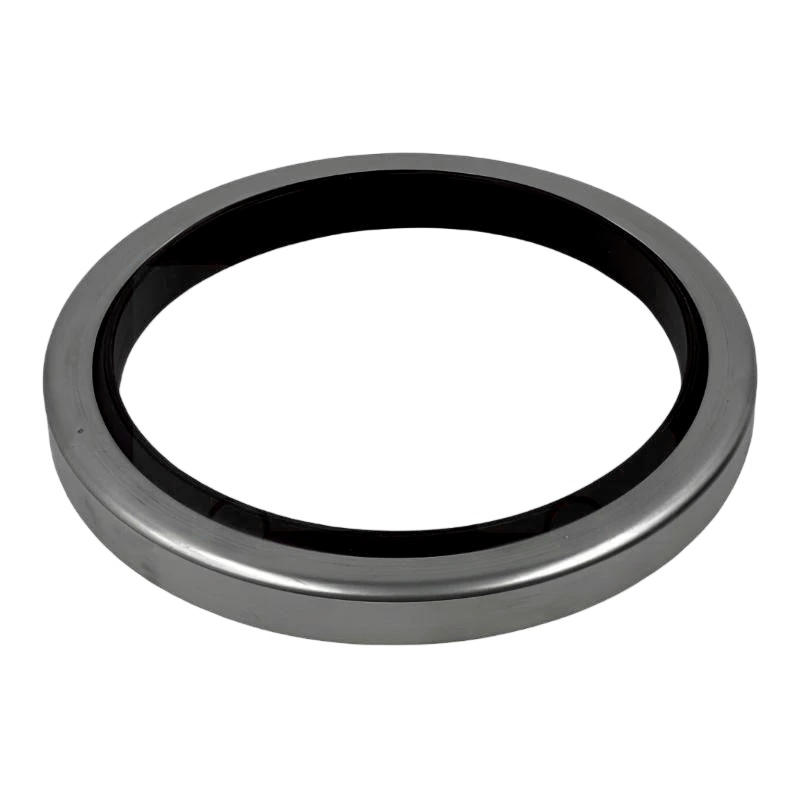
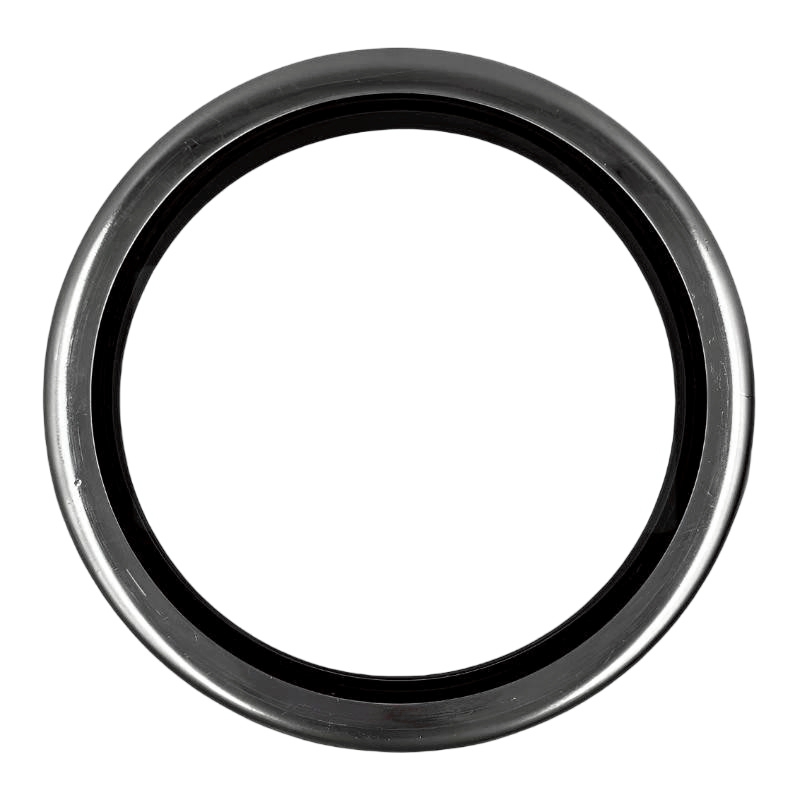
The Ingersoll Rand 47556925001 / 89292445 Shaft Seal is a mechanical sealing component designed for use in compatible Ingersoll Rand air compressor assemblies. Its primary function is to help prevent lubricating oil from escaping around a rotating shaft while limiting the entry of external contaminants into the compressor’s internal mechanical system.
Shaft seals are important components in rotary machinery because the shaft must rotate while the surrounding housing maintains an effective seal. Without a properly functioning seal, lubricating oil may leak from the compressor, potentially affecting lubrication conditions, cleanliness, and overall equipment reliability.
The part number 89292445 is identified as a shaft seal in Ingersoll Rand compressor parts documentation. It is associated with ML 132–160 compressor applications in available parts listings. The exact equipment compatibility should always be checked against the compressor model, serial number, and applicable parts documentation before ordering.
The seal is used in a mechanical assembly where the shaft, seal housing, sleeve, and related components work together. Correct installation and suitable contact conditions are important for maintaining sealing performance. A damaged shaft surface, incorrect installation, or unsuitable replacement part can cause premature leakage even when a new seal is fitted.
With supplied dimensions of 130 × 107.95 × 12 mm and a listed weight of 2.29 kg, this part can be considered for maintenance and replacement inventory where the original equipment identification has been confirmed.
Technical Specifications
| Parameter | Specification |
|---|---|
| Brand | Ingersoll Rand |
| Manufacturer | Ingersoll Rand |
| Part Number | 47556925001 |
| Reference Part Number | 89292445 |
| Product Name | Shaft Seal |
| Product Type | Mechanical Shaft Sealing Component |
| Application | Compatible Ingersoll Rand Air Compressors |
| Listed Compressor Application | ML 132–160 series |
| Dimensions | 130 × 107.95 × 12 mm |
| Weight | 2.29 kg |
| Installation Position | Compressor shaft sealing assembly |
| Primary Function | Prevents lubricant leakage around a rotating shaft |
| Equipment Category | Industrial Air Compressor Spare Parts |
Note: The dimensions and weight are supplied listing specifications. Confirm the exact part configuration and equipment compatibility before purchase.
Function and Working Principle
The shaft seal performs a continuous sealing function around a rotating shaft. It must maintain contact with the appropriate mating surface while accommodating the shaft’s rotational movement and the operating conditions inside the compressor.
1. Preventing Lubricating Oil Leakage
In an oil-lubricated compressor, lubricant supports the operation of bearings, gears, and other moving components. The shaft seal helps prevent oil from escaping through the opening where a rotating shaft passes through the compressor housing.
An effective seal helps maintain the intended lubricant level and reduces oil contamination around the equipment.
2. Sealing Around a Rotating Shaft
Unlike a static gasket, a shaft seal operates against a moving surface. Its sealing element is designed to accommodate shaft rotation while maintaining an appropriate sealing interface.
The condition of the shaft surface is therefore important. Scratches, corrosion, excessive runout, or wear near the sealing area can damage the sealing lip and create a leakage path.
3. Supporting Compressor Lubrication
By limiting lubricant leakage, the seal helps maintain the compressor’s lubrication system in its intended operating condition.
Insufficient lubrication can increase friction and wear in mechanical assemblies. Although the shaft seal does not generate or circulate lubricant, it supports the overall lubrication arrangement by helping retain oil within the designated area.
4. Limiting External Contamination
Depending on the compressor design and seal arrangement, the shaft seal also helps limit the entry of dust and other external contaminants around the shaft opening.
Keeping the sealing area clean is particularly important during maintenance because dirt introduced during replacement can damage the new sealing surface.
5. Maintaining Mechanical Reliability
A properly fitted shaft seal contributes to stable compressor operation by reducing leakage-related maintenance issues. Its performance depends on the seal material, shaft condition, installation accuracy, temperature, lubrication, and operating environment.
Role in Industrial Air Compressor Systems
The 47556925001 / 89292445 shaft seal is a mechanical spare part rather than an electrical control component. Its role is associated with the rotating mechanical assembly of a compatible compressor.
Compressor Shaft Assembly
The shaft seal is installed around a shaft at a designated sealing location. The shaft provides mechanical rotation, while the seal helps prevent lubricant from escaping through the housing opening.
The seal must match the shaft and housing arrangement. Even a small dimensional or profile difference can affect contact pressure and sealing performance.
Lubrication System
The seal supports lubricant retention within the compressor assembly. Maintaining suitable oil levels and preventing leakage are important for the lubrication of internal moving components.
If leakage is detected, maintenance personnel should inspect the seal and surrounding components rather than replacing the seal without checking the underlying cause.
Gearcase and Mechanical Housing
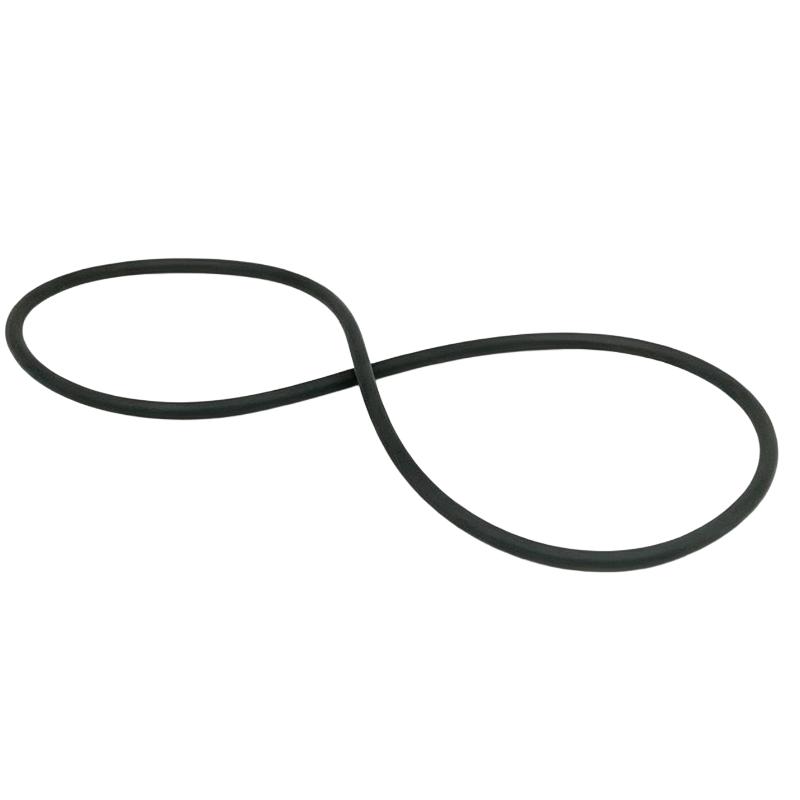
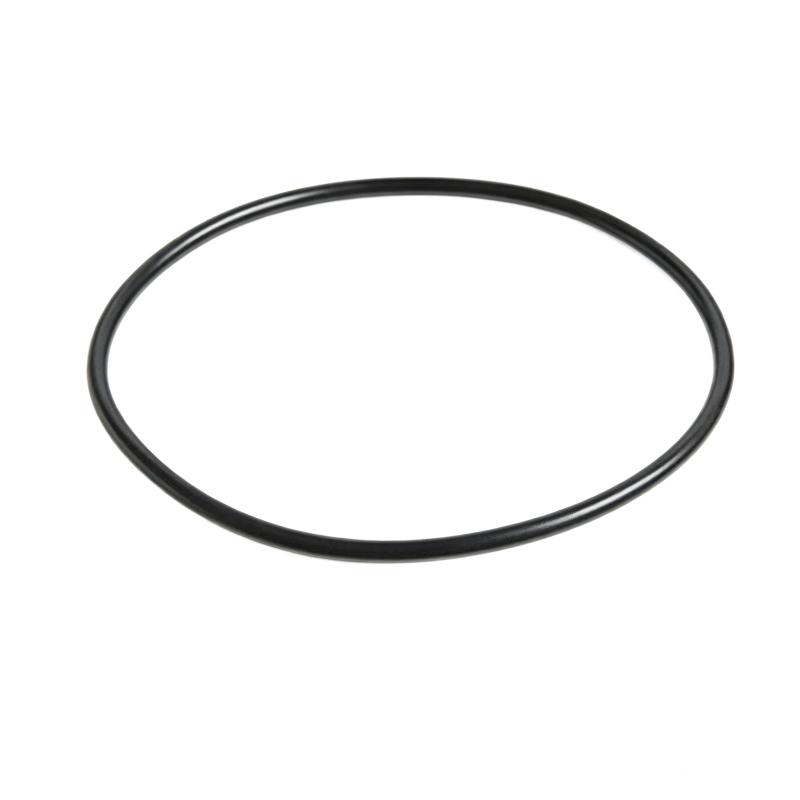
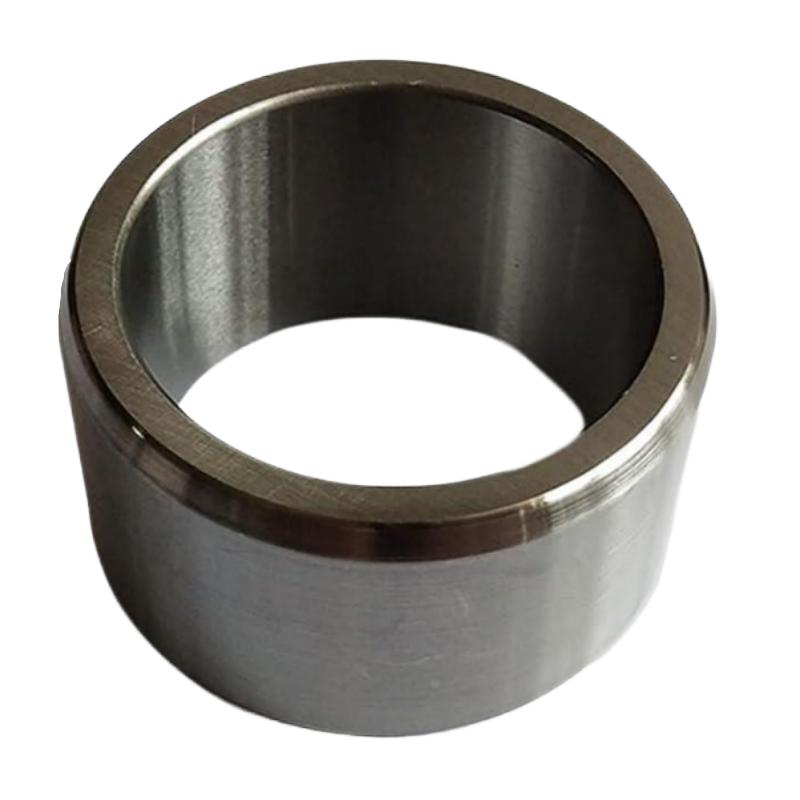
In certain Ingersoll Rand compressor arrangements, the shaft seal is installed as part of a larger mechanical assembly that may include a seal housing, O-ring, sleeve, and retaining hardware.
The condition of these related components can influence sealing performance. Damaged housing surfaces or worn sleeves may prevent a replacement seal from functioning correctly.
Maintenance and Equipment Availability
A failed shaft seal can lead to oil leakage and additional maintenance requirements. Replacing a worn seal during planned maintenance can help reduce unplanned interruptions and protect the surrounding equipment.
Industrial Applications
The 89292445 shaft seal is associated with compatible Ingersoll Rand compressor equipment. Its application should be confirmed against the relevant compressor documentation.
1. Industrial Rotary Compressor Systems
Industrial compressors operate continuously or intermittently to provide compressed air for production equipment. Their rotating assemblies depend on effective lubrication and sealing.
A suitable shaft seal helps maintain the integrity of the compressor’s mechanical housing and reduce lubricant leakage around the shaft.
2. Manufacturing Facilities
Manufacturing plants use compressed air for pneumatic tools, actuators, material handling, packaging, and process equipment.
Maintaining compressor mechanical components is important for supporting a stable compressed-air supply. Shaft seals are among the replacement parts that may be required during equipment servicing.
3. Processing and Production Equipment
Food processing support systems, chemical production facilities, metalworking operations, and other industrial environments may depend on compressed air for auxiliary functions.
The compressor’s operating environment and maintenance requirements should be considered when selecting replacement sealing components.
4. Compressor Maintenance Workshops
Industrial compressor service teams may keep shaft seals and related mechanical components in inventory to support scheduled overhauls and corrective maintenance.
Accurate part-number identification helps technicians select the correct seal for the compressor being serviced.
5. Replacement and Overhaul Projects
During compressor overhauls, maintenance personnel may inspect the shaft seal together with the shaft sleeve, seal housing, O-rings, and retaining components.
Replacing worn components as part of a coordinated maintenance procedure can help reduce the possibility of repeated leakage.
Installation and System Integration
Although the shaft seal is a mechanical component, installation accuracy has a direct effect on compressor reliability.
1. Confirm the Compressor Model
Before ordering, verify the compressor model, serial number, and parts-list reference. The 89292445 number is associated with ML 132–160 compressor applications in available parts listings, but this should not be treated as universal compatibility across all Ingersoll Rand compressors.
Also confirm whether 47556925001 is the applicable ordering or inventory reference for the required unit.
2. Inspect the Shaft and Housing
Before installing a replacement seal, inspect the shaft surface and sealing housing. Look for:
- Scratches or grooves on the shaft.
- Corrosion or contamination.
- Excessive shaft wear.
- Shaft runout or alignment problems.
- Damage to the seal housing.
- Wear or deformation of the shaft sleeve.
A new seal may leak prematurely if the mating surfaces are damaged.
3. Prepare the Installation Area
Clean the surrounding mechanical assembly and remove old seal material or contamination. Avoid introducing dirt into the compressor housing or lubrication system.
Use the installation tools and preparation procedures specified for the compressor. Do not use sharp tools in a way that may damage the seal lip or its housing.
4. Install the Seal Correctly
Follow the manufacturer’s service procedure for the specific compressor model. Confirm the seal orientation, seating depth, and contact surfaces before completing the assembly.
Use only compatible installation lubricants where specified. Incorrect orientation or uneven installation pressure may deform the sealing element.
5. Inspect Related Components
Where the design includes a sleeve, O-ring, seal housing, or retaining plate, inspect these parts during the replacement procedure.
A worn sleeve or damaged housing may need attention before the new seal can provide reliable service.
6. Perform a Leakage Check
After reassembly, follow the compressor manufacturer’s startup and inspection procedure. Check the sealing area for oil leakage during initial operation and after the equipment reaches normal operating conditions.
If leakage continues, investigate shaft condition, alignment, installation depth, seal orientation, and the compatibility of the replacement part.
Compatible System Components
The shaft seal operates as part of a mechanical assembly. The following components may be relevant during inspection or replacement, depending on the specific compressor design.
| Component | Function | Maintenance Considerations |
|---|---|---|
| Compressor shaft | Transfers mechanical rotation | Inspect the sealing surface for grooves, wear, and runout |
| Shaft sleeve | Provides a mating surface for the seal where fitted | Check for scoring and wear |
| Seal housing | Supports and locates the shaft seal | Inspect for damage and correct seating |
| O-ring | Provides static sealing between mating components | Replace if hardened, damaged, or deformed |
| Retaining plate | Secures related mechanical components where applicable | Check fasteners and mounting surfaces |
| Lubricating oil | Supports lubrication of internal moving parts | Use the specified lubricant and maintain the required level |
| Bearings | Support rotating shafts | Inspect for excessive play, noise, and wear |
| Compressor gearcase | Houses relevant mechanical drive components | Check for oil leakage and housing damage |
The listed components are examples of related mechanical parts. Their presence and arrangement depend on the compressor model and assembly configuration.
Alternative Models and Replacement Considerations
The 89292445 shaft seal should be replaced with a component that matches the original equipment specification. Similar-looking seals are not necessarily interchangeable.
| Part Number or Option | Description | Replacement Consideration |
|---|---|---|
| 89292445 | Ingersoll Rand shaft seal | Confirm compressor model and dimensions |
| 47556925001 | Supplied reference or ordering number | Verify its relationship to 89292445 with the equipment parts list |
| 89244024 | Other Ingersoll Rand shaft seal reference | Do not substitute without confirming the compressor application |
| 88122450 | Other Ingersoll Rand shaft seal reference | Different application; dimensional and equipment checks required |
| Approved OEM replacement | Manufacturer-specified replacement component | Preferred when exact compatibility is required |
Before choosing an alternative, compare:
- Shaft diameter and sealing dimensions.
- Seal outside diameter and installation depth.
- Seal profile and lip arrangement.
- Material compatibility with the compressor lubricant.
- Operating temperature and pressure conditions.
- Shaft surface finish and speed.
- Compressor model and serial number.
- Related sleeve and housing configuration.
A replacement should not be selected solely because its outside dimensions appear similar. The sealing profile and material must also be appropriate for the equipment.
Key Advantages
Helps Prevent Oil Leakage
The shaft seal is designed to maintain a sealing interface around the rotating shaft and reduce lubricant loss from the compressor assembly.
Supports Lubrication System Integrity
By helping retain lubricant, the seal contributes to the operating conditions required by internal mechanical components.
Designed for Compressor Maintenance
The part is intended for use in compatible Ingersoll Rand compressor equipment and can be included in planned servicing and repair activities.
Helps Protect the Mechanical Assembly
Effective sealing helps reduce oil leakage around the shaft area and supports a cleaner operating environment.
Suitable for Replacement Inventory
Maintaining the correct shaft seal in spare-parts inventory can help service teams respond to leakage issues and scheduled overhaul requirements.
Supports Equipment Reliability
A correctly selected and installed seal can help reduce recurring leakage-related maintenance and support reliable compressor operation.
Technical FAQs
1. What is the Ingersoll Rand 47556925001 / 89292445?
It is listed as a shaft seal for compatible Ingersoll Rand air compressor equipment. The part number 89292445 is identified in compressor parts documentation as a shaft seal.
2. What is the main function of this shaft seal?
Its main function is to help prevent lubricating oil from leaking around a rotating shaft while maintaining the sealing interface between the shaft and compressor housing.
3. Which compressor series uses part number 89292445?
Available parts listings associate 89292445 with Ingersoll Rand ML 132–160 compressor applications. Always confirm the specific compressor model and serial number before ordering.
4. What are the dimensions of the shaft seal?
The supplied dimensions are 130 × 107.95 × 12 mm. Confirm these measurements against the actual component and the compressor parts documentation.
5. What is the listed weight?
The supplied listing weight is 2.29 kg. Verify the actual unit and packaging weight when arranging shipping.
6. What causes a compressor shaft seal to fail?
Common causes include normal wear, shaft surface damage, incorrect installation, excessive shaft movement, contamination, unsuitable lubricant, and operating conditions outside the seal’s design limits.
7. Can a new shaft seal be installed without inspecting the shaft?
This is not recommended. Scratches, grooves, corrosion, or excessive runout can damage the new seal or create a leakage path. Inspect the shaft and related components during replacement.
8. Should the O-ring and shaft sleeve also be replaced?
Their condition should be checked during maintenance. If they are worn, damaged, hardened, or outside the manufacturer’s specifications, replacement may be necessary.
9. How can I confirm whether 47556925001 and 89292445 are interchangeable references?
Check the compressor’s original parts list, serial-number-specific documentation, or an authorized parts identification system. Do not assume that two numbers refer to the same component without confirmation.
10. What should be checked after installation?
Inspect the seal seating, shaft condition, related housing components, and lubricant level. After reassembly, follow the manufacturer’s startup procedure and check for leakage under normal operating conditions.
Procurement and Maintenance Recommendations
When purchasing the Ingersoll Rand 47556925001 / 89292445 shaft seal, begin by confirming the original equipment model and serial number. The reference number 89292445 is identified as a shaft seal, but the relationship between the supplied 47556925001 number and the reference number should be verified against the applicable parts documentation.
For replacement inventory, record the part number, dimensions, equipment application, and supplier identification. This makes it easier to distinguish similar sealing components and avoid incorrect substitutions.
For used or surplus compressor equipment, inspect the seal for deformation, contamination, deterioration, or damage before installation. A seal that has been stored improperly may not provide reliable performance even if its external appearance is acceptable.
During scheduled maintenance, inspect the shaft surface, sleeve, seal housing, O-rings, and related retaining components. Investigate the cause of the original leakage rather than replacing the seal alone. If shaft wear or misalignment remains unresolved, the replacement may fail prematurely.
Use the lubricant and installation procedures specified by the compressor manufacturer. Keep the sealing area clean and document the replacement date, installed part number, and inspection results.
Conclusion
The Ingersoll Rand 47556925001 / 89292445 Shaft Seal is a mechanical sealing component used in compatible Ingersoll Rand air compressor assemblies. Its main purpose is to help prevent lubricant leakage around a rotating shaft and support the integrity of the compressor’s mechanical and lubrication systems.
Part number 89292445 is identified as a shaft seal and is associated with ML 132–160 compressor applications in available parts documentation. Before purchasing or installing the component, verify the compressor model, serial number, dimensions, and the relationship between the supplied reference numbers.
Correct part selection, careful installation, and inspection of the shaft and related components are essential for achieving reliable sealing performance and reducing repeat maintenance.