

ProductPRODUCT
Featured products
Contact Us
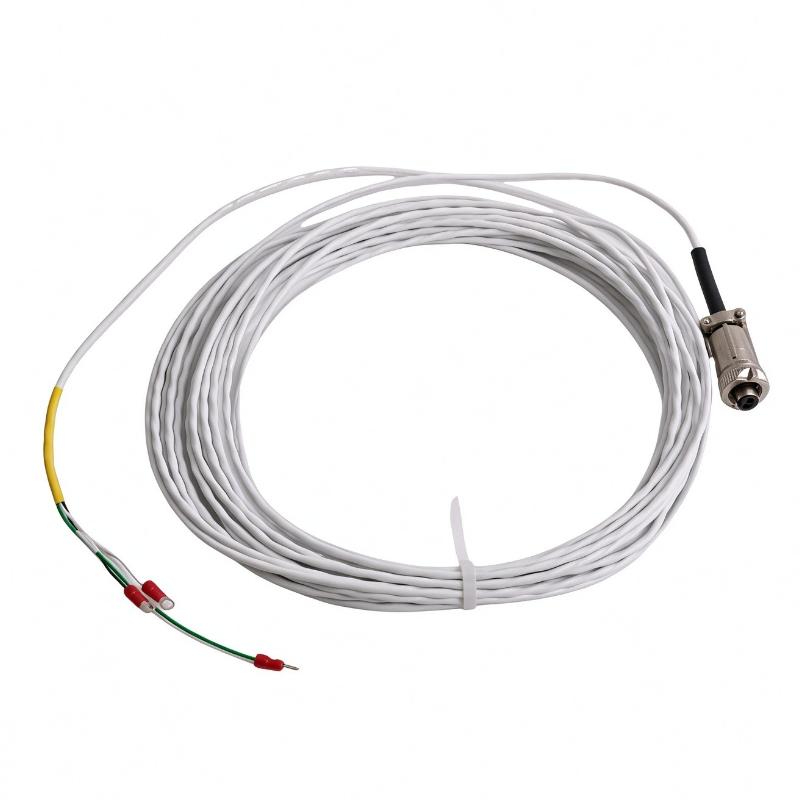
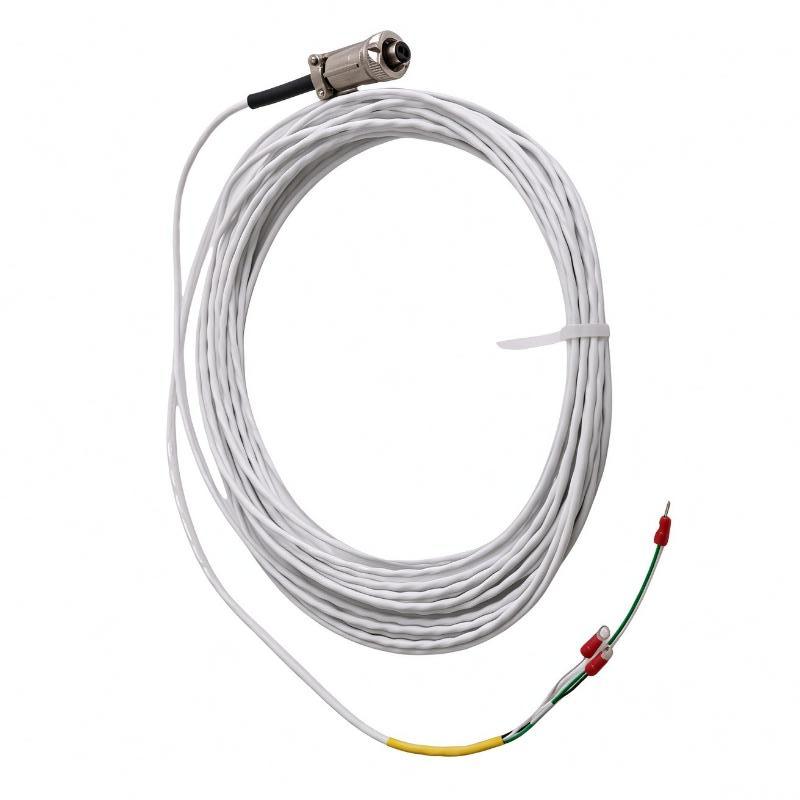
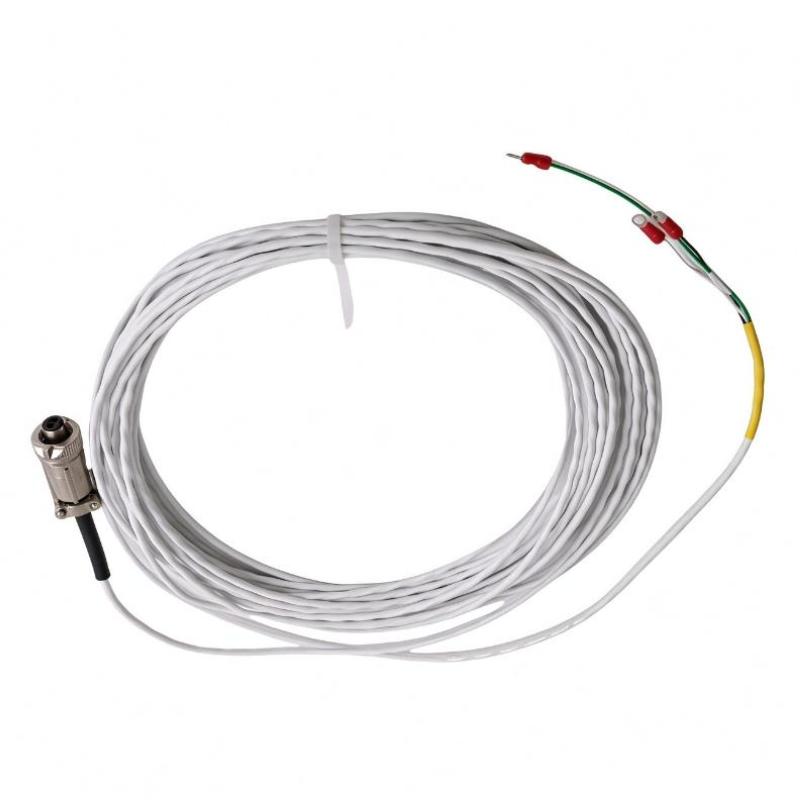
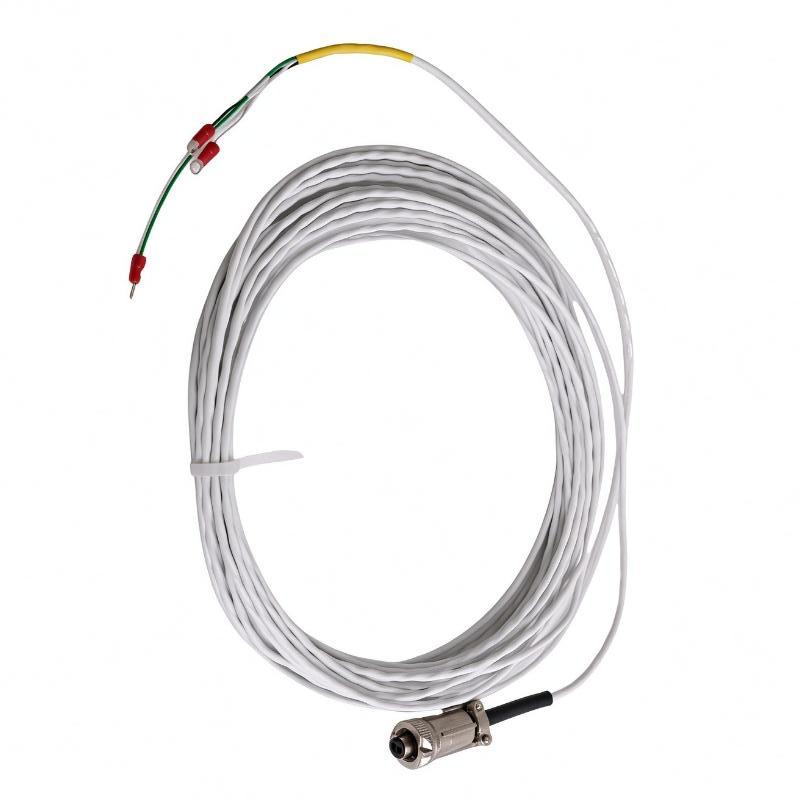
- Bently Nevada
- 9571-08
- Standard Interconnect Cable
- USA
- 8 feet
- 3 kg
- Xiamen, China
- New & In Stock
- T/T, PayPal, Western Union
- 1 Year
- 1-3 Working Days
- DHL, UPS, TNT, FedEx and EMS.
- 24-Hour Service
- COO
- 4
Our advantage

Global Logistics
We have a 10-year logistics and express cooperation agreement, so our products can be shipped to any place in the world.

Brand new and original
Our products are imported in bulk from the place of origin. Because of the cooperative relationship, our products are all original and 100% new.

24-hour service
We provide 7*24 hours service to our customers. We will be there whenever you need us.

Price advantage
All our products are priced very favorably because we have our own warehouse and supply.
| Company Information | |||
| [email protected] | |||
| Mobile | +8615980777398 | ||
| +8615980777398 | |||
| 15980777398 |
Product Overview
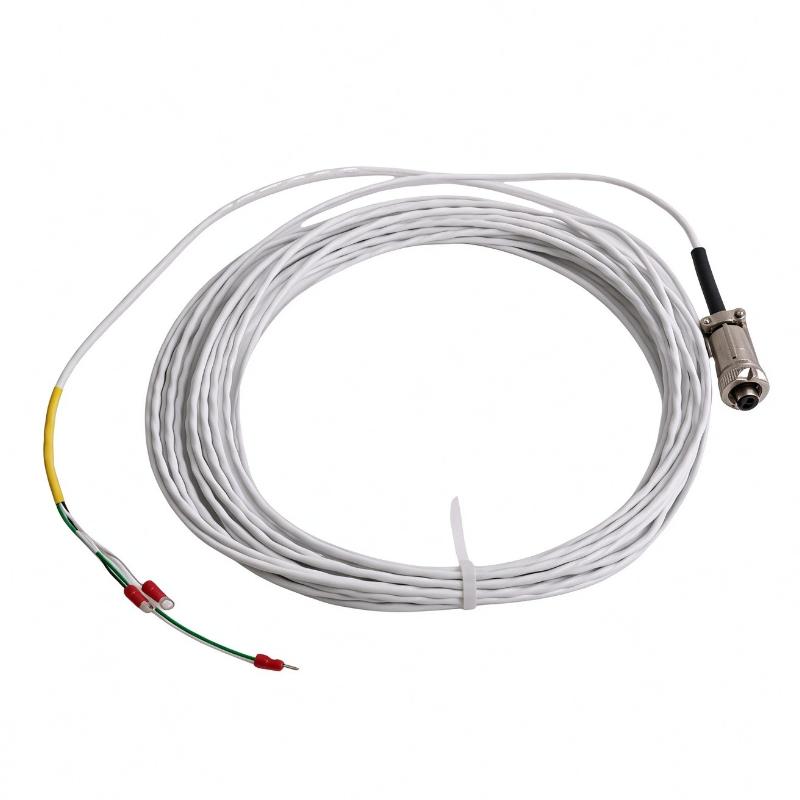
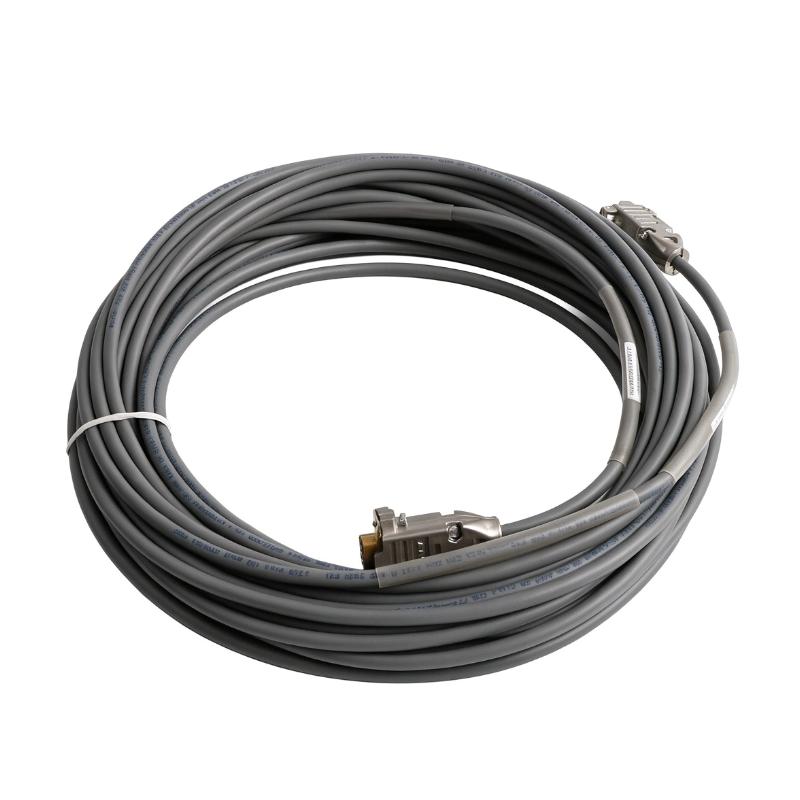
The Bently Nevada 9571-08 Standard Interconnect Cable is an industrial sensor connection cable designed for use in compatible machinery vibration monitoring systems. It provides the electrical connection between a supported vibration sensor or transducer and its monitoring equipment, allowing measurement signals to be transmitted for machinery condition monitoring and equipment protection.
Bently Nevada products are widely used in industrial environments where continuous monitoring of rotating machinery is important. Equipment such as pumps, motors, compressors, fans, turbines, and other rotating assets may require vibration monitoring to identify abnormal operating conditions. Reliable sensor connections are an essential part of these monitoring installations.
The 9571-08 belongs to the Bently Nevada 9571 standard interconnect cable series. The model suffix “-08” identifies an 8-foot cable length, equivalent to approximately 2.4 meters. Its construction uses two-conductor, twisted, shielded 22 AWG cable. One end has a moisture-resistant female connector for the compatible sensor connection, while the opposite end uses terminal lugs for connection to the monitoring equipment.
The cable is designed to support signal transmission between compatible field sensors and monitoring devices. Its shielded construction helps reduce the influence of electrical interference in industrial environments, where motor drives, power cables, switching equipment, and other electrical devices may generate unwanted noise.
The 9571-08 is a connection accessory rather than a standalone measurement device. It does not independently measure vibration, calculate machinery condition, or generate alarm signals. Instead, it provides the physical electrical connection required for a compatible sensor-monitoring arrangement.
Before purchasing, users should verify the sensor model, connector type, monitor-side termination, and required cable length. Bently Nevada offers several interconnect cable configurations, and similar-looking cables are not necessarily interchangeable.
Technical Specifications
| Parameter | Specification |
|---|---|
| Brand | Bently Nevada |
| Manufacturer | Baker Hughes |
| Model | 9571-08 |
| Product Name | Standard Interconnect Cable |
| Product Type | Industrial Sensor Interconnect Cable |
| Cable Series | 9571 |
| Cable Length | 8 ft |
| Cable Length in Metric | Approximately 2.4 m |
| Cable Construction | Two-conductor, twisted, shielded cable |
| Conductor Size | 22 AWG |
| Sensor-End Connector | Moisture-resistant female connector |
| Connector Configuration | Two-socket connector |
| Monitor-End Connection | Terminal lugs |
| Cable Shielding | Shielded |
| Typical Application | Vibration sensor signal connection |
| Compatible Equipment | Specified Bently Nevada sensor and monitoring configurations |
| Shipping Weight Provided | 3 kg |
Note: The 3 kg figure is the supplied shipping weight, not a confirmed net cable weight. Confirm the exact connector arrangement and compatibility with the installed sensor and monitoring equipment before ordering.
Function and Working Principle
The main function of the Bently Nevada 9571-08 is to establish a reliable electrical connection between a compatible sensor and a monitoring device. Its operation is based on transmitting the sensor’s electrical output through a shielded cable assembly.
1. Sensor Signal Transmission
A vibration sensor detects mechanical movement or vibration associated with the monitored equipment. Depending on the sensor type, the measurement is converted into an electrical signal that can be processed by a compatible monitoring instrument.
The 9571-08 provides the connection path between the sensor and the monitoring system. The two-conductor cable carries the required signal conductors, while the cable shield helps control unwanted electrical interference.
Stable signal transmission is important because vibration monitoring systems rely on measurement information to assess machinery operating conditions.
2. Two-Conductor Cable Design
The 9571 series uses a two-conductor, twisted, shielded cable construction. The specified conductor size is 22 AWG.
The twisted conductor arrangement helps reduce the effects of electromagnetic interference that may be induced along the cable. Shielding provides an additional layer of protection against external electrical noise.
These characteristics are useful in industrial facilities where instrumentation cables may run near motors, electrical cabinets, variable frequency drives, and power distribution equipment.
3. Sensor-End Connector
The sensor end of the cable uses a moisture-resistant female connector with a two-socket configuration.
This connector provides the physical and electrical interface for a compatible sensor. Correct connector engagement is important for maintaining signal continuity and preventing intermittent connections.
During installation, technicians should inspect the connector body, contact surfaces, sealing components, and cable entry point. Damaged connectors or improperly secured connections may cause measurement interruptions.
4. Monitor-End Terminal Connections
The opposite end of the 9571-08 uses terminal lugs for connection to the monitoring equipment.
Terminal connections allow the cable conductors and shield to be connected to the appropriate monitor terminals according to the system wiring diagram.
Correct conductor identification and shield termination are essential. Incorrect wiring can result in unreliable measurements, signal loss, or abnormal monitoring behavior.
5. Shielding and Electrical Noise Control
Industrial machinery installations often contain electrical equipment that can generate electromagnetic interference. This may include motor starters, variable frequency drives, switching power supplies, and high-current conductors.
The 9571-08’s shielded construction helps reduce unwanted interference in the sensor signal path. However, cable shielding must be installed and terminated according to the manufacturer’s wiring recommendations.
Proper cable routing, grounding, and separation from power conductors remain important for maintaining measurement quality.
Role in Industrial Vibration Monitoring Systems
The 9571-08 is a supporting component in machinery condition monitoring installations. Its primary role is to connect the field sensor to the monitoring equipment so that vibration information can be transmitted and evaluated.
Connection Between Sensor and Monitor
A vibration monitoring arrangement generally includes a sensor, interconnect cable, monitoring instrument, and associated signal-processing or protection equipment.
The sensor measures the relevant mechanical parameter. The interconnect cable carries the resulting electrical signal to the monitoring equipment, where it can be displayed, analyzed, or used for alarm and protection functions.
The 9571-08 provides this connection for compatible configurations.
Support for Machinery Condition Monitoring
Industrial vibration monitoring is used to observe the mechanical condition of rotating equipment. Changes in vibration characteristics may indicate developing mechanical problems, although diagnosis requires appropriate sensor selection, installation, operating context, and signal analysis.
The cable helps maintain the signal path between the sensor and the monitoring instrument. A damaged or incorrectly installed cable can compromise the quality and availability of measurement data.
Integration with Plant Monitoring Systems
In a larger installation, vibration monitoring equipment may be connected to plant control systems, distributed control systems, or machinery protection platforms.
The 9571-08 does not directly provide a PLC or DCS communication interface. Its role is to connect a compatible sensor to the relevant monitoring hardware. Any further communication with plant systems is handled by the monitoring equipment and its configured interfaces.
Industrial Applications
The Bently Nevada 9571-08 can be used in supported vibration monitoring installations where the specified 9571 cable configuration is required.
1. Industrial Motors
Electric motors are commonly used in manufacturing plants, pumping stations, material-handling systems, and process facilities.
Vibration monitoring can help maintenance teams observe changes in motor operating behavior. A compatible interconnect cable provides the electrical connection between the sensor and monitoring equipment.
2. Pumps and Pumping Systems
Industrial pumps may operate continuously in water treatment, chemical processing, oil and gas, and general manufacturing applications.
Monitoring vibration can support condition-based maintenance programs. The 9571-08 may be used where the installed sensor and monitoring system require this standard interconnect cable configuration.
3. Compressors
Compressors are important assets in process industries and utility systems. Their rotating components may require continuous or periodic vibration monitoring.
The cable provides a connection path for compatible sensor installations, helping transfer measurement signals to the monitoring equipment.
4. Fans and Blowers
Large industrial fans and blowers can experience vibration changes caused by mechanical imbalance, looseness, bearing problems, or other operating conditions.
A suitable vibration sensor and monitoring system can help maintenance personnel identify abnormal trends. The 9571-08 supports the required sensor connection in compatible configurations.
5. Turbines and Rotating Machinery
Turbines and other critical rotating machines may use specialized monitoring systems to observe vibration and mechanical behavior.
For these applications, cable selection must follow the specific sensor and monitoring-system documentation. The 9571-08 should not be assumed to replace other cable types used in different turbine or proximity-probe systems.
6. Industrial Machinery Maintenance
The cable may also be required during maintenance, sensor replacement, or restoration of an existing monitoring installation.
Using the correct cable configuration helps maintain the original wiring arrangement and reduces the risk of compatibility problems during equipment servicing.
Installation and System Integration
Correct installation is important for maintaining signal quality and ensuring reliable sensor operation.
1. Verify Sensor Compatibility
Before installation, confirm that the connected sensor supports the 9571 cable configuration.
The 9571 series is associated with specified Bently Nevada velocity-sensor and monitoring arrangements. It should not be treated as a universal cable for every Bently Nevada sensor.
Check the sensor model, connector type, wiring diagram, and monitoring equipment requirements before connecting the cable.
2. Confirm the Cable Length
The 9571-08 has a nominal cable length of 8 feet, approximately 2.4 meters.
Measure the required installation distance before ordering. The cable should provide sufficient routing length without excessive tension, sharp bends, or unnecessary loops.
Avoid selecting a longer cable solely for convenience if the monitoring system has specified cable-length limits.
3. Inspect the Sensor Connector
Before connecting the sensor end, inspect the female connector and mating interface.
Check for damaged contacts, contamination, corrosion, or deterioration of sealing components. Ensure the connector is properly seated and secured according to the applicable installation instructions.
Do not force the connector into place if the alignment or mating interface is incorrect.
4. Connect the Monitor-Side Terminals
Connect the terminal lugs to the designated monitoring equipment terminals according to the system wiring diagram.
Verify conductor identification and shield termination. Incorrect wiring can cause signal problems or prevent the monitoring system from receiving the expected sensor output.
5. Route the Cable Correctly
Keep the interconnect cable away from high-current power conductors and sources of strong electromagnetic interference where practical.
Avoid routing the cable through areas with excessive heat, mechanical vibration, sharp edges, or potential physical damage.
Where cable trays or protective conduits are used, ensure that the installation does not place excessive mechanical stress on the cable or connector.
6. Verify Signal Operation
After installation, inspect both ends of the cable and confirm that all connections are secure.
Check the monitoring equipment for a valid sensor signal and compare the displayed measurement with expected operating conditions. If the system reports an abnormal reading or signal fault, inspect the sensor, cable, terminal connections, and monitor input before replacing components.
Compatible System Components
The 9571-08 is intended to operate as part of a compatible vibration monitoring arrangement.
| Component | Function | Compatibility Considerations |
|---|---|---|
| Bently Nevada compatible velocity sensor | Detects machinery vibration | Confirm that the sensor uses the 9571 cable configuration |
| Vibration monitoring instrument | Receives and processes sensor signals | Verify input type and terminal arrangement |
| Machinery protection system | Monitors equipment condition and configured alarms | Compatibility depends on the sensor and monitor architecture |
| Terminal block | Provides monitor-side electrical connections | Follow the system wiring diagram |
| Cable shielding and grounding arrangement | Helps reduce electrical interference | Terminate the shield according to manufacturer instructions |
| Industrial control or monitoring system | Displays or receives monitoring information | Integration is normally handled by the monitoring instrument, not directly by the cable |
The table describes typical system elements. It does not mean that these components are included with the 9571-08 cable.
Alternative Models and Replacement Considerations
Bently Nevada provides several interconnect cable configurations for different sensors and installation requirements. The correct replacement must match the sensor interface, conductor arrangement, cable construction, and required length.
| Model or Cable Type | Description | Replacement Considerations |
|---|---|---|
| 9571-06 | Standard interconnect cable, 6 ft | Same cable family with a different length |
| 9571-08 | Standard interconnect cable, 8 ft | The specified model |
| 9571-10 | Standard interconnect cable, 10 ft | Check the required installation length |
| 9571-12 | Standard interconnect cable, 12 ft | Same general cable family, different length |
| 84661 series | Standard armored interconnect cable | Armored construction; verify sensor compatibility and length |
| 89477 series | Right-angle interconnect cable | Different connector arrangement and cable construction |
| 122129 series | Short-run interconnect cable | Different conductor size and application requirements |
These models are not automatically interchangeable. A replacement decision should consider:
- Sensor model and connector interface.
- Monitoring equipment input configuration.
- Number of conductors and conductor size.
- Shielding and grounding arrangement.
- Cable length and installation routing.
- Connector orientation and mechanical clearance.
- Environmental temperature and moisture conditions.
- Applicable manufacturer installation instructions.
For an existing installation, replacing the cable with the same complete part number is generally the most straightforward approach, provided the original sensor and monitoring configuration remain unchanged.
Key Advantages
Shielded Signal Transmission
The 22 AWG twisted, shielded construction helps reduce the effects of electrical interference in industrial sensor installations.
Standardized Connector Arrangement
The moisture-resistant female connector provides a defined interface for compatible Bently Nevada sensor configurations.
Practical Cable Length
The 8-foot length offers a compact connection option for installations where the sensor and monitoring equipment are located relatively close together.
Monitor-Side Terminal Connections
Terminal lugs support connection to the appropriate monitoring equipment terminals according to the system wiring diagram.
Support for Machinery Condition Monitoring
The cable helps maintain the signal path required for vibration measurement and machinery condition monitoring.
Industrial Maintenance Applications
The 9571-08 can be used as a replacement component when servicing compatible existing Bently Nevada monitoring installations.
Technical FAQs
1. What is the Bently Nevada 9571-08?
The Bently Nevada 9571-08 is a standard interconnect cable used to connect compatible vibration sensors to monitoring equipment. It belongs to the 9571 cable series.
2. What does the “-08” suffix mean?
The “-08” suffix identifies an 8-foot cable length, approximately 2.4 meters.
3. What type of cable construction does it use?
The 9571 series uses a two-conductor, twisted, shielded 22 AWG cable construction.
4. What connectors are used?
The sensor end uses a moisture-resistant female connector with two sockets. The monitor end uses terminal lugs.
5. Can the 9571-08 be used with any Bently Nevada sensor?
No. It is intended for specified compatible sensor and monitoring configurations. Verify the sensor model and connection requirements before purchasing.
6. Is the 9571-08 a vibration sensor?
No. It is a cable assembly. It transfers electrical signals between a compatible sensor and monitoring equipment but does not independently measure vibration.
7. What is the difference between 9571 and 84661 cables?
The 9571 is the standard unarmored interconnect cable. The 84661 is the standard armored interconnect cable, which includes stainless steel armor over the shielded cable. Their connector and application requirements should be checked before substitution.
8. Can I use a longer 9571 cable instead of the 8-foot version?
A different length may be available within the 9571 series, but the actual installation distance and system requirements must be considered. Confirm the maximum permitted cable length and the correct part number before selecting another length.
9. What should be checked when replacing an existing cable?
Check the full part number, cable length, connector condition, sensor interface, monitor-side terminal arrangement, conductor identification, and shield termination.
10. What is the shipping weight of the 9571-08?
The supplied shipping weight is 3 kg. This should be treated as the shipping or packaged weight rather than the confirmed net weight of the cable itself.
Procurement and Maintenance Recommendations
When purchasing the Bently Nevada 9571-08, verify the complete model number and ensure that the cable matches the installed sensor and monitoring equipment.
For replacement projects, compare the connector configuration, cable length, conductor arrangement, and terminal-lug connections with the existing installation. Do not substitute a different Bently Nevada cable solely because it has a similar appearance.
For new or surplus inventory, request clear photographs of both cable ends, the part-number marking, and the cable condition. Confirm that the connector contacts are intact and that the cable jacket has no cuts, crushing, or signs of excessive heat exposure.
During maintenance, inspect the cable route and connection points for mechanical damage, loose terminals, contamination, and corrosion. Check that the shield is terminated correctly and that the cable is not exposed to unnecessary electrical or mechanical stress.
The supplied shipping weight of 3 kg should be used as a logistics reference until the actual packaged shipment has been weighed.
Conclusion
The Bently Nevada 9571-08 Standard Interconnect Cable is an 8-foot industrial sensor cable designed for compatible vibration monitoring applications. Its two-conductor, twisted, shielded 22 AWG construction, moisture-resistant female sensor connector, and monitor-side terminal lugs provide the connection between supported sensors and monitoring equipment.
For machinery condition monitoring installations, correct cable selection is essential for maintaining signal continuity and reliable measurement. Before purchasing or replacing the 9571-08, verify the sensor model, monitor interface, cable length, and wiring arrangement to ensure compatibility with the existing Bently Nevada system.