

ProductPRODUCT
Featured products
Contact Us
- Allen Bradley
- 1786-TPR
- ControlNet Coax Tap
- USA
- 1 meter
- 3 kg
- Xiamen, China
- New & In Stock
- T/T, PayPal, Western Union
- 1 Year
- 1-3 Working Days
- DHL, UPS, TNT, FedEx and EMS.
- 24-Hour Service
- COO
- 6
Our advantage

Global Logistics
We have a 10-year logistics and express cooperation agreement, so our products can be shipped to any place in the world.

Brand new and original
Our products are imported in bulk from the place of origin. Because of the cooperative relationship, our products are all original and 100% new.

24-hour service
We provide 7*24 hours service to our customers. We will be there whenever you need us.

Price advantage
All our products are priced very favorably because we have our own warehouse and supply.
| Company Information | |||
| [email protected] | |||
| Mobile | +8615980777398 | ||
| +8615980777398 | |||
| 15980777398 |
Product Overview
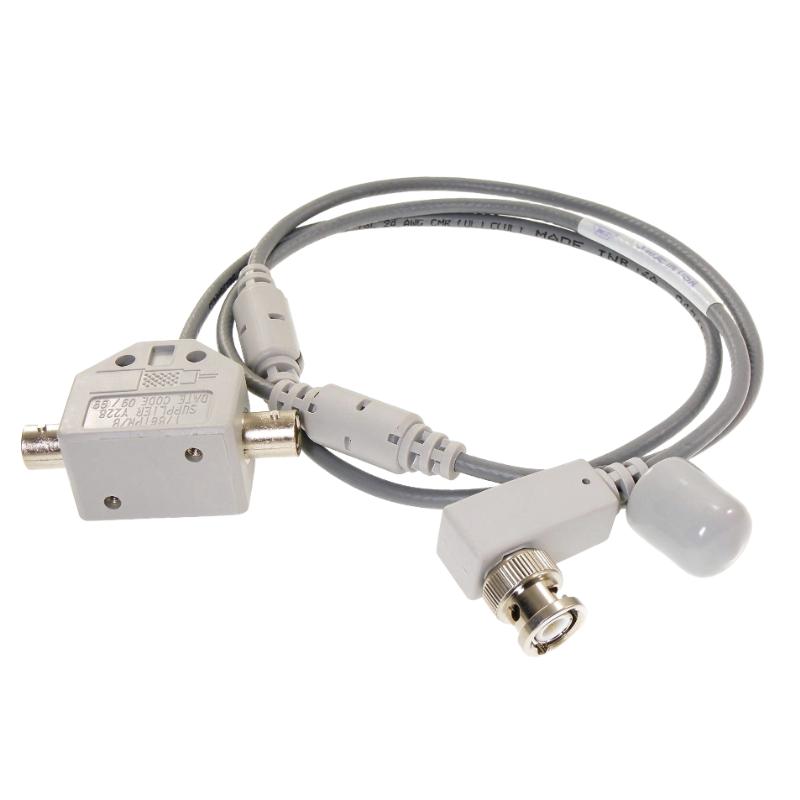
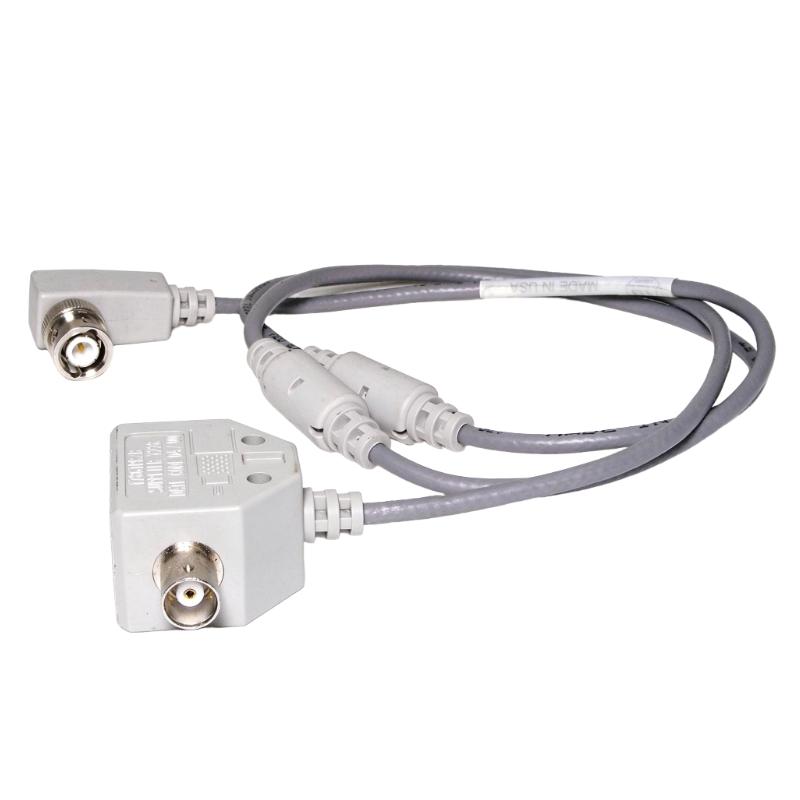
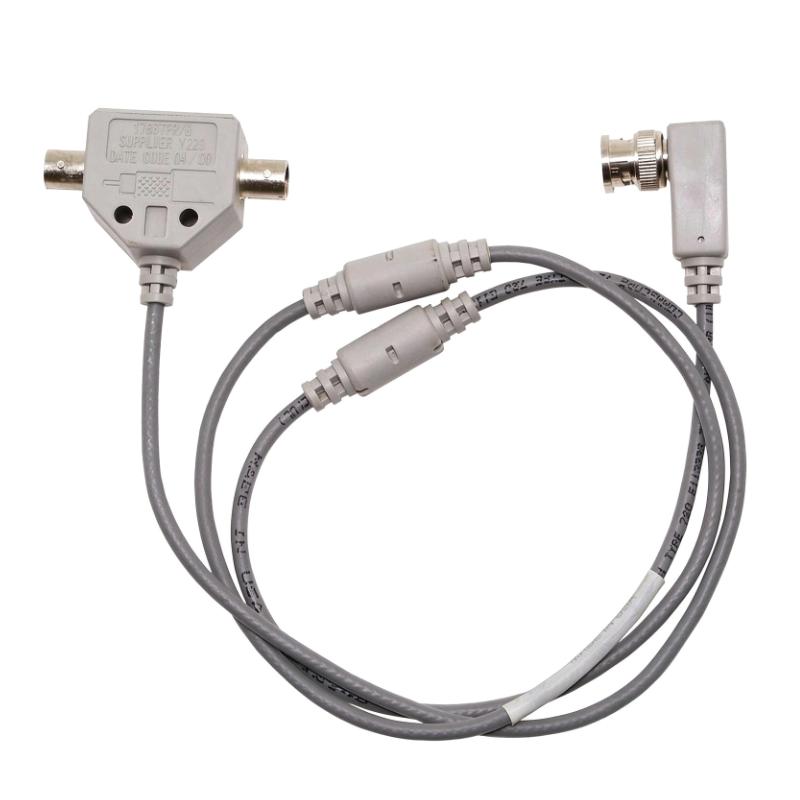
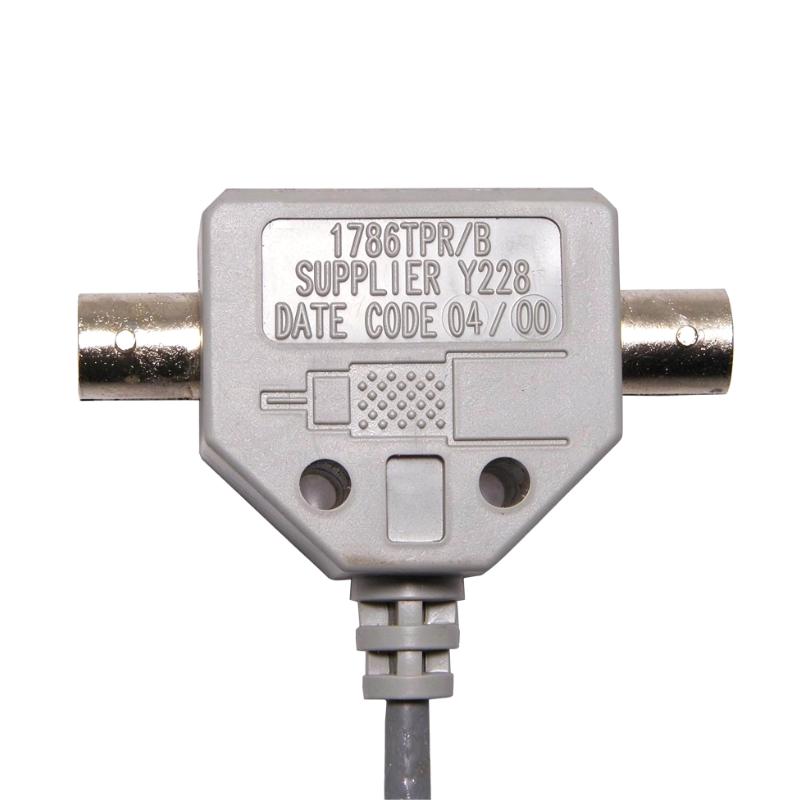
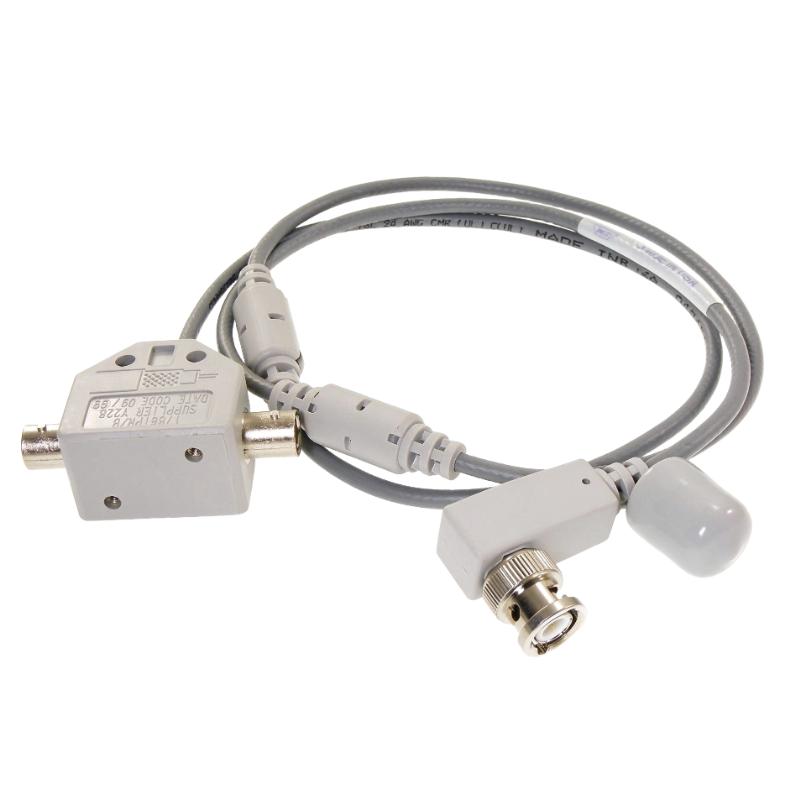
The Allen-Bradley 1786-TPR is a right-angle T-type coaxial tap used in Allen-Bradley ControlNet communication networks. It connects an individual network node to the shared coaxial trunk through an integrated drop cable, allowing controllers, communication interfaces, and other ControlNet devices to access the network.
Unlike a straight T-tap, the 1786-TPR uses a right-angle drop cable arrangement. This configuration is useful in electrical cabinets and machine installations where the available wiring space is limited or where a straight cable exit would interfere with adjacent equipment.
The tap incorporates a 1-meter coaxial drop cable and BNC connection hardware. One side connects to the ControlNet trunk through the tap’s BNC interfaces, while the drop cable provides the connection to the network node. This arrangement separates the trunk wiring from the individual device connection, making it easier to organize communication cabling inside industrial control panels.
For example, consider a production line with several PLC-controlled stations connected through a shared ControlNet coaxial network. Each station requires access to the trunk without interrupting the communication path to other stations. The 1786-TPR provides the branch connection for an individual node while maintaining the trunk’s continuous network arrangement.
The integrated drop cable also reduces the need to prepare a separate cable for the connection between the tap and the network device. Its right-angle configuration can be particularly useful when the communication interface is mounted close to cabinet walls or other wiring components.
The 1786-TPR is a passive network component. It does not process controller data, amplify signals, or require an independent power supply. Its internal network circuitry and coaxial connections allow it to function as part of the ControlNet physical media system.
When selecting this model, the distinction between a right-angle T-tap and a straight T-tap is important. Both serve the same general network connection purpose, but their cable arrangements differ and should be selected according to the actual installation layout.
Technical Specifications
| Parameter | Specification |
|---|---|
| Manufacturer | Allen-Bradley |
| Brand | Rockwell Automation |
| Model | 1786-TPR |
| Product Series | ControlNet |
| Product Type | ControlNet Coax Tap |
| Component Type | Right-Angle T-Tap |
| Network Type | ControlNet |
| Media Type | Coaxial |
| Connector Type | BNC |
| Tap Configuration | T-Tap |
| Drop Cable Configuration | Right-Angle |
| Cable Length | 1 meter |
| Operating Temperature | -20 to +70°C |
| Mounting Options | DIN Rail / Surface Mounting |
| Shipping Weight | 3 kg |
Product Features
- Right-Angle Cable Arrangement: Directs the integrated drop cable away from the tap body, helping accommodate restricted cabinet layouts.
- Integrated 1-Meter Drop Cable: Connects the ControlNet tap to an individual network node without requiring a separately prepared drop cable.
- T-Type Network Connection: Provides access to the shared coaxial trunk while maintaining the network’s physical connection arrangement.
- BNC Interface: Uses BNC coaxial connections for integration with compatible ControlNet media components.
- Passive Network Operation: Does not require an independent power supply or software configuration.
- ControlNet Media Compatibility: Supports Allen-Bradley ControlNet coaxial network installations.
- Multiple Mounting Options: Can be installed using the supplied universal mounting bracket or suitable mounting points.
- Compact Wiring Arrangement: Helps organize trunk and drop connections within industrial control cabinets.
- Noise Suppression: Ferrite beads incorporated into the drop cable help suppress unwanted electrical noise.
- Industrial Installation: Suitable for distributed automation systems using conventional ControlNet coaxial media.
Product Working Principle
The 1786-TPR works as a passive connection point between the ControlNet coaxial trunk and an individual network device.
In a ControlNet coaxial system, the trunk cable forms the main communication path shared by connected nodes. Each node accesses this path through a dedicated tap rather than being connected directly to the trunk as an ordinary point-to-point cable arrangement.
The 1786-TPR incorporates the tap circuitry and an integrated 1-meter drop cable. The BNC connections interface with the coaxial trunk, while the drop cable extends from the tap to the network device.
Its internal passive electronics maintain the electrical characteristics required by the ControlNet coaxial media system. This is important because the tap must preserve the intended signal transmission characteristics while allowing an additional node to communicate through the shared trunk.
A typical connection arrangement is:
ControlNet RG-6 Trunk Cable → 1786-TPR Coax Tap → Integrated 1-Meter Drop Cable → ControlNet Network Node
The right-angle cable arrangement changes the physical direction of the drop connection without changing the basic network function of the tap.
Each tap provides a connection point for one network node. The number of taps and their placement depend on the network topology, cable-length limitations, and the number of connected devices.
The tap does not act as a repeater or signal amplifier. It provides the required passive interface between the trunk and the connected node.
Role in Allen-Bradley ControlNet Network Architecture
The 1786-TPR serves as a node connection component within the ControlNet coaxial media architecture. It allows individual controllers and communication devices to connect to the shared trunk through a dedicated drop cable.
In a distributed automation system, the main coaxial trunk can extend between multiple control cabinets and machine sections. Taps are installed at the required connection points, allowing each network node to access the same communication medium.
The 1786-TPR is particularly useful where the drop cable needs to exit at a right angle to accommodate the physical arrangement of the control equipment.
A representative network arrangement is:
ControlNet RG-6 Trunk → 1786-TPR → 1-Meter Drop Cable → PLC / ControlNet Communication Interface
| System Component | Function |
|---|---|
| Allen-Bradley 1786-TPR | Provides a right-angle T-type coaxial tap with an integrated 1-meter drop cable |
| 1786-TPS | Provides a straight T-type ControlNet coaxial tap |
| 1786-TPYR | Provides a right-angle Y-type coaxial tap |
| 1786-TPYS | Provides a straight Y-type coaxial tap |
| 1786-RG6 | Provides the main ControlNet coaxial trunk cable |
| 1786-BNCP | Provides a BNC plug-to-plug barrel connection |
| 1786-BNCJI | Provides an isolated BNC bulkhead connection |
| 1786-XT | Provides a 75-ohm BNC terminating resistor |
| 1786-RPFS | Provides fiber-optic communication between network sections |
| 1786-CTK | Provides tools for ControlNet coaxial media installation |
Each network node requires an appropriate tap connection. The two physical ends of each coaxial trunk segment must also be terminated with compatible 75-ohm terminating resistors.
Industrial Applications
The 1786-TPR is suitable for ControlNet installations where network nodes require coaxial trunk access and the drop cable needs a right-angle routing arrangement.
| Industrial Application | Typical Use |
|---|---|
| Automotive Manufacturing | Connecting PLC-controlled production stations to a shared ControlNet trunk |
| Packaging Machinery | Providing network access to machine controllers in compact electrical cabinets |
| Steel Manufacturing | Connecting distributed control equipment across production-line automation systems |
| Power Generation | Establishing ControlNet node connections within plant control cabinets |
| Chemical Processing | Connecting process control equipment to distributed coaxial networks |
| Water Treatment | Providing communication connections for PLC-based monitoring and control stations |
| Material Handling | Connecting conveyor controllers and distributed automation devices |
| Industrial Drive Systems | Providing ControlNet access to compatible drive control interfaces |
| Food and Beverage Processing | Organizing coaxial network connections inside production equipment enclosures |
| General Manufacturing | Supporting distributed PLC and remote communication installations |
Installation and Maintenance
- Verify Network Compatibility: Confirm that the installed communication system uses compatible Allen-Bradley ControlNet coaxial media components.
- Inspect Package Contents: Check the tap body, integrated drop cable, BNC connector hardware, mounting bracket, screws, and dust cap before installation.
- Select the Mounting Position: Choose a location that accommodates the trunk cable routing and allows the right-angle drop cable to reach the intended network device.
- Check Cable Routing: Ensure that the integrated drop cable does not cross power terminals or interfere with adjacent electrical components.
- Mount the Tap: Secure the 1786-TPR using the supplied universal mounting bracket, DIN rail arrangement, or suitable mounting points.
- Avoid Excessive Tightening: Use the supplied mounting screws and avoid overtightening, which can damage the tap housing.
- Prepare the Trunk Connections: Install compatible BNC connectors on the coaxial trunk cable according to the ControlNet cable installation procedure.
- Connect the Trunk Cable: Attach the trunk cable to the appropriate tap interfaces and verify that the BNC connections are properly engaged.
- Connect the Drop Cable: Route the integrated drop cable toward the intended ControlNet node and connect it to the compatible network interface.
- Check Cable Bend Radius: Maintain the specified minimum bend radius for the coaxial trunk and drop cable to avoid damaging the cable structure.
- Verify Network Termination: Confirm that compatible 75-ohm terminating resistors are installed at both physical ends of the coaxial trunk segment.
- Test Network Communication: Check the connected node and overall ControlNet communication status after completing the installation.
During maintenance, inspect the BNC connections, drop cable, mounting hardware, and cable routing. Particular attention should be given to the integrated drop cable because repeated bending or mechanical pulling can damage its internal conductors.
Compatible System Components
| Component | Function |
|---|---|
| Allen-Bradley 1786-TPR | Right-angle T-type ControlNet coaxial tap |
| Allen-Bradley 1786-TPS | Straight T-type ControlNet coaxial tap |
| Allen-Bradley 1786-TPYR | Right-angle Y-type ControlNet coaxial tap |
| Allen-Bradley 1786-TPYS | Straight Y-type ControlNet coaxial tap |
| Allen-Bradley 1786-RG6 | ControlNet RG-6 coaxial trunk cable |
| Allen-Bradley 1786-BNCP | BNC plug-to-plug barrel connector |
| Allen-Bradley 1786-BNCJI | Isolated BNC bulkhead connector |
| Allen-Bradley 1786-XT | BNC 75-ohm terminating resistor |
| Allen-Bradley 1786-RPFS | ControlNet fiber repeater |
Recommended Related Models
| Model / Product | Product Type | Typical Application |
|---|---|---|
| Allen-Bradley 1786-TPS | ControlNet Coaxial Straight T-Tap | Connecting network nodes where a straight drop cable arrangement is preferred |
| Allen-Bradley 1786-TPYR | ControlNet Coaxial Right-Angle Y-Tap | Providing a right-angle Y-type network connection |
| Allen-Bradley 1786-TPYS | ControlNet Coaxial Straight Y-Tap | Providing a straight Y-type network connection |
| Allen-Bradley 1786-BNCP | ControlNet BNC Plug-to-Plug Connector | Joining compatible BNC coaxial interfaces |
| Allen-Bradley 1786-XT | ControlNet BNC 75-Ohm Terminator | Terminating the physical ends of coaxial trunk segments |
| Allen-Bradley 1786-RPFS | ControlNet Fiber Repeater | Extending communication between separate network sections |
Key Advantages
- Right-angle T-tap configuration for restricted wiring spaces.
- Integrated 1-meter coaxial drop cable.
- BNC connection for conventional ControlNet media.
- Passive connection to the shared coaxial trunk.
- Ferrite beads integrated into the drop cable for noise suppression.
- DIN rail and surface mounting options.
- Supports distributed ControlNet network installations.
Technical FAQs
1. What is the difference between the 1786-TPR and 1786-TPS?
Both models are ControlNet coaxial T-taps, but their drop cable arrangements differ. The 1786-TPR uses a right-angle drop cable connection, while the 1786-TPS uses a straight configuration. The choice depends mainly on cabinet layout and cable routing requirements.
2. Does the 1786-TPR include an integrated drop cable?
Yes. The 1786-TPR includes a 1-meter coaxial drop cable that connects the tap to an individual ControlNet network node. This eliminates the need to prepare a separate drop cable for the standard connection arrangement.
3. Can multiple 1786-TPR taps be installed along the same ControlNet trunk?
Yes. Multiple taps can be installed along a shared coaxial trunk to connect different network nodes. Each tap provides access for an individual node, while the trunk must maintain the correct cable configuration and termination at both physical endpoints.
4. Why should the 1786-TPR not be installed near AC power terminals?
The tap and its drop cable carry communication signals that can be affected by electrical interference. Routing the drop cable over AC power terminals or allowing conductive mounting hardware to contact unintended conductive surfaces may introduce noise into the network. Proper mounting and cable separation help maintain communication quality.