

ProductPRODUCT
Featured products
Contact Us
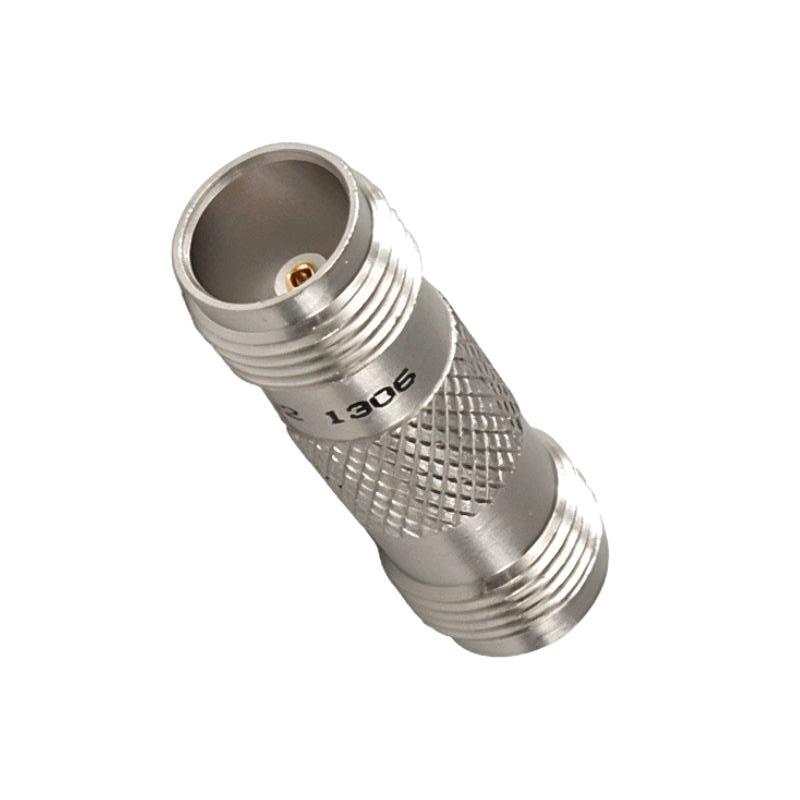
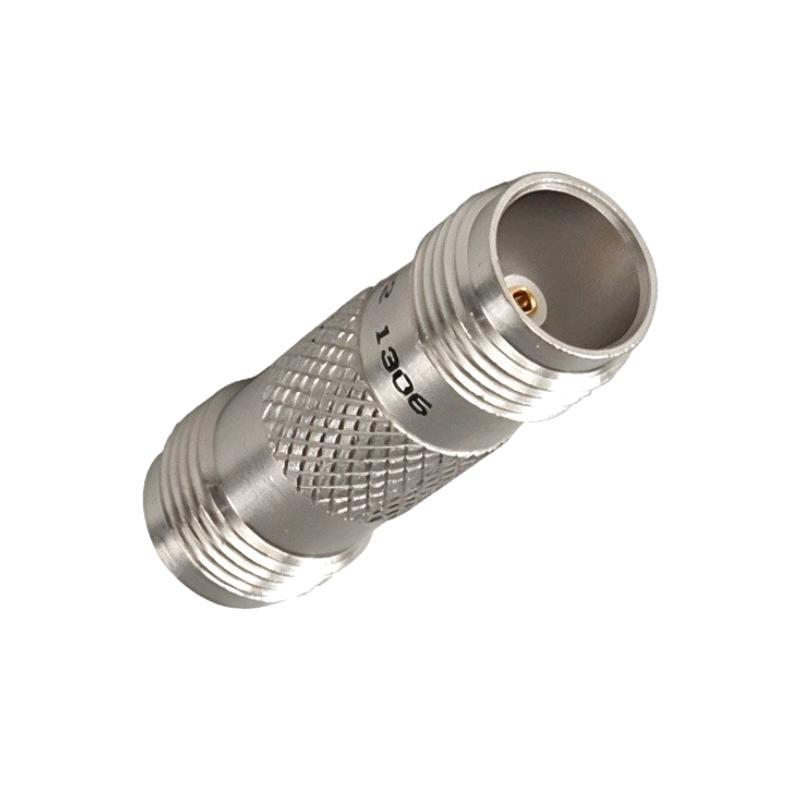
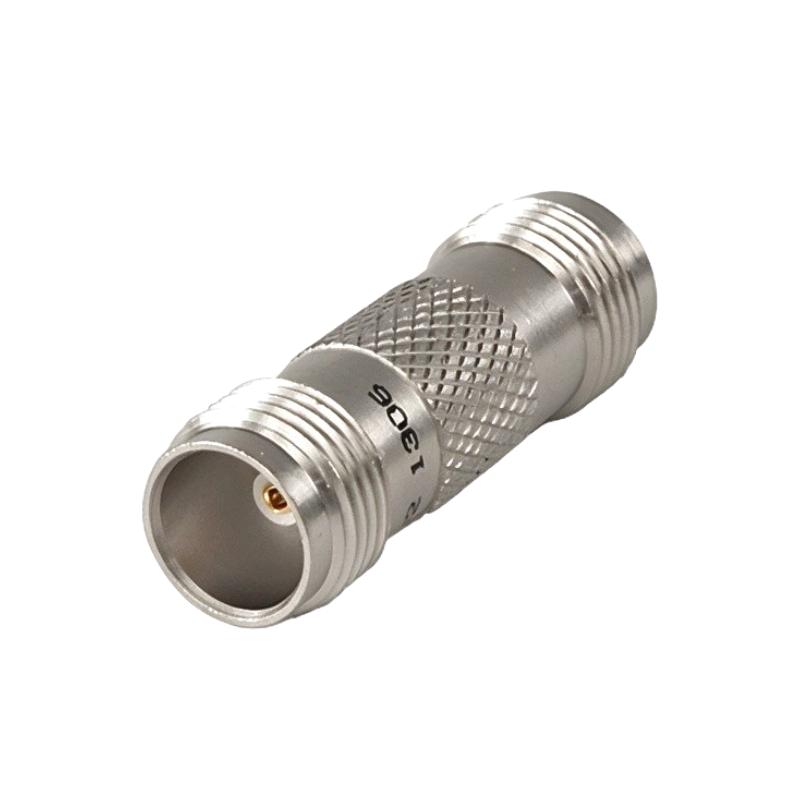
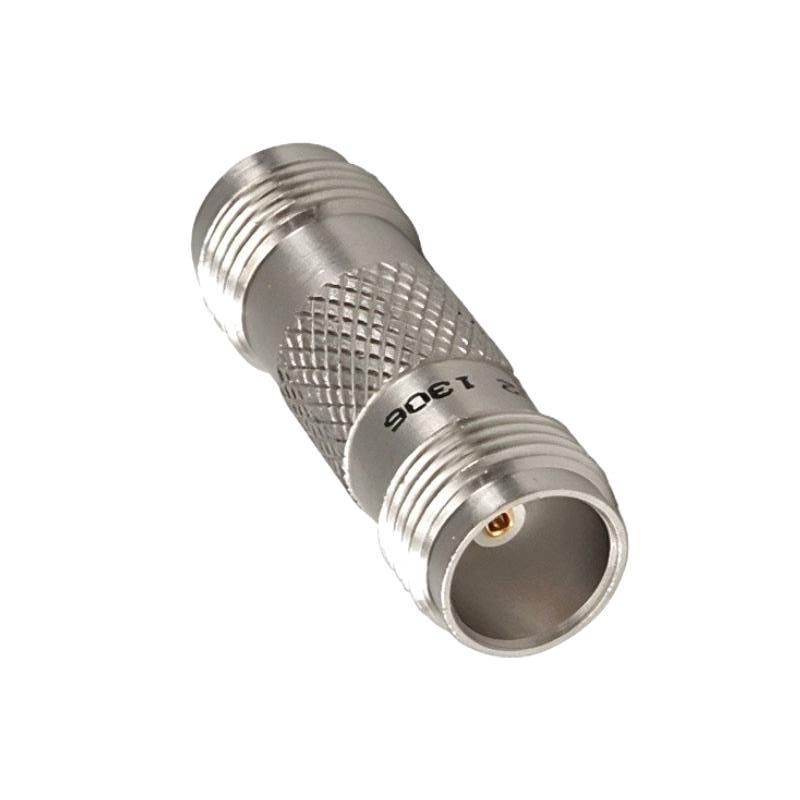
- Allen Bradley
- 1786-TNCJ4
- ControlNet TNC Coaxial Connector
- USA
- 50 × 20 × 40 mm
- 0.1 kg
- Xiamen, China
- New & In Stock
- T/T, PayPal, Western Union
- 1 Year
- 1-3 Working Days
- DHL, UPS, TNT, FedEx and EMS.
- 24-Hour Service
- COO
- 5
Our advantage

Global Logistics
We have a 10-year logistics and express cooperation agreement, so our products can be shipped to any place in the world.

Brand new and original
Our products are imported in bulk from the place of origin. Because of the cooperative relationship, our products are all original and 100% new.

24-hour service
We provide 7*24 hours service to our customers. We will be there whenever you need us.

Price advantage
All our products are priced very favorably because we have our own warehouse and supply.
| Company Information | |||
| [email protected] | |||
| Mobile | +8615980777398 | ||
| +8615980777398 | |||
| 15980777398 |
Product Overview
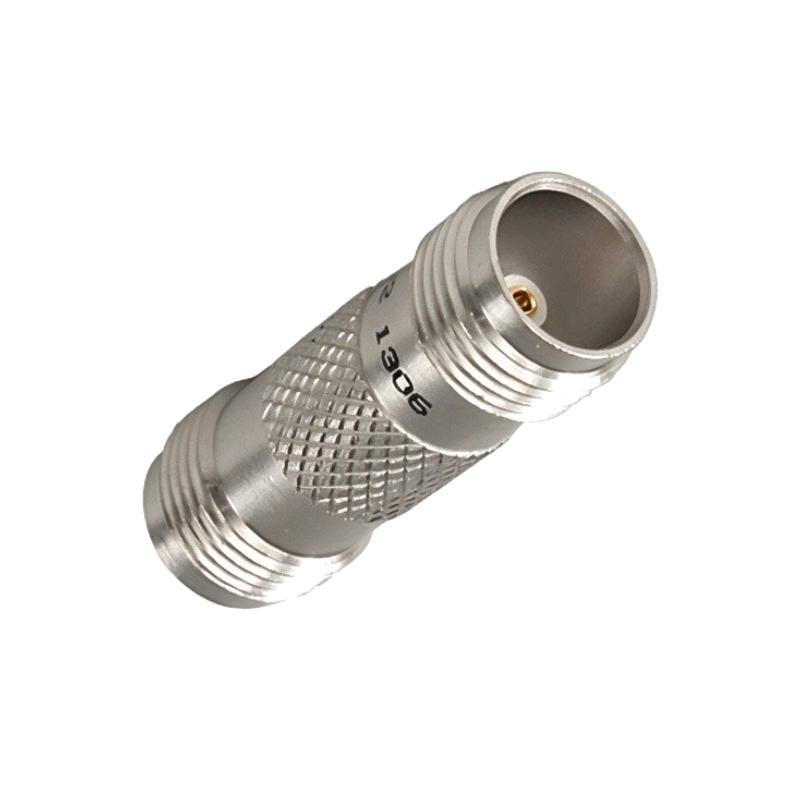
The Allen-Bradley 1786-TNCJ4 is a jack-to-jack TNC coaxial connector used in ControlNet industrial communication networks. It serves as an inline connection component for joining two compatible TNC cable connectors, allowing coaxial cable sections to be connected without introducing an additional active network device.
The 1786-TNCJ4 belongs to the ControlNet IP67 media connector family. Its bullet-style construction provides a direct connection between two TNC interfaces, making it suitable for installations where threaded coaxial connections are preferred over conventional BNC connections.
In practical applications, this connector can be used when a ControlNet trunk cable needs to be extended, repaired, or divided into sections during cabinet installation. For example, when two RG-6 coaxial cable sections terminate with TNC plugs, the 1786-TNCJ4 provides the corresponding jack-to-jack interface to join them.
The threaded TNC connection is particularly useful in industrial areas where cable connections may be exposed to vibration, moisture, or dust. Compared with conventional twist-lock BNC interfaces, threaded connections offer a more secure mechanical coupling when properly tightened.
Another important application is maintaining sealed connections in ControlNet installations using IP67-rated media components. When correctly mated with compatible connectors, the 1786-TNCJ4 maintains the environmental protection required by the sealed TNC connection system.
The connector is a passive media component. It does not amplify signals, regenerate communication data, or require an external power supply. Its purpose is to maintain the coaxial electrical path between the connected cable sections.
Technical Specifications
| Parameter | Specification |
|---|---|
| Manufacturer | Allen-Bradley |
| Brand | Rockwell Automation |
| Model | 1786-TNCJ4 |
| Product Series | ControlNet |
| Product Type | ControlNet TNC Coaxial Connector |
| Component Type | Bullet Connector |
| Connection Configuration | Jack-to-Jack |
| Connector Type | TNC |
| Media Type | RG-6 Coaxial Cable |
| Network Compatibility | Allen-Bradley ControlNet |
| Environmental Protection | IP67 when fully mated |
| Operating Temperature | -20 to +80°C |
| Package Quantity | 4 pieces |
| Application | Connecting TNC Coaxial Cable Sections |
| Dimensions | 50 × 20 × 40 mm |
| Weight | 0.1 kg |
Product Features
- Jack-to-Jack Configuration: Provides two female TNC interfaces for connecting compatible male TNC cable connectors.
- Bullet Connector Construction: Allows two coaxial cable sections to be joined through a compact inline connection.
- IP67 Connection System: Supports sealed connections when fully mated with compatible IP67-rated components.
- Threaded TNC Interfaces: Provides secure mechanical engagement compared with conventional BNC twist-lock connections.
- ControlNet Media Compatibility: Intended for the TNC coaxial media system used in Allen-Bradley ControlNet installations.
- Passive Signal Transmission: Maintains the electrical signal path without requiring an independent power supply.
- Industrial Cable Interconnection: Useful for extending or reconnecting coaxial cable sections in industrial network installations.
- Four-Piece Packaging: Supplied in a package containing four connectors.
- Compact Inline Design: Allows cable connections without installing an additional active communication module.
Product Working Principle
The 1786-TNCJ4 works as a passive coaxial coupling component. Its two female TNC interfaces receive compatible male TNC connectors, establishing a continuous electrical path between the connected cable sections.
In a ControlNet coaxial installation, the main trunk carries communication signals between controllers, communication adapters, and other network devices. When the trunk is assembled from multiple cable sections, the connectors must maintain both electrical continuity and the shielding characteristics of the coaxial medium.
The 1786-TNCJ4 joins two TNC cable connectors through its internal conductive contacts. The central conductor carries the communication signal, while the surrounding conductive structure maintains the coaxial shielding path.
A typical connection arrangement is:
ControlNet RG-6 Cable Section → TNC Male Connector → 1786-TNCJ4 → TNC Male Connector → ControlNet RG-6 Cable Section
The threaded interfaces help keep the connected cable ends mechanically secure. When the connector is fully mated with compatible sealed components, the connection can maintain the IP67 environmental protection rating.
Unlike a repeater or active communication module, the 1786-TNCJ4 does not modify or regenerate the incoming signal. Signal quality depends on the condition of the cable, connector contacts, shielding, and the overall electrical characteristics of the ControlNet media system.
For this reason, the connector should be installed with compatible TNC cable assemblies and checked for proper mechanical engagement during network commissioning.
Role in Allen-Bradley ControlNet Network Architecture
The 1786-TNCJ4 functions as an inline media connector within the ControlNet IP67 coaxial network architecture. Its primary role is to join two TNC cable interfaces while maintaining the electrical connection and shielding continuity of the coaxial media.
It is particularly useful when a ControlNet installation uses sealed TNC connections rather than conventional BNC connections. The connector can be incorporated into cable routing arrangements where the trunk or associated coaxial sections need to be joined.
A typical connection arrangement is:
ControlNet RG-6 Cable → TNC Connector → 1786-TNCJ4 → TNC Connector → ControlNet Network Segment
| System Component | Function |
|---|---|
| Allen-Bradley 1786-TNCJ4 | Connects two TNC coaxial cable interfaces through a jack-to-jack bullet connector |
| 1786-RG6 | Provides the standard ControlNet RG-6 coaxial trunk cable |
| 1786-TNCL10 | Provides a TNC male cable connector |
| 1786-TNCLP4 | Provides a TNC plug-to-plug barrel connector |
| 1786-TNCJI4 | Provides an isolated TNC jack-to-jack bulkhead connector |
| 1786-TNCLXT4 | Provides a 75-ohm TNC terminating plug |
| 1786-BNC2TNC | Connects BNC and TNC coaxial interfaces through an isolated bulkhead |
| 1786-TCT2BD1 | Provides an IP67 TNC tap with a straight BNC drop connection |
| 1786-TPST2T | Provides a straight TNC-to-TNC ControlNet tap arrangement |
| 1786-TPRT2T | Provides a right-angle TNC-to-TNC ControlNet tap arrangement |
| 1786-RPFS | Provides short-distance fiber communication between ControlNet network sections |
The 1786-TNCJ4 is a connector rather than a network termination component. It should not be confused with the 1786-TNCLXT4, which provides the required 75-ohm termination at the appropriate end of a TNC coaxial network segment.
Industrial Applications
The 1786-TNCJ4 is suitable for industrial ControlNet installations where TNC coaxial cable sections need to be joined through a threaded, sealed connection.
| Industrial Application | Typical Use |
|---|---|
| Automotive Manufacturing | Joining coaxial cable sections in distributed ControlNet production networks |
| Food and Beverage Processing | Maintaining sealed TNC cable connections in industrial processing areas |
| Chemical Processing | Connecting coaxial media sections in environments exposed to moisture and contaminants |
| Power Generation | Joining ControlNet cable sections in control and electrical rooms |
| Oil and Gas Automation | Maintaining threaded coaxial connections in industrial communication installations |
| Water Treatment | Connecting TNC media sections in automation systems near wet process areas |
| Packaging Machinery | Joining coaxial connections inside machine control enclosures |
| Steel Manufacturing | Maintaining ControlNet cable continuity around electrically noisy production equipment |
| Material Handling | Connecting network cable sections across distributed conveyor control systems |
| General Manufacturing | Supporting maintenance and modification of existing ControlNet coaxial networks |
Installation and Maintenance
- Verify Connector Compatibility: Confirm that both cable ends use compatible male TNC connectors intended for the ControlNet IP67 media system.
- Inspect the Connector: Check both female TNC interfaces for contamination, damaged threads, corrosion, or visible deformation before installation.
- Check Cable Preparation: Ensure that the connected cable assemblies have correctly installed TNC connectors and that their center conductors and shielding are properly terminated.
- Identify the Connection Points: Determine which two coaxial cable sections need to be joined and verify that the connector is being used for an appropriate inline connection.
- Clean the Interfaces: Remove dust, moisture, and other contaminants from the connector mating surfaces before connecting the cable assemblies.
- Align the First TNC Connector: Position the first male TNC connector carefully to prevent cross-threading during installation.
- Secure the First Connection: Engage the threaded interface and tighten it according to the applicable connector installation requirements.
- Connect the Second Cable Section: Attach the second male TNC connector to the opposite side of the 1786-TNCJ4 and ensure proper mechanical engagement.
- Maintain Cable Routing: Avoid excessive bending, twisting, or pulling forces on the connected coaxial cables.
- Check Environmental Sealing: Verify that both connections are fully mated and that compatible sealing components are correctly installed where IP67 protection is required.
- Verify Network Performance: After completing the connection, check ControlNet communication status and inspect for any signal-related errors.
- Perform Routine Inspection: During maintenance, examine the threaded interfaces, connector contacts, and cable shielding for wear, contamination, or mechanical damage.
During installation, avoid using excessive force when tightening the TNC interfaces. Damaged threads or incorrectly seated connectors can compromise both electrical continuity and environmental sealing. Also, remember that the IP67 rating applies to the fully mated connection rather than an unconnected connector by itself.
Compatible System Components
| Component | Function |
|---|---|
| Allen-Bradley 1786-TNCJ4 | TNC jack-to-jack bullet connector |
| Allen-Bradley 1786-RG6 | Standard ControlNet RG-6 coaxial trunk cable |
| Allen-Bradley 1786-TNCL10 | TNC coaxial cable plug |
| Allen-Bradley 1786-TNCLP4 | TNC plug-to-plug barrel connector |
| Allen-Bradley 1786-TNCJI4 | Isolated TNC jack-to-jack bulkhead connector |
| Allen-Bradley 1786-TNCLXT4 | TNC 75-ohm terminating plug |
| Allen-Bradley 1786-BNC2TNC | Isolated BNC-to-TNC bulkhead connector |
| Allen-Bradley 1786-TCT2BD1 | IP67 TNC tap with straight BNC drop connection |
| Allen-Bradley 1786-TPST2T | Straight TNC-to-TNC ControlNet tap |
| Allen-Bradley 1786-TPRT2T | Right-angle TNC-to-TNC ControlNet tap |
Recommended Related Models
| Model / Product | Product Type | Typical Application |
|---|---|---|
| Allen-Bradley 1786-TNCJI4 | ControlNet TNC Isolated Jack-to-Jack Connector | Providing an isolated bulkhead connection |
| Allen-Bradley 1786-TNCLP4 | ControlNet TNC Plug-to-Plug Connector | Joining two compatible TNC jack interfaces |
| Allen-Bradley 1786-TNCL10 | ControlNet TNC Coaxial Connector Plug | Terminating compatible coaxial cable sections |
| Allen-Bradley 1786-TNCLXT4 | ControlNet TNC 75-Ohm Terminator Plug | Terminating TNC coaxial network segments |
| Allen-Bradley 1786-BNC2TNC | ControlNet BNC-to-TNC Isolated Bulkhead Connector | Connecting BNC and TNC media interfaces |
| Allen-Bradley 1786-RG6 | ControlNet RG-6 Coaxial Cable | Building and extending the ControlNet trunk |
Key Advantages
- Jack-to-jack TNC connection for compatible coaxial cable assemblies.
- Bullet-style inline connector construction.
- IP67 protection when fully mated with compatible interfaces.
- Threaded connections for secure mechanical engagement.
- Suitable for ControlNet coaxial media installations.
- Passive operation without external power.
- Four connectors supplied per ordering unit.
Technical FAQs
1. What is the connection configuration of the 1786-TNCJ4?
The 1786-TNCJ4 uses a jack-to-jack configuration, meaning both ends have female TNC interfaces. It is intended to connect two compatible male TNC cable connectors.
2. What is the difference between the 1786-TNCJ4 and 1786-TNCJI4?
Both are TNC jack-to-jack connectors, but their constructions differ. The 1786-TNCJ4 is a bullet-style inline connector, whereas the 1786-TNCJI4 is an isolated bulkhead connector. The latter is intended for installations where the coaxial connection must pass through a grounded panel while maintaining shield isolation.
3. Can the 1786-TNCJ4 be used as a ControlNet terminating resistor?
No. The 1786-TNCJ4 is a passive cable coupling connector and does not provide network termination. For a TNC connection requiring 75-ohm termination, the appropriate component is the 1786-TNCLXT4.
4. Does the 1786-TNCJ4 maintain IP67 protection?
The connector belongs to the ControlNet IP67 TNC media family. The IP67 rating applies when the connector is fully mated with compatible sealed interfaces. Improperly assembled or exposed connections may not maintain the specified environmental protection.