

ProductPRODUCT
Featured products
Contact Us
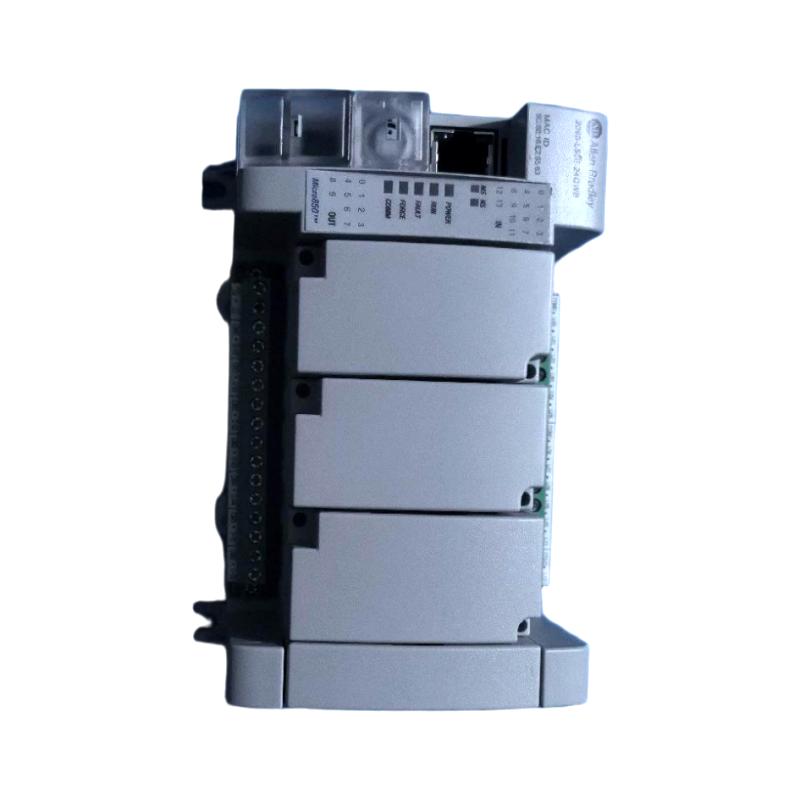
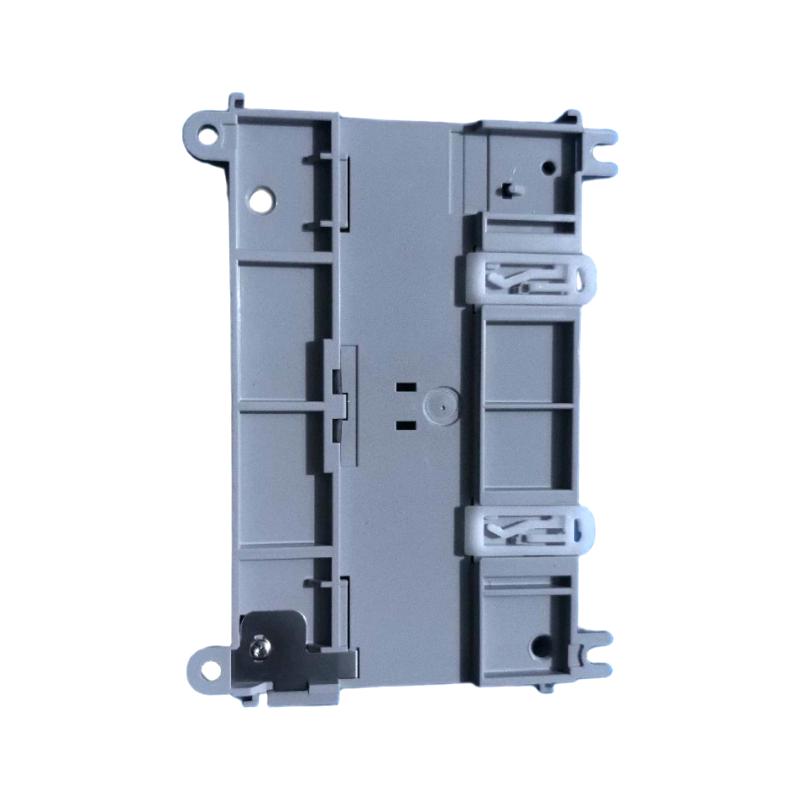
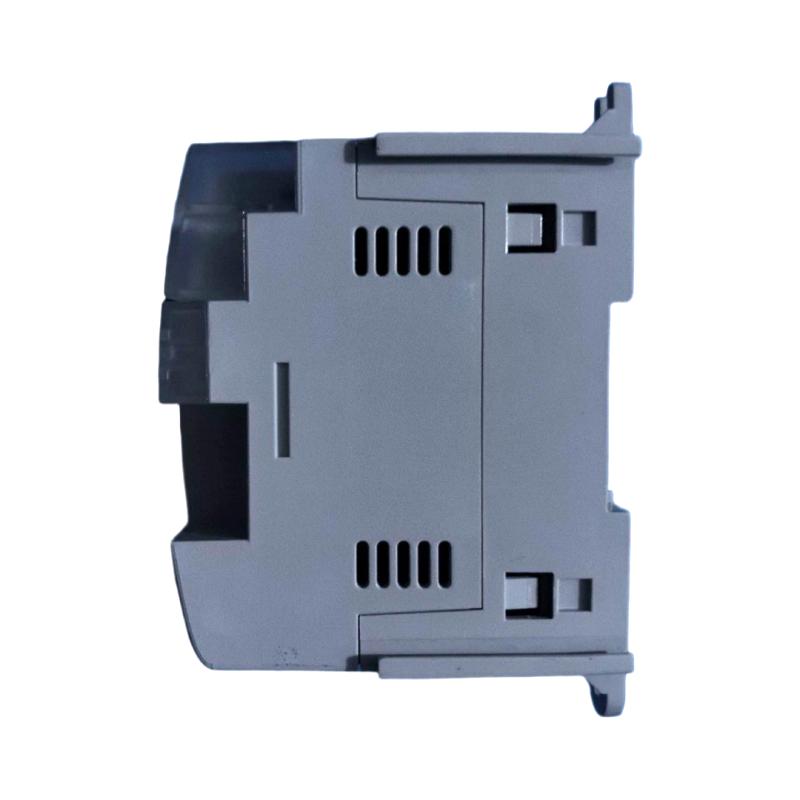
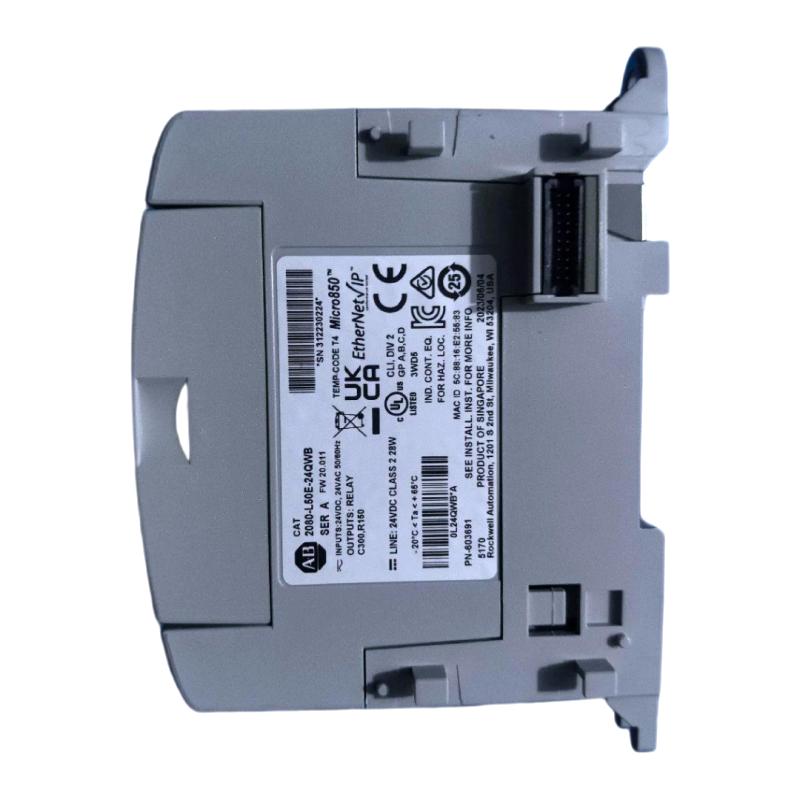
- Allen Bradley
- 2080-L50E-24QBB
- Micro850 Programmable Controller
- USA
- 158 x 80 x 90 mm
- 0.423 kg
- Xiamen, China
- New & In Stock
- T/T, PayPal, Western Union
- 1 Year
- 1-3 Working Days
- DHL, UPS, TNT, FedEx and EMS.
- 24-Hour Service
- COO
- 8
Our advantage

Global Logistics
We have a 10-year logistics and express cooperation agreement, so our products can be shipped to any place in the world.

Brand new and original
Our products are imported in bulk from the place of origin. Because of the cooperative relationship, our products are all original and 100% new.

24-hour service
We provide 7*24 hours service to our customers. We will be there whenever you need us.

Price advantage
All our products are priced very favorably because we have our own warehouse and supply.
| Company Information | |||
| [email protected] | |||
| Mobile | +8615980777398 | ||
| +8615980777398 | |||
| 15980777398 |
Product Overview
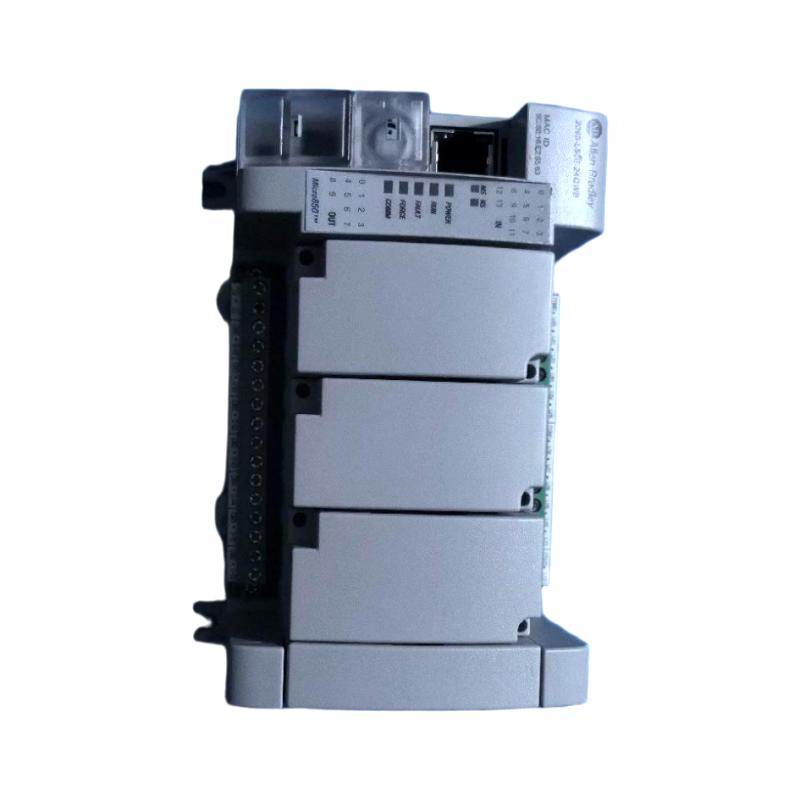
The Allen-Bradley 2080-L50E-24QBB Micro850 Programmable Controller is a compact programmable logic controller (PLC) developed by Rockwell Automation for industrial machine control and automation applications. As part of the Micro800 controller family, the Micro850 series combines embedded digital I/O, Ethernet connectivity, serial communication, and expansion capabilities in a compact controller.
The 2080-L50E-24QBB is designed for small and medium-sized automation systems that require reliable logic processing, equipment coordination, and communication with other industrial devices. It provides 24 embedded digital I/O points, consisting of 14 digital inputs and 10 digital outputs. Its outputs are 24 V DC sourcing type, making the controller suitable for applications involving compatible DC control devices.
The controller includes an embedded Ethernet port supporting EtherNet/IP communication, as well as USB programming connectivity and non-isolated RS-232/RS-485 serial communication. These interfaces allow the controller to exchange information with compatible automation equipment, programming systems, and industrial devices.
The Micro850 architecture also supports plug-in modules and local expansion modules. This allows system designers to extend the controller’s functionality when additional I/O or specialized control capabilities are required.
With its compact dimensions and integrated communication interfaces, the 2080-L50E-24QBB is suitable for OEM machinery, packaging equipment, conveyors, material-handling systems, and general industrial automation applications.
Technical Specifications
| Parameter | Specification |
|---|---|
| Brand | Allen-Bradley |
| Manufacturer | Rockwell Automation |
| Model | 2080-L50E-24QBB |
| Product Series | Micro850 |
| Product Family | Micro800 |
| Product Type | Programmable Logic Controller |
| Controller Type | Embedded I/O PLC |
| Total Digital I/O | 24 points |
| Digital Inputs | 14 |
| Digital Input Voltage | 24 V DC |
| Digital Outputs | 10 |
| Digital Output Type | 24 V DC sourcing |
| Controller Supply | 24 V DC |
| Ethernet Interface | Embedded Ethernet |
| Network Protocol | EtherNet/IP |
| Serial Communication | RS-232 / RS-485 |
| Programming Interface | USB |
| Plug-in Slots | 3 |
| Local Expansion | Supports up to 4 local expansion modules |
| High-Speed Counter | Embedded HSC capability |
| Dimensions | 158 × 80 × 90 mm |
| Approximate Shipping Weight | 0.423 kg |
| Mounting | Industrial control panel installation |
| Product Lifecycle | Active |
Note: Confirm the controller series and firmware revision when selecting expansion modules or communication features. Actual supported functions can depend on firmware and hardware configuration.
Functions and Working Principle
The 2080-L50E-24QBB operates as the central logic-processing unit in a Micro850 automation system. It receives input signals, executes the user-developed control program, and updates its output states according to the programmed logic.
1. Digital Input Signal Processing
The controller provides 14 embedded digital inputs for receiving signals from compatible field devices.
Typical input devices include:
- Proximity sensors
- Photoelectric sensors
- Limit switches
- Push buttons
- Selector switches
- Digital pressure switches
- Machine status contacts
When a field device changes its electrical state, the corresponding input channel detects the signal and makes the information available to the controller program.
For example, a photoelectric sensor may detect a product arriving at a conveyor station. The controller processes the input and determines whether the conveyor should continue running, stop, or activate another machine function.
Correct input voltage, wiring polarity, common connections, and electrical protection must be verified during installation.
2. Digital Output Control
The 2080-L50E-24QBB provides 10 embedded 24 V DC sourcing outputs.
Sourcing outputs supply positive DC voltage to compatible loads when activated. They can be used to control suitable interface relays, indicator devices, and other compatible DC control components.
Typical applications include:
- Relay coil control
- Indicator lamps
- Signal devices
- Small DC control loads
- Machine sequence outputs
The output current limits and load requirements must be checked before connecting field devices. Where a load exceeds the controller’s output capacity, an appropriately rated interposing relay or external driver should be used.
3. Programmable Logic Execution
The controller executes a user-developed program to coordinate machine operations.
Control logic may include:
- Start and stop sequences
- Equipment interlocking
- Timing operations
- Counter functions
- Sensor-based decisions
- Alarm conditions
- Automatic and manual operating modes
For example, in a packaging machine, the PLC can receive product-detection signals, coordinate conveyor movement, control actuators, and monitor machine status.
The controller continuously processes the programmed logic and updates the relevant outputs according to the configured operating sequence.
4. High-Speed Counter Functions
The Micro850 platform supports embedded high-speed counter functionality. These functions can be used to process suitable pulse signals from compatible sensors and encoder devices.
Typical applications include:
- Product counting
- Rotary speed measurement
- Position-related pulse monitoring
- Production quantity tracking
- Machine cycle counting
The exact number of supported high-speed counter channels and their operating capabilities should be checked against the controller’s firmware and technical documentation.
5. Ethernet and Serial Communication
The embedded Ethernet interface supports EtherNet/IP communication, allowing the controller to exchange data with compatible industrial devices.
The serial interface provides RS-232 and RS-485 communication options for suitable devices and protocols.
These interfaces can support communication with:
- Human-machine interfaces
- Other controllers
- Industrial monitoring devices
- Compatible variable frequency drives
- Programming and maintenance systems
The actual communication method depends on the selected protocol, device compatibility, network configuration, and controller firmware.
Role in Industrial Automation Systems
The Allen-Bradley 2080-L50E-24QBB is designed to act as a machine-level controller. It coordinates field devices, executes control sequences, and exchanges information with other equipment.
PLC-Based Machine Control
In a typical machine-control system, sensors and switches connect to the controller’s input terminals. The PLC processes these signals and controls the outputs connected to relays, indicators, and compatible actuators.
This arrangement allows equipment operations to be automated according to programmed conditions.
For example, a conveyor system may use the controller to monitor product sensors, operate motor-control circuits, and coordinate the movement of materials between stations.
HMI Integration
A human-machine interface can provide operators with access to machine status, operating parameters, alarms, and control commands.
The HMI can communicate with the Micro850 controller through a suitable Ethernet or serial connection. Operators can use the interface to select operating modes, monitor production information, and identify equipment faults.
Communication settings and supported protocols must be configured correctly on both devices.
Industrial Network Communication
The embedded Ethernet port allows the controller to participate in an EtherNet/IP-based automation network.
Depending on the network architecture, the controller can exchange data with compatible devices and other automation equipment. The Micro850 platform also supports communication with selected industrial devices through its serial interface.
Network planning should include IP addressing, device configuration, communication loading, and appropriate industrial network practices.
Expansion of Control Functions
The Micro850 architecture supports three plug-in slots and compatible local expansion modules.
Plug-in modules can provide additional functionality, while expansion modules can increase the available I/O capacity or add specialized signal interfaces.
This modular arrangement allows engineers to adapt a control system to changing machine requirements without replacing the entire controller.
Industrial Applications
The 2080-L50E-24QBB is suitable for compact automation systems where embedded digital I/O and integrated communication interfaces are sufficient for the required control tasks.
1. Packaging Machinery
Packaging equipment frequently requires coordinated control of sensors, conveyors, actuators, and product-detection devices.
The Micro850 controller can process input signals and execute programmed sequences for:
- Product detection
- Conveyor start and stop
- Packaging sequence coordination
- Machine interlocking
- Alarm monitoring
- Production counting
Its compact design makes it suitable for appropriately sized packaging machines and auxiliary control panels.
2. Conveyor and Material Handling Systems
Conveyor systems use sensors and motor-control equipment to manage material movement.
The controller can monitor product positions, coordinate operating sequences, and exchange control information with compatible drive systems.
For example, when a sensor detects a product at a transfer point, the PLC can process the signal and activate the next stage of the material-handling sequence.
3. OEM Machinery
Original equipment manufacturers require controllers that can be integrated into machine designs with limited panel space.
The Micro850 provides embedded I/O, Ethernet communication, serial connectivity, and expansion options in one compact unit.
It can be used in selected applications involving assembly machines, inspection equipment, small production systems, and automated workstations.
4. Pump and Fan Control
The controller can coordinate pump and fan operation by processing signals from pressure switches, temperature sensors, level switches, and other compatible field devices.
It can control external motor-control equipment through suitable digital outputs or communication arrangements.
For example, a PLC may start a pump when a tank-level signal reaches a programmed threshold and stop it when the required level is restored.
5. Small Process Automation Systems
In compact process systems, the Micro850 can perform equipment sequencing, signal monitoring, alarm handling, and communication with supervisory equipment.
Typical applications include auxiliary water systems, small treatment units, material dosing equipment, and process support machinery.
The controller’s available I/O and communication capabilities should be evaluated against the actual process requirements before system selection.
Installation and System Integration
Proper installation is important for controller reliability, signal accuracy, and long-term operation.
1. Power Supply Requirements
The 2080-L50E-24QBB uses a 24 V DC controller power supply.
Before installation, verify the supply voltage, current capacity, wiring polarity, and grounding arrangement. The power supply should be selected according to the controller requirements and the total load of connected control devices.
Avoid connecting an incompatible AC supply directly to the controller’s DC power terminals.
2. Mounting and Panel Installation
The supplied dimensions are 158 × 80 × 90 mm, and the approximate shipping weight is 0.423 kg.
The controller should be installed in a suitable industrial control enclosure. Allow adequate clearance for wiring, ventilation, maintenance access, and heat dissipation.
Avoid locations exposed to excessive vibration, conductive dust, moisture, or temperatures outside the manufacturer’s permitted operating range.
3. Digital Input Wiring
Connect field sensors and switches to the appropriate input terminals according to the wiring diagram.
Before energizing the system, verify:
- Input voltage compatibility
- Correct polarity
- Common terminal connections
- Sensor output type
- Cable condition
- Electrical isolation requirements
Incorrect wiring can cause unreliable input signals or damage to connected equipment.
4. Digital Output Wiring
The controller uses 24 V DC sourcing outputs. Connected devices must be compatible with the output type and electrical ratings.
Where inductive loads are used, suitable suppression components should be installed according to the device manufacturer’s recommendations.
For loads that exceed the controller’s output capability, use properly rated external switching devices.
5. Programming and Configuration
The Micro850 controller is programmed using compatible Rockwell Automation programming software.
During commissioning, engineers should configure:
- Controller hardware and firmware
- Digital input and output assignments
- Program logic
- Ethernet communication parameters
- Serial communication settings
- Plug-in module configuration
- Expansion module configuration
- Alarm and diagnostic routines
The program should be tested before the machine is returned to automatic operation.
6. Ethernet Network Configuration
For EtherNet/IP communication, configure the controller’s network settings and verify the connection with other devices.
Check IP addressing, subnet configuration, network cabling, and communication parameters. Avoid duplicate IP addresses and use appropriate industrial Ethernet installation practices.
7. Commissioning and Functional Testing
After wiring and programming, perform a complete functional test.
Verify that all input signals are detected correctly, output devices respond as expected, communication connections remain stable, and safety-related interlocks operate according to the machine design.
Save a backup of the controller program and document the final configuration for future maintenance.
Compatible System Components
The 2080-L50E-24QBB can be integrated with compatible Micro800 expansion equipment and industrial automation devices.
| Component | Function | Integration Considerations |
|---|---|---|
| 24 V DC power supply | Provides controller operating power | Verify voltage stability and current capacity |
| Digital sensors | Detect machine and process conditions | Confirm 24 V DC input compatibility |
| Interface relays | Switch external control loads | Select according to output ratings |
| HMI | Displays machine status and operator commands | Configure compatible Ethernet or serial communication |
| Ethernet switch | Connects networked automation devices | Use suitable industrial Ethernet equipment |
| Serial communication devices | Exchange data through RS-232/RS-485 | Verify protocol and communication parameters |
| Micro800 plug-in modules | Extend controller functions | Confirm catalog number and firmware compatibility |
| Micro800 local expansion modules | Add I/O capacity | Check supported expansion limits |
| Variable frequency drive | Controls AC motor speed | Select a compatible control interface |
| Industrial control cabinet | Houses automation equipment | Provide suitable environmental protection and ventilation |
The components listed above are examples of equipment that may be used in a complete installation. They are not necessarily included with the controller.
Alternative Models and Replacement Considerations
When replacing the 2080-L50E-24QBB, engineers should compare the electrical specifications, I/O configuration, communication interfaces, and application requirements.
| Alternative Model | Description | Replacement Considerations |
|---|---|---|
| 2080-L50E-24QVB | Micro850 24-point controller with 24 V DC sinking outputs | Output type differs; verify field-device wiring |
| 2080-L50E-24QWB | Micro850 24-point controller with relay outputs | Relay output configuration differs from DC sourcing outputs |
| 2080-L50E-24AWB | Micro850 24-point controller with AC/DC input configuration and relay outputs | Input and output electrical characteristics differ |
| 2080-L50E-48QBB | Micro850 48-point controller with 24 V DC sourcing outputs | Higher I/O capacity, but dimensions and wiring requirements differ |
| 2080-L50E-48QWB | Micro850 48-point controller with relay outputs | Requires verification of output type and application wiring |
A replacement should not be selected based only on the Micro850 product-family name.
Before substitution, compare:
- Controller supply voltage
- Number of digital inputs and outputs
- Input voltage and signal type
- Output type and current rating
- Ethernet and serial communication
- Plug-in and expansion module support
- Firmware compatibility
- Program migration requirements
- Physical dimensions and mounting arrangements
The 2080-L50E-24QBB uses sourcing outputs. Replacing it with a sinking-output or relay-output model may require changes to field wiring and the control-system design.
Key Advantages
24 Embedded Digital I/O Points
The controller integrates 14 digital inputs and 10 digital outputs, reducing the need for additional basic I/O modules in compact applications.
Integrated EtherNet/IP Connectivity
The embedded Ethernet interface supports communication with compatible industrial automation devices and networked control systems.
Multiple Communication Interfaces
USB programming, Ethernet, and RS-232/RS-485 serial communication provide flexibility for programming, monitoring, and equipment integration.
Modular Expansion Capability
Three plug-in slots and support for compatible local expansion modules allow the control system to be adapted to different machine requirements.
Compact Installation
Its compact dimensions make the controller suitable for industrial panels where available mounting space is limited.
High-Speed Counter Support
Embedded high-speed counter functions support applications involving pulse counting and compatible encoder signals.
Active Product Lifecycle
Rockwell Automation lists the 2080-L50E-24QBB as an Active product, which is useful for maintenance planning and sourcing replacement equipment.
Technical FAQs
1. What is the Allen-Bradley 2080-L50E-24QBB?
It is a Micro850 programmable logic controller from Rockwell Automation’s Micro800 family. It provides 24 embedded digital I/O points and integrated Ethernet and serial communication interfaces.
2. How many inputs and outputs does this controller have?
The controller has 14 digital inputs and 10 digital outputs, providing 24 embedded digital I/O points in total.
3. What type of outputs does the 2080-L50E-24QBB use?
It uses 10 embedded 24 V DC sourcing outputs. Connected devices must be compatible with the output type and electrical ratings.
4. Does the controller support EtherNet/IP?
Yes. It includes an embedded Ethernet interface that supports EtherNet/IP communication with compatible devices.
5. What communication ports are available?
The controller provides embedded Ethernet, a USB programming interface, and non-isolated RS-232/RS-485 serial communication.
6. Can additional I/O modules be connected?
Yes. The Micro850 platform supports compatible plug-in modules and local expansion modules. The controller supports up to four local expansion modules, subject to hardware and firmware compatibility.
7. What software is used to program the controller?
The Micro850 family is programmed using compatible Rockwell Automation programming software. The software version and firmware compatibility should be checked before commissioning.
8. What is the controller’s power supply requirement?
The 2080-L50E-24QBB operates from a 24 V DC power supply. Verify the manufacturer’s electrical specifications when selecting the power supply.
9. Is the 2080-L50E-24QBB suitable for small industrial machines?
Yes. Its embedded I/O, Ethernet communication, serial interface, and expansion options make it suitable for many compact machine-control applications.
10. Is this model still available?
Rockwell Automation currently lists the 2080-L50E-24QBB as Active. Actual stock and delivery availability should be confirmed with the supplier before purchasing.
Procurement and Maintenance Recommendations
When purchasing the Allen-Bradley 2080-L50E-24QBB, verify the complete catalog number and product label. Although other Micro850 models may look similar, their input and output configurations can differ significantly.
For new, surplus, or refurbished controllers, request clear photographs of the product label, terminal connections, and physical condition. Confirm whether the unit includes any additional plug-in modules or accessories.
Before installation, verify the 24 V DC supply, digital I/O wiring, communication requirements, and firmware compatibility. If the controller is replacing an existing PLC, review the original program and I/O assignments before transferring the application.
For maintenance, keep a current backup of the controller program and document all configuration changes. Periodically inspect terminal connections, power-supply stability, network cabling, and the control-cabinet environment.
When expanding the system, confirm that the selected Micro800 modules are supported by the controller and its firmware revision. This helps avoid communication or configuration problems during commissioning.
Conclusion
The Allen-Bradley 2080-L50E-24QBB Micro850 Programmable Controller is a compact industrial PLC designed for machine automation and equipment control. Its 24 embedded digital I/O points, EtherNet/IP connectivity, USB programming interface, RS-232/RS-485 communication, and modular expansion capabilities provide a flexible foundation for compact automation systems.
With 14 digital inputs and 10 sourcing outputs, the controller can coordinate sensors, relays, indicators, and other compatible field devices. Its compact design and communication options make it suitable for packaging machinery, conveyors, OEM equipment, and small process-control applications.
For successful integration, engineers should verify the input and output electrical characteristics, power supply requirements, firmware compatibility, and expansion-module configuration before installation.