

ProductPRODUCT
Featured products
Contact Us
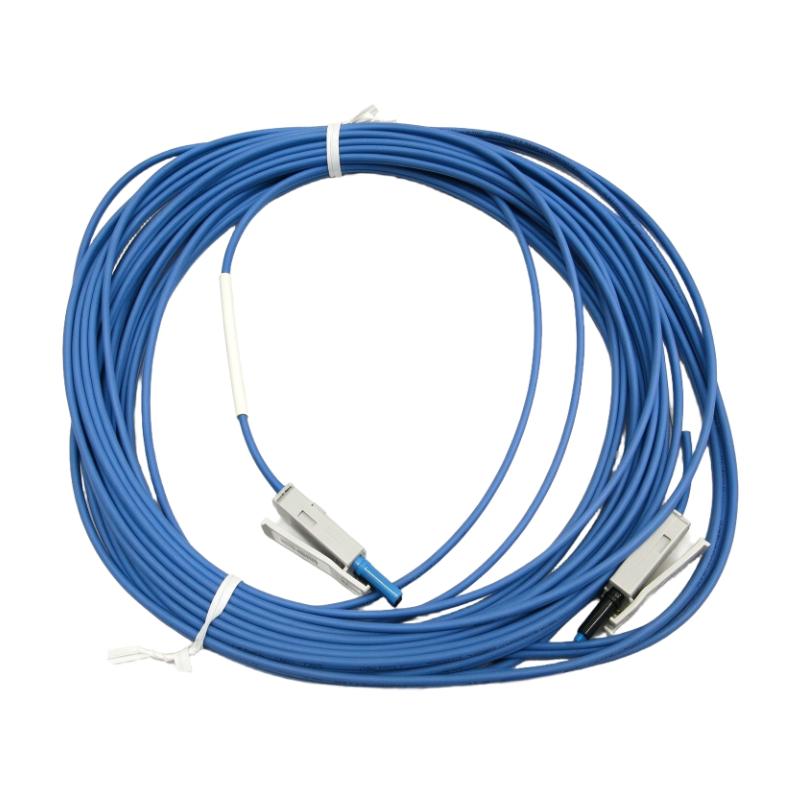
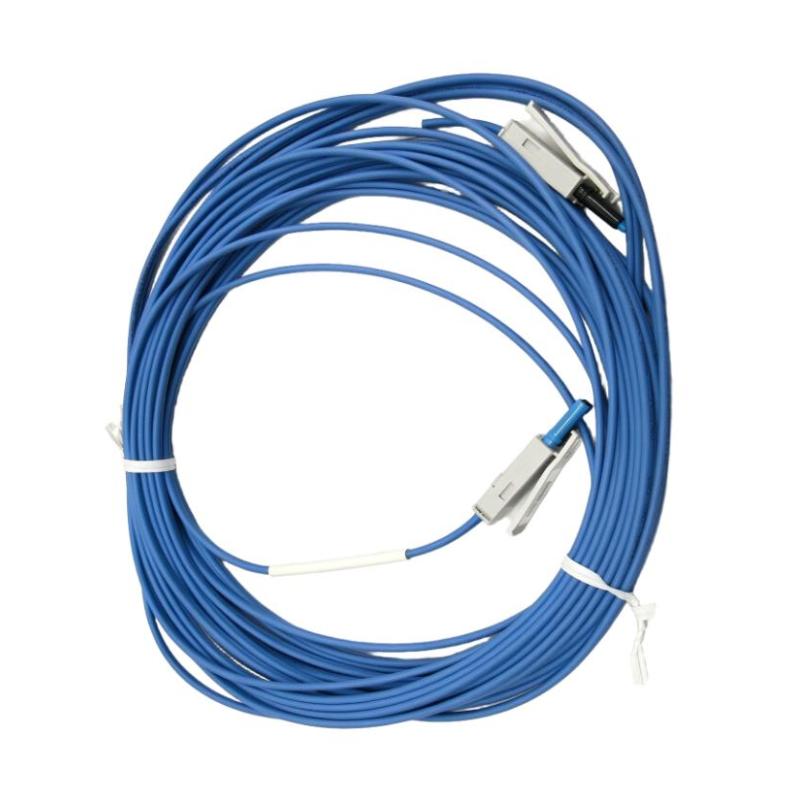
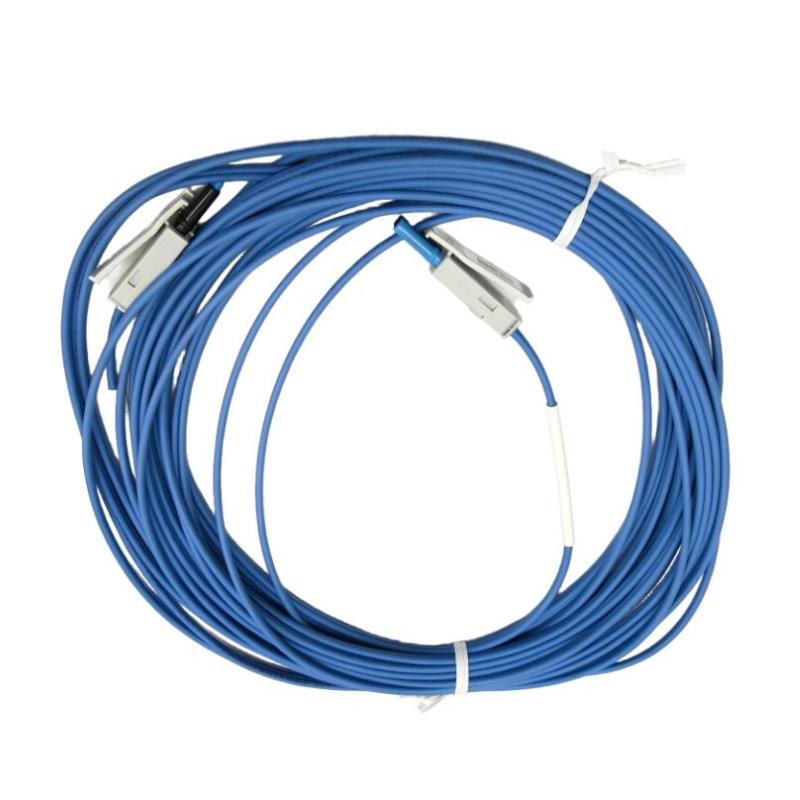
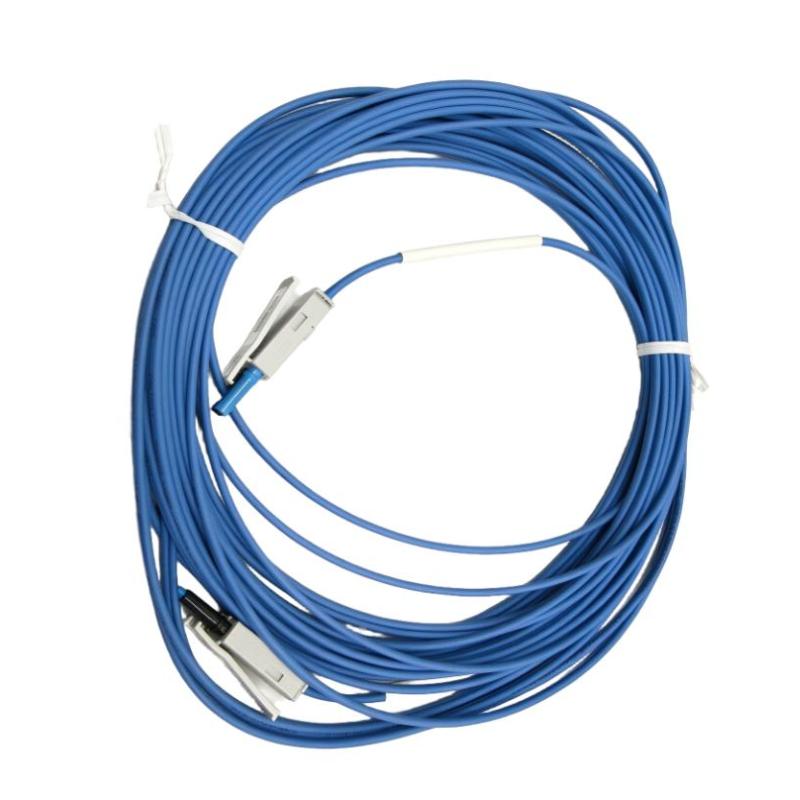
- Allen Bradley
- 1786-FS200
- ControlNet Fiber Optic Cable Assembly
- USA
- 200 meters
- 3 kg
- Xiamen, China
- New & In Stock
- T/T, PayPal, Western Union
- 1 Year
- 1-3 Working Days
- DHL, UPS, TNT, FedEx and EMS.
- 24-Hour Service
- COO
- 5
Our advantage

Global Logistics
We have a 10-year logistics and express cooperation agreement, so our products can be shipped to any place in the world.

Brand new and original
Our products are imported in bulk from the place of origin. Because of the cooperative relationship, our products are all original and 100% new.

24-hour service
We provide 7*24 hours service to our customers. We will be there whenever you need us.

Price advantage
All our products are priced very favorably because we have our own warehouse and supply.
| Company Information | |||
| [email protected] | |||
| Mobile | +8615980777398 | ||
| +8615980777398 | |||
| 15980777398 |
Product Overview
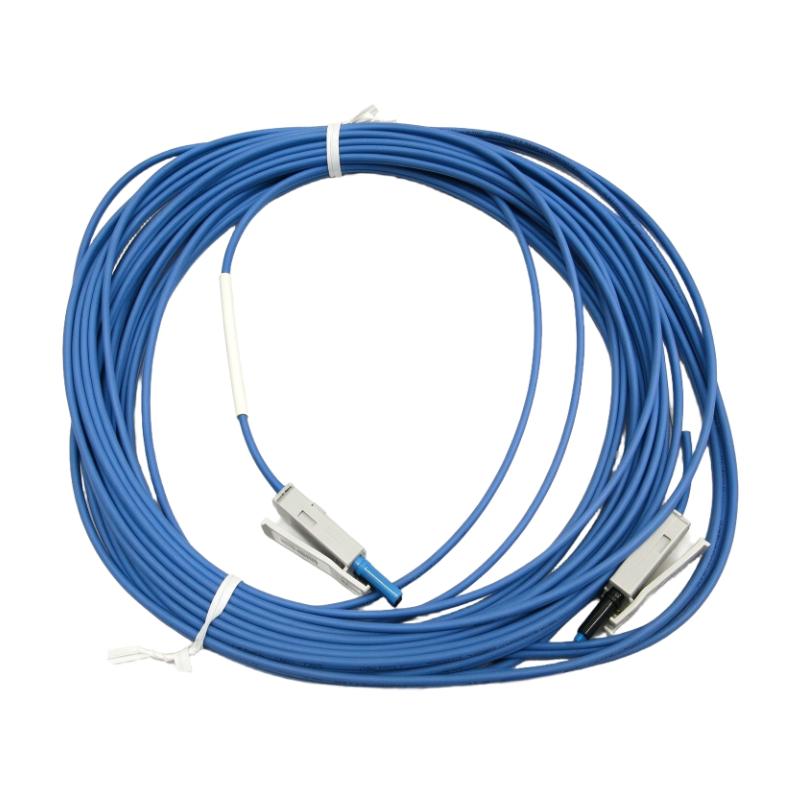
The Allen-Bradley 1786-FS200 is a 200-meter preassembled fiber optic cable for Allen-Bradley ControlNet communication networks. It belongs to the 1786-FS short-distance fiber cable family and provides an optical connection between compatible ControlNet fiber repeater interfaces.
The cable is intended for installations using the 1786-RPFS short-distance fiber repeater. It uses 200-micron fiber and factory-terminated V-pin connectors, allowing the optical connection to be installed without performing field connector termination.
In a large manufacturing facility, ControlNet equipment may be distributed across production areas, electrical rooms, and separate machine enclosures. Extending a coaxial network through every section is not always the preferred arrangement, particularly where electrical interference or isolation between equipment areas needs to be considered. The 1786-FS200 offers a preassembled optical connection for these situations.
Its 200-meter cable length makes it suitable for longer connections within the short-distance fiber repeater architecture. Compared with the 1786-FS20, it provides substantially more routing distance while retaining the same general fiber technology and connector arrangement.
The cable is a passive communication medium. It carries optical signals between compatible interfaces but does not independently convert electrical signals, regenerate network data, or control communication traffic. These functions are performed by the connected repeater modules.
For maintenance personnel, connector protection and cable routing deserve particular attention. Dust on the optical interfaces, excessive bending, or physical damage can increase transmission loss and cause communication interruptions. Proper handling is especially important when routing a longer cable through industrial cable trays and equipment rooms.
Technical Specifications
| Parameter | Specification |
|---|---|
| Manufacturer | Allen-Bradley |
| Brand | Rockwell Automation |
| Model | 1786-FS200 |
| Product Series | ControlNet |
| Product Type | ControlNet Fiber Optic Cable Assembly |
| Cable Assembly Type | Short-Distance Fiber Optic Cable |
| Fiber Type | 200/230 µm HCS (Hard-Clad Silica) |
| Fiber Termination Type | Versalink V-System |
| Connector Configuration | V-Pin Connectors |
| Cable Jacket | PVC |
| Operating Wavelength | 650 nm |
| Optical Power Budget | 4.2 dB |
| Maximum Pull Tension | 490 N |
| Cyclic Flexing | More Than 5,000 Cycles |
| Minimum Bend Radius | 25 mm |
| Operating Temperature | -20 to +80°C |
| Non-Operating Temperature | -40 to +80°C |
| Compatible Fiber Repeater | 1786-RPFS |
| Network Compatibility | Allen-Bradley ControlNet |
| Application | Short-Distance Fiber Communication |
| Cable Length | 200 meters |
| Shipping Weight | 3 kg |
Product Features
- 200-Meter Cable Assembly: Provides an extended optical connection for ControlNet installations requiring longer cable routes.
- 200/230 µm HCS Fiber: Uses hard-clad silica fiber specified for the short-distance repeater system.
- Factory-Terminated V-Pin Connectors: Supports direct connection to compatible Versalink V-System interfaces.
- 1786-RPFS Compatibility: Intended for use with Allen-Bradley short-distance fiber repeater modules.
- Electromagnetic Interference Immunity: Optical transmission avoids direct electromagnetic interference coupling into the communication signal.
- Preassembled Construction: Eliminates the need for on-site fiber connector termination.
- Passive Transmission: Carries optical signals without requiring an independent power supply.
- PVC Cable Jacket: Provides external protection during normal industrial installation.
- Extended Network Routing: Allows ControlNet fiber interfaces to be connected across separated equipment areas.
- Mixed-Media Network Support: Can be incorporated into ControlNet architectures combining coaxial and fiber communication.
Product Working Principle
The 1786-FS200 transfers ControlNet communication signals through an optical fiber connection between compatible repeater interfaces.
In a conventional ControlNet network, electrical signals travel through coaxial trunk cables. When an optical connection is required, the 1786-RPFS repeater converts the electrical communication signals into optical signals for transmission through the fiber cable.
The 1786-FS200 carries these optical signals through its HCS fiber core. At the receiving end, the connected optical interface converts the signals back into electrical communication signals for the next network section.
A simplified communication path is:
ControlNet Coaxial Network → 1786-RPA → 1786-RPFS → 1786-FS200 → Remote Fiber Interface → ControlNet Network
The cable itself does not perform electrical-to-optical conversion. Its function is to maintain the optical transmission path between the connected devices.
The 200/230 µm HCS fiber construction is matched to the short-distance repeater architecture. The V-pin connectors establish the optical connection with the corresponding Versalink interfaces.
One important consideration is the total optical attenuation across the connection. The short-distance fiber system specifies a 4.2 dB optical power budget. This allowance includes losses associated with the fiber, connectors, splices, and other parts of the optical link.
Because the cable is 200 meters long, installation planning should account for the complete cable route and the condition of both connector interfaces. Excessive bending, pulling, or crushing can increase optical loss and affect communication performance.
Role in Allen-Bradley ControlNet Network Architecture
The 1786-FS200 serves as the optical transmission medium in an Allen-Bradley ControlNet fiber repeater arrangement. It connects compatible short-distance fiber interfaces and allows communication signals to pass between separated network sections.
In a mixed-media architecture, coaxial cable may be used for the main ControlNet trunk, while fiber links connect selected areas where electrical isolation or separation is required.
A typical arrangement is:
ControlNet Coaxial Trunk → Network Tap → 1786-RPA → 1786-RPFS → 1786-FS200 → Remote Fiber Repeater → ControlNet Network
| System Component | Function |
|---|---|
| Allen-Bradley 1786-FS200 | Provides a 200-meter optical communication connection |
| 1786-RPA | Provides the modular repeater adapter interface |
| 1786-RPFS | Converts ControlNet coaxial communication into short-distance fiber signals |
| 1786-RG6 | Carries communication signals through coaxial trunk media |
| 1786-XT | Terminates the coaxial trunk segment |
| 1786-TPS | Provides a straight coaxial network tap |
| 1786-TPR | Provides a right-angle coaxial network tap |
| ControlNet Communication Modules | Connect PLC controllers to the ControlNet network |
| Remote I/O Adapters | Interface distributed I/O stations with the network |
| 24 V DC Power Supply | Supplies the modular repeater adapter |
The 1786-FS200 is suitable for longer optical connections within the 1786-RPFS short-distance repeater architecture, provided the complete fiber link meets the applicable attenuation requirements.
Industrial Applications
The 1786-FS200 is used in industrial automation installations where ControlNet communication needs to extend between separated equipment areas through optical fiber.
| Industrial Application | Typical Use |
|---|---|
| Automotive Manufacturing | Connecting ControlNet fiber repeater interfaces across production sections |
| Steel Manufacturing | Establishing optical communication links around high-power electrical equipment |
| Power Generation | Connecting network sections between separate control and electrical rooms |
| Oil and Gas Automation | Linking distributed automation enclosures through fiber media |
| Chemical Processing | Connecting ControlNet equipment across separated process areas |
| Water Treatment | Providing communication links between remote control cabinets |
| Mining Operations | Connecting automation network sections across industrial facilities |
| Material Handling | Linking conveyor control systems and distributed equipment |
| Industrial Drive Systems | Connecting compatible fiber interfaces in drive control installations |
| General Manufacturing | Extending ControlNet communication across larger production areas |
Installation and Maintenance
- Verify Cable Compatibility: Confirm that the 1786-FS200 is being used with compatible 200/230 µm HCS fiber interfaces and the appropriate ControlNet repeater hardware.
- Check Repeater Interfaces: Verify that the connected equipment supports the V-pin connector arrangement used by the short-distance fiber system.
- Inspect the Cable Assembly: Examine the cable jacket and connector ends for cuts, deformation, contamination, or visible mechanical damage.
- Clean the Connectors: Clean both optical connector surfaces using suitable fiber cleaning materials before connecting the cable.
- Protect Unused Connectors: Keep protective caps installed whenever the cable is disconnected from the repeater modules.
- Plan the Cable Route: Map the complete 200-meter cable route before installation, avoiding sharp edges, moving machinery, and areas exposed to crushing forces.
- Maintain the Bend Radius: Keep the cable bend radius at or above the specified minimum of 25 mm throughout the installation.
- Control Pulling Force: Do not exceed the maximum pulling tension of 490 N when routing the cable through trays or conduits.
- Connect the Fiber Interfaces: Align the V-pin connectors with the corresponding Versalink ports on the compatible repeater modules.
- Provide Cable Support: Secure the cable at appropriate intervals to prevent unsupported sections from placing excessive mechanical load on the connectors.
- Verify Optical Communication: Restore the network and check repeater status and communication between the connected ControlNet sections.
- Document and Store: Record the cable route and connection points. If the cable is removed, reinstall protective caps and store it in a location where it cannot be crushed, kinked, or contaminated.
For a 200-meter installation, troubleshooting should include inspection of the entire accessible cable route rather than only the connector ends. Localized damage or excessive bending can increase optical attenuation even when the repeater modules remain operational.
Compatible System Components
| Component | Function |
|---|---|
| Allen-Bradley 1786-FS200 | 200-meter ControlNet fiber cable assembly |
| Allen-Bradley 1786-FS10 | 10-meter ControlNet fiber cable assembly |
| Allen-Bradley 1786-FS20 | 20-meter ControlNet fiber cable assembly |
| Allen-Bradley 1786-FS60 | 60-meter ControlNet fiber cable assembly |
| Allen-Bradley 1786-FS100 | 100-meter ControlNet fiber cable assembly |
| Allen-Bradley 1786-FS300 | 300-meter ControlNet fiber cable assembly |
| Allen-Bradley 1786-FSB500 | 500-meter bulk ControlNet fiber cable |
| Allen-Bradley 1786-FSKIT | ControlNet fiber connector kit |
| Allen-Bradley 1786-RPFS | ControlNet short-distance fiber repeater |
| Allen-Bradley 1786-RPA | ControlNet modular repeater adapter |
| Allen-Bradley 1786-RG6 | ControlNet RG-6 coaxial trunk cable |
Recommended Related Models
| Model / Product | Product Type | Typical Application |
|---|---|---|
| Allen-Bradley 1786-FS100 | ControlNet Fiber Optic Cable Assembly, 100 m | Shorter optical connections between repeater interfaces |
| Allen-Bradley 1786-FS300 | ControlNet Fiber Optic Cable Assembly, 300 m | Longer connections within the short-distance fiber system |
| Allen-Bradley 1786-FSB500 | ControlNet Bulk Fiber Optic Cable, 500 m | Custom fiber cable preparation |
| Allen-Bradley 1786-FSKIT | ControlNet Fiber Connector Kit | Terminating compatible bulk fiber cable |
| Allen-Bradley 1786-RPFS | ControlNet Short-Distance Fiber Repeater | Connecting coaxial and short-distance fiber media |
| Allen-Bradley 1786-RPA | ControlNet Modular Repeater Adapter | Providing the modular repeater system interface |
Key Advantages
- 200-meter preassembled optical connection for ControlNet networks.
- 200/230 µm HCS fiber construction.
- Factory-terminated V-pin connectors.
- Compatible with the 1786-RPFS short-distance fiber repeater.
- Optical transmission avoids direct electromagnetic interference coupling.
- Reduces field connector termination work.
- Supports mixed coaxial and fiber ControlNet network architectures.
Technical FAQs
1. Which ControlNet repeater is compatible with the 1786-FS200?
The 1786-FS200 is a short-distance fiber cable assembly intended for use with the Allen-Bradley 1786-RPFS repeater. It uses 200-micron HCS fiber and V-pin connectors for the corresponding repeater interface.
2. Can the 1786-FS200 be used for a 200-meter ControlNet fiber connection?
Yes. The 1786-FS200 is the 200-meter preassembled cable option in the 1786-FS family. The complete optical connection must still meet the 1786-RPFS system’s 4.2 dB optical power budget.
3. What is the difference between the 1786-FS200 and the 1786-FS300?
Both are preassembled short-distance ControlNet fiber cable assemblies using the same general fiber and connector architecture. The FS200 provides a 200-meter cable, while the FS300 provides a 300-meter cable. The appropriate selection depends on the actual routing distance and the optical link requirements.
4. Why is cable routing especially important for the 1786-FS200?
A longer cable route introduces more opportunities for bending, pulling, crushing, and connector contamination. These conditions can increase optical attenuation. Maintaining the minimum bend radius, controlling pulling force, and protecting the connector ends help preserve communication performance.