

ProductPRODUCT
Featured products
Contact Us
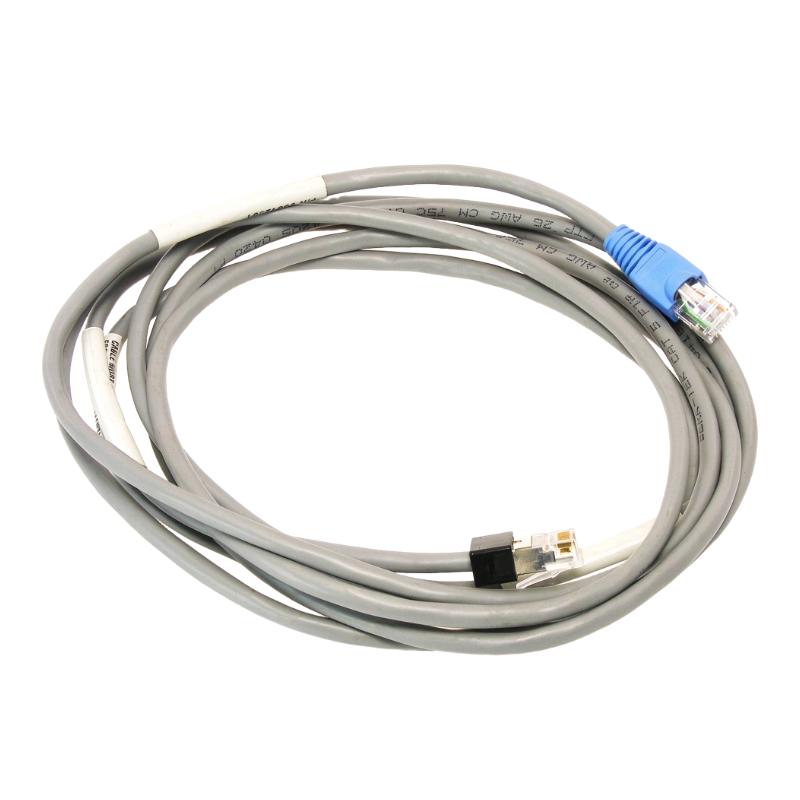
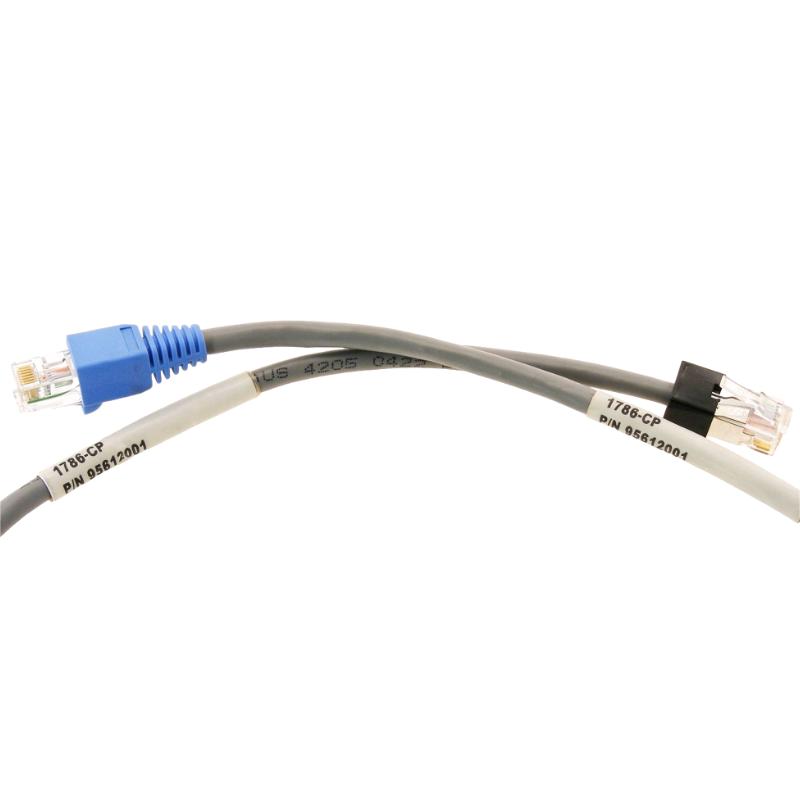
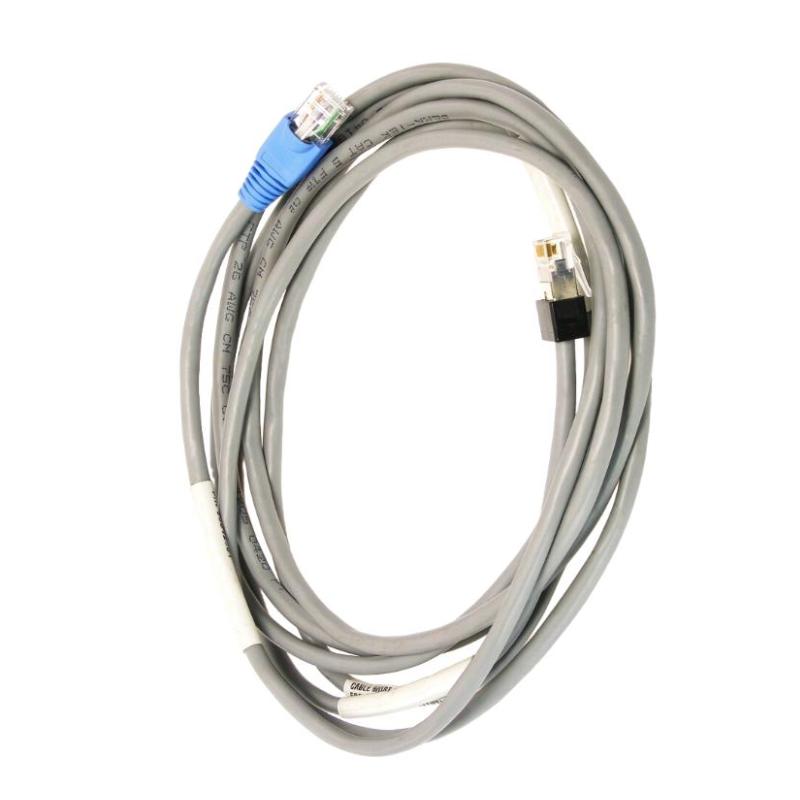
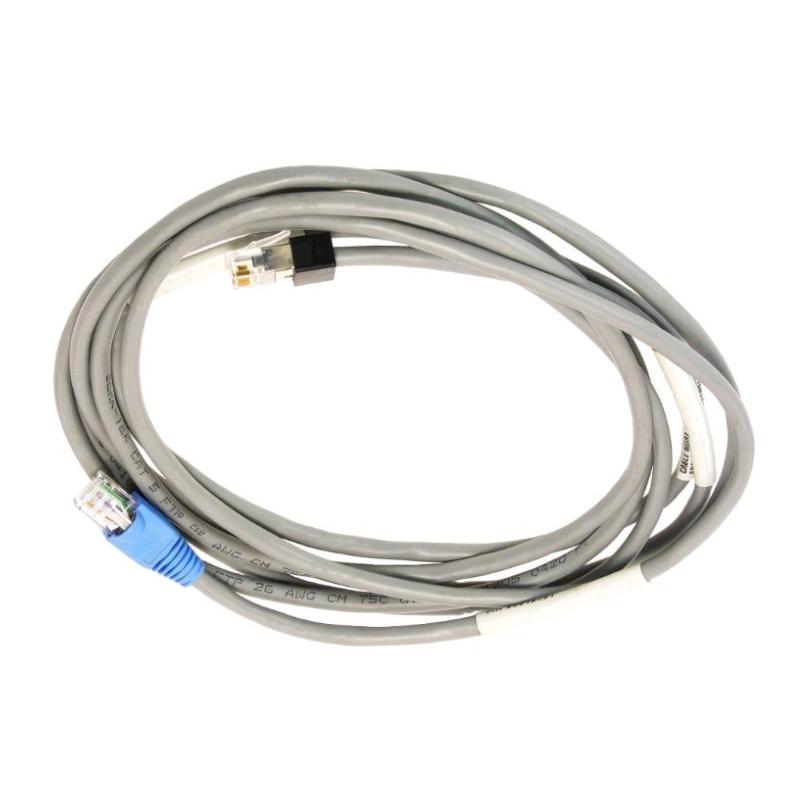
- Allen Bradley
- 1786-CP
- ControlNet Programming Cable
- USA
- 10 feet
- 3 kg
- Xiamen, China
- New & In Stock
- T/T, PayPal, Western Union
- 1 Year
- 1-3 Working Days
- DHL, UPS, TNT, FedEx and EMS.
- 24-Hour Service
- COO
- 6
Our advantage

Global Logistics
We have a 10-year logistics and express cooperation agreement, so our products can be shipped to any place in the world.

Brand new and original
Our products are imported in bulk from the place of origin. Because of the cooperative relationship, our products are all original and 100% new.

24-hour service
We provide 7*24 hours service to our customers. We will be there whenever you need us.

Price advantage
All our products are priced very favorably because we have our own warehouse and supply.
| Company Information | |||
| [email protected] | |||
| Mobile | +8615980777398 | ||
| +8615980777398 | |||
| 15980777398 |
Product Overview
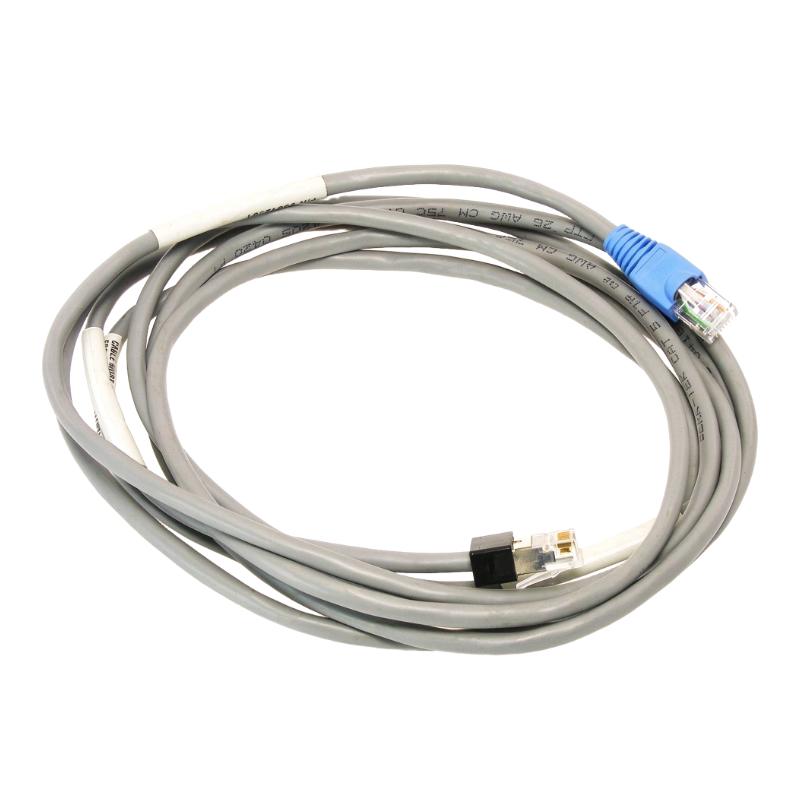
The Allen-Bradley 1786-CP is a ControlNet Network Access Cable used to connect a programming device to an intelligent device on a ControlNet network through its Network Access Port (NAP). It provides a direct access path for engineering workstations, programming terminals, and other supported programming equipment to communicate with PLC processors, scanners, and adapters.
In industrial automation systems, engineers often need to access a running ControlNet network for controller programming, configuration changes, diagnostics, or troubleshooting. The 1786-CP allows a programming device to connect locally through the NAP of a compatible ControlNet device without requiring a permanent connection to the main coaxial trunk cable.
The cable is particularly useful during commissioning and maintenance of PLC-5 ControlNet systems, distributed I/O installations, and machine control networks. A technician can connect a programming terminal at an accessible NAP on a controller or communication device and perform network-related engineering tasks.
One important characteristic of the 1786-CP is its dedicated wiring arrangement. It is not a straight-through cable. Its internal signal connections are specifically arranged for ControlNet network access, including the required transmit, receive, reference, and 24 V DC connections.
The cable also has a specific application limitation: it should be used for temporary local programming access through a NAP, not as a general-purpose connection between ControlNet devices. Incorrect connections, particularly using an ordinary RJ-style cable or connecting separate network segments, can cause communication problems.
For maintenance engineers working with legacy Allen-Bradley ControlNet installations, the 1786-CP serves as a dedicated programming access accessory that simplifies local network diagnostics and controller maintenance.
Technical Specifications
| Parameter | Specification |
|---|---|
| Manufacturer | Allen-Bradley |
| Brand | Rockwell Automation |
| Model | 1786-CP |
| Product Series | ControlNet |
| Product Type | ControlNet Programming Cable |
| Official Product Designation | ControlNet Network Access Cable |
| Cable Function | Programming Device Network Access |
| Connection Interface | Network Access Port (NAP) |
| Application | Temporary Local Programming Access |
| Compatible Devices | Workstations, PLC Processors, Scanners and Adapters |
| Cable Configuration | Non-Straight-Through Wiring |
| Signal Connections | Transmit, Receive, Ground Reference and 24 V DC |
| Cable Length | 10 feet |
| Shipping Weight | 3 kg |
Product Features
- Dedicated ControlNet Access: Connects programming equipment to compatible ControlNet devices through their Network Access Ports.
- Local Programming Connection: Allows engineers to access the network without connecting directly to the main coaxial trunk.
- Non-Straight-Through Wiring: Uses a specific internal pin arrangement for ControlNet network access.
- Multiple Device Applications: Supports access through compatible workstations, PLC processors, scanners, and adapters.
- Integrated Signal Connections: Carries the required transmit, receive, ground-reference, and 24 V DC connections.
- Maintenance Accessibility: Simplifies local controller programming, configuration, and network troubleshooting.
- Dedicated Network Access Design: Avoids the connection problems associated with using an ordinary RJ-style cable.
- Temporary Connection: Intended for local programming access rather than permanent network connection.
- ControlNet System Compatibility: Fits into the established Allen-Bradley ControlNet communication environment.
Product Working Principle
The 1786-CP establishes a communication connection between a programming device and a ControlNet node through the node’s Network Access Port.
Unlike a conventional straight-through communication cable, the 1786-CP uses a specific internal wiring arrangement. Its transmit and receive signal paths are connected according to the ControlNet NAP pin configuration, with additional connections for ground reference and 24 V DC.
A typical connection arrangement is:
Programming Terminal → 1786-CP → ControlNet Network Access Port → ControlNet Device → ControlNet Network
When connected to a compatible ControlNet device, the cable provides the physical communication path required for the programming terminal to access the network.
For example, during PLC commissioning, an engineer can connect a programming workstation to the NAP on a ControlNet communication module. The workstation can then participate in network communication for controller programming and diagnostics.
A programming terminal connected through the 1786-CP is counted as a ControlNet network node. It must therefore have a unique network address to participate correctly in network communication.
The cable has several specific connection restrictions. It must not be used to connect a scanner or adapter directly to a PLC processor, connect two separate ControlNet segments, or establish multiple simultaneous connections from the same programming device to the ControlNet system.
These restrictions are important because the 1786-CP is intended for a specific network access function rather than general-purpose device interconnection.
Role in Allen-Bradley ControlNet Network Architecture
The 1786-CP operates at the physical access level of an Allen-Bradley ControlNet network. It provides a temporary connection between an engineering workstation and an existing network node through the NAP.
In a typical ControlNet architecture, PLC processors and communication modules exchange data through the coaxial trunk network. Remote I/O adapters, scanners, and other intelligent devices participate as network nodes.
The 1786-CP allows a programming terminal to access this communication environment locally without requiring a separate connection to the main trunk cable.
A simplified connection arrangement is:
Programming Workstation → 1786-CP → Network Access Port → ControlNet Node → ControlNet Trunk Network
| System Component | Function |
|---|---|
| Allen-Bradley PLC-5 Controller | Executes control logic and manages automation operations |
| ControlNet Communication Module | Provides network communication for the controller |
| 1786-CP | Connects a programming device through the ControlNet NAP |
| 1784-KTC / 1784-KTCx | Provides a ControlNet communication interface for compatible programming computers |
| 1770-KFC | Provides a communication interface for programming terminal connections |
| ControlNet Network Access Port | Provides a local access point for programming equipment |
| ControlNet Trunk Cable | Carries communication signals between network nodes |
| ControlNet Taps | Connect individual devices to the coaxial trunk |
| Remote I/O Adapters | Interface distributed I/O stations with the ControlNet network |
| RSNetWorx for ControlNet | Supports network configuration and diagnostics |
The 1786-CP is especially useful when engineers need temporary access to a ControlNet installation for commissioning, troubleshooting, or controller configuration without changing the permanent network cabling arrangement.
Industrial Applications
The 1786-CP is primarily used in industrial automation environments where Allen-Bradley ControlNet networks require local programming and maintenance access.
| Industrial Application | Typical Use |
|---|---|
| Automotive Manufacturing | Connecting engineering workstations to PLC-based ControlNet machine networks |
| Packaging Machinery | Accessing controllers for machine configuration and troubleshooting |
| Material Handling | Performing diagnostics on ControlNet conveyor control systems |
| Power Generation | Providing local programming access to compatible control equipment |
| Oil and Gas Automation | Connecting maintenance terminals to ControlNet-based automation devices |
| Chemical Processing | Accessing PLC processors and communication modules during maintenance |
| Water Treatment | Performing controller diagnostics in distributed ControlNet installations |
| Steel Manufacturing | Supporting programming and troubleshooting of industrial PLC networks |
| Assembly Automation | Connecting programming equipment during machine commissioning |
| General Manufacturing | Providing temporary engineering access to ControlNet network nodes |
Installation and Maintenance
- Verify the Cable Model: Confirm that the cable is Allen-Bradley 1786-CP and that the application requires a dedicated ControlNet Network Access Cable.
- Identify the Network Access Port: Locate the NAP on the compatible ControlNet processor, scanner, adapter, or other intelligent device.
- Check Programming Equipment Compatibility: Verify that the programming terminal and its communication interface are suitable for the intended ControlNet connection.
- Inspect the Cable Condition: Check the cable connectors, insulation, and wiring for visible damage before installation.
- Confirm the Connection Arrangement: Ensure that the cable will be used for local programming access rather than connecting two independent ControlNet devices.
- Connect the Programming Device: Attach the appropriate end of the 1786-CP to the programming equipment and the other end to the target device’s NAP.
- Avoid Ordinary RJ Cables: Do not substitute a commercially available RJ-style cable for the 1786-CP, as the wiring arrangement may cause ControlNet communication failures.
- Check Network Addressing: Ensure that the programming terminal has a unique network address when participating as a ControlNet node.
- Establish Programming Communication: Open the appropriate programming or network configuration software and verify communication with the target device.
- Avoid Multiple Simultaneous Connections: Do not use the 1786-CP to establish more than one connection to the ControlNet cable system.
- Disconnect After Maintenance: Remove the cable when local programming or diagnostic work is complete. The NAP is intended for temporary access, not permanent connection.
- Inspect and Store the Cable: Check the connector condition after use and store the cable in a protected location to prevent damage during subsequent maintenance operations.
An additional safety consideration applies when connecting or disconnecting the NAP cable. If the equipment is installed in a hazardous location, follow the applicable electrical safety procedures and ensure that the area is safe before making the connection.
Compatible System Components
| Component | Function |
|---|---|
| Allen-Bradley 1786-CP | ControlNet Network Access Cable |
| Allen-Bradley 1784-KTC | ControlNet communication interface card |
| Allen-Bradley 1784-KTCx | ControlNet communication interface card |
| Allen-Bradley 1770-KFC | ControlNet communication interface |
| Allen-Bradley PLC-5 ControlNet Processors | Provide PLC control and network communication |
| Allen-Bradley ControlNet Scanners | Manage ControlNet communication with connected devices |
| Allen-Bradley ControlNet Adapters | Connect remote I/O and other devices to the network |
| Allen-Bradley 1786-RG6 | ControlNet RG-6 coaxial trunk cable |
| Allen-Bradley 1786-TPR | Right-angle ControlNet T-tap |
| Allen-Bradley 1786-TPS | Straight ControlNet T-tap |
| RSNetWorx for ControlNet | Network configuration and diagnostic software |
Recommended Related Models
| Model / Product | Product Type | Typical Application |
|---|---|---|
| Allen-Bradley 1784-KTC | ControlNet Communication Interface Card | Connecting compatible programming computers to ControlNet |
| Allen-Bradley 1784-KTCx | ControlNet Communication Interface Card | Providing ControlNet access for engineering workstations |
| Allen-Bradley 1784-PCC | ControlNet PCMCIA Communication Card | Connecting portable computers to ControlNet networks |
| Allen-Bradley 1770-KFC | ControlNet Communication Interface | Providing programming terminal communication access |
| Allen-Bradley 1786-RG6 | ControlNet Coaxial Trunk Cable | Establishing the main coaxial network connection |
| Allen-Bradley 1786-BNC | ControlNet Coaxial BNC Connector | Connecting RG-6 coaxial cables to ControlNet network components |
Key Advantages
- Dedicated cable for ControlNet local programming access.
- Connects engineering workstations through compatible NAP interfaces.
- Supports PLC programming, network configuration, and diagnostics.
- Uses a specific ControlNet signal wiring arrangement.
- Avoids inappropriate connections using ordinary RJ-style cables.
- Allows temporary network access without modifying the main trunk cabling.
- Suitable for commissioning and maintenance of ControlNet-based automation systems.
Technical FAQs
1. What is the main purpose of the Allen-Bradley 1786-CP?
The 1786-CP is used to connect a programming device to a compatible ControlNet node through its Network Access Port. It allows engineers to access PLC processors, scanners, adapters, and other intelligent devices for programming and troubleshooting.
2. Is the 1786-CP a standard straight-through communication cable?
No. The 1786-CP has a dedicated non-straight-through wiring configuration. Its internal transmit and receive connections are arranged for the ControlNet NAP interface, together with ground-reference and 24 V DC connections. It should not be replaced with an ordinary RJ-style cable.
3. Can the 1786-CP be used to connect two separate ControlNet network segments?
No. The cable is intended for programming device access through a NAP. It must not be used to connect two separate ControlNet segments or to connect a scanner or adapter directly to a PLC processor.
4. Does a programming workstation connected through the 1786-CP count as a ControlNet node?
Yes. A programming terminal connected through the 1786-CP participates as a network node and must have a unique network address. This requirement should be considered when configuring the ControlNet network and establishing programming communication.