

ProductPRODUCT
Featured products
Contact Us
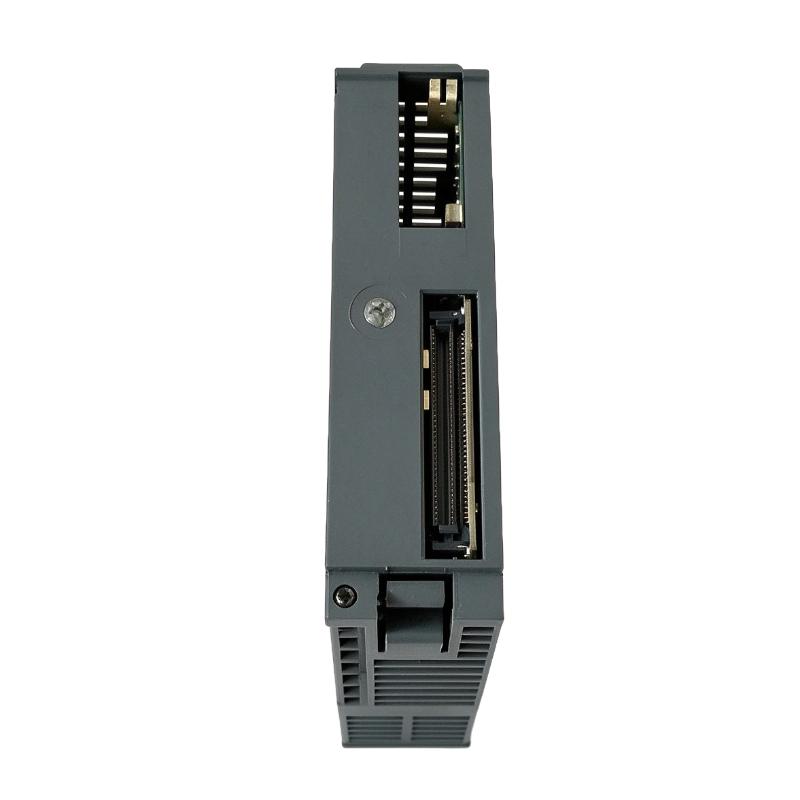
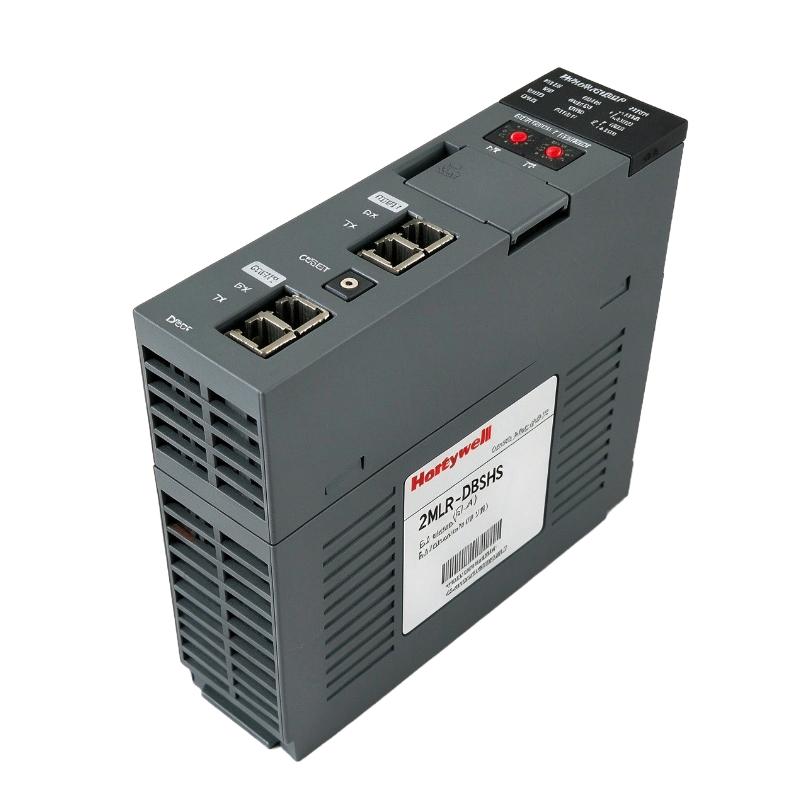
- Honeywell
- 2MLR-DBSHS
- Single-Mode Fiber Expansion Driver Module
- USA
- 150 × 25 × 100 mm
- 0.12 kg
- Xiamen, China
- New & In Stock
- T/T, PayPal, Western Union
- 1 Year
- 1-3 Working Days
- DHL, UPS, TNT, FedEx and EMS.
- 24-Hour Service
- COO
- 11
Our advantage

Global Logistics
We have a 10-year logistics and express cooperation agreement, so our products can be shipped to any place in the world.

Brand new and original
Our products are imported in bulk from the place of origin. Because of the cooperative relationship, our products are all original and 100% new.

24-hour service
We provide 7*24 hours service to our customers. We will be there whenever you need us.

Price advantage
All our products are priced very favorably because we have our own warehouse and supply.
| Company Information | |||
| [email protected] | |||
| Mobile | +8615980777398 | ||
| +8615980777398 | |||
| 15980777398 |
Product Overview
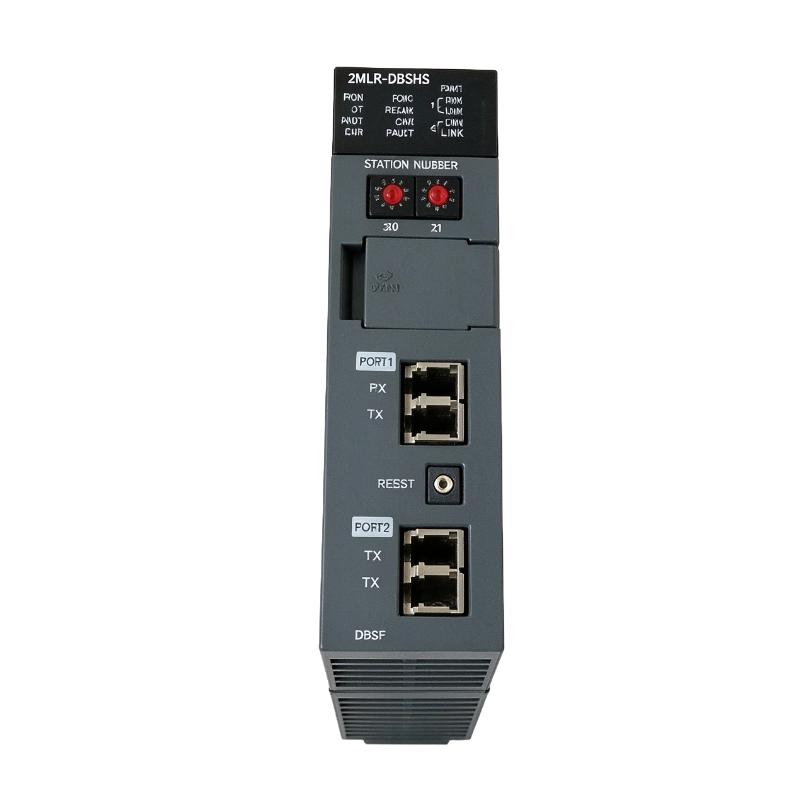
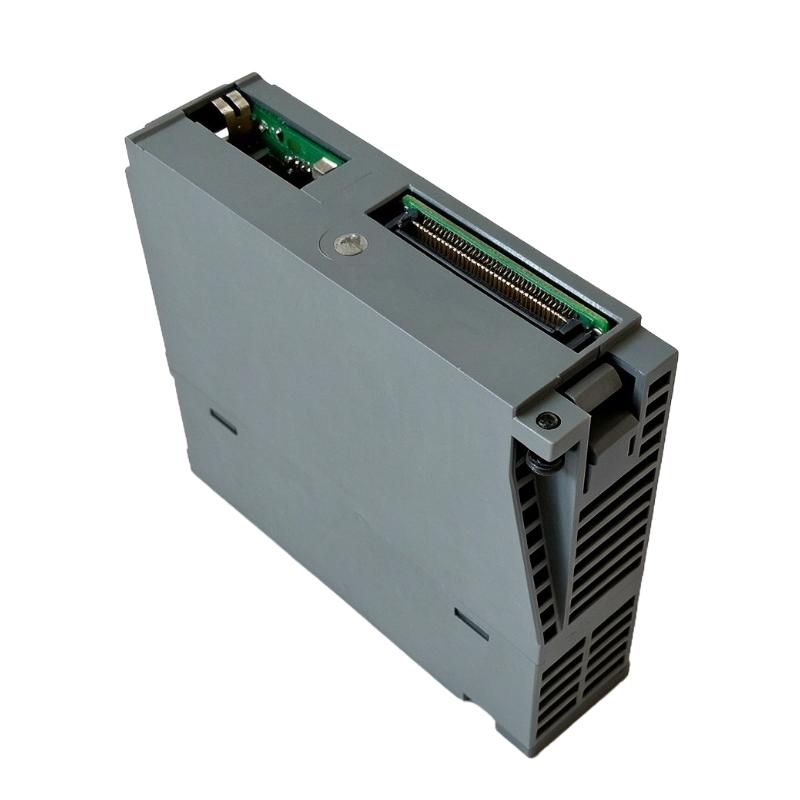
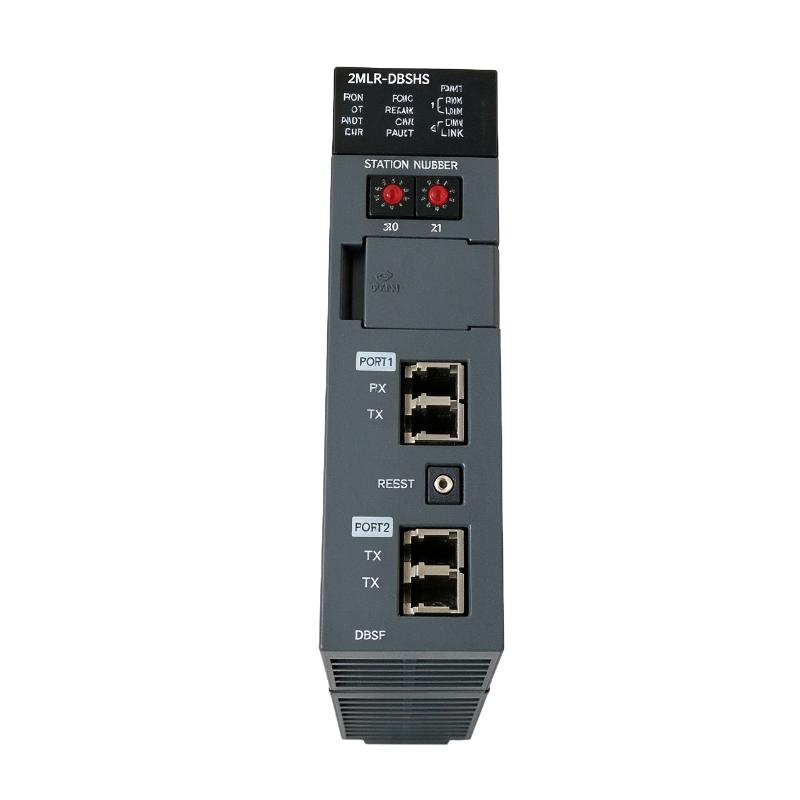
The Honeywell 2MLR-DBSHS is a hybrid expansion driver module for the MasterLogic-200R PLC platform, featuring a twisted-pair and single-mode fiber optic communication interface. It connects remote I/O expansion hardware to the main controller system, allowing distributed I/O stations to communicate with the central PLC through different transmission media.
In industrial facilities, the main controller and remote I/O cabinets are often installed in separate equipment areas. A production line, for example, may have its main PLC cabinet in a central control room while remote I/O stations are positioned near pumps, compressors, motors, and process equipment. The 2MLR-DBSHS supports this type of distributed arrangement through its hybrid communication interface.
The combination of twisted-pair and single-mode fiber communication is particularly useful when an expansion network includes both conventional electrical connections and longer optical communication routes. Engineers can select the appropriate medium according to cabinet locations, cable routing conditions, and the electrical environment of each installation area.
Unlike a standard fiber-only expansion driver, the hybrid interface supports two communication media within the same expansion network architecture. This makes the module relevant to installations that need to connect different sections of a plant without restricting the entire expansion network to one transmission method.
The 2MLR-DBSHS is part of the MasterLogic-200R expansion driver family. It handles communication between the controller architecture and remote I/O bases rather than performing CPU processing or directly acquiring field signals.
When selecting this module, the single-mode optical interface must be distinguished from the multimode configuration of the standard 2MLR-DBSH. The fiber type, optical connectors, twisted-pair connections, and corresponding expansion hardware should be checked as part of the complete network configuration.
Technical Specifications
| Parameter | Specification |
|---|---|
| Manufacturer | Honeywell |
| Model | 2MLR-DBSHS |
| Product Type | Single-Mode Fiber Expansion Driver Module |
| Product Series | MasterLogic-200R |
| Module Function | Hybrid Expansion Driver |
| Communication Media | Twisted-Pair / Single-Mode Fiber Optic |
| Electrical Communication | Twisted-Pair |
| Optical Communication | Single-Mode Fiber |
| Network Application | Remote I/O Expansion Communication |
| System Architecture | MasterLogic-200R |
| Station Number Range | 1–31 |
| Station Number 0 | Not Available |
| Loader Connection | Expansion Drive USB |
| Installation Position | CPU0 connector in expansion base |
| Dimensions | 150 × 25 × 100 mm |
| Weight | 0.12 kg |
Product Features
1. Hybrid Communication Interface
The 2MLR-DBSHS combines twisted-pair electrical communication with single-mode optical communication. This arrangement allows engineers to integrate different transmission media within a MasterLogic-200R expansion network.
2. Single-Mode Fiber Optic Connection
The optical communication section uses single-mode fiber. This is an important selection distinction when replacing or configuring expansion drivers in installations that use single-mode optical cabling.
3. Twisted-Pair Communication
The electrical interface supports twisted-pair communication between compatible expansion network components. This provides an alternative to optical transmission for suitable cabinet connections.
4. Distributed I/O Expansion
The module connects remote expansion bases to the main PLC architecture. Remote I/O stations can therefore be installed closer to field equipment instead of concentrating all I/O modules in the main controller cabinet.
5. Mixed Transmission Media
The combination of electrical and optical communication is useful in facilities where different sections have different cabling requirements. It allows the expansion network to accommodate both types of connections.
6. MasterLogic-200R Integration
The 2MLR-DBSHS belongs to the MasterLogic-200R expansion driver family. It works with the corresponding CPU, expansion base, and I/O hardware as part of the distributed controller architecture.
7. Station Address Configuration
The expansion network supports station numbers from 1 to 31. Station number 0 is unavailable, making correct address planning necessary when multiple expansion bases are connected.
8. USB Loader Connection
The expansion driver architecture includes a USB loader connection for applicable configuration and service procedures. This interface is relevant during module setup and maintenance.
9. Dedicated Expansion Base Installation
The module is installed at the CPU0 connector position of the compatible expansion base. Correct installation and hardware compatibility are necessary for communication with the remote I/O arrangement.
10. Flexible Network Planning
The hybrid interface is useful when a plant contains both electrically connected equipment areas and locations requiring optical communication. It gives engineers an alternative to using separate single-medium expansion arrangements throughout the installation.
Working Principle
The 2MLR-DBSHS functions as a hybrid communication interface within the MasterLogic-200R expansion network. Its purpose is to transfer I/O communication data between the main controller and remote expansion bases using the supported twisted-pair and single-mode optical connections.
During normal PLC operation, the main CPU executes the application program and processes information received from the installed I/O modules. The expansion driver provides the communication path through which remote I/O stations participate in the controller’s data exchange.
The two communication media serve different physical connection requirements. Twisted-pair wiring can be used for compatible electrical network segments, while single-mode fiber carries communication over the optical section of the network.
For example, consider a process facility with a main control cabinet, a nearby pump room, and a remote production building. The electrical communication interface may be suitable for a local cabinet connection, while the optical section can be used for the longer route between separated areas.
When the PLC requests information from a remote I/O station, the expansion communication system transfers the corresponding data through the configured network. Output information travels through the same expansion architecture so that remote devices can respond to commands generated by the control program.
The hybrid arrangement also requires careful network planning. Engineers must verify the communication medium at each connection, use compatible optical components, and assign valid station numbers to the expansion bases.
Typical Communication Sequence:
- The main CPU executes the PLC application program.
- The controller exchanges I/O information with the expansion communication system.
- The 2MLR-DBSHS provides the hybrid communication interface.
- Communication data travels through the configured twisted-pair or single-mode optical connection.
- The remote expansion interface receives the transmitted information.
- The remote I/O base exchanges the corresponding field input and output data.
- The controller processes the updated information as part of the programmed control sequence.
Role in MasterLogic-200R Control Architecture
Within the MasterLogic-200R architecture, the 2MLR-DBSHS functions as a hybrid expansion driver. It connects the controller’s expansion network to remote I/O hardware using both electrical and optical communication media.
Its role differs from the CPU communication interface. The CPU manages controller processing and communication at the main controller level, while the expansion driver handles communication associated with remote I/O bases.
The MasterLogic-200R platform includes several expansion driver configurations. These include fiber-optic, twisted-pair, hybrid, and redundant versions. The correct model depends on the network topology and the transmission media required by the installation.
| Component | Product Type | Function |
|---|---|---|
| 2MLR-DBSHS | Single-Mode Fiber Hybrid Expansion Driver Module | Twisted-pair and single-mode optical communication |
| 2MLR-DBSH | Hybrid Expansion Driver Module | Twisted-pair and optical communication |
| 2MLR-DBSF | Fiber Optic Expansion Driver Module | Optical expansion communication |
| 2MLR-DBST | Twisted-Pair Expansion Driver Module | Electrical expansion communication |
| 2MLR-DBDH | Redundant Hybrid Expansion Driver Module | Redundant hybrid expansion communication |
| 2MLR-DBDF | Redundant Fiber Optic Expansion Driver Module | Redundant optical expansion communication |
| 2MLR-DBDT | Redundant Twisted-Pair Expansion Driver Module | Redundant electrical expansion communication |
| 2MLR-CPUH/T | Redundant CPU Module | Twisted-pair CPU communication |
| 2MLR-CPUH/F | Redundant CPU Module | Fiber-optic CPU communication |
| 2MLR-E12P | Expansion I/O Base | Remote I/O module installation |
| 2MLR-E12H | Redundant Expansion I/O Base | Redundant expansion configuration |
| 2MLR-AC22 | Redundant Power Supply Module | AC 220 V system power |
| 2MLR-AC12 | Redundant Power Supply Module | AC 110 V system power |
| 2MLR-DC42 | Redundant DC Power Supply Module | DC 24 V system power |
Industrial Applications
| Application | Typical Use |
|---|---|
| Oil and Gas Processing | Connecting remote I/O cabinets across different plant areas |
| Chemical Plants | Combining electrical and optical expansion communication |
| Power Generation | Connecting distributed monitoring and control stations |
| Water Treatment | Linking remote pumping and treatment equipment to the PLC |
| Steel Manufacturing | Using optical communication in electrically noisy production areas |
| Large Production Lines | Connecting separate machine sections through a hybrid I/O network |
| Compressor Control Systems | Linking remote equipment monitoring and control interfaces |
| Utility Automation | Connecting centralized PLC cabinets with distributed I/O stations |
Installation and Maintenance
- Verify Module Identification: Confirm that the installed unit is 2MLR-DBSHS and distinguish it from the standard 2MLR-DBSH hybrid module and other expansion driver variants.
- Check Fiber Type: Confirm that the optical connection uses compatible single-mode fiber. Do not substitute multimode fiber without verifying the optical interface requirements.
- Inspect Optical Connectors: Check connector compatibility and ensure that optical connections are properly seated and free from contamination.
- Inspect Fiber Routing: Avoid excessive bending, crushing, or mechanical stress along the optical cable route.
- Check Twisted-Pair Wiring: Verify the electrical communication connections, cable condition, and terminal assignments before commissioning.
- Verify Installation Position: Install the expansion driver in the designated CPU0 connector position of the compatible expansion base.
- Check Base Compatibility: Confirm that the expansion base and MasterLogic-200R configuration support the selected hybrid driver.
- Configure Station Numbers: Assign valid station numbers from 1 to 31. Station number 0 must not be used.
- Review Network Topology: Confirm which network sections use twisted-pair connections and which use single-mode optical connections.
- Check Communication Status: After startup, inspect the controller and expansion network status for missing stations or communication errors.
- Inspect USB Loader Connection: When performing configuration or service procedures, verify the appropriate USB loader connection and follow the applicable system instructions.
- Maintain Network Records: Document optical cable routes, electrical connections, station addresses, expansion base locations, and module identification for future troubleshooting.
Compatible System Components
| Model | Product Description | Application |
|---|---|---|
| 2MLR-CPUH/T | MasterLogic-200R Redundant CPU Module, Twisted-Pair Interface | Main controller communication |
| 2MLR-CPUH/F | MasterLogic-200R Redundant CPU Module, Fiber-Optic Interface | Fiber-based controller communication |
| 2MLR-DBSH | Hybrid Expansion Driver Module | Standard hybrid expansion communication |
| 2MLR-DBSF | Fiber Optic Expansion Driver Module | Optical expansion communication |
| 2MLR-DBST | Twisted-Pair Expansion Driver Module | Electrical expansion communication |
| 2MLR-DBDH | Redundant Hybrid Expansion Driver Module | Redundant hybrid communication |
| 2MLR-E12P | MasterLogic-200R 12-Slot Expansion Base | Remote I/O installation |
| 2MLR-E12H | Redundant Expansion I/O Base | Redundant remote I/O arrangement |
| 2MLR-AC22 | Redundant AC Power Supply Module | AC 220 V power supply |
| 2MLR-AC12 | Redundant AC Power Supply Module | AC 110 V power supply |
| 2MLR-DC42 | Redundant DC Power Supply Module | DC 24 V power supply |
| 2MLC-F201 | Multimode Fiber-Optic Sync Cable | Applicable fiber-optic synchronization arrangements |
Recommended Related Models
| Model | Product Description |
|---|---|
| 2MLR-DBSH | MasterLogic-200R Hybrid Expansion Driver Module |
| 2MLR-DBSF | MasterLogic-200R Fiber Optic Expansion Driver Module |
| 2MLR-DBST | MasterLogic-200R Twisted-Pair Expansion Driver Module |
| 2MLR-DBDH | MasterLogic-200R Redundant Hybrid Expansion Driver Module |
| 2MLR-CPUH/F | MasterLogic-200R Redundant CPU Module, Fiber-Optic Interface |
| 2MLR-E12P | MasterLogic-200R 12-Slot Expansion Base |
Key Advantages
- Hybrid twisted-pair and single-mode fiber communication.
- Supports mixed-media expansion network configurations.
- Single-mode optical communication interface.
- Electrical communication through twisted-pair connections.
- Suitable for distributed remote I/O arrangements.
- Integration with the Honeywell MasterLogic-200R architecture.
- Supports expansion station addressing from 1 to 31.
- USB loader connection for applicable service procedures.
- Installation through the CPU0 connector on the expansion base.
- Suitable for industrial installations with different communication distances and cabling conditions.
Technical FAQs
1. What does TP/FO(SM) mean in the 2MLR-DBSHS model description?
TP refers to twisted-pair electrical communication, while FO(SM) refers to single-mode fiber-optic communication. Together, they identify the hybrid communication arrangement of the 2MLR-DBSHS.
2. How does the 2MLR-DBSHS differ from the standard 2MLR-DBSH?
The 2MLR-DBSH is identified as a twisted-pair and optical hybrid expansion driver. The 2MLR-DBSHS specifically identifies the single-mode fiber version. This distinction matters when selecting optical cables and matching the communication interfaces at both ends of the network.
3. Can the 2MLR-DBSHS be used to connect remote I/O bases?
Yes. Its function is associated with expansion network communication between the main controller architecture and remote I/O bases. The connected expansion hardware and communication media must match the intended MasterLogic-200R configuration.
4. What should be checked when a remote I/O station cannot communicate?
First, check the module installation position, station address, and expansion base configuration. Then inspect the twisted-pair wiring and single-mode fiber connections separately. Connector contamination, cable damage, incorrect fiber type, and address conflicts are all conditions worth investigating.