

ProductPRODUCT
Featured products
Contact Us
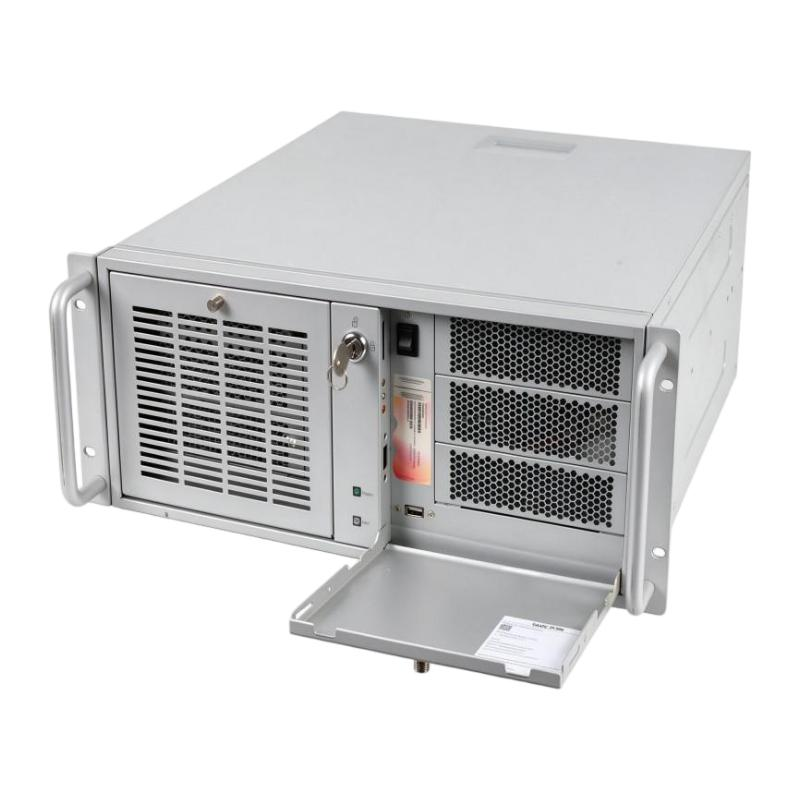
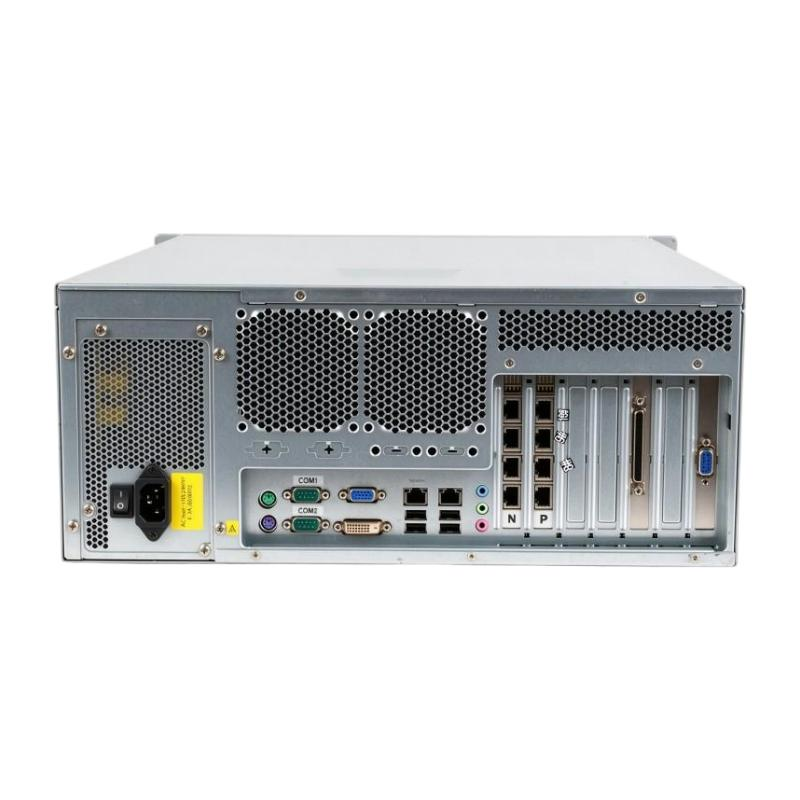
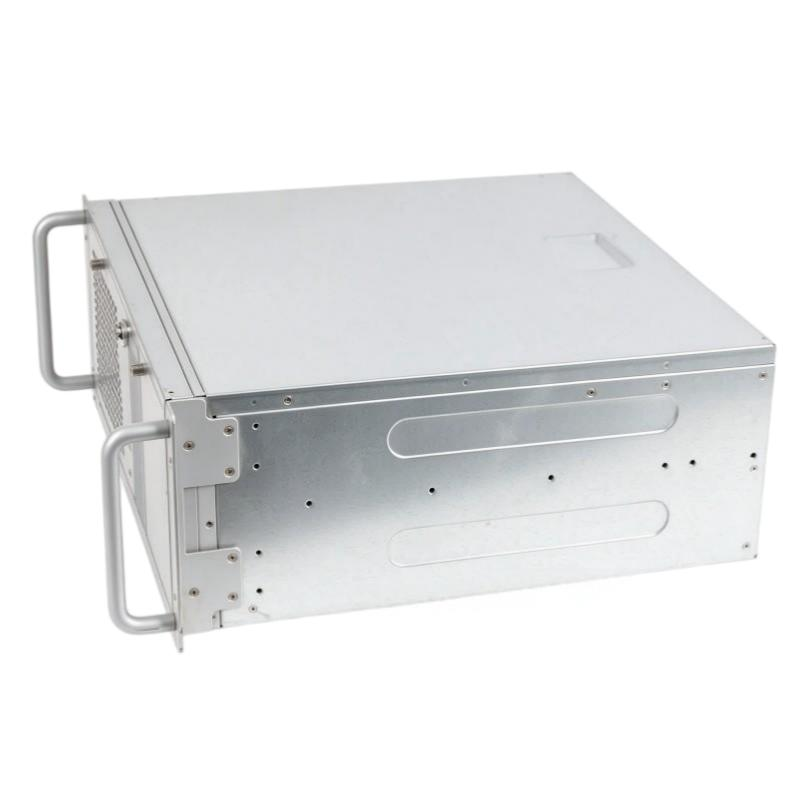
- Siemens
- 6AG4010-5AA10-0XX5
- SIMATIC IPC3000 SMART
- Germany
- 59.00 x 55.4 x 29.3 cm
- 13kg
- Xiamen, China
- New & In Stock
- T/T, PayPal, Western Union
- 1 Year
- 1-3 Working Days
- DHL, UPS, TNT, FedEx and EMS.
- 24-Hour Service
- COO
- 6
Our advantage

Global Logistics
We have a 10-year logistics and express cooperation agreement, so our products can be shipped to any place in the world.

Brand new and original
Our products are imported in bulk from the place of origin. Because of the cooperative relationship, our products are all original and 100% new.

24-hour service
We provide 7*24 hours service to our customers. We will be there whenever you need us.

Price advantage
All our products are priced very favorably because we have our own warehouse and supply.
| Company Information | |||
| [email protected] | |||
| Mobile | +8615980777398 | ||
| +8615980777398 | |||
| 15980777398 |
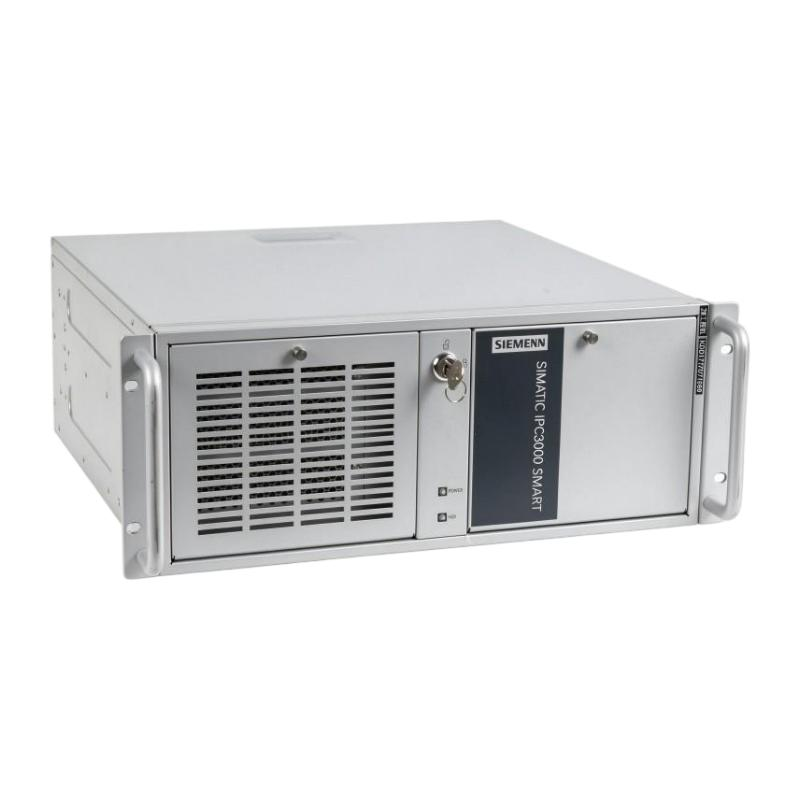
Siemens 6AG4010-5AA10-0XX5 Industrial Computer: Technical Specifications, Product Introduction, Applications, Advantages, and Related Model Recommendations
1. Product Overview
The Siemens 6AG4010-5AA10-0XX5 is the model number specified for this product profile. Before evaluating its technical capabilities, it is important to distinguish the exact product configuration from other industrial computing products with similar ordering numbers.
Industrial computing equipment is commonly selected for applications involving production monitoring, industrial data processing, equipment communication, and automation system integration. Depending on the actual configuration, an industrial computer may provide the computing resources needed to run monitoring software, collect production information, display equipment status, and communicate with other devices.
For industrial purchasing and engineering purposes, the complete ordering number is particularly important. Differences in individual characters may identify different hardware generations, operating-system configurations, regional variants, or supplied accessories.
Technical identification note: The exact product family and complete hardware specification of 6AG4010-5AA10-0XX5 cannot be reliably established from the information available here. The technical tables below distinguish unconfirmed specifications from general industrial computer characteristics. Dimensions, weight, processor, memory, storage, and interfaces are not presented as verified facts when their exact values are unknown.
2. Basic Product Information
| Parameter | Product Information |
|---|---|
| Model Number | 6AG4010-5AA10-0XX5 |
| Brand | Siemens |
| Product Category | Industrial computing equipment; exact classification requires confirmation |
| Product Series | Not conclusively identified |
| Product Type | Exact hardware configuration requires confirmation |
| Primary Function | Depends on the confirmed product configuration |
| Potential Application | Industrial monitoring, data processing, equipment communication, and automation integration, where supported |
| Processor | Not confirmed |
| Processor Frequency | Not confirmed |
| Processor Cores | Not confirmed |
| Installed Memory | Not confirmed |
| Memory Type | Not confirmed |
| Maximum Memory Capacity | Not confirmed |
| Storage Type | Not confirmed |
| Storage Capacity | Not confirmed |
| Ethernet Interfaces | Not confirmed |
| Serial Interfaces | Not confirmed |
| USB Interfaces | Not confirmed |
| Display Interfaces | Not confirmed |
| Expansion Capability | Not confirmed |
| Operating System | Not confirmed |
| Power Supply | Not confirmed |
| Rated Power Consumption | Not confirmed |
| Cooling Method | Not confirmed |
| Installation Method | Not confirmed |
| Protection Rating | Not confirmed |
| Operating Temperature | Not confirmed |
| Dimensions (W × H × D) | Not confirmed (mm) |
| Net Weight (kg) | Not confirmed |
| Shipping Weight (kg) | Not confirmed |
| Product Configuration | Exact configuration requires confirmation |
| Replacement Compatibility | Must be evaluated against the original hardware and software requirements |
The information in this table establishes the product identification framework. It should not be interpreted as a complete technical datasheet.
For a purchasing specification, the exact processor, memory, storage, interfaces, electrical requirements, dimensions, and weight should be confirmed against the product’s identification label and technical documentation.
3. Detailed Product Introduction
3.1 Product Positioning
Industrial computing equipment provides a computing platform for applications that need to process information, communicate with industrial devices, or run specialized software.
Unlike a typical office computer, an industrial computer is evaluated according to its intended installation environment, operating requirements, communication interfaces, mechanical design, and compatibility with industrial applications.
Depending on its configuration, an industrial computer can be used as a local monitoring platform, a data-processing unit, a communication gateway, or a computer for supervisory applications.
These functions are particularly relevant in production facilities where information must be collected from machines and made available to operators, engineers, or maintenance personnel.
The precise role of model 6AG4010-5AA10-0XX5 must be established from its confirmed product specifications.
3.2 Hardware Configuration
Hardware configuration determines which applications a computer can support and how efficiently it can perform them.
The processor affects the computer’s processing capability. Memory determines how much application data can be held in active use, while storage capacity determines how much software and historical information can be retained.
Communication interfaces determine which external devices can be connected directly and which additional hardware may be required.
When selecting an industrial computer, these components should be evaluated together rather than individually. A powerful processor may not compensate for insufficient memory, unsuitable storage, or missing communication interfaces.
For the requested model, the processor, memory, storage, and available interfaces remain subject to confirmation.
3.3 Industrial System Integration
Industrial computers may connect monitoring applications with controllers, measurement instruments, operator interfaces, and higher-level information systems.
For example, a compatible computer can collect information from a controller, process the data through an application, and display equipment status on a local screen.
Depending on the software architecture, the same system may also retain historical records or transmit production information to another computer.
Successful integration requires compatibility at both the hardware and software levels. Communication protocols, drivers, network configuration, and application requirements must all be considered.
3.4 Mechanical Design and Installation
The physical design of an industrial computer affects where it can be installed and how easily it can be maintained.
Relevant considerations include the enclosure dimensions, mounting arrangement, connector positions, cable clearance, cooling requirements, and overall weight.
For equipment installed in an electrical cabinet or equipment rack, the available installation space should be measured before purchasing a replacement.
The dimensions of a similar model should not be used as a substitute for the mechanical drawing of the exact product.
3.5 Operating Environment
Industrial equipment may operate for long periods in production areas, equipment rooms, or electrical cabinets.
Its suitability depends on the specified temperature range, humidity limits, vibration tolerance, ventilation requirements, and electrical supply.
The industrial designation alone does not establish a particular environmental rating.
Before using the requested model in a demanding environment, confirm the applicable operating conditions and ensure that the installation meets those requirements.
3.6 Software and System Compatibility
Software compatibility is essential when selecting a computer for an existing industrial installation.
The operating system, processor architecture, drivers, communication libraries, application versions, and software licenses should be checked before deployment.
This is particularly important when replacing a computer that is already connected to production equipment.
A newer model may provide better processing performance but still require changes to the application or operating system.
For long-term maintenance, it is advisable to retain the original software installation files, configuration records, and recovery procedures.
4. Technical Parameters
The following table provides a detailed specification structure for model 6AG4010-5AA10-0XX5.
Unconfirmed values are explicitly marked rather than replaced with estimates.
| Technical Parameter | Specification | Unit |
|---|---|---|
| Model Number | 6AG4010-5AA10-0XX5 | — |
| Brand | Siemens | — |
| Product Series | Requires confirmation | — |
| Product Type | Requires confirmation | — |
| Processor Manufacturer | Requires confirmation | — |
| Processor Model | Requires confirmation | — |
| Processor Frequency | Requires confirmation | GHz |
| Processor Core Count | Requires confirmation | Cores |
| Installed Memory | Requires confirmation | GB |
| Memory Technology | Requires confirmation | — |
| Maximum Supported Memory | Requires confirmation | GB |
| Storage Type | Requires confirmation | — |
| Storage Capacity | Requires confirmation | GB / TB |
| Number of Storage Drives | Requires confirmation | Drives |
| Ethernet Port Count | Requires confirmation | Ports |
| Ethernet Transmission Speed | Requires confirmation | Mbit/s |
| Serial Port Count | Requires confirmation | Ports |
| USB Port Count | Requires confirmation | Ports |
| Display Interface | Requires confirmation | — |
| Expansion Slots | Requires confirmation | Slots |
| Operating System | Requires confirmation | — |
| Power Supply Input | Requires confirmation | V |
| Power Supply Frequency | Requires confirmation | Hz |
| Rated Power Consumption | Requires confirmation | W |
| Cooling Method | Requires confirmation | — |
| Installation Method | Requires confirmation | — |
| Protection Rating | Requires confirmation | IP rating |
| Operating Temperature | Requires confirmation | °C |
| Storage Temperature | Requires confirmation | °C |
| Relative Humidity | Requires confirmation | % |
| Width | Requires confirmation | mm |
| Height | Requires confirmation | mm |
| Depth | Requires confirmation | mm |
| Net Weight | Requires confirmation | kg |
| Shipping Weight | Requires confirmation | kg |
4.1 Processor Performance
The processor should be selected according to the intended application.
Basic monitoring software may require less computing capacity than applications that process large datasets or execute several software services simultaneously.
Processor frequency and core count are useful indicators, but overall performance also depends on processor architecture, memory, storage performance, and the software being used.
For model 6AG4010-5AA10-0XX5, the exact processor must be established before its computing performance can be assessed.
4.2 Memory Capacity
Memory affects application responsiveness and the amount of information that can be processed simultaneously.
A computer running a single monitoring application may have different memory requirements from one running multiple services, maintaining large datasets, or supporting several operator interfaces.
The installed memory and maximum supported memory should be recorded separately.
Any proposed memory upgrade must also be checked for hardware compatibility.
4.3 Storage Configuration
Storage capacity determines the amount of software, production data, diagnostic information, and historical records that can be retained locally.
Storage type is also important because different drive technologies have different performance and maintenance characteristics.
Before selecting an alternative, check the drive type, capacity, available drive connections, and supported storage configuration.
4.4 Communication Interfaces
Communication interfaces determine how the computer can connect to other industrial equipment.
Ethernet interfaces may be used for network communication, while serial interfaces may support compatible meters, instruments, and legacy equipment.
USB and display interfaces can support maintenance peripherals and operator displays.
The exact number and type of interfaces must be compared with the requirements of the intended application.
4.5 Power and Environmental Requirements
The computer’s electrical requirements must match the installation.
The rated input voltage, power consumption, grounding arrangements, and cooling requirements should be checked before connecting the equipment.
The ambient temperature, humidity, and vibration conditions must also remain within the specified limits.
5. Dimensions and Weight
Dimensions and weight are essential when evaluating an industrial computer for installation or replacement.
The exact dimensions and weight of 6AG4010-5AA10-0XX5 have not been confirmed. The following table identifies the mechanical data required for a complete product record.
| Mechanical Parameter | Specification | Unit |
|---|---|---|
| Overall Width | Not confirmed | mm |
| Overall Height | Not confirmed | mm |
| Overall Depth | Not confirmed | mm |
| Mounting Width | Not confirmed | mm |
| Mounting Height | Not confirmed | mm |
| Required Installation Depth | Not confirmed | mm |
| Front Clearance | Not confirmed | mm |
| Rear Cable Clearance | Not confirmed | mm |
| Ventilation Clearance | Not confirmed | mm |
| Net Weight | Not confirmed | kg |
| Shipping Weight | Not confirmed | kg |
| Mounting Orientation | Not confirmed | — |
| Mounting Hardware | Not confirmed | — |
| Enclosure Material | Not confirmed | — |
5.1 Dimensions
The width, height, and depth determine whether the computer fits into the available installation space.
For rack-mounted equipment, the rack height and mounting arrangement should also be checked.
The required installation depth should include sufficient clearance for connectors and cables. The enclosure dimensions alone may not represent the total space needed.
5.2 Net Weight
Net weight refers to the equipment itself, excluding packaging.
This measurement is relevant to mechanical support, handling, transport, and rack loading.
The actual weight should be obtained for the complete product configuration, including any installed components that form part of the supplied unit.
5.3 Shipping Weight
Shipping weight may include packaging, accessories, and protective materials.
It should not be used as a substitute for net equipment weight when calculating the load on a mounting structure.
Important: Do not use estimated dimensions or weight figures in a formal mechanical design. The values must be confirmed for the exact model.
6. Product Applications
The following applications describe common uses of compatible industrial computing equipment. They should not be interpreted as confirmation that every function is supported by the requested model.
6.1 Industrial Automation
Industrial automation systems often need to exchange information between controllers, machines, monitoring applications, and information systems.
A suitably configured computer may collect equipment data, display operating conditions, and run supervisory applications.
This can help operators monitor production activities and review equipment status from a central location.
The computer’s exact role depends on the automation architecture and installed software.
6.2 Manufacturing and Production Monitoring
Manufacturing facilities may use industrial computers to collect production quantities, operating hours, equipment status, and other process information.
A compatible monitoring application can organize the information into dashboards or reports.
This can help production staff identify abnormal operating conditions and give maintenance teams a clearer understanding of equipment performance.
6.3 Human-Machine Interface Applications
A compatible industrial computer may run human-machine interface software.
The interface can allow operators to view process variables, inspect alarms, review machine status, and perform permitted operations.
Processor performance, memory, display interfaces, and operating-system compatibility should be checked against the HMI software requirements.
Safety-related machine functions must be implemented through an appropriate and validated safety architecture.
6.4 Industrial Data Acquisition
Data acquisition applications collect measurements and operating information from compatible devices.
An industrial computer can receive, process, store, and transfer this information according to the application’s design.
Potential uses include production monitoring, temperature recording, equipment diagnostics, energy monitoring, and historical data collection.
Storage requirements should be calculated according to the expected data volume and retention period.
6.5 Communication with Existing Equipment
Industrial facilities frequently contain equipment from different generations.
Some devices use Ethernet-based communication, while others rely on serial interfaces or specialized protocols.
A computer with the appropriate interfaces and software support may help connect compatible devices to a common monitoring or information system.
Successful integration requires confirmation of communication protocols, electrical interfaces, drivers, and software compatibility.
6.6 Equipment Condition Monitoring
A compatible computer may run applications that display equipment status and collect diagnostic information.
Depending on the system, this can help maintenance teams review operating hours, monitor alarms, and investigate faults.
The practical value depends on the accuracy of the data and the effectiveness of the monitoring application.
6.7 Production Data Management
Industrial computers can support applications that organize production records and exchange information with other systems.
This may include collecting operating data, preparing reports, or transferring information to a central database.
Network architecture, cybersecurity requirements, storage capacity, and application compatibility should be considered during implementation.
7. Product Advantages
7.1 Flexible Computing Applications
Industrial computing equipment can support different applications depending on its hardware and software configuration.
This flexibility can be useful when a production facility needs a computing platform for monitoring, data collection, visualization, or system integration.
The actual capabilities depend on the confirmed hardware and the applications installed.
7.2 Integration with Automation Equipment
When suitable interfaces and protocols are available, an industrial computer can communicate with compatible controllers, instruments, and information systems.
This can simplify the collection and presentation of information from multiple devices.
The benefit depends on communication compatibility and the software architecture.
7.3 Support for Extended Operating Hours
Industrial applications may require equipment to operate for long periods.
A correctly specified computer can support such workloads when it is installed within its rated environmental conditions and provided with appropriate power and cooling.
Continuous operation does not eliminate the need for preventive maintenance, backups, and recovery planning.
7.4 Configurable Computing Resources
Processor, memory, storage, and interfaces are important factors when selecting industrial computing equipment.
A suitable configuration can provide sufficient computing capacity without unnecessary hardware expenditure.
Expansion options must be checked for the exact model rather than assumed from the product family.
7.5 Easier Maintenance Planning
Recording the exact model number and hardware configuration makes future maintenance easier.
Engineers can use these records to evaluate replacement options, check compatibility, and prepare recovery procedures.
This can reduce the risk of installing equipment that does not support the existing application.
7.6 Local Data Processing
A compatible industrial computer may process information locally before sending it to another system.
Depending on the application, this can support local monitoring and reduce the need to transmit every raw measurement.
The practical benefit depends on the processing workload, network design, and data-management requirements.
7.7 Potential for Hardware Expansion
Some industrial computing products support additional memory, storage, or expansion hardware.
Where supported, these options can help accommodate changing application requirements.
However, hardware compatibility, available space, power capacity, cooling, and software support must all be checked before an upgrade.
8. Brand and Product Series
8.1 Brand
Brand: Siemens
The industrial automation portfolio includes computing equipment, control devices, communication components, and other products used in industrial environments.
The brand identifies the product manufacturer, but the specific ordering number determines which technical specifications apply.
8.2 Product Series
The exact product series associated with 6AG4010-5AA10-0XX5 has not been conclusively established here.
The 6AG4010 prefix appears in multiple industrial computer ordering numbers, but the prefix alone is insufficient to determine the complete product family.
It would therefore be inappropriate to assign this model definitively to the SIMATIC IPC3000 SMART family or another particular industrial computer series without confirming the product identification.
8.3 Series Identification Requirements
The following details should be checked before the series is assigned:
- Complete ordering number on the equipment label.
- Product name and hardware generation.
- Processor and memory configuration.
- Storage type and capacity.
- Physical dimensions and mounting arrangement.
- Operating system and supplied software configuration.
- Electrical requirements and communication interfaces.
Once the series has been established, models from the same family can be compared more accurately.
9. Five Related Models for Comparison
The following five model numbers are provided as candidates for further industrial computing research. Their relationship to the requested model has not been independently established, so they should not be treated as confirmed members of the same series or direct replacements.
The parameter tables deliberately identify unavailable information rather than assigning specifications based on similar model numbers.
9.1 Related Model Comparison Table
| Model | Product Series | Processor | Memory | Storage | Communication Interfaces | Dimensions (W × H × D) | Weight (kg) |
|---|---|---|---|---|---|---|---|
| 6AG4010-5AB32-0FX5 | Requires confirmation | Not confirmed | Not confirmed | Not confirmed | Not confirmed | Not confirmed (mm) | Not confirmed |
| 6AG4010-5AB32-0XX5 | Requires confirmation | Not confirmed | Not confirmed | Not confirmed | Not confirmed | Not confirmed (mm) | Not confirmed |
| 6AG4010-5BA10-0FX5 | Requires confirmation | Not confirmed | Not confirmed | Not confirmed | Not confirmed | Not confirmed (mm) | Not confirmed |
| 6AG4010-5BA10-0XX5 | Requires confirmation | Not confirmed | Not confirmed | Not confirmed | Not confirmed | Not confirmed (mm) | Not confirmed |
| 6AG4010-5BB10-0FX5 | Requires confirmation | Not confirmed | Not confirmed | Not confirmed | Not confirmed | Not confirmed (mm) | Not confirmed |
These are model candidates rather than verified recommendations for direct replacement. The complete technical specifications should be established before the models are included in a purchasing list.
9.1.1 Model 6AG4010-5AB32-0FX5
This model can be included in a broader comparison of industrial computing equipment.
Before selecting it, confirm the product series, processor, memory, storage, interfaces, operating system, and physical dimensions.
Its suitability depends on whether the hardware and software support the intended application.
9.1.2 Model 6AG4010-5AB32-0XX5
This model provides another candidate for comparison.
The relationship between the 0XX5 and 0FX5 variants should be established from their exact specifications. The suffix difference should not automatically be assumed to represent a minor software or accessory change.
For replacement projects, compatibility with existing applications and communication interfaces should be checked carefully.
9.1.3 Model 6AG4010-5BA10-0FX5
This ordering number may be evaluated as part of a wider industrial computing comparison.
Its suitability cannot be determined without confirming the processor, memory, storage, installation method, and software requirements.
Mechanical compatibility is particularly important if the computer is intended to replace a unit already installed in an industrial cabinet.
9.1.4 Model 6AG4010-5BA10-0XX5
This model is another comparison candidate.
The exact configuration should be established independently, even if the model number resembles another product.
The most important factors include physical dimensions, weight, power requirements, interfaces, and compatibility with the target application.
9.1.5 Model 6AG4010-5BB10-0FX5
This model can be considered for further product identification and technical comparison.
Before purchasing, confirm its product family, hardware configuration, operating system, communication interfaces, and environmental requirements.
It should only be selected once its specifications have been compared with the actual system requirements.
10. Five Additional Models for Broader Brand Comparison
The following five models provide additional comparison points across industrial computing configurations.
They are included as potential candidates for different industrial computing requirements. They are not confirmed direct replacements for 6AG4010-5AA10-0XX5.
10.1 Additional Model Technical Comparison
| Model | Product Category | Processor | Memory | Storage | Interfaces | Dimensions (W × H × D) | Weight (kg) |
|---|---|---|---|---|---|---|---|
| 6AG4010-6AB20-0XX5 | Industrial computer; exact configuration requires confirmation | Reported Pentium G4400 | Reported 4 GB DDR4 | Reported 1 TB HDD | Configuration requires confirmation | Not confirmed (mm) | Reported 13 kg; verify |
| 6AG4010-6BB30-0XX5 | Industrial computer; exact configuration requires confirmation | Reported Core i5-6500 | Reported 8 GB DDR4 | Reported 1 TB HDD | Configuration requires confirmation | Not confirmed (mm) | Reported 13 kg; verify |
| 6AG4010-6AE41-0AX5 | Industrial computer; exact configuration requires confirmation | Reported Pentium G4400 | Reported 16 GB DDR4 | Reported 512 GB SSD | Configuration requires confirmation | Not confirmed (mm) | Reported 14.1 kg; verify |
| 6AG4010-6BD30-0FX5 | Industrial computer; exact configuration requires confirmation | Reported Core i5-6500 | Reported 8 GB DDR4 | Reported 256 GB SSD | Configuration requires confirmation | Not confirmed (mm) | Reported 14.1 kg; verify |
| 6AG4010-6BD41-0DX5 | Industrial computer; exact configuration requires confirmation | Reported Core i5-6500 | Reported 16 GB DDR4 | Reported 256 GB SSD | Configuration requires confirmation | Not confirmed (mm) | Reported 14.1 kg; verify |
The hardware descriptions and weight figures in this table are unverified comparison data. They should not be used as confirmed specifications for purchasing or engineering purposes without checking the exact model documentation.
The models are also not ranked by current sales volume or popularity.
10.2 Model 6AG4010-6AB20-0XX5
This model is associated with an industrial computer configuration reported to include a Pentium G4400 processor, 4 GB DDR4 memory, and a 1 TB hard drive.
Such a configuration can serve as a comparison point when evaluating computing requirements for basic monitoring or compatible industrial software.
Its actual suitability depends on the required operating system, software workload, communication interfaces, and environmental conditions.
The physical dimensions and net weight should be confirmed before it is considered for an existing installation.
10.3 Model 6AG4010-6BB30-0XX5
This model is associated with a Core i5-6500 processor, 8 GB DDR4 memory, and a 1 TB hard drive in the reported configuration.
It can be evaluated for applications requiring a more capable computing platform than a basic monitoring system.
Before selecting it, check the processor specification, storage arrangement, operating system, network interfaces, and mounting dimensions.
10.4 Model 6AG4010-6AE41-0AX5
This model is associated with a Pentium G4400 processor, 16 GB DDR4 memory, and a 512 GB SSD in the reported configuration.
The combination of additional memory and solid-state storage may be worth evaluating for applications with particular memory or storage-performance requirements.
However, its actual performance and suitability depend on the verified hardware configuration and the application workload.
10.5 Model 6AG4010-6BD30-0FX5
This model is associated with a Core i5-6500 processor, 8 GB DDR4 memory, and a 256 GB SSD in the reported configuration.
It can be considered when comparing an industrial computer with solid-state storage against a configuration using a mechanical hard drive.
The storage type alone does not establish overall suitability. Processor performance, memory, application requirements, and operating-system compatibility must also be assessed.
10.6 Model 6AG4010-6BD41-0DX5
This model is associated with a Core i5-6500 processor, 16 GB DDR4 memory, and a 256 GB SSD in the reported configuration.
Its larger memory capacity may be relevant for applications that run several services simultaneously or handle larger working datasets.
The exact product configuration, dimensions, and weight must be confirmed before it is selected for a replacement or new installation.
11. How to Choose the Right Industrial Computer
11.1 Replacement of Existing Equipment
When replacing an existing computer, the first priority should be compatibility.
The replacement should be checked against the original equipment’s dimensions, mounting method, electrical requirements, interfaces, operating system, and software configuration.
A different model may require changes to the enclosure, cabling, drivers, or application software.
For this reason, selecting a replacement based only on the processor or model-number similarity can introduce unnecessary engineering work.
11.2 Selection for a New Installation
For a new system, begin by identifying the intended workload.
Determine which applications must run, how much data must be stored, which devices must communicate with the computer, and what environmental conditions the equipment will encounter.
These requirements provide a basis for selecting the processor, memory, storage, and interfaces.
The installation space and available electrical supply should be established before finalizing the hardware.
11.3 Selection for Long-Term Operation
For long-term industrial use, consider more than the initial purchase price.
Software compatibility, spare-part availability, maintenance requirements, backup arrangements, and the ability to recover from hardware failure are all important.
Maintaining a record of the exact model number and installed configuration can simplify future replacement planning.
11.4 Selection for Data-Intensive Applications
Applications that collect large quantities of data require sufficient storage capacity and a suitable data-management strategy.
Memory capacity should be matched to the application’s working-set requirements.
Storage performance, data retention, backup procedures, and recovery time should be evaluated together.
A larger drive does not automatically provide data redundancy, and additional memory does not necessarily improve every application.
12. Installation and Maintenance
12.1 Mechanical Installation
Confirm the computer’s width, height, depth, mounting arrangement, and net weight before installation.
Allow adequate space for cables, connectors, cooling, and maintenance access.
If the computer will be installed in an existing rack or cabinet, verify that the mounting structure can support the equipment safely.
12.2 Electrical Installation
The power supply must meet the exact product’s electrical requirements.
Check the input voltage, frequency, rated power, grounding, and protective measures before connecting the computer.
The electrical design should also account for connected peripherals and the operating conditions of the installation.
12.3 Cooling and Ventilation
Adequate airflow is important for maintaining stable operating conditions.
Ventilation openings should remain unobstructed, and the installation should prevent excessive heat accumulation.
Inspection and cleaning should follow the equipment’s maintenance requirements.
12.4 Software Configuration
Before commissioning, verify the operating system, drivers, application software, communication settings, and software licensing.
For a replacement computer, retain the original configuration records and recovery files whenever possible.
Hardware or software changes should be tested before the equipment is returned to production.
12.5 Data Protection
Industrial computers may contain production records, application settings, and diagnostic information.
A suitable backup plan should identify which information must be retained and how it can be restored after a hardware failure.
Storage usage should be monitored to prevent a full drive from disrupting the application.
12.6 Preventive Maintenance
Preventive maintenance may include checking ventilation, inspecting connectors, monitoring storage health, reviewing alarms, and verifying backup integrity.
The maintenance interval should reflect the actual operating environment and the equipment’s maintenance requirements.
A documented maintenance procedure can help reduce downtime and simplify fault diagnosis.
13. Final Product Assessment
The Siemens 6AG4010-5AA10-0XX5 requires further identification before a complete and reliable technical specification can be assigned to it.
Industrial computing equipment can support automation, production monitoring, data acquisition, equipment communication, and supervisory applications. However, the specific capabilities of an individual model depend on its actual hardware, interfaces, software, and environmental ratings.
The ten comparison candidates presented in this profile provide a starting point for evaluating industrial computing options. They should not be regarded as verified same-series models, confirmed direct replacements, or a ranking of popular products.
For a purchasing decision, the most important outstanding information is:
- The exact product series and hardware configuration.
- The processor, memory, and storage specifications.
- The available communication and display interfaces.
- The electrical supply and environmental requirements.
- The physical dimensions in millimeters.
- The verified net weight in kilograms.
Final recommendation: Confirm the exact identity of model 6AG4010-5AA10-0XX5 before using the information in a technical quotation, product catalogue, bill of materials, or replacement plan. Once the correct series and configuration are established, related models can be compared using verified specifications rather than assumptions based on similar ordering numbers.