

ProductPRODUCT
Featured products
Contact Us
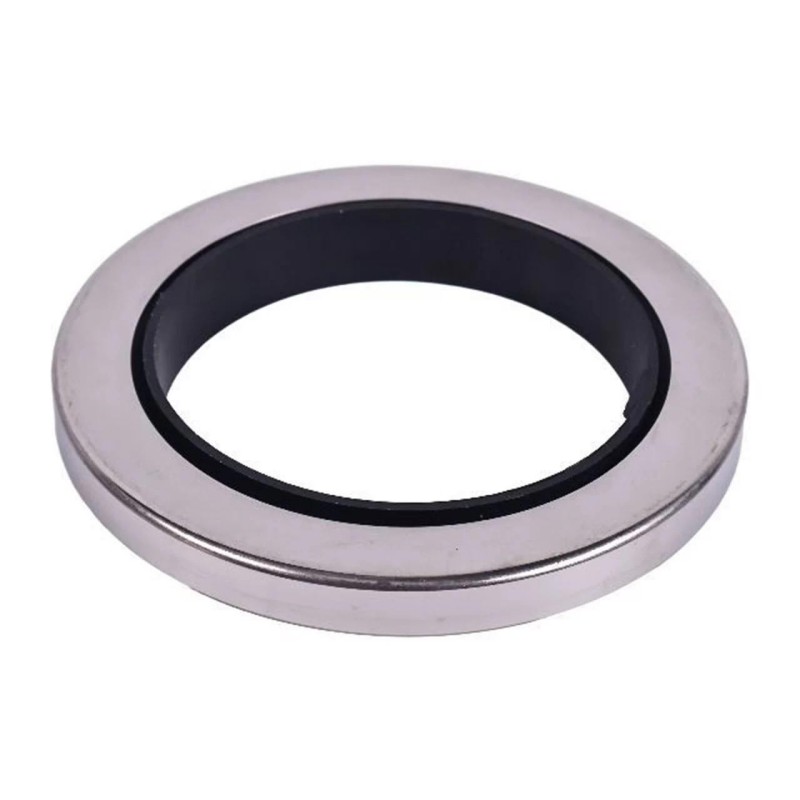
- Ingersoll Rand
- 47553882001 89244024
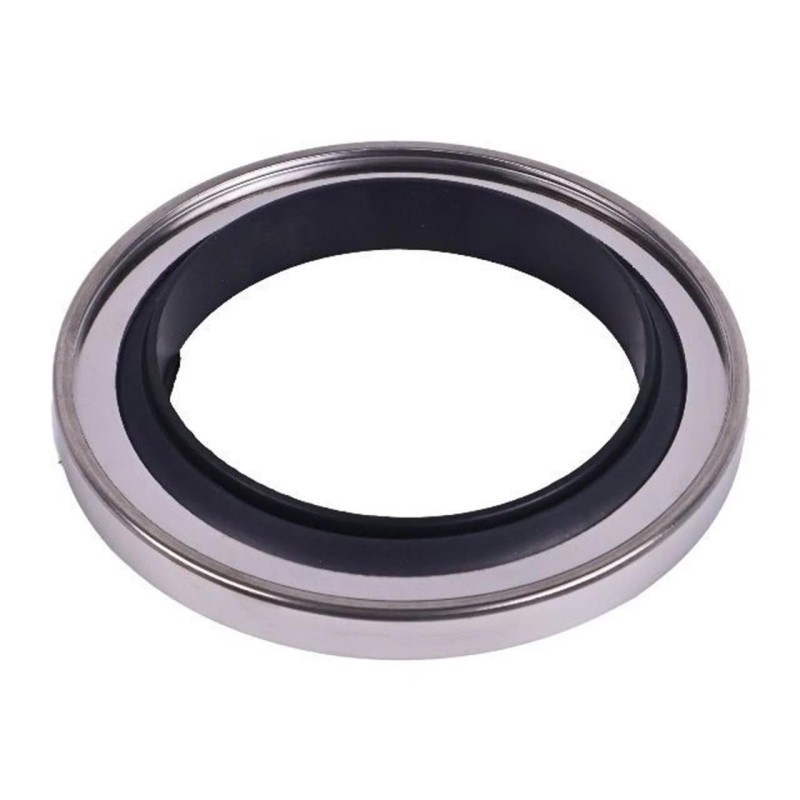
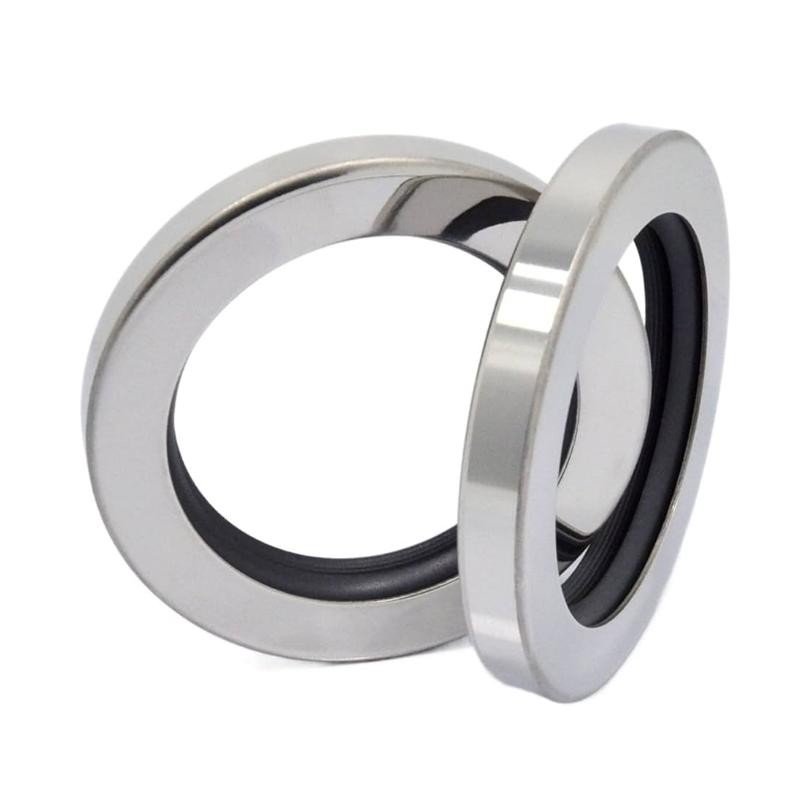
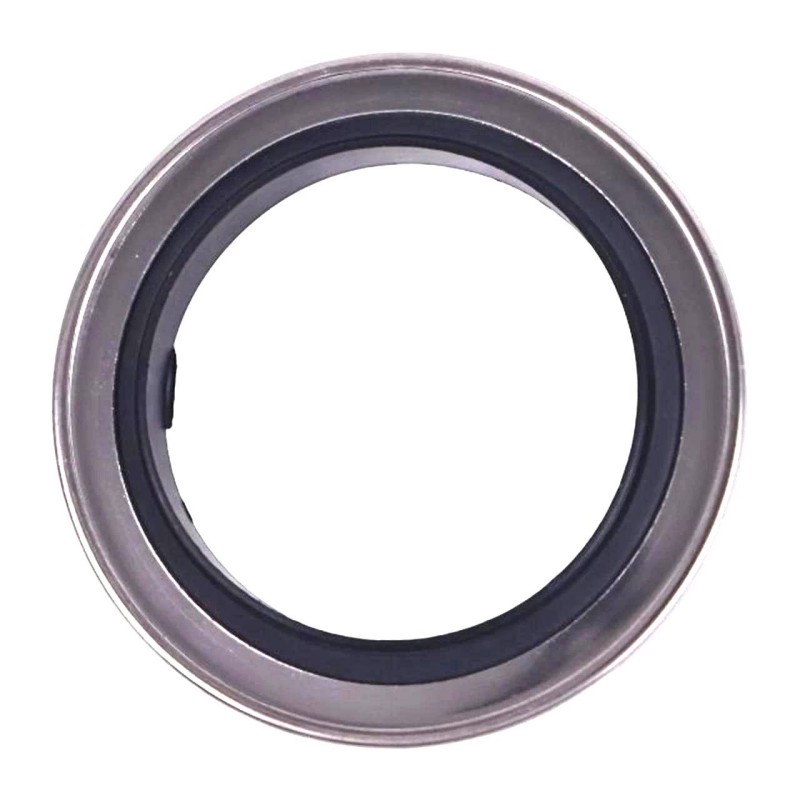
- Oil Seal
- USA
- 105 × 105 × 15 mm
- 0.16 kg
- Xiamen, China
- New & In Stock
- T/T, PayPal, Western Union
- 1 Year
- 1-3 Working Days
- DHL, UPS, TNT, FedEx and EMS.
- 24-Hour Service
- COO
- 9
Our advantage

Global Logistics
We have a 10-year logistics and express cooperation agreement, so our products can be shipped to any place in the world.

Brand new and original
Our products are imported in bulk from the place of origin. Because of the cooperative relationship, our products are all original and 100% new.

24-hour service
We provide 7*24 hours service to our customers. We will be there whenever you need us.

Price advantage
All our products are priced very favorably because we have our own warehouse and supply.
| Company Information | |||
| [email protected] | |||
| Mobile | +8615980777398 | ||
| +8615980777398 | |||
| 15980777398 |
Product Overview
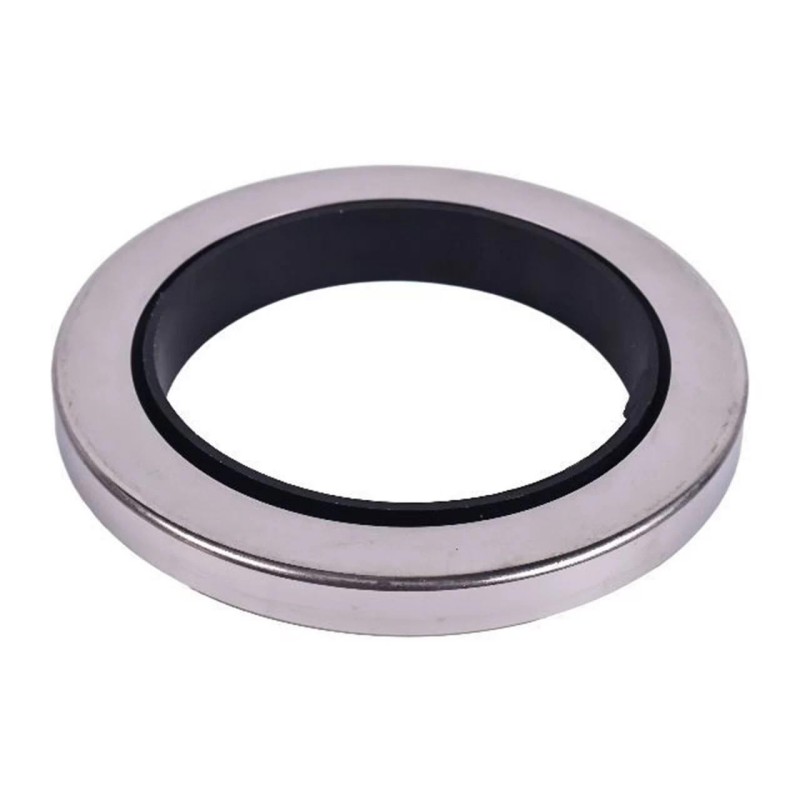
The Ingersoll Rand 89244024 Oil Seal, associated with part reference 47553882001 in the supplied product listing, is a sealing component intended for compatible industrial air compressor equipment. Oil seals are essential mechanical parts used to retain lubricating oil within a designated housing while helping prevent leakage around rotating shafts or other sealing interfaces.
In industrial screw air compressors, effective sealing is important for maintaining lubrication, protecting internal components, and supporting stable compressor operation. A worn or damaged oil seal may allow lubricant to escape, contaminate surrounding components, or contribute to increased maintenance requirements.
The 89244024 oil seal is suitable for consideration in compressor maintenance and replacement projects where the original component has deteriorated or requires scheduled replacement. Before installation, maintenance personnel should confirm the exact compressor model, original part number, seal dimensions, shaft arrangement, and required sealing direction.
The supplied product dimensions are 105 × 105 × 15 mm, with a listed weight of 0.16 kg. These values can help with inventory management and preliminary identification, but dimensional measurements alone cannot establish compatibility. The complete part reference and equipment documentation should be checked before ordering.
For facilities operating Ingersoll Rand compressors, keeping the correct replacement seals available can help reduce maintenance delays and support reliable operation. Proper installation and attention to shaft condition are equally important to achieving satisfactory sealing performance.
Technical Specifications
| Parameter | Specification |
|---|---|
| Brand | Ingersoll Rand |
| Associated Part Reference | 47553882001 |
| Component Part Number | 89244024 |
| Product Name | Oil Seal / Shaft Seal |
| Product Category | Air Compressor Spare Part |
| Primary Function | Oil retention and leakage prevention |
| Equipment Type | Compatible industrial air compressors |
| Dimensions | 105 × 105 × 15 mm |
| Weight | 0.16 kg |
| Installation Location | Designated compressor sealing interface |
| Application | Compressor maintenance and replacement |
| Compatibility Verification | Required before installation |
Note: The listed part references are reproduced from the supplied product information. Confirm whether 47553882001 is a related assembly or reference number for the specific compressor before purchase.
Function and Working Principle
An oil seal creates a controlled sealing interface between stationary and rotating components. Its purpose is to retain lubricant while limiting unwanted oil leakage and helping prevent contaminants from entering the protected area.
1. Lubricating Oil Retention
Industrial compressors depend on appropriate lubrication to reduce friction, manage heat, and protect moving components. The oil seal helps retain lubricant within the designated housing.
If the sealing lip becomes worn, hardened, damaged, or contaminated, the seal may no longer maintain the intended contact with the shaft. Oil leakage can then occur around the sealing interface.
2. Sealing Around Rotating Shafts
Where installed around a rotating shaft, the oil seal maintains contact with the shaft surface while allowing normal rotation. The seal’s performance depends on its material, geometry, installation condition, shaft finish, and operating environment.
A compatible seal must match the intended shaft diameter, housing dimensions, and sealing arrangement. An incorrectly sized seal may leak or experience premature wear.
3. Contamination Control
Oil seals also help limit the entry of dust and other contaminants into protected mechanical areas, depending on their design and installation location.
Contamination can accelerate wear and affect lubricant quality. Regular inspection of the seal area helps maintenance personnel identify potential problems before they develop into more extensive mechanical issues.
4. Support for Compressor Reliability
A properly functioning seal contributes to reliable compressor operation by helping maintain the intended lubrication conditions. However, replacing a seal will not resolve leakage caused by a damaged shaft, excessive bearing movement, excessive pressure, or an improperly aligned assembly.
For recurring seal failures, the surrounding mechanical system should be inspected rather than repeatedly replacing the seal without identifying the underlying cause.
Role in Industrial Air Compressor Systems
The 89244024 oil seal is a maintenance component rather than an electrical control module. Its role is mechanical, supporting the sealing and lubrication requirements of compatible compressor equipment.
Lubrication System Integrity
The seal helps maintain oil within the designated assembly. Stable lubrication conditions are important for reducing wear and supporting the expected service life of compressor components.
Leakage Prevention
Oil escaping from a compressor housing can create housekeeping concerns, increase lubricant consumption, and indicate a developing maintenance issue. An intact seal helps limit leakage at the intended sealing point.
Equipment Protection
By retaining lubricant and helping exclude contaminants, the seal contributes to the protection of compatible mechanical components. The effectiveness of this protection depends on correct part selection and proper installation.
Maintenance Planning
Oil seals can be included in planned inspection and maintenance activities according to the compressor manufacturer’s recommendations, operating hours, service conditions, and observed condition.
Industrial Applications
1. Rotary Screw Air Compressors
Rotary screw compressors use rotating elements to compress air. Their operation depends on suitable lubrication and sealing arrangements in the applicable compressor design.
The 89244024 oil seal may be considered for a compatible compressor when the original part number and installation location have been confirmed.
2. Industrial Compressed-Air Systems
Compressed-air systems supply pneumatic equipment, production machinery, packaging lines, and workshop tools. Maintaining compressor sealing components helps support equipment availability and reduce avoidable maintenance interruptions.
3. Manufacturing Facilities
Factories often operate compressors continuously or for extended production shifts. Appropriate replacement parts help maintenance teams address wear-related issues and maintain equipment in serviceable condition.
4. Compressor Overhaul and Repair
During an overhaul, technicians may inspect oil seals alongside bearings, shafts, housings, and lubrication components. Replacing a seal is most effective when the cause of the original failure has been identified and corrected.
5. Industrial Spare-Parts Inventory
The part number can be recorded in a maintenance inventory system to support future procurement. Inventory records should include the compressor model, equipment serial number, verified part reference, and the location where the seal is installed.
Installation and System Integration
Although an oil seal is a relatively small component, incorrect installation can lead to leakage or premature failure.
1. Confirm the Replacement Part
Before removing the existing seal, compare the new component’s part number and dimensions with the original part and the compressor documentation.
Confirm the required inner diameter, outer diameter, thickness, sealing direction, material, and any special installation features. The supplied overall dimensions do not replace these detailed measurements.
2. Prepare the Compressor
Shut down the compressor and isolate it from its power supply. Depressurize the relevant system and allow components to cool before maintenance begins.
Follow the compressor manufacturer’s safety procedures, including lockout and verification of a safe maintenance condition.
3. Inspect the Shaft and Housing
After removing the old seal, inspect the shaft contact surface and housing for scoring, corrosion, contamination, or other damage.
A damaged shaft surface or worn housing may prevent the new seal from working correctly. Correct the underlying issue before installing the replacement component.
4. Install the Seal Correctly
Use the approved installation method and suitable tools to avoid damaging the seal lip or distorting the seal body.
Confirm the required orientation and lubrication procedure from the equipment documentation. Avoid applying excessive force or using tools that may damage the sealing surface.
5. Inspect After Reassembly
After reassembly, check the affected area for correct fit and visible damage. Restart the compressor according to the prescribed procedure and inspect the sealing area under appropriate operating conditions.
If leakage continues, investigate shaft wear, alignment, bearing condition, pressure conditions, and other potential causes.
Compatible System Components
The oil seal works as part of a mechanical compressor assembly. Its compatibility depends on the specific equipment design.
| Component | Function | Maintenance Consideration |
|---|---|---|
| Compressor shaft | Provides the rotating surface at the sealing interface | Check for wear, scoring, and surface damage |
| Seal housing | Locates and supports the oil seal | Inspect for deformation and damage |
| Lubricating oil | Reduces friction and supports thermal management | Use the specified lubricant and maintain the correct level |
| Bearings | Support rotating components | Check for excessive movement or wear |
| Shaft sleeve, if fitted | Provides a replaceable shaft-contact surface | Verify dimensions and condition |
| Gaskets and O-rings | Seal other joints in the assembly | Inspect and replace when required |
| Compressor air end | Performs the main compression function | Confirm the seal’s exact installation location |
| Maintenance documentation | Defines approved service procedures | Follow the correct model-specific instructions |
These components are examples of parts that may be associated with compressor maintenance. They are not necessarily included with the oil seal.
Alternative Models and Replacement Considerations
Oil seals should not be substituted solely because their external dimensions appear similar. The sealing profile, material, shaft size, housing fit, rotational direction, and operating conditions may differ.
| Replacement Option | Consideration |
|---|---|
| Ingersoll Rand 89244024 | Confirm the complete part number and compressor compatibility |
| Verified OEM replacement | Preferred when exact equipment documentation identifies the required part |
| Approved equivalent seal | Consider only when material, dimensions, operating limits, and sealing design match |
| Complete seal assembly or kit | May be necessary when the original design uses multiple sealing elements |
| Related shaft sleeve or repair components | Inspect if shaft wear or housing damage contributed to the failure |
Before selecting an alternative, confirm:
- Original compressor model and serial number.
- Complete part number and any related reference number.
- Shaft and housing dimensions.
- Seal material and lip configuration.
- Shaft rotation and operating speed.
- Lubricant type and operating temperature.
- Pressure conditions at the sealing interface.
- Manufacturer approval for the intended application.
An apparently compatible aftermarket part should not be assumed to meet the same specifications as a genuine component unless its technical details have been verified.
Key Advantages
Oil Leakage Control
A correctly matched oil seal helps retain lubricant at the intended sealing interface and can reduce leakage associated with a worn or damaged seal.
Support for Lubrication Performance
Maintaining the proper sealing condition helps preserve the intended lubrication environment for compatible compressor components.
Compact Replacement Component
The listed dimensions of 105 × 105 × 15 mm and weight of 0.16 kg make the component convenient to identify and manage in spare-parts inventories.
Maintenance and Repair Use
The seal can be considered during planned compressor maintenance, corrective repairs, and equipment overhauls when its part number has been confirmed.
Reduced Risk of Repeat Leakage
When installed correctly and combined with inspection of the shaft and housing, a replacement seal can help address leakage associated with seal deterioration.
Technical FAQs
1. What is the Ingersoll Rand 89244024 oil seal?
It is an oil-sealing component also described as a shaft seal. It is intended for compatible compressor equipment, subject to verification of the exact application.
2. What are the dimensions of this oil seal?
The supplied dimensions are 105 × 105 × 15 mm, and the listed weight is 0.16 kg.
3. What is the function of an oil seal in an air compressor?
An oil seal helps retain lubricant and limit leakage around the designated sealing interface. Depending on its design, it may also help prevent contaminants from entering the protected area.
4. Is part number 47553882001 the same as 89244024?
The supplied listing associates these two references. Before ordering, confirm their relationship against the compressor’s parts documentation and the original component label.
5. Can this oil seal be used in any Ingersoll Rand compressor?
No. Compatibility depends on the specific compressor model, shaft dimensions, housing design, and seal specification. Verify the equipment serial number and original part number.
6. What causes an oil seal to fail?
Common causes include normal wear, shaft damage, contamination, incorrect installation, unsuitable lubricant, excessive temperature, misalignment, and abnormal mechanical movement.
7. How can oil leakage be diagnosed?
Inspect the sealing area for fresh oil, check the shaft and housing condition, and investigate bearing movement or other mechanical problems. Follow the manufacturer’s troubleshooting procedure before replacing components.
8. Does replacing the oil seal always solve the leakage problem?
No. A replacement seal may not solve leakage caused by a damaged shaft, worn bearing, incorrect installation, excessive pressure, or another defective component.
9. What should buyers verify before purchasing?
Confirm the complete part number, compressor model, dimensions, sealing configuration, product condition, and whether the item is genuine OEM or an aftermarket replacement.
10. What maintenance precautions should be followed?
Isolate the compressor, depressurize the system, allow hot components to cool, and follow the manufacturer’s service instructions. Use appropriate tools and inspect the sealing surfaces before reassembly.
Procurement and Maintenance Recommendations
When purchasing the Ingersoll Rand 89244024 oil seal, prioritize exact part identification and application compatibility. The associated reference 47553882001 should be checked against the compressor’s parts list rather than treated as interchangeable without confirmation.
For industrial spare-parts management, record the verified part number, compressor model, serial number, installation location, and supplier details. Confirm whether the product is genuine OEM or an aftermarket equivalent, and review the material and sealing specifications when considering alternatives.
During maintenance, inspect the shaft and housing in addition to replacing the seal. Correcting wear, contamination, misalignment, or other mechanical faults can help prevent repeat leakage and unnecessary downtime.
For critical compressed-air equipment, maintain an appropriate inventory of verified replacement seals and follow the compressor manufacturer’s recommended inspection and maintenance schedule.
Conclusion
The Ingersoll Rand 89244024 Oil Seal is a mechanical sealing component intended for compatible industrial compressor applications. With supplied dimensions of 105 × 105 × 15 mm and a listed weight of 0.16 kg, it can be included in compressor repair and maintenance inventories once its exact application is confirmed.
Correct part identification, careful installation, and inspection of the shaft and housing are essential to effective oil retention and dependable compressor operation. Before purchasing, verify the associated part reference and the exact compressor model to ensure a suitable replacement.