

ProductPRODUCT
Featured products
Contact Us
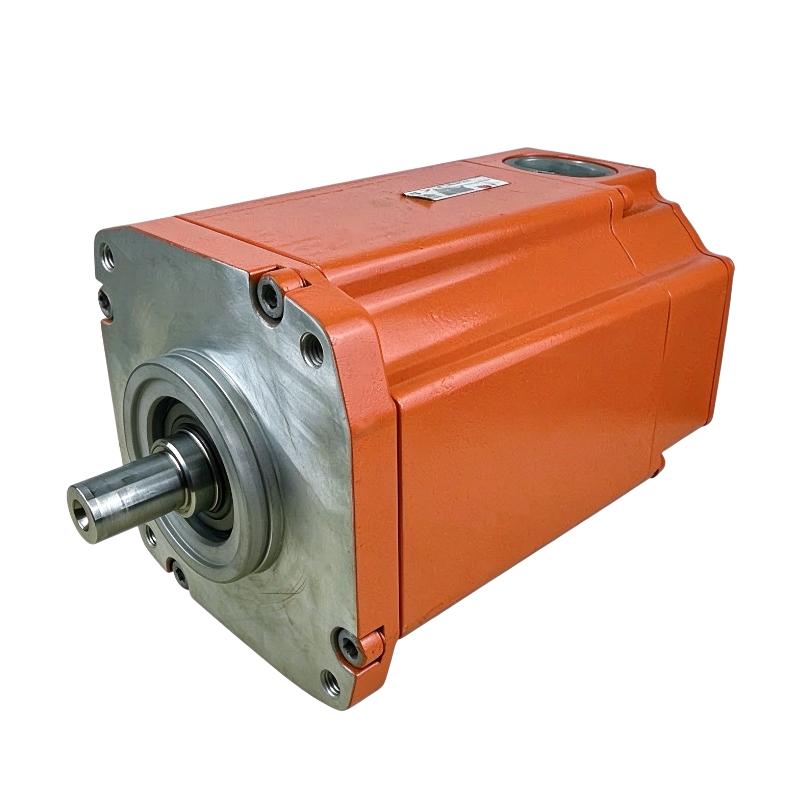
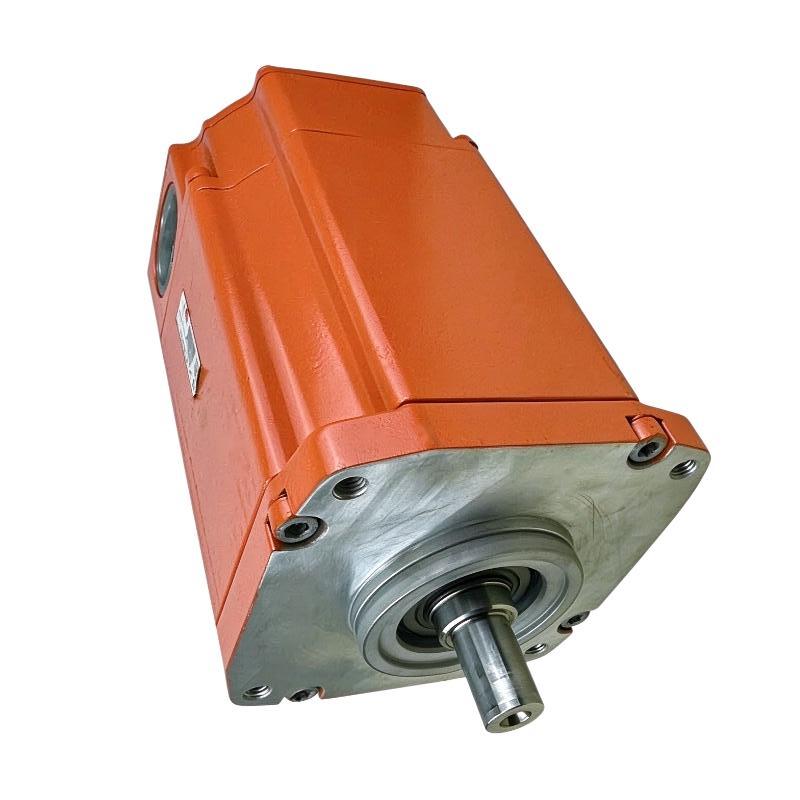
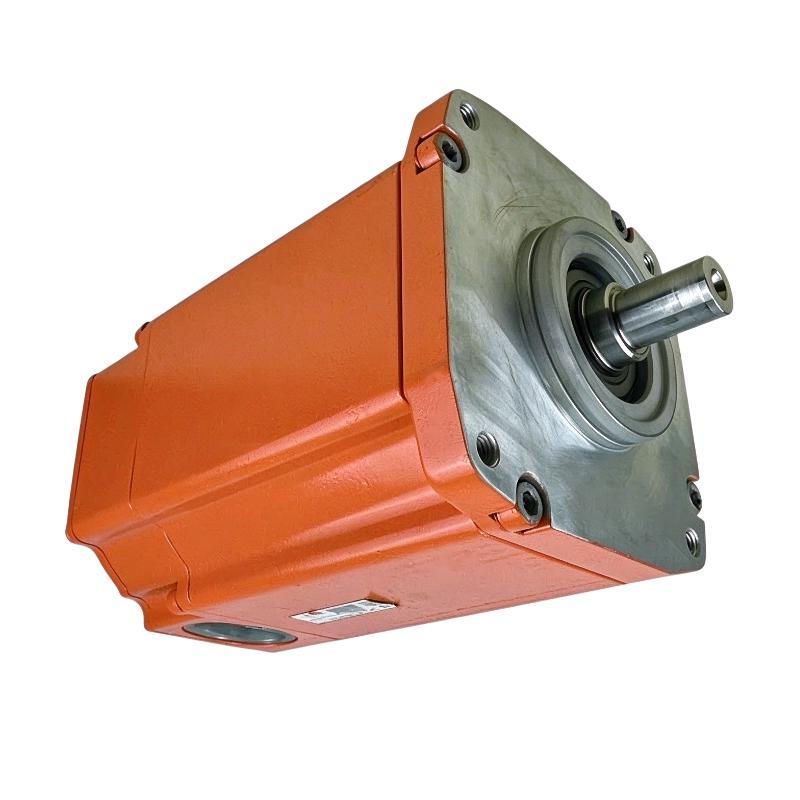
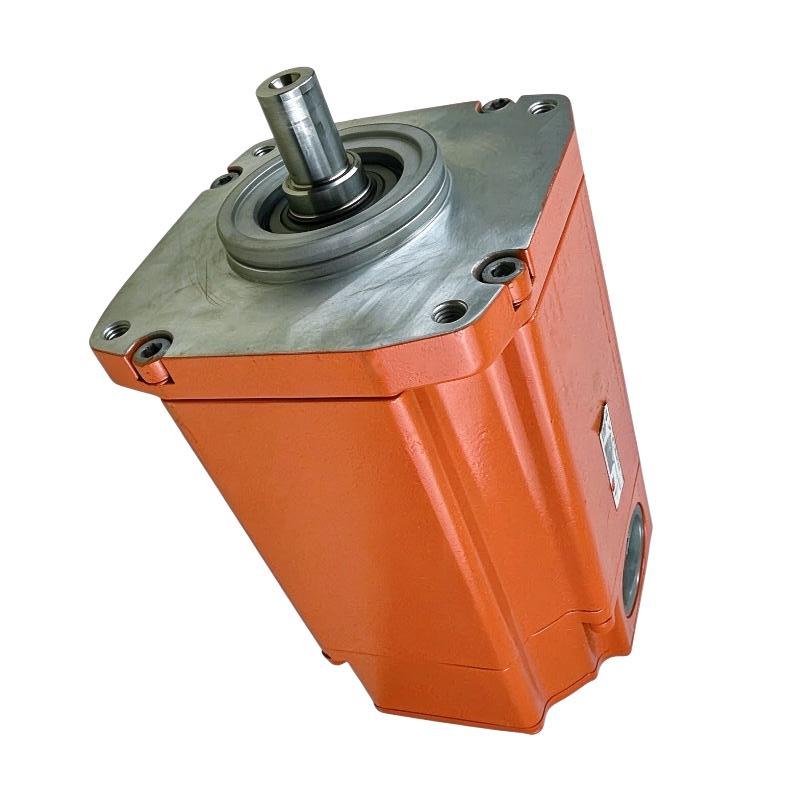
- ABB
- 3HAC024776-001
- Servo Motor
- Sweden (SE)
- 440 x 180 x 180 mm
- 30 kg
- Xiamen, China
- New & In Stock
- T/T, PayPal, Western Union
- 1 Year
- 1-3 Working Days
- DHL, UPS, TNT, FedEx and EMS.
- 24-Hour Service
- COO
- 6
Our advantage

Global Logistics
We have a 10-year logistics and express cooperation agreement, so our products can be shipped to any place in the world.

Brand new and original
Our products are imported in bulk from the place of origin. Because of the cooperative relationship, our products are all original and 100% new.

24-hour service
We provide 7*24 hours service to our customers. We will be there whenever you need us.

Price advantage
All our products are priced very favorably because we have our own warehouse and supply.
| Company Information | |||
| [email protected] | |||
| Mobile | +8615980777398 | ||
| +8615980777398 | |||
| 15980777398 |
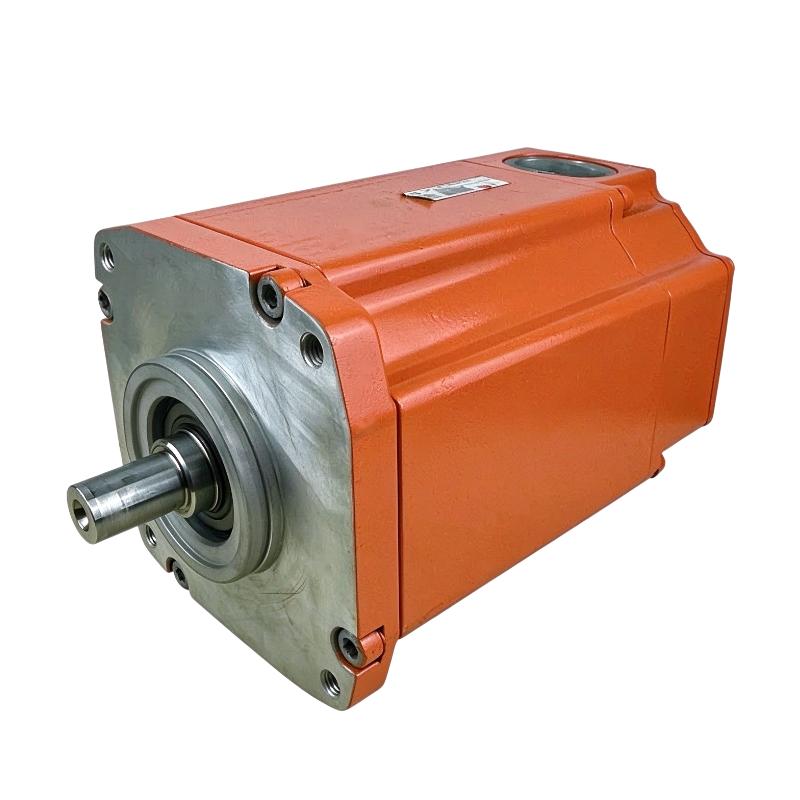
Product Overview
The ABB 3HAC024776-001 Motor Including Pinion is a motor assembly designed for use in ABB industrial robotic systems. Unlike a standalone industrial motor, this component includes a pinion, providing a mechanical interface for transmitting rotational motion to a compatible gear or drive mechanism within the robot assembly.
ABB robotic systems rely on coordinated mechanical and electrical components to deliver controlled movement across multiple axes. Motors, gear units, mechanical transmissions, control electronics, and feedback devices work together to provide the motion required for industrial production. The motor-and-pinion assembly is an important part of this mechanical drive arrangement.
The 3HAC024776-001 is identified in product records by the description “Motor incl pinion.” Its associated ABB type designation is listed as STD / FOUNDRY+ 17 Nm / 6495 W in a parts catalog. These designation details should be interpreted in the context of the specific robot assembly and verified against the original ABB documentation before being used as electrical or performance ratings.
The component may be relevant to robot maintenance, motor replacement, and refurbishment projects where the original part number is required. Selecting the correct assembly is particularly important because robotic motor components can differ in mechanical dimensions, pinion geometry, mounting arrangements, and compatibility with the robot’s drive system.
For maintenance teams and industrial spare-parts buyers, confirming the complete part number and the robot model is the first step toward ensuring a suitable replacement. A motor with a similar appearance or nominal rating may not be mechanically interchangeable with the original component.
Technical Specifications
| Parameter | Specification |
|---|---|
| Brand | ABB |
| Product Number | 3HAC024776-001 |
| Product Name | Motor Including Pinion |
| Product Category | ABB Robotics Motor Assembly |
| Component Type | Motor with integrated pinion |
| Associated Type Designation | STD / FOUNDRY+ 17 Nm / 6495 W, as listed in a parts catalog |
| Replacement Part Number Listed | 3HAC058991-005 |
| Dimensions Provided | 440 × 180 × 180 mm |
| Approximate Weight Provided | 30 kg |
| Published Net Weight | Approximately 28.76 kg in one product record |
| Published Gross Weight | Approximately 29.9 kg in one product record |
| Alternative Published Weight | Approximately 30.5 kg in another parts catalog |
| Primary Application | ABB industrial robot drive assemblies |
| Typical Maintenance Role | Robot motor replacement and mechanical drive servicing |
Note: Confirm the exact robot compatibility, electrical ratings, pinion dimensions, and mounting specifications against the applicable ABB parts documentation. Weight figures may differ according to the product revision, packaging, and catalog source.
Function and Working Principle
The 3HAC024776-001 combines a motor with a pinion to provide rotational drive for a compatible robotic mechanism. The motor converts electrical energy into mechanical motion, while the pinion transfers that motion into the associated gear or transmission system.
1. Conversion of Electrical Energy into Motion
The motor generates rotational movement when operated by its compatible drive and control system. The motor’s electrical supply and control signals must match the requirements of the specific assembly.
In an industrial robot, the motor does not normally operate in isolation. It works as part of a coordinated axis drive system that may include a servo drive, feedback components, transmission hardware, and robot controller.
2. Mechanical Power Transmission Through the Pinion
The pinion is a small gear that engages with a compatible mating gear or transmission component. Its purpose is to transfer rotational force through the mechanical drive arrangement.
The pinion’s geometry, tooth profile, dimensions, and alignment are critical. Incorrect gear engagement can lead to excessive noise, vibration, uneven wear, reduced transmission efficiency, or mechanical damage.
When replacing the assembly, technicians should confirm that the replacement pinion matches the original mechanical interface.
3. Coordinated Robot Movement
Industrial robots perform movements through coordinated operation of their individual axes. Each axis must respond appropriately to the robot controller’s motion commands.
The motor assembly contributes to this process by providing the required mechanical drive. Overall motion performance depends on the motor, transmission, feedback system, controller configuration, and mechanical condition of the robot.
4. Interaction with the Robot Control System
A compatible robot controller and drive system regulate motor operation according to programmed motion commands. Feedback devices, where fitted in the system, provide information used to monitor or regulate movement.
The exact feedback arrangement and electrical interface for the 3HAC024776-001 should be verified from the robot’s technical documentation. It is important not to assume that every ABB motor assembly uses the same connectors, feedback technology, or drive parameters.
Role in ABB Industrial Robotic Systems
ABB robotic systems are used in manufacturing operations that require repeatable movement, coordinated axes, and integration with production equipment. Motor assemblies form part of the mechanical and electrical infrastructure that allows a robot to perform these tasks.
Robot Axis Drive
A robot axis requires a suitable drive mechanism to produce controlled rotation or movement. The motor and pinion assembly provides part of this mechanical drive function.
Its suitability depends on the robot’s design and the specifications of the associated transmission. During replacement, the part number and the robot’s bill of materials should be checked before installation.
Motion Control and Positioning
Robotic movement requires the controller, drive electronics, motor, and mechanical components to work together. The motor provides the rotational input, while the transmission converts that input into the required mechanical movement.
Accurate positioning is a system-level result rather than a property of the motor alone. Gear condition, mechanical backlash, mounting accuracy, feedback operation, and controller configuration can all influence the final result.
Robot Maintenance and Refurbishment
When a robot motor develops a fault or mechanical wear is detected, replacement with the correct assembly can help restore the original equipment configuration.
A suitable spare part can reduce the need for mechanical modifications, but the replacement must still be inspected and commissioned according to the robot manufacturer’s procedures.
Spare-Parts Standardization
Industrial facilities often maintain inventories of robot motors, gear units, cables, sensors, and other service parts. Accurate part-number records help maintenance teams identify the correct item and reduce the risk of ordering an incompatible assembly.
For the 3HAC024776-001, purchasing documentation should retain the full part number, quantity, robot model, and any available revision or replacement information.
Industrial Applications
The 3HAC024776-001 is a robotic motor component rather than a general-purpose motor intended for unrestricted use across industrial machinery. Its primary suitability is determined by the ABB robot assembly for which it was designed.
1. Industrial Robot Maintenance
The assembly may be required when servicing an existing ABB robot that uses this specific motor component. Replacing a worn or faulty motor assembly can support the restoration of robot operation when the underlying cause has been correctly diagnosed.
The robot model, axis configuration, and part-number compatibility should be verified before ordering.
2. Automotive Manufacturing
Industrial robots are widely used in automotive production for material handling, assembly, machine tending, and other automated tasks. Motor assemblies are among the components that may require inspection or replacement during the service life of these systems.
The 3HAC024776-001 should only be used where the original ABB equipment documentation confirms compatibility.
3. Foundry and Heavy Industrial Environments
The associated product designation references a FOUNDRY+ configuration. This provides a reason to investigate its intended application within ABB’s foundry-oriented robotic equipment, but the exact environmental limits must be confirmed from the relevant product documentation.
Foundry environments may involve elevated ambient temperatures, dust, and demanding duty cycles. The suitability of a replacement depends on the complete robot configuration and its specified operating conditions.
4. Automated Material Handling
Robotic material-handling systems require coordinated movement to transfer components between workstations, conveyors, and processing equipment. Motor and transmission assemblies provide the mechanical drive needed for these operations.
The 3HAC024776-001 may be considered for servicing a compatible existing robot, not as a universal replacement motor for unrelated handling equipment.
5. Industrial Robot Overhaul
During a planned overhaul, maintenance teams may inspect motors, pinions, gear units, mounting interfaces, and associated electrical connections. A replacement motor assembly may be required when the original component has reached the end of its service life or no longer meets the required condition.
A planned overhaul should include verification of the replacement part, mechanical inspection, and appropriate operational testing.
Installation and System Integration
Correct installation is essential to preserve the mechanical integrity and operational performance of a robotic drive assembly.
1. Verify the Exact Part Number
Before installation, compare the part number on the replacement assembly with the original component and the robot’s parts list.
Although 3HAC024776-001 is identified as a motor including pinion, other assemblies may have similar descriptions while differing in mechanical or electrical characteristics. Do not rely on appearance alone.
2. Confirm Mechanical Compatibility
Check the mounting interface, shaft arrangement, pinion geometry, overall dimensions, and mating transmission components. The supplied dimensions are 440 × 180 × 180 mm, but the actual installation envelope should be confirmed from the relevant mechanical drawing.
The pinion must engage correctly with its mating component. Incorrect alignment or incompatible gear geometry can cause abnormal wear and mechanical loading.
3. Verify Electrical and Drive Compatibility
Confirm that the motor’s electrical characteristics match the compatible drive and robot controller. This includes the specified supply and drive arrangement, current requirements, feedback interface where applicable, and connection details.
Do not apply generic servo-motor wiring assumptions to a robotic motor assembly without checking the relevant documentation.
4. Follow Safe Isolation Procedures
Before servicing the robot, isolate electrical power and follow the robot manufacturer’s safety procedures. Industrial robot systems may contain stored electrical energy and mechanically hazardous loads.
Any movement of the robot arm, removal of a motor, or release of mechanical components should be performed only under the prescribed maintenance procedure by qualified personnel.
5. Inspect the Pinion and Transmission
Before fitting the replacement, inspect the mating gear and associated mechanical components for visible damage, abnormal wear, contamination, or signs of poor alignment.
A new motor assembly may not resolve a problem caused by a damaged transmission, excessive mechanical resistance, or another faulty component. The root cause should be investigated before returning the robot to service.
6. Commission the Robot After Replacement
After installation, follow the approved commissioning and testing procedure for the robot. Verify the electrical connections, mechanical mounting, drive configuration, and any required calibration or mastering steps.
Perform the prescribed tests before returning the robot to production. Monitor for unusual noise, vibration, temperature, or drive alarms during initial operation.
Compatible System Components
The motor assembly operates within a larger robotic drive system. The following components may form part of the surrounding installation, but exact compatibility must be confirmed for the robot model and axis.
| Component | Function | Compatibility Considerations |
|---|---|---|
| ABB robot controller | Coordinates robot movement and executes motion programs | Must support the specific robot model and installed drive architecture |
| Compatible servo drive | Regulates motor power and motion response | Verify electrical ratings, control configuration, and feedback requirements |
| Robot gear unit | Transmits and converts mechanical motion | Confirm the correct mechanical interface and load requirements |
| Mating gear or transmission component | Engages with the motor’s pinion | Match gear geometry, dimensions, and alignment requirements |
| Feedback device, where applicable | Supplies position or speed information | Confirm the feedback arrangement for the exact assembly |
| Motor power cable | Carries electrical power to the motor | Verify connector type, current rating, and cable specification |
| Feedback or signal cable, where applicable | Carries feedback or control signals | Confirm the required interface and wiring |
| Mechanical mounting hardware | Secures the assembly to the robot structure | Use the specified fasteners and installation procedure |
| Robot service software and tools | Support diagnostics and commissioning | Use procedures compatible with the installed controller |
This table describes typical system-level components. It does not mean that these items are included with the 3HAC024776-001 assembly.
Alternative Models and Replacement Considerations
Selecting an alternative for an ABB robotic motor assembly requires more than comparing power or dimensions. The replacement must match the intended robot application and mechanical interface.
| Replacement Option | Important Considerations |
|---|---|
| ABB 3HAC058991-005 | Listed as a replacement product ID associated with 3HAC024776-001; verify the exact substitution and robot compatibility with ABB documentation |
| Another ABB motor-including-pinion assembly | Confirm the full part number, pinion geometry, mounting arrangement, and intended robot model |
| An ABB robotic motor assembly for the same robot family | Verify axis designation, electrical interface, drive compatibility, and mechanical specifications |
| Repair of the existing assembly | Consider only where a qualified service provider can assess the motor and pinion and determine whether repair is appropriate |
Before purchasing a replacement, verify:
- The complete ABB part number.
- The robot model and relevant axis or assembly location.
- The replacement part number and revision information.
- The motor’s electrical and control requirements.
- The pinion geometry and mechanical mounting interface.
- Compatibility with the installed drive and feedback arrangement.
- The physical condition and provenance of the supplied part.
- Whether the replacement requires additional commissioning or calibration.
A listed replacement part number should be treated as a lead for verification, not automatic proof of interchangeability across every robot configuration.
Key Advantages
Integrated Motor and Pinion Assembly
The motor and pinion are supplied as one identified assembly. This can simplify parts identification when the original equipment requires the complete motor-and-pinion component.
Application-Specific Robotic Design
The part is cataloged as an ABB robotics component. Its suitability should therefore be evaluated in the context of the intended robot and mechanical drive system.
Support for Maintenance and Replacement
Accurate identification of the assembly helps maintenance teams source the required component for an existing installation and plan repairs or overhauls.
Mechanical Drive Interface
The integrated pinion provides the mechanical interface needed for engagement with a compatible transmission. Correct matching and alignment are essential for reliable operation.
Traceable Spare-Part Identification
The full part number provides a specific reference for procurement, inventory management, and service records. Maintaining this information can help reduce the risk of ordering an incorrect component.
Potential for Reduced Replacement Uncertainty
Using a verified replacement part can reduce the need for improvised mechanical adaptations. The final suitability must still be confirmed against the robot’s documentation and installation requirements.
Technical FAQs
1. What is the ABB 3HAC024776-001?
It is an ABB Robotics motor assembly cataloged as “Motor incl pinion.” It combines a motor with a pinion for use in a compatible robotic drive arrangement.
2. Is this a general-purpose servo motor?
It is more accurately described as a robotic motor-with-pinion assembly. It should not be treated as a universal servo motor for unrelated machinery because its mechanical interface and electrical requirements are application-specific.
3. What is the replacement part number?
One product record lists 3HAC058991-005 as the replacement product ID. Confirm the replacement relationship and suitability for the specific robot model before ordering.
4. What are the dimensions and weight?
The supplied listing dimensions are 440 × 180 × 180 mm, with an approximate weight of 30 kg. Product records show weights around 28.76 kg net, 29.9 kg gross, and 30.5 kg in another parts catalog. Confirm the exact measurement basis for shipping and installation.
5. What is the purpose of the pinion?
The pinion transfers rotational motion from the motor into a compatible gear or transmission. Correct gear geometry, alignment, and mechanical condition are important for reliable power transmission.
6. What electrical ratings does this assembly use?
The exact electrical ratings should be confirmed from the applicable ABB technical documentation and the robot’s parts information. Do not assume a voltage, current, power, or speed value based solely on third-party descriptions.
7. Can it be installed on any ABB industrial robot?
No. ABB robotic components are designed for particular mechanical and electrical configurations. Verify the robot model, axis or assembly, and approved part-number compatibility before installation.
8. What should be checked before buying a replacement?
Confirm the complete part number, robot model, mechanical dimensions, pinion configuration, electrical interface, feedback requirements where applicable, and the seller’s product condition and warranty terms.
9. What can cause premature wear in a motor-and-pinion assembly?
Potential causes include incorrect gear alignment, incompatible mating components, excessive mechanical load, contamination, insufficient lubrication where required, and operation outside the specified limits. Diagnosis should include the complete transmission rather than the motor alone.
10. What maintenance is recommended after installation?
Follow ABB’s maintenance instructions for the relevant robot. Inspect mounting security, gear engagement, mechanical condition, cable connections, and any abnormal vibration, noise, temperature, or drive alarms. Complete the required commissioning checks before returning the robot to production.
Procurement and Maintenance Recommendations
When sourcing the ABB 3HAC024776-001, begin by verifying the part number against the original robot documentation. Confirm whether the required item is the complete motor-with-pinion assembly or another related motor component.
For new, surplus, or refurbished parts, request clear photographs of the product label and mechanical interface. Confirm the actual condition, any available inspection or test records, packaging, and applicable warranty terms. Since published weights vary, establish whether the supplier’s stated weight refers to the bare assembly or the packaged item.
For replacement projects, verify the relationship between 3HAC024776-001 and the listed replacement 3HAC058991-005 before purchasing. Check the exact robot configuration and ensure the mechanical interface and electrical requirements are appropriate.
During maintenance, inspect the motor and associated transmission for signs of damage, abnormal wear, or misalignment. Use approved procedures for removal, installation, and commissioning. Record the replacement part number and relevant service information to support future maintenance and spare-parts planning.
Conclusion
The ABB 3HAC024776-001 is a robotic motor assembly cataloged as a motor including pinion. It provides rotational drive and a mechanical transmission interface for a compatible ABB robotic system.
For industrial spare-parts procurement, the most important considerations are exact part-number identification, robot compatibility, pinion geometry, electrical requirements, and correct installation. Although 3HAC058991-005 is listed as a replacement product ID in one record, the substitution should be confirmed against the relevant ABB documentation before use. Accurate identification and proper commissioning help support reliable robot maintenance and long-term equipment service.