

ProductPRODUCT
Featured products
Contact Us
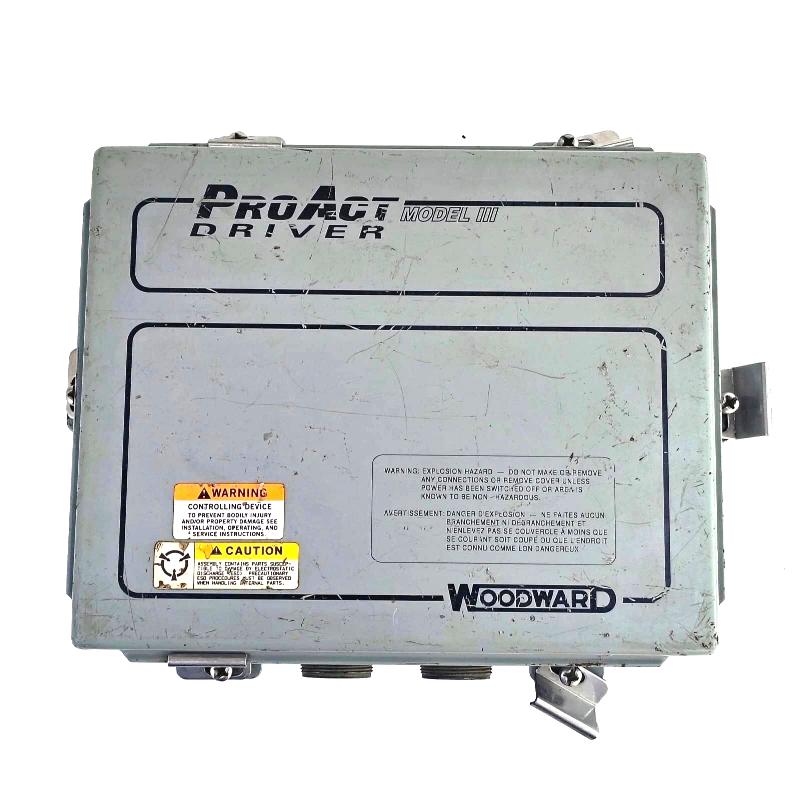
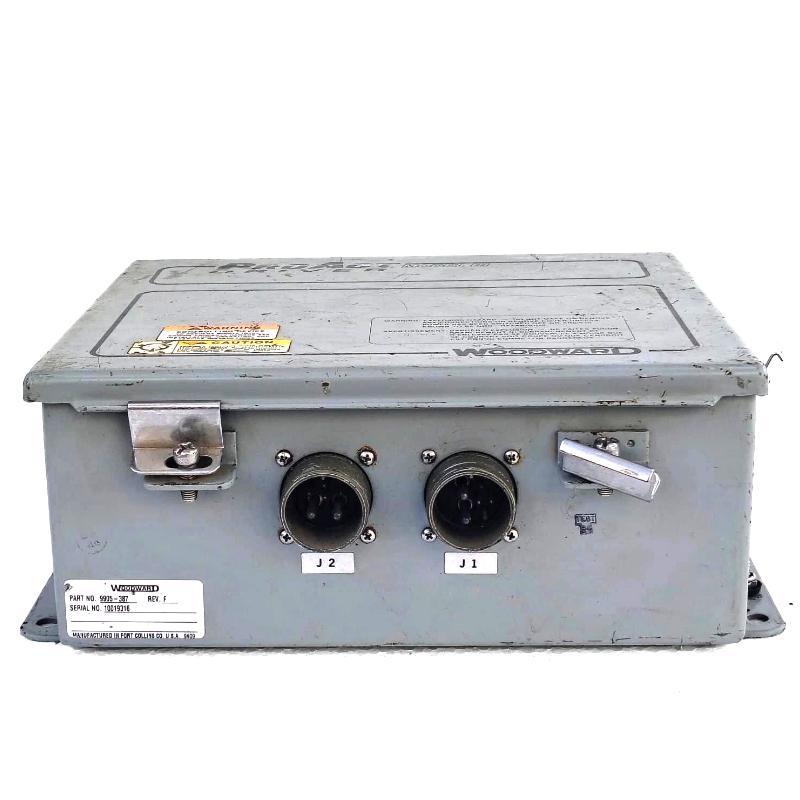
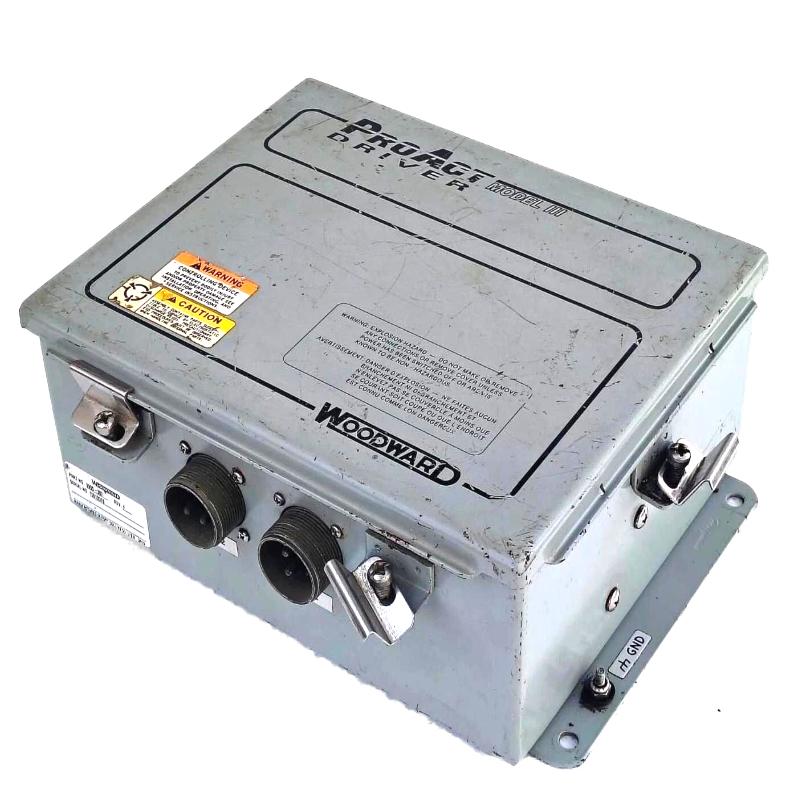
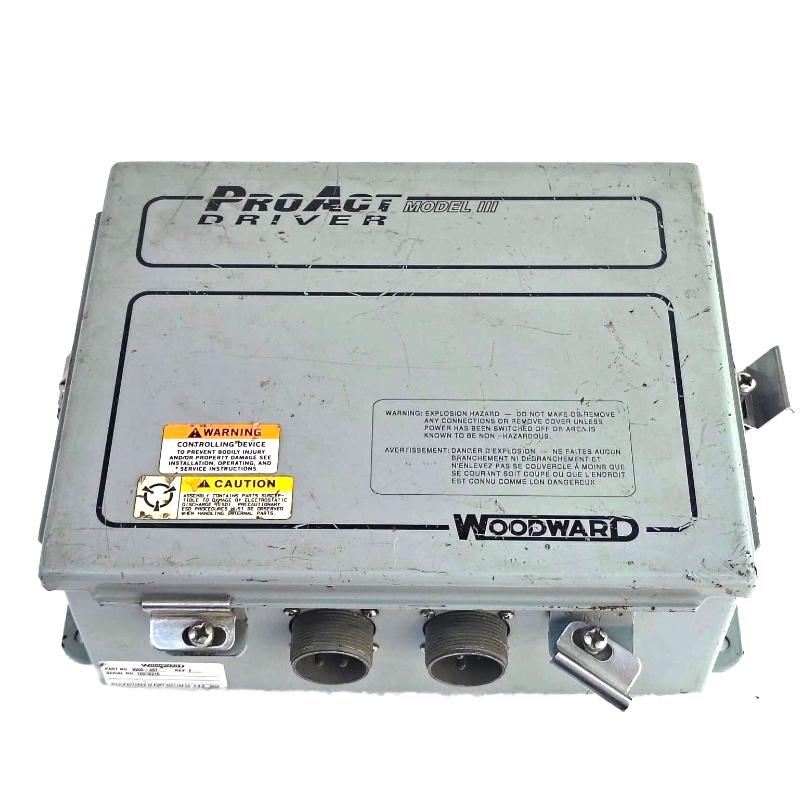
- Woodward
- 9905-387
- ProAct Driver Model III
- USA
- 130 × 100 × 60 mm
- 1 kg
- Xiamen, China
- New & In Stock
- T/T, PayPal, Western Union
- 1 Year
- 1-3 Working Days
- DHL, UPS, TNT, FedEx and EMS.
- 24-Hour Service
- COO
- 7
Our advantage

Global Logistics
We have a 10-year logistics and express cooperation agreement, so our products can be shipped to any place in the world.

Brand new and original
Our products are imported in bulk from the place of origin. Because of the cooperative relationship, our products are all original and 100% new.

24-hour service
We provide 7*24 hours service to our customers. We will be there whenever you need us.

Price advantage
All our products are priced very favorably because we have our own warehouse and supply.
| Company Information | |||
| [email protected] | |||
| Mobile | +8615980777398 | ||
| +8615980777398 | |||
| 15980777398 |
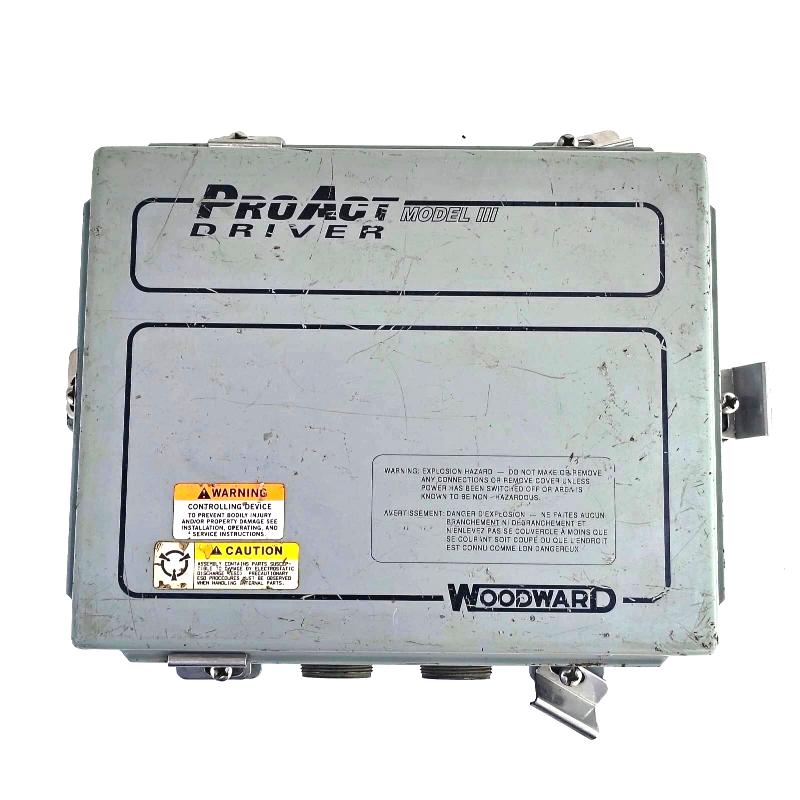
Product Overview
The Woodward 9905-387 ProAct Driver Model III is an electronic actuator driver used in engine governing systems to convert a controller’s 0–200 mA command signal into the electrical drive required to position a compatible ProAct III actuator. It is the MS-connector version of the Model III driver, intended for installations where the actuator command is supplied as a current signal.
In a diesel or gas engine generator set, the prime mover must adjust its fuel input as electrical demand changes. The engine controller calculates the required governing response and sends a command to the ProAct driver. The driver then regulates the actuator movement, allowing the engine’s fuel-control mechanism to respond to the governing command.
The 9905-387 is specifically associated with a 0–200 mA control input and an MS connector arrangement. It should not be confused with the 9905-386, which uses a 4–20 mA input, or with Model III driver variants that include an additional actuator-position output. These differences affect wiring, signal compatibility, and replacement selection.
The driver operates as part of a larger governing system rather than as a standalone speed controller. Its performance depends on the upstream electronic control, the compatible ProAct actuator, the engine linkage, the DC power supply, and the configured control direction.
Technical Specifications
| Parameter | Specification |
|---|---|
| Manufacturer | Woodward |
| Model / Part Number | 9905-387 |
| Product Family | ProAct III/IV Actuator/Driver |
| Product Type | ProAct Driver Model III |
| Driver Version | Model III, MS connector |
| Control Input | 0–200 mA |
| Supply Voltage | 20–32 V DC |
| Continuous Supply Current Requirement | 10 A |
| Peak Supply Current Requirement | 20 A for up to 2 seconds |
| Compatible Actuator Family | ProAct III |
| Actuator Function | Electronic positioning of the engine fuel-control mechanism |
| Position Feedback Output | Not included in this standard driver configuration |
| Typical Application | Engine governing and generator-set control |
| Dimensions | 130 × 100 × 60 mm |
| Weight | 1 kg |
Product Features
- 0–200 mA command input: Accepts the specified current-control signal from a compatible Woodward electronic controller.
- Model III actuator drive: Supplies the electrical drive required by a compatible ProAct III actuator.
- MS connector interface: Uses the designated connector arrangement for the driver and associated wiring.
- Separate DC power supply: Operates from a 20–32 V DC source with sufficient current capacity for actuator movement.
- Engine fuel-control integration: Supports actuator movement through the mechanical linkage connected to the engine’s fuel-control mechanism.
- Current-signal compatibility: Provides a defined input format for governing systems configured for 0–200 mA commands.
- Modular governing architecture: Operates between the electronic controller and actuator, allowing each component to perform its dedicated function.
Working Principle
The 9905-387 converts the electronic controller’s current command into the actuator drive needed to position a compatible ProAct III actuator. The upstream controller determines the requested governing response, while the driver supplies the electrical power used to move the actuator.
A typical arrangement follows this sequence:
Engine Speed Sensor → Electronic Governor → 0–200 mA Command → 9905-387 Driver → ProAct III Actuator → Fuel-Control Linkage
The driver also requires a separate DC power connection:
20–32 V DC Supply → 9905-387 Driver → Actuator Drive Circuit
When engine speed falls below the required operating point, the electronic governor adjusts its output command according to the configured control strategy. The driver responds to the current input and moves the actuator, which changes the engine’s fuel setting through the mechanical linkage. As engine speed recovers, the controller adjusts the command to maintain the intended operating condition.
The actuator’s movement depends on the input command, the driver’s operating characteristics, and the mechanical arrangement of the engine. Correct installation therefore requires the command polarity, actuator direction, linkage geometry, and control settings to agree with the governing system.
The 9905-387 is not itself the complete speed governor. It does not independently determine the engine’s target speed or replace the upstream controller’s governing logic. Its function is to translate the specified electrical command into actuator movement.
Role in the Engine Governing Architecture
The 9905-387 occupies the actuator-drive stage between the electronic governor and the ProAct III actuator. The controller determines the required correction, the driver supplies the actuator command, and the mechanical linkage adjusts the engine’s fuel-control mechanism.
Electronic Governor → 9905-387 Driver → ProAct III Actuator → Engine Fuel-Control Mechanism
| System Component | Function |
|---|---|
| Woodward 9905-387 | Converts the 0–200 mA command into actuator drive |
| Electronic Governor | Calculates the governing response from speed and operating inputs |
| Magnetic Pickup Speed Sensor | Measures engine rotational speed where used |
| DC Power Supply | Supplies the electrical energy required by the driver |
| ProAct III Actuator | Produces the mechanical movement required by the governing system |
| Engine Linkage | Transfers actuator movement to the fuel-control mechanism |
| Diesel or Gas Engine | Supplies mechanical power to the driven equipment |
| Generator | Converts engine output into electrical power |
| Load-Sensing Equipment | Supplies operating information to the governor where required |
| Shutdown and Protection System | Provides independent protective functions for the engine and driven equipment |
Industrial Applications
| Application | Typical Use |
|---|---|
| Diesel Generator Sets | Driving a compatible ProAct III actuator in an engine governing system |
| Gas Engine Generators | Translating electronic governor commands into actuator movement |
| Industrial Power Plants | Supporting fuel-control actuation in compatible prime movers |
| Standby Power Systems | Regulating actuator position as generator operating conditions change |
| Remote Generator Stations | Integrating the actuator drive with an external electronic governor |
| Engine Retrofit Projects | Replacing a driver after confirming input and connector compatibility |
| Industrial Engine Packages | Controlling the fuel-setting linkage through a compatible ProAct III actuator |
| Marine Auxiliary Generators | Supporting suitable engine governing arrangements |
| Gas Compression Equipment | Driving the engine actuator in compatible compressor prime-mover systems |
| Engine Maintenance Workshops | Testing and servicing the actuator-drive stage during governing-system maintenance |
Installation and Maintenance
- Verify the part number: Confirm 9905-387 and distinguish it from other ProAct Model III drivers with different input signals or connector arrangements.
- Check the command signal: Confirm that the upstream governor supplies the specified 0–200 mA input rather than a 4–20 mA signal.
- Verify the DC supply: Ensure that the supply remains within the 20–32 V DC range and can provide the required continuous and peak current.
- Identify the actuator: Confirm that the connected actuator is a compatible ProAct III model and that its movement direction suits the engine linkage.
- Inspect the MS connectors: Check connector pins, locking hardware, wiring, and cable condition before connecting the driver.
- Isolate the governing system: Follow the approved shutdown and electrical isolation procedures before working on the driver, actuator, or engine linkage.
- Check wiring polarity: Verify the command input, power supply, actuator connections, and grounding arrangement against the intended circuit.
- Inspect the mechanical linkage: Check for binding, excessive play, worn joints, or obstructions that could prevent the actuator from moving correctly.
- Verify control direction: Confirm that the commanded actuator movement produces the intended change in the engine’s fuel setting.
- Test the command response: During controlled commissioning, verify that changes in the governor’s current command produce the expected actuator movement.
- Investigate abnormal behavior: If the actuator does not respond correctly, check the input signal, DC supply, connectors, actuator condition, and mechanical linkage before replacing components.
- Record commissioning results: Document the driver reference, command signal range, supply voltage, actuator model, wiring arrangement, and functional test results.
Compatible System Components
| Component | Function |
|---|---|
| Woodward 9905-387 ProAct Driver | Converts the 0–200 mA control signal into actuator drive |
| Woodward ProAct III Actuator | Produces the required mechanical movement |
| Electronic Governor | Generates the actuator command based on governing requirements |
| Magnetic Pickup Speed Sensor | Supplies engine speed feedback where used |
| 20–32 V DC Power Supply | Powers the driver and actuator circuit |
| MS Connector and Mating Cable | Establishes the specified electrical connections |
| Engine Fuel-Control Linkage | Transfers actuator movement to the engine’s fuel mechanism |
| Generator Set | Uses the controlled prime mover to produce electrical power |
| Engine Protection System | Provides independent shutdown and protection functions |
| Load-Sensing Equipment | Supplies load-related information where required by the governor |
Recommended Related Models
| Model | Product Type | Selection Consideration |
|---|---|---|
| Woodward 9905-387 | ProAct Driver Model III | 0–200 mA input with MS connector |
| Woodward 9905-386 | ProAct Driver Model III | 4–20 mA input with MS connector |
| Woodward 9905-384 | ProAct Driver Model III | 4–20 mA input with conduit connection |
| Woodward 9905-385 | ProAct Driver Model III | 0–200 mA input with conduit connection |
| Woodward 9905-392 | ProAct Driver Model III | 0–200 mA input with additional actuator-position output |
| Woodward 9905-459 | ProAct Driver Model III | 4–20 mA input with additional actuator-position output |
| Woodward 8405-009 | ProAct III Actuator | MS connector, clockwise-to-maximum configuration |
| Woodward 8405-011 | ProAct III Actuator | MS connector, counterclockwise-to-maximum configuration |
Key Advantages
- Accepts a defined 0–200 mA command from a compatible electronic governor.
- Drives a compatible ProAct III actuator for engine fuel-control applications.
- Uses an MS connector arrangement for the specified wiring configuration.
- Operates from a separate 20–32 V DC supply.
- Fits into a modular governing architecture with a separate controller and actuator.
Technical FAQs
Why must the 9905-387 be matched to a 0–200 mA controller output?
The 9905-387 is configured for a 0–200 mA command input. A controller supplying 4–20 mA uses a different signal range, so the corresponding driver variant must be selected to avoid incorrect actuator response.
What is the purpose of the separate DC power supply?
The input command carries control information, while the DC supply provides the energy needed to drive the actuator. The supply must meet the specified voltage and current requirements during both continuous operation and actuator movement.
Can the 9905-387 be used with a ProAct IV actuator?
Compatibility should not be assumed solely because the driver and actuator belong to the ProAct family. Confirm the actuator model, required drive characteristics, connector arrangement, and governing-system documentation before using a different actuator generation.
What should be checked if the actuator moves in the wrong direction?
Check the driver wiring, actuator configuration, mechanical linkage, and control direction specified by the governing system. Incorrect direction can cause the engine fuel setting to respond opposite to the intended command, so the system should not be returned to service until the response has been verified.