

ProductPRODUCT
Featured products
Contact Us
- Woodward
- 9905-068 2301A
- Electronic Load Sharing and Speed Control
- USA
- 182 × 152 × 100 mm
- 1.2 kg
- Xiamen, China
- New & In Stock
- T/T, PayPal, Western Union
- 1 Year
- 1-3 Working Days
- DHL, UPS, TNT, FedEx and EMS.
- 24-Hour Service
- COO
- 8
Our advantage

Global Logistics
We have a 10-year logistics and express cooperation agreement, so our products can be shipped to any place in the world.

Brand new and original
Our products are imported in bulk from the place of origin. Because of the cooperative relationship, our products are all original and 100% new.

24-hour service
We provide 7*24 hours service to our customers. We will be there whenever you need us.

Price advantage
All our products are priced very favorably because we have our own warehouse and supply.
| Company Information | |||
| [email protected] | |||
| Mobile | +8615980777398 | ||
| +8615980777398 | |||
| 15980777398 |
Product Overview
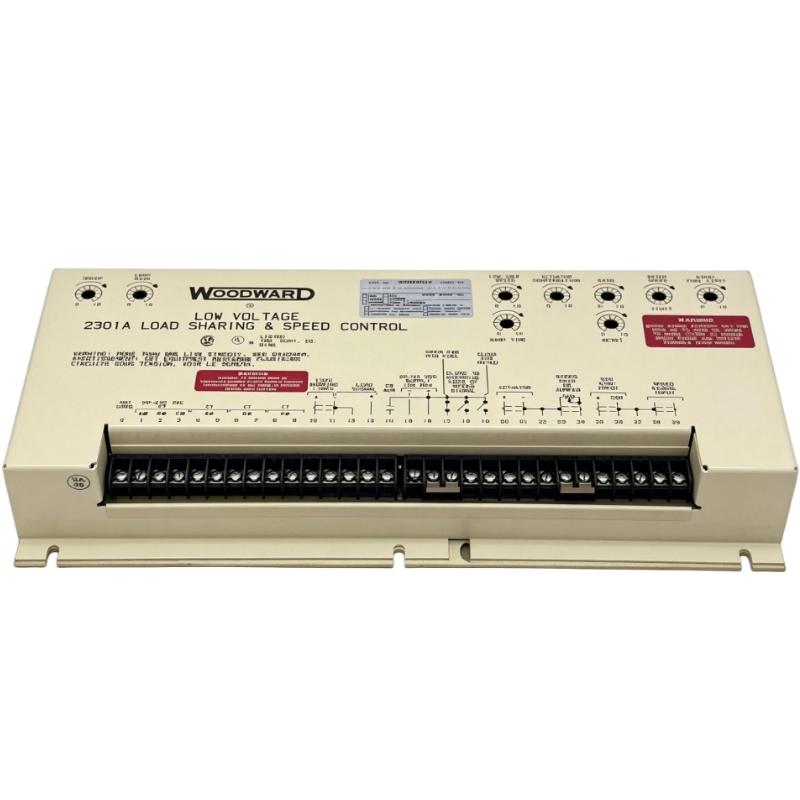
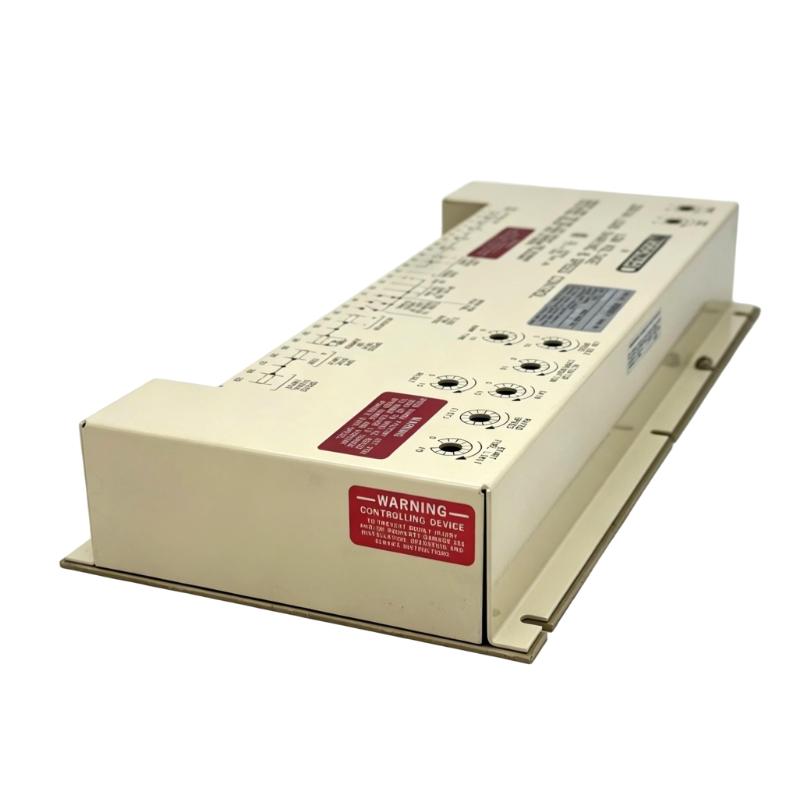
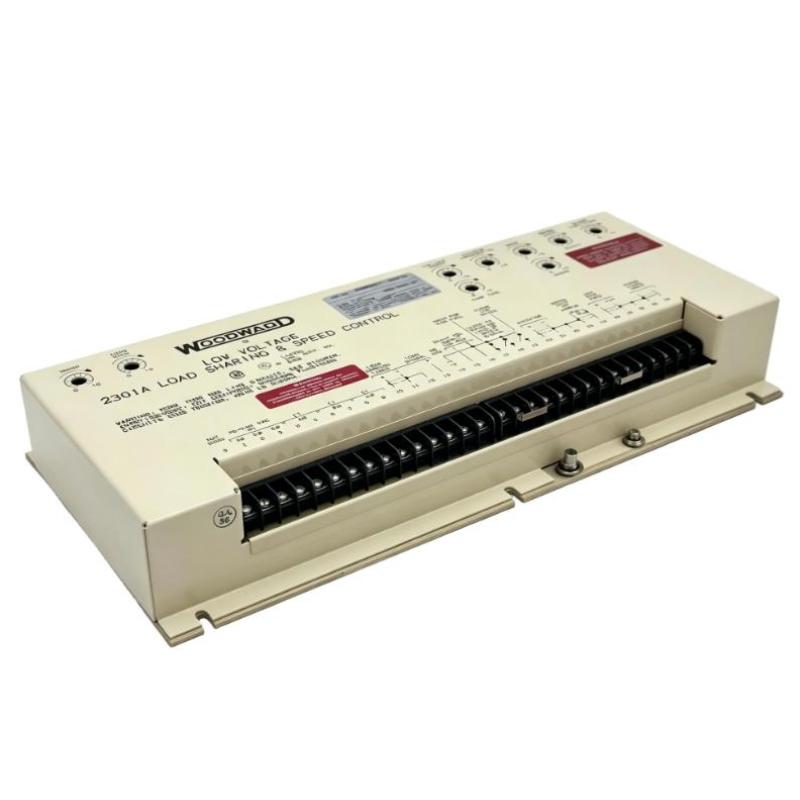
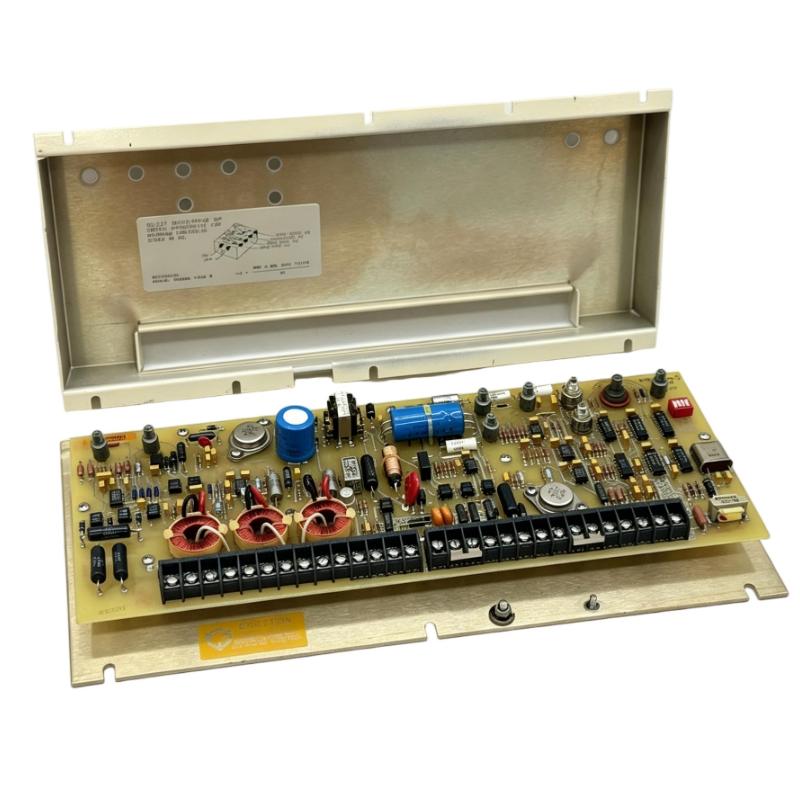
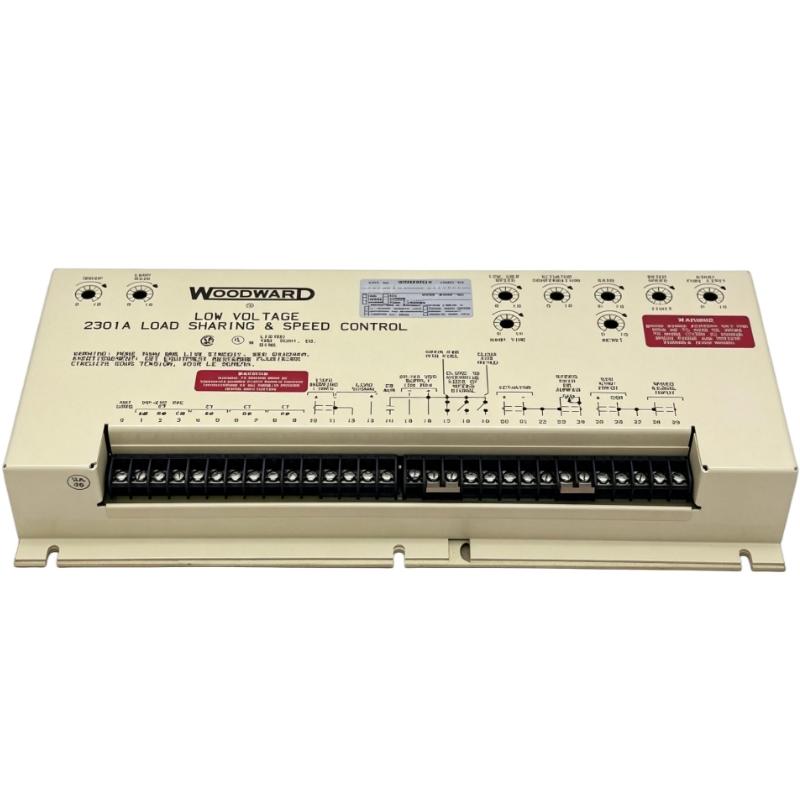
The Woodward 9905-068 is a 2301A Electronic Load Sharing and Speed Control unit used to regulate prime-mover speed and manage load sharing in generator applications. It is intended for systems driven by diesel or gas engines and compatible turbines, where stable speed regulation and coordinated power generation are important to the operation of the electrical system.
In a generator installation with two or more generating units operating in parallel, each prime mover must respond appropriately to changes in electrical demand. The 2301A control system uses speed feedback, load-sensing signals, and actuator commands to regulate the prime mover. When configured for load sharing, it helps coordinate the contribution of individual generating units rather than allowing one unit to carry a disproportionate share of the load.
The 9905-068 belongs to the low-voltage 2301A control range, which uses an external DC supply. Its control functions are implemented through connections to a speed-sensing device, generator load-sensing circuits, and a compatible proportional actuator. The precise actuator arrangement and control direction must match the installed engine or turbine governing system.
For example, in an industrial standby power plant, the control unit can form part of the governing system that maintains generator speed as electrical demand changes. In a multi-generator installation, load-sharing signals allow the governing systems to coordinate active-load distribution when the equipment is configured for parallel operation.
The 2301A is a dedicated electronic governing controller, not a generator protection relay or a complete automatic synchronizing system. Its operating behavior depends on the external sensing devices, actuator, generator instrumentation, wiring, and configured control mode.
Technical Specifications
| Parameter | Specification |
|---|---|
| Manufacturer | Woodward |
| Model / Part Number | 9905-068 |
| Product Family | 2301A |
| Product Type | Electronic Load Sharing and Speed Control |
| Controller Series | 9905/9907 Series |
| Power Supply | 20–40 V DC |
| Power Consumption | 15 W maximum nominal rating for the 2301A control family |
| Speed Feedback | Magnetic pickup speed sensor |
| Speed Sensor Input Impedance | 100–300 Ω |
| Control Modes | Isochronous and droop, according to system configuration |
| Load Sharing | Supported with compatible load-sensing equipment |
| Actuator Interface | Compatible proportional actuator |
| Operating Temperature | −40 to +85°C |
| Dimensions | 182 × 152 × 100 mm |
| Weight | 1.2 kg |
Product Features
- Electronic speed regulation: Processes speed feedback and adjusts actuator commands to maintain the required prime-mover speed.
- Load-sharing capability: Supports coordinated operation of compatible generating units operating in parallel.
- Low-voltage DC operation: Uses an external DC supply suitable for the specified low-voltage control configuration.
- Isochronous control: Supports constant-speed operation when the prime mover can meet the required load.
- Droop control: Allows speed regulation to vary with load when configured for applications requiring droop characteristics.
- Magnetic pickup feedback: Uses a compatible speed sensor to monitor prime-mover rotational speed.
- Actuator-based governing: Adjusts the fuel or other prime-mover input through a compatible proportional actuator.
- Industrial generator integration: Connects with the external sensing, load-measurement, and governing equipment required by the application.
Working Principle
The 9905-068 regulates prime-mover speed by comparing the measured speed signal with the configured reference and adjusting the actuator output accordingly. In generator applications, it can also process load-sharing information so that compatible generating units respond appropriately to changes in electrical demand.
A typical governing arrangement follows this sequence:
Prime Mover → Generator → Electrical Load
Magnetic Pickup → Speed Feedback → 2301A Control Unit → Actuator → Prime Mover
Generator Current Transformers → Load-Sensing Circuit → Load-Sharing Control
The magnetic pickup detects rotational movement from a suitable toothed target or other compatible sensing arrangement. The control unit processes the resulting frequency signal to determine prime-mover speed. When the measured speed differs from the required operating point, the controller adjusts its actuator output to change the prime mover’s fuel or energy input.
In isochronous operation, the governing system attempts to maintain the configured speed as the load changes, provided sufficient prime-mover capacity is available. When configured for load sharing, the control system coordinates with compatible load-sensing equipment so that multiple generating units can contribute to the common electrical load.
Droop operation serves a different purpose. It allows the controlled speed reference to vary with load, which can help establish stable load distribution when generators operate in parallel or supply an electrical bus under the appropriate governing arrangement.
The actuator response depends on the control direction and mechanical governing system. Forward-acting and reverse-acting arrangements respond differently to changes in actuator command, so the controller configuration must match the installed actuator and prime-mover mechanism.
The 2301A does not replace the generator’s electrical protection, independent overspeed protection, or synchronization equipment. These functions must be provided by the appropriate external devices and coordinated with the overall power-generation system.
Role in the Generator Control Architecture
The 9905-068 occupies the electronic governing layer between the speed and load-sensing circuits and the prime mover’s actuator. It regulates the prime mover’s response, while generator instrumentation and other control equipment provide the information needed for load sharing and safe parallel operation.
Speed Sensor + Load-Sensing Signals → Woodward 9905-068 → Actuator → Engine or Turbine → Generator
| System Component | Function |
|---|---|
| Woodward 9905-068 | Regulates prime-mover speed and supports configured load-sharing operation |
| Magnetic Pickup | Provides rotational-speed feedback |
| Current Transformers | Supply generator current signals for the load-sensing arrangement |
| Load-Sensing Equipment | Provides load information for compatible sharing configurations |
| Proportional Actuator | Adjusts the prime mover’s fuel or energy input |
| Diesel or Gas Engine | Supplies mechanical power to the generator |
| Steam or Gas Turbine | Provides mechanical power in compatible turbine-driven installations |
| Generator | Converts mechanical energy into electrical energy |
| DC Control Power Supply | Powers the low-voltage controller |
| Synchronizing Equipment | Coordinates generator connection to the electrical bus where required |
| Generator Protection Relays | Detect electrical faults and initiate configured protective actions |
Industrial Applications
| Application | Typical Use |
|---|---|
| Standby Generator Systems | Regulating engine speed as standby electrical demand changes |
| Industrial Power Plants | Supporting prime-mover governing in generator installations |
| Parallel Generator Operation | Coordinating load sharing between compatible generating units |
| Diesel Generator Sets | Controlling speed through a compatible fuel actuator |
| Gas Engine Generators | Maintaining the required operating speed under changing load |
| Turbine-Driven Generators | Providing governing control in compatible prime-mover arrangements |
| Remote Power Stations | Supporting generator operation where external control and sensing equipment are installed |
| Industrial Utility Systems | Maintaining generator speed for facility power generation |
| Marine Generator Systems | Supporting governing arrangements in compatible onboard power systems |
| Generator Retrofit Projects | Replacing an existing 2301A controller after verifying the complete control configuration |
Installation and Maintenance
- Verify the complete model number: Confirm 9905-068 and check the installed controller’s identification before replacement or commissioning.
- Confirm the DC supply: Verify that the external control supply is within the specified 20–40 V DC operating range and has sufficient capacity for the controller.
- Identify the actuator arrangement: Check the actuator type, current requirements, and control direction against the governing system configuration.
- Inspect the speed sensor: Confirm that the magnetic pickup is correctly installed and provides a usable signal across the intended operating-speed range.
- Check load-sensing connections: Verify current-transformer wiring, polarity, and associated load-sharing connections according to the system design.
- Isolate the equipment: Apply the approved electrical and mechanical isolation procedures before working on the controller, actuator, or generator instrumentation.
- Verify grounding and shielding: Check wiring practices and signal routing to reduce electrical interference in the speed and load-sensing circuits.
- Review the control mode: Confirm whether the application requires isochronous operation, droop control, or load sharing, and check the associated configuration.
- Check actuator movement: Verify the actuator’s mechanical travel and response before returning the prime mover to normal service.
- Test speed regulation: During controlled commissioning, check that the prime mover responds correctly to speed-reference changes and maintains the required operating range.
- Validate load-sharing behavior: For parallel generator systems, verify load distribution and stability under the approved commissioning procedure.
- Document operating settings: Record the supply voltage, speed range, actuator arrangement, control direction, load-sharing configuration, and commissioning results.
Compatible System Components
| Component | Function |
|---|---|
| Woodward 9905-068 2301A Controller | Provides electronic speed and load-sharing control |
| Magnetic Pickup Speed Sensor | Measures prime-mover speed |
| Proportional Actuator | Adjusts the prime mover’s fuel or energy input |
| Generator Current Transformers | Provide current signals for load measurement |
| Compatible Load-Sensing Equipment | Supplies load information for parallel operation |
| External DC Power Supply | Powers the low-voltage control unit |
| Diesel or Gas Engine | Drives the generator in engine-powered installations |
| Compatible Steam or Gas Turbine | Provides mechanical power in applicable turbine systems |
| Generator Set | Converts prime-mover output into electrical power |
| Synchronizing Equipment | Coordinates generator connection to a common bus |
| Generator Protection System | Provides required electrical fault detection and protective functions |
Recommended Related Models
| Model | Product Type | Typical Application |
|---|---|---|
| Woodward 9905-068 | 2301A Electronic Load Sharing and Speed Control | Low-voltage speed governing and compatible load-sharing arrangements |
| Woodward 9905-067 | 2301A Electronic Load Sharing and Speed Control | Related controller variant; verify actuator and control configuration |
| Woodward 9905-066 | 2301A Electronic Load Sharing and Speed Control | Related 2301A variant requiring configuration verification |
| Woodward 9905-069 | 2301A Electronic Load Sharing and Speed Control | Related controller variant; confirm the complete specification before selection |
| Woodward 2301A Series | Electronic Load Sharing and Speed Control Family | Comparing voltage, actuator, and control-direction configurations |
| Woodward SPM-A Synchronizer | Generator Synchronizing Equipment | Synchronization support for compatible generator control systems |
Key Advantages
- Regulates prime-mover speed through a compatible actuator and speed-feedback arrangement.
- Supports isochronous and droop governing modes according to the application configuration.
- Provides load-sharing functionality for compatible parallel generator systems.
- Uses magnetic pickup feedback for speed measurement.
- Integrates with external generator instrumentation and governing equipment.
- Supports low-voltage DC-powered installations within the specified operating range.
Technical FAQs
What power supply does the Woodward 9905-068 require?
The 9905-068 belongs to the low-voltage 2301A control range, which operates from a 20–40 V DC supply. The external supply and wiring must be suitable for the controller’s requirements and the installation’s electrical environment.
How does the 2301A support load sharing between generators?
When configured with compatible load-sensing equipment, the controller uses load-related signals to coordinate prime-mover response. The overall system must also have suitable generator instrumentation and a governing arrangement intended for parallel operation.
What is the difference between isochronous and droop operation?
Isochronous control attempts to maintain constant prime-mover speed as load changes, provided the unit has sufficient capacity. Droop control allows speed to vary with load according to the configured characteristic, which can support stable load distribution in appropriate parallel-generator systems.
What should be checked if generator speed fluctuates after controller replacement?
Check the DC supply, magnetic pickup signal, actuator wiring and response, control direction, speed-reference settings, and governing-system configuration. In parallel systems, also inspect the load-sharing signals and current-transformer connections before adjusting control settings.