

ProductPRODUCT
Featured products
Contact Us
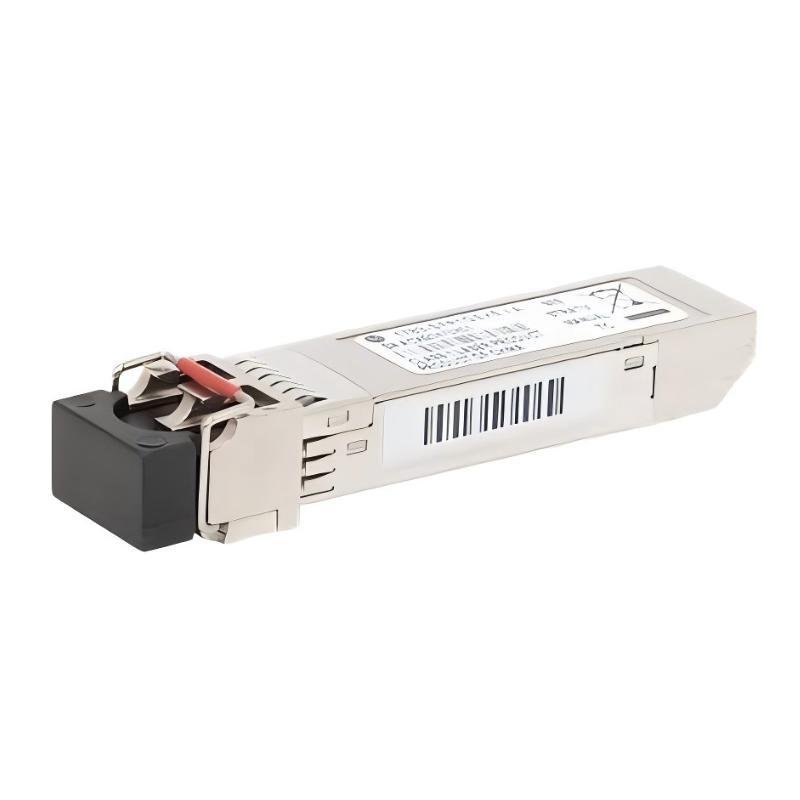
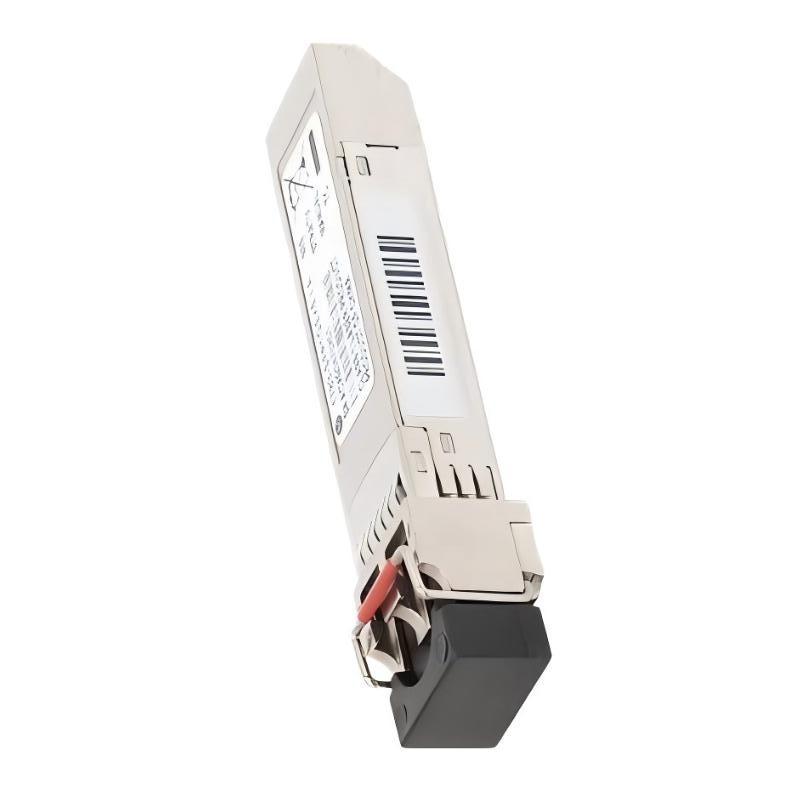
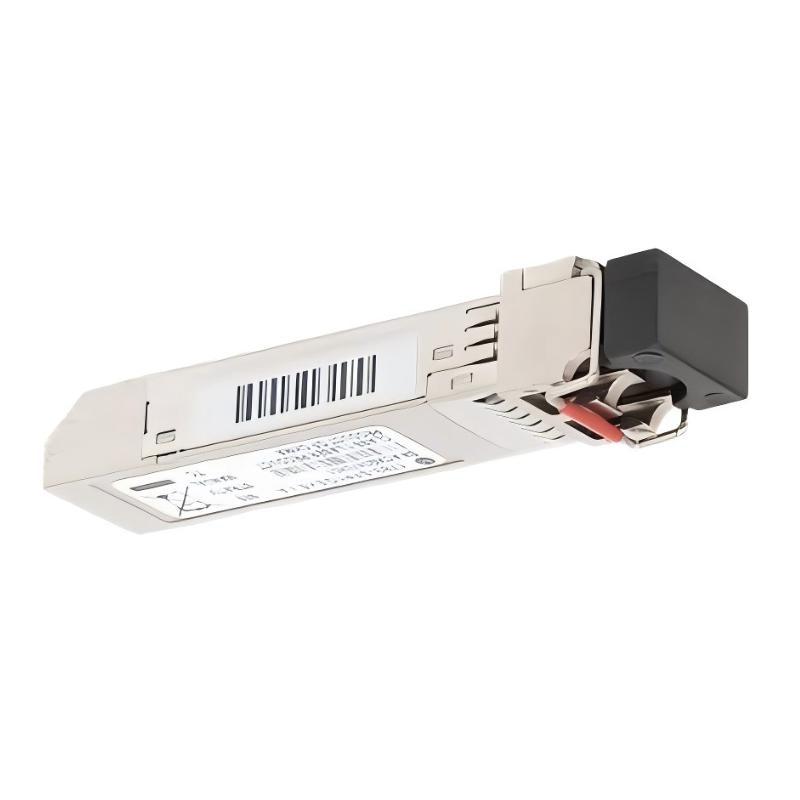
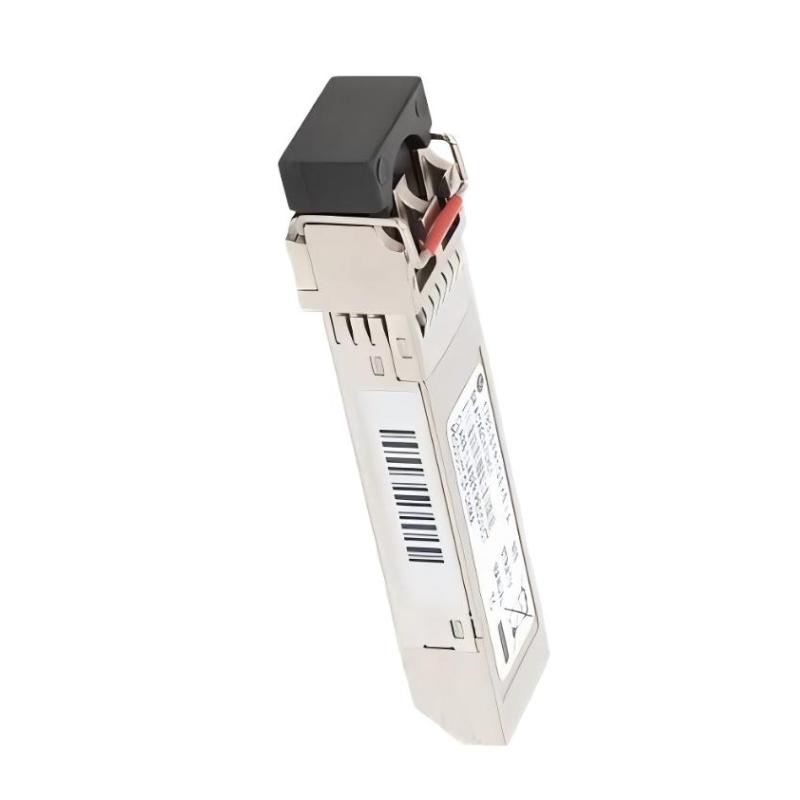
- Allen Bradley
- 1783-SFP1GEXE
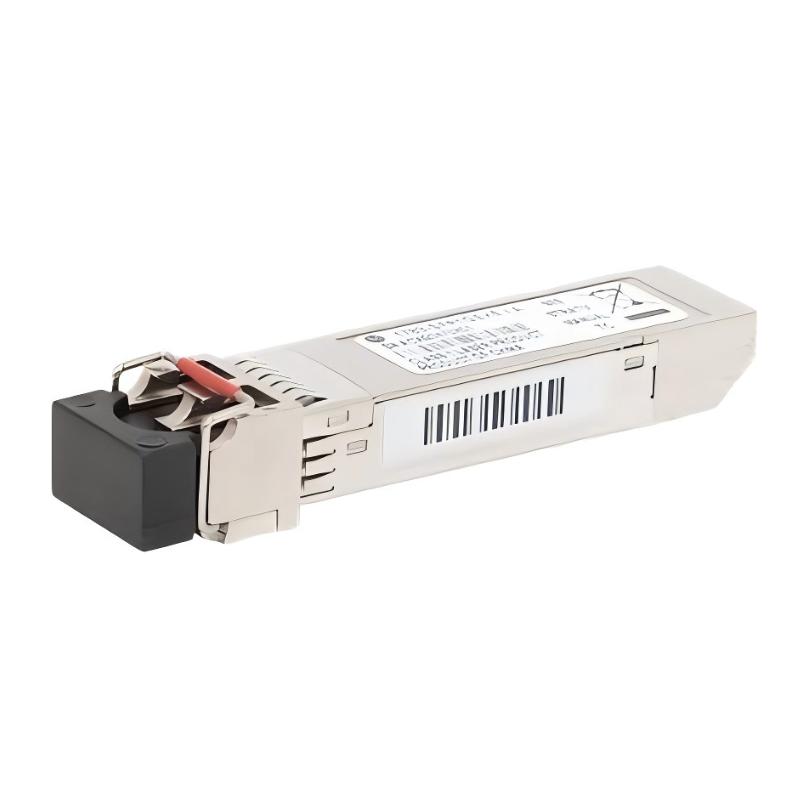
- Singlemode Fiber SFP Transceiver
- USA
- 90 × 25 × 50 mm
- 0.45 kg
- Xiamen, China
- New & In Stock
- T/T, PayPal, Western Union
- 1 Year
- 1-3 Working Days
- DHL, UPS, TNT, FedEx and EMS.
- 24-Hour Service
- COO
- 7
Our advantage

Global Logistics
We have a 10-year logistics and express cooperation agreement, so our products can be shipped to any place in the world.

Brand new and original
Our products are imported in bulk from the place of origin. Because of the cooperative relationship, our products are all original and 100% new.

24-hour service
We provide 7*24 hours service to our customers. We will be there whenever you need us.

Price advantage
All our products are priced very favorably because we have our own warehouse and supply.
| Company Information | |||
| [email protected] | |||
| Mobile | +8615980777398 | ||
| +8615980777398 | |||
| 15980777398 |
Product Overview
The Allen-Bradley 1783-SFP1GEXE is a Stratix 1000BASE-EX singlemode fiber SFP transceiver that supports Gigabit Ethernet communication over optical fiber. It operates at a nominal wavelength of 1310 nm and uses a dual LC connector interface. With a specified link reach of up to 40 km over compatible singlemode fiber, it can connect industrial Ethernet switches across large manufacturing sites, utility installations, and distributed process facilities. <Cite refs={[“turn820323search0″,”turn820323search23”]}/>
In a plant with several production buildings, a control network may need to carry data between a central automation room and remote switch cabinets. The 1783-SFP1GEXE can provide the optical interface for that connection, allowing PLCs, HMIs, engineering stations, and supervisory systems to exchange Ethernet traffic across a long fiber route without relying on copper cabling over the same distance.
The EX optical interface is intended for longer singlemode fiber links than the 1000BASE-LX/LH interface commonly used for shorter Gigabit connections. This makes it relevant to installations where switches are separated by several kilometers or where the fiber route passes through multiple buildings. The actual link distance depends on the optical budget, including fiber attenuation, connectors, splices, and patch panels.
The 1783-SFP1GEXE is a Gigabit Ethernet transceiver, not a 10 Gigabit module. Its 1000BASE-EX interface should be matched with compatible optical equipment at the opposite end of the link. It should not be substituted automatically with a 1000BASE-LX/LH or 1000BASE-ZX transceiver, as these variants have different optical specifications and supported distances.
For maintenance and network upgrades, the main checks are switch compatibility, firmware support, fiber type, and optical loss. Short fiber routes also need attention because this long-reach transceiver can deliver excessive optical power to the receiver when the path loss is too low.
Technical Specifications
| Parameter | Specification |
|---|---|
| Manufacturer | Allen-Bradley |
| Model | 1783-SFP1GEXE |
| Product Family | Stratix Ethernet Networking |
| Product Type | 1000BASE-EX Singlemode Fiber SFP Transceiver |
| Transceiver Form Factor | SFP |
| Ethernet Standard | 1000BASE-EX |
| Data Rate | 1 Gbps |
| Transmission Medium | Singlemode fiber |
| Interface Connector | Dual LC |
| Optical Wavelength | 1310 nm |
| Fiber Specification | ITU-T G.652 singlemode fiber |
| Maximum Specified Cable Reach | 40 km |
| Digital Optical Monitoring (DOM) | Supported |
| Transmit Power | -1 to +3 dBm |
| Receive Power | -22 to +1 dBm |
| Compatible Equipment | Supported Stratix Ethernet switches |
| Dimensions | 90 × 25 × 50 mm |
| Weight | 0.45 kg |
Product Features
- Gigabit Ethernet transmission: Supports 1 Gbps communication between compatible network devices.
- Long-reach singlemode fiber: Supports optical links up to the specified 40 km distance under suitable conditions.
- 1310 nm optical interface: Matches the specified 1000BASE-EX transmission characteristics.
- Dual LC connection: Connects to compatible duplex singlemode fiber cabling.
- Digital optical monitoring: Allows supported switch management tools to report optical diagnostic information.
- Industrial network integration: Supports fiber uplinks between compatible Stratix switches.
- Long-distance electrical isolation: Uses an optical path rather than a continuous conductive Ethernet connection between endpoints.
Working Principle
The 1783-SFP1GEXE converts electrical Ethernet signals from a compatible switch into optical signals for transmission over singlemode fiber. At the remote end, a compatible optical transceiver converts the received light signals back into electrical data for the receiving switch.
A typical connection follows this path:
Local Stratix Switch → 1783-SFP1GEXE → Singlemode Fiber → Compatible 1000BASE-EX Transceiver → Remote Stratix Switch
When the local switch sends network traffic, the module transmits the data using its 1310 nm optical interface. The receiving transceiver recovers the data and passes it to the remote switch, which forwards Ethernet frames to the appropriate devices or network segments.
The specified reach of 40 km makes this module useful for long-distance industrial Ethernet connections. However, the maximum distance depends on the total optical loss and the characteristics of the installed fiber route. Connectors, splices, patch panels, and cable attenuation all contribute to the link budget.
Short fiber connections require particular care. Because the 1783-SFP1GEXE is intended for long-reach transmission, a low-loss path can deliver excessive optical power to the receiving transceiver. For back-to-back connections, the specified installation arrangement uses a 5 dB inline optical attenuator at each end. For other short singlemode links, attenuation requirements should be assessed against the actual optical loss and receiver limits.
Digital optical monitoring can help engineers assess the optical link through supported switch management functions. When communication fails, checking the received optical power alongside fiber polarity, connector cleanliness, and remote-end compatibility can help isolate the cause.
Role in a Stratix Industrial Ethernet Network
The 1783-SFP1GEXE provides the optical interface for Gigabit Ethernet connections between compatible Stratix switches. It is commonly suited to distribution links where network segments are separated by substantial distances but still require Gigabit communication.
Local Control Network → Stratix Switch → 1783-SFP1GEXE → Singlemode Fiber Backbone → Remote Stratix Switch → Distributed Equipment
| System Element | Function |
|---|---|
| 1783-SFP1GEXE | Provides the 1000BASE-EX singlemode optical interface |
| Local Stratix Switch | Aggregates traffic from connected industrial devices |
| Remote Stratix Switch | Receives optical traffic and forwards it to the destination network |
| Singlemode Fiber Backbone | Carries Gigabit Ethernet signals over the installed route |
| Dual LC Fiber Patch Cable | Connects the transceiver to the fiber distribution system |
| Fiber Patch Panel | Organizes backbone and equipment-side fiber connections |
| PLC or PAC | Executes machine-control and process-control logic |
| HMI or SCADA System | Provides operator visualization and supervisory monitoring |
| Network Management Interface | Displays link status and supported optical diagnostics |
Industrial Applications
| Application | Practical Use |
|---|---|
| Multi-Building Manufacturing Plants | Connecting industrial switches across separated production buildings |
| Power Generation Facilities | Linking automation network segments across plant areas |
| Water and Wastewater Utilities | Connecting remote pumping stations or treatment facilities |
| Oil and Gas Installations | Providing Gigabit optical communication between equipment locations |
| Mining Operations | Linking remote control and monitoring networks |
| Industrial Campus Networks | Connecting distribution switches over long singlemode fiber routes |
| Distributed PLC Networks | Carrying aggregated controller and HMI traffic between network segments |
| Centralized SCADA Systems | Connecting remote industrial Ethernet networks to supervisory infrastructure |
Installation and Maintenance
- Verify the model reference: Confirm 1783-SFP1GEXE and ensure the required interface is 1000BASE-EX singlemode fiber.
- Check switch compatibility: Confirm that the intended Stratix switch supports this transceiver and its operating requirements.
- Verify the remote module: Ensure the opposite endpoint uses a compatible 1000BASE-EX interface with matching optical characteristics.
- Confirm the fiber type: Check that the installed cable is compatible G.652 singlemode fiber.
- Calculate the optical budget: Account for the total fiber length, connector loss, splices, and patch-panel connections.
- Inspect LC connectors: Check for contamination, damaged connector ends, or loose connections before mating the fiber interfaces.
- Follow optical safety procedures: Never look directly into an optical port or exposed fiber end during installation or troubleshooting.
- Install the SFP module: Insert the transceiver into a supported switch slot according to the equipment installation procedure.
- Check fiber polarity: Ensure that the transmitting path at one end connects to the receiving path at the opposite end.
- Assess short-link attenuation: For back-to-back connections, use the specified 5 dB inline optical attenuator at each end. For other short routes, evaluate whether attenuation is necessary to keep received power within the permitted range.
- Verify link and diagnostic status: Check the switch-port status and available optical readings. Investigate excessive loss, overpowered receivers, or incompatible transceivers if the link does not operate correctly.
- Document the installation: Record the module reference, switch ports, fiber route, attenuation arrangement, and commissioning results.
Compatible System Components
| Component | Function |
|---|---|
| Allen-Bradley 1783-SFP1GEXE | Provides 1000BASE-EX singlemode optical connectivity |
| Compatible Stratix Ethernet Switch | Hosts the SFP module and forwards Ethernet traffic |
| Remote 1000BASE-EX Transceiver | Provides the matching optical interface at the opposite endpoint |
| G.652 Singlemode Fiber | Carries Gigabit Ethernet signals over the long-distance route |
| Dual LC Fiber Patch Cable | Connects the transceiver to the fiber infrastructure |
| Inline Optical Attenuator | Reduces received optical power when required by the link budget |
| Fiber Patch Panel | Organizes optical connections between equipment and backbone cabling |
| Allen-Bradley ControlLogix Controller | Exchanges control and diagnostic data over the industrial network |
| Allen-Bradley CompactLogix Controller | Connects machine-control equipment to the Ethernet network |
| PanelView HMI | Provides operator interaction and machine-status visualization |
| Network Management Interface | Displays supported port status and optical diagnostics |
Recommended Related Models
| Model | Product Type | Typical Application |
|---|---|---|
| Allen-Bradley 1783-SFP1GLX | Stratix 1000BASE-LX/LH Singlemode Fiber SFP Transceiver | Gigabit singlemode links with a specified reach of up to 10 km |
| Allen-Bradley 1783-SFP1GZX | Stratix 1000BASE-ZX Singlemode Fiber SFP Transceiver | Longer-distance Gigabit singlemode connections with a specified reach of up to 70 km |
| Allen-Bradley 1783-SFP1GSX | Stratix 1000BASE-SX Multimode Fiber SFP Transceiver | Gigabit optical connections over compatible multimode fiber |
| Allen-Bradley 1783-SFP1GTE | Stratix 1000BASE-T Copper SFP Transceiver | Gigabit Ethernet connections over copper cabling |
| Allen-Bradley 1783-SFP100EXC | Stratix 100BASE-EX Singlemode Fiber SFP Transceiver | 100 Mbps singlemode connections with a specified reach of up to 40 km |
| Allen-Bradley 1783-SFP100ZXC | Stratix 100BASE-ZX Singlemode Fiber SFP Transceiver | Long-reach 100 Mbps singlemode connections with a specified reach of up to 80 km |
Key Advantages
- Supports Gigabit Ethernet over compatible singlemode fiber.
- Provides a specified link reach of up to 40 km.
- Uses a 1310 nm optical interface with dual LC connectors.
- Supports digital optical monitoring through compatible switch management functions.
- Accommodates long-distance industrial network connections without an intermediate copper Ethernet link.
Technical FAQs
When should the 1783-SFP1GEXE be selected instead of the 1783-SFP1GLX?
The 1783-SFP1GEXE supports a specified reach of up to 40 km, whereas the 1783-SFP1GLX supports up to 10 km. The EXE variant is worth evaluating when the fiber route exceeds the LX/LH distance capability, provided the switch supports the module and the optical budget is suitable.
Why can a short fiber connection overload the receiver?
The EXE transceiver has optical characteristics intended for long-distance transmission. A short, low-loss fiber path may deliver more optical power than the receiving interface permits. For back-to-back connections, the specified arrangement uses a 5 dB inline optical attenuator at each end.
What information should be checked before connecting two 1783-SFP1GEXE modules?
Verify the switch compatibility, matching 1000BASE-EX optical interfaces, G.652 singlemode fiber, connector polarity, and total link loss. Also determine whether attenuation is needed to keep the received optical signal within the specified limits.
Does digital optical monitoring replace physical fiber inspection?
No. Optical diagnostics can help identify abnormal signal levels, but they cannot resolve every cause of a faulty link. Dirty connectors, damaged fiber, incorrect polarity, and poor splice quality may still require direct inspection and testing.