

ProductPRODUCT
Featured products
Contact Us
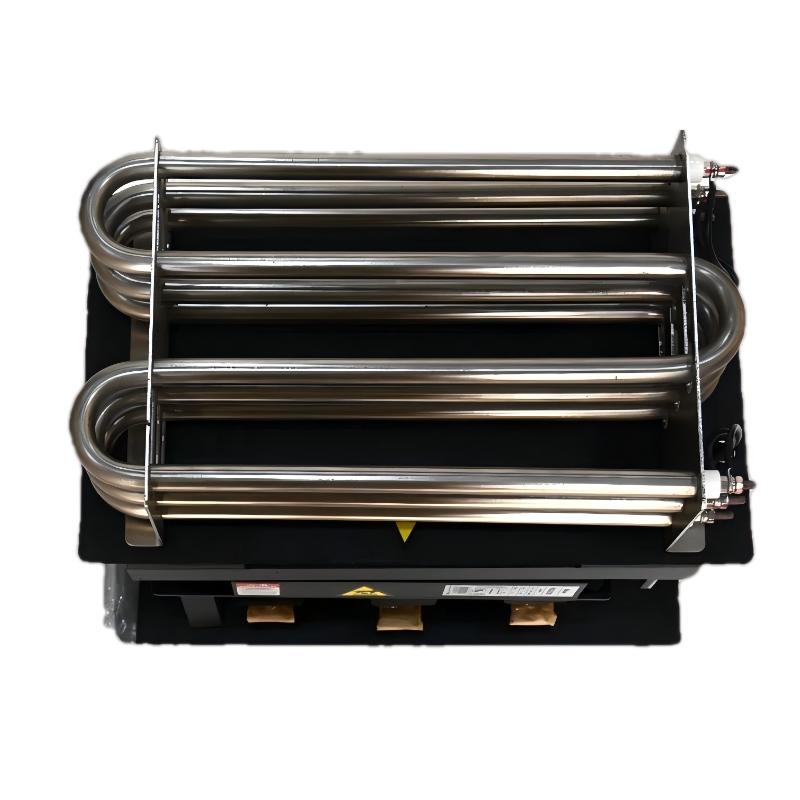
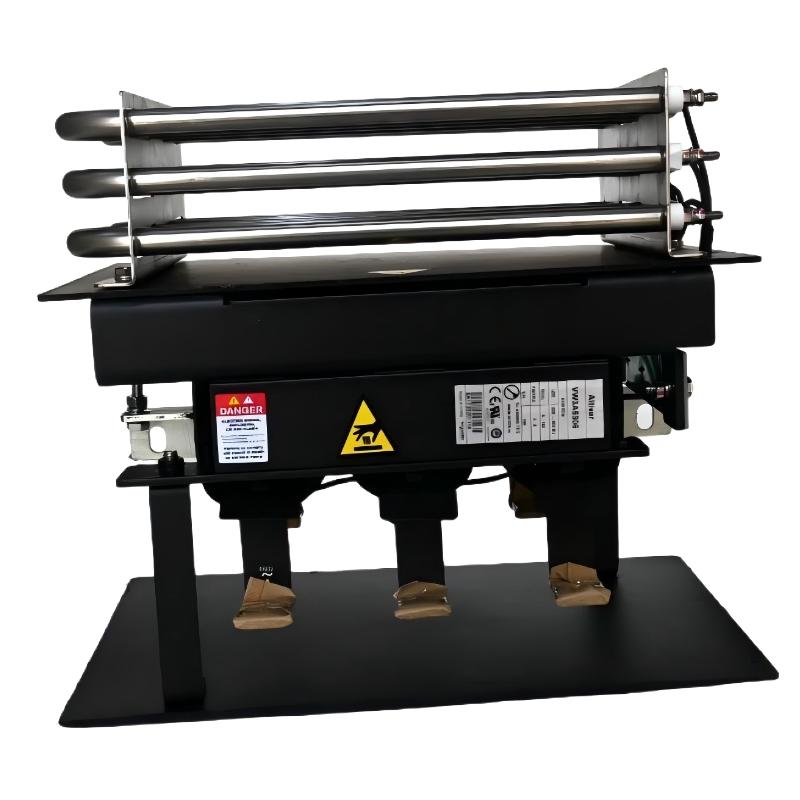
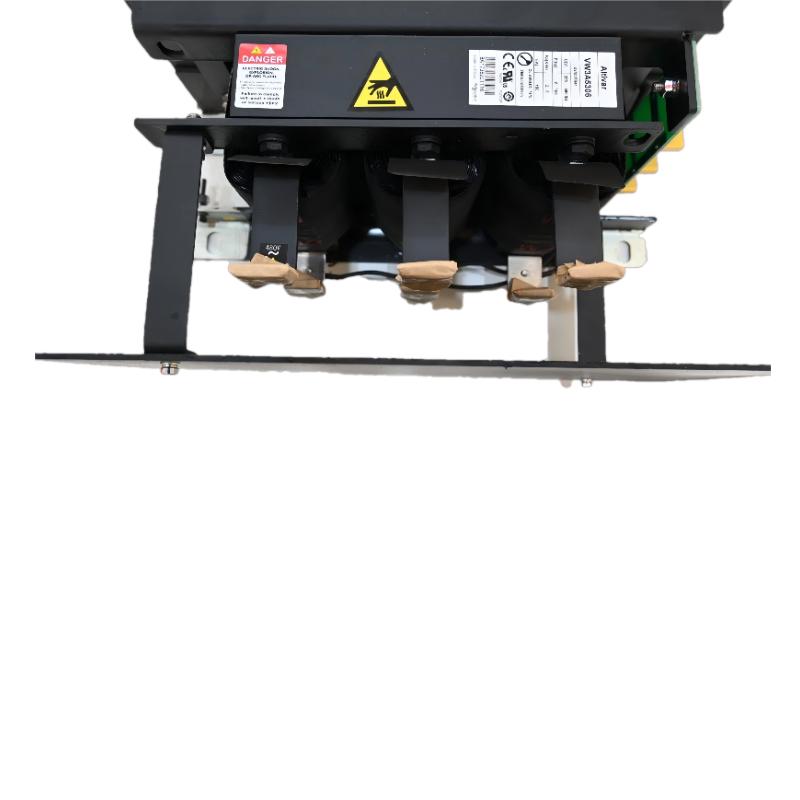
- Schneider
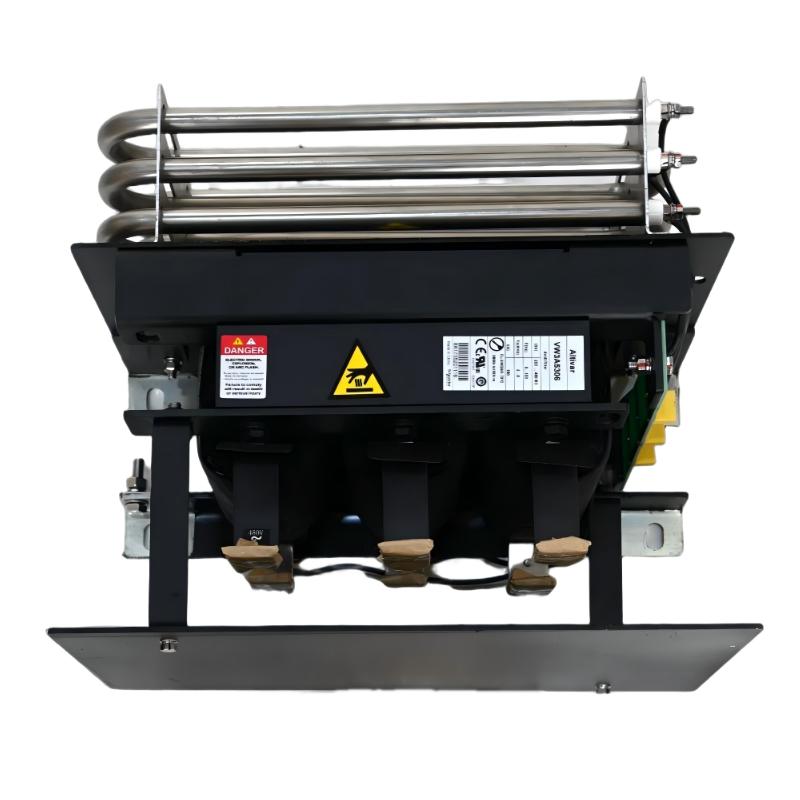
- VW3A5306
- Dv/dt Filter
- France
- 380 × 350 × 235 mm
- 22 kg
- Xiamen, China
- New & In Stock
- T/T, PayPal, Western Union
- 1 Year
- 1-3 Working Days
- DHL, UPS, TNT, FedEx and EMS.
- 24-Hour Service
- COO
- 4
Our advantage

Global Logistics
We have a 10-year logistics and express cooperation agreement, so our products can be shipped to any place in the world.

Brand new and original
Our products are imported in bulk from the place of origin. Because of the cooperative relationship, our products are all original and 100% new.

24-hour service
We provide 7*24 hours service to our customers. We will be there whenever you need us.

Price advantage
All our products are priced very favorably because we have our own warehouse and supply.
| Company Information | |||
| [email protected] | |||
| Mobile | +8615980777398 | ||
| +8615980777398 | |||
| 15980777398 |
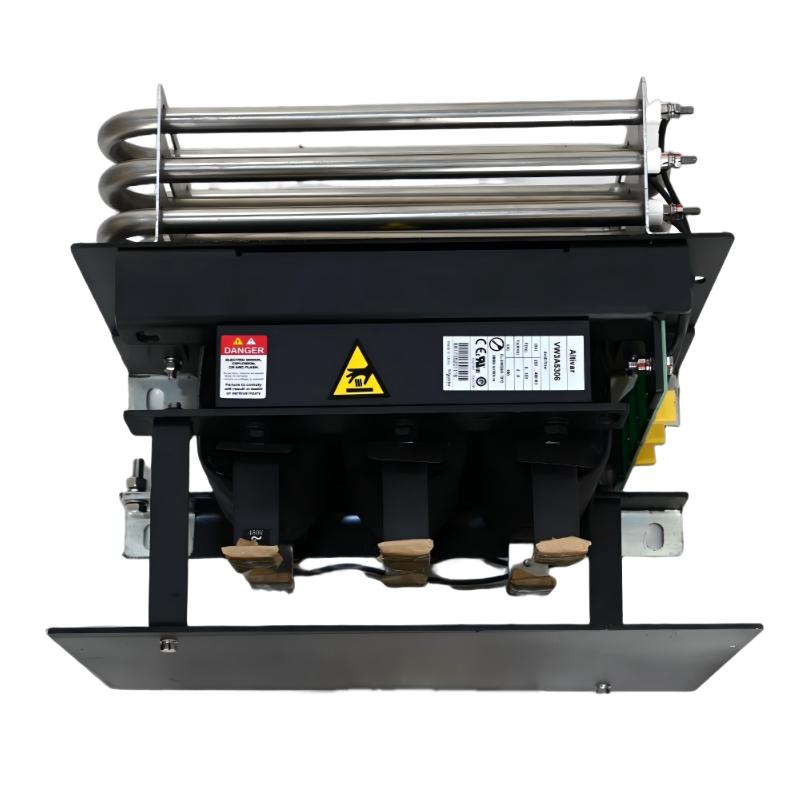
1. Product Overview
The Schneider Electric VW3A5306 dV/dt Filter is an industrial drive accessory designed for use in compatible variable speed drive installations where output voltage rise rate must be managed according to motor and system requirements. dV/dt filters are commonly installed between a drive and a motor to moderate fast voltage transitions generated by the drive’s power electronics.
Variable frequency drives regulate motor speed by switching their output voltage rapidly. Depending on the drive design, motor cable length, motor characteristics, and installation conditions, these transitions can contribute to electrical stress on motor winding insulation. A correctly selected dV/dt filter can reduce the rate of voltage change reaching the motor and help manage certain voltage-related effects.
The Schneider Electric VW3A5306 is listed with dimensions of 380 × 350 × 235 mm and a weight of 22 kg. These specifications are useful for product identification, installation planning, equipment handling, and replacement-part management.
Before selecting or installing this filter, engineers should confirm its electrical ratings, supported drive models, current capacity, filtering characteristics, and permitted motor cable arrangements. Compatibility should be established using the exact product documentation rather than physical dimensions or product naming alone.
2. Technical Specifications
| Parameter | Specification |
|---|---|
| Brand | Schneider Electric |
| Model | VW3A5306 |
| Product Type | dV/dt Filter |
| Product Category | Variable speed drive accessory |
| Dimensions | 380 × 350 × 235 mm |
| Weight | 22 kg |
| Primary Function | Reduction of output voltage rise rate in a compatible drive system |
| Typical Installation Position | Between a compatible drive output and motor, subject to manufacturer instructions |
| Rated Voltage | Verify from model-specific documentation |
| Rated Current | Verify from model-specific documentation |
| Inductance and Filtering Characteristics | Confirm from the applicable technical specifications |
| Compatible Drive Models | Verify the exact supported models |
| Motor Compatibility | Confirm the motor’s electrical and insulation requirements |
| Cable Requirements | Verify permitted motor cable type and length |
| Mounting Requirements | Follow the approved installation instructions |
| Maintenance | Inspect according to site procedures and operating conditions |
The dimensions and weight above are the supplied product specifications. Other electrical parameters and compatibility details must be confirmed before installation or commissioning.
3. Function and Working Principle
A dV/dt filter is used to moderate the rate at which voltage changes in a drive’s output circuit. Its function is particularly relevant when fast switching transitions and motor cable characteristics may create additional voltage stress at the motor terminals.
3.1 Reduction of Voltage Rise Rate
The term dV/dt describes the change in voltage over time. Variable speed drives use power electronic switching to generate an output waveform, and the resulting voltage transitions can be steep.
A suitable dV/dt filter modifies these transitions to reduce the voltage rise rate presented to the motor. The actual result depends on the filter design, drive output characteristics, motor cable, and operating conditions.
3.2 Support for Motor Insulation
Motor insulation must withstand the electrical conditions produced by the drive and the connected cable. Fast voltage transitions can contribute to insulation stress, especially in installations where cable characteristics influence the voltage waveform at the motor.
A correctly selected filter can help manage certain voltage-related stresses. It does not replace the need to use a motor suitable for inverter operation or to follow the drive and motor manufacturers’ requirements.
3.3 Management of Drive-to-Motor Cable Effects
Motor cables affect the electrical behavior of a drive system. Cable length, impedance, construction, and routing can influence the voltage waveform reaching the motor.
A compatible dV/dt filter can help manage these effects within its specified operating range. Engineers should verify the permitted cable length and installation arrangement for the VW3A5306 and the selected drive.
3.4 Integration into the Output Circuit
A dV/dt filter is generally installed between a compatible drive output and the motor when specified by the manufacturer. It must be matched to the drive’s output characteristics and the motor’s electrical requirements.
The VW3A5306 should not be treated as a universal filter for all variable speed drives. Its approved applications and connection requirements must be confirmed before use.
4. Role in Industrial Automation Systems
Variable speed drives are widely used in industrial equipment to control motor speed, torque, and operating sequences. Their reliable operation depends on proper coordination between the drive, motor, power circuit, cabling, protective devices, and accessories.
Motor Electrical Protection
A drive’s output waveform differs from the conventional sinusoidal supply used in many direct-on-line motor applications. When required by the system design, a suitable dV/dt filter can help moderate output voltage transitions and support the motor’s insulation requirements.
Drive and Motor Integration
The filter must be selected as part of the complete drive-to-motor system. Drive rating, motor specifications, cable length, and electrical installation conditions all influence whether a particular filter is suitable.
Equipment Reliability
Appropriate filtering can help manage selected electrical stresses, but it cannot compensate for incorrect grounding, unsuitable cabling, poor connections, or an improperly selected motor. Reliable operation depends on the overall installation design.
Maintenance and Replacement Planning
Correct product identification helps maintenance teams procure suitable replacement parts and preserve the intended system configuration. The complete model number should be checked before ordering or installing a replacement.
5. Industrial Applications
The VW3A5306 may be considered for industrial installations that require a compatible dV/dt filter. Its suitability depends on verified electrical ratings and manufacturer-approved drive configurations.
5.1 Manufacturing Machinery
Manufacturing equipment commonly uses variable speed drives for conveyors, mixers, machine tools, and production mechanisms. Where the electrical design requires output filtering, the filter must be matched to the drive and motor.
5.2 Pumps and Fans
Industrial pumps and ventilation systems often use drives to regulate flow and airflow. Appropriate output filtering may be required depending on the drive, motor, cable arrangement, and operating conditions.
5.3 Material Handling Systems
Conveyors, lifting equipment, and automated transport systems may connect motors to drives through cables of varying lengths. A suitable dV/dt filter can help manage voltage transitions where specified by the equipment design.
5.4 Process Automation
Process equipment may operate motors continuously or under changing loads. Electrical accessories should be selected according to the required operating duty, motor characteristics, and drive manufacturer’s recommendations.
5.5 Industrial Drive Modernization
During a drive replacement or system upgrade, engineers should reassess the motor cable, output filtering, and motor compatibility. The VW3A5306 should only be introduced into a modified system after the complete configuration has been checked.
These examples describe general application environments for correctly selected dV/dt filters. They do not confirm that the VW3A5306 is compatible with every application listed.
6. Installation and System Integration
Installation should be performed by qualified personnel in accordance with the applicable Schneider Electric documentation and site electrical safety procedures.
Step 1: Verify the Product Model
Confirm that the product label identifies the component as VW3A5306. Compare the part number with the system drawings, equipment list, and original component where applicable.
Step 2: Isolate the Equipment
Stop the drive and isolate all relevant power sources before installation or removal. Follow the site’s lockout/tagout procedures, observe the specified discharge time, and verify that the equipment is in a safe, de-energized state before handling electrical connections.
Step 3: Confirm Electrical Compatibility
Check the filter’s rated current, voltage suitability, filtering characteristics, and approved drive combinations. Ensure that the component is suitable for the intended motor and drive circuit.
Do not determine compatibility from the product name, appearance, or dimensions alone.
Step 4: Review the Wiring Diagram
Identify the specified input and output connections and confirm the approved installation position. Follow the applicable wiring diagram and terminal identification instructions. Do not assume terminal assignments without the correct technical documentation.
Step 5: Plan the Mounting Location
The supplied dimensions are 380 × 350 × 235 mm, and the listed weight is 22 kg. Use these values for preliminary layout planning, then account for required clearances, ventilation, cable access, and service space.
The mounting structure must be capable of safely supporting the component. Consider safe lifting and handling procedures because of its listed weight.
Step 6: Install and Secure the Filter
Mount the filter using the approved method and specified hardware. Observe any required orientation and spacing. Do not modify the enclosure or mounting arrangement unless an authorized procedure permits it.
Step 7: Complete Electrical Connections
Connect the drive, filter, and motor according to the approved circuit diagram. Verify conductor sizing, terminal torque, protective grounding, and cable routing using the model-specific instructions.
Incorrect wiring can damage equipment or create hazardous conditions.
Step 8: Inspect and Commission
Before restoring power, check the mounting, electrical connections, grounding, and protective covers. Remove tools and loose materials from the installation area.
Restore power according to the approved commissioning procedure. Review drive diagnostics and validate operation under the intended operating conditions before returning the equipment to normal service.
7. Common Problems and Troubleshooting
A fault in a drive system containing a dV/dt filter does not necessarily indicate that the filter has failed. Troubleshooting should consider the drive, motor, cables, grounding, supply, and system configuration.
| Symptom | Possible Causes | Recommended Checks |
|---|---|---|
| Drive reports an overcurrent fault | Motor or cable fault, incorrect wiring, unsuitable filter selection, or a drive-related issue | Review drive diagnostics and verify the approved motor circuit configuration |
| Motor insulation problems continue | Incorrect filter selection, unsuitable motor, cable-related voltage stress, or another insulation fault | Confirm motor suitability, filter compatibility, and cable requirements |
| Filter becomes unusually hot | Excessive current, unsuitable ratings, restricted ventilation, or a connection problem | Check operating conditions, electrical ratings, connections, and ventilation |
| Drive trips after filter installation | Incorrect wiring, incompatible equipment, grounding problems, or configuration errors | Recheck the wiring diagram and approved system arrangement |
| Motor operation is abnormal | Incorrect connections, drive settings, motor problems, or unsuitable circuit configuration | Inspect the complete drive-to-motor circuit and review diagnostics |
| Electrical interference persists | Grounding problems, cable routing, other interference sources, or unsuitable mitigation measures | Review the overall installation and apply the manufacturer’s recommendations |
| Replacement does not resolve the problem | The root cause may be elsewhere in the system | Check the drive, motor, cables, supply, grounding, and system settings |
7.1 Check Electrical Connections
Inspect terminals and cables for looseness, damage, overheating, or incorrect termination. Electrical measurements should be carried out by qualified personnel using suitable instruments and safe working procedures.
7.2 Verify Filter Compatibility
Confirm that the filter’s ratings and permitted application match the drive and motor. An unsuitable filter may fail to provide the required performance or may introduce additional operating problems.
7.3 Inspect Motor Cables
Check cable construction, length, routing, and condition against the drive and filter requirements. Damaged insulation, poor connections, and unsuitable cable selection can affect system behavior.
7.4 Review Drive Diagnostics
Record fault codes and operating conditions before changing settings or replacing components. Diagnostic information can help determine whether the issue originates in the drive, motor, filter, or associated electrical installation.
7.5 Evaluate Operating Temperature
If the filter becomes unusually hot, investigate the current load, ventilation, connection quality, and ambient temperature. Compare actual conditions with the manufacturer’s specified operating limits.
8. Preventive Maintenance and Reliability
A planned maintenance program can help identify developing problems and support reliable operation of the drive system.
- Inspect electrical connections: Look for looseness, corrosion, discoloration, and signs of overheating.
- Check mounting security: Confirm that the filter remains firmly mounted and that its support structure shows no damage.
- Monitor temperature: Investigate unusual heating and verify that the component operates within its specified limits.
- Maintain ventilation: Keep the installation area clear and provide the required airflow and clearance.
- Inspect motor cables: Check for damaged insulation, loose terminations, and unsuitable routing.
- Review drive diagnostics: Record recurring faults and investigate their underlying causes.
- Maintain system records: Keep accurate model numbers, wiring diagrams, configuration records, and replacement history.
- Follow electrical safety procedures: Isolate power and verify a safe condition before maintenance involving electrical connections.
Maintenance intervals should reflect the operating environment, duty cycle, equipment criticality, and site maintenance policy.
9. Compatible System Components
The VW3A5306 must be evaluated as part of the complete drive-to-motor installation. The following component categories should be checked during engineering, commissioning, and replacement.
| Component Category | Compatibility Considerations |
|---|---|
| Variable speed drive | Confirm the exact supported drive model and approved filter configuration |
| Electric motor | Verify voltage, current, insulation requirements, and suitability for inverter operation |
| Motor cable | Confirm cable construction, length, insulation rating, and installation method |
| Protective devices | Check coordination with the drive’s approved protection scheme |
| Grounding system | Follow the applicable protective grounding requirements |
| Mounting structure | Ensure adequate mechanical support for the 22 kg component |
| Control cabinet or enclosure | Provide sufficient space, ventilation, and environmental protection |
| Other output accessories | Confirm that additional components are approved for use together |
This table identifies compatibility checks rather than confirming specific part-to-part compatibility. Exact combinations should be verified using the technical documentation for the intended system.
10. Replacement and Alternative Selection
When replacing a Schneider Electric VW3A5306 dV/dt Filter, confirm electrical equivalence before considering physical dimensions, availability, or price.
| Selection Factor | What to Verify |
|---|---|
| Exact model | Confirm VW3A5306 and any applicable product revision |
| Filter function | Ensure the replacement provides the required dV/dt filtering characteristics |
| Rated current | Match the requirements of the intended drive and motor circuit |
| Voltage suitability | Verify compatibility with the drive output |
| Drive compatibility | Confirm approval for the specific drive model |
| Motor compatibility | Check the motor’s electrical and insulation requirements |
| Cable requirements | Confirm the permitted motor cable type and length |
| Dimensions | Compare the supplied dimensions of 380 × 350 × 235 mm with available installation space |
| Weight and mounting | Account for the listed weight of 22 kg and required mechanical support |
| Operating environment | Check temperature, ventilation, and other specified conditions |
| Product condition | Evaluate authenticity, physical condition, testing status, and warranty where applicable |
A filter with similar dimensions or a similar product description is not necessarily an equivalent replacement. If the original model is unavailable, select an alternative only after confirming its electrical characteristics, drive compatibility, and suitability for the intended application.
11. Key Benefits of Correct dV/dt Filter Selection
Selecting an appropriate dV/dt filter can help address voltage-related considerations in a variable speed drive installation.
Reduced voltage rise rate: A correctly selected filter can moderate the rate of voltage change at the motor within its specified operating range.
Support for motor insulation requirements: Appropriate filtering can help manage certain voltage-related stresses associated with drive output transitions.
Drive-to-motor integration: Matching the filter to the drive, motor, and cable installation supports the intended electrical design.
Installation planning: The supplied dimensions of 380 × 350 × 235 mm and weight of 22 kg provide useful information for space planning, handling, and mounting design.
Maintenance management: Accurate product identification and system records help maintenance teams manage replacements and investigate faults.
Actual performance depends on the filter’s verified characteristics, the connected equipment, and the overall installation.
12. Technical FAQs
Q1: What is the Schneider Electric VW3A5306?
The VW3A5306 is identified as a Schneider Electric dV/dt Filter. Its specific electrical ratings and supported drive configurations should be confirmed from model-specific documentation.
Q2: What are the dimensions of the VW3A5306?
The supplied dimensions are 380 × 350 × 235 mm.
Q3: How much does the VW3A5306 weigh?
The supplied product weight is 22 kg.
Q4: What does a dV/dt filter do?
A dV/dt filter reduces the rate at which output voltage changes in a compatible drive-to-motor circuit. This can help manage certain voltage-related stresses on the motor.
Q5: Where is a dV/dt filter normally installed?
It is generally installed between a compatible variable speed drive output and the motor, following the manufacturer’s wiring instructions. The precise arrangement must be verified for the selected product.
Q6: Can the VW3A5306 be used with every Schneider Electric drive?
No. Compatibility depends on the specific drive model, electrical ratings, output characteristics, and approved accessory configuration.
Q7: Does a dV/dt filter eliminate all motor insulation stress?
No. It can help reduce certain voltage-related stresses, but it does not eliminate every electrical or thermal stress. Motor suitability, cable selection, grounding, and compliance with installation requirements remain important.
Q8: What should be checked before installation?
Confirm the product model, voltage and current ratings, supported drive models, motor requirements, cable specifications, mounting conditions, and wiring instructions. Follow the required electrical isolation and commissioning procedures.
Q9: Why might a drive trip after a filter is installed?
Potential causes include incorrect wiring, unsuitable filter selection, grounding problems, motor or cable faults, and drive configuration issues. Review diagnostic information and check the complete installation.
Q10: Can another dV/dt filter replace the VW3A5306?
Only when the alternative’s electrical characteristics, ratings, drive compatibility, and application suitability have been verified. Similar dimensions or product descriptions are not sufficient evidence of equivalence.
13. Conclusion
The Schneider Electric VW3A5306 dV/dt Filter is an industrial drive accessory listed with dimensions of 380 × 350 × 235 mm and a weight of 22 kg. A suitably matched dV/dt filter can help reduce the rate of voltage change at the motor in a compatible variable speed drive installation.
Before installation or replacement, verify the filter’s electrical ratings, supported drive models, motor requirements, cable limitations, and approved connection arrangement. Correct mounting, appropriate wiring, safe commissioning, and routine maintenance are essential for reliable operation.
For industrial automation engineers, maintenance teams, and spare-parts purchasers, accurate model identification and technical compatibility checks are key to selecting the VW3A5306 for the intended application.