

ProductPRODUCT
Featured products


Contact Us
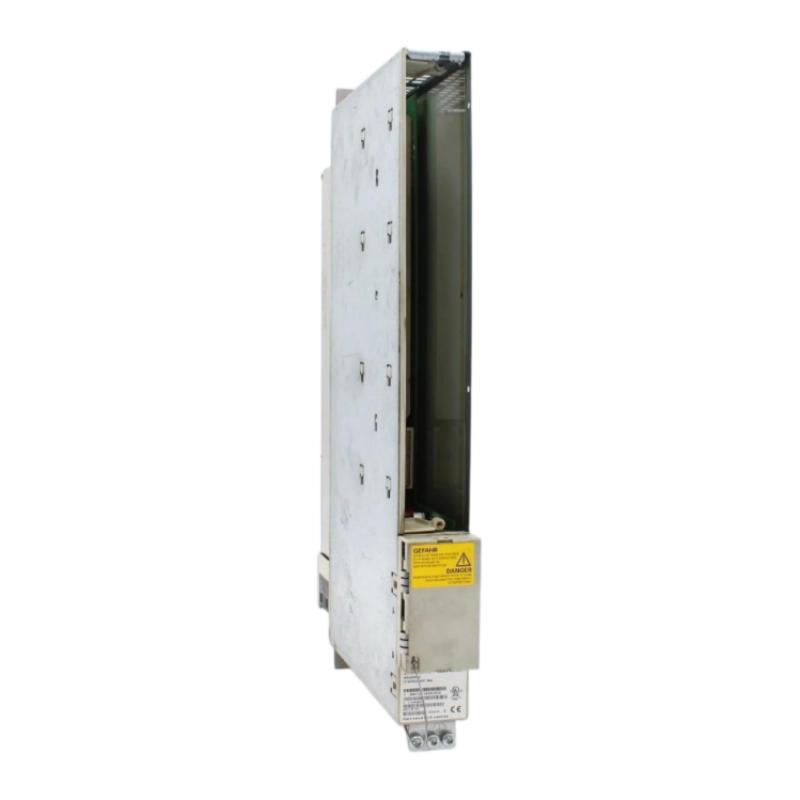
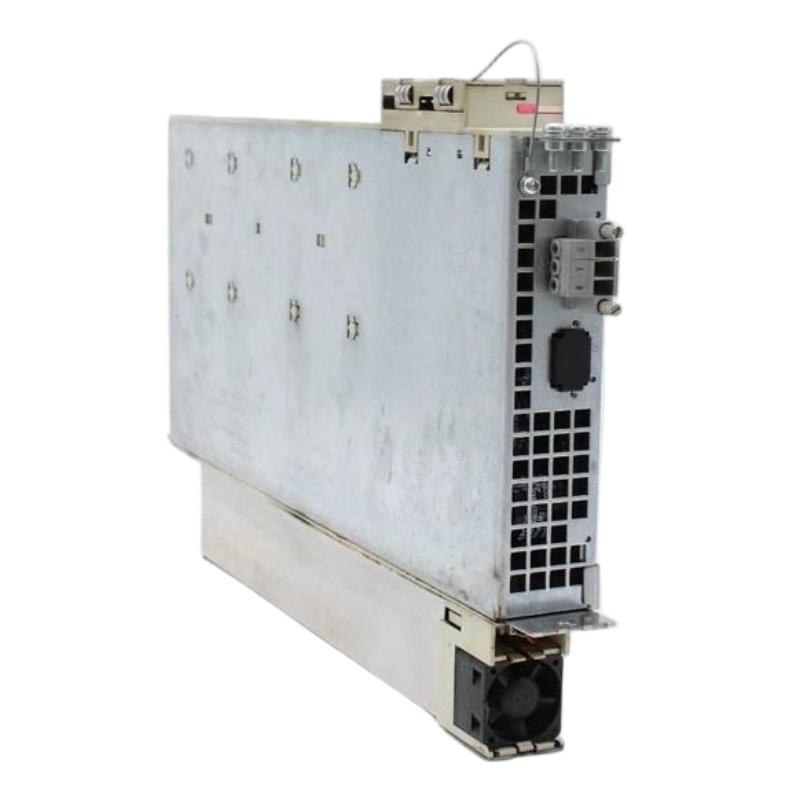
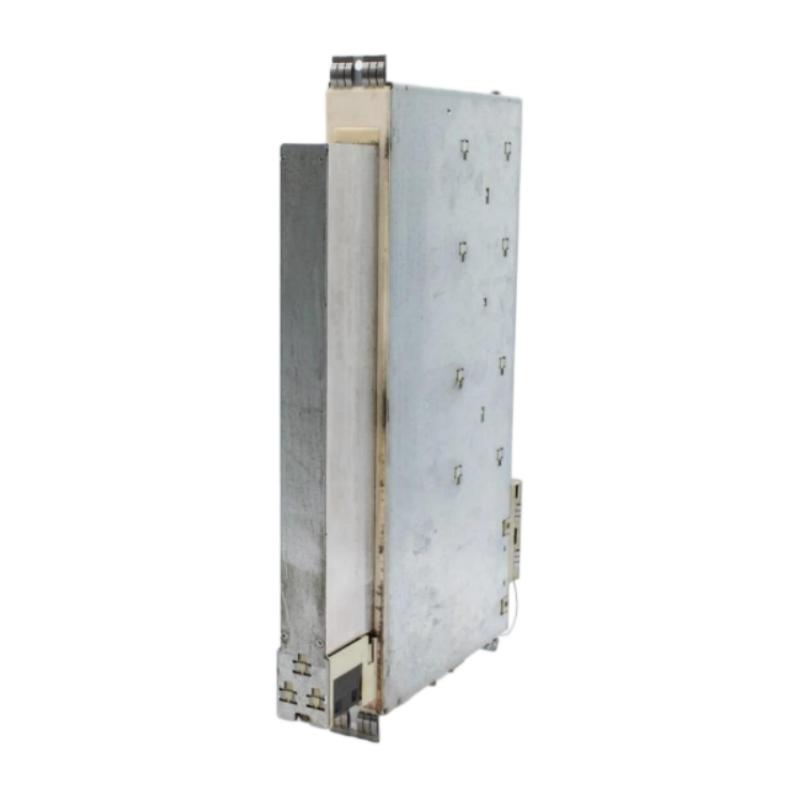
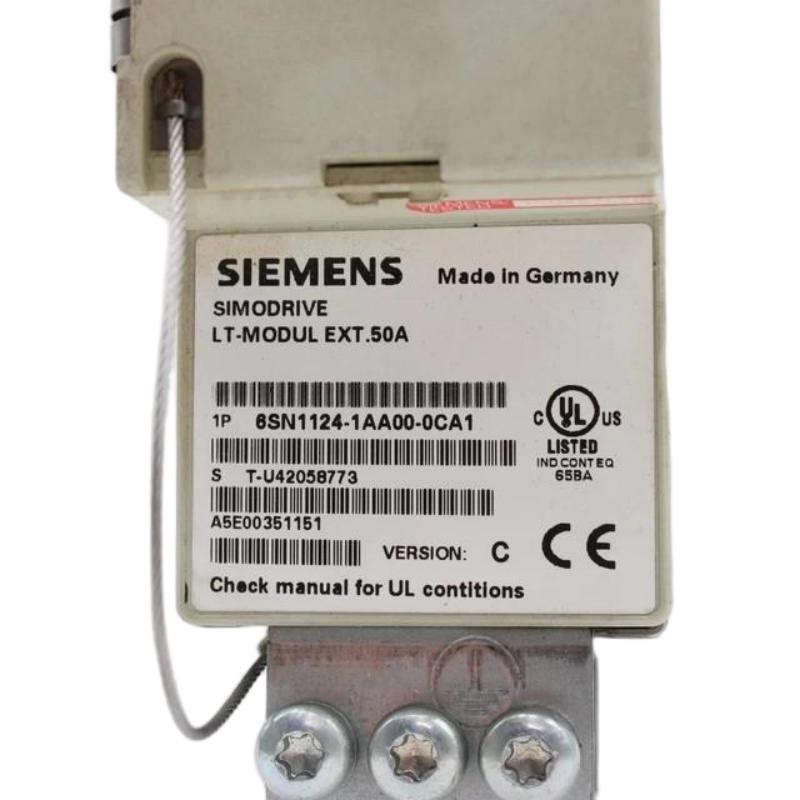
- Siemens
- 6SN1124-1AA00-0CA1
- Power Module
- Germany
- 51 × 483 × 292 mm
- 6.2 kg
- Xiamen, China
- New & In Stock
- T/T, PayPal, Western Union
- 1 Year
- 1-3 Working Days
- DHL, UPS, TNT, FedEx and EMS.
- 24-Hour Service
- COO
- 4
Our advantage

Global Logistics
We have a 10-year logistics and express cooperation agreement, so our products can be shipped to any place in the world.

Brand new and original
Our products are imported in bulk from the place of origin. Because of the cooperative relationship, our products are all original and 100% new.

24-hour service
We provide 7*24 hours service to our customers. We will be there whenever you need us.

Price advantage
All our products are priced very favorably because we have our own warehouse and supply.
| Company Information | |||
| [email protected] | |||
| Mobile | +8615980777398 | ||
| +8615980777398 | |||
| 15980777398 |
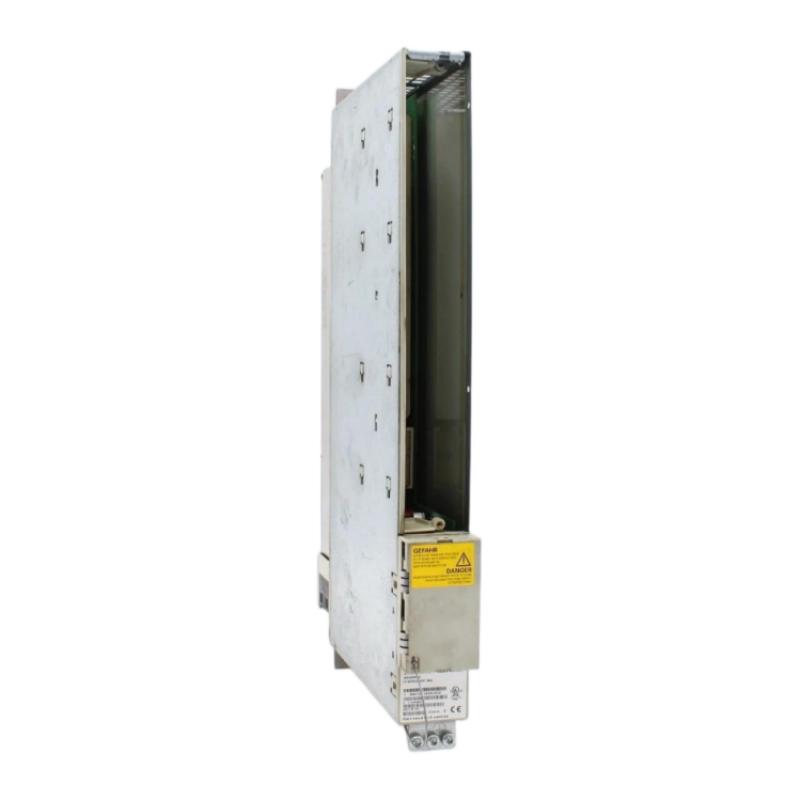
1. Product Overview
The Siemens 6SN1124-1AA00-0CA1 Power Module is an industrial drive component intended for use in compatible Siemens motion-control and drive systems. Power modules are essential parts of industrial drive architectures because they handle power conversion and deliver controlled electrical power to the connected motor or drive circuit.
In automated manufacturing environments, drive power components support precise machine movement, coordinated axis operation, and reliable production processes. Selecting the correct module is therefore important for maintaining equipment performance, reducing unplanned downtime, and ensuring compatibility with the existing drive configuration.
The Siemens 6SN1124-1AA00-0CA1 is identified by its complete part number, which should be used when checking equipment records, planning a replacement, or requesting a quotation. Although modules within the same product family may share similar physical designs, their electrical ratings, motor compatibility, cooling arrangements, and system interfaces can differ. These details should be verified against the equipment documentation before installation.
With listed dimensions of 51 × 483 × 292 mm and a weight of 6.2 kg, this module is a compact-format industrial drive component designed for installation as part of a compatible control cabinet or drive assembly.
2. Technical Specifications
| Parameter | Specification |
|---|---|
| Brand | Siemens |
| Model Number | 6SN1124-1AA00-0CA1 |
| Product Type | Power Module |
| Product Category | Industrial Drive and Motion Control |
| Dimensions | 51 × 483 × 292 mm |
| Weight | 6.2 kg |
| Application | Compatible industrial drive systems |
| Installation Environment | Suitable industrial control cabinet or approved drive assembly |
| Electrical Ratings | Verify using the official product documentation |
| Motor Compatibility | Confirm against the installed drive configuration |
| Cooling Requirements | Verify before installation |
| Firmware and Interface Compatibility | Confirm for the target system |
Important: The dimensions and weight above are the supplied product data. Electrical ratings, output current, motor configuration, cooling requirements, and supported drive combinations should be confirmed using the module’s nameplate and applicable Siemens technical documentation.
3. Function and Working Principle
A power module forms part of the power-handling section of an industrial drive system. Depending on the specific drive architecture, it works with associated control electronics to provide the electrical power required for controlled motor operation.
Its main functions within a compatible drive configuration may include the following.
3.1 Power Conversion and Delivery
Industrial drive systems require electrical power that can be controlled according to the machine’s operating requirements. A compatible power module participates in this process by handling the power stage and supplying the required power to the relevant drive circuit.
The exact conversion topology and operating limits depend on the specific module design and must be checked before use.
3.2 Support for Controlled Motor Operation
Motor speed, torque, acceleration, and deceleration are influenced by the complete drive system, including its control electronics, power components, feedback devices, and motor. The power module works as part of this coordinated system rather than functioning as an independent motion controller.
When the drive and motor are correctly matched, the overall system can support repeatable motion and stable machine operation.
3.3 Integration with Drive Control Electronics
Industrial drive systems commonly separate control functions from power-handling functions. Control electronics process commands, operating feedback, and protection information, while the power section handles the electrical energy required by the motor.
The Siemens 6SN1124-1AA00-0CA1 should be installed only in a system configuration that supports its specific electrical and mechanical interfaces.
3.4 Protection and Operating Reliability
Reliable drive operation depends on correct wiring, appropriate environmental conditions, proper cooling, and compliance with rated operating limits. Protective functions may be implemented across the drive system rather than within the power module alone.
System alarms and fault indications should therefore be evaluated together with the drive’s other components.
4. Role in Industrial Automation Systems
Power modules contribute to the operation of machines that require controlled electrical drives. In an industrial automation system, the drive assembly connects the machine’s motion requirements with the electrical power needed to operate its motor.
CNC Machinery
Computer numerical control machines require coordinated motion for cutting, positioning, and machining operations. A compatible drive power module can form part of the drive architecture used to operate machine axes.
Correct module selection is particularly important where multiple axes must work together with consistent timing and performance.
Automated Manufacturing Equipment
Production equipment often relies on controlled movement to transfer materials, position workpieces, and operate mechanical assemblies. A properly configured drive system helps the equipment follow the required operating sequence.
Packaging and Material Handling
Packaging machines and material-handling systems may use motors for positioning, conveying, feeding, or indexing. The suitability of a specific power module depends on the drive design, load requirements, and machine configuration.
Industrial Machinery Modernization
During maintenance or refurbishment, replacing an obsolete or defective drive component may help restore an existing machine. However, a replacement must match the original equipment requirements rather than being selected solely because its dimensions or product-family designation appear similar.
5. Installation and System Integration
Correct installation is essential for drive safety, electrical reliability, and long-term operation. The following procedure provides a general integration framework; the official instructions for the exact model and host drive take precedence.
Step 1: Confirm the Complete Model Number
Before installation, compare the part number on the module’s nameplate with the replacement specification and the machine’s maintenance records.
Confirm that the required model is 6SN1124-1AA00-0CA1. Do not assume that a similar model number or visually identical component has the same electrical characteristics.
Step 2: Isolate the Power Supply
Disconnect the equipment from its power source and follow the plant’s lockout/tagout procedure. Allow the drive’s specified discharge time to elapse, then verify that hazardous voltage is absent using an appropriate measuring instrument.
Drive systems can retain dangerous energy after the incoming supply has been disconnected. Installation and replacement work must be performed by qualified personnel.
Step 3: Inspect the Module and Cabinet
Check the module for shipping damage, contamination, corrosion, loose parts, or other visible defects. Inspect the installation area for sufficient clearance, suitable mounting arrangements, and the cooling conditions required by the drive system.
The listed dimensions of 51 × 483 × 292 mm should be checked against the available mounting space. Confirm the measurement orientation and mounting details using the product drawing.
Step 4: Verify Electrical and Mechanical Compatibility
Before connecting the module, confirm the following:
- Compatibility with the host drive system.
- Required supply and output ratings.
- Supported motor and axis configuration.
- Power and control connection arrangements.
- Grounding and protective bonding requirements.
- Cooling method and minimum clearance.
- Applicable system configuration and parameter requirements.
Do not energize the module until all relevant compatibility checks have been completed.
Step 5: Install and Connect the Module
Mount the module according to the manufacturer’s instructions. Use the specified fasteners and follow the prescribed installation sequence.
Connect power, protective earth, control interfaces, and other required connections according to the approved wiring diagram. Avoid relying on wire color or connector appearance alone when identifying terminals.
Step 6: Inspect the Completed Installation
Before restoring power, inspect the installation for loose connections, incorrect wiring, obstructed cooling paths, and unsecured components. Confirm that the cabinet and drive assembly meet the applicable electrical safety requirements.
Step 7: Commission the Drive System
After the installation has been checked, restore power according to the machine’s commissioning procedure. Review diagnostic messages and verify that the system recognizes the installed hardware where applicable.
Carry out functional testing under controlled conditions. Confirm that the connected motor, feedback devices, and control system behave as expected before returning the machine to normal production.
6. Troubleshooting Common Problems
A drive system may exhibit faults because of problems with its power module, the associated control electronics, the motor, the incoming supply, wiring, cooling, or the machine load. The presence of an alarm does not automatically establish that the power module itself has failed.
6.1 Drive Fails to Start
Possible causes:
- Incoming power is unavailable or outside the permitted range.
- The drive has not completed its startup sequence.
- An interlock or external enable condition is missing.
- A connection is loose or incorrectly installed.
- Another component in the drive system has reported a fault.
Recommended checks:
Verify the supply and control conditions using the approved service procedure. Read the drive’s diagnostic information and check the relevant interlocks before considering module replacement.
6.2 Repeated Overcurrent or Overload Faults
Possible causes:
- Excessive mechanical load.
- Motor or power-circuit wiring problems.
- Incorrect drive configuration.
- A fault in the motor or another drive component.
- A power-stage problem.
Recommended checks:
Review the alarm history and compare the actual machine load with the system’s rated operating limits. Inspect the motor and wiring only after the equipment has been safely isolated. Use the manufacturer’s diagnostic process to determine whether the module is responsible.
6.3 Overtemperature or Thermal Shutdown
Possible causes:
- Restricted airflow.
- Excessive cabinet temperature.
- Cooling equipment malfunction.
- Operation outside the specified duty conditions.
- An internal component fault.
Recommended checks:
Inspect the cabinet ventilation and cooling arrangements. Remove accumulated dust using an approved maintenance method and verify that required clearances are maintained. Do not resume operation until the cause of the temperature fault has been identified.
6.4 Intermittent Drive Operation
Possible causes:
- Loose electrical connections.
- Unstable supply conditions.
- Electrical interference.
- Intermittent faults in associated control or feedback components.
- Excessive temperature or vibration.
Recommended checks:
Review diagnostic logs and note whether the fault occurs during startup, acceleration, deceleration, or sustained operation. Inspect relevant connections and environmental conditions. Any internal electrical testing should be carried out by qualified service personnel using approved procedures.
6.5 Module Not Recognized After Replacement
Possible causes:
- Incorrect replacement model.
- Incompatible hardware configuration.
- Incorrect installation or connection.
- Required system configuration steps have not been completed.
- A fault exists in the host drive or associated control electronics.
Recommended checks:
Verify the full part number and hardware compatibility. Compare the installation with the approved system drawings, then follow the prescribed commissioning and diagnostic procedure.
7. Maintenance Recommendations
Preventive maintenance can help reduce unexpected drive failures and extend the service life of industrial equipment.
- Inspect regularly: Look for contamination, corrosion, damaged connections, and signs of overheating.
- Maintain cooling: Keep ventilation paths clear and check cabinet cooling equipment.
- Monitor alarms: Record recurring faults and investigate their underlying causes.
- Review operating conditions: Confirm that the drive is used within the system’s specified electrical and environmental limits.
- Keep configuration records: Document model numbers, wiring changes, maintenance work, and replacement dates.
- Use compatible spare parts: Confirm the exact part number and system requirements before ordering or installing a replacement.
- Follow safe maintenance procedures: Isolate electrical power and verify the absence of hazardous voltage before working on the equipment.
Internal repairs should be performed only by personnel with the required training, test equipment, and service documentation.
8. Compatible System Components
The Siemens 6SN1124-1AA00-0CA1 must be evaluated as part of the complete drive system. The following table lists component categories that may be relevant during system integration; it does not confirm specific part-to-part compatibility.
| Component Category | Role in the System | Compatibility Check |
|---|---|---|
| Drive control unit | Processes control commands and manages drive operation | Verify the supported drive architecture |
| Motor | Converts electrical power into mechanical movement | Check motor ratings and drive requirements |
| Feedback device | Provides position or speed information where required | Confirm the supported feedback interface |
| Power supply assembly | Supplies the drive system with electrical power | Verify voltage, capacity, and configuration |
| Cabinet cooling equipment | Maintains suitable operating temperatures | Confirm the module’s cooling requirements |
| CNC or machine controller | Coordinates machine sequences and motion commands | Verify the complete system configuration |
| Protective devices | Provide required electrical protection | Follow the approved electrical design |
Before purchasing a replacement, verify the relevant component relationships using the equipment’s original parts list, wiring diagrams, and technical documentation.
9. Replacement and Alternative Selection
When the original power module is defective or unavailable, replacement selection should be based on technical compatibility rather than appearance alone.
Consider the following factors:
- Exact part number: Confirm whether 6SN1124-1AA00-0CA1 is the required original model.
- Electrical ratings: Match the required input, output, current, and power characteristics.
- Drive-system compatibility: Confirm support for the existing control and power architecture.
- Motor requirements: Verify that the replacement supports the connected motor and machine load.
- Cooling and installation: Check the mounting arrangement, dimensions, clearances, and cooling method.
- Configuration requirements: Determine whether commissioning, parameter changes, or additional checks are necessary.
- Equipment condition: Investigate the original failure before installing a replacement to avoid repeating the same problem.
| Selection Option | When It May Be Appropriate | Important Consideration |
|---|---|---|
| Exact-model replacement | The original module must be replaced | Confirm the complete part number and condition |
| Manufacturer-approved equivalent | The original model is unavailable | Require documented compatibility |
| Drive-system upgrade | The existing system is obsolete or difficult to maintain | Evaluate all affected components and controls |
| Professional repair | The original module can potentially be restored | Use a qualified repair provider and verify performance before reuse |
A module with similar dimensions or a related model designation should not be treated as a direct substitute without documented technical confirmation.
10. Key Advantages of Correct Module Selection
The benefits of using the correct power module in a compatible drive system include:
- System consistency: Helps maintain the intended hardware configuration.
- Reliable operation: Supports stable drive performance when operated within specified limits.
- Simplified maintenance: A clearly identified replacement component makes spare-parts management easier.
- Reduced compatibility risk: Verification of the exact model helps prevent unsuitable substitutions.
- Improved troubleshooting: Accurate component records support more effective fault diagnosis.
- Long-term equipment support: Proper maintenance and compatible replacements can help extend the useful life of existing machinery.
These benefits depend on correct system design, installation, commissioning, and ongoing maintenance.
11. Frequently Asked Questions
What is the Siemens 6SN1124-1AA00-0CA1?
It is identified as a Siemens industrial power module intended for use in a compatible drive configuration. Its exact electrical ratings and supported applications should be verified from the product nameplate and official technical documentation.
What are the dimensions and weight of the 6SN1124-1AA00-0CA1?
The supplied dimensions are 51 × 483 × 292 mm, and the supplied weight is 6.2 kg. Confirm the measurement orientation and mounting requirements before planning cabinet installation.
Can this module be used with any Siemens drive?
No. Compatibility depends on the drive architecture, electrical ratings, interfaces, motor requirements, and system configuration. The complete part number should be checked against the original equipment documentation.
What should be checked before installing a replacement?
Verify the model number, electrical ratings, connection arrangements, mounting requirements, cooling conditions, and system compatibility. Follow the applicable safety procedures and commissioning instructions.
Why might a drive system report a fault after replacement?
Possible causes include an incompatible module, incorrect wiring, incomplete commissioning, a problem in another drive component, or an unresolved fault in the machine. Review the diagnostic information before assuming the replacement module is defective.
How can the service life of the module be improved?
Maintain suitable cooling, keep the cabinet clean, inspect connections, monitor fault history, and operate the drive within the manufacturer’s specified limits. Any maintenance involving hazardous electrical energy must be performed by qualified personnel.
What information is needed to confirm a suitable alternative?
The complete original part number, the host drive model, the motor and load requirements, electrical ratings, interface details, and the equipment configuration are useful starting points. A proposed substitute should be supported by reliable compatibility documentation.
12. Conclusion
The Siemens 6SN1124-1AA00-0CA1 Power Module is an industrial drive component whose suitability depends on the requirements of the complete drive and motion-control system. Correct identification, careful installation, appropriate cooling, and systematic troubleshooting are essential for reliable operation.
For maintenance teams and industrial spare-parts buyers, the complete model number provides an important reference when identifying the required component. Before ordering or replacing the module, confirm its electrical specifications and compatibility with the existing equipment. This approach helps reduce installation risks, avoid unsuitable substitutions, and support the reliable operation of industrial automation machinery.