

ProductPRODUCT
Featured products
Contact Us
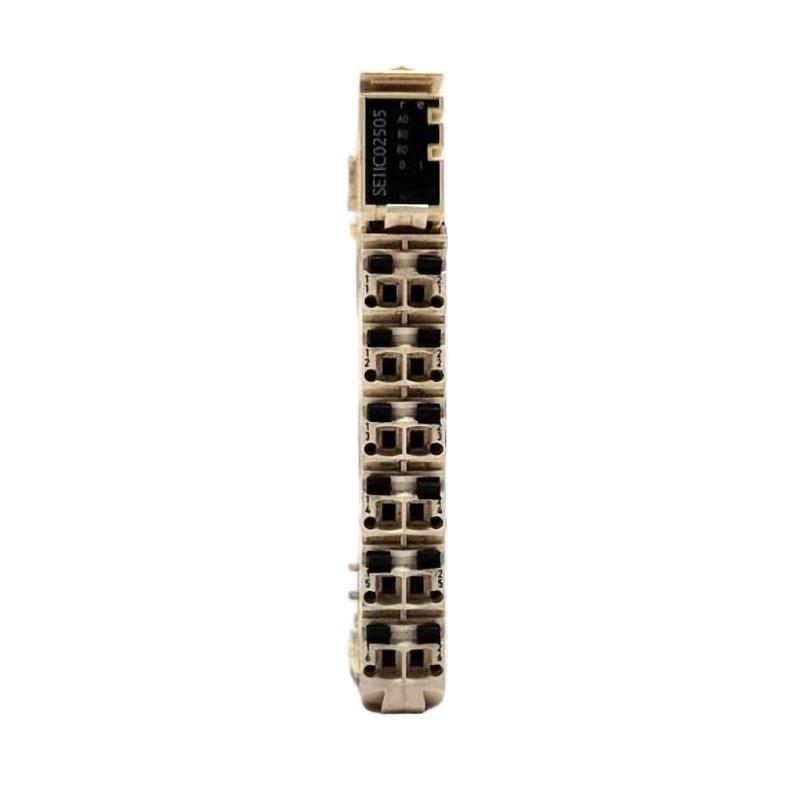
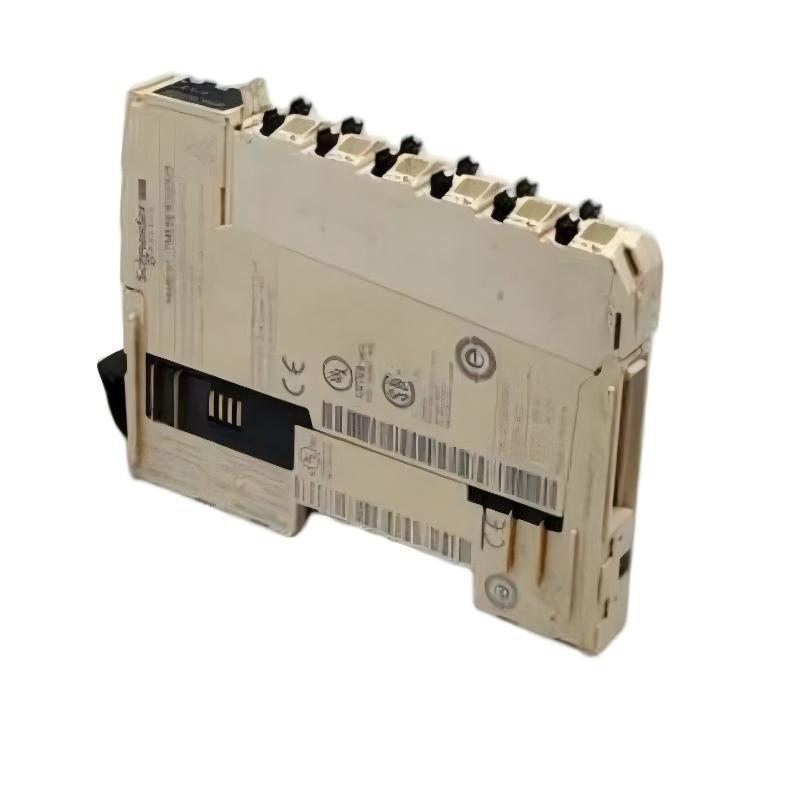
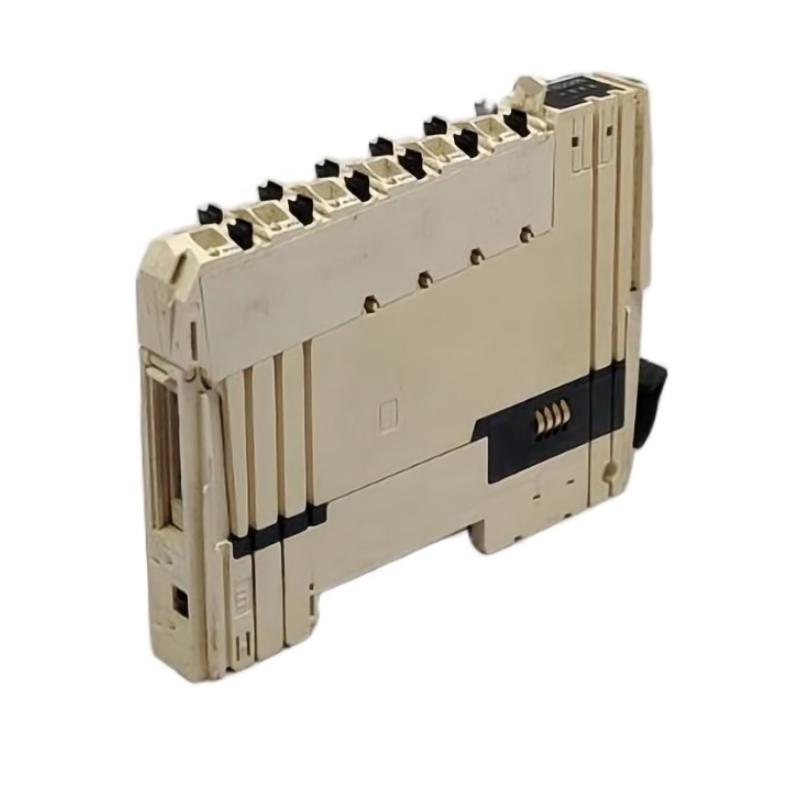
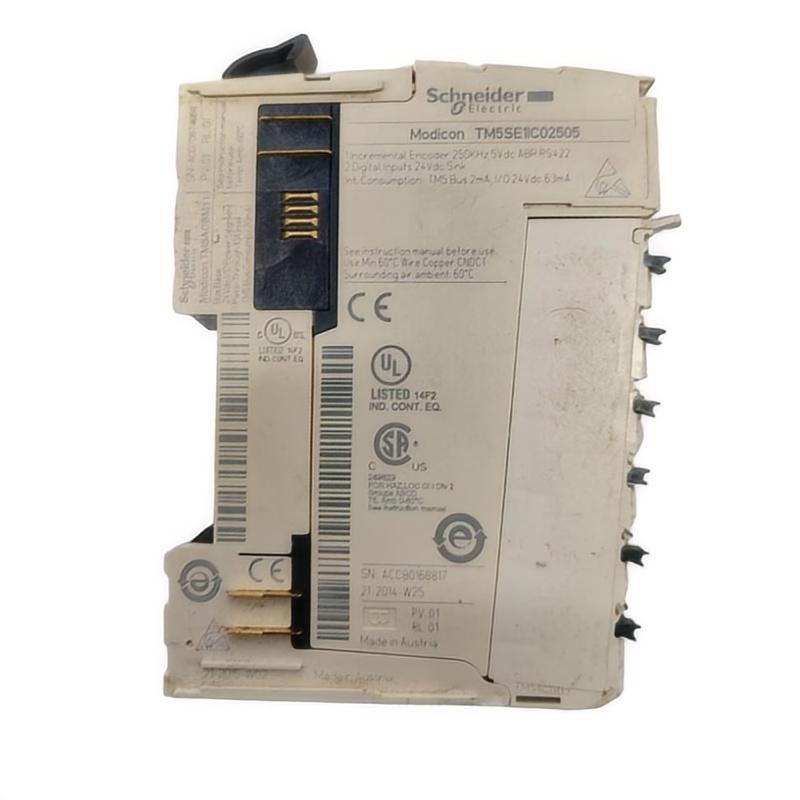
- Schneider
- TM5SE1IC02505
- Counter Module
- France
- 99 × 12.5 × 75 mm
- 0.025 kg
- Xiamen, China
- New & In Stock
- T/T, PayPal, Western Union
- 1 Year
- 1-3 Working Days
- DHL, UPS, TNT, FedEx and EMS.
- 24-Hour Service
- COO
- 4
Our advantage

Global Logistics
We have a 10-year logistics and express cooperation agreement, so our products can be shipped to any place in the world.

Brand new and original
Our products are imported in bulk from the place of origin. Because of the cooperative relationship, our products are all original and 100% new.

24-hour service
We provide 7*24 hours service to our customers. We will be there whenever you need us.

Price advantage
All our products are priced very favorably because we have our own warehouse and supply.
| Company Information | |||
| [email protected] | |||
| Mobile | +8615980777398 | ||
| +8615980777398 | |||
| 15980777398 |
1. Product Overview
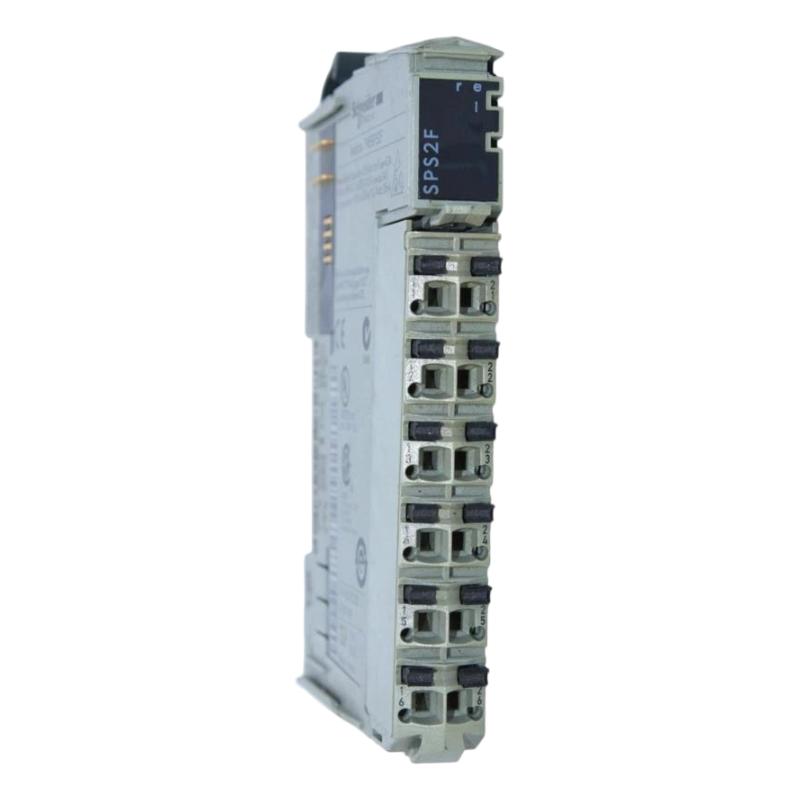
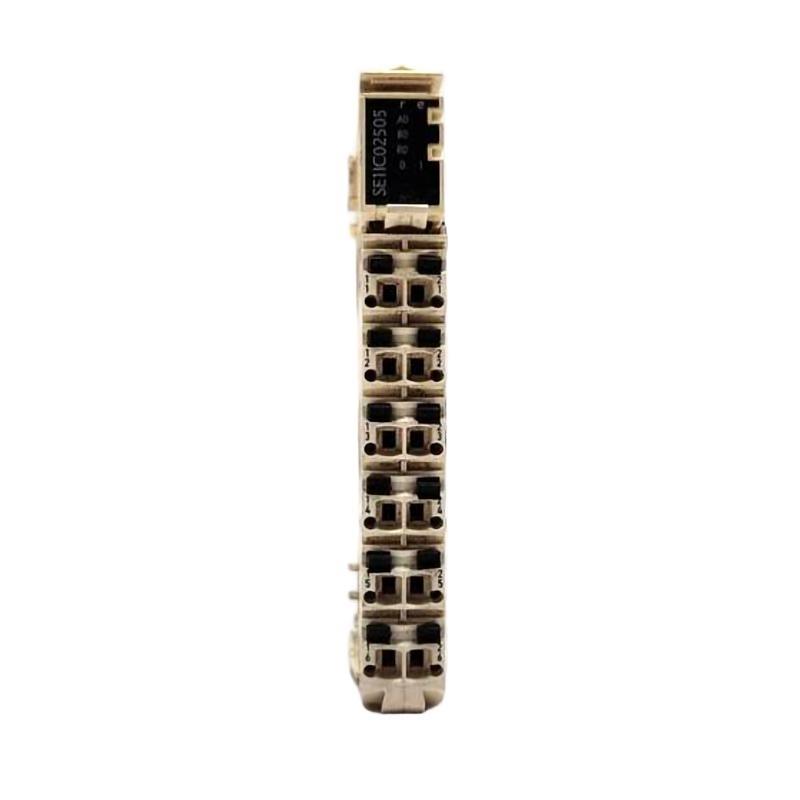
The Schneider Electric TM5SE1IC02505 Counter Module is an industrial automation component in the Modicon TM5 modular I/O product family. Counter modules are used in applications that require pulse acquisition, event counting, encoder feedback, or measurement of repetitive signals. They help automation controllers obtain information about machine movement and process activity that cannot always be handled effectively by standard digital inputs.
In an industrial control system, counter functionality can support production counting, conveyor monitoring, rotating equipment measurement, and other applications where pulse signals represent movement or events. The module’s role is to provide counting-related functionality within a compatible controller architecture, while the PLC or motion controller executes the wider application logic.
The TM5SE1IC02505 has compact dimensions of 99 × 12.5 × 75 mm and a specified weight of 0.025 kg. Its narrow form factor can help system integrators make efficient use of control cabinet space when designing modular automation systems.
Before installation or replacement, confirm the exact model designation and applicable technical documentation. Counter modules can differ in their supported signal types, electrical characteristics, counting modes, and controller compatibility. These differences should be verified rather than inferred from appearance or product-family membership alone.
2. Technical Specifications
| Parameter | Specification |
|---|---|
| Brand | Schneider Electric |
| Model | TM5SE1IC02505 |
| Product Type | Counter Module |
| Product Family | Modicon TM5 |
| Application | Industrial pulse counting and measurement |
| Dimensions | 99 × 12.5 × 75 mm |
| Weight | 0.025 kg |
| Mounting | Compatible modular TM5 system configuration, subject to verification |
| Controller Compatibility | Verify against the applicable Schneider Electric compatibility documentation |
| Input Signal Type | Confirm from the exact model’s technical documentation |
| Counting Frequency | Confirm from the exact model’s technical documentation |
| Operating Voltage | Confirm from the exact model’s technical documentation |
| Connection Accessories | Verify the required TM5 bus base and terminal block |
| Typical Applications | Production counting, pulse monitoring, machine automation, and measurement systems |
Important: The dimensions and weight above are the supplied product data. Electrical ratings, counting performance, supported signal types, and controller compatibility should be confirmed for the exact TM5SE1IC02505 version before engineering or procurement decisions are made.
3. Function and Working Principle
A counter module is designed to process signal transitions or pulses and make the resulting information available to an automation controller. Depending on its supported functions and configuration, the information may be used to count events, monitor repetitive machine operations, or measure movement-related signals.
Pulse Acquisition
Industrial machines frequently use sensors or encoders to generate electrical pulses. Each pulse may represent a product passing a sensor, a shaft rotation increment, a machine cycle, or another measurable event.
A compatible counter module acquires the incoming signals according to its hardware design. The controller can then use the resulting count data to evaluate the process and execute the required control logic.
Event Counting
In manufacturing and packaging environments, a counter function can be used to track production quantities or the number of machine operations completed. For example, a PLC program may compare the accumulated count with a preset target and initiate an action when the target is reached.
The exact counting modes and limits available depend on the module’s confirmed specifications and configuration.
Encoder-Based Measurement
When the module supports the connected encoder’s signal type, pulse information can be used to monitor mechanical movement. Applications may include conveyor tracking, indexing systems, and movement monitoring.
Encoder compatibility must be checked carefully. Signal voltage, output type, wiring arrangement, and supported input frequency all affect whether a particular encoder can be connected reliably.
Integration with PLC Logic
The counter module forms part of a larger automation system rather than operating as a complete standalone machine controller. The PLC or motion controller uses the available data to perform calculations, evaluate conditions, and coordinate other devices such as drives, valves, actuators, and operator interfaces.
4. Role in Industrial Automation Systems
The TM5SE1IC02505 may be considered for applications where a modular automation system requires counter-related signal processing. Its practical role depends on the confirmed capabilities of the specific module and the controller in which it is installed.
A typical counter-based automation architecture may include:
- PLC or motion controller: Executes the machine-control program and processes counter information.
- Counter module: Acquires and processes supported input signals.
- Sensors or encoder: Generates pulses representing events or movement.
- TM5 bus base and terminal block: Provide the required mechanical and electrical integration where applicable.
- Power supply: Supplies the required voltage to the module and field devices.
- HMI: Displays production counts, operating status, and alarms when configured.
- Industrial network: Connects the controller with other automation devices where required by the system design.
Correct selection and configuration of each component are essential to obtaining reliable measurements and maintaining stable machine operation.
5. Industrial Applications
Packaging Machinery
Packaging machines frequently count products, packaging cycles, or movement-related pulses. Counter functionality can support production targets and sequence control when the selected module’s inputs and performance match the application requirements.
Conveyor Systems
Conveyor applications may require the monitoring of product passage, conveyor movement, or repeated operating events. A properly configured counter system can provide information for production tracking and machine coordination.
Manufacturing and Assembly Equipment
Automated assembly systems often depend on accurate event tracking. Counter data can help a PLC determine whether a preset number of operations has been completed or whether a sequence should advance to its next stage.
Material Handling
Material handling equipment can use counting functions to monitor repeated movements or track discrete events. The system designer must consider sensor placement, electrical noise, response requirements, and the required measurement accuracy.
Machine Monitoring
Pulse-based monitoring can help operators identify abnormal machine behavior, missed events, or unexpected changes in operating frequency. Any alarms or diagnostic functions must be implemented according to the module’s actual capabilities and the application program.
6. Installation and System Integration
Proper installation helps reduce signal errors, configuration problems, and unnecessary downtime.
Step 1: Confirm the Exact Model
Check the product label and verify that the installed unit is TM5SE1IC02505. Do not select wiring diagrams or configuration parameters based only on a similar-looking module or a related product number.
Step 2: Verify Controller Compatibility
Confirm that the module is supported by the intended controller, hardware configuration, firmware, and engineering software. Review the required module position and any restrictions affecting the complete TM5 assembly.
Step 3: Inspect Mounting and Connection Components
Identify the bus base, terminal block, and other connection accessories required for the specific module. Check the mechanical fit and inspect the components for damage before installation.
Step 4: Isolate Power Before Wiring
Disconnect the relevant power supplies and follow the facility’s lockout/tagout procedures. Ensure that the equipment is in a safe state before installing the module or handling field wiring.
Step 5: Connect Field Signals
Use the exact model’s wiring diagram to identify the correct signal terminals and common connections. Verify the connected sensor or encoder’s electrical output, supply requirements, and signal format before applying power.
Do not assume that all counter modules support the same encoder types or input voltages.
Step 6: Configure the Controller
Add the correct module to the controller configuration and apply the required parameters using the supported engineering software. Set up the relevant counting behavior and application logic according to the actual hardware capabilities.
Step 7: Commission the System
After verifying wiring and configuration, restore power according to the approved procedure. Check the module’s status, confirm that the controller recognizes the hardware, and test the input signals under controlled conditions.
Compare observed count values with known input events before returning the equipment to normal production.
7. Troubleshooting Common Problems
Counter Values Do Not Change
Possible causes:
- The sensor or encoder is not generating pulses.
- Field wiring is loose or incorrect.
- The input signal does not meet the module’s electrical requirements.
- The module is not configured correctly in the controller.
Recommended actions:
- Confirm that the field device is powered and operating.
- Inspect wiring against the correct model-specific diagram.
- Check the controller configuration and module status.
- Verify that the signal type is supported by the module.
Counts Are Inconsistent
Possible causes:
- Electrical interference from drives, motors, or switching equipment.
- Poor cable routing or shielding.
- Loose terminals or intermittent sensor connections.
- Incorrect sensor placement or mechanical movement.
Recommended actions:
- Inspect field wiring and connection points.
- Separate low-level signal cables from power wiring where practical.
- Check sensor mounting and mechanical alignment.
- Compare the received signal with the actual process behavior.
Controller Does Not Recognize the Module
Possible causes:
- Incorrect module selection in the hardware configuration.
- Incompatible controller or firmware.
- Incomplete seating or an unsuitable connection component.
- A fault in the module, bus base, or related hardware.
Recommended actions:
- Verify the full product number.
- Check controller and software compatibility.
- Inspect the module installation and associated TM5 components.
- Review available controller diagnostics before replacing hardware.
Counting Performance Does Not Meet Requirements
Possible causes:
- The required pulse frequency exceeds the module’s capability.
- The input signal is electrically incompatible.
- Signal wiring introduces interference or distortion.
- The application program processes count values incorrectly.
Recommended actions:
- Determine the maximum expected input frequency.
- Confirm the exact module’s supported counting rate and signal type.
- Check wiring and field-device specifications.
- Review the PLC program and test results under representative operating conditions.
8. Compatible System Components
| Component Category | Function | Verification Required |
|---|---|---|
| Compatible PLC or motion controller | Executes the control application | Confirm explicit support for TM5SE1IC02505 |
| TM5 bus base | Provides modular system integration | Verify the correct base for the exact module |
| TM5 terminal block | Provides field wiring connections | Confirm the compatible part number |
| Pulse sensor | Detects repetitive events | Match output type and electrical ratings |
| Incremental encoder | Provides movement-related pulse signals | Verify supported encoder interface |
| DC power supply | Supplies module or field-device power | Confirm voltage, polarity, and current requirements |
| HMI | Displays counts and operating status | Configure through the controller application |
| Industrial communication equipment | Connects the control system to other devices | Confirm network requirements at system level |
Compatibility should be established using the module’s technical documentation and the controller’s hardware configuration. Do not assume that accessories or controllers suitable for another TM5 module will necessarily be suitable for this model.
9. Replacement and Alternative Selection
When replacing a counter module, matching the physical dimensions alone is insufficient. The replacement must meet the signal-processing, electrical, and system-integration requirements of the original installation.
| Selection Criterion | What to Check |
|---|---|
| Exact product identification | Confirm the full model number and hardware revision |
| Input signal compatibility | Verify supported sensor or encoder output types |
| Counting performance | Match the maximum pulse frequency and required response |
| Electrical requirements | Confirm supply voltage, input ratings, and wiring |
| Counter functions | Check the required counting and measurement modes |
| Controller support | Confirm hardware, firmware, and engineering software compatibility |
| Mounting and connections | Verify bus base, terminal block, and system arrangement |
| Application behavior | Test the replacement with the actual PLC program and equipment |
If the original module is discontinued or unavailable, choose an alternative only after confirming functional equivalence with the manufacturer or a qualified automation engineer. A module with a similar product name or appearance should not automatically be considered interchangeable.
10. Key Advantages
- Compact form factor: Dimensions of 99 × 12.5 × 75 mm support space-conscious control cabinet designs.
- Low specified weight: At 0.025 kg, the module is lightweight for modular system integration.
- Counter-oriented functionality: Suitable for consideration in applications requiring pulse or event counting, subject to the confirmed model capabilities.
- Modular architecture: Can simplify the organization of compatible automation hardware.
- Flexible application integration: Counter data can be used within PLC logic for production monitoring and process coordination when supported.
- Maintenance-oriented replacement: Accurate model identification helps maintenance teams select the correct component and avoid compatibility errors.
11. Technical FAQs
Q1: What is the Schneider TM5SE1IC02505 Counter Module used for?
It is identified as a counter module for industrial automation. The intended application may involve pulse acquisition or event counting, but the specific input interface and supported functions must be verified for the exact model.
Q2: What are its dimensions and weight?
The supplied dimensions are 99 × 12.5 × 75 mm, and the supplied weight is 0.025 kg.
Q3: Can it be used with an incremental encoder?
Confirm the module’s supported encoder interface, signal type, voltage, and wiring requirements before connecting an encoder. Compatibility should not be assumed from the product category alone.
Q4: Which PLC controllers are compatible?
The compatible controller models should be verified against the manufacturer’s documentation for TM5SE1IC02505. Do not rely solely on compatibility information for other TM5 counter modules.
Q5: Why is the counter not registering input pulses?
Potential causes include missing field-device power, incorrect wiring, an unsupported input signal, incorrect configuration, or a hardware issue. Check these items systematically before replacing the module.
Q6: What should be checked before purchasing a replacement?
Confirm the full model number, required counter functions, input signal characteristics, operating voltage, controller compatibility, and connection accessories. Also verify the product dimensions and weight against the installation requirements.
Q7: Is the module suitable for high-speed counting?
Its maximum counting frequency has not been established here from verified model-specific information. Check the official technical specifications and compare them with the application’s maximum expected pulse frequency before selecting the module.
12. Conclusion
The Schneider Electric TM5SE1IC02505 Counter Module is a compact automation component identified for counter-related applications within industrial control systems. Its supplied dimensions of 99 × 12.5 × 75 mm and weight of 0.025 kg are useful for product identification, inventory management, and installation planning.
For reliable selection and operation, engineers should verify the exact module’s electrical characteristics, input signal requirements, counting performance, compatible controllers, and required connection accessories. Correct wiring, configuration, and commissioning are essential to maintaining accurate counting and dependable industrial automation performance.