

ProductPRODUCT
Featured products
Contact Us
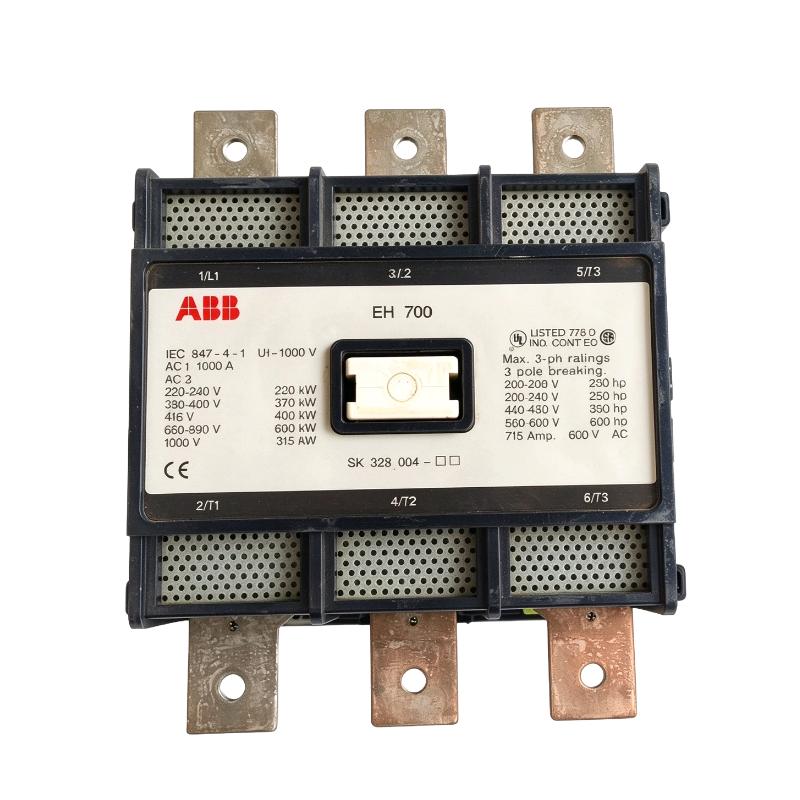
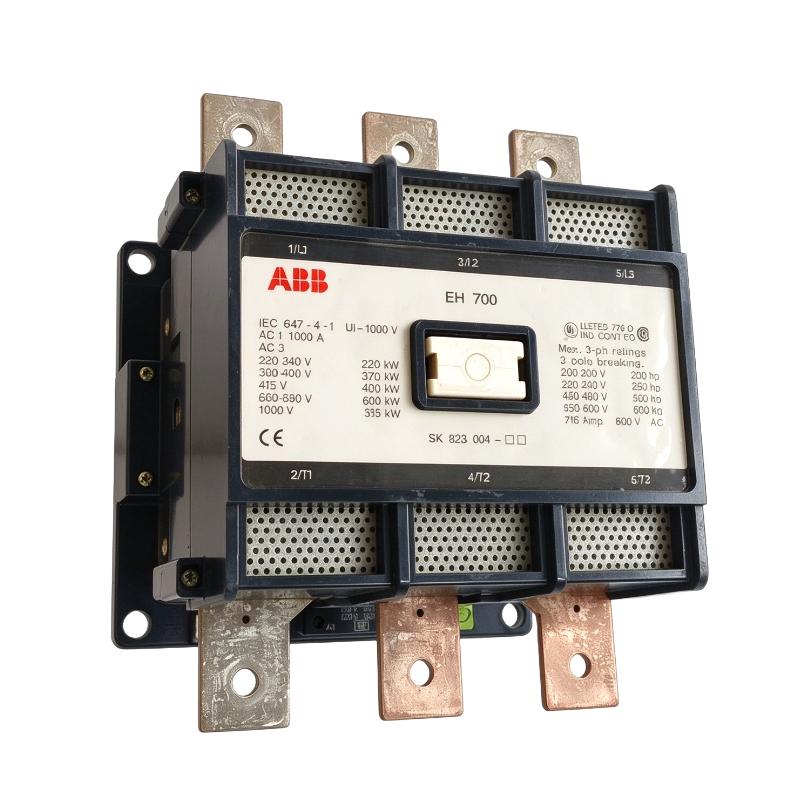
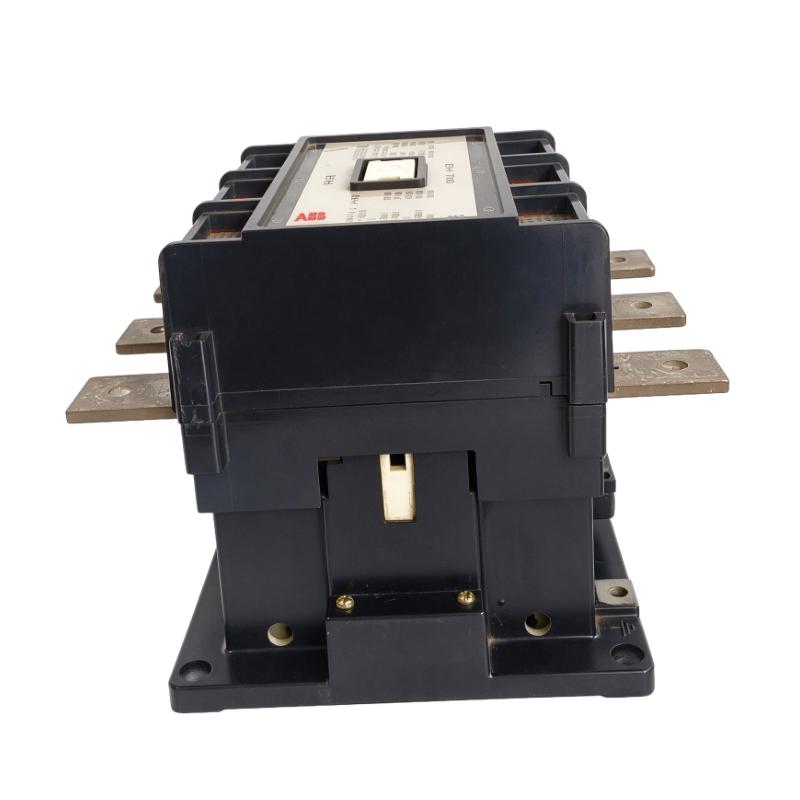
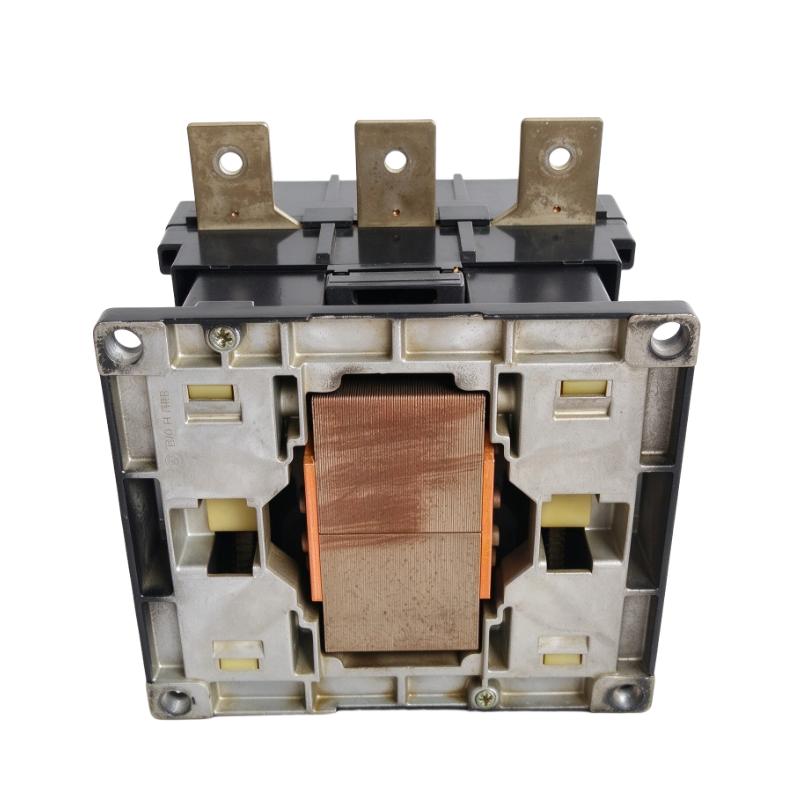
- ABB
- EH700-30-11 SK828004-AF
- EH700 Contactor
- Sweden (SE)
- 250 × 180 × 210 mm
- 17.1 kg
- Xiamen, China
- New & In Stock
- T/T, PayPal, Western Union
- 1 Year
- 1-3 Working Days
- DHL, UPS, TNT, FedEx and EMS.
- 24-Hour Service
- COO
- 5
Our advantage

Global Logistics
We have a 10-year logistics and express cooperation agreement, so our products can be shipped to any place in the world.

Brand new and original
Our products are imported in bulk from the place of origin. Because of the cooperative relationship, our products are all original and 100% new.

24-hour service
We provide 7*24 hours service to our customers. We will be there whenever you need us.

Price advantage
All our products are priced very favorably because we have our own warehouse and supply.
| Company Information | |||
| [email protected] | |||
| Mobile | +8615980777398 | ||
| +8615980777398 | |||
| 15980777398 |
Product Overview
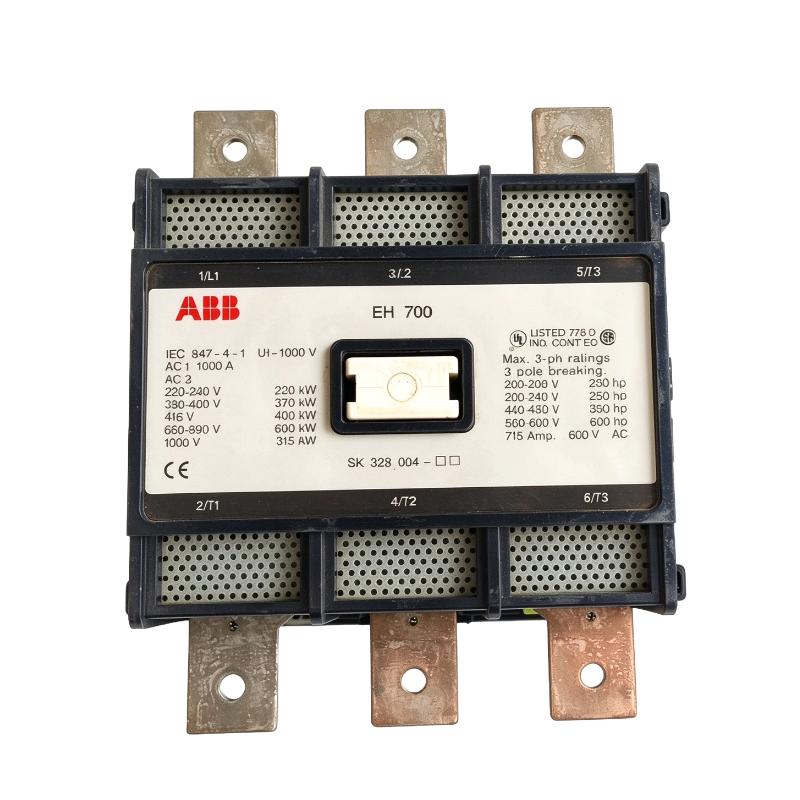
The ABB EH700-30-11 SK828004-AF EH700 Contactor is an electrical switching component associated with the EH700 product series. Contactors are used in industrial electrical systems to switch power circuits in response to control signals, allowing motors, heating equipment, and other electrical loads to be operated through an automation or control circuit.
In an industrial motor control cabinet, a contactor allows a low-power control command to operate a separate power circuit. When the control circuit energizes the contactor coil, the internal switching mechanism changes the state of its main contacts. This allows the connected load to be energized or disconnected according to the control sequence. Auxiliary contacts, where fitted, can provide status feedback or support electrical interlocking.
The EH700-30-11 designation and SK828004-AF reference are important when identifying the component for maintenance or replacement. Contactors with similar external dimensions may have different coil voltages, contact arrangements, current ratings, or switching capabilities. The replacement selection should therefore match the electrical requirements and configuration of the installed equipment.
For maintenance teams, the EH700 contactor can be assessed as part of the complete motor or power control circuit. Correct installation requires attention to the control supply, power connections, load characteristics, protective devices, and the operating sequence of the associated equipment.
Technical Specifications
| Parameter | Specification |
|---|---|
| Manufacturer | ABB |
| Model | EH700-30-11 |
| Additional Reference | SK828004-AF |
| Product Series | EH700 |
| Product Type | Contactor |
| Product Category | Industrial Electrical Switching Equipment |
| Primary Function | Switching electrical power circuits |
| Operating Principle | Electromagnetic contact operation |
| Control Interface | Electrical coil control, subject to model configuration |
| Contact Arrangement | Verify against the exact model configuration |
| Coil Voltage | Verify against the installed unit’s rating label |
| Rated Operational Current | Verify against the applicable electrical rating |
| Load Application | Compatible industrial electrical loads |
| Installation Context | Industrial control cabinets and power switching assemblies |
| Dimensions | 250 × 180 × 210 mm |
| Weight | 17.1 kg |
Product Features
- EH700 series identification: The model designation identifies the contactor within the specified product family and supports spare-parts management.
- Electromagnetic switching: A contactor uses an energized coil to operate its contact mechanism, allowing a control circuit to switch a separate electrical circuit.
- Power circuit control: Contactors are used in applications requiring repeated switching of compatible electrical loads.
- Control and power circuit separation: The control circuit operates the contactor mechanism while the main contacts handle the connected load within their rated limits.
- Automation system integration: A contactor can be operated by PLC outputs, relay logic, push buttons, or other compatible control circuits through an appropriate interface.
- Auxiliary contact functionality: Where the installed configuration includes auxiliary contacts, they can support status indication, interlocking, or control logic.
- Maintenance identification: The EH700-30-11 and SK828004-AF references help technicians identify the intended component during inspection and replacement.
- Equipment-specific selection: Coil ratings, contact configuration, load type, and switching requirements must match the application before installation.
Working Principle
The ABB EH700-30-11 contactor operates through an electromagnetic mechanism. When the correct control voltage is applied to the coil, the resulting magnetic field moves the internal armature. This movement changes the state of the main contacts, allowing the associated power circuit to be connected or disconnected.
When the control signal is removed, the magnetic field collapses and the mechanism returns to its normal state according to the contactor’s construction. The main contacts then return to their corresponding open or closed positions. The exact behavior depends on the contact arrangement and the electrical design of the installed model.
For example, in a motor control application, a PLC or relay circuit may issue a start command when the required operating conditions are satisfied. The control circuit energizes the contactor coil, and the main contacts connect the motor to its power supply. When a stop command or another configured condition interrupts the coil circuit, the contactor releases and disconnects the motor circuit.
The contactor performs the switching operation but does not independently determine when the load should run. That decision comes from the control logic, operator command, or protective circuit. Proper coordination with overload protection, short-circuit protection, and the load’s electrical characteristics is essential to safe operation.
During troubleshooting, technicians should distinguish between coil-control problems, mechanical contactor faults, power connection issues, and failures elsewhere in the control circuit.
Role in an Industrial Motor and Power Control Architecture
Within an industrial electrical control architecture, the EH700 contactor provides a switching interface between the control circuit and the power circuit. It operates in conjunction with the control system, protective devices, and connected load to execute the required switching sequence.
| System Component | Function | Relationship to the EH700 Contactor |
|---|---|---|
| PLC or Control Relay | Generates switching commands | Controls the contactor coil through a compatible circuit |
| Contactor Coil | Produces the magnetic force needed to operate the mechanism | Activates the contactor when the correct control supply is applied |
| Main Contacts | Connect or disconnect the power circuit | Switch the connected load within the contactor’s rated limits |
| Auxiliary Contacts | Provide additional contact states for control or indication | May support interlocking and status feedback where fitted |
| Motor or Electrical Load | Converts electrical energy into mechanical or other useful output | Receives power through the switched circuit |
| Overload Protection | Detects sustained overload conditions | Protects the associated motor circuit when correctly selected and coordinated |
| Short-Circuit Protection | Interrupts excessive fault current through the appropriate protective device | Provides protection beyond the contactor’s switching function |
| Control Power Supply | Supplies the control circuit | Provides the coil supply when its voltage matches the contactor requirements |
| Electrical Enclosure | Houses switching and protective equipment | Provides the mounting and environmental installation context |
Industrial Applications
| Application Area | Typical Use | Role of the EH700 Contactor |
|---|---|---|
| Motor Control Cabinets | Switching compatible electric motors | Connects or disconnects the motor power circuit according to the control sequence |
| Manufacturing Machinery | Operating motors and other electrical loads | Executes switching commands from the machine control circuit |
| Pumping Systems | Starting and stopping compatible pump motors | Controls the power connection under the configured operating logic |
| Conveyor Equipment | Switching drive motors and associated loads | Supports commanded start and stop operations |
| Industrial Process Equipment | Controlling electrical loads within process machinery | Provides an electromagnetic switching interface |
| HVAC and Utility Equipment | Switching compatible motors or auxiliary electrical loads | Operates as part of the associated electrical control circuit |
| Electrical Panel Refurbishment | Replacing an installed contactor | Provides a model-specific reference for component identification |
| Preventive Maintenance | Inspecting switching components and their connections | Supports condition checks and maintenance planning |
Installation and Maintenance
- Verify the contactor identification: Confirm that EH700-30-11 and SK828004-AF match the component specified in the equipment records and replacement documentation.
- Check the electrical ratings: Verify the coil voltage, contact arrangement, rated current, load category, and other required ratings from the installed unit and applicable equipment documentation.
- Isolate the power supply: Disconnect the relevant control and power circuits and follow the site’s lockout/tagout and electrical safety procedures before handling the contactor.
- Record the existing wiring: Document the power terminals, coil connections, auxiliary contacts, and associated control wiring before removing the installed unit.
- Inspect the mounting arrangement: Check the mounting surface, enclosure space, and mechanical securing points to ensure that the replacement fits the intended installation.
- Examine the contactor condition: Look for visible damage, discoloration, signs of overheating, contamination, or mechanical deterioration.
- Inspect the power terminals: Check for loose connections, damaged terminal hardware, corrosion, and evidence of excessive heat. Follow the specified tightening requirements during installation.
- Check the control circuit: Verify that the control wiring and supply are suitable for the contactor coil and that the operating command is generated by the intended control device.
- Install the replacement unit: Mount the contactor securely in the intended position and ensure that the mechanical arrangement does not place unnecessary stress on its terminals.
- Reconnect the electrical interfaces: Restore the power, coil, and auxiliary connections according to the documented wiring arrangement and verify that each connection is secure.
- Perform functional checks: After completing the required safety checks, test the switching sequence under controlled conditions and confirm that the contactor and associated equipment respond as expected.
- Document the maintenance work: Record the contactor model, observed condition, replacement details, wiring changes, and results of the functional tests.
Compatible System Components
| Component | Function | Relationship to the EH700 Contactor |
|---|---|---|
| Industrial Control Relay | Switches control signals | Can provide a control command to the contactor coil |
| PLC Output Interface | Issues programmed control commands | Can operate the contactor through a suitably rated interface circuit |
| Motor Overload Relay | Detects motor overload conditions | Works with the motor switching circuit to provide overload protection |
| Circuit Breaker or Fuse | Provides short-circuit protection | Protects the electrical circuit when appropriately selected and coordinated |
| Control Power Supply | Supplies the coil circuit | Must match the contactor’s required coil voltage and supply characteristics |
| Auxiliary Contact Block | Adds auxiliary switching contacts where supported | Can support indication and interlocking functions |
| Industrial Electric Motor | Converts electrical energy into mechanical motion | May be switched by the contactor when its electrical ratings are suitable |
| Electrical Control Cabinet | Houses switching and protection components | Provides the mounting and wiring environment for the contactor |
Recommended Related Models
| Model or Product Category | Product Type | Relationship |
|---|---|---|
| ABB EH700-30-11 SK828004-AF | EH700 Contactor | Specified model for identification and replacement |
| ABB EH700 Series Contactors | Industrial Contactor | Related product family for switching applications |
| ABB Industrial Auxiliary Contact Blocks | Auxiliary Contact Accessory | May provide additional control contacts where compatible |
| ABB Motor Protection Components | Motor Protection Equipment | Related category for coordinating motor switching and protection |
| ABB Industrial Control Relays | Control Relay | Can provide switching commands to a compatible contactor circuit |
| ABB Industrial Circuit Breakers | Circuit Protection Device | Provides circuit protection when correctly selected for the installation |
Key Advantages
- Electromagnetic switching: Enables a control circuit to operate a separate power circuit.
- Industrial load control: Supports switching applications involving compatible motors and electrical loads.
- Automation integration: Can operate through suitable PLC, relay, or operator control circuits.
- Maintenance traceability: The model and reference number support replacement identification and service records.
- Structured fault diagnosis: Helps technicians isolate problems involving the coil circuit, contacts, wiring, and connected load.
- System-level protection coordination: Can be incorporated into a properly selected switching and protection arrangement.
Technical FAQs
What is the function of the ABB EH700-30-11 SK828004-AF contactor?
The contactor switches an electrical circuit through an electromagnetic operating mechanism. It allows a compatible control circuit to command the connection or disconnection of a separate power circuit.
How can the correct replacement contactor be identified?
Check the complete model and reference number, coil voltage, contact arrangement, rated operational current, load category, and mounting configuration. Physical similarity alone does not establish electrical compatibility.
What can cause a contactor to fail to energize?
Possible causes include an incorrect or missing coil supply, a faulty control output, loose wiring, damaged coil windings, or a mechanical problem. Troubleshooting should begin with safe isolation and verification of the control circuit and specified coil requirements.
Does a contactor provide complete motor circuit protection?
No. A contactor performs switching, but it does not replace the need for suitable short-circuit and overload protection. Protective devices must be selected and coordinated according to the motor, circuit, and installation requirements.