

ProductPRODUCT
Featured products
Contact Us
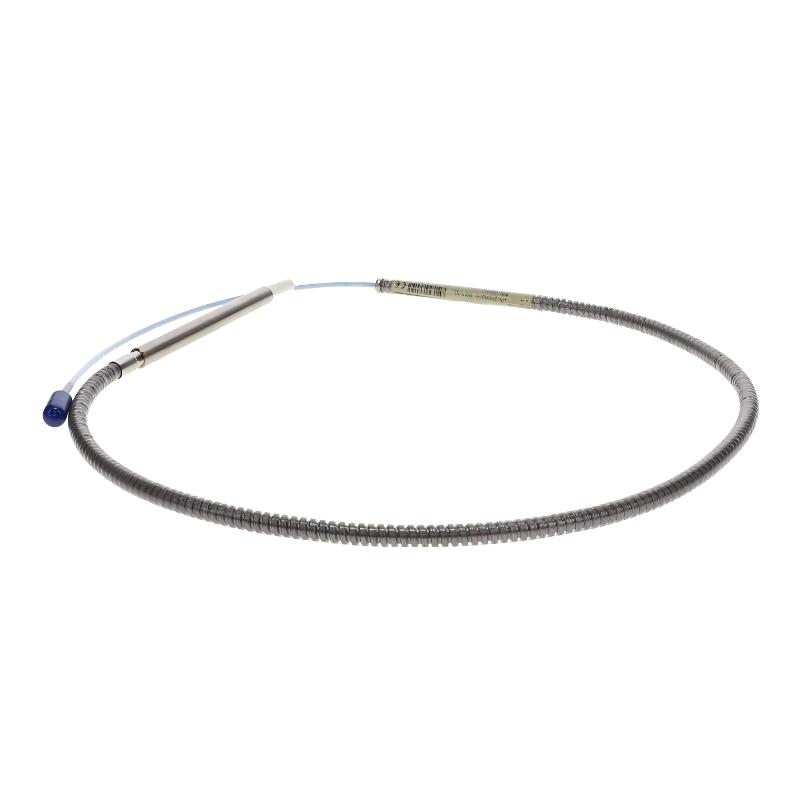
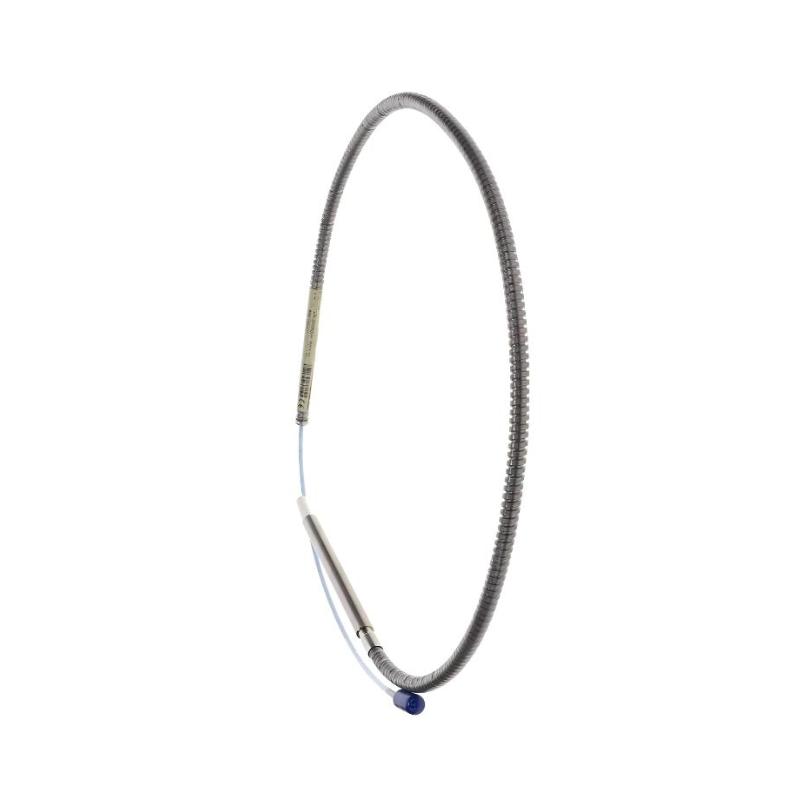
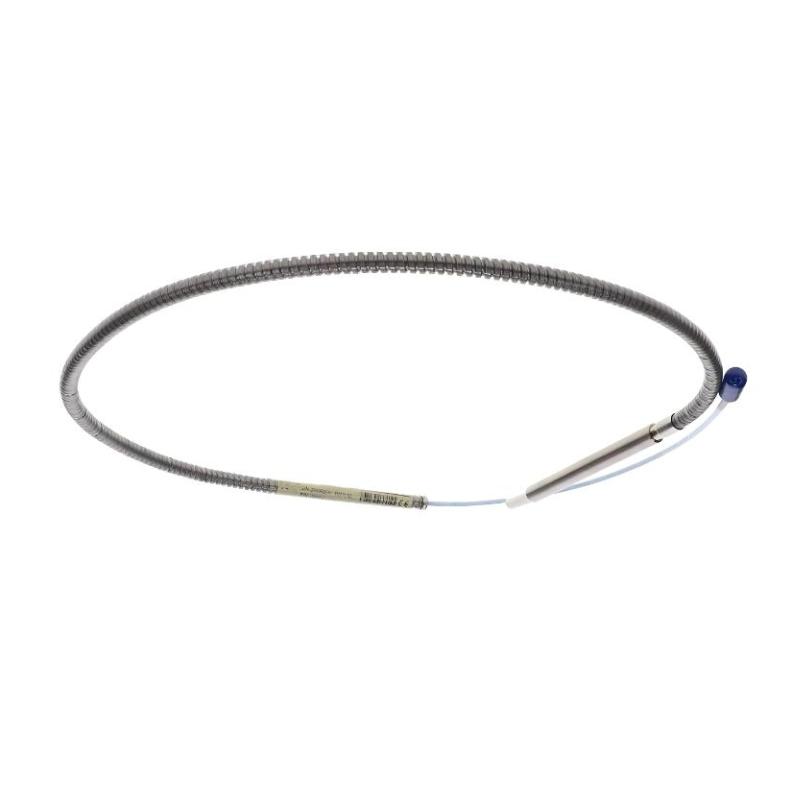
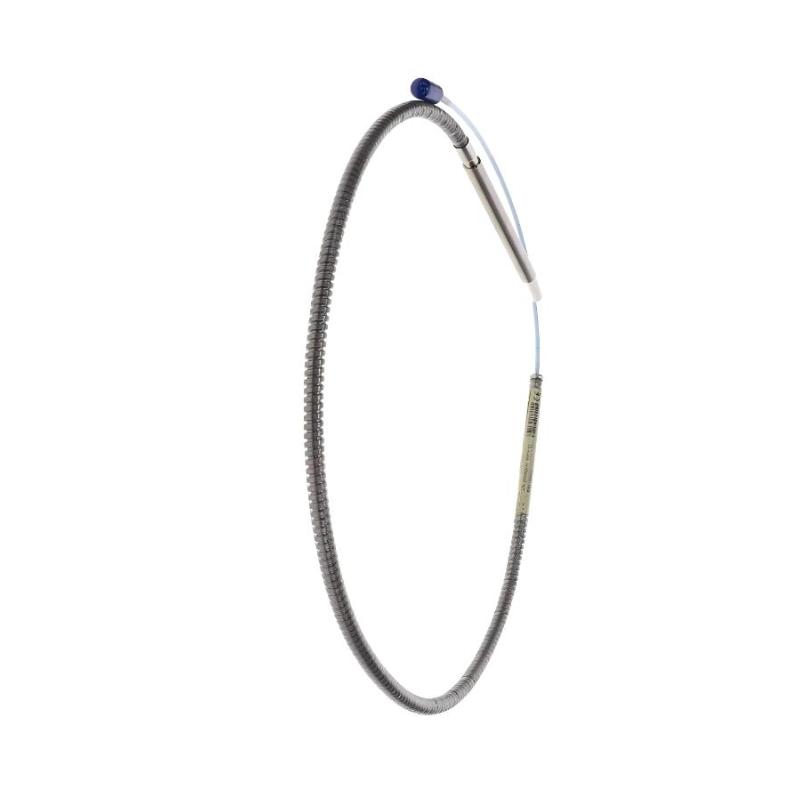
- Ingersoll Rand
- AAP1407030-02006
- Centrifugal Compressor Vibration Probe
- USA
- Optional
- 3 kg
- Xiamen, China
- New & In Stock
- T/T, PayPal, Western Union
- 1 Year
- 1-3 Working Days
- DHL, UPS, TNT, FedEx and EMS.
- 24-Hour Service
- COO
- 6
Our advantage

Global Logistics
We have a 10-year logistics and express cooperation agreement, so our products can be shipped to any place in the world.

Brand new and original
Our products are imported in bulk from the place of origin. Because of the cooperative relationship, our products are all original and 100% new.

24-hour service
We provide 7*24 hours service to our customers. We will be there whenever you need us.

Price advantage
All our products are priced very favorably because we have our own warehouse and supply.
| Company Information | |||
| [email protected] | |||
| Mobile | +8615980777398 | ||
| +8615980777398 | |||
| 15980777398 |
Product Overview
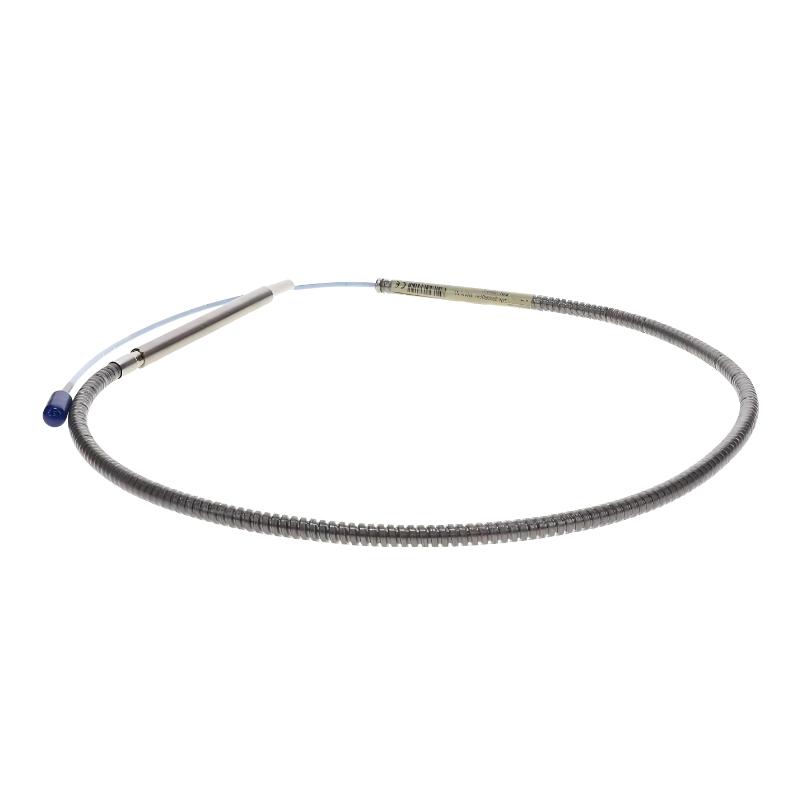
The Ingersoll Rand AAP1407030-02006 Centrifugal Compressor Vibration Probe is a vibration-monitoring component identified for centrifugal compressor applications. Vibration probes are used in rotating machinery monitoring systems to detect shaft movement or other vibration-related conditions, depending on the sensor technology and installation arrangement. The resulting measurements help maintenance personnel assess machine behavior and identify changes that may require further investigation.
Centrifugal compressors operate at high rotational speeds, making vibration monitoring an important part of machinery condition assessment. Changes in vibration can be associated with rotor imbalance, misalignment, bearing deterioration, looseness, or changes in operating conditions. A probe installed at the designated measurement point can provide information to a compatible monitoring system for trend analysis, alarm evaluation, and maintenance planning.
The AAP1407030-02006 part number provides a specific identification reference for replacement planning and equipment records. When selecting a probe, technicians need to consider the installed sensor type, mounting arrangement, measurement range, electrical interface, and compatibility with the monitoring system. A probe that fits mechanically may still be unsuitable if its sensing principle or electrical characteristics differ from the original component.
Correct installation and signal verification are essential. The probe must be positioned and secured according to the intended measurement arrangement, and its signal should be checked against the monitoring system’s requirements before the compressor returns to normal operation.
Technical Specifications
| Parameter | Specification |
|---|---|
| Manufacturer | Ingersoll Rand |
| Model | AAP1407030-02006 |
| Product Type | Centrifugal Compressor Vibration Probe |
| Product Category | Rotating Machinery Condition Monitoring |
| Primary Function | Vibration measurement for compressor monitoring |
| Application | Centrifugal compressor vibration monitoring |
| Measurement Purpose | Assessment of vibration-related operating conditions |
| Installation Location | Designated compressor measurement point |
| System Integration | Compatible vibration monitoring or protection system |
| Signal Interface | Verify against the installed probe and monitoring-system requirements |
| Measurement Range | Verify against the model-specific specification |
| Sensor Technology | Verify against the model-specific specification |
| Mounting Arrangement | Equipment-specific installation |
| Total Length | Optional |
| Shipping Weight | 3 kg |
Product Features
- Model-specific identification: The AAP1407030-02006 designation supports component identification and maintenance records.
- Vibration monitoring: Supports measurement of vibration-related conditions at a designated compressor location.
- Rotating machinery application: Intended for use in the monitoring arrangement associated with centrifugal compressor equipment.
- Condition assessment: Measurement data can help maintenance teams identify changes in machine vibration behavior.
- Monitoring-system integration: Requires electrical and measurement compatibility with the connected monitoring equipment.
- Installation-specific positioning: Probe placement and mounting affect the quality and relevance of the measured signal.
- Maintenance traceability: Recording the probe reference and installation details helps support future inspection and replacement work.
Working Principle
A vibration probe detects movement or vibration at its designated measurement point and converts the detected motion into an electrical signal according to its sensing technology. The monitoring system receives this signal and processes it to produce a measurement that can be used for condition assessment.
Compressor Measurement Point → Vibration Probe → Signal Interface → Monitoring System → Trend or Alarm Evaluation
The exact measurement method depends on the probe design. Some rotating-machinery probes measure shaft displacement relative to the sensor mounting position, while other vibration sensors measure casing acceleration or velocity. These technologies are not interchangeable, so the sensing principle of the AAP1407030-02006 should be established from the installed system configuration before its output is interpreted.
During operation, the monitoring system can compare current readings with established operating limits or historical trends where these functions are configured. A sustained change in the signal may prompt an inspection of the rotor, bearings, mounting hardware, or other relevant machinery components. However, a vibration reading alone does not identify the root cause of a mechanical problem.
Signal quality also depends on probe condition, mounting security, cable integrity, electrical connections, and the correct configuration of the monitoring channel. If readings become unstable or inconsistent, technicians should check these factors before concluding that the compressor itself has developed a mechanical fault.
Role in a Centrifugal Compressor Vibration Monitoring Architecture
Within a centrifugal compressor monitoring system, the vibration probe serves as the measurement interface between the machine and the monitoring electronics. Its signal allows the system to track vibration behavior at the selected location and support condition-based maintenance.
| System Component | Function | Relationship to the Vibration Probe |
|---|---|---|
| Compressor Rotor or Shaft | Rotates at operating speed to transfer mechanical energy | Provides the moving machine element being monitored where shaft vibration is measured |
| Vibration Probe | Detects vibration or movement at the measurement point | Converts the detected condition into a signal for monitoring |
| Probe Mounting Assembly | Holds the probe in its designated position | Maintains the required sensor location and alignment |
| Extension Cable or Sensor Cable | Carries the probe signal where applicable | Connects the probe to the associated interface or monitoring equipment |
| Signal Conditioning Interface | Processes the sensor signal where required | Matches the probe output to the monitoring system |
| Vibration Monitoring Module | Acquires and evaluates vibration measurements | Processes the signal and supports configured alarms or monitoring functions |
| Machinery Protection System | Evaluates selected machine conditions against protection limits | May use vibration measurements to initiate alarms or protective responses |
| Plant Control System | Coordinates compressor operation and operating information | May receive monitoring status or alarm information through the system interface |
| Maintenance Engineering System | Stores trends and supports condition assessment | Uses vibration history to help investigate changes in machine behavior |
The actual signal path depends on the probe technology and the compressor’s installed monitoring architecture. Sensor type, electrical characteristics, and channel configuration must match the connected equipment.
Industrial Applications
| Application Area | Typical Use | Relevance of the Vibration Probe |
|---|---|---|
| Centrifugal Compressor Monitoring | Monitoring vibration at designated machine locations | Provides measurement data for machinery condition assessment |
| Petrochemical Facilities | Monitoring compressors used in process-gas service | Supports maintenance evaluation of rotating equipment |
| Oil and Gas Processing | Tracking vibration behavior in compressor installations | Helps identify changes that warrant mechanical inspection |
| Power Generation | Monitoring centrifugal compressors used in plant auxiliary systems | Supports equipment condition monitoring |
| Chemical Processing | Assessing vibration in compressors serving process operations | Contributes to condition-based maintenance activities |
| Industrial Gas Compression | Monitoring high-speed rotating machinery | Provides vibration information for trend analysis |
| Compressor Overhaul and Commissioning | Verifying sensor installation and signal response | Supports checks of probe mounting and monitoring-channel operation |
Installation and Maintenance
- Verify the probe identification: Confirm the AAP1407030-02006 model designation against the installed sensor and equipment maintenance records.
- Confirm sensor compatibility: Check the sensing technology, electrical characteristics, measurement range, and monitoring-system requirements before installation.
- Isolate the equipment: Follow the site’s approved safety procedures before accessing the compressor or its instrumentation.
- Identify the measurement location: Verify the designated mounting point and determine whether the probe measures shaft displacement, casing vibration, or another specified parameter.
- Inspect the mounting arrangement: Check the mounting hardware and accessible surfaces for damage, looseness, contamination, or other conditions that could affect measurement accuracy.
- Check the probe condition: Inspect the sensor body and accessible connections for physical damage, wear, or signs of deterioration.
- Verify cable and connector condition: Examine the associated wiring for damaged insulation, loose connections, moisture ingress, or other signal-integrity problems.
- Install the probe correctly: Follow the specified mounting procedure and maintain the required position, clearance, and alignment for the sensor type.
- Verify the signal interface: Confirm that the probe is connected to the appropriate monitoring channel and that any required interface components are correctly configured.
- Check channel configuration: Verify the sensor type, engineering units, scaling, alarm limits, and other applicable settings in the monitoring system.
- Perform functional verification: Follow the approved commissioning procedure to check signal response, channel status, and measurement consistency under appropriate operating conditions.
- Document the maintenance: Record the probe model, installation location, connection details, configuration changes, test results, and any abnormal readings observed.
Related Components
| Component | Function | Relationship to the Vibration Probe |
|---|---|---|
| Vibration Monitoring Module | Acquires and processes sensor measurements | Receives and evaluates the probe signal when compatible |
| Signal Conditioning Unit | Adapts sensor signals for the monitoring system | Provides the required interface for supported probe technologies |
| Probe Extension Cable | Connects the probe to its associated interface | Carries the sensor signal where the installation requires a separate cable |
| Probe Mounting Bracket | Supports the sensor at the measurement point | Maintains the intended installation position |
| Shaft Displacement Probe | Measures shaft movement relative to a reference position | Related sensor category where relative shaft displacement is required |
| Casing Vibration Sensor | Measures vibration of the machine housing | Provides a different measurement approach from shaft displacement sensing |
| Machinery Protection System | Monitors selected operating conditions and evaluates protection limits | Uses compatible vibration inputs to support machine protection |
| Compressor Control System | Coordinates compressor operation | May receive monitoring status and alarm information |
Recommended Related Models
| Model or Product Category | Product Type | Relationship |
|---|---|---|
| Ingersoll Rand AAP1407030-02006 | Centrifugal Compressor Vibration Probe | Specified probe reference for identification and replacement |
| Industrial Shaft Vibration Probes | Rotating Machinery Sensors | Related category for systems measuring relative shaft movement |
| Industrial Casing Vibration Sensors | Vibration Measurement Sensors | Related category for measuring vibration at machine housings |
| Vibration Monitoring Modules | Condition Monitoring Components | Process compatible sensor signals |
| Machinery Protection Modules | Machine Protection Components | Evaluate vibration inputs against configured protection criteria |
| Sensor Extension Cables | Instrumentation Accessories | Connect compatible probes to monitoring interfaces |
Key Advantages
- Vibration measurement: Supports condition monitoring at the designated compressor measurement point.
- Rotating machinery assessment: Provides data that can help identify changes in compressor vibration behavior.
- Monitoring-system integration: Can contribute to trend analysis and alarm evaluation when correctly configured.
- Maintenance support: Helps technicians investigate abnormal readings alongside other operating data.
- Part traceability: The model designation supports replacement identification and maintenance documentation.
- Installation verification: Sensor and channel checks help distinguish instrumentation faults from possible mechanical problems.
Technical FAQs
What does the Ingersoll Rand AAP1407030-02006 Vibration Probe monitor?
It is identified for vibration monitoring in centrifugal compressor applications. The specific parameter measured depends on its sensing technology and installation arrangement.
Can this probe be connected directly to any vibration monitoring system?
No. Compatibility depends on the probe’s sensing principle, electrical characteristics, cable arrangement, and the input requirements of the monitoring system. These details should be verified before connection.
What can cause an abnormal vibration reading even when the compressor is operating normally?
Possible causes include loose mounting hardware, damaged cables, poor electrical connections, incorrect channel configuration, or sensor deterioration. Actual machine vibration and changes in operating conditions should also be investigated.
How should a replacement vibration probe be verified after installation?
Check the mounting arrangement, wiring, sensor configuration, engineering units, and channel status. Compare the signal with expected behavior and available baseline measurements using the approved commissioning procedure.