

ProductPRODUCT
Featured products



Contact Us
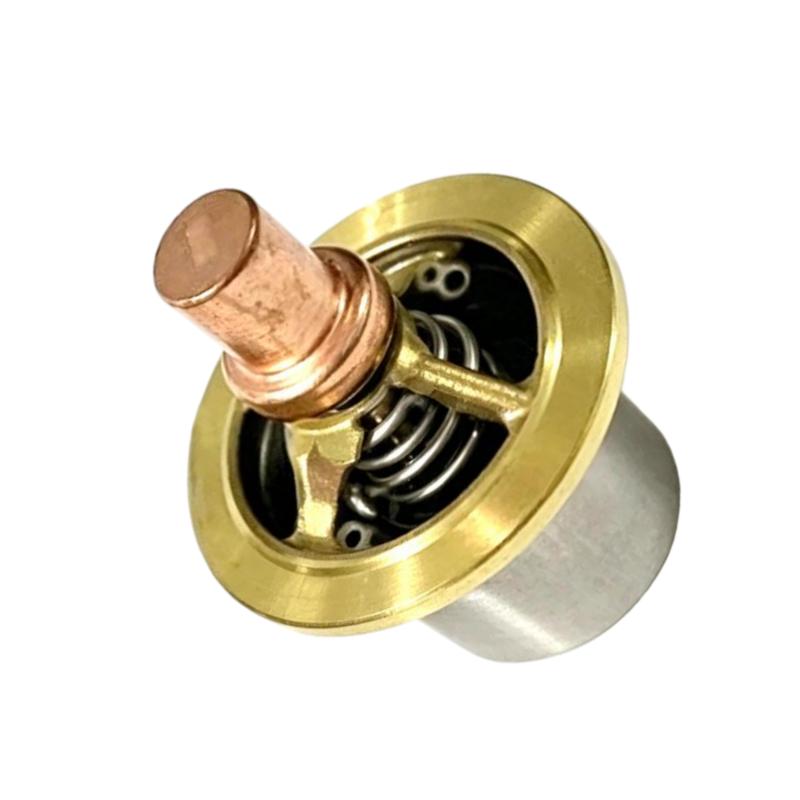
- Ingersoll Rand
- 47555211001 47552954001
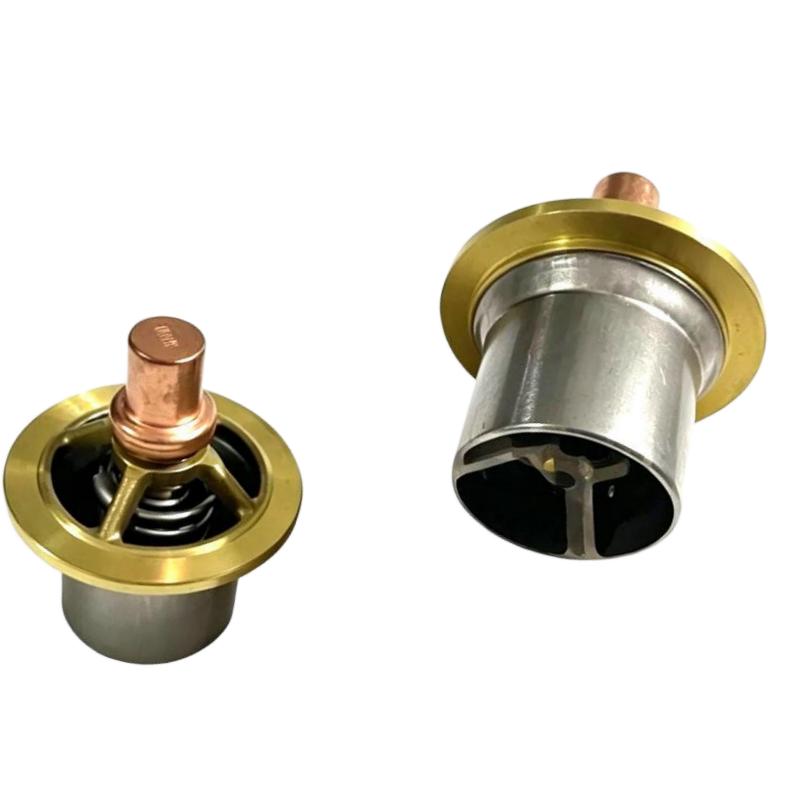
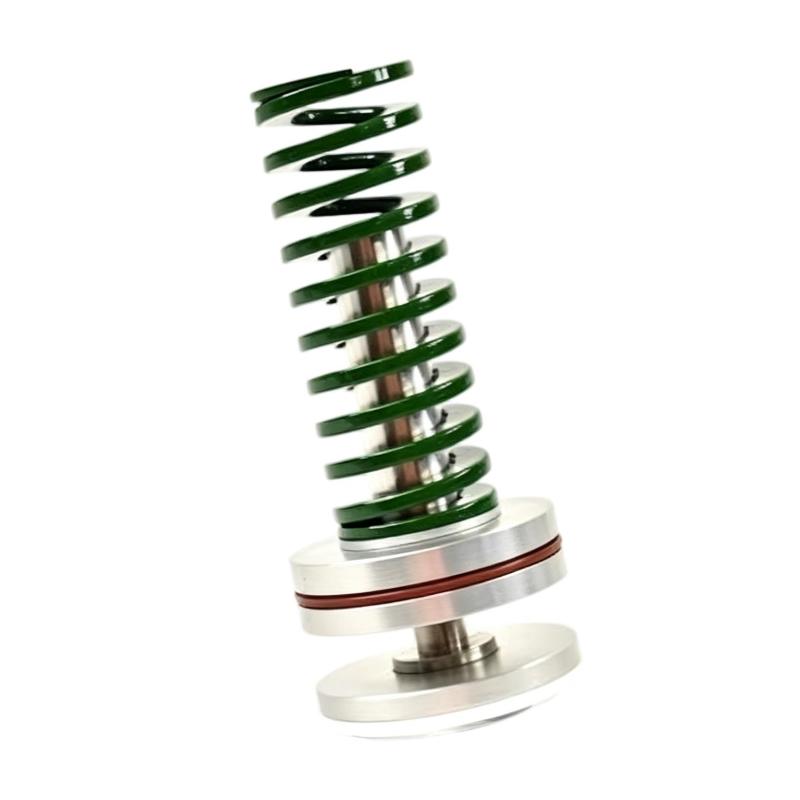
- Thermostatic Valve Maintenance Kit
- USA
- 180 × 120 × 80 mm
- 1.0 kg
- Xiamen, China
- New & In Stock
- T/T, PayPal, Western Union
- 1 Year
- 1-3 Working Days
- DHL, UPS, TNT, FedEx and EMS.
- 24-Hour Service
- COO
- 3
Our advantage

Global Logistics
We have a 10-year logistics and express cooperation agreement, so our products can be shipped to any place in the world.

Brand new and original
Our products are imported in bulk from the place of origin. Because of the cooperative relationship, our products are all original and 100% new.

24-hour service
We provide 7*24 hours service to our customers. We will be there whenever you need us.

Price advantage
All our products are priced very favorably because we have our own warehouse and supply.
| Company Information | |||
| [email protected] | |||
| Mobile | +8615980777398 | ||
| +8615980777398 | |||
| 15980777398 |
Product Overview
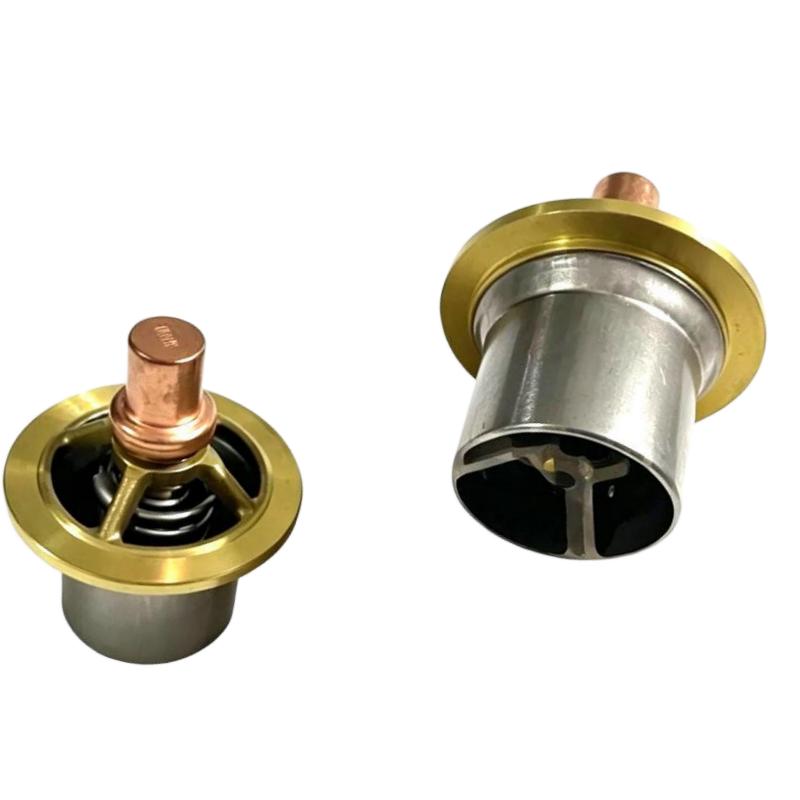
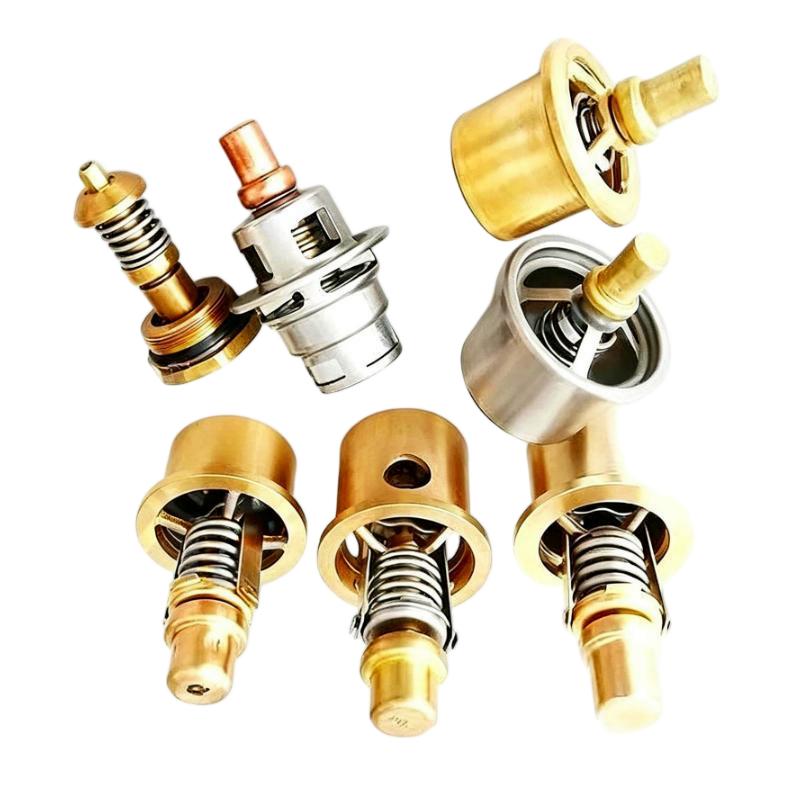
The Ingersoll Rand 47555211001 / 47552954001 Thermostatic Valve Maintenance Kit is an industrial compressor maintenance component intended for servicing a compatible thermostatic valve assembly. Thermostatic valves play an important role in managing operating temperature in many lubricated air compressor systems. By regulating fluid flow according to temperature conditions, the valve helps the compressor maintain an appropriate thermal operating range.
In an oil-injected rotary screw air compressor, temperature regulation is essential for reliable operation. Lubricating oil supports lubrication, sealing, cooling, and the removal of heat generated during compression. The thermostatic valve helps direct oil through the appropriate flow path as operating conditions change. Maintaining the valve in good working condition can help support stable oil circulation, reduce the risk of abnormal operating temperatures, and protect other compressor components from unnecessary thermal stress.
A maintenance kit is generally used when servicing a valve assembly that shows signs of wear, leakage, sticking, or reduced temperature-control performance. Depending on the specific kit configuration, service components may include replacement sealing elements and other parts required for maintenance. The exact contents of the 47555211001 / 47552954001 kit should be confirmed against the compressor model and the supplied parts list before ordering.
The listed dimensions are 180 × 120 × 80 mm, and the listed weight is 1.0 kg. These specifications are useful for inventory planning, shipping arrangements, and maintenance-stock management. Because Ingersoll Rand service kits can be associated with particular compressor configurations, the complete part number and equipment model should be verified before installation.
Technical Specifications
| Parameter | Specification |
|---|---|
| Manufacturer | Ingersoll Rand |
| Part Numbers | 47555211001 / 47552954001 |
| Product Type | Thermostatic Valve Maintenance Kit |
| Equipment Category | Industrial Air Compressor Maintenance |
| Primary Function | Servicing a compatible thermostatic valve assembly |
| System Role | Supports compressor temperature regulation through valve maintenance |
| Dimensions | 180 × 120 × 80 mm |
| Weight | 1.0 kg |
| Installation | Installed during maintenance of a compatible valve assembly |
| Typical Application | Industrial compressed-air systems |
| Compatibility | Confirm against compressor model, valve assembly, and parts documentation |
The table reflects the product identification and physical specifications provided. The exact kit contents, compatible compressor models, temperature range, valve design, and replacement procedure must be confirmed for the specific equipment configuration.
What Is a Thermostatic Valve Maintenance Kit?
A thermostatic valve maintenance kit is a service package intended to help restore the operating condition of a compatible temperature-regulating valve. Rather than replacing an entire valve assembly unnecessarily, maintenance personnel may be able to service the existing unit using the appropriate replacement components.
In compressor systems, thermostatic valves are commonly associated with the lubrication and cooling circuit. As oil temperature changes, the valve adjusts the flow path through the system according to its design. This helps the compressor manage heat during startup, warm-up, and normal operation.
Over time, sealing components can deteriorate, internal moving parts may become contaminated, and deposits or wear can interfere with valve movement. These conditions can affect temperature regulation and oil circulation. A correctly matched maintenance kit provides the necessary service components specified for the relevant valve assembly.
The maintenance kit does not independently regulate compressor temperature. Its role is to support the repair and maintenance of the valve that performs this function within the compressor system.
Function and Working Principle
1. Temperature-Dependent Flow Regulation
A thermostatic valve responds to temperature through a temperature-sensitive operating mechanism. Depending on the valve design, the mechanism changes the position of an internal element and adjusts the available flow path.
In a lubricated compressor, this action can help direct oil through different sections of the cooling circuit as the oil temperature changes. The precise routing and control characteristics depend on the compressor design.
2. Oil Circuit Management
The compressor’s oil circuit must provide suitable lubrication and cooling under changing operating conditions. The thermostatic valve helps regulate this circuit so that oil can follow the intended flow path.
A valve that does not move correctly may cause the oil circuit to operate outside its intended thermal conditions. The consequences depend on the valve design, compressor operating state, ambient conditions, and the condition of the rest of the cooling system.
3. Support for Stable Operating Temperature
Temperature regulation helps a compressor operate within its specified range. Excessive temperature can accelerate oil degradation and increase thermal stress, while inappropriate warm-up behavior may also affect performance in certain applications.
A properly functioning thermostatic valve contributes to the compressor’s overall thermal management strategy. It works together with the oil cooler, filtration system, lubrication circuit, and compressor controls.
4. Restoration Through Maintenance
During servicing, qualified personnel inspect the valve assembly, identify worn or damaged components, and replace the parts specified by the maintenance procedure.
The Ingersoll Rand 47555211001 / 47552954001 maintenance kit should be used only after confirming that its components match the valve assembly being serviced. The kit should not be assumed to contain every possible replacement part or to fit every Ingersoll Rand compressor.
Role in an Industrial Air Compressor System
The thermostatic valve is one element of a broader compressor thermal-management and lubrication system. Its condition can influence how effectively the system responds to changing operating temperatures.
| System Component | Typical Function |
|---|---|
| Air Compressor Element | Compresses incoming air |
| Lubricating Oil | Supports lubrication, sealing, and heat transfer in oil-injected designs |
| Thermostatic Valve | Regulates the oil flow path according to temperature |
| Oil Cooler | Removes heat from circulating oil |
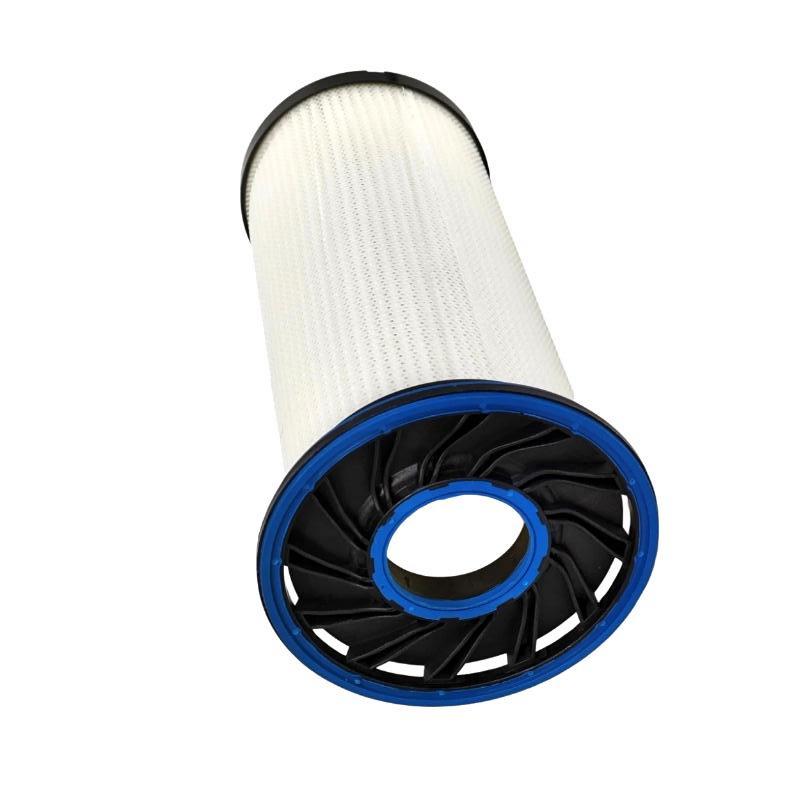
| Oil Filter | Removes contaminants from the lubrication circuit |
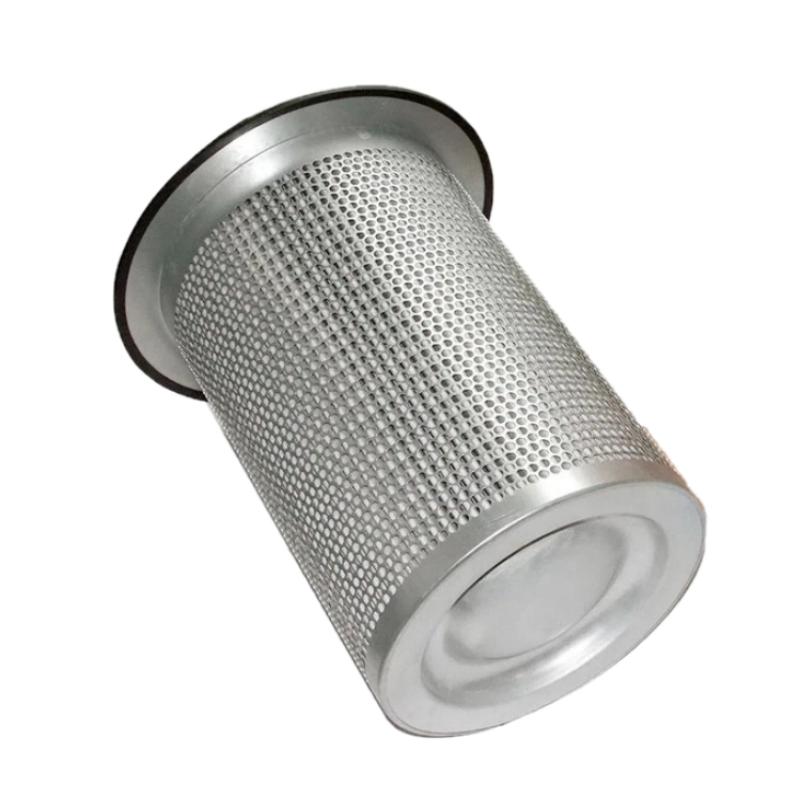
| Air-Oil Separator | Separates oil from compressed air in applicable compressor designs |
| Temperature Sensor | Provides temperature information where fitted |
| Compressor Controller | Monitors operating conditions and manages configured responses |
| Thermostatic Valve Maintenance Kit | Provides specified service parts for a compatible valve assembly |
The actual arrangement varies by compressor model. Some systems use different valve configurations or cooling arrangements, so the maintenance procedure and parts selection must be based on the installed equipment.
Industrial Applications
Rotary Screw Air Compressors
Oil-injected rotary screw compressors commonly rely on controlled oil circulation to support cooling, lubrication, and sealing. A serviceable thermostatic valve helps maintain the intended oil-flow behavior under changing operating conditions.
Manufacturing Facilities
Compressed air supports pneumatic tools, actuators, packaging systems, production equipment, and other industrial processes. Maintaining compressor temperature-control components can help reduce the risk of avoidable interruptions caused by thermal problems.
Food and Beverage Production
Compressed-air systems used in food and beverage facilities require maintenance practices appropriate to the application and air-quality requirements. Thermostatic valve maintenance is one part of keeping compatible compressor equipment in its intended operating condition.
Automotive and Assembly Plants
Automotive manufacturing often depends on compressed air for pneumatic tools, material handling, assembly equipment, and automation systems. Scheduled servicing of compressor components helps support equipment availability.
Industrial Workshops
Workshops using compressed air for tools, cleaning equipment, and production processes benefit from a maintenance program that includes inspection of lubrication and temperature-control components.
General Industrial Utilities
In facilities where compressed air is a critical utility, preventive maintenance of the compressor’s cooling and lubrication systems can help reduce the likelihood of unplanned downtime.
These applications describe general uses of thermostatic valve assemblies in compressor systems. Suitability of the specific kit depends on the compressor and valve configuration.
Signs That a Thermostatic Valve May Need Maintenance
A thermostatic valve problem can produce symptoms similar to faults elsewhere in the compressor’s cooling or lubrication system. Diagnosis should therefore consider the complete system rather than relying on a single symptom.
Abnormal Oil or Compressor Temperature
Operating temperature outside the normal range may indicate that the valve is not regulating flow as intended. However, blocked coolers, inadequate ventilation, incorrect oil level, restricted filters, and other faults can cause similar symptoms.
Slow or Unusual Warm-Up Behavior
If the compressor takes longer than expected to reach its normal operating condition, the thermostatic valve may warrant inspection. The correct warm-up behavior depends on the machine design, ambient temperature, load, and operating procedure.
Unstable Temperature During Operation
Temperature fluctuations may be associated with inconsistent valve movement, changing loads, cooling-system problems, or inaccurate temperature measurements. Trend data and a systematic inspection can help distinguish among these possibilities.
Oil Leakage Around the Valve Assembly
Oil around the valve body or its connections may indicate a deteriorated seal, loose connection, damaged surface, or another leak source. The area should be cleaned and inspected under safe maintenance conditions to identify the actual cause.
Repeated High-Temperature Alarms
Repeated temperature alarms should be investigated promptly. A maintenance kit may be appropriate if the valve is confirmed to be faulty, but replacing valve components will not resolve a problem caused by inadequate cooling airflow, a blocked cooler, or another system defect.
Installation and Maintenance Procedure
The maintenance kit should be installed by qualified personnel following the service procedure for the applicable compressor and valve assembly.
Step 1: Confirm Part Number and Equipment Compatibility
Before beginning work, verify the kit’s complete part number and the compressor model and serial information. Confirm that the 47555211001 / 47552954001 kit is specified for the installed valve assembly.
Check the parts list to establish the exact kit contents. Do not assume that two related part numbers are interchangeable or that every kit contains identical components.
Step 2: Shut Down and Isolate the Compressor
Stop the compressor using the approved shutdown procedure. Isolate electrical power and follow the required lockout/tagout process.
Compressed-air equipment can retain pressure after shutdown. Depressurize the relevant circuits and allow hot oil and components to cool to a safe temperature before opening the system. Verify the absence of hazardous stored energy according to the equipment’s maintenance instructions.
Step 3: Identify the Valve Assembly
Locate the thermostatic valve using the compressor’s service documentation. Record the original arrangement, connections, and component orientation before disassembly.
Where appropriate, take reference photographs and label connections. This helps reduce the risk of incorrect reassembly.
Step 4: Inspect the Assembly
Examine the valve body, sealing surfaces, connections, and accessible internal components for wear, contamination, damage, or deposits. Identify the cause of the original fault before installing replacement parts.
If the valve body or other non-serviceable parts are damaged, a maintenance kit alone may not be sufficient to restore the assembly.
Step 5: Replace Specified Service Components
Install the replacement components included in the verified kit according to the applicable maintenance procedure. Use the specified lubricants, seal installation methods, tightening torques, and replacement practices where required.
Do not improvise dimensions, substitute unapproved seals, or force components into position. Incorrect assembly can lead to leakage or unreliable temperature regulation.
Step 6: Reassemble and Check Connections
Reassemble the valve according to the manufacturer’s instructions. Confirm that components are correctly seated and that all connections are secure.
Inspect the surrounding oil circuit for damaged fittings, contaminated surfaces, or other conditions that could compromise the repair.
Step 7: Restore the System Safely
Remove tools and materials from the service area, verify that guards and covers are restored, and confirm that personnel are clear of the equipment.
Restore power and pressure only according to the approved commissioning procedure. Do not operate the compressor with an open or incomplete lubrication circuit.
Step 8: Test Operating Performance
Start the compressor using the specified procedure and monitor the relevant operating indicators. Check for oil leakage, abnormal temperature behavior, unexpected alarms, or unusual operating conditions.
Where required, confirm performance under the operating conditions specified by the service procedure. Record the maintenance work and any measurements needed for future comparison.
Troubleshooting After Maintenance
The Compressor Still Runs Too Hot
If high temperature persists after servicing the thermostatic valve, inspect the oil cooler, cooling airflow, oil level, filter condition, ambient temperature, and temperature-sensing system as applicable. Verify that the valve was assembled correctly and that the replacement components are appropriate for the installed model.
Do not assume that the valve kit is defective until other likely causes have been evaluated.
Oil Leakage Continues
Check the sealing surfaces, installed seals, fittings, and valve-body condition. Verify that the correct components were used and that the specified tightening procedure was followed.
If leakage continues, shut down and isolate the equipment before further inspection.
Temperature Regulation Remains Unstable
Review the compressor’s temperature trend, load changes, cooler performance, and any available diagnostic information. Confirm that the valve mechanism can operate as designed and that the sensing or control elements are functioning correctly where fitted.
Compressor Alarms Appear After Reassembly
Record the alarm information and inspect the work area for disconnected sensors, incorrectly routed wiring, loose fittings, or other conditions introduced during maintenance. Follow the equipment-specific diagnostic procedure before returning the compressor to normal service.
Maintenance Recommendations
Follow the scheduled service plan. Use the maintenance intervals specified for the installed compressor and its operating conditions.
Keep the cooling system clean. Inspect the cooler and ventilation path for dust, oil deposits, or other restrictions that could impair heat removal.
Monitor operating temperature. Record temperature trends and investigate persistent deviations from the normal operating range.
Inspect for oil leaks. Check valve connections and nearby fittings during routine maintenance.
Use the correct service kit. Verify the part number and kit contents against the equipment documentation before beginning work.
Maintain service records. Record the compressor identification, replacement parts, maintenance date, observed symptoms, and post-maintenance checks.
Use suitable replacement materials. Seals and other service components must be appropriate for the oil, temperature, pressure, and mechanical conditions of the intended application.
Compatible System Components
The thermostatic valve maintenance kit is associated with the servicing of a compatible valve assembly within an air compressor. Depending on the machine design, related system components may include:
| Component | Relationship to Maintenance |
|---|---|
| Thermostatic Valve Assembly | Primary assembly being serviced |
| Oil Cooler | Removes heat from the circulating oil |
| Lubricating Oil | Provides lubrication and heat transfer |
| Oil Filter | Helps control contamination in the oil circuit |
| Air-Oil Separator | Supports oil separation in applicable compressor designs |
| Temperature Sensor | Provides operating-temperature information where installed |
| Hoses and Fittings | Carry oil through the relevant circuit |
| Compressor Controller | Monitors operating conditions and alarms where supported |
These are functional relationships rather than a confirmed list of specific compatible part numbers. Verify each component against the exact compressor model and service documentation before ordering.
Replacement and Procurement Considerations
When purchasing the Ingersoll Rand 47555211001 / 47552954001 Thermostatic Valve Maintenance Kit, confirm the following details:
- Complete part number and any applicable revision
- Compressor model and serial number
- Thermostatic valve assembly identification
- Kit contents and service scope
- Required seals or supplementary parts
- Storage condition and packaging integrity
- Supplier’s product-identification records
The supplied dimensions of 180 × 120 × 80 mm and weight of 1.0 kg can support warehouse organization and shipping preparation. These physical specifications do not establish compatibility with a particular compressor.
Where a kit is being purchased for a scheduled shutdown, confirm the required parts in advance and inspect the received package before work begins. This reduces the risk of delays caused by incorrect identification or missing components.
Key Advantages
Supports Preventive Compressor Maintenance
A correctly matched maintenance kit helps service the thermostatic valve assembly according to the equipment’s maintenance requirements.
Helps Restore Valve Performance
Replacing specified worn or deteriorated service components can help restore the valve’s intended operating behavior when the valve body and remaining parts are in suitable condition.
Contributes to Thermal Management
A properly functioning thermostatic valve supports the compressor’s oil-flow and temperature-management strategy.
Helps Reduce Avoidable Downtime
Scheduled inspection and timely repair of confirmed valve faults can reduce the risk of continued operation with an unresolved temperature-control problem.
Compact Maintenance Package
The listed package dimensions of 180 × 120 × 80 mm and weight of 1.0 kg support practical storage and inventory planning for maintenance teams.
Technical FAQs
What is the Ingersoll Rand 47555211001 / 47552954001?
It is identified as a thermostatic valve maintenance kit intended for servicing a compatible industrial compressor valve assembly. The exact equipment compatibility and kit contents should be verified before use.
What does a thermostatic valve do in an air compressor?
In applicable compressor designs, the thermostatic valve regulates the oil-flow path according to temperature. This helps the lubrication and cooling circuit operate within its intended thermal conditions.
What are the dimensions of the maintenance kit?
The supplied dimensions are 180 × 120 × 80 mm.
How much does the kit weigh?
The supplied weight is 1.0 kg.
When should the thermostatic valve be serviced?
Service should follow the compressor manufacturer’s maintenance schedule and the results of equipment inspections. Abnormal temperature behavior, confirmed leakage, or a diagnosed valve fault may justify additional inspection.
Can the maintenance kit solve every compressor overheating problem?
No. Overheating can also result from restricted cooling airflow, cooler contamination, incorrect oil level, filter restrictions, unsuitable operating conditions, or sensor problems. The cause should be diagnosed before replacing parts.
Are part numbers 47555211001 and 47552954001 interchangeable?
Their relationship should be confirmed using the relevant equipment parts documentation. Do not assume that the two numbers identify identical kits or direct substitutes without verification.
Can the kit be installed while the compressor is operating?
No. Valve maintenance requires the equipment to be shut down and isolated, with relevant pressure safely released and hot components allowed to cool. Follow the applicable lockout/tagout and service procedures.
Conclusion
The Ingersoll Rand 47555211001 / 47552954001 Thermostatic Valve Maintenance Kit is intended to support maintenance of a compatible thermostatic valve assembly in an industrial air compressor. Since the thermostatic valve contributes to oil-flow regulation and thermal management in applicable compressor designs, maintaining its condition is an important part of a broader preventive-maintenance program.
With listed dimensions of 180 × 120 × 80 mm and a weight of 1.0 kg, the kit is suitable for organized maintenance inventory and replacement planning. Reliable results depend on confirming the correct kit, identifying the actual cause of the valve problem, following the specified service procedure, and checking system performance after reassembly.
Before ordering or installing the kit, verify the complete part number, the compressor model, and the exact valve assembly. Correct identification and careful maintenance help support dependable compressor operation and reduce the risk of avoidable service interruptions.