

ProductPRODUCT
Featured products
Contact Us
- Ingersoll Rand
- 47555211001 99289894
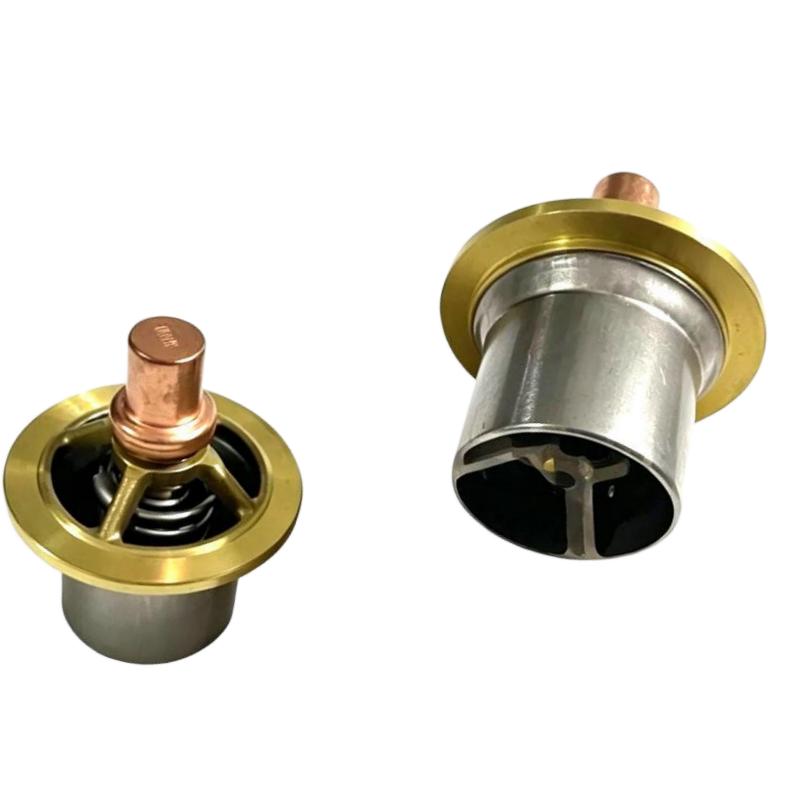
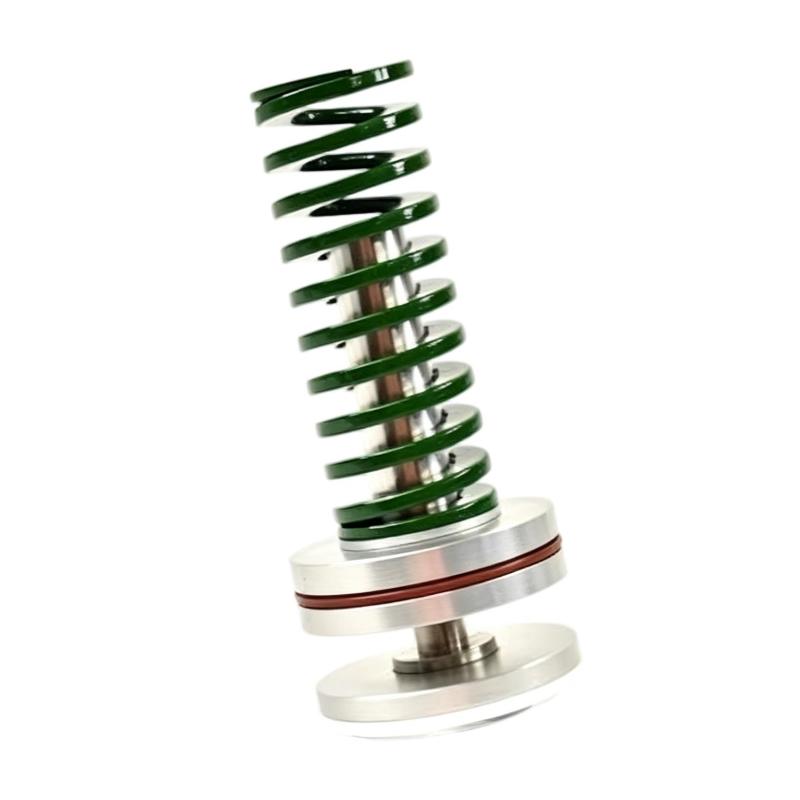
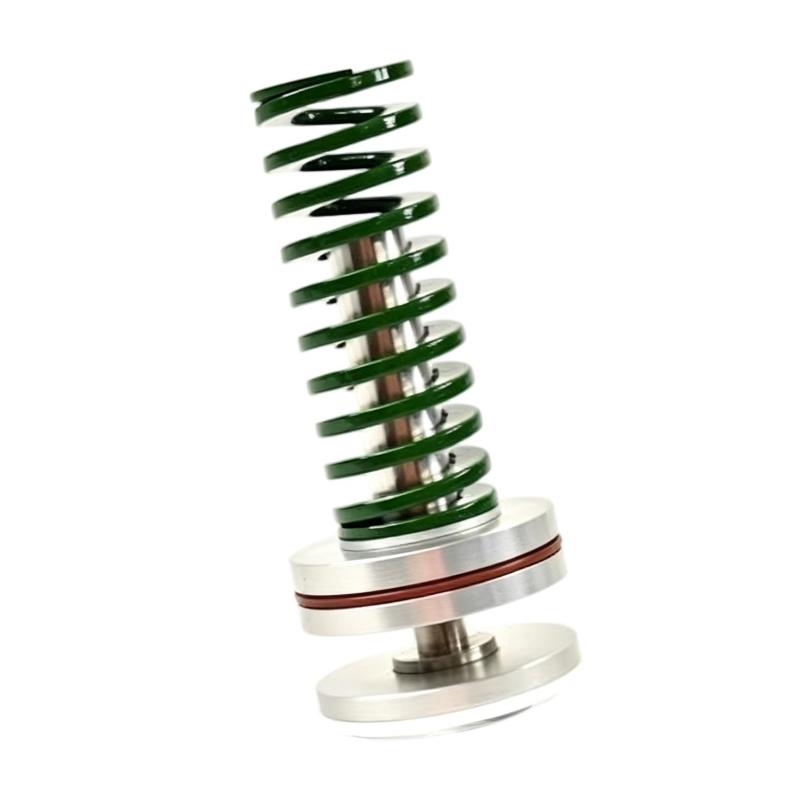
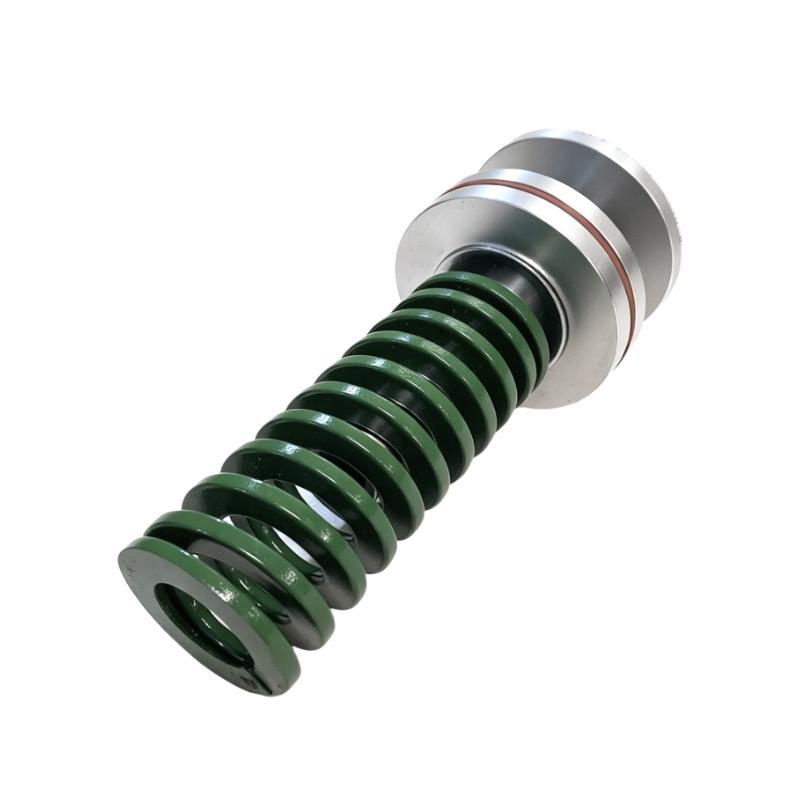
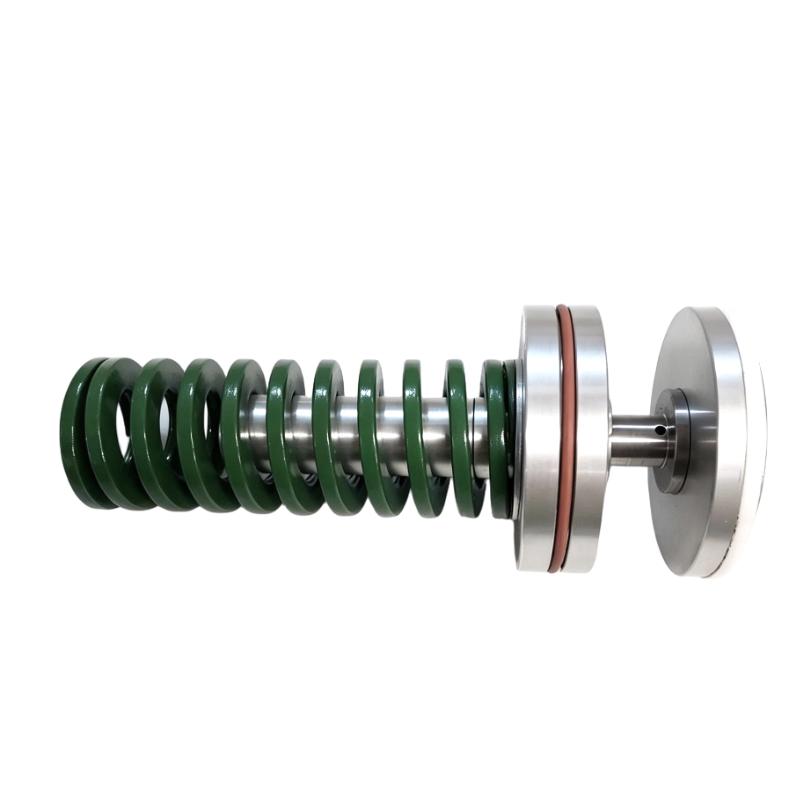
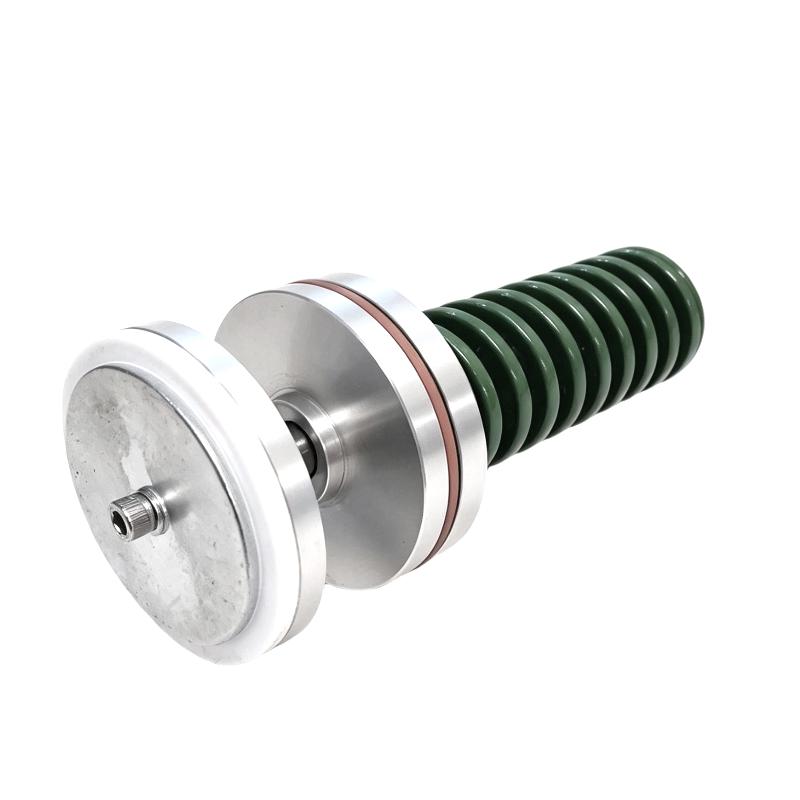
- Minimum Pressure Check Valve Repair Kit
- USA
- 84 × 84 × 202 mm
- 1.41 kg
- Xiamen, China
- New & In Stock
- T/T, PayPal, Western Union
- 1 Year
- 1-3 Working Days
- DHL, UPS, TNT, FedEx and EMS.
- 24-Hour Service
- COO
- 3
Our advantage

Global Logistics
We have a 10-year logistics and express cooperation agreement, so our products can be shipped to any place in the world.

Brand new and original
Our products are imported in bulk from the place of origin. Because of the cooperative relationship, our products are all original and 100% new.

24-hour service
We provide 7*24 hours service to our customers. We will be there whenever you need us.

Price advantage
All our products are priced very favorably because we have our own warehouse and supply.
| Company Information | |||
| [email protected] | |||
| Mobile | +8615980777398 | ||
| +8615980777398 | |||
| 15980777398 |
Product Overview
The Ingersoll Rand 47555211001 / 99289894 Minimum Pressure Check Valve Repair Kit is a compressor service component intended for maintenance and repair of a compatible minimum pressure check valve assembly. In industrial compressed-air systems, the minimum pressure valve helps maintain the required internal pressure within the compressor package and supports appropriate operation of the air and oil separation system.
Minimum pressure check valves are commonly used in rotary screw air compressors. Depending on the compressor design, the valve helps prevent system pressure from falling below a specified level during operation and permits compressed air to flow toward the downstream air system when operating conditions are suitable. This function can support oil separation performance, stable compressor operation, and proper interaction between internal compressor components.
Over time, valve seals and other serviceable components may deteriorate because of heat, pressure cycling, oil exposure, contamination, and normal mechanical wear. A suitable repair kit allows maintenance personnel to renew specified service parts without necessarily replacing the entire valve assembly.
The Ingersoll Rand part numbers 47555211001 and 99289894 are supplied for this product identification. The listed dimensions are 84 × 84 × 202 mm, and the listed weight is 1.41 kg. Before ordering or installing the kit, confirm that both part numbers correspond to the intended compressor and valve configuration. The included components and exact application should be verified against the installed equipment.
Technical Specifications
| Parameter | Specification |
|---|---|
| Manufacturer | Ingersoll Rand |
| Part Number | 47555211001 |
| Additional Part Number | 99289894 |
| Product Type | Minimum Pressure Check Valve Repair Kit |
| Equipment Category | Industrial Air Compressor Service Parts |
| Primary Function | Maintenance and repair of a compatible minimum pressure check valve |
| Typical Equipment | Compatible Ingersoll Rand compressor systems |
| Dimensions | 84 × 84 × 202 mm |
| Weight | 1.41 kg |
| Installation | Compressor valve assembly; confirm the applicable service procedure |
| Maintenance Purpose | Restoration of serviceable valve components |
| Compatibility | Verify compressor model, valve assembly, and parts identification before use |
The specifications above reflect the supplied product description and physical measurements. The precise contents of the kit, operating pressure range, valve size, seal materials, and supported compressor models should be confirmed for the exact part number.
What Is a Minimum Pressure Check Valve Repair Kit?
A minimum pressure check valve repair kit is a collection of service parts intended to maintain or restore the operating condition of a compatible valve assembly in an air compressor.
The minimum pressure valve performs an important role in many oil-injected rotary screw compressor systems. During startup and operation, the compressor may need to establish sufficient internal pressure before compressed air is delivered normally to the downstream system. Maintaining appropriate pressure within the compressor package helps the air and oil separation process operate as designed.
The check-valve function also helps manage airflow direction and limits unwanted reverse flow when the operating conditions require it. The exact functions combined in a valve assembly vary by compressor design.
A repair kit may contain seals, O-rings, gaskets, springs, or other service components, depending on the specified kit configuration. These are examples of common valve-service items, not a confirmed list of the contents of part numbers 47555211001 and 99289894. The actual package contents should be checked before maintenance begins.
Function and Working Principle
1. Maintaining Minimum Operating Pressure
In a compatible compressor system, the minimum pressure valve helps establish or maintain the internal pressure needed for the compressor’s intended operating conditions. This is particularly relevant to oil-injected screw compressors, where pressure conditions influence the oil circulation and air-oil separation process.
The valve’s opening behavior depends on its design and pressure setting. It should not be adjusted or modified without the appropriate service specifications.
2. Controlling Compressed-Air Discharge
As the compressor reaches the required operating conditions, the valve permits compressed air to move toward the downstream air system. This helps the compressor transition from startup to normal operation.
If the valve sticks, leaks, or fails to operate as designed, the compressor may experience abnormal pressure behavior, restricted airflow, or difficulty supplying the required compressed air.
3. Supporting Check-Valve Operation
The check-valve function helps limit reverse airflow under the conditions for which the assembly is designed. Proper sealing and movement are important for maintaining predictable pressure behavior.
Worn sealing components, damaged valve surfaces, contamination, or incorrect assembly can compromise the valve’s performance.
4. Restoring Serviceable Components
A repair kit provides the specified replacement parts for maintenance of the associated valve. Renewing worn service components can help restore sealing and mechanical operation when the original valve body and other reusable components remain in acceptable condition.
A repair kit cannot correct every valve fault. Cracked housings, severely worn seats, corrosion, damaged threads, or other structural defects may require replacement of the complete valve assembly.
Role in an Industrial Compressed-Air System
The minimum pressure check valve operates within the compressor’s pressure-management arrangement. Its condition can affect how the compressor establishes internal pressure and delivers compressed air to the plant’s distribution network.
A simplified compressed-air system may include the following stages:
Air Intake → Compression Element → Air-Oil Separation → Minimum Pressure Check Valve → Aftercooling and Air Treatment → Plant Air Network
This diagram is a general illustration. The actual arrangement varies by compressor model, and some components may be positioned differently or combined within an integrated assembly.
The repair kit supports maintenance of the valve assembly rather than performing an independent control function. Correct valve operation helps the compressor operate according to its intended pressure and airflow design.
Industrial Applications
Manufacturing Facilities
Manufacturing plants use compressed air for pneumatic actuators, production machinery, material handling equipment, and various process operations. Maintaining compressor reliability helps reduce interruptions caused by unstable air supply.
Packaging and Assembly Lines
Compressed air is often used for pneumatic cylinders, gripping mechanisms, positioning devices, and packaging equipment. Compressor valve maintenance can contribute to dependable air generation and consistent plant operation.
Automotive and Metalworking Industries
Automotive production, fabrication, and metalworking operations may rely on compressed air for tools, actuators, cleaning systems, and other equipment. Regular compressor servicing helps maintain system availability.
Food and Beverage Production
Compressed air may support packaging, conveying, instrumentation, and plant utilities. In applications involving product contact, the air-treatment and quality requirements must be managed separately according to the applicable process standards.
General Industrial Utilities
Air compressors provide utility air for a wide range of industrial facilities. Maintaining serviceable pressure-control and check-valve components supports the overall reliability of the compressed-air installation.
Signs That the Minimum Pressure Valve May Need Service
A malfunctioning valve can produce symptoms that overlap with other compressor or air-treatment problems. Diagnosis should therefore be based on measured operating conditions and the manufacturer’s troubleshooting procedure.
Potential symptoms include:
- Abnormal compressor internal pressure
- Delayed pressure buildup during startup
- Unusual pressure behavior during unloading
- Restricted compressed-air delivery
- Unexpected pressure loss
- Airflow behavior inconsistent with normal operation
- Increased compressor cycling or operating instability
- Oil carryover or separation-related symptoms in systems where pressure conditions influence oil separation
These symptoms do not automatically confirm a defective minimum pressure valve. Blocked filters, separator problems, faulty pressure sensors, control issues, downstream restrictions, and other component failures may produce similar behavior.
Installation and Repair Procedure
Maintenance should be performed by qualified personnel familiar with the specific Ingersoll Rand compressor model. The exact service procedure depends on the installed valve design.
1. Identify the Compressor and Valve Assembly
Before dismantling the equipment, record the compressor model, serial number, valve identification, and existing part numbers. Confirm that 47555211001 / 99289894 is the correct repair kit for the installed assembly.
Do not assume that a kit is compatible simply because the compressor brand and general valve function match.
2. Isolate the Compressor
Stop the compressor and follow the approved lockout/tagout procedure. Isolate electrical power and prevent automatic restarting.
Allow the system to cool and completely release trapped pressure from the relevant sections according to the manufacturer’s instructions. Compressed air and hot compressor oil can cause serious injury if a pressurized assembly is opened.
Never loosen valve fittings or remove a pressure-containing component until zero pressure has been verified using the prescribed procedure.
3. Inspect the Existing Valve
After safe isolation, inspect the valve assembly for contamination, oil deposits, corrosion, damaged sealing surfaces, loose components, or visible mechanical wear.
Determine whether the fault is limited to replaceable service components. A repair kit should not be used as a substitute for a complete valve replacement when the valve body or other non-serviceable components are damaged.
4. Confirm the Kit Contents
Compare the supplied components with the service parts list for the exact valve assembly. Check the number, size, and type of each component before disassembly or installation.
Do not substitute seals or springs based only on visual similarity. Differences in material, dimensions, or spring characteristics can affect valve operation.
5. Clean and Prepare the Assembly
Clean reusable components using methods and materials approved for the compressor. Avoid abrasive methods that could damage precision sealing surfaces.
Inspect relevant bores, seats, threads, and moving parts. Replace damaged components according to the service procedure.
6. Install the Replacement Parts
Install the specified components in the correct positions and orientations. Use only the recommended lubricants, sealants, fasteners, and tightening torques where specified by the equipment manufacturer.
Incorrect assembly, damaged seals, or excessive tightening can cause leakage or restrict valve movement.
7. Reassemble and Verify
Reassemble the valve according to the correct procedure. Confirm that all connections are secure and that no tools or loose components remain in the work area.
Before returning the compressor to service, complete the required checks for the valve assembly and any associated pressure-containing connections.
8. Conduct a Controlled Startup
Restore power and operate the compressor according to the prescribed startup procedure. Monitor pressure buildup, valve behavior, leakage, and the compressor’s normal operating sequence.
Compare observed performance with the specifications for the installed compressor. If abnormal pressure behavior or leakage remains, stop the equipment safely and continue diagnosis rather than repeatedly restarting the compressor.
Troubleshooting Guide
Compressor Pressure Builds Up Too Slowly
Possible causes include a malfunctioning minimum pressure valve, air leakage, restricted intake, a blocked separator, or a control-system problem.
Check the compressor’s pressure readings, air intake condition, separator condition, and valve operation according to the manufacturer’s diagnostic procedure. Confirm the cause before replacing service parts.
Downstream Air Supply Is Restricted
Restricted delivery may be associated with a valve that does not open as intended, a downstream obstruction, a blocked air-treatment component, or an incorrectly operating control system.
Compare compressor discharge pressure with downstream pressure and inspect the relevant flow path. A repair kit is appropriate only when the valve assembly is confirmed to be the source of the problem.
Pressure Drops Unexpectedly
Unexpected pressure loss can result from leakage, reverse flow, a valve that does not seal correctly, or faults elsewhere in the compressed-air network.
Inspect the valve and its connections, and check the rest of the system for leaks. Use approved leak-detection methods and follow the required pressure-isolation precautions.
Oil Carryover Increases
Oil carryover can be associated with separator deterioration, incorrect oil level, unsuitable operating conditions, drainage problems, or pressure-related issues. A minimum pressure valve may be one part of the diagnostic process, but the symptom alone does not prove that the valve is faulty.
Inspect the complete air-oil separation system and follow the compressor manufacturer’s troubleshooting procedure.
Leakage Persists After Repair
Persistent leakage may indicate an incorrectly installed seal, contamination on a sealing surface, damaged valve components, an incorrect repair kit, or a connection that has not been assembled to specification.
Safely isolate and depressurize the equipment before inspecting the assembly again. Verify the kit identification and installation procedure, and replace the complete valve if structural damage makes repair unsuitable.
Maintenance Recommendations
Follow the compressor service schedule. Use the intervals and inspection procedures specified for the installed compressor model and duty cycle.
Inspect the valve during scheduled maintenance. Look for leakage, contamination, corrosion, damaged sealing surfaces, and abnormal mechanical wear.
Use the correct service parts. Confirm the kit’s complete part number and contents before installation. Unverified substitutions may affect valve operation.
Maintain air and oil separation components. Separator condition, oil quality, oil level, and correct drainage can influence compressor performance and should be considered during troubleshooting.
Monitor pressure trends. Record normal startup, loaded, and unloaded pressure behavior where the equipment provides appropriate measurements. Changes over time can help identify developing faults.
Keep maintenance records. Document the repair date, kit part number, compressor identification, replaced components, observed faults, and post-service test results.
Related Compressor Components
A minimum pressure check valve is part of a larger compressed-air system. Depending on the compressor design, maintenance may also involve the following component categories.
| Component | Typical Function |
|---|---|
| Air-Oil Separator Element | Separates oil from compressed air in compatible oil-injected compressors |
| Air Filter | Removes particulate contamination from intake air |
| Oil Filter | Removes contaminants from compressor lubricant |
| Compressor Oil | Lubricates and supports heat removal in applicable compressor designs |
| Minimum Pressure Check Valve | Helps manage internal pressure and airflow |
| Check Valve | Limits reverse flow in the intended direction |
| Pressure Sensor or Gauge | Provides pressure information for monitoring |
| Thermostatic or Temperature-Control Components | Help manage operating temperature where fitted |
| Air Aftercooler | Reduces compressed-air temperature |
| Condensate Drain | Removes accumulated condensate from applicable equipment |
These are general component categories, not a verified list of parts installed on every compressor model. Confirm the equipment configuration before selecting additional service parts.
Replacement and Procurement Considerations
When purchasing the Ingersoll Rand 47555211001 / 99289894 Minimum Pressure Check Valve Repair Kit, accurate identification is essential to avoid installation delays and incorrect repairs.
Check the following details before ordering:
- Complete part number and any alternate or superseded number
- Compressor model and serial number
- Minimum pressure valve assembly identification
- Repair kit contents
- Seal and material requirements
- Packaging condition and storage history
- Any applicable service or revision requirements
The listed dimensions are 84 × 84 × 202 mm, and the listed weight is 1.41 kg. These values can assist with stock planning, handling, and shipping estimates, but physical measurements alone cannot establish compatibility.
If the original kit is unavailable, any proposed substitute should be confirmed against the compressor’s parts documentation or an authorized technical identification process. Do not select a substitute solely because it has similar dimensions or a similar product name.
Key Advantages
Targeted Valve Maintenance
A correctly matched repair kit allows specified service components to be renewed without automatically replacing the complete valve assembly.
Support for Compressor Reliability
Maintaining a serviceable minimum pressure valve can help preserve the intended pressure behavior and airflow characteristics of a compatible compressor system.
Potential Reduction in Unnecessary Replacement
When the valve body and reusable components remain within acceptable condition, a repair kit may provide a practical alternative to replacing the entire assembly.
Improved Maintenance Planning
A clearly identified kit helps maintenance teams prepare the required parts before scheduled service, reducing uncertainty during repair work.
Support for Preventive Maintenance
Inspection and timely replacement of worn service components can help reduce the risk of recurring valve-related problems, provided the underlying cause is correctly diagnosed.
Technical FAQs
What is the Ingersoll Rand 47555211001 repair kit?
It is identified as a minimum pressure check valve repair kit for a compatible Ingersoll Rand compressor assembly. Confirm the exact application and contents against the installed valve’s parts information.
What is the additional part number 99289894?
The number 99289894 is supplied as an additional identifier for this product. Confirm whether it is an alternate, associated, or superseding part number for the intended compressor before ordering.
What are the dimensions of this repair kit?
The supplied dimensions are 84 × 84 × 202 mm.
How much does the kit weigh?
The supplied weight is 1.41 kg.
What does a minimum pressure valve do?
In applicable compressor systems, it helps maintain the required internal pressure and controls compressed-air flow according to the valve’s design. Its precise behavior depends on the compressor and valve configuration.
What parts are included in the repair kit?
The exact contents have not been established from the supplied product description. Check the kit’s parts list before starting maintenance. Common valve-service items may include seals or other specified wear components, but these should not be assumed to be included.
When should the repair kit be installed?
Installation is appropriate when inspection and troubleshooting indicate that the compatible valve requires service and the repair kit is approved for that assembly. Follow the compressor manufacturer’s maintenance intervals and service procedure.
Can the kit repair every minimum pressure valve fault?
No. A repair kit cannot necessarily correct a cracked valve body, severely damaged seat, damaged threads, or other structural defects. In such cases, the complete valve assembly may require replacement.
What safety precautions are required?
The compressor must be stopped, isolated against restarting, and fully depressurized according to the approved service procedure before opening a pressure-containing assembly. Hot oil and residual compressed air can cause serious injury.
Conclusion
The Ingersoll Rand 47555211001 / 99289894 Minimum Pressure Check Valve Repair Kit is a compressor maintenance product intended to support service of a compatible minimum pressure check valve assembly. This valve can play an important role in internal pressure management and compressed-air delivery in applicable industrial compressor systems.
With listed dimensions of 84 × 84 × 202 mm and a weight of 1.41 kg, the kit can be identified for inventory and maintenance planning. Successful repair depends on matching the kit to the correct valve assembly, verifying the included service components, following the prescribed installation procedure, and confirming normal pressure behavior after maintenance.
For reliable results, confirm the complete part number and compressor application before purchase. Proper isolation, complete depressurization, careful component inspection, and controlled post-repair testing are essential to safe and effective compressor maintenance.