

ProductPRODUCT
Featured products
Contact Us
- GE
- S420ESWBH1A
- Ethernet Switch
- USA
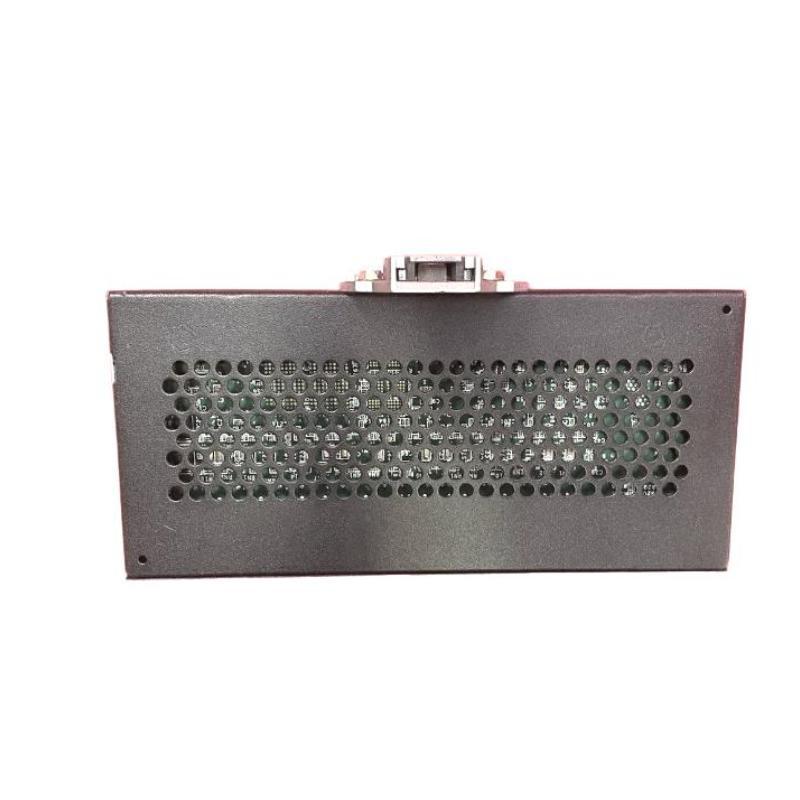
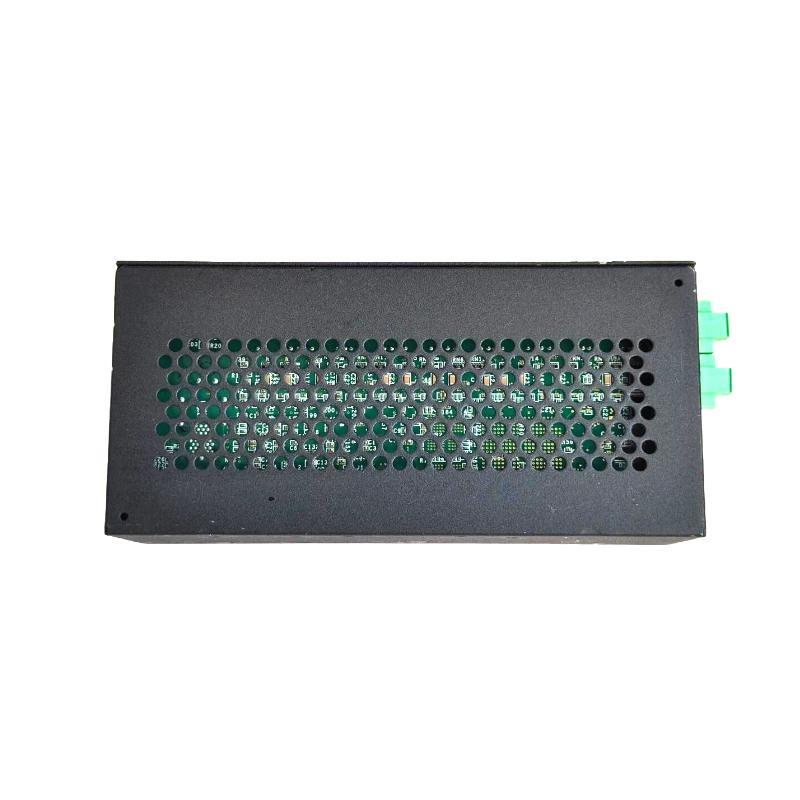
- 188 x 86 x 56 mm
- 0.907 kg
- Xiamen, China
- New & In Stock
- T/T, PayPal, Western Union
- 1 Year
- 1-3 Working Days
- DHL, UPS, TNT, FedEx and EMS.
- 24-Hour Service
- COO
- 6
Our advantage

Global Logistics
We have a 10-year logistics and express cooperation agreement, so our products can be shipped to any place in the world.

Brand new and original
Our products are imported in bulk from the place of origin. Because of the cooperative relationship, our products are all original and 100% new.

24-hour service
We provide 7*24 hours service to our customers. We will be there whenever you need us.

Price advantage
All our products are priced very favorably because we have our own warehouse and supply.
| Company Information | |||
| [email protected] | |||
| Mobile | +8615980777398 | ||
| +8615980777398 | |||
| 15980777398 |
Product Overview
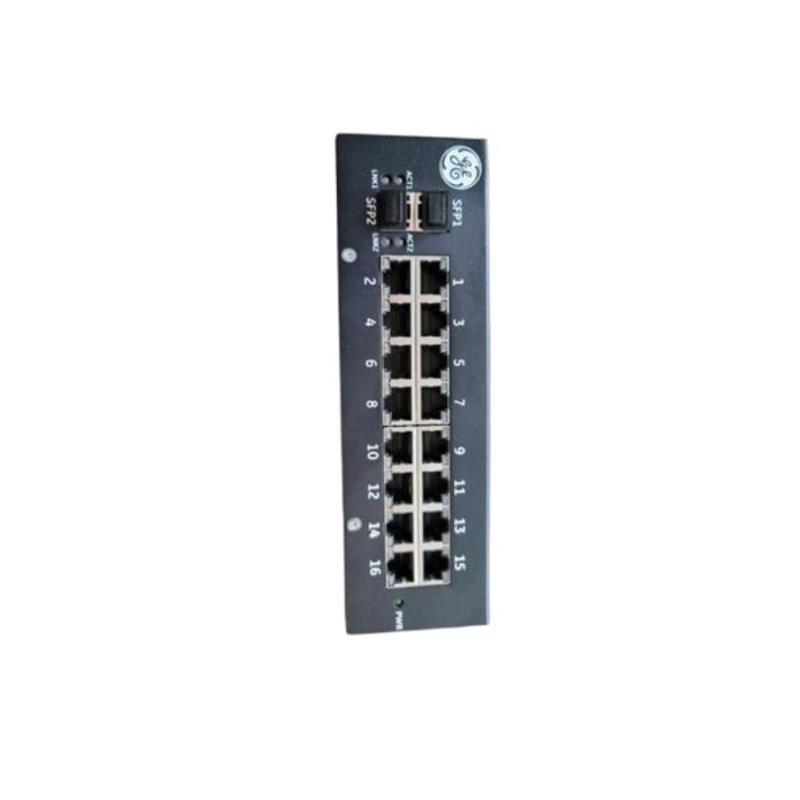
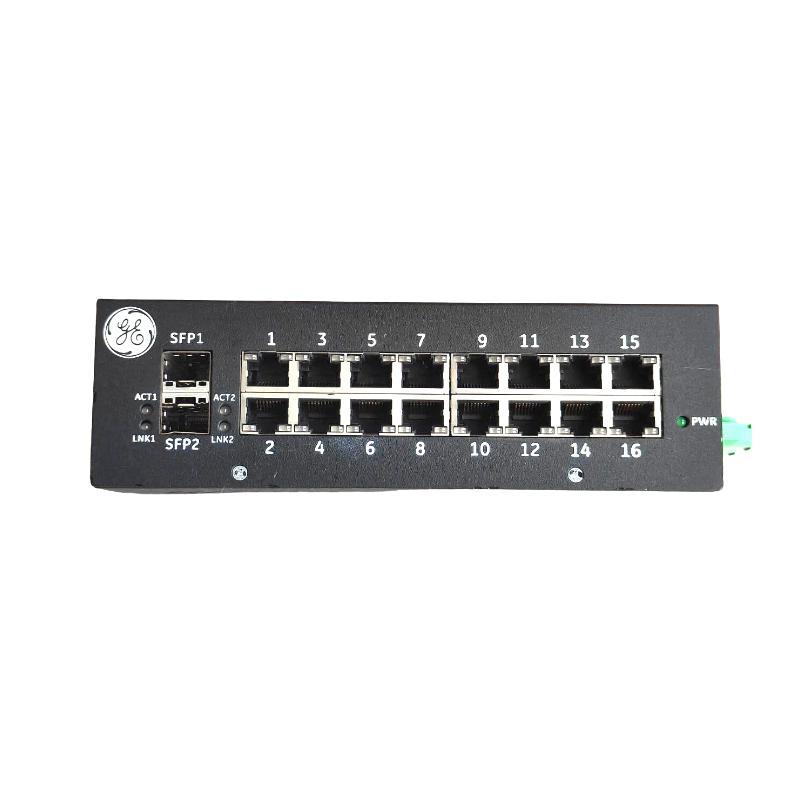
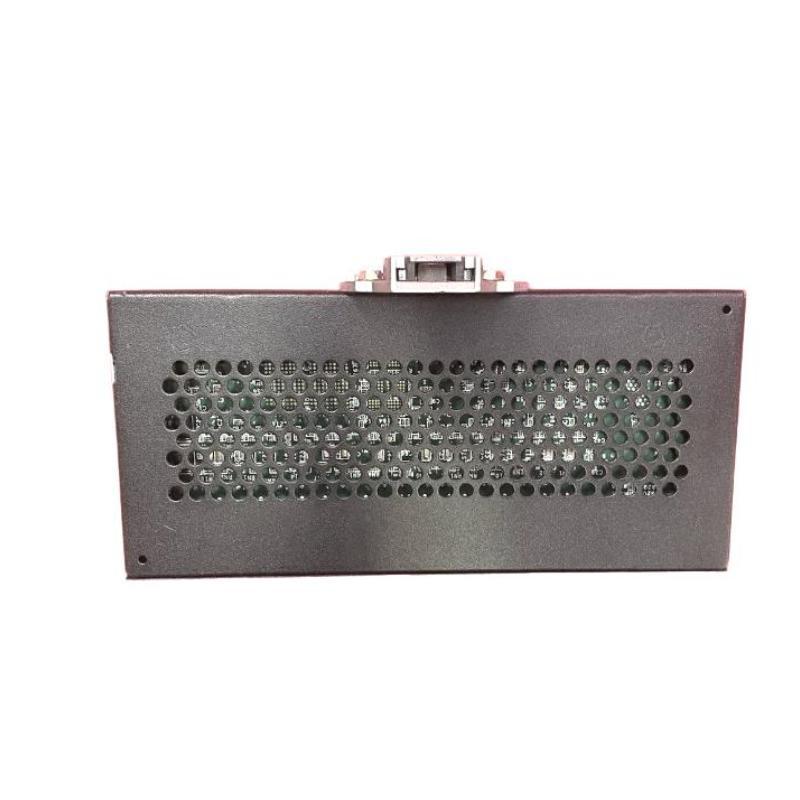
The GE S420ESWBH1A Ethernet Switch is an industrial networking component intended for use in compatible automation and control-system environments. Ethernet switches provide the network connections that allow industrial devices to exchange information, supporting communication between controllers, monitoring equipment, operator interfaces, and other authorized network nodes.
In modern industrial facilities, communication infrastructure is essential for coordinating equipment and transferring operational information. A reliable network allows connected devices to exchange status data, diagnostic information, and process-related signals through the designated communication architecture. An Ethernet switch provides multiple physical network connections and helps organize communication between devices connected to the same network segment.
The GE S420ESWBH1A has listed dimensions of 188 × 86 × 56 mm and a weight of approximately 0.907 kg. These specifications are useful when planning cabinet space, organizing replacement inventories, handling equipment, and arranging transportation. Its exact network capabilities, electrical requirements, and compatibility with particular GE control systems should be confirmed using the documentation for the specific hardware version.
For industrial maintenance engineers and system integrators, selecting the correct Ethernet switch requires attention to the complete model designation, network interface characteristics, installation requirements, and the topology of the existing system. A switch that appears physically similar to the original unit may not provide the same electrical or communication functionality.
Technical Specifications
| Parameter | Specification |
|---|---|
| Manufacturer | General Electric (GE) |
| Model | S420ESWBH1A |
| Product Type | Ethernet Switch |
| Product Category | Industrial Network Equipment |
| Primary Function | Ethernet connectivity for compatible network devices |
| Dimensions | 188 × 86 × 56 mm |
| Weight | 0.907 kg |
| Application | Industrial automation and control-system networking |
| Number of Ports | Verify from the product-specific documentation |
| Supported Ethernet Speeds | Verify from the applicable hardware specifications |
| Communication Features | Confirm for the exact model |
| Power Requirements | Verify before installation |
| Mounting Requirements | Confirm the designated installation arrangement |
| Network Compatibility | Subject to host-system and interface requirements |
Note: The model designation is reproduced as supplied. Confirm whether the correct identifier is S420ESWBH1A or IS420ESWBH1A by checking the product label and original equipment records before ordering or installing a replacement.
What Is the GE S420ESWBH1A Ethernet Switch?
The GE S420ESWBH1A is identified as an Ethernet switch for industrial networking applications. An Ethernet switch provides connections between compatible network devices and supports the transfer of data across the network according to its design and configuration.
Industrial control systems may include several network-enabled components, such as controllers, communication interfaces, engineering workstations, operator stations, and supervisory monitoring equipment. These components depend on appropriate network connections to exchange the information required for their assigned functions.
A switch can help consolidate multiple network connections within a designated part of the control architecture. Its suitability depends on the required port types, communication speeds, environmental conditions, and any special network features needed by the installation.
The exact capabilities of the S420ESWBH1A should not be inferred from its model designation alone. Details such as port count, managed-switch functions, redundancy support, fiber interfaces, and network diagnostics should be verified before the device is selected for a particular application.
Function and Working Principle
Ethernet Device Connectivity
An Ethernet switch connects compatible network devices through physical network interfaces. Each connection provides a path for transmitting and receiving data according to the network design.
In an industrial control installation, a switch may connect devices within a local network segment. The actual equipment connected to the S420ESWBH1A depends on the approved system architecture and the capabilities of the switch.
Network Data Forwarding
A conventional Ethernet switch forwards network frames toward their intended destinations using the switching information available to it. This allows connected devices to exchange information without requiring all traffic to be sent indiscriminately to every network port.
The precise forwarding behavior and additional features of this GE model should be confirmed from the relevant product documentation.
Communication Infrastructure
Automation equipment frequently exchanges operating status, diagnostic information, process data, and supervisory commands. A switch can provide the network connectivity required for these exchanges when the connected interfaces and communication arrangements are compatible.
Communication reliability depends on the complete network path, including cables, connectors, connected devices, power arrangements, and configuration.
Integration With Existing Networks
An Ethernet switch is normally one part of a wider communication architecture. Before installation, engineers should understand the network topology, the intended function of each connection, and whether the system requires specific redundancy or segmentation arrangements.
The S420ESWBH1A should be integrated only after its technical characteristics have been matched to the requirements of the host system.
Role in Industrial Automation Systems
Industrial automation depends on reliable communication between control equipment and monitoring systems. A properly selected Ethernet switch helps provide the physical network connections that allow compatible devices to exchange information.
Connecting Industrial Devices
A switch can connect multiple network-enabled devices within a designated network segment. This supports communication between components when the interfaces and network configuration are compatible.
Supporting Process Monitoring
Industrial facilities may transfer equipment status, alarms, and process information to operator or supervisory systems. A switch can form part of the network path that carries this information.
Organizing Network Architecture
Industrial control networks require careful organization of devices, connections, and communication paths. A dedicated switch can help consolidate connections and make the network easier to document and maintain.
Assisting Fault Isolation
When network communication fails, technicians need to determine whether the problem originates in the switch, a cable, a connected device, the power supply, or another network component. Understanding the switch’s position within the network helps narrow the investigation.
Industrial Applications
The following examples describe common environments in which industrial Ethernet switches may be used. They are general application categories, not confirmation that the S420ESWBH1A is approved for every listed environment.
Industrial Control Cabinets
Control cabinets often contain several interconnected automation devices. An Ethernet switch may provide local network connectivity between compatible components while helping organize cabling and equipment access.
Process Automation
Process facilities rely on communication between controllers, operator interfaces, and monitoring equipment. Switches can provide part of the network infrastructure needed to transfer operational information.
Power Generation and Utility Systems
Power and utility installations may use industrial networks to connect designated control and monitoring devices. Equipment selection must account for the network architecture, environmental conditions, and operational requirements of the facility.
Manufacturing Automation
Production lines often contain multiple network-enabled devices that exchange information for monitoring and coordination. A suitably specified switch can provide connections within the approved manufacturing network.
Industrial Monitoring Systems
Monitoring equipment may transmit device status and diagnostic information to other authorized systems. An Ethernet switch can support these communication paths when the connected interfaces and configuration are compatible.
Industrial Maintenance and Refurbishment
During maintenance or equipment refurbishment, an Ethernet switch may need to be inspected or replaced. Correct identification and verification of the required network features help reduce the risk of communication problems after servicing.
Installation and System Integration
Correct installation helps preserve network integrity and minimizes the risk of avoidable communication interruptions. The GE S420ESWBH1A should be installed by qualified personnel in accordance with the host system’s procedures.
1. Confirm the Model Number
Verify the complete model designation on the product label. Because the supplied identifier is written as S420ESWBH1A, check the original equipment records to determine whether the intended part number includes an additional leading character.
Record all available revision and identification information before ordering a replacement.
2. Review the Network Diagram
Identify the devices connected to the switch and document the original cable destinations. Review the network topology, port assignments, and any designated connections that must be preserved.
Do not change the network arrangement unless the modification has been approved and documented.
3. Follow Electrical Safety Procedures
Before handling the switch or its connections, follow the applicable equipment shutdown and electrical isolation procedures. Confirm the required safe state before disconnecting cables or accessing electrical connections.
Use appropriate electrostatic discharge precautions where required by the equipment documentation.
4. Check Physical Installation Requirements
The listed dimensions of 188 × 86 × 56 mm can assist with evaluating available space and planning cable access. Confirm the required mounting arrangement, clearances, and environmental conditions from the product documentation.
Physical dimensions alone do not establish that the device is compatible with a particular cabinet or mounting system.
5. Verify Power and Network Interfaces
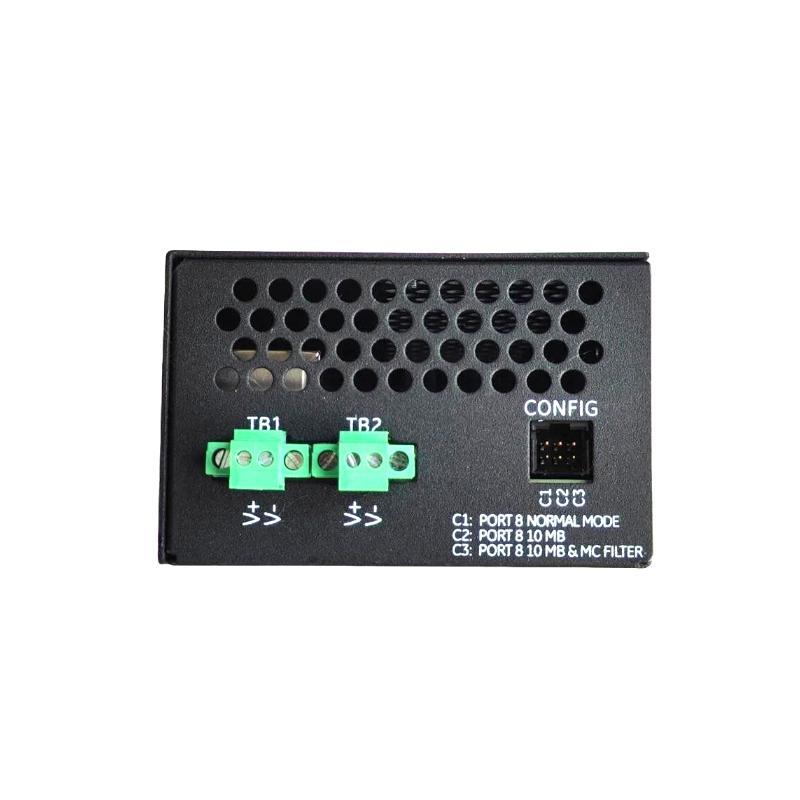
Confirm the switch’s specified power input, connector type, and supported network interfaces. Use compatible cables and connections according to the approved design.
Do not assume that the switch supports a particular Ethernet speed, fiber connection, or power method without checking its exact specifications.
6. Connect the Network Devices
Reconnect each cable to its documented destination. Check that the connectors are securely seated and that cable routing does not introduce excessive mechanical strain or interfere with other equipment.
Preserving the original port mapping helps prevent devices from becoming disconnected from their expected communication paths.
7. Perform Commissioning Checks
After installation, carry out the prescribed power-up and network verification procedures. Check available status indications according to the manufacturer’s instructions and confirm that the expected devices can communicate.
Review the host system for communication alarms before returning the equipment to normal operation.
Troubleshooting the GE S420ESWBH1A Ethernet Switch
Network faults can result from a range of hardware, wiring, power, and configuration issues. A systematic troubleshooting process helps identify the cause before equipment is replaced.
No Network Communication
If connected devices cannot communicate, check the following:
- Confirm that the switch is receiving its specified power.
- Inspect the network cables and connectors.
- Verify the correct model and installation arrangement.
- Check cable destinations against the network diagram.
- Review the status of connected devices.
- Examine available host-system diagnostics.
- Confirm that the switch’s interface characteristics match the network requirements.
Do not conclude that the switch has failed until the other relevant parts of the communication path have been checked.
One Connection Is Not Working
If communication fails on one connection but other network devices remain available, inspect the cable, connector, and connected device associated with that path.
Where permitted by the approved maintenance procedure, testing with a known-good compatible cable or device may help isolate the cause. Record any connection changes and restore the documented network arrangement after testing.
Intermittent Communication
Intermittent communication may be caused by loose connectors, damaged cabling, unstable power, electrical interference, environmental conditions, or faults in connected equipment.
Inspect the affected network path and review the timing and frequency of the fault. Determine whether the issue affects one device or several devices that share the same connection path.
Multiple Devices Become Unavailable
If several devices lose communication simultaneously, investigate shared components such as the switch, its power source, an upstream connection, or another network device.
A widespread communication failure does not necessarily mean that the switch itself is defective. Identifying the common element in the affected network path can help narrow the diagnosis.
Communication Problems After Replacement
If communication faults occur after replacing the switch, recheck the exact part number, power connections, cable destinations, and network configuration.
Compare the replacement installation with the original network diagram. Confirm that any required settings or system-specific commissioning steps have been completed.
Repeated Network Alarms
Review the available diagnostic messages and identify which devices or network paths are affected. Record the alarm sequence, recent maintenance activities, and the results of previous checks.
This information helps distinguish a localized connection problem from a wider network or equipment issue.
Maintenance Recommendations
Regular inspection and accurate network documentation can help improve the reliability of industrial communication systems.
Inspect Network Cables
Check cables for cuts, damaged insulation, loose connectors, excessive strain, and unsuitable routing. Replace defective cables according to the approved maintenance procedure.
Review Communication Faults
Monitor recurring network alarms and communication interruptions. Repeated faults may indicate a developing problem with cabling, connected devices, power, or another network component.
Maintain the Installation Environment
Keep the switch within the environmental limits specified for the exact hardware version. Excessive heat, moisture, dust, vibration, or contamination can affect electronic equipment and its connections.
Verify Mounting and Cable Security
Check that the switch remains securely mounted and that connected cables are supported appropriately. Avoid cable arrangements that place unnecessary force on the connectors.
Keep Network Documentation Updated
Maintain current network diagrams, cable labels, port assignments, device identification records, and relevant configuration information. Updated documentation makes troubleshooting and replacement more efficient.
Manage Spare Parts Carefully
Record the complete model number, hardware revision, product condition, and storage location of each spare unit. Verify compatibility before relying on a spare switch during a scheduled shutdown or emergency repair.
Compatible System Components
The S420ESWBH1A should be selected according to the requirements of the network in which it will operate. The following table lists general component categories that may be present in an industrial Ethernet installation. It does not confirm compatibility with any particular product model.
| Component Category | Typical Function | Verification Requirement |
|---|---|---|
| Industrial Controller | Executes control logic and coordinates equipment | Confirm the required network interface |
| Communication Interface | Connects equipment to a network | Verify interface type and supported data rate |
| Operator Interface | Displays process information and equipment status | Confirm network compatibility |
| Engineering Workstation | Supports authorized engineering and maintenance tasks | Verify access and network requirements |
| Remote I/O Equipment | Exchanges field signals with the control system | Confirm the intended communication path |
| Ethernet Cabling | Transfers network data between devices | Match cable and connector specifications |
| Upstream Network Equipment | Connects network segments | Verify topology and configuration |
| Control Power Supply | Provides electrical power to the relevant equipment | Confirm the switch’s required power input |
The actual component selection should be based on the approved system design and the product-specific documentation.
Replacement and Procurement Considerations
Selecting a replacement for the GE S420ESWBH1A requires verification of its identification, interfaces, and intended role within the network.
Exact Part Number
Confirm the model designation from the physical label and original equipment records. In particular, verify whether the intended identifier is S420ESWBH1A or IS420ESWBH1A before placing an order.
Network Interface Compatibility
Check the number and type of network interfaces, supported data rates, and any special connectivity requirements. A switch with a similar enclosure may not provide the interfaces required by the original system.
Power and Environmental Requirements
Verify the required power input and operating conditions for the replacement unit. Ensure that it is suitable for the installation environment.
Required Network Features
If the application requires managed switching, network redundancy, segmentation, or specific diagnostic functions, confirm that the replacement explicitly supports those requirements.
Dimensions and Weight
The listed dimensions are 188 × 86 × 56 mm, and the listed weight is 0.907 kg. These specifications are useful for physical installation planning, spare-parts inventory, handling, and shipping preparation.
Condition and Traceability
When purchasing a replacement, establish whether the unit is new, refurbished, or previously used. Retain available inspection records and record the complete part number and revision for future maintenance.
Key Advantages
Industrial Network Connectivity
An Ethernet switch provides a practical way to connect compatible network devices within a defined industrial communication architecture.
Compact Physical Dimensions
The listed size of 188 × 86 × 56 mm assists with installation planning and equipment inventory management.
Multiple Network Connection Possibilities
As an Ethernet switch, the device is intended to provide network connectivity. The exact number and type of supported interfaces should be verified before the unit is integrated into a specific system.
Support for Organized Network Maintenance
Clear device identification, cable labeling, and documented connection assignments help simplify inspection and troubleshooting.
Defined Spare-Part Identification
Verifying the complete part number and revision helps maintenance teams avoid unverified substitutions and preserve the intended network configuration.
Technical FAQs
What is the GE S420ESWBH1A?
The GE S420ESWBH1A is identified as an Ethernet switch intended for compatible industrial networking applications. Its exact features and approved host-system compatibility should be confirmed from the applicable product documentation.
What are the dimensions of the S420ESWBH1A?
The listed dimensions are 188 × 86 × 56 mm.
How much does the GE S420ESWBH1A weigh?
The listed weight is approximately 0.907 kg.
How many ports does the S420ESWBH1A have?
The number of ports has not been specified in the supplied product information. Confirm the port count from the physical label or the technical documentation for the exact model.
What does an Ethernet switch do in an industrial control system?
An Ethernet switch connects compatible network devices and forwards data according to its supported switching functions. It can provide the communication paths needed by controllers, monitoring equipment, and other authorized network devices.
Which Ethernet speeds does the S420ESWBH1A support?
The supported data rates have not been established by the information provided here. Verify the exact interface specifications before selecting the switch for a particular network.
Can another Ethernet switch replace the S420ESWBH1A?
Not automatically. The replacement must meet the system’s requirements for interfaces, data rates, power input, environmental conditions, and any required network features.
What should be checked if the switch stops communicating?
Inspect the power supply, cables, connectors, network configuration, connected devices, and available system diagnostics. Investigate the complete communication path before deciding that the switch requires replacement.
Why should the part number be verified carefully?
A difference in the model designation may indicate a different hardware variant. Confirming the complete identifier helps prevent procurement errors and incompatible replacements.
How should the switch be maintained?
Maintenance should include cable and connector inspections, environmental checks, review of communication faults, and regular updates to network documentation. Follow the product-specific maintenance requirements for any additional procedures.
Conclusion
The GE S420ESWBH1A Ethernet Switch is an industrial networking component intended to support communication between compatible devices in an automation system. With listed dimensions of 188 × 86 × 56 mm and a weight of approximately 0.907 kg, it can be identified for maintenance planning, equipment handling, and spare-parts management.
Reliable integration requires confirmation of the exact part number, supported network interfaces, electrical requirements, and compatibility with the existing network architecture. Because the supplied identifier may require confirmation of its full prefix, checking the product label before procurement is particularly important.
For industrial maintenance engineers, system integrators, and spare-parts purchasers, accurate identification and careful network verification are essential to selecting a suitable replacement and maintaining reliable communication within the control system.