

ProductPRODUCT
Featured products
Contact Us
- GE
- IS415UCCCH4A
- Single-Slot Controller Board
- USA
- 170 × 130 × 25 mm
- 0.45 kg
- Xiamen, China
- New & In Stock
- T/T, PayPal, Western Union
- 1 Year
- 1-3 Working Days
- DHL, UPS, TNT, FedEx and EMS.
- 24-Hour Service
- COO
- 4
Our advantage

Global Logistics
We have a 10-year logistics and express cooperation agreement, so our products can be shipped to any place in the world.

Brand new and original
Our products are imported in bulk from the place of origin. Because of the cooperative relationship, our products are all original and 100% new.

24-hour service
We provide 7*24 hours service to our customers. We will be there whenever you need us.

Price advantage
All our products are priced very favorably because we have our own warehouse and supply.
| Company Information | |||
| [email protected] | |||
| Mobile | +8615980777398 | ||
| +8615980777398 | |||
| 15980777398 |
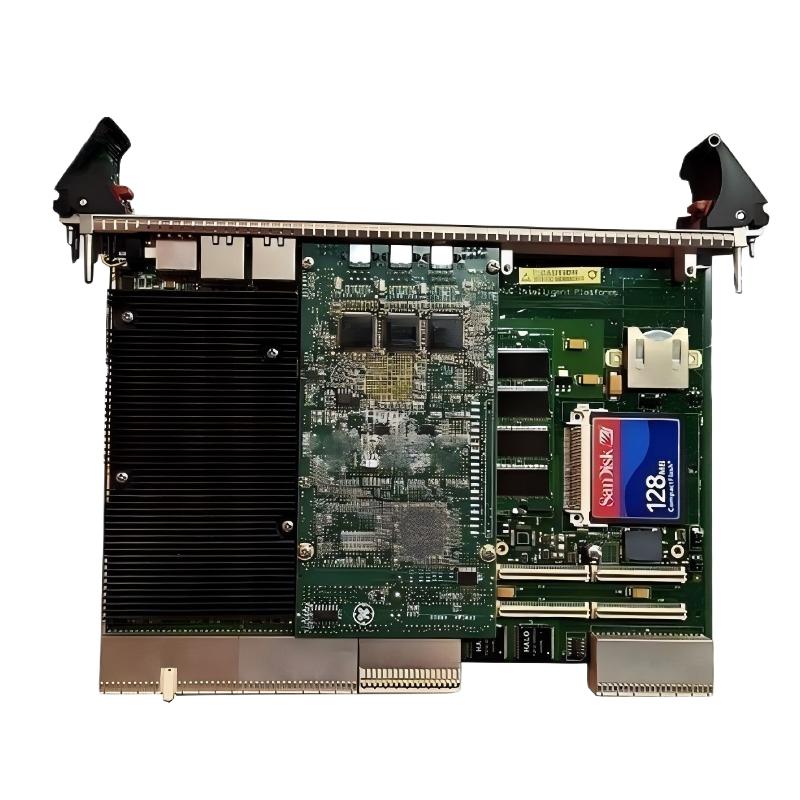
Product Overview
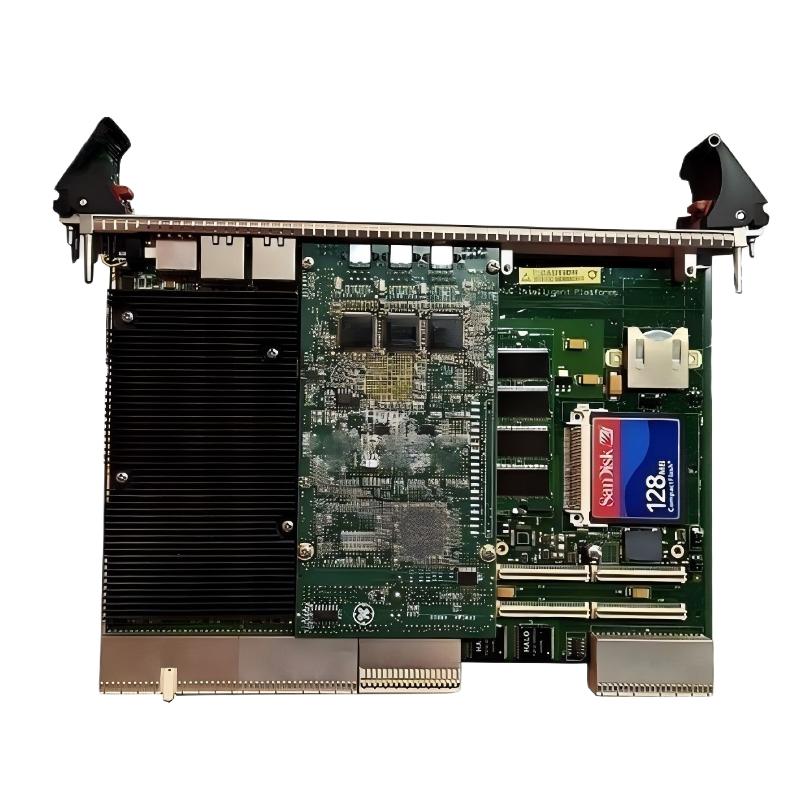
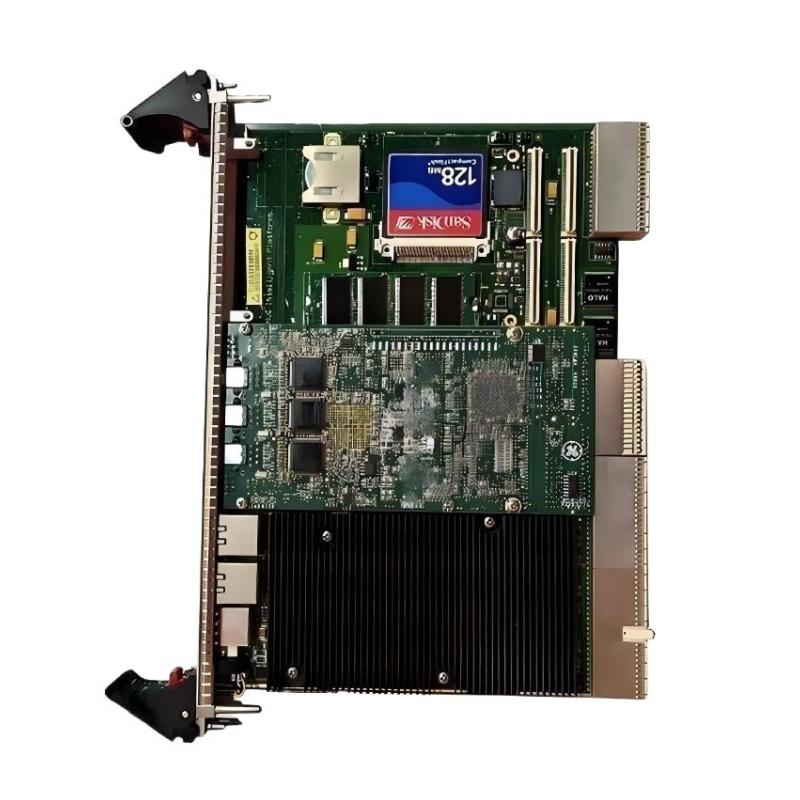
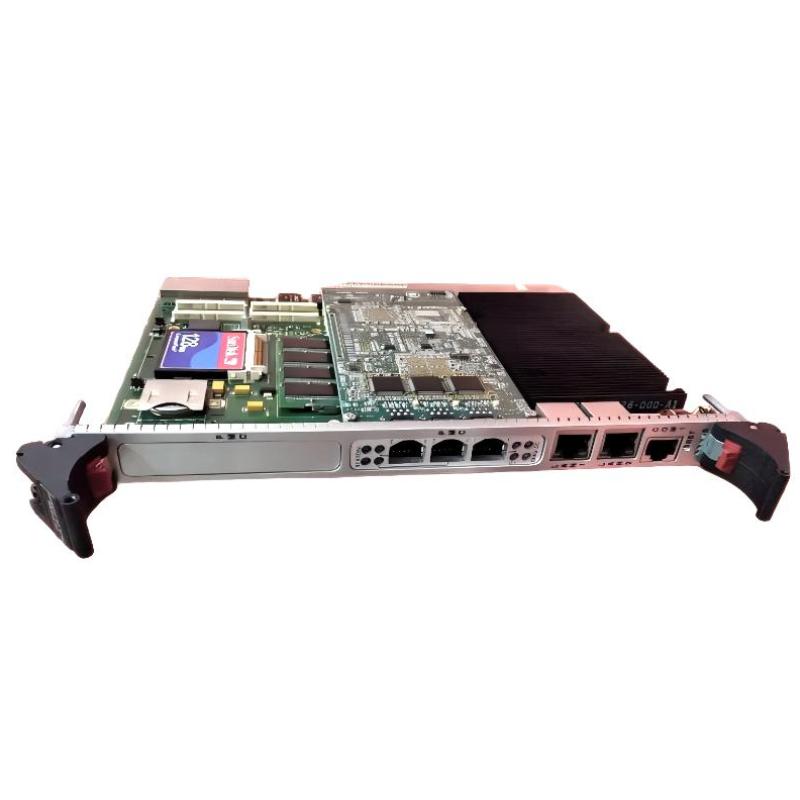
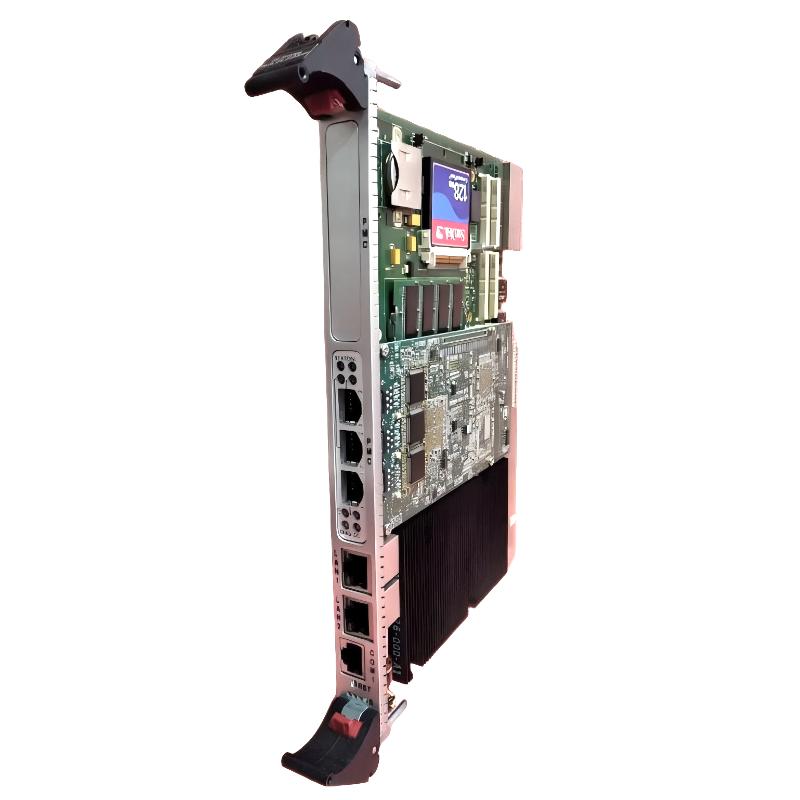
The GE IS415UCCCH4A Single-Slot Controller Board is an industrial control component designed for integration into compatible GE automation systems. Controller boards provide an electronic platform for executing control functions, coordinating system operations, and exchanging information with associated hardware. In industrial environments, the correct controller configuration is essential for maintaining dependable equipment operation and consistent process control.
The IS415UCCCH4A is identified as a single-slot controller board. Its specific responsibilities depend on the host-system architecture, installed firmware, associated I/O hardware, and application configuration. Before integrating or replacing this board, engineers should verify its intended role and compatibility with the existing control equipment.
Controller hardware is a central element of industrial automation because it connects application logic with field-level information and equipment operation. Depending on the system design, a controller may process input data, execute configured logic, coordinate outputs, and exchange operating information with other control-system components. The exact capabilities of the IS415UCCCH4A should be confirmed using the applicable hardware documentation rather than inferred from its product name alone.
The supplied dimensions of the GE IS415UCCCH4A are 170 × 130 × 25 mm, and its listed weight is approximately 0.45 kg. These specifications are useful for enclosure planning, installation clearance checks, spare-parts inventory, and replacement logistics.
Technical Specifications
| Parameter | Specification |
|---|---|
| Manufacturer | General Electric (GE) |
| Model | IS415UCCCH4A |
| Product Type | Single-Slot Controller Board |
| Product Family | GE IS400 / IS410 / IS415 identification; verify host-system family |
| Primary Role | Controller board for compatible industrial control equipment |
| Board Configuration | Single-slot |
| Application | Industrial automation and control |
| Dimensions | 170 × 130 × 25 mm |
| Weight | 0.45 kg |
| Installation | Compatible controller rack or designated mounting location |
| Processor Specifications | Verify against the applicable hardware documentation |
| Memory Capacity | Verify against the applicable hardware documentation |
| Communication Interfaces | Confirm the supported interfaces for the installed configuration |
| Operating Voltage | Verify against the applicable hardware documentation |
| Firmware Requirements | Confirm compatibility with the host-system configuration |
| Replacement Requirements | Verify complete part number, revision, and system compatibility |
What Is the GE IS415UCCCH4A?
The GE IS415UCCCH4A is identified as a single-slot controller board intended for use in compatible industrial automation equipment. A controller board provides an electronic platform for control-related functions within a larger automation architecture.
Industrial controllers generally execute configured application logic and coordinate system responses based on input information. Depending on the platform, they may also manage communication with associated I/O modules, monitor operating conditions, and exchange data with supervisory systems.
The term “single-slot” describes the board’s stated configuration, but it does not independently establish its processor specifications, communication capabilities, or compatibility with a particular rack or controller family. Those details must be verified against the hardware identification and system documentation.
When evaluating the IS415UCCCH4A for installation or replacement, engineers should consider the board’s complete part number, hardware revision, firmware requirements, mounting arrangement, and relationship with the installed control system.
Understanding the Controller Board’s Role
A controller board serves as part of the processing layer in an industrial control system. Its function is distinct from that of a terminal block, field sensor, power supply, or individual I/O interface.
A typical automation sequence follows this general pattern:
Field Devices → Input Interface → Controller Processing → Output Interface → Controlled Equipment
Information from field devices is received through the appropriate input hardware. The controller processes the available information according to its configured application logic, and the system produces the required response through compatible output hardware.
The actual architecture of the IS415UCCCH4A installation may differ from this simplified example. Its supported functions and connections should be established using the approved system drawings and technical documentation.
Understanding this relationship helps maintenance personnel identify whether an operating problem is associated with the controller itself, an input or output module, a communication connection, or a field device.
Function and Working Principle
1. Control Logic Execution
Industrial controller boards are designed to support control functions within a compatible automation platform. The specific processing responsibilities of the IS415UCCCH4A depend on its intended application and installed configuration.
2. Input Information Processing
A controller may receive information from compatible input hardware representing process conditions, equipment status, or operator commands. The controller uses this information according to the configured logic.
The exact input architecture and supported data types should be verified for the target system.
3. Coordination of Control Responses
Based on the application logic, a controller can coordinate responses through associated output hardware. These responses may involve equipment sequencing, process regulation, or other defined automation functions.
The controller board’s actual output responsibilities depend on the host-system design.
4. System Communication
Industrial controllers often exchange information with other automation components. Depending on the platform, this may include communication with I/O assemblies, operator interfaces, engineering tools, or supervisory systems.
The communication interfaces and protocols supported by the IS415UCCCH4A must be confirmed from the applicable hardware documentation.
5. Fault Monitoring and Diagnostics
Controller-based systems may provide diagnostic information that helps engineers identify operating problems. Depending on the installed platform, diagnostic information may include system status, detected hardware faults, or communication-related events.
The available diagnostics and their interpretation are specific to the controller platform and its software configuration.
Role in Industrial Automation Systems
The GE IS415UCCCH4A may serve as part of the processing layer in a compatible control system. Its position within the architecture depends on the system configuration and the functions assigned to the board.
Typical controller-related responsibilities in industrial automation include:
- Executing configured control logic
- Processing information received from compatible input hardware
- Coordinating responses through associated output interfaces
- Supporting equipment sequencing
- Exchanging information with compatible automation components
- Providing controller status and diagnostic information where supported
- Contributing to coordinated operation of industrial equipment
These are general functions of industrial controllers rather than a verified feature list for the IS415UCCCH4A. The specific functionality of this model should be confirmed before engineering, procurement, or maintenance decisions are made.
Industrial Applications
The IS415UCCCH4A may be relevant to industrial control installations that use compatible GE controller hardware. The exact application depends on the host equipment, system architecture, and configured control logic.
Industrial Process Automation
Process automation systems coordinate equipment operation according to process conditions and programmed requirements. A compatible controller board may participate in the execution of this control logic.
Power Generation and Plant Control
Power-generation facilities contain complex control and monitoring systems. Controller hardware can contribute to equipment coordination and process supervision where the specific platform and application support these functions.
Manufacturing Automation
Manufacturing systems depend on coordinated operation among machines, sensors, actuators, and control equipment. Controllers provide the processing functions needed to execute the defined operating sequence.
Equipment Monitoring
Controller-based systems may process equipment-status information received through compatible input interfaces. This information can support monitoring, alarms, and maintenance activities, depending on the configuration.
Industrial Equipment Modernization
During maintenance or modernization projects, controller boards may need to be inspected, replaced, or matched with existing hardware. Accurate model identification and configuration verification are essential to prevent compatibility problems.
These examples describe common controller applications and should not be interpreted as confirmation that every function or installation is supported by the IS415UCCCH4A.
Installation and System Integration
Correct installation requires more than confirming the board’s physical dimensions. The controller must also match the host-system architecture, electrical requirements, firmware configuration, and associated hardware.
Verify the Complete Part Number
Before installation, confirm the product identification:
GE IS415UCCCH4A
Record the full model number and any available revision markings. If replacing an existing board, compare the replacement with the original hardware and verify that the proposed component is approved for the specific application.
Confirm Host-System Compatibility
Check the controller’s intended platform, rack or mounting arrangement, associated hardware, and system configuration. Do not assume that boards with similar dimensions or slot formats are interchangeable.
Review Firmware and Configuration Requirements
Controller replacements may require compatibility checks involving firmware, application software, configuration data, or other system settings. Confirm the required procedures before removing the existing board.
Preserve approved configuration records and follow the site’s backup and restoration process where applicable.
Apply Electrical Safety Procedures
Before handling the controller, follow the facility’s electrical isolation and lockout/tagout procedures. Confirm the appropriate shutdown and isolation requirements for the complete equipment assembly.
Sensitive electronic components should be handled using suitable electrostatic-discharge precautions and the manufacturer’s recommended procedures.
Inspect the Installation Location
The supplied dimensions are 170 × 130 × 25 mm. Confirm that the installation location provides sufficient physical clearance and meets the requirements of the host equipment.
Inspect the surrounding assembly for contamination, damaged connectors, excessive moisture, and signs of overheating.
Install and Secure the Board
Follow the approved installation procedure for the compatible rack or mounting arrangement. Ensure that connectors are aligned correctly and that the board is secured using the specified method.
Do not force the board into a slot or connector. Resistance during installation may indicate incorrect alignment or an incompatible mounting arrangement.
Perform Commissioning Checks
After installation, complete the required hardware identification, configuration verification, diagnostic checks, and functional testing.
Confirm that the controller reaches the expected operating state and communicates correctly with the associated equipment before returning the system to normal operation.
Troubleshooting the GE IS415UCCCH4A
Controller-related problems may arise from the board, its power supply, the host assembly, associated I/O hardware, configuration settings, or communication connections. A systematic diagnostic process helps prevent unnecessary replacement.
1. Controller Does Not Start
If the controller fails to enter its expected operating state, inspect:
- System power supply and relevant connections
- Board seating and connector condition
- Rack or mounting assembly
- Hardware status indicators, where provided
- Configuration and firmware compatibility
- Available system diagnostic information
Follow the approved troubleshooting procedure before removing or replacing the board.
2. Communication Problems
If the controller cannot communicate with associated equipment, inspect the relevant interfaces, connectors, cables, and configuration settings.
Determine whether the problem affects one connection or multiple parts of the system. A communication fault may originate in the network, another module, the configuration, or the controller itself.
3. Input or Output Information Is Incorrect
Unexpected process data or control behavior may be caused by faulty field devices, incorrect wiring, problems with associated I/O hardware, configuration errors, or controller-related issues.
Trace the signal path from the field device through the interface hardware to the controller. Verify the expected behavior against the approved application documentation.
4. Intermittent Operation
Intermittent controller behavior may be associated with unstable power, poor connector contact, environmental conditions, communication interruptions, or hardware faults.
Review diagnostic records and inspect the installation environment. Any physical inspection or connection work must be performed under the applicable safety procedures.
5. Controller Fault or Diagnostic Alarm
If the system reports a controller fault, record the available diagnostic information before taking corrective action. Consult the applicable troubleshooting documentation to interpret the reported condition.
Avoid resetting or replacing the board without understanding the fault and its possible effects on the wider control system.
Preventive Maintenance Recommendations
Routine maintenance helps preserve the condition of controller hardware and reduces the risk of avoidable downtime.
Visual Inspection
Inspect the board and its installation area for physical damage, contamination, corrosion, or signs of overheating. Check that the board is properly secured.
Connector Inspection
Check accessible connectors for damage, contamination, and incorrect alignment. Follow the approved procedure when inspecting or servicing electrical connections.
Environmental Control
Maintain the control cabinet within the operating conditions specified for the installed hardware. Excessive temperature, dust, moisture, and vibration can affect electronic equipment.
Configuration Management
Maintain accurate records of controller identification, revisions, firmware, configuration changes, and replacement history. Before making changes, follow the site’s approved backup and restoration procedures.
Diagnostic Review
Where supported, review controller status and diagnostic records during scheduled maintenance. Investigating recurring warnings can help identify developing issues before they cause equipment interruptions.
Spare-Parts Management
Store replacement boards in suitable protective packaging and follow electrostatic-discharge handling requirements. Verify the complete part number before issuing a spare for maintenance work.
Compatible System Components
The IS415UCCCH4A should be assessed as part of the complete industrial control assembly. Depending on the host-system design, related equipment may include the following categories.
| Component Category | Typical Function |
|---|---|
| Controller Rack or Mounting Assembly | Provides the designated physical installation interface |
| Compatible I/O Modules | Exchange field-level input and output information |
| Power Supply | Provides the required electrical power to the system |
| Field Interface Hardware | Connects sensors, switches, and other field circuits |
| Communication Hardware | Supports data exchange where required by the platform |
| Operator Interface | Presents operating information and alarms |
| Engineering Software | Supports configuration and maintenance tasks where applicable |
| Field Devices | Provide process measurements, status information, or controlled actions |
This list describes general industrial control-system components. It does not establish compatibility with specific GE part numbers. Verify all hardware relationships against the documentation for the installed platform.
Replacement and Procurement Considerations
Selecting a replacement controller requires verification of the exact product identity and system requirements. Physical similarity alone does not establish electrical, firmware, or functional compatibility.
Before purchasing or installing a replacement, confirm:
- Complete model number: IS415UCCCH4A
- Hardware revision, where applicable
- Intended controller platform
- Slot and mounting requirements
- Electrical and power requirements
- Firmware and application compatibility
- Associated I/O and communication hardware
- Configuration backup and restoration requirements
- Availability of the applicable installation documentation
The supplied dimensions of 170 × 130 × 25 mm and weight of 0.45 kg are useful for inventory planning and installation preparation. They should not be used as the sole basis for selecting a replacement.
For operating systems that control critical industrial equipment, replacement decisions should be reviewed by qualified engineering or maintenance personnel before the controller is installed or returned to service.
Key Advantages
Controller-Level Processing Support
As a controller board, the IS415UCCCH4A is intended for a processing role within compatible industrial control equipment. Its precise responsibilities depend on the host-system configuration.
Compact Physical Format
The listed dimensions of 170 × 130 × 25 mm help engineers assess physical clearance and storage requirements.
Support for Industrial System Integration
When correctly matched to the host platform, controller hardware forms part of the wider control architecture linking application logic with associated system components.
Maintenance and Replacement Planning
The full part number and supplied weight of 0.45 kg support identification, spare-parts management, and replacement logistics.
Structured Troubleshooting
A clearly identified controller board helps technicians organize diagnostic work around the controller, associated hardware, configuration, and system connections.
Technical FAQs
What is the GE IS415UCCCH4A?
The GE IS415UCCCH4A is identified as a Single-Slot Controller Board intended for use in compatible industrial control equipment.
What does a controller board do?
A controller board provides processing capabilities within an automation system. Depending on the platform, it may execute configured logic, process input information, coordinate outputs, and exchange data with other system components.
What are the dimensions of the IS415UCCCH4A?
The supplied dimensions are 170 × 130 × 25 mm.
How much does the IS415UCCCH4A weigh?
The supplied weight is approximately 0.45 kg.
What does single-slot mean?
It describes the board’s stated slot configuration. The exact rack requirements and supported system architecture must be confirmed using the applicable hardware documentation.
Is the IS415UCCCH4A compatible with every GE control system?
No. Compatibility depends on the intended platform, hardware revision, mounting arrangement, firmware, and associated equipment. These requirements must be verified before installation.
What can cause a controller board to malfunction?
Possible causes include power problems, poor connector contact, hardware faults, incompatible firmware or configuration, communication issues, and unsuitable environmental conditions.
What should be checked before replacing the controller?
Confirm the complete part number, revision, host-system compatibility, configuration requirements, and approved replacement procedure. Preserve relevant configuration information and complete the required commissioning checks.
Conclusion
The GE IS415UCCCH4A Single-Slot Controller Board is an industrial control component intended to provide controller-related functionality within a compatible GE automation installation. Controller hardware is an important part of the processing architecture that coordinates information from field interfaces with the logic and responses required by an industrial application.
With supplied dimensions of 170 × 130 × 25 mm and a weight of 0.45 kg, the IS415UCCCH4A can be included in equipment-layout planning, spare-parts management, and maintenance preparation.
Reliable deployment depends on confirming the exact hardware identity, verifying host-system and firmware compatibility, following approved installation procedures, and completing appropriate diagnostic and functional checks. Careful configuration management and systematic troubleshooting help support dependable operation throughout the controller’s service life.