

ProductPRODUCT
Featured products



Contact Us
- GE
- IS210DTURH1A IS200DTURH1A
- Compact Pulse-Rate Terminal Board
- USA
- 240 × 165 × 32 mm
- 0.62 kg
- Xiamen, China
- New & In Stock
- T/T, PayPal, Western Union
- 1 Year
- 1-3 Working Days
- DHL, UPS, TNT, FedEx and EMS.
- 24-Hour Service
- COO
- 30
Our advantage

Global Logistics
We have a 10-year logistics and express cooperation agreement, so our products can be shipped to any place in the world.

Brand new and original
Our products are imported in bulk from the place of origin. Because of the cooperative relationship, our products are all original and 100% new.

24-hour service
We provide 7*24 hours service to our customers. We will be there whenever you need us.

Price advantage
All our products are priced very favorably because we have our own warehouse and supply.
| Company Information | |||
| [email protected] | |||
| Mobile | +8615980777398 | ||
| +8615980777398 | |||
| 15980777398 |
Product Overview
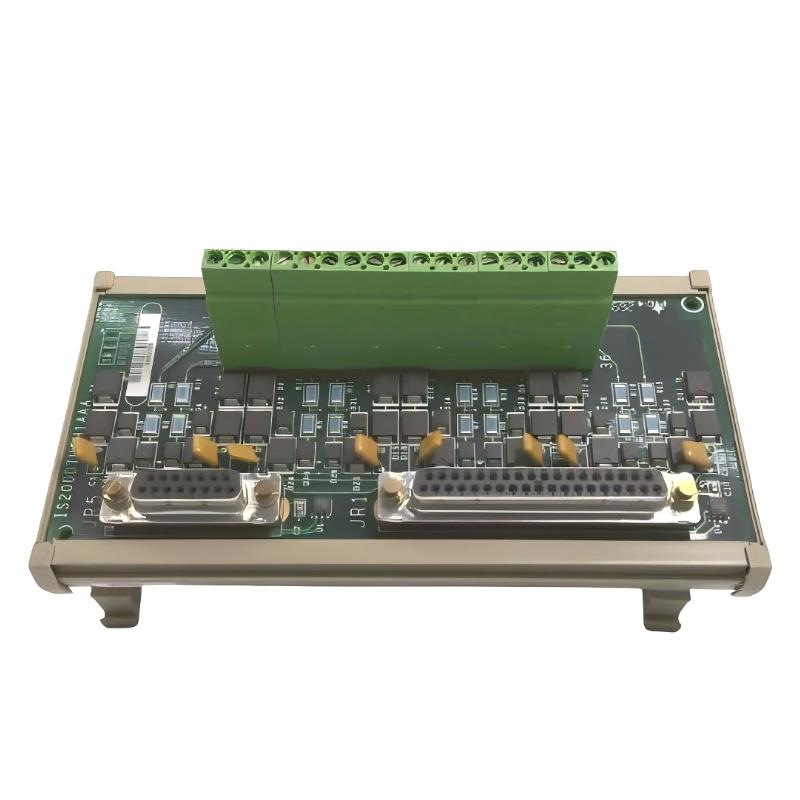
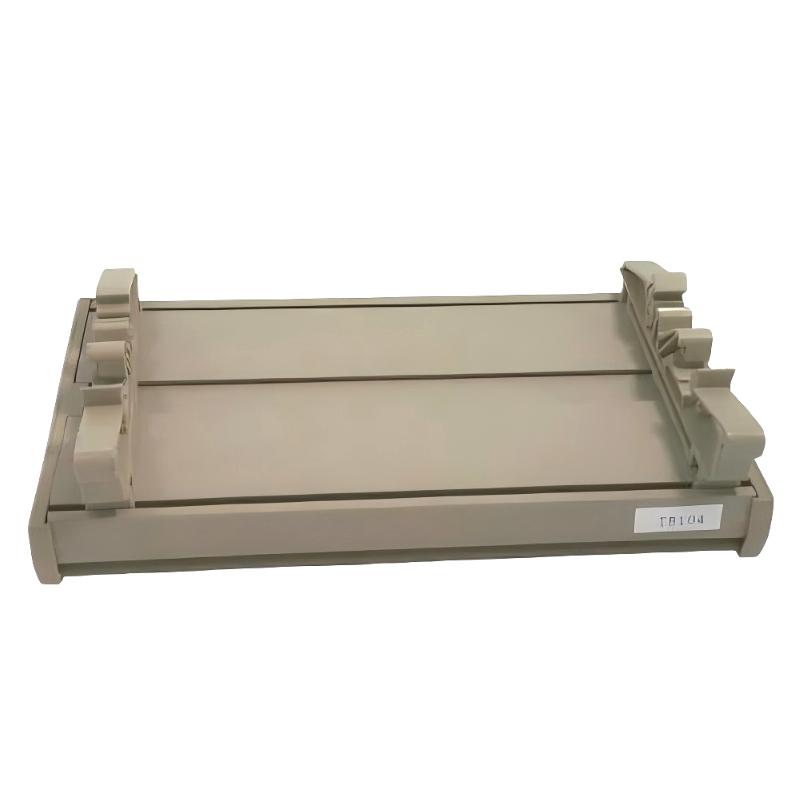
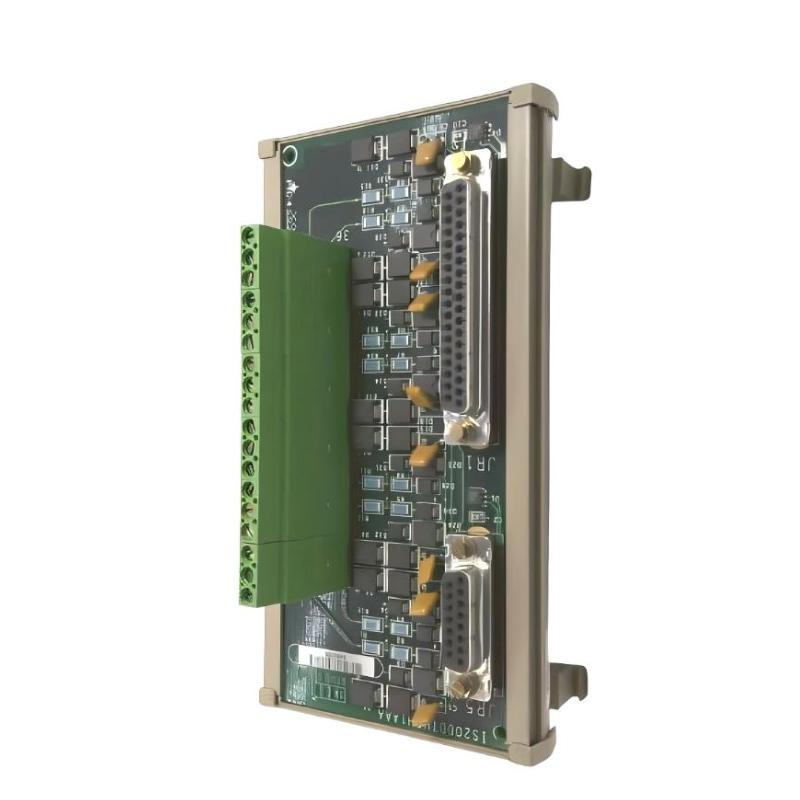
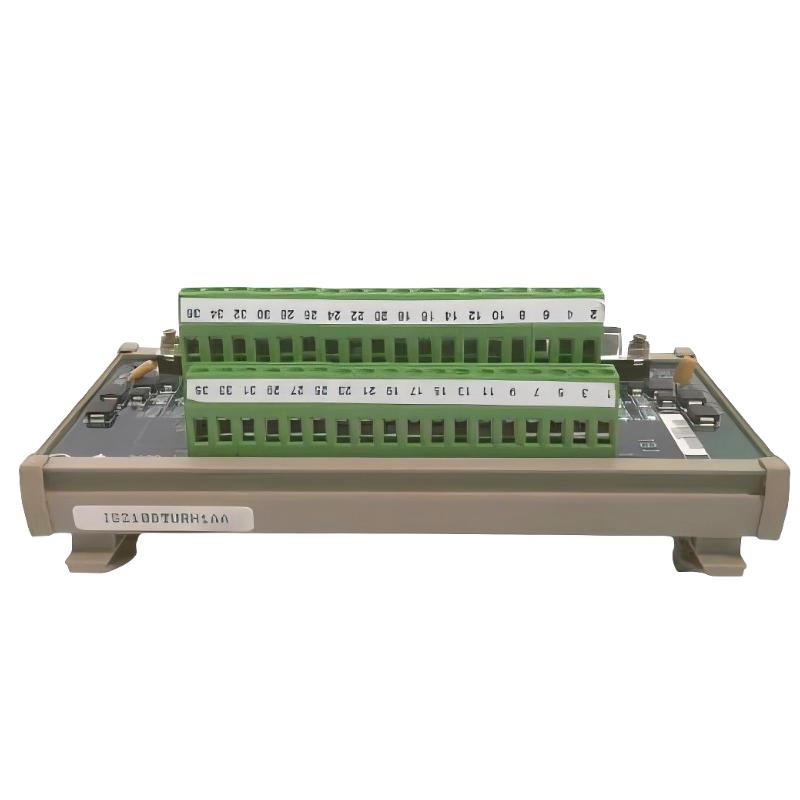
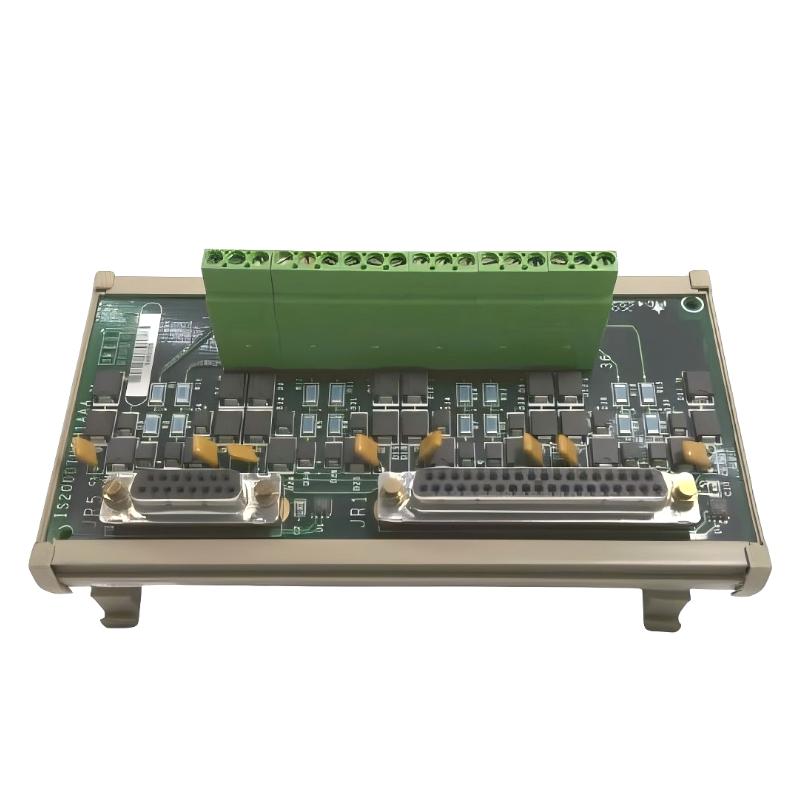
The GE IS210DTURH1A / IS200DTURH1A is a Mark VI Compact Pulse-Rate Terminal Board used to interface pulse-based field signals with the GE Mark VI turbine control system. It belongs to the terminal-board layer of the Mark VI architecture, where field signals are brought into the control cabinet and connected to the associated electronic I/O hardware.
Pulse-rate signals are commonly associated with rotating equipment and speed-related measurements. In a turbine control installation, sensors can generate electrical pulses corresponding to shaft rotation or another periodic machine event. The terminal-board arrangement provides the physical connection between these field circuits and the Mark VI input architecture so that the control system can acquire the information required for monitoring and control.
The IS210DTURH1A / IS200DTURH1A is therefore best understood as an interface component within the complete pulse-measurement chain. The terminal board does not independently perform turbine governing or execute control logic. Its role is to maintain the field-side electrical connection and route pulse-related signals toward the appropriate Mark VI I/O hardware.
Technical Specifications
| Parameter | Specification |
|---|---|
| Product Model | IS210DTURH1A / IS200DTURH1A |
| Product Type | Mark VI Compact Pulse-Rate Terminal Board |
| Product Family | GE Mark VI |
| Series | Mark VI |
| Component Category | Pulse-Rate Terminal Board |
| System Role | Pulse Signal Termination |
| Input Function | Pulse-Rate / Frequency Signal Input |
| Interface Function | Pulse Sensor Interconnection |
| Application | Turbine Speed and Pulse-Rate Monitoring |
| System Integration | GE Mark VI Control System |
| Component Type | Terminal Board |
| Control Architecture | Mark VI Turbine Control Architecture |
| Installation | Mark VI Control Cabinet |
| Dimensions | 240 × 165 × 32 mm |
| Weight | 0.62 kg |
Product Features
- Mark VI terminal-board hardware for pulse-rate field signals.
- Provides an organized interface between pulse-generating sensors and associated Mark VI I/O hardware.
- Supports pulse-based measurements used in rotating-equipment monitoring.
- Suitable for speed-related and frequency-related instrumentation circuits.
- Maintains field signal termination separately from the main control-processing hardware.
- Helps organize pulse-signal wiring within the turbine control cabinet.
- Supports integration of field pulse signals into the Mark VI control architecture.
- Suitable for maintenance and replacement work on established Mark VI installations.
- Can form part of turbine speed-monitoring and equipment-status measurement arrangements.
- Provides a practical termination point for troubleshooting pulse-signal circuits.
Working Principle
The IS210DTURH1A / IS200DTURH1A operates as the field termination interface within a Mark VI pulse-rate measurement path. A pulse-producing field device generates an electrical signal as the monitored machine rotates or as another periodic event occurs. The field wiring carries that signal back to the control cabinet.
The terminal board provides the physical connection between the field circuit and the associated Mark VI pulse-input architecture. From there, the electronic I/O hardware can acquire the pulse information and make it available to the control system for configured monitoring, speed-related functions, alarms, or other turbine-control applications.
Pulse Sensor → Field Wiring → IS210DTURH1A / IS200DTURH1A → Mark VI Pulse-Input Hardware → Mark VI Control System
For a rotating machine, the pulse frequency can correspond to the rate of the monitored event. The Mark VI control architecture can use the acquired pulse information according to the configured application. The terminal board itself does not independently calculate turbine speed or make governing decisions; those functions belong to the associated electronic control and I/O system.
A practical troubleshooting sequence therefore follows the complete signal path. If a pulse-rate value is missing or unstable, maintenance personnel should check the field sensor, wiring, terminal connections, associated I/O hardware, and control-system configuration rather than treating the terminal board as an isolated device.
Role in a GE Mark VI Pulse-Rate Monitoring Architecture
The IS210DTURH1A / IS200DTURH1A occupies the field termination layer of the Mark VI pulse-signal architecture. It provides the physical interface between pulse-generating field devices and the electronic I/O system responsible for acquiring the signal.
| System Layer | Typical Component | Function |
|---|---|---|
| Supervisory Layer | HMI / Operator Interface | Displays speed, pulse-related values, alarms, and equipment status |
| Control Layer | GE Mark VI Control System | Uses configured pulse information within turbine control and monitoring functions |
| I/O Processing | Mark VI Pulse-Input Hardware | Acquires and processes pulse-related field signals |
| Termination | IS210DTURH1A / IS200DTURH1A | Provides pulse-rate field signal termination |
| Field Interface | Pulse-Signal Wiring | Carries electrical pulse signals to the control cabinet |
| Field Sensors | Speed / Pulse Sensors | Generates periodic electrical signals from monitored equipment |
| Rotating Equipment | Turbine / Shaft / Auxiliary Machinery | Produces the mechanical event represented by the pulse signal |
Industrial Applications
| Application | Terminal Board Role |
|---|---|
| Gas Turbine Control | Interfaces pulse-related instrumentation used for turbine monitoring |
| Steam Turbine Control | Provides a field termination path for applicable speed or pulse measurements |
| Shaft Speed Monitoring | Routes pulse signals from rotating-equipment sensors toward Mark VI I/O hardware |
| Turbine Protection | Supports pulse-signal paths used by configured monitoring and protection functions |
| Generator Systems | Connects applicable rotational or pulse-based instrumentation |
| Auxiliary Machinery | Supports pulse-related monitoring of pumps, compressors, or other rotating equipment |
| Equipment Status Monitoring | Provides the field interface for periodic electrical signals |
| Turbine Maintenance | Allows technicians to inspect and trace pulse-signal wiring within the Mark VI architecture |
Installation and Maintenance
- Confirm the IS210DTURH1A / IS200DTURH1A model designation and verify that it matches the existing Mark VI terminal-board configuration.
- Review the applicable Mark VI cabinet drawings, pulse-input documentation, and field wiring diagrams before beginning work.
- Isolate the relevant control and field circuits according to the approved turbine maintenance procedure.
- Identify and label each pulse-signal circuit before disconnecting the existing terminal board.
- Inspect the replacement board for damaged terminals, connectors, mounting points, or other visible defects.
- Inspect field pulse-sensor wiring for broken conductors, loose connections, damaged insulation, corrosion, or other signs of deterioration.
- Remove the existing terminal board carefully while preserving circuit identification and existing wiring records.
- Install the replacement board in the designated Mark VI cabinet position and secure it according to the applicable installation procedure.
- Reconnect the pulse-signal circuits according to the approved wiring documentation and verify each point assignment.
- Check the signal path from the field pulse sensor through the terminal board to the associated Mark VI pulse-input hardware.
- Perform a controlled signal verification and confirm that the Mark VI system receives the expected pulse-related input without unexpected channel faults.
- Record the replacement details, circuit assignments, test results, and any associated maintenance observations for future troubleshooting.
Related Components
| Component | Function in the System |
|---|---|
| GE Mark VI Control System | Processes pulse-related information and executes configured turbine control functions |
| Mark VI Pulse-Input Hardware | Acquires pulse or frequency-related field signals |
| Speed Sensor | Generates electrical pulses associated with rotating-equipment movement |
| Pulse-Rate Sensor | Provides periodic electrical signals for monitoring applications |
| Field Signal Wiring | Carries pulse signals between the sensor and terminal board |
| Mark VI Terminal Board | Provides the physical field interface for instrumentation circuits |
| HMI / Operator Interface | Displays operating measurements, alarms, and equipment status |
| Turbine / Rotating Equipment | Provides the mechanical movement represented by the pulse signal |
Recommended Related Models
| Model | Product Type | Typical Relationship |
|---|---|---|
| GE IS200 Series | Mark VI Terminal and Interface Hardware | Related Mark VI board family |
| GE IS210 Series | Mark VI Terminal and Interface Hardware | Related Mark VI board family |
| GE Mark VI Pulse-Input Hardware | Pulse / Frequency I/O Hardware | Associated signal-acquisition equipment |
| GE Mark VI Terminal Boards | I/O Terminal Hardware | Related field termination hardware |
| GE Mark VI I/O Hardware | Turbine Control I/O Hardware | Associated electronic I/O architecture |
Key Advantages
- Provides a dedicated interface for pulse-rate field signals.
- Supports organized pulse-signal termination within a Mark VI control cabinet.
- Connects rotating-equipment instrumentation with the Mark VI I/O architecture.
- Separates field wiring from electronic pulse-signal processing.
- Supports speed-related and frequency-related monitoring applications.
- Suitable for maintenance and replacement of established GE Mark VI systems.
Technical FAQs
What is the purpose of the IS210DTURH1A / IS200DTURH1A?
The terminal board provides the field-side connection for pulse-rate signals within a GE Mark VI control architecture. It routes pulse-related sensor circuits toward the associated electronic I/O hardware for acquisition and subsequent control-system use.
How are pulse signals used in turbine control?
Pulse signals can represent recurring mechanical events such as shaft rotation. The frequency of the received signal can therefore provide information about the operating rate of the monitored equipment, which the Mark VI system can use according to its configured monitoring or control strategy.
What should be checked if the pulse-rate signal is missing?
Start with the complete signal path: verify the pulse sensor, field wiring, terminal connections, associated I/O hardware, and control-system configuration. A missing signal does not necessarily indicate a failed terminal board.
Is the DTURH1A terminal board responsible for turbine speed control?
No. The terminal board provides the physical signal interface. Speed measurement, interpretation, monitoring, and any subsequent governing or protection decisions are performed by the associated Mark VI I/O and control-system hardware.