

ProductPRODUCT
Featured products



Contact Us
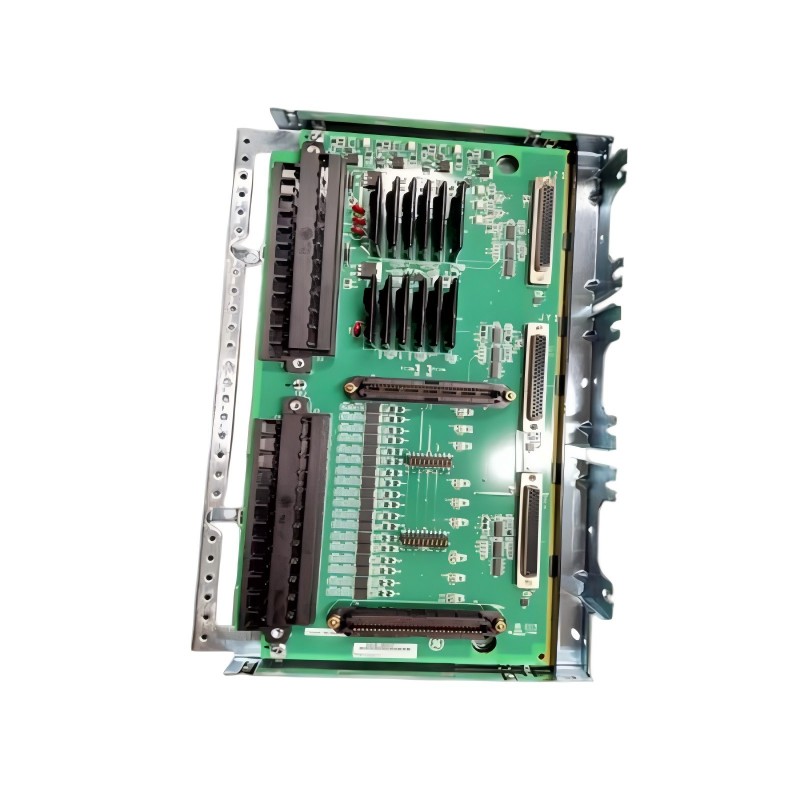
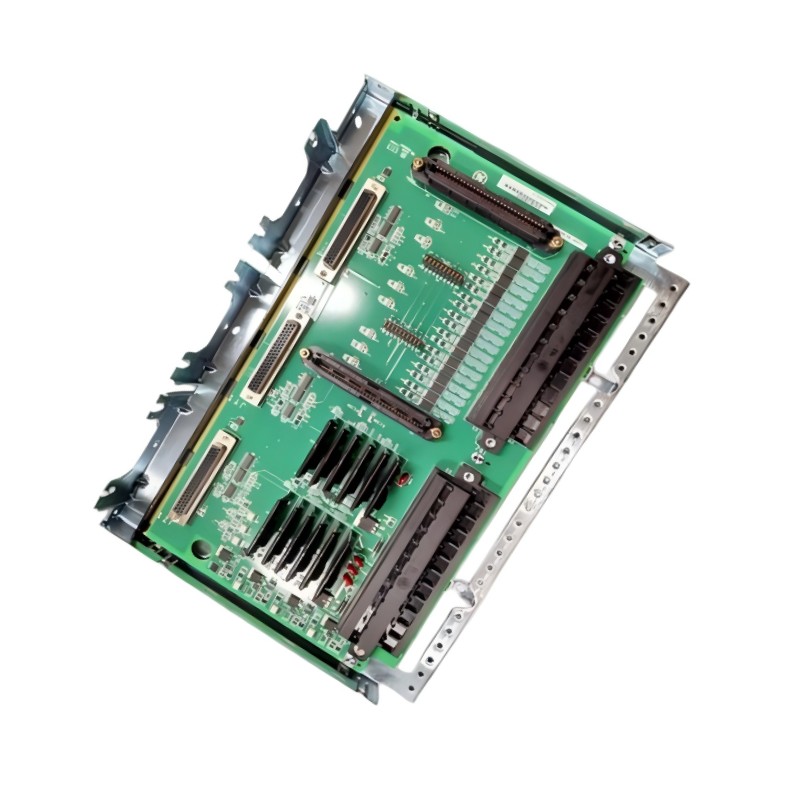
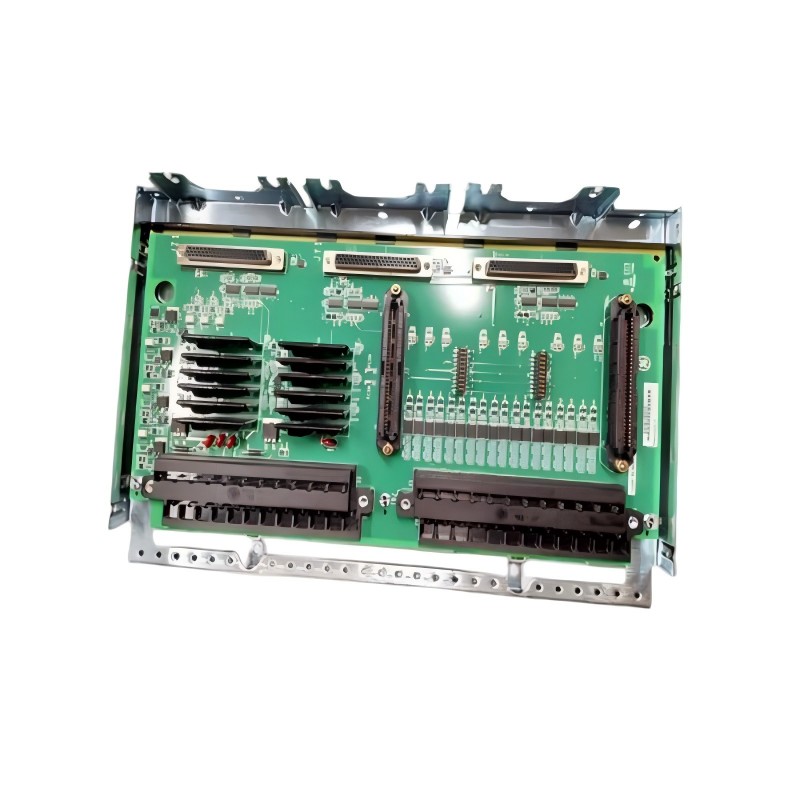
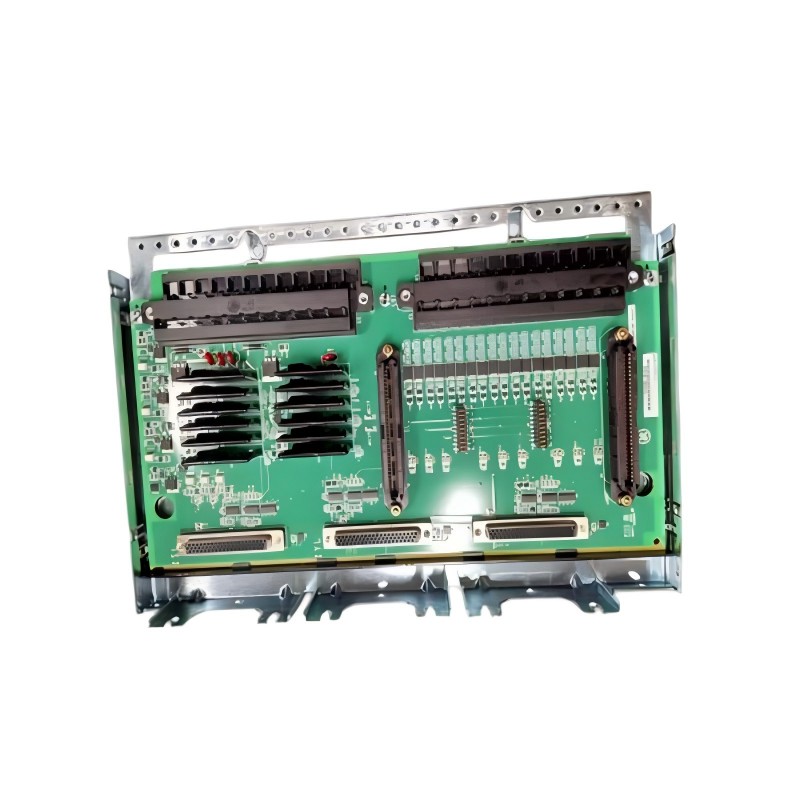
- GE
- IS220STAOH2A
- Analog Output Module
- USA
- 215 x 130 x 40 mm
- 0.4 kg
- Xiamen, China
- New & In Stock
- T/T, PayPal, Western Union
- 1 Year
- 1-3 Working Days
- DHL, UPS, TNT, FedEx and EMS.
- 24-Hour Service
- COO
- 38
Our advantage

Global Logistics
We have a 10-year logistics and express cooperation agreement, so our products can be shipped to any place in the world.

Brand new and original
Our products are imported in bulk from the place of origin. Because of the cooperative relationship, our products are all original and 100% new.

24-hour service
We provide 7*24 hours service to our customers. We will be there whenever you need us.

Price advantage
All our products are priced very favorably because we have our own warehouse and supply.
| Company Information | |||
| [email protected] | |||
| Mobile | +8615980777398 | ||
| +8615980777398 | |||
| 15980777398 |
Product Overview
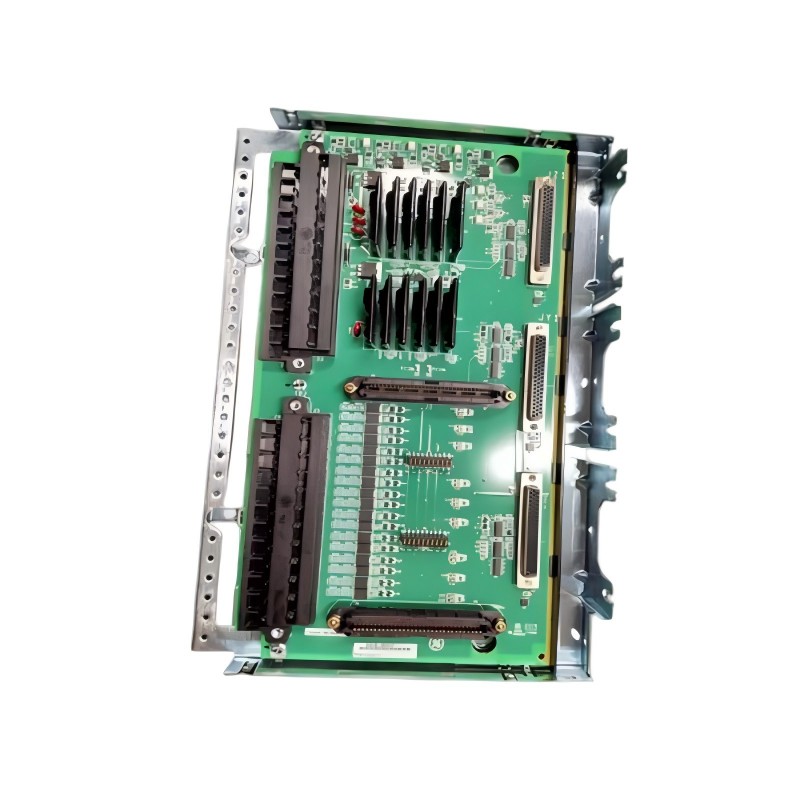
The GE IS220STAOH2A Analog Output Module is a specialized industrial automation component designed to provide analog signal output from a compatible GE control system to field-level equipment. In modern process automation, many control functions require continuously variable commands rather than simple ON/OFF signals. Analog output modules provide the interface needed to transfer these variable commands from control logic to actuators and other process devices.
The module can form part of a larger control architecture in which process information is acquired through input devices, evaluated by a controller, and then converted into output commands for field equipment. Typical applications for analog output interfaces include valve positioning, actuator regulation, process control, equipment references, and other continuously adjustable functions.
The GE IS220STAOH2A has listed dimensions of 215 × 130 × 40 mm and a listed weight of approximately 0.4 kg. Its compact form factor is suitable for appropriately designed industrial control cabinets and automation systems.
The exact output-channel configuration, supported electrical signal ranges, load characteristics, isolation, terminal assignments, accuracy, diagnostics, and other electrical characteristics should be confirmed against the applicable hardware revision and host-system configuration before installation or replacement.
Technical Specifications
| Parameter | Specification |
|---|---|
| Manufacturer | General Electric (GE) |
| Model | IS220STAOH2A |
| Product Type | Analog Output Module |
| Product Family | GE IS220 Series |
| Primary Function | Analog output signal interface |
| Application | Industrial process control and automation |
| Dimensions | 215 × 130 × 40 mm |
| Weight | 0.4 kg |
| Installation | Compatible GE industrial control equipment |
| System Role | Controller-to-field analog interface |
| Typical Application | Valve control, actuator control, process regulation, and industrial automation |
The exact output channels, signal types, output ranges, load requirements, electrical ratings, isolation characteristics, terminal arrangement, and diagnostic functions should be verified from the relevant system documentation.
Understanding the GE IS220STAOH2A
The GE IS220STAOH2A is an Analog Output Module that provides an interface between control-system logic and analog-controlled field equipment.
In an industrial automation system, the controller may calculate an output command based on process feedback, operator settings, or programmed control logic. The analog output module provides the electrical interface through which this command is transferred to the field.
A simplified control path is:
Controller → IS220STAOH2A → Analog Signal → Field Device → Process
The field device may respond proportionally to the analog command, allowing the process to be regulated continuously.
The actual output signal characteristics and field-device compatibility depend on the system configuration.
Function of an Analog Output Module
Analog output modules are used when the control system needs to communicate a variable command.
Unlike a discrete output, which generally represents a limited state, an analog output can represent a continuously changing value.
For example, a process controller may determine that a control valve needs to move to an intermediate position. The corresponding analog command can be sent through the output interface to the valve or its associated actuator.
Analog outputs can therefore support:
- Valve positioning
- Actuator control
- Process setpoints
- Flow regulation
- Pressure regulation
- Temperature control
- Speed references
- Equipment control
The actual application depends on the control-system design.
Analog Output Signal Architecture
A typical industrial control loop can be represented as:
Process → Sensor → Input System → Controller → IS220STAOH2A → Field Device → Process
The controller evaluates process information and calculates a required output.
The IS220STAOH2A provides the analog output interface.
The connected field device responds to the output command.
The process then changes, and the resulting condition can be measured again.
This creates the foundation for closed-loop process control.
Role in Industrial Automation
The GE IS220STAOH2A can serve as part of the output layer of a larger automation system.
Its position within a control architecture may be represented as:
Field Sensors → Input Modules → Control Processor → Analog Output → Actuator
The module therefore helps connect digital control logic with physical process equipment.
Analog output interfaces are particularly useful when equipment must be adjusted gradually rather than switched between fixed states.
Depending on the application, the module may contribute to:
- Continuous process regulation
- Equipment control
- Setpoint adjustment
- Actuator positioning
- Flow control
- Pressure control
- Temperature regulation
- Automated sequencing
Closed-Loop Control Applications
Analog outputs are frequently used in closed-loop control systems.
Consider a simplified pressure-control loop:
Pressure Sensor → Controller → IS220STAOH2A → Control Valve → Process
The pressure sensor measures the actual process condition.
The controller compares the measured pressure with the desired value.
The control algorithm calculates an output command.
The analog output module transfers the command to the field device.
The valve adjusts the process, causing the pressure to change.
The controller then receives updated feedback and continues adjusting the output.
This cycle can operate continuously during normal production.
Industrial Applications
Process Valve Control
Analog outputs can be used to control modulating valves in industrial process systems.
The controller can adjust the output according to the desired flow, pressure, temperature, or other process variable.
Flow Regulation
Flow-control applications often require continuously adjustable valve or actuator positions.
Pressure Control
Analog output signals can be used as control commands for pressure-regulating equipment.
Temperature Control
Heating and cooling systems may use analog outputs to regulate equipment according to temperature feedback.
Motor and Drive References
Depending on the drive architecture, analog output signals can be used to provide variable operating references.
General Manufacturing
Industrial manufacturing systems may use analog outputs for actuators, positioning systems, process equipment, and machine-control functions.
Installation Guidelines
The GE IS220STAOH2A should be installed by qualified personnel following the requirements of the associated GE automation system.
Verify the Model
Confirm the complete model designation:
GE IS220STAOH2A
The module should be matched with the intended cabinet position and system configuration.
Inspect the Module
Before installation, inspect the unit for:
- Physical damage
- Connector damage
- Contamination
- Signs of overheating
- Mechanical deformation
- Loose components
Verify the Field Device
Confirm that the connected actuator or control device is compatible with the intended output configuration.
Verify Wiring
Field wiring should be checked against the approved electrical documentation before commissioning.
Analog Output Wiring
Reliable analog output performance depends on correct wiring and appropriate electrical installation practices.
Signal Wiring
The signal conductors should be connected according to the system wiring documentation.
Cable Routing
Analog signal cables should be routed appropriately and separated from high-power circuits where necessary.
Electrical Noise
Motors, drives, contactors, and switching equipment can introduce unwanted electrical interference.
Shielding and Grounding
Appropriate shielding and grounding practices can improve signal integrity when required by the system design.
Load Compatibility
The connected field device must be compatible with the configured analog output.
Exact voltage, current, load, and electrical requirements should be confirmed for the particular system configuration rather than inferred solely from the module model.
Commissioning Procedure
A systematic commissioning process helps verify both the module and the connected field device.
Step 1: Hardware Inspection
Confirm that the IS220STAOH2A is correctly installed and securely connected.
Step 2: Wiring Verification
Compare the field wiring with approved documentation.
Step 3: Configuration Verification
Confirm that the output channel is assigned to the correct control function.
Step 4: Diagnostic Review
Check available controller and I/O diagnostics.
Step 5: Output Test
Perform an approved output test to confirm that the analog signal responds correctly.
Step 6: Field Device Test
Verify that the actuator or controlled equipment responds correctly to the output command.
Step 7: Process Verification
Confirm that the process responds as expected during normal operating conditions.
Troubleshooting the GE IS220STAOH2A
Analog output faults should be diagnosed through the entire control path.
A practical diagnostic sequence is:
Controller → IS220STAOH2A → Wiring → Field Device → Process
No Output Signal
Possible causes include:
- Incorrect controller configuration
- Output-channel assignment problem
- Wiring fault
- Connector problem
- Field-device problem
- Module power problem
- Module hardware fault
The controller output status should be checked before replacing the module.
Incorrect Output Value
An incorrect output can result from:
- Scaling errors
- Control-logic problems
- Incorrect configuration
- Wiring problems
- Field-device calibration
- Output-module problems
The commanded value should be compared with the expected engineering value.
Output Signal Fluctuation
An unstable output may be caused by:
- Control-loop behavior
- Electrical interference
- Loose wiring
- Incorrect scaling
- Sensor feedback problems
- Field-device response
- Module issues
If the controller command itself is fluctuating, the control algorithm and feedback signal should be examined first.
Analog Scaling and Control Values
Analog output troubleshooting should distinguish between the internal controller value and the physical output signal.
For example, a control program may operate using:
- Percentage
- Temperature
- Pressure
- Flow
- Speed
- Valve position
The controller’s internal value must be correctly scaled to the physical output expected by the connected device.
A useful diagnostic sequence is:
Engineering Value → Controller Command → Output Signal → Field Device Response
If the controller is generating the wrong command, replacing the output module may not resolve the problem.
Field Device Troubleshooting
An analog output module can operate correctly while the connected actuator or valve fails to respond.
If the output command is correct but the equipment does not respond, inspect:
- Field wiring
- Actuator power
- Valve mechanism
- Drive or controller interface
- Mechanical restrictions
- Field-device configuration
This is particularly important in process-control systems where an apparent output fault may actually originate from the field device.
Preventive Maintenance
Regular maintenance helps maintain reliable analog output operation.
Inspect Module Connections
Check connectors for contamination, mechanical damage, or poor engagement.
Inspect Field Wiring
Look for:
- Loose terminals
- Damaged insulation
- Moisture
- Mechanical stress
- Cable degradation
Check Field Devices
Valves, actuators, drives, and other controlled devices should be inspected according to their maintenance requirements.
Monitor Process Trends
Unexpected output behavior may become easier to identify when viewed alongside process trends.
Review System Diagnostics
Control-system diagnostics should be reviewed during scheduled maintenance activities.
Physical Dimensions and Cabinet Planning
The GE IS220STAOH2A has listed dimensions of:
215 × 130 × 40 mm
The listed weight is:
0.4 kg
These specifications should be considered when planning:
- Cabinet layout
- Module placement
- Cable routing
- Maintenance access
- Replacement work
- Spare-parts storage
Additional clearance may be required for connectors, wiring, neighboring equipment, and maintenance access.
Integration with HMI and SCADA
Analog output information can be incorporated into a broader operator and supervisory architecture.
A simplified system is:
Controller → IS220STAOH2A → Field Device
while the controller simultaneously communicates with:
Controller → HMI / SCADA
The operator interface may display:
- Output command
- Process value
- Setpoint
- Alarm status
- Equipment status
- Diagnostic information
This allows operators to understand how the analog output is influencing the process.
The exact HMI and SCADA functions depend on the host-system configuration.
Analog Output and Process Optimization
Analog output modules can contribute to process optimization by allowing equipment to operate at the level required by current process conditions.
Instead of using fixed operating states, a control system can continuously adjust the output.
For example, a flow-control system may increase or decrease a valve command according to the measured process flow.
This type of variable control can help maintain stable process conditions and reduce unnecessary equipment operation when properly engineered.
Replacement Considerations
When replacing the GE IS220STAOH2A, technicians should verify:
- Complete model number
- Revision designation
- Cabinet position
- Output assignment
- Wiring configuration
- Connected field device
- Controller configuration
- Application software
A different GE analog output module should not automatically be considered a direct replacement.
Even modules with similar dimensions may have different electrical characteristics, output configurations, terminal arrangements, or system requirements.
Engineering Best Practices
Maintain Accurate Output Documentation
Record which output channel controls each field device.
Label Field Wiring
Clear cable identification helps prevent incorrect connections during maintenance.
Verify Analog Scaling
Ensure that controller engineering values correspond correctly with field-device requirements.
Protect Signal Wiring
Use appropriate routing, shielding, grounding, and cable protection.
Monitor Control Loops
Unexpected oscillation or unstable output behavior may indicate feedback or tuning problems.
Maintain Spare Modules
A correctly identified spare can help reduce downtime during unexpected hardware failures.
Key Advantages
Dedicated Analog Output Function
The IS220STAOH2A provides a dedicated interface for transferring variable control commands to compatible field equipment.
Compact Industrial Construction
With listed dimensions of 215 × 130 × 40 mm, the module can be incorporated into appropriately designed automation cabinets.
Lightweight Design
The listed weight of 0.4 kg supports practical handling during installation and replacement.
Supports Continuous Control
Analog output signals can provide continuously variable commands for valves, actuators, process equipment, and other devices.
Closed-Loop Integration
The module can participate in closed-loop process-control architectures when combined with appropriate sensors and control logic.
Industrial Automation Compatibility
The module can form part of a broader GE industrial automation architecture incorporating controllers, field devices, HMI, SCADA, and diagnostic systems.
Technical FAQs
What is the GE IS220STAOH2A?
The GE IS220STAOH2A is an Analog Output Module designed to provide a variable analog control interface between a compatible GE control system and field equipment.
What is the purpose of an analog output module?
An analog output module transfers variable control commands from the controller to compatible field devices such as valves, actuators, and other process-control equipment.
What are the dimensions of the IS220STAOH2A?
The listed dimensions are 215 × 130 × 40 mm.
How much does the IS220STAOH2A weigh?
The listed weight is approximately 0.4 kg.
Where can the IS220STAOH2A be used?
It can form part of industrial process-control systems where continuously variable analog commands are required for valves, actuators, drives, and other field equipment.
What can cause an incorrect analog output?
Potential causes include configuration errors, scaling problems, wiring faults, electrical interference, field-device problems, control-loop issues, or hardware faults.
Can another GE analog output module replace the IS220STAOH2A?
A different module should not be assumed to be interchangeable. The complete model number, revision, electrical characteristics, output configuration, wiring, and host-system requirements should be verified.
How should the IS220STAOH2A be maintained?
Maintenance should include inspection of the module, connectors, analog signal wiring, field devices, cabinet environment, diagnostics, and process trends.
Can the module be used in closed-loop control?
An analog output module can form part of a closed-loop control system by transferring variable commands to field equipment based on controller calculations.
Conclusion
The GE IS220STAOH2A Analog Output Module is a specialized industrial automation component designed to provide a variable analog interface between compatible GE control systems and field equipment. Analog output functionality is essential in many industrial applications where valves, actuators, drives, and other equipment must be controlled continuously rather than through simple discrete states.
The IS220STAOH2A has listed dimensions of 215 × 130 × 40 mm and a weight of 0.4 kg, making it a compact component for appropriately designed industrial control installations.
Reliable operation depends on the complete signal path, including controller logic, output configuration, scaling, wiring, signal integrity, field-device compatibility, and process conditions. Troubleshooting should therefore consider the controller, module, wiring, field device, and process as a complete control loop.
For installation and replacement applications, the complete GE IS220STAOH2A model designation should be verified carefully. Exact output-channel configuration, supported signal ranges, electrical ratings, load requirements, isolation, terminal assignments, and diagnostic functions should be confirmed against the applicable hardware revision and system documentation before commissioning.