

ProductPRODUCT
Featured products
Contact Us
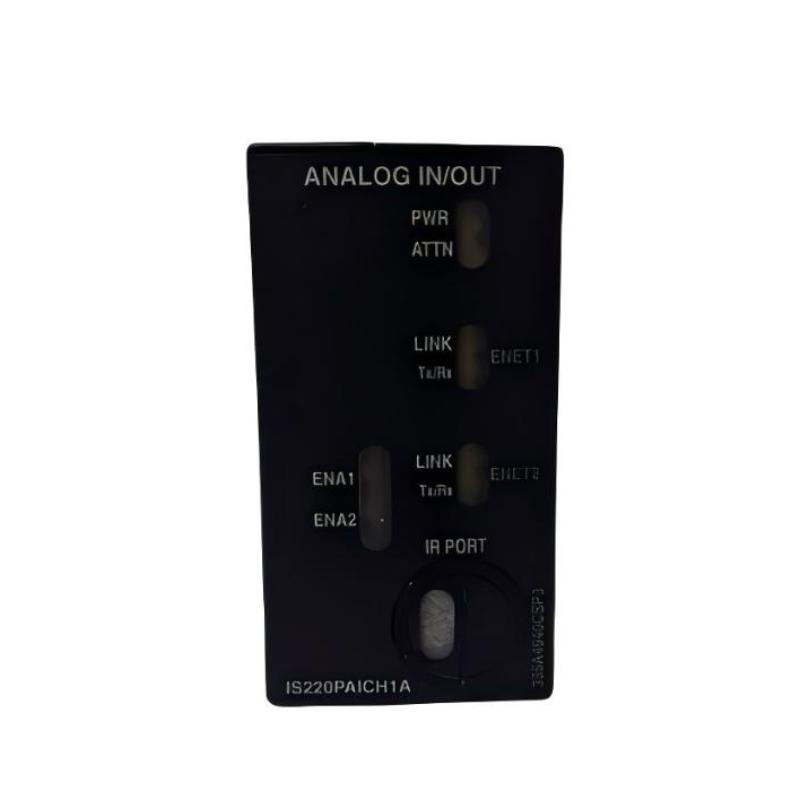
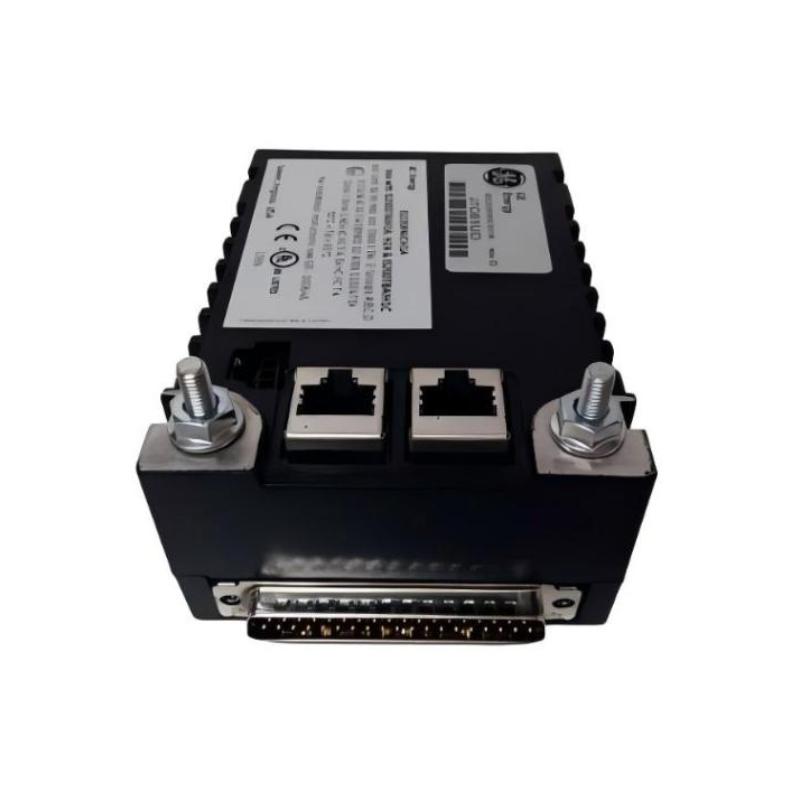
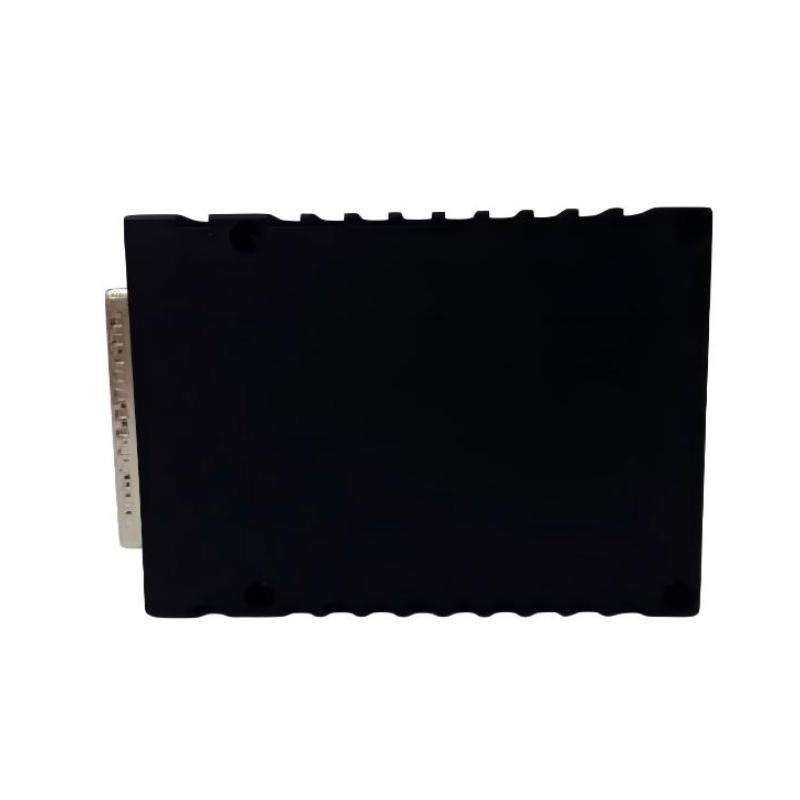
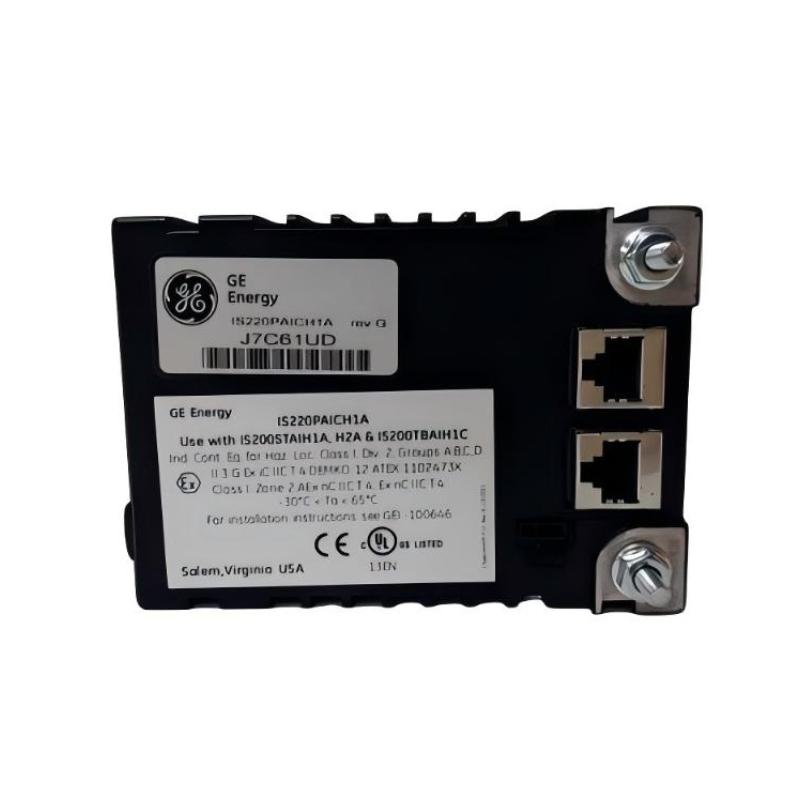
- GE
- IS220PAICH1A
- Analog Input/Output Module
- USA
- 159 × 100.5 × 46 mm
- 0.6 kg
- Xiamen, China
- New & In Stock
- T/T, PayPal, Western Union
- 1 Year
- 1-3 Working Days
- DHL, UPS, TNT, FedEx and EMS.
- 24-Hour Service
- COO
- 6
Our advantage

Global Logistics
We have a 10-year logistics and express cooperation agreement, so our products can be shipped to any place in the world.

Brand new and original
Our products are imported in bulk from the place of origin. Because of the cooperative relationship, our products are all original and 100% new.

24-hour service
We provide 7*24 hours service to our customers. We will be there whenever you need us.

Price advantage
All our products are priced very favorably because we have our own warehouse and supply.
| Company Information | |||
| [email protected] | |||
| Mobile | +8615980777398 | ||
| +8615980777398 | |||
| 15980777398 |
Product Overview
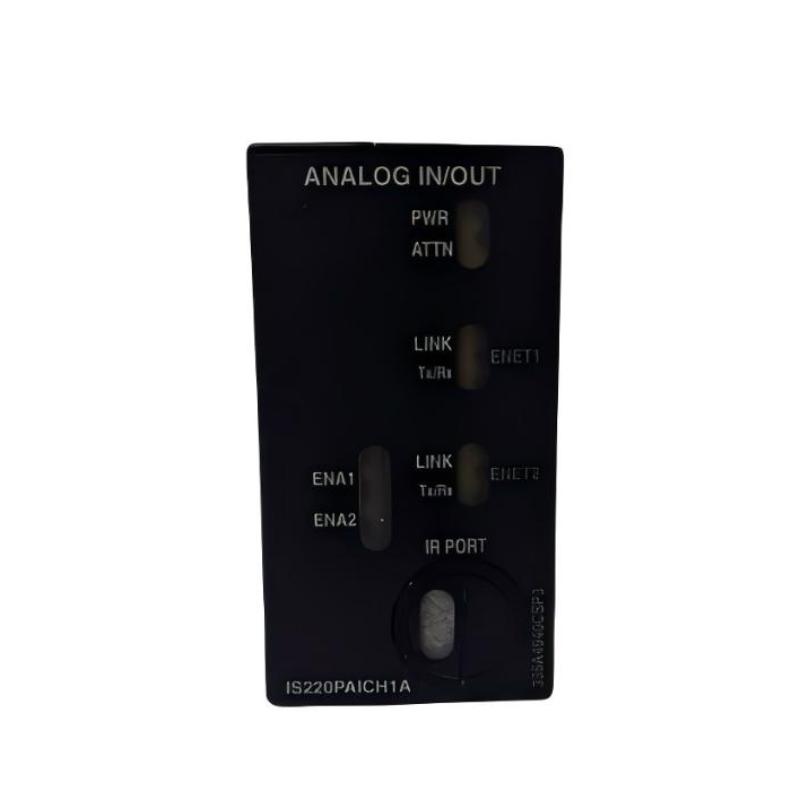
The GE IS220PAICH1A Analog Input/Output Module is an industrial automation interface component designed to connect analog field signals with a compatible GE control system. As part of an industrial I/O architecture, an analog module provides an important link between physical process measurements, controller logic, and field-level instrumentation.
Industrial processes commonly depend on continuously varying signals rather than simple ON/OFF states. Temperature, pressure, flow, level, electrical measurements, and other process variables can require analog signal acquisition and processing. An analog I/O module provides the interface through which these signals can become usable information within the control system.
The GE IS220PAICH1A is identified as an Analog Input/Output Module with supplied dimensions of 159 × 100.5 × 46 mm and a listed weight of 0.6 kg. Its compact construction allows it to be incorporated into industrial control equipment where reliable signal interfacing and efficient cabinet utilization are required.
The module should be integrated according to the architecture of the host GE control system. Exact channel count, signal ranges, terminal assignments, isolation characteristics, supported signal types, and electrical ratings should be confirmed for the specific hardware revision and application rather than assumed solely from the model designation.
Technical Specifications
| Parameter | Specification |
|---|---|
| Manufacturer | General Electric (GE) |
| Model | IS220PAICH1A |
| Product Type | Analog Input/Output Module |
| Primary Function | Analog signal interface |
| Application | Industrial automation and process control |
| Dimensions | 159 × 100.5 × 46 mm |
| Weight | 0.6 kg |
| Installation | Compatible GE industrial control architecture |
| Interface Role | Field signal and control-system interface |
| Signal Type | Analog input/output |
The dimensions and weight above are based on the supplied product information. Exact analog channel configuration, input/output ranges, excitation requirements, isolation, accuracy, terminal assignments, and communication details should be verified against the applicable system configuration.
What Is the GE IS220PAICH1A?
The GE IS220PAICH1A is an analog input/output module intended to form part of an industrial control and instrumentation system.
Analog I/O modules are used when the control system needs to work with continuously varying electrical signals.
A simplified process-control path can be represented as:
Process → Sensor / Transmitter → IS220PAICH1A → Control System → Operator / Control Action
Depending on the application architecture, the module can participate in the acquisition and distribution of analog information.
For example, a field transmitter may represent a physical process variable as an analog electrical signal. The I/O system receives this signal and makes the corresponding information available to the control architecture.
On the output side, an analog command can be used to influence compatible field equipment such as control devices or other analog-responsive equipment.
The exact signal path depends on the host system and configured application.
Analog Input and Output Function
Analog I/O differs from discrete I/O because the information is represented by a continuously varying signal.
A discrete signal generally represents states such as:
ON / OFF
An analog signal can represent a range of values.
For example, an analog process signal may correspond to:
- Pressure
- Temperature
- Flow
- Level
- Speed reference
- Valve position
- Process concentration
- Electrical measurement
The control system converts and interprets the analog signal according to the configured engineering range.
The IS220PAICH1A therefore operates within a broader measurement and control chain rather than functioning as an isolated measurement device.
Role in Industrial Control Systems
The IS220PAICH1A can serve as an interface between field instrumentation and a GE industrial control architecture.
A typical system can be represented as:
Field Instruments → Analog I/O → Control Processor → Control Logic → Operator Interface
Field instruments detect physical process conditions.
The analog I/O interface transfers relevant electrical signals into the control architecture.
The controller processes the information according to programmed logic.
The resulting information can then be presented through an operator interface or used to control other equipment.
This architecture allows continuous process variables to become part of automated monitoring and control strategies.
Analog Signal Acquisition
Analog measurement begins with the field instrument.
A sensor or transmitter detects a physical condition and generates an electrical signal corresponding to that condition.
The analog interface then receives the signal and provides the necessary connection to the control system.
The controller can use the resulting information for:
- Process monitoring
- Alarm generation
- Closed-loop control
- Equipment protection
- Performance monitoring
- Data logging
- Diagnostic functions
Accurate signal acquisition depends on the complete measurement chain, including the field device, wiring, terminal connections, I/O hardware, configuration, and controller logic.
Analog Output Applications
Where an analog output function is used, the control system can generate a variable electrical command for compatible field equipment.
Potential applications can include:
- Control references
- Valve positioning
- Speed references
- Process control commands
- Equipment setpoints
- Other continuously adjustable control functions
The exact output signal type and permissible electrical range should be confirmed for the specific IS220PAICH1A configuration before connecting field equipment.
Industrial Applications
Process Automation
Industrial process systems rely heavily on analog measurements such as pressure, temperature, flow, and level.
An analog I/O module provides the interface required to incorporate these measurements into automated control.
Power and Energy Systems
Power-generation and energy systems contain numerous continuously varying electrical and process parameters.
Analog I/O can form part of the instrumentation architecture used to monitor and control such systems.
Turbine Control
GE industrial control platforms can incorporate analog measurement and control signals within turbine-related applications.
The IS220PAICH1A should be matched to the applicable system architecture and signal requirements.
Manufacturing
Manufacturing equipment can use analog measurements for monitoring process conditions and controlling variable operating parameters.
Water and Utility Systems
Water treatment, pumping, and utility applications frequently use analog instrumentation to monitor process conditions.
Chemical Processing
Chemical processes often depend on continuously measured variables. Analog I/O provides an interface between field instrumentation and the control system.
Physical Characteristics
The supplied dimensions of the GE IS220PAICH1A are:
159 × 100.5 × 46 mm
The listed weight is:
0.6 kg
These dimensions are relevant to:
- Control cabinet planning
- Module mounting
- Cable routing
- Equipment spacing
- Maintenance access
- Replacement planning
The 46 mm depth should be considered when determining available space around the module and associated wiring.
The physical dimensions should not be treated as a substitute for the exact mounting or installation drawing of the host system.
Installation Guidelines
Verify Module Identification
Before installation, confirm the complete part number:
GE IS220PAICH1A
The exact model and revision should be checked against the intended control system.
Inspect the Installation Location
Confirm that the mounting location provides adequate physical clearance and access for wiring and maintenance.
Verify Field Wiring
Analog signals can be sensitive to wiring problems and electrical interference.
Check:
- Terminal connections
- Cable condition
- Shielding where applicable
- Cable routing
- Signal separation
- Grounding arrangements
Confirm Signal Compatibility
Before connecting a field device, verify that its signal type and electrical characteristics are compatible with the I/O configuration.
Check the Controller Configuration
The control-system configuration should correspond to the installed I/O module and connected field devices.
Wiring and Signal Integrity
Analog signals can be more sensitive to electrical noise than simple discrete signals.
Good installation practices can include:
- Proper cable routing
- Separation from high-power conductors
- Appropriate shielding
- Correct grounding
- Secure terminal connections
- Avoidance of unnecessary cable loops
- Inspection for damaged conductors
The exact grounding and shielding method should follow the requirements of the complete control-system architecture.
Poor wiring can result in symptoms that appear to be an I/O module problem even when the module itself is functioning correctly.
Commissioning Procedure
A systematic commissioning process helps verify the analog signal path.
Step 1: Identify the Module
Confirm the IS220PAICH1A model and applicable revision information.
Step 2: Inspect Installation
Verify physical mounting, connectors, wiring, and cabinet conditions.
Step 3: Verify Field Devices
Confirm that connected sensors, transmitters, or analog-controlled equipment are correctly installed.
Step 4: Check Configuration
Verify that the control system is configured for the installed I/O hardware and intended signals.
Step 5: Check Signal Values
Compare expected field conditions with the values recognized by the control system.
Step 6: Test Analog Outputs
Where analog outputs are used, test the control signal under controlled conditions.
Step 7: Verify Alarms
Confirm that configured alarm thresholds and diagnostic functions respond correctly.
Step 8: Document the Installation
Record the module identification, field connections, configuration, and commissioning results for future maintenance.
Troubleshooting the IS220PAICH1A
No Analog Signal
If a channel does not provide a valid signal, check:
- Field device
- Sensor or transmitter power
- Wiring
- Terminal connections
- Module installation
- Control-system configuration
- I/O diagnostics
A disconnected transmitter or damaged cable can produce symptoms similar to an I/O hardware failure.
Incorrect Analog Reading
An incorrect reading may result from:
- Sensor problems
- Incorrect scaling
- Wiring errors
- Electrical interference
- Incorrect configuration
- Grounding problems
- I/O hardware faults
The field instrument and controller configuration should be checked before replacing the module.
Unstable Signal
An unstable analog value may be associated with:
- Electrical noise
- Loose wiring
- Poor shielding
- Grounding problems
- Damaged cables
- Unstable field instrumentation
- Process fluctuations
The signal should be monitored under known process conditions to determine whether the source is electrical or process-related.
Analog Output Does Not Respond
If an analog output does not produce the expected response, inspect:
- Controller logic
- Output configuration
- Field wiring
- Receiving device
- Terminal connections
- I/O diagnostics
The downstream field device should be checked as part of the complete signal path.
Maintenance Recommendations
Regular maintenance of an analog I/O installation should cover the module and the connected field instrumentation.
Inspect Connections
Check connectors and terminal wiring for looseness or corrosion.
Inspect Cables
Look for damaged insulation, excessive bending, and poor routing.
Monitor Signal Trends
Unexpected long-term changes can indicate sensor degradation, wiring problems, or process changes.
Inspect the Control Cabinet
Keep the installation environment free from excessive dust, moisture, and other contaminants.
Maintain Configuration Records
Keep current records of module identification, wiring, signal assignments, and system configuration.
Replacement Considerations
When replacing a GE IS220PAICH1A, the complete model designation should be verified.
Important information includes:
- Full model number
- Hardware revision
- Existing installation position
- Connector arrangement
- Signal configuration
- Host control system
- Field-device compatibility
- Controller configuration
The supplied physical specifications are:
159 × 100.5 × 46 mm
0.6 kg
A module with a similar physical appearance should not automatically be treated as a direct replacement. Analog I/O devices can have significantly different signal types and electrical characteristics despite similar physical dimensions.
Integration with GE Control Architecture
The IS220PAICH1A should be considered as one component of a larger control system.
A complete architecture may include:
- Analog field transmitters
- Sensors
- IS220PAICH1A I/O module
- Controller hardware
- I/O interface equipment
- Communication infrastructure
- Operator interface
- Engineering and diagnostic tools
- Field control equipment
Correct integration requires consistency between the physical installation and the software configuration.
The controller must interpret the signals according to the actual field-device characteristics.
Signal Scaling and Process Values
Analog signals normally need to be associated with meaningful engineering units.
For example, an electrical signal can represent a physical range such as:
Minimum Signal → Minimum Engineering Value
Maximum Signal → Maximum Engineering Value
The controller or associated application then uses the configured scaling relationship to convert the raw signal into a process value.
Incorrect scaling can produce apparently incorrect readings even when the I/O module and field instrument are functioning correctly.
Therefore, troubleshooting should distinguish between:
- Electrical signal problems
- Sensor problems
- Scaling problems
- Controller configuration problems
- Actual process changes
Cabinet Design Considerations
The 159 × 100.5 × 46 mm physical dimensions should be considered when planning the control cabinet.
Adequate space should be reserved for:
- Module installation
- Field wiring
- Connectors
- Cable bending
- Heat management
- Maintenance access
- Adjacent control equipment
The listed 0.6 kg weight should also be considered when evaluating the mechanical support of the installation.
Good cabinet organization can simplify future inspection and replacement.
Key Advantages
The GE IS220PAICH1A provides several useful characteristics for industrial automation applications:
- Analog input/output interface functionality
- Compact 159 × 100.5 × 46 mm physical format
- Listed weight of 0.6 kg
- Integration with industrial process-control architectures
- Interface between field instrumentation and control systems
- Suitable for continuous process-variable monitoring
- Potential use in analog control applications
- Suitable for system-level diagnostics and process monitoring
- Practical module format for industrial control installations
Technical FAQs
What is the GE IS220PAICH1A?
The GE IS220PAICH1A is an Analog Input/Output Module designed to provide analog signal interface functionality within a compatible GE industrial control architecture.
What are the dimensions of the IS220PAICH1A?
The supplied dimensions are 159 × 100.5 × 46 mm.
How much does the IS220PAICH1A weigh?
The listed weight is 0.6 kg.
What is the purpose of an analog I/O module?
An analog I/O module provides an interface between continuously varying electrical signals and an industrial control system.
What types of process variables can analog I/O be used with?
Depending on the configured system, analog I/O can be associated with process variables such as pressure, temperature, flow, level, speed reference, valve position, and other continuously varying measurements.
Is the IS220PAICH1A a PLC?
No. It is an I/O module rather than a standalone PLC CPU. It operates as part of a larger control architecture.
What can cause an incorrect analog reading?
Possible causes include sensor problems, wiring errors, electrical interference, incorrect scaling, configuration problems, grounding issues, or I/O hardware faults.
Why is signal wiring important for analog I/O?
Analog signals can be sensitive to electrical noise and wiring problems. Proper cable routing, shielding, grounding, and secure connections can help maintain signal integrity.
Can another GE I/O module replace the IS220PAICH1A?
A different module should not be assumed to be interchangeable. The complete model, hardware revision, signal characteristics, connectors, and host-system requirements should be verified before replacement.
What should be checked before replacing the module?
The field device, wiring, configuration, controller diagnostics, signal scaling, and module identification should all be checked before concluding that the IS220PAICH1A requires replacement.
Conclusion
The GE IS220PAICH1A Analog Input/Output Module is an industrial automation interface component designed to connect analog field signals with a compatible GE control architecture. By providing an interface between field instrumentation and control-system electronics, an analog I/O module can contribute to process monitoring, alarm handling, equipment control, and automated decision-making.
The supplied physical specifications for the IS220PAICH1A are 159 × 100.5 × 46 mm, with a listed weight of 0.6 kg. These dimensions are relevant to control-cabinet layout, module installation, wiring access, maintenance, and replacement planning.
Reliable analog measurement depends on the entire signal chain, including the field sensor or transmitter, wiring, I/O module, controller configuration, scaling, and process conditions. For this reason, troubleshooting should examine the complete system before replacing the module.
When installing or replacing the GE IS220PAICH1A, technicians should verify the complete model identification, hardware revision, signal configuration, field-device compatibility, wiring, and host-system requirements. Proper installation, commissioning, signal verification, and preventive maintenance can help maintain stable analog measurement and control performance.