

ProductPRODUCT
Featured products



Contact Us
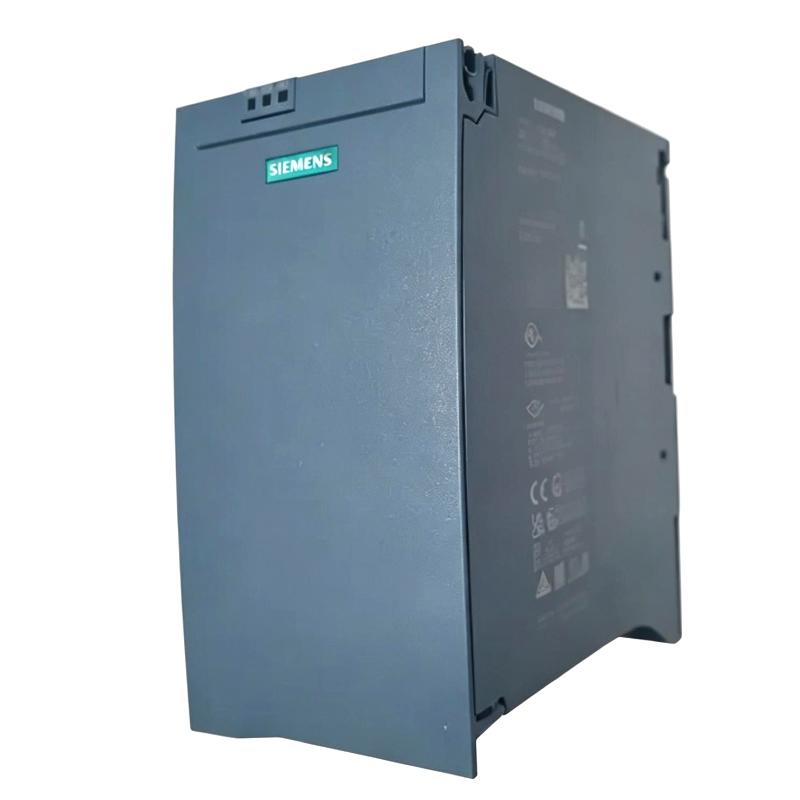
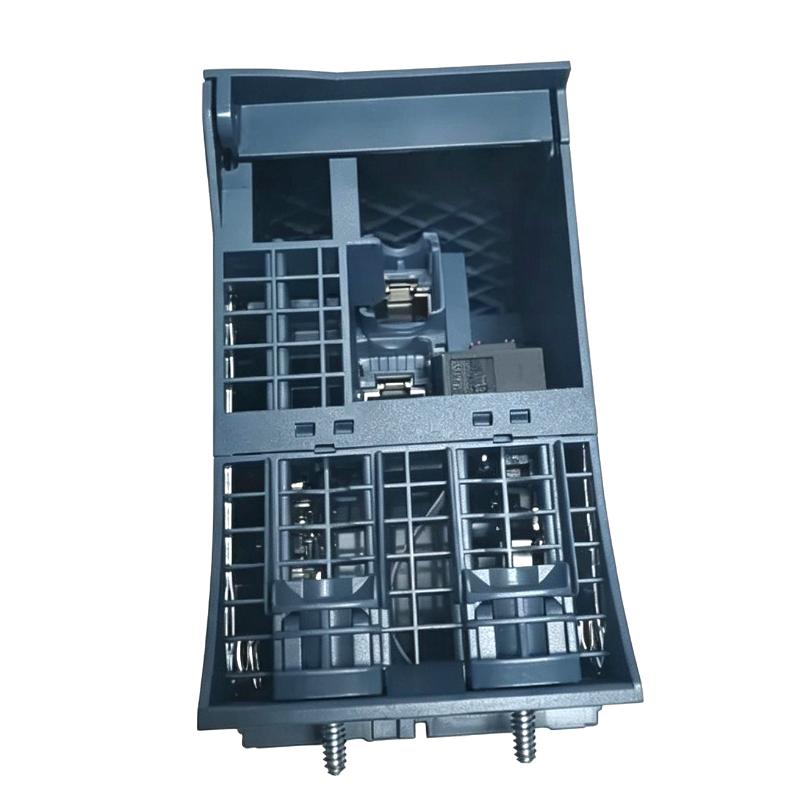
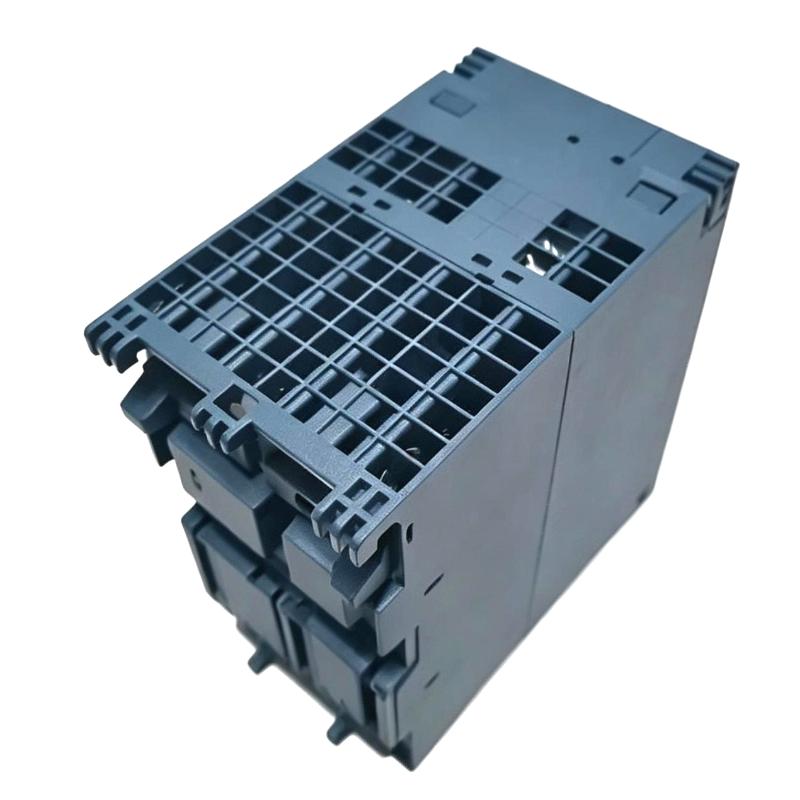
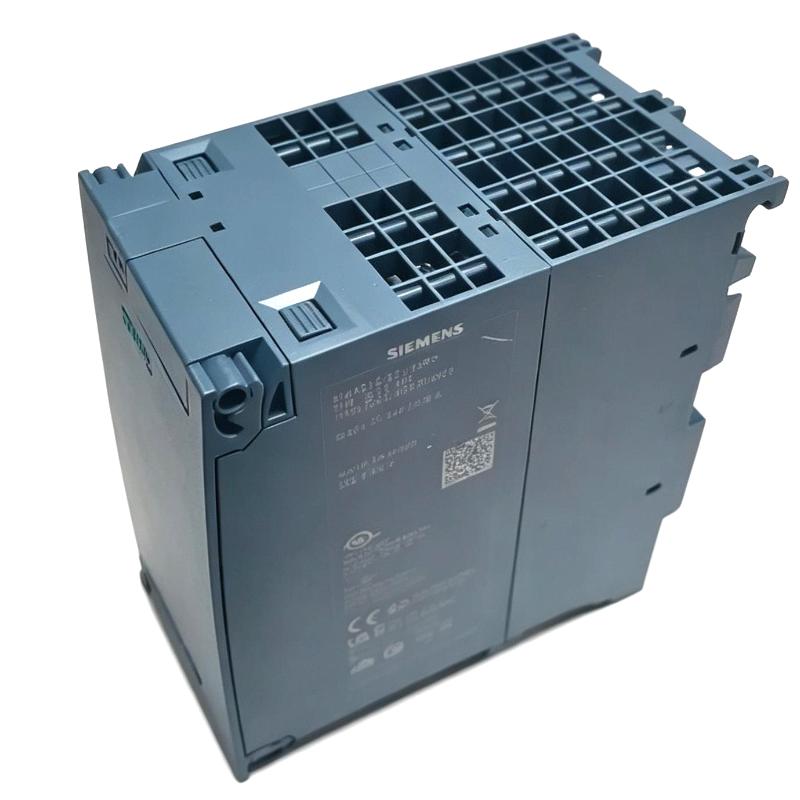
- Siemens
- 6AG1543-1MX00-7XE0
- Communication Module
- Germany
- 70 × 147 × 129 mm
- 0.607 kg
- Xiamen, China
- New & In Stock
- T/T, PayPal, Western Union
- 1 Year
- 1-3 Working Days
- DHL, UPS, TNT, FedEx and EMS.
- 24-Hour Service
- COO
- 31
Our advantage

Global Logistics
We have a 10-year logistics and express cooperation agreement, so our products can be shipped to any place in the world.

Brand new and original
Our products are imported in bulk from the place of origin. Because of the cooperative relationship, our products are all original and 100% new.

24-hour service
We provide 7*24 hours service to our customers. We will be there whenever you need us.

Price advantage
All our products are priced very favorably because we have our own warehouse and supply.
| Company Information | |||
| [email protected] | |||
| Mobile | +8615980777398 | ||
| +8615980777398 | |||
| 15980777398 |
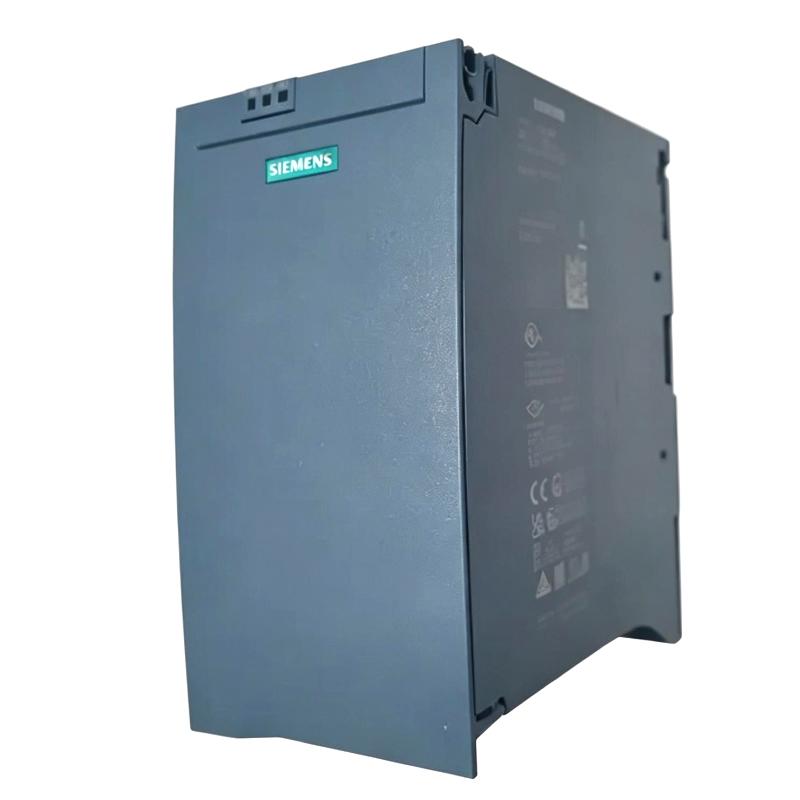
Product Overview
The Siemens 6AG1543-1MX00-7XE0 is a SIPLUS TIM 1531 IRC communication module for industrial remote communication applications. It belongs to the Siemens SIPLUS communication portfolio and is used to establish communication paths between automation systems and remote stations over suitable industrial communication networks.
The TIM 1531 IRC is particularly relevant to distributed automation architectures where the central control system needs to exchange process information with geographically separated stations. Instead of treating remote stations as isolated PLC installations, the communication module provides the interface needed to bring remote process data into the wider control architecture.
Typical applications include water and wastewater infrastructure, pumping stations, utility systems, remote process installations, and other distributed facilities. The module can work alongside an S7-based automation system to handle communication between the local controller and remote automation stations, while the PLC remains responsible for local control logic.
Technical Specifications
| Parameter | Specification |
|---|---|
| Manufacturer | Siemens |
| Product Model | 6AG1543-1MX00-7XE0 |
| Product Type | Communication Module |
| Product Family | SIPLUS |
| Series | TIM 1531 IRC |
| Communication Function | Industrial Remote Communication |
| System Role | Remote Communication Interface |
| Primary Function | Data Exchange with Remote Automation Stations |
| Application | Distributed and Remote Automation |
| Controller Integration | Siemens S7 Automation Systems |
| Communication Architecture | Remote Station / Control Center Communication |
| Installation | Industrial Automation Station |
| Dimensions | 70 × 147 × 129 mm |
| Weight | 0.607 kg |
Product Features
- SIPLUS TIM 1531 IRC communication module for distributed automation architectures.
- Provides a dedicated interface for industrial remote communication.
- Supports communication between local automation systems and remote stations.
- Suitable for geographically distributed process-control installations.
- Helps integrate remote process data into a centralized automation architecture.
- Can be used in infrastructure applications such as water, wastewater, utilities, and remote pumping systems.
- Works alongside the PLC rather than replacing the controller’s process-control functions.
- SIPLUS hardware is intended for industrial applications requiring enhanced environmental suitability.
Working Principle
The 6AG1543-1MX00-7XE0 operates as the communication interface between a local automation station and remote automation equipment. The local PLC handles the application and control logic, while the TIM module manages the communication path used to exchange information with remote stations.
For data arriving from a remote site, process information is transmitted through the configured communication network to the TIM 1531 IRC. The module passes the received information into the local automation system, where the PLC program can use it for monitoring, control coordination, alarms, or data processing.
Remote Automation Station → Communication Network → TIM 1531 IRC → Local Automation System → PLC / Control Application
For outgoing communication, the direction is reversed. Data generated by the local automation system is transferred to the TIM module and sent through the configured communication path toward the remote station.
This arrangement is useful in distributed control systems because the communication function is separated from local process execution. A remote pumping station, utility installation, or other unmanned facility can exchange operational information with a central control architecture without requiring the communication function to be implemented directly in the PLC application.
Role in a Siemens Distributed Automation Control Architecture
The 6AG1543-1MX00-7XE0 occupies the remote communication layer between local automation equipment and geographically separated stations. It extends the automation architecture beyond a single control cabinet and allows process information to move between local and remote sites.
| System Layer | Typical Component | Function |
|---|---|---|
| Central / Local Control | Siemens S7 CPU | Executes local PLC logic and process-control functions |
| Remote Communication | 6AG1543-1MX00-7XE0 | Provides the communication interface for remote automation |
| Communication Network | Industrial Remote Communication Network | Transfers data between local and remote stations |
| Remote Controller | Remote S7 Automation Station | Executes control functions at the remote site |
| Process Interface | Remote I/O / Field Devices | Collects process signals or controls field equipment |
| Supervisory Layer | SCADA / Control Center | Monitors distributed stations and process information |
| Process | Pumps / Valves / Utility Equipment | Performs the physical process operation |
Industrial Applications
| Application | Communication Role |
|---|---|
| Water Treatment | Exchanges process information between treatment facilities and remote automation stations |
| Wastewater Systems | Connects remote pumping or treatment installations with a central control architecture |
| Pumping Stations | Transfers operational and status information between remote stations and control systems |
| Utility Infrastructure | Supports communication between geographically distributed automation installations |
| Remote Process Plants | Connects isolated process equipment with centralized monitoring and control |
| Infrastructure Automation | Links multiple distributed stations into a coordinated automation network |
| Oil and Gas Facilities | Supports communication between remote equipment and central automation systems where applicable |
| System Modernization | Provides a dedicated communication interface for expanding distributed automation architectures |
Installation and Maintenance
- Confirm that the 6AG1543-1MX00-7XE0 matches the intended remote communication architecture before installation.
- Identify the local automation station, remote stations, and communication path associated with the module.
- Isolate the relevant control cabinet section according to the site’s electrical safety procedure.
- Inspect the communication module and connection interfaces for visible damage or contamination.
- Install the module in the specified automation station position.
- Ensure the module is properly seated and mechanically secured.
- Connect the communication interfaces according to the approved system and network documentation.
- Verify the configured local and remote communication parameters before commissioning.
- Check the PLC and communication configuration for consistency with the remote station architecture.
- Energize the system and inspect module diagnostics and communication status.
- Verify data exchange with the remote station and check for communication interruptions or diagnostic events.
- Record the module identification, communication configuration, remote station information, and maintenance history for future service work.
Related Components
| Component | Function in the System |
|---|---|
| Siemens S7 CPU | Executes local process-control and automation logic |
| Remote S7 Automation Station | Provides PLC control at the remote installation |
| SIPLUS I/O Modules | Interface with process sensors and actuators |
| Remote Communication Network | Provides the data path between distributed stations |
| SCADA System | Provides centralized monitoring and supervisory control |
| Remote I/O | Collects or distributes process signals at remote sites |
| Field Sensors | Provide process measurements to remote automation stations |
| Pumps / Valves / Actuators | Perform physical process-control operations |
Recommended Related Models
| Model | Product Type | Typical Relationship |
|---|---|---|
| Siemens 6AG1543-1AX00-2XE0 | SIPLUS NET CP 1543-1 Communication Processor | Related S7-1500 communication processor |
| Siemens 6AG1542-5DX00-7XE0 | SIPLUS S7-1500 PROFIBUS Communication Module | Related fieldbus communication module |
| Siemens 6AG1541-1AD00-7AB0 | SIPLUS S7-1500 Communication Module | Related communication interface for S7-1500 systems |
| Siemens 6AG1541-1AB00-7AB0 | SIPLUS S7-1500 Communication Module | Related communication module within the same platform |
| Siemens SIPLUS S7 Automation Modules | SIPLUS Automation Module Family | Associated automation hardware for distributed installations |
Key Advantages
- Provides dedicated communication capability for distributed automation applications.
- Connects local PLC systems with geographically separated automation stations.
- Supports centralized monitoring of remote process installations.
- Suitable for infrastructure and utility automation architectures.
- Separates remote communication functions from local PLC control logic.
- Fits SIPLUS-based industrial automation systems requiring enhanced environmental suitability.
Technical FAQs
What is the primary purpose of the TIM 1531 IRC?
The TIM 1531 IRC serves as a communication interface for distributed automation systems. It enables local automation equipment to exchange process information with remote stations through the configured industrial communication architecture.
Where is this communication module typically used?
It is particularly suited to distributed installations such as water and wastewater systems, pumping stations, utility infrastructure, and remote process facilities where automation stations are separated geographically.
Does the TIM 1531 IRC replace the PLC?
No. The module handles communication functions, while the PLC remains responsible for local application logic and process control. The communication module and controller therefore perform different functions within the automation architecture.
What should be checked when communication with a remote station is interrupted?
Check the module installation, communication connections, local and remote configuration, network path, module diagnostics, and the status of the remote automation station. Comparing the configured communication parameters at both ends is also useful when troubleshooting a communication fault.