

ProductPRODUCT
Featured products



Contact Us
- Emerson
- VE6018P1
- Ethernet Switch
- USA
- 250 x 50 x 130 mm
- 0.8 kg
- Xiamen, China
- New & In Stock
- T/T, PayPal, Western Union
- 1 Year
- 1-3 Working Days
- DHL, UPS, TNT, FedEx and EMS.
- 24-Hour Service
- COO
- 32
Our advantage

Global Logistics
We have a 10-year logistics and express cooperation agreement, so our products can be shipped to any place in the world.

Brand new and original
Our products are imported in bulk from the place of origin. Because of the cooperative relationship, our products are all original and 100% new.

24-hour service
We provide 7*24 hours service to our customers. We will be there whenever you need us.

Price advantage
All our products are priced very favorably because we have our own warehouse and supply.
| Company Information | |||
| [email protected] | |||
| Mobile | +8615980777398 | ||
| +8615980777398 | |||
| 15980777398 |
Product Overview
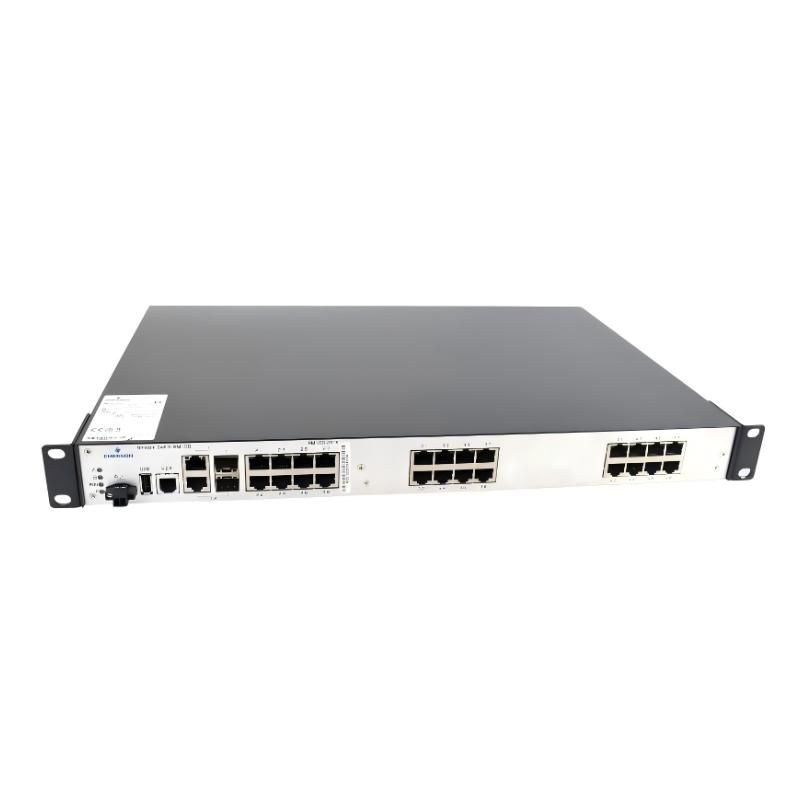
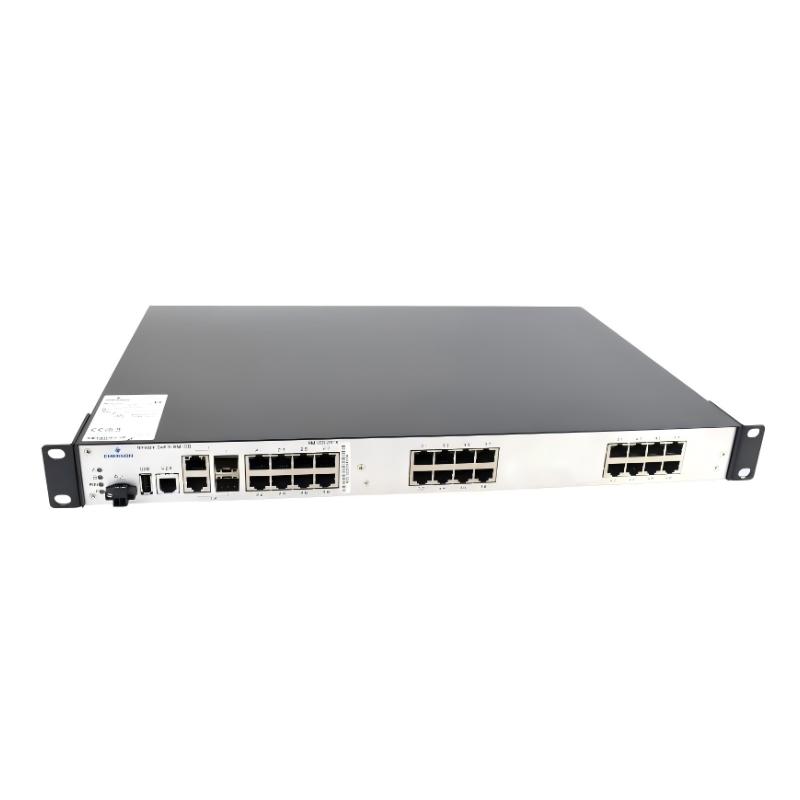
The Emerson VE6018P1 Ethernet Switch is an industrial networking component designed to support reliable Ethernet communication within process automation, industrial control, and distributed control system environments. As part of the Emerson VE6000 series of industrial networking equipment, the VE6018P1 can be incorporated into automation architectures where controllers, I/O systems, operator stations, engineering workstations, and other networked devices need dependable communication.
Industrial automation networks require stable data exchange between multiple control devices. Ethernet switches provide the infrastructure needed to connect these devices and organize communication across different parts of an automation system. The VE6018P1 is intended to perform this network switching role, allowing Ethernet-connected devices to communicate through a centralized industrial network interface.
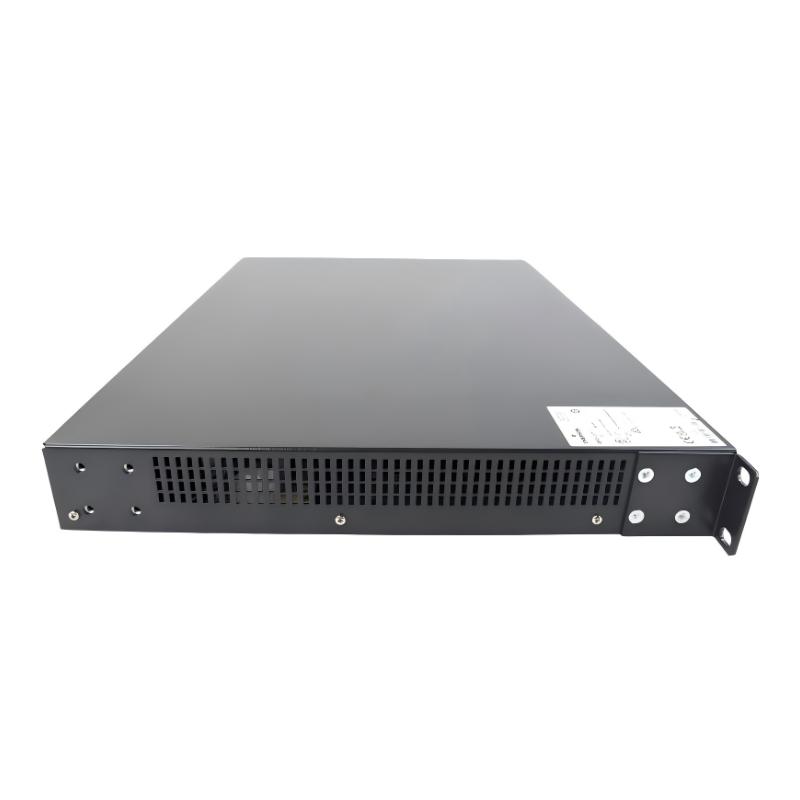
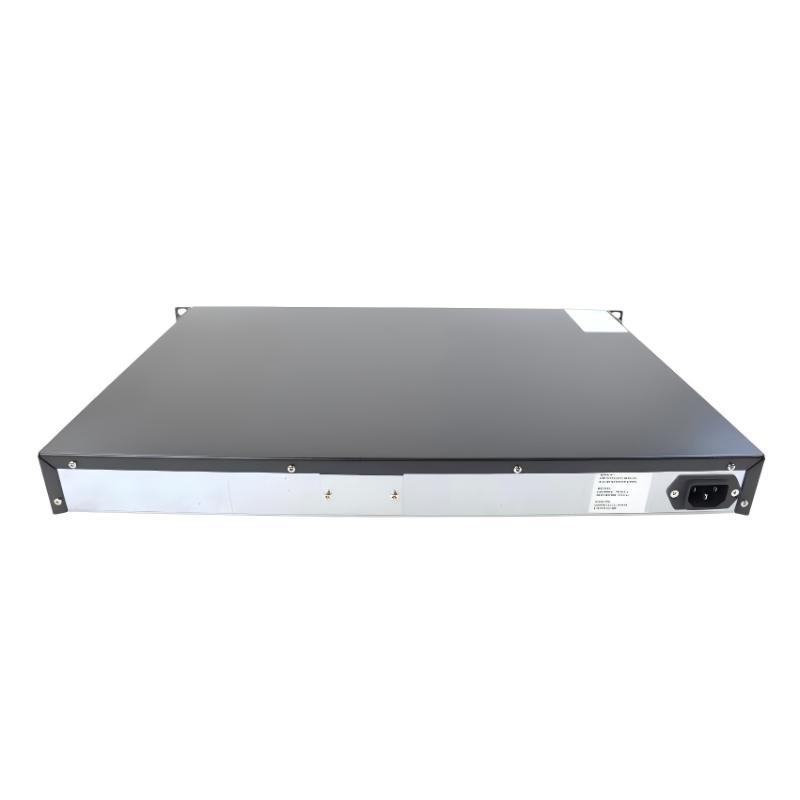
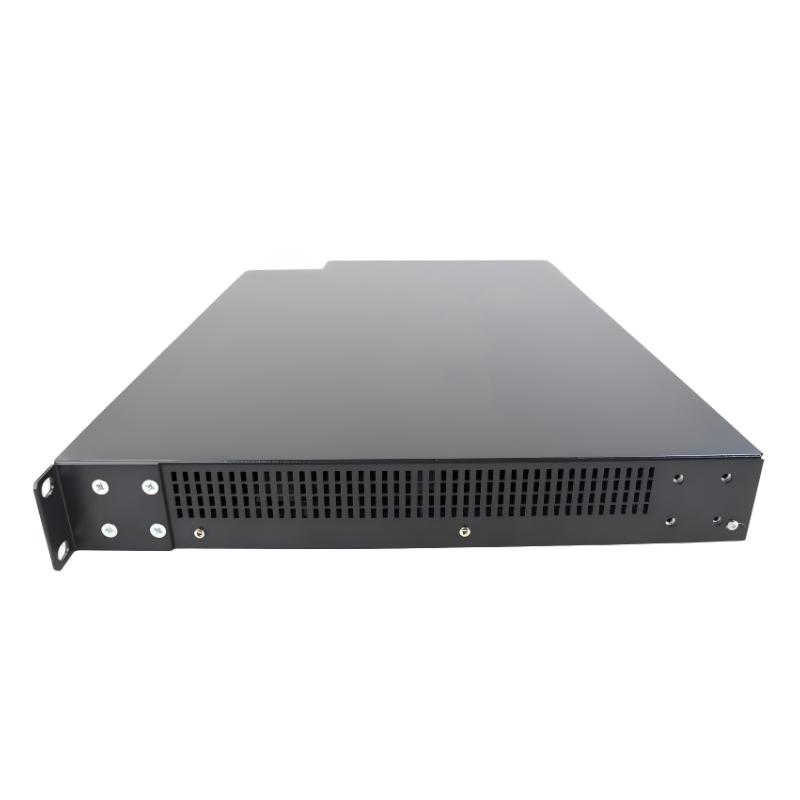
The Emerson VE6018P1 has listed dimensions of 250 × 50 × 130 mm and a weight of approximately 0.8 kg. Its relatively narrow 50 mm dimension makes the physical characteristics of the unit relevant when planning control cabinets, network enclosures, and equipment mounting arrangements.
In an industrial environment, an Ethernet switch is more than a simple office networking device. Network equipment used in automation systems must be considered as part of the overall control architecture. Proper installation, network segmentation, cable management, power arrangement, grounding, and commissioning are important factors in achieving stable communication.
The VE6018P1 can therefore be considered as a network infrastructure component that helps connect industrial automation equipment and maintain communication between different layers of a control system.
Technical Specifications
| Parameter | Specification |
|---|---|
| Manufacturer | Emerson |
| Model | VE6018P1 |
| Product Type | Industrial Ethernet Switch |
| Product Family | Emerson VE6000 Series |
| Primary Function | Ethernet network switching |
| Application | Industrial Automation and Process Control |
| Communication Medium | Industrial Ethernet |
| Network Role | Ethernet communication infrastructure |
| Dimensions | 250 × 50 × 130 mm |
| Weight | 0.8 kg |
| Installation | Industrial control cabinet / suitable equipment enclosure |
| Typical Applications | DCS, PLC, SCADA, process automation, industrial networking |
The exact port configuration, Ethernet speed, management functions, redundancy capabilities, power requirements, and environmental ratings should be verified against the specific hardware revision and system documentation before engineering or replacement work.
What Is the Emerson VE6018P1?
The VE6018P1 is an Emerson Ethernet switch designed to provide network connectivity for industrial automation systems.
An Ethernet switch receives network frames from connected devices and forwards them toward the appropriate destination. Instead of requiring every device to have a direct physical connection to every other device, the switch provides a centralized communication point.
A simplified industrial network can be represented as:
Controller → Ethernet Switch → I/O / HMI / Engineering Station / Other Network Devices
Depending on the architecture, several switches may also be interconnected to create larger industrial networks.
The VE6018P1 can therefore form part of the communication layer connecting different automation components. The exact architecture depends on the Emerson control platform, network design, connected devices, and application requirements.
Ethernet Switching Working Principle
An industrial Ethernet switch operates by receiving Ethernet frames from connected devices and forwarding those frames toward the appropriate network destination.
When a device transmits information, the switch examines the Ethernet frame and determines where the frame needs to be forwarded. This allows multiple devices to communicate across a shared network infrastructure.
The basic communication process is:
- An industrial device generates Ethernet data.
- The data is transmitted through the network cable.
- The VE6018P1 receives the Ethernet frame.
- The switch processes the frame information.
- The frame is forwarded toward the appropriate connected device.
- The destination device receives and processes the data.
This switching process is essential for distributed automation systems because many devices may need to exchange information simultaneously.
Role in Industrial Automation Systems
Industrial control systems depend on communication networks for transferring process information between controllers, I/O systems, operator interfaces, engineering stations, and supervisory systems.
The VE6018P1 can contribute to this communication infrastructure by providing Ethernet switching functionality.
Typical network functions include:
- Connecting industrial Ethernet devices
- Supporting controller-to-device communication
- Providing centralized network connectivity
- Connecting control and monitoring equipment
- Supporting distributed automation architectures
- Organizing network connections within control cabinets
- Providing a physical communication layer for industrial Ethernet systems
A well-designed industrial network can improve system organization and make troubleshooting easier because communication devices and network segments can be clearly structured.
Industrial Applications
Distributed Control Systems
The VE6018P1 can be incorporated into distributed control architectures where multiple control and monitoring devices exchange information across an industrial Ethernet network.
In a DCS environment, network infrastructure connects control processors, I/O subsystems, operator stations, engineering stations, and other system components.
PLC Automation
Industrial Ethernet switches are commonly used to connect PLC controllers with remote I/O, HMIs, drives, instrumentation gateways, and other Ethernet-capable devices.
The VE6018P1 can serve as part of this communication layer when compatible with the overall system architecture.
SCADA Systems
SCADA systems depend on communication between field-level equipment, controllers, servers, operator workstations, and network infrastructure.
An industrial Ethernet switch can provide the physical network connectivity required for these devices to exchange data.
Process Industries
Process plants often contain geographically distributed control equipment. Ethernet infrastructure allows different sections of the automation system to communicate while maintaining an organized network architecture.
Applications can include:
- Oil and gas facilities
- Chemical processing
- Power generation
- Water and wastewater treatment
- Pharmaceutical manufacturing
- Food and beverage processing
- Industrial utilities
- Manufacturing plants
Industrial Monitoring
The switch can also form part of networks used for equipment monitoring, data collection, alarm management, and supervisory control.
Industrial Ethernet Network Architecture
A typical industrial Ethernet architecture can contain several layers.
Field and Device Layer
This layer includes field devices, sensors, actuators, drives, instruments, and intelligent equipment.
Control Layer
PLCs, DCS controllers, remote I/O systems, and other control processors operate at this level.
Supervisory Layer
HMIs, SCADA servers, operator stations, and engineering workstations provide monitoring and configuration functions.
Network Infrastructure Layer
Ethernet switches such as the VE6018P1 provide the physical communication infrastructure connecting the different network devices.
A simplified architecture is:
Field Devices → Controllers → Ethernet Switch → HMI / SCADA / Engineering Station
The actual arrangement may be considerably more complex depending on the plant size and network topology.
Installation and System Integration
Correct installation is important for maintaining reliable industrial Ethernet communication.
Verify the Model
Before installation, confirm that the device identification corresponds to Emerson VE6018P1.
The following information should be checked:
- Complete model number
- Hardware revision
- Existing network configuration
- Connector arrangement
- Power requirements
- Installation location
- Connected network equipment
Cabinet Installation
The VE6018P1 should be mounted in a suitable industrial enclosure or equipment location according to the applicable mechanical installation requirements.
The listed dimensions are:
250 × 50 × 130 mm
Cabinet planning should account for the physical dimensions of the switch as well as cable routing and service access.
Network Cable Installation
Ethernet cables should be routed carefully to reduce the possibility of mechanical damage and electromagnetic interference.
Where high-power equipment is installed nearby, network cables should be appropriately separated from power cables and other strong sources of electrical interference.
Grounding
The equipment grounding arrangement should follow the requirements of the host automation system and applicable electrical installation practices.
Poor grounding or improper cabinet bonding can contribute to communication instability in industrial environments.
Power Connection
The correct power arrangement must be confirmed before energizing the switch. Do not assume the power requirements of one Emerson network device are identical to those of another model.
Commissioning Procedure
A structured commissioning procedure can reduce network startup problems.
Step 1: Confirm Physical Installation
Verify that the VE6018P1 is securely installed and that the enclosure provides appropriate environmental protection.
Step 2: Check Network Cabling
Inspect all connected Ethernet cables and connectors.
Confirm that:
- Cables are fully inserted
- Connectors are secure
- Cable routing is appropriate
- No visible cable damage exists
- Network connections correspond to the intended architecture
Step 3: Verify Power
Confirm the power connection before energizing the equipment.
Step 4: Check Network Devices
Verify that connected controllers, I/O systems, HMIs, and other network devices are operating normally.
Step 5: Check Communication
Test communication between the connected devices.
Depending on the system, communication checks may include:
- Controller communication
- I/O data exchange
- HMI communication
- Engineering workstation access
- SCADA communication
- Device diagnostics
Step 6: Monitor Network Stability
After startup, monitor the system for communication interruptions, unexpected alarms, packet-related problems, or intermittent device connections.
Troubleshooting the Emerson VE6018P1
Ethernet communication problems should be diagnosed as a complete network rather than immediately assuming that the switch itself has failed.
No Network Communication
Possible causes include:
- Missing power
- Incorrect network connection
- Damaged Ethernet cable
- Incorrect network configuration
- Faulty connected equipment
- Connector problems
- Network architecture issues
Start by checking power and physical connections before performing more complex diagnostics.
Intermittent Communication
Intermittent network problems can be caused by:
- Loose connectors
- Damaged cables
- Electromagnetic interference
- Power instability
- Poor grounding
- Network configuration problems
- Faulty network devices
If communication is available for several minutes and then disappears, monitoring the network and physical connections can help identify the source.
One Device Cannot Communicate
If only one connected device is experiencing communication problems, inspect the specific network path between that device and the switch.
Check:
- Device power
- Ethernet cable
- Connector
- Network interface
- Switch connection
- Device configuration
- Controller or application status
This approach can help distinguish a local device problem from a switch-level problem.
Multiple Devices Lose Communication
If several devices connected through the same network segment stop communicating simultaneously, investigate the shared network infrastructure.
Possible areas include:
- Switch power
- Network cabling
- Uplink connections
- Common network equipment
- Network configuration
- Electrical interference
A common failure affecting several devices is often more useful diagnostically than isolated device faults.
Preventive Maintenance
Industrial Ethernet infrastructure should be included in regular automation maintenance programs.
Inspect Ethernet Cables
Check cables for:
- Cuts
- Crushing
- Excessive bending
- Loose connectors
- Mechanical stress
- Improper routing
Inspect the Cabinet
Check for excessive dust, moisture, heat, vibration, or other environmental conditions that could affect electronic equipment.
Check Network Connections
Loose network connections can produce intermittent communication failures that may initially appear to be software or controller problems.
Review Network Diagnostics
Where system diagnostics are available, monitor communication behavior and investigate repeated communication faults.
Maintain Clear Documentation
Network drawings, cable identification, switch locations, device addresses, and connection information should be maintained as part of the automation documentation.
Clear documentation can significantly reduce troubleshooting time.
Replacement and Compatibility Considerations
When replacing an Emerson VE6018P1, the complete model number should be verified rather than selecting a replacement based only on physical appearance.
Important information includes:
- Emerson model number
- Hardware revision
- Network function
- Port arrangement
- Power requirements
- Network architecture
- Connected devices
- Mounting arrangement
- System configuration
The listed physical dimensions of the VE6018P1 are:
250 × 50 × 130 mm
The listed weight is:
0.8 kg
A replacement unit should be checked against the original equipment and the applicable system documentation before installation.
Compatible Industrial Automation Components
The VE6018P1 may form part of a larger automation architecture containing equipment such as:
| Component | Typical Function |
|---|---|
| Emerson Controllers | Process control |
| Emerson I/O Systems | Field signal acquisition and control |
| Ethernet Devices | Industrial communication |
| HMI Stations | Operator monitoring |
| SCADA Servers | Supervisory control and data acquisition |
| Engineering Workstations | System configuration and maintenance |
| Industrial Instruments | Process measurement |
| Remote I/O | Distributed field signal processing |
| Network Infrastructure | Data communication |
Compatibility should always be confirmed based on the actual Emerson control platform and network configuration.
Industrial Network Engineering Considerations
A reliable industrial Ethernet network requires more than selecting an Ethernet switch.
Network Segmentation
Large automation systems may benefit from dividing networks into logical or physical segments. Proper segmentation can help control network traffic and simplify troubleshooting.
Cable Management
Industrial Ethernet cables should be clearly identified and routed in an organized manner.
Good cable management makes maintenance and fault diagnosis easier.
Electromagnetic Compatibility
Network cables should be routed carefully around motors, drives, contactors, transformers, and other equipment capable of producing electrical interference.
Redundancy Planning
Applications requiring high availability may use redundant network paths or other resilience strategies. The suitability of a particular redundancy arrangement depends on the switch capabilities and overall system architecture.
Documentation
Network diagrams should identify switches, controllers, connected devices, cable routes, and important configuration information.
A well-documented network is easier to maintain and troubleshoot.
Physical Dimensions and Handling
The Emerson VE6018P1 Ethernet Switch has listed dimensions of:
250 × 50 × 130 mm
Its listed weight is:
0.8 kg
These physical specifications are important when planning:
- Control cabinet layout
- Network enclosure installation
- Replacement logistics
- Equipment transportation
- Service access
- Cable routing
- Maintenance clearance
The relatively narrow 50 mm dimension can be useful when arranging multiple network and automation components in a compact enclosure.
The unit should be handled carefully during installation to avoid mechanical stress on connectors and the housing.
Key Advantages
The Emerson VE6018P1 provides several practical benefits when incorporated into a properly engineered industrial network:
- Industrial Ethernet switching functionality
- Suitable for process automation network architectures
- Supports centralized network connectivity
- Can connect multiple Ethernet-based automation devices
- Suitable for DCS, PLC, SCADA, and industrial control environments
- Compact physical design
- Listed dimensions of 250 × 50 × 130 mm
- Listed weight of 0.8 kg
- Supports organized industrial network architecture
- Suitable for control cabinet and automation infrastructure applications
The overall performance of an industrial Ethernet network depends on the complete system design, including cabling, network configuration, power, grounding, connected devices, and environmental conditions.
Technical FAQs
What is the Emerson VE6018P1?
The Emerson VE6018P1 is an industrial Ethernet switch designed to provide network connectivity within industrial automation and process control systems.
What is the main function of the VE6018P1?
Its primary function is Ethernet network switching, allowing compatible industrial devices to communicate through an organized network infrastructure.
What are the dimensions of the VE6018P1?
The listed dimensions are 250 × 50 × 130 mm.
How much does the VE6018P1 weigh?
The listed weight is approximately 0.8 kg.
Where can the VE6018P1 be used?
It can be used as part of industrial Ethernet infrastructure for applications involving DCS, PLCs, SCADA systems, HMIs, remote I/O, and other networked automation equipment, provided the specific system configuration is compatible.
Can the VE6018P1 connect PLCs and HMIs?
An industrial Ethernet switch can provide the network connection between PLCs, HMIs, and other Ethernet-enabled devices. The actual communication capability depends on the connected equipment and network configuration.
What should be checked before replacing a VE6018P1?
The complete model number, hardware revision, network configuration, port arrangement, power requirements, mounting arrangement, and host-system compatibility should be checked before replacement.
What can cause communication problems?
Communication problems can result from power issues, damaged Ethernet cables, loose connectors, configuration errors, electromagnetic interference, grounding problems, connected-device faults, or network infrastructure problems.
Is the VE6018P1 suitable for a DCS network?
The VE6018P1 can form part of an industrial network architecture used with distributed control systems when its characteristics and network functions are compatible with the specific DCS configuration.
Why are the physical dimensions important?
The 250 × 50 × 130 mm dimensions are important for cabinet planning, equipment mounting, cable routing, maintenance access, and replacement preparation.
Conclusion
The Emerson VE6018P1 Ethernet Switch is an industrial network infrastructure component designed to support Ethernet communication in automation and process control environments. By providing a centralized switching point for network-connected equipment, it can help connect controllers, I/O systems, operator interfaces, engineering stations, SCADA equipment, and other industrial devices.
With listed dimensions of 250 × 50 × 130 mm and a weight of 0.8 kg, the VE6018P1 offers a compact physical format for integration into industrial networking and control equipment.
For installation, replacement, or troubleshooting, the complete VE6018P1 model designation should be verified together with the hardware revision and system configuration. Proper cable installation, power verification, grounding, network organization, and commissioning are essential for dependable industrial Ethernet communication.
The VE6018P1 should ultimately be evaluated as part of the complete automation network rather than as an isolated component. When correctly integrated into a compatible Emerson control architecture, an industrial Ethernet switch can provide an important communication foundation for reliable process monitoring, control, and data exchange.