

ProductPRODUCT
Featured products



Contact Us
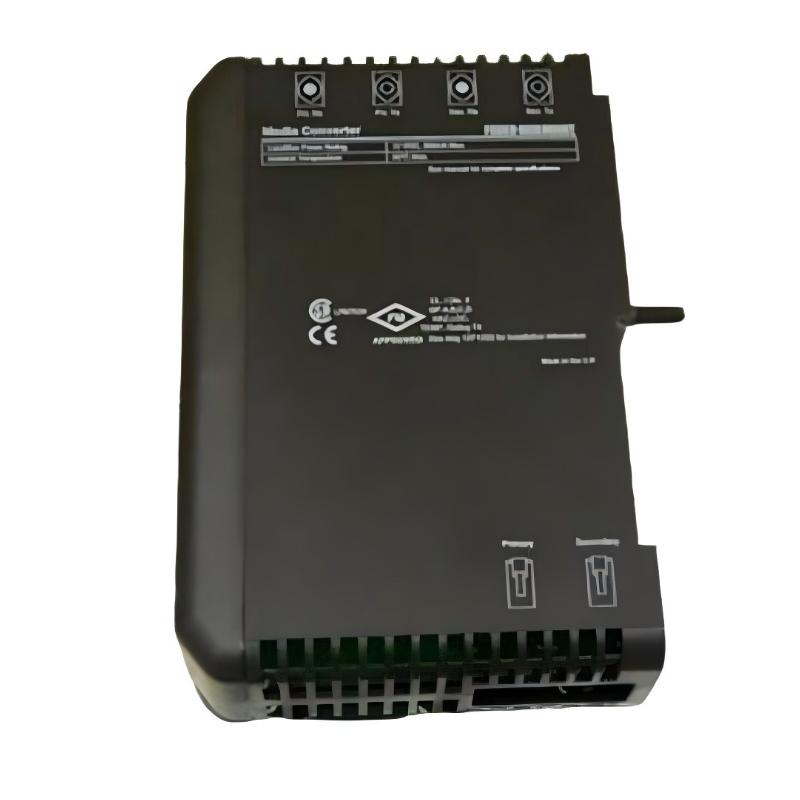
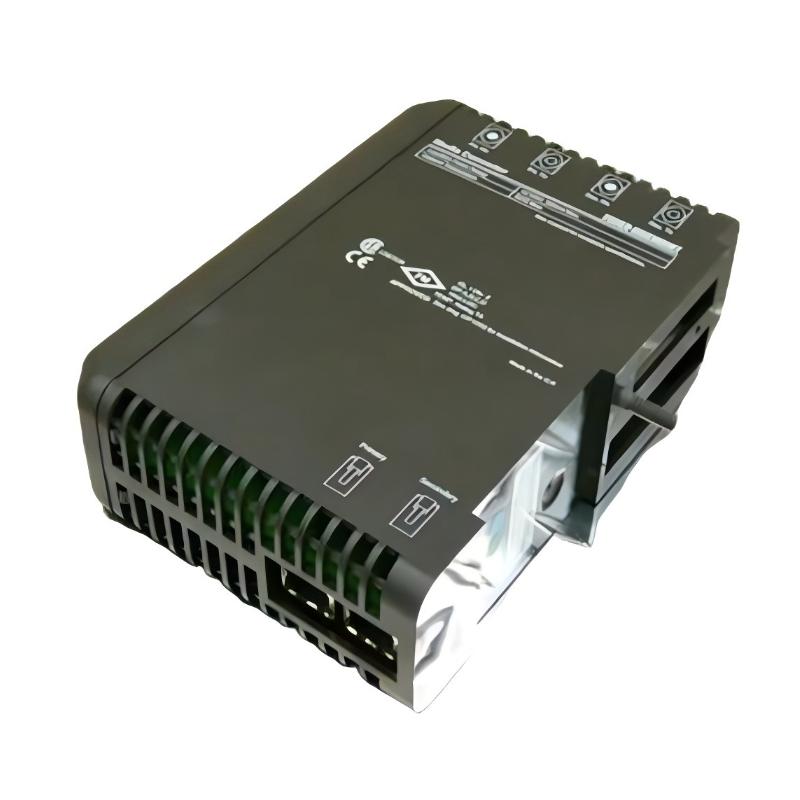
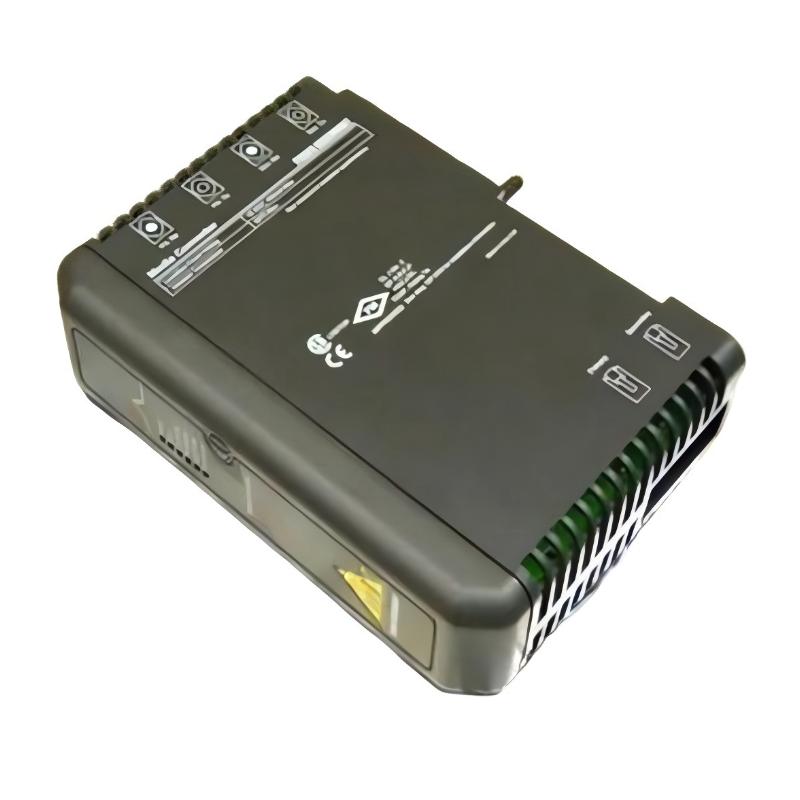
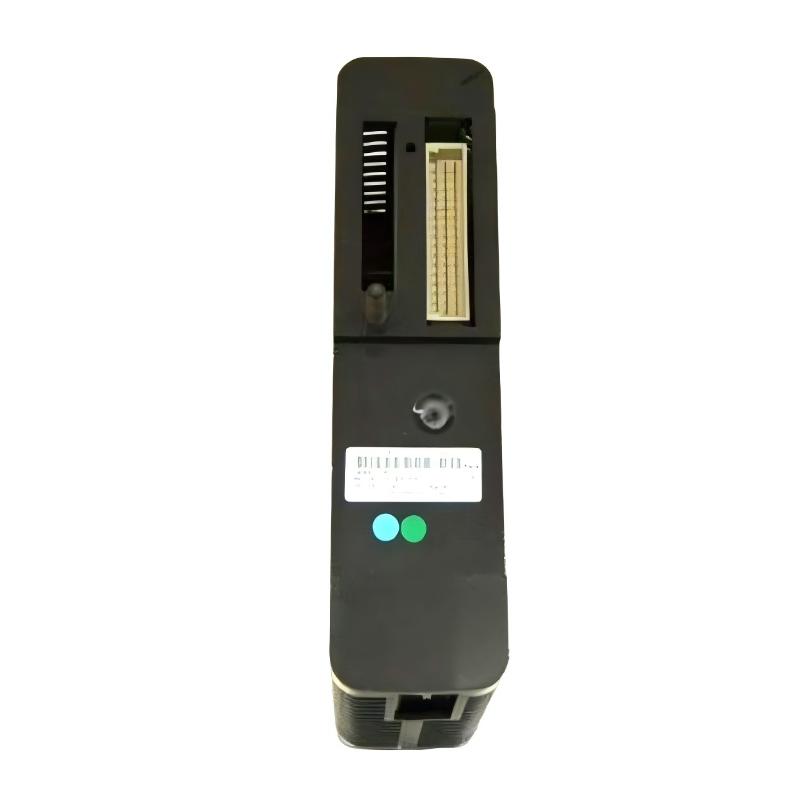
- Emerson
- VE6006
- Media Converter
- USA
- 44 x 178 x 115 mm
- 0.7 kg
- Xiamen, China
- New & In Stock
- T/T, PayPal, Western Union
- 1 Year
- 1-3 Working Days
- DHL, UPS, TNT, FedEx and EMS.
- 24-Hour Service
- COO
- 26
Our advantage

Global Logistics
We have a 10-year logistics and express cooperation agreement, so our products can be shipped to any place in the world.

Brand new and original
Our products are imported in bulk from the place of origin. Because of the cooperative relationship, our products are all original and 100% new.

24-hour service
We provide 7*24 hours service to our customers. We will be there whenever you need us.

Price advantage
All our products are priced very favorably because we have our own warehouse and supply.
| Company Information | |||
| [email protected] | |||
| Mobile | +8615980777398 | ||
| +8615980777398 | |||
| 15980777398 |
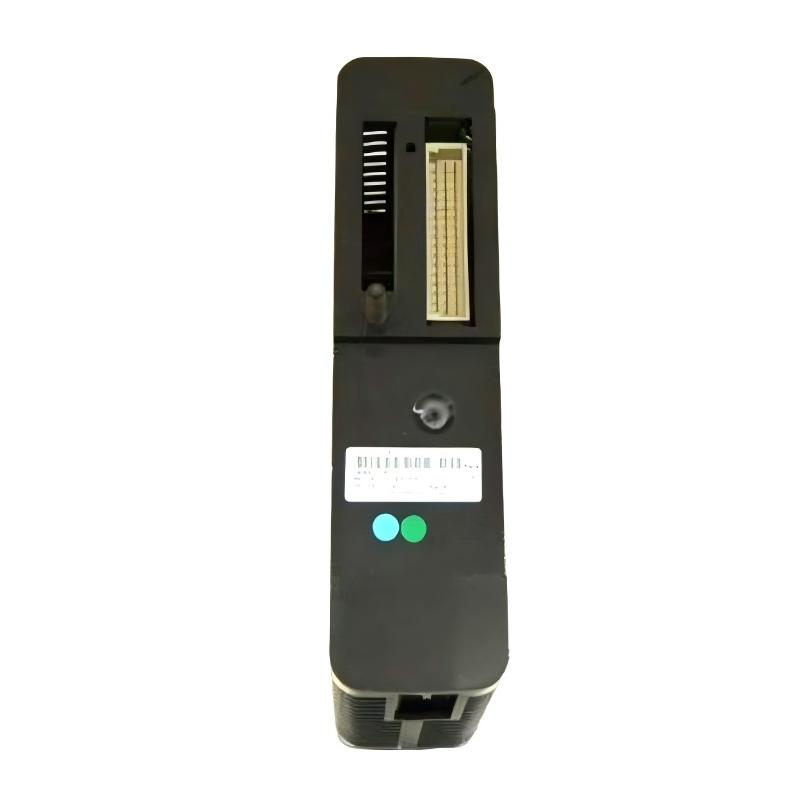
Product Overview
The Emerson VE6006 Media Converter is an industrial communication interface component designed to support network connectivity and signal transmission within compatible automation and process-control systems. Media conversion is particularly important in industrial environments where different physical communication media must be integrated into a common control architecture.
Within an industrial automation network, communication equipment may need to connect devices operating through different transmission media. A media converter provides an interface between compatible network technologies, helping communication signals move between network segments while maintaining the overall architecture of the control system.
The Emerson VE6006 is identified as a Media Converter with listed dimensions of 44 × 178 × 115 mm and a weight of 0.7 kg. Its compact industrial form factor allows it to be incorporated into control cabinets, communication enclosures, and process automation installations where reliable network connectivity is required.
The VE6006 can be considered as part of the communication layer of an industrial automation system. Depending on the host architecture, it may work alongside controllers, I/O systems, network interface equipment, operator stations, engineering workstations, and other communication components.
Because industrial network configurations can vary significantly, the exact communication media, supported protocols, ports, transmission distances, and network topology should always be confirmed against the specific VE6006 hardware configuration and system documentation.
Technical Specifications
| Parameter | Specification |
|---|---|
| Manufacturer | Emerson |
| Model | VE6006 |
| Product Type | Media Converter |
| Application | Industrial Automation and Process Control |
| Primary Function | Industrial network media conversion |
| Dimensions | 44 × 178 × 115 mm |
| Weight | 0.7 kg |
| Installation | Industrial control / communication equipment |
| System Role | Communication interface |
| Typical Application | Process automation and industrial networking |
Exact communication interfaces, supported media types, transmission rates, protocols, power requirements, and environmental ratings should be verified for the specific VE6006 configuration before installation.
What Is the Emerson VE6006?
The Emerson VE6006 Media Converter is a communication component used to support connectivity between compatible network segments within an industrial automation architecture.
Industrial control systems frequently contain equipment from different generations or with different physical communication requirements. A communication interface may therefore be required to connect equipment while maintaining a structured network architecture.
The VE6006 provides media-conversion functionality within this type of environment.
A simplified architecture can be represented as:
Controller → Industrial Network → VE6006 Media Converter → Network Segment → Remote Automation Equipment
The actual arrangement depends on the Emerson control platform and the network design.
The media converter does not replace the controller or I/O system. Instead, it operates as part of the communication infrastructure that allows different sections of an automation system to exchange information.
Media Conversion Working Principle
A media converter generally receives communication signals through one compatible physical interface and converts them into a corresponding signal suitable for another network medium.
The process can be simplified into several stages.
Signal Reception
The converter receives data from one side of the network connection.
Signal Processing
The communication interface processes the incoming signal according to the converter’s supported hardware architecture.
Media Conversion
The electrical or physical characteristics of the communication signal are adapted to the corresponding network interface.
Signal Transmission
The converted communication signal is transmitted through the connected network segment.
This allows equipment using compatible but different physical communication media to participate in the same overall automation architecture.
The exact conversion method and supported media depend on the specific VE6006 implementation.
Role in Industrial Automation Networks
Communication reliability is critical in modern industrial automation systems.
Controllers must exchange information with:
- Remote I/O systems
- Distributed control equipment
- Operator interfaces
- Engineering workstations
- Supervisory systems
- Network switches
- Process instruments
- Diagnostic systems
- Other automation controllers
A media converter can provide an important connection point within this communication architecture.
The VE6006 can therefore contribute to:
- Network segmentation
- Communication infrastructure expansion
- Physical media integration
- Remote equipment connectivity
- Control-system communication
- Network architecture modernization
- Industrial system maintenance
A correctly designed network allows control data to move between the appropriate system components while maintaining the required communication architecture.
Industrial Applications
The Emerson VE6006 Media Converter can be used in industrial environments where compatible network media must be integrated.
Potential application areas include:
Process Automation
Process plants frequently contain distributed controllers, I/O systems, operator stations, and communication equipment spread across different areas.
A media conversion component can help integrate network segments within this distributed architecture.
Oil and Gas
Industrial communication networks in oil and gas facilities may connect equipment over extended plant areas.
Media conversion can support communication infrastructure where different network media are required.
Chemical Processing
Chemical plants depend on reliable communication between control equipment and distributed process systems.
The VE6006 can form part of the communication infrastructure connecting compatible system segments.
Power and Utilities
Utility facilities often contain multiple automation systems and communication networks.
Media conversion equipment can help connect network sections within the overall control architecture.
Manufacturing
Manufacturing facilities can use industrial communication networks to connect PLCs, controllers, remote I/O, HMIs, and supervisory systems.
A media converter can support communication between compatible network segments.
Water and Wastewater
Water-treatment facilities often use distributed automation equipment across pumping stations, treatment processes, and control rooms.
Network communication equipment helps maintain connectivity between these system areas.
Network Architecture Considerations
Before installing a media converter, the overall network architecture should be reviewed.
Important considerations include:
- Network topology
- Communication media
- Transmission distance
- Network addressing
- Device compatibility
- Communication protocol
- Redundancy requirements
- Electromagnetic environment
- Cabinet location
- Power availability
- Maintenance access
The VE6006 should be installed in a position that provides appropriate access to its communication connections while protecting the equipment from unnecessary mechanical and environmental stress.
Installation Guide
1. Verify the Model
Before installation, confirm that the component is the correct Emerson VE6006 Media Converter.
Check:
- Model number
- Hardware identification
- Connector arrangement
- Existing network architecture
- Replacement component information
- Associated Emerson equipment
Physical dimensions alone should not be used to establish compatibility.
2. Review the Network Design
Determine where the media converter is located within the communication architecture.
Identify the network segment connected to each side of the converter and verify that the selected configuration is appropriate.
3. Prepare the Installation Location
The VE6006 has listed dimensions of 44 × 178 × 115 mm.
Adequate cabinet space should be provided for:
- The converter itself
- Communication cables
- Connectors
- Cable routing
- Maintenance access
- Ventilation where required
4. Connect the Communication Interfaces
Connect the appropriate network cables according to the system wiring design.
Communication cables should be routed carefully to reduce unnecessary interference and mechanical stress.
5. Verify Cable Routing
Avoid routing sensitive communication cables directly alongside high-current power conductors where this could introduce unwanted electrical interference.
Where required by the system design, appropriate shielding and grounding practices should be followed.
6. Power and Startup Verification
Before energizing the system, verify the applicable power connections and installation requirements.
After startup, check the converter’s indicators and network communication status where applicable.
7. Verify Network Communication
Confirm that the connected network devices can communicate correctly through the media-conversion path.
Communication should be tested from both sides of the network connection where appropriate.
Commissioning Procedure
A structured commissioning process can reduce communication-related troubleshooting.
Step 1: Inspect the Installation
Check the physical mounting, connectors, cables, and cabinet arrangement.
Step 2: Confirm Network Connections
Verify that each communication cable is connected to the intended network interface.
Step 3: Energize the Equipment
Power the system according to the applicable equipment procedures.
Step 4: Check Status Indicators
Where status indicators are provided, observe their operating condition.
Unexpected indicator states should be investigated before continuing commissioning.
Step 5: Test Communication
Confirm communication between the connected network segments.
Step 6: Check Controller Diagnostics
Review controller, network, or supervisory-system diagnostics for communication faults.
Step 7: Record the Configuration
Document the installed VE6006 location, connected network segments, and relevant configuration information for future maintenance.
Troubleshooting the Emerson VE6006
Communication problems should be diagnosed as a complete network system rather than immediately assuming that the media converter has failed.
No Communication
If devices on one side of the converter cannot communicate with devices on the other side, inspect:
- Network cables
- Connector condition
- Interface connections
- Power supply
- Network configuration
- Device status
- Network topology
- Communication diagnostics
A damaged cable can produce symptoms similar to a converter fault.
Intermittent Communication
Intermittent network problems may be associated with:
- Loose connectors
- Cable damage
- Electromagnetic interference
- Poor grounding
- Network configuration problems
- Environmental conditions
- Hardware degradation
Monitoring communication while inspecting the physical installation can help isolate the problem.
Link Status Problem
If a network link does not establish correctly, verify the physical connection and confirm that the connected devices and communication media are compatible.
The cable should also be inspected for mechanical damage.
Communication Errors
Repeated communication errors may be caused by:
- Incorrect network configuration
- Signal-quality problems
- Cable problems
- Network topology issues
- Incompatible interfaces
- Faulty communication equipment
Network diagnostics should be used where available.
Preventive Maintenance
Although a media converter normally requires less routine maintenance than mechanical equipment, periodic inspection is still useful in industrial environments.
Inspect Communication Cables
Check cables for:
- Physical damage
- Excessive bending
- Loose connections
- Connector contamination
- Mechanical stress
Check Cabinet Conditions
The installation area should be kept clean and protected from excessive dust, moisture, vibration, and heat.
Inspect Connectors
Loose or contaminated connectors can result in intermittent communication.
Monitor Network Performance
Unexpected increases in communication faults or network interruptions may indicate developing problems within the communication infrastructure.
Maintain Configuration Records
Network documentation should be updated whenever equipment or communication connections are modified.
Replacement Considerations
When replacing an Emerson VE6006 Media Converter, the complete model identification should be checked before installation.
Important information includes:
- Model number
- Hardware revision where applicable
- Connector configuration
- Network media
- Connected devices
- Installation location
- System architecture
- Power requirements
- Communication requirements
A visually similar communication module should not automatically be considered an equivalent replacement.
The replacement component must be compatible with the network architecture and the host Emerson control system.
Physical Dimensions and Handling
The listed physical specifications of the Emerson VE6006 are:
Dimensions: 44 × 178 × 115 mm
Weight: 0.7 kg
These values can be useful for:
- Cabinet layout
- Replacement planning
- Spare-parts management
- Shipping preparation
- Installation planning
- Maintenance logistics
Because communication equipment can be connected to multiple cables, sufficient clearance should be considered around the device even when the physical enclosure itself is compact.
Compatible Automation System Components
The VE6006 may form part of an industrial communication architecture containing several types of equipment.
Typical associated components can include:
| Component | General Function |
|---|---|
| Emerson Controller | Executes control logic |
| Remote I/O | Collects and distributes field signals |
| Network Switch | Connects multiple network devices |
| Media Converter | Connects compatible network media |
| HMI | Provides operator visualization |
| Engineering Workstation | Supports configuration and maintenance |
| Supervisory System | Provides process monitoring |
| Communication Cable | Transfers network data |
| Process Instrumentation | Provides process measurements |
The exact components depend on the control-system architecture.
Engineering Best Practices
Several engineering practices can help improve the reliability of an industrial communication installation.
Design the Network Before Installation
The communication path should be documented before physical installation begins.
Keep Network Cabling Organized
Clear cable routing makes maintenance and troubleshooting easier.
Separate Communication and Power Cabling
Where appropriate, communication cables should be routed separately from high-power conductors to reduce potential interference.
Document Network Connections
Record which network segment is connected to each interface.
Maintain Spare Components
Keeping suitable replacement communication equipment in inventory can reduce downtime during unexpected failures.
Verify Before Replacement
When a communication fault occurs, verify cables, connectors, power, network configuration, and connected equipment before replacing the media converter.
Key Advantages
The Emerson VE6006 Media Converter provides several practical benefits within compatible industrial automation systems:
- Supports industrial network media integration
- Helps connect different network segments
- Contributes to flexible automation network architecture
- Suitable for process-control communication infrastructure
- Compact physical design
- Listed dimensions of 44 × 178 × 115 mm
- Listed weight of 0.7 kg
- Supports maintenance and network expansion planning
- Can form part of distributed industrial automation systems
Technical FAQs
What is the Emerson VE6006?
The Emerson VE6006 is a Media Converter designed to support communication connectivity within compatible industrial automation and process-control systems.
What is the main function of a media converter?
A media converter adapts communication signals between compatible physical network media, allowing network segments using different media to communicate within an appropriate system architecture.
What are the dimensions of the VE6006?
The listed dimensions are 44 × 178 × 115 mm.
How much does the VE6006 weigh?
The listed weight is 0.7 kg.
Where can a VE6006 be used?
It can be used in compatible industrial automation, process-control, manufacturing, utilities, and other industrial communication applications where network media conversion is required.
Can the VE6006 be replaced by any media converter with the same dimensions?
No. Physical dimensions do not determine communication compatibility. The network media, interfaces, system architecture, and equipment requirements must all be verified.
What can cause communication problems with a media converter?
Possible causes include damaged cables, loose connectors, incorrect network configuration, power problems, electromagnetic interference, incompatible interfaces, or faults elsewhere in the network.
Does the VE6006 replace an industrial controller?
No. A media converter is a communication infrastructure component. It does not replace a PLC, DCS controller, remote I/O controller, or process-control CPU.
What should be checked before installing a replacement VE6006?
The model identification, communication interfaces, network architecture, cable configuration, power requirements, and compatibility with the host automation system should be checked before installation.
Conclusion
The Emerson VE6006 Media Converter is an industrial communication component designed to support network connectivity within compatible automation and process-control environments. By providing media-conversion functionality, it can help integrate network segments and communication equipment within a structured industrial automation architecture.
With listed dimensions of 44 × 178 × 115 mm and a weight of 0.7 kg, the VE6006 offers a compact form factor suitable for industrial control and communication installations where cabinet space and organized network infrastructure are important.
Reliable operation depends on correct network design, compatible communication interfaces, proper cable installation, suitable environmental conditions, and appropriate commissioning procedures. When replacing an existing VE6006, the complete model identification and communication architecture should always be verified rather than relying on physical appearance alone.
For industrial maintenance and automation engineering, the Emerson VE6006 Media Converter can serve as an important communication-layer component supporting connectivity between compatible network segments and helping maintain reliable information exchange across distributed control-system infrastructure.