

ProductPRODUCT
Featured products
Contact Us
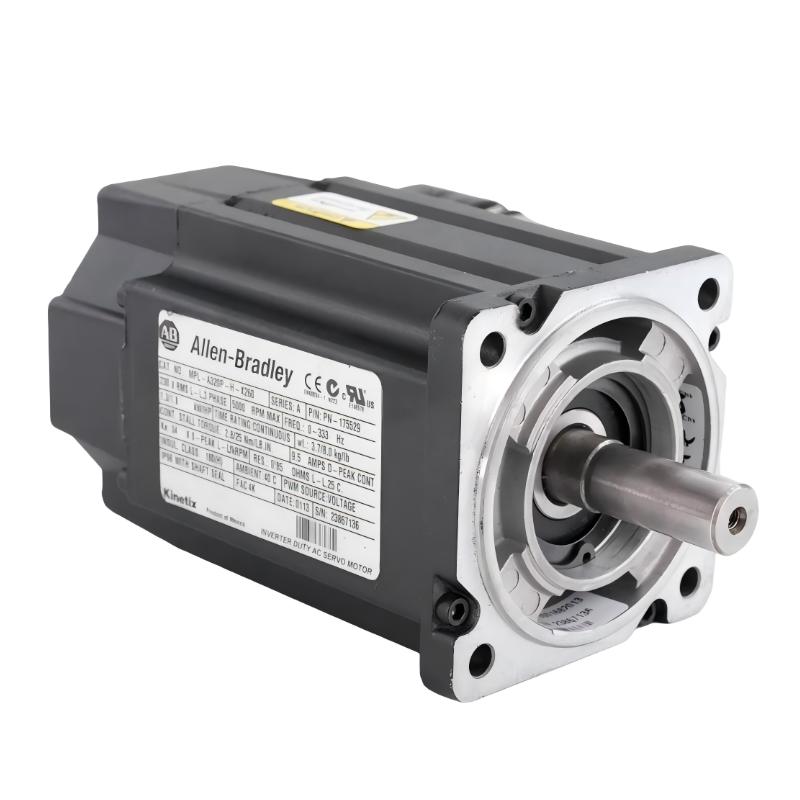
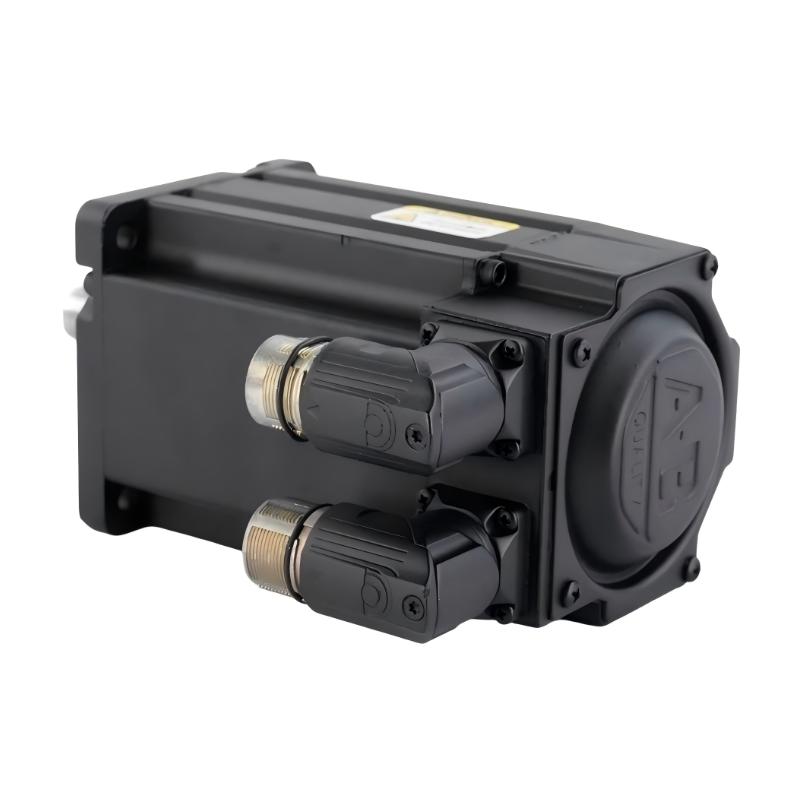
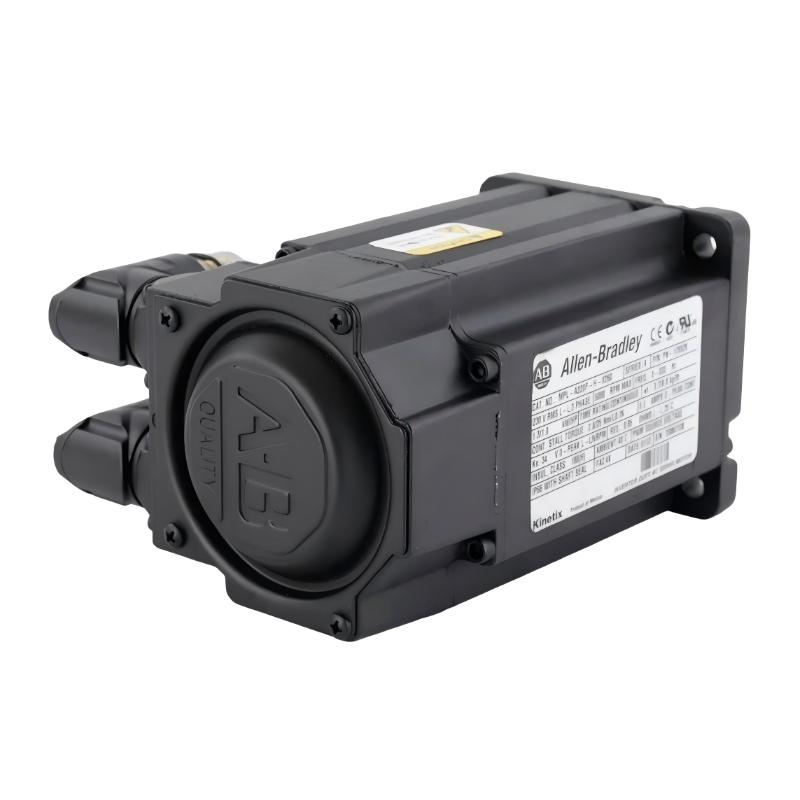
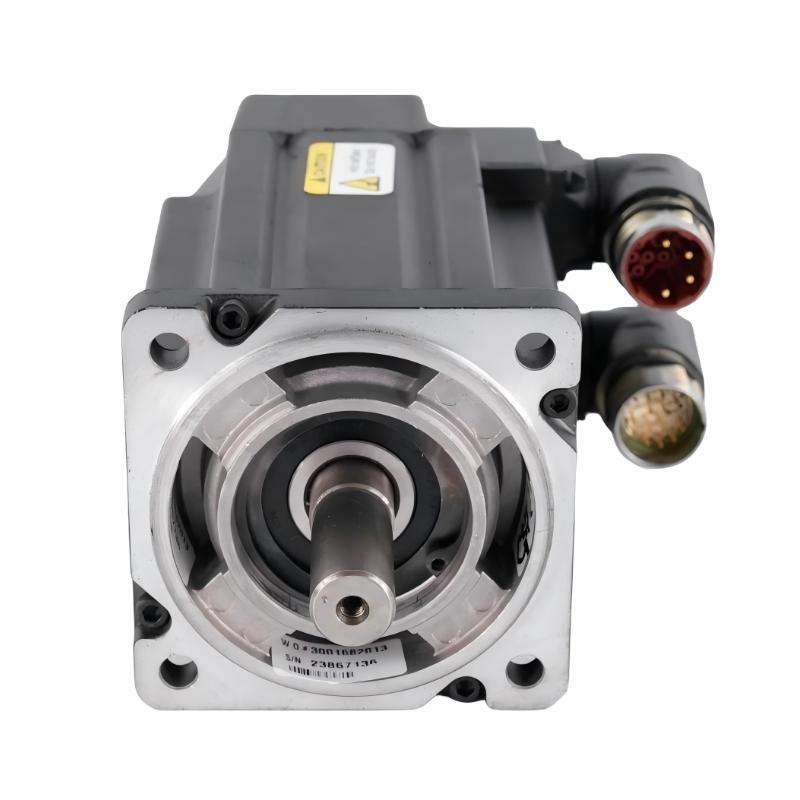
- Allen Bradley
- MPL-A320P-H-X260
- Rotary Servo Motor
- USA
- 550 × 150 × 380 mm
- 8 kg
- Xiamen, China
- New & In Stock
- T/T, PayPal, Western Union
- 1 Year
- 1-3 Working Days
- DHL, UPS, TNT, FedEx and EMS.
- 24-Hour Service
- COO
- 5
Our advantage

Global Logistics
We have a 10-year logistics and express cooperation agreement, so our products can be shipped to any place in the world.

Brand new and original
Our products are imported in bulk from the place of origin. Because of the cooperative relationship, our products are all original and 100% new.

24-hour service
We provide 7*24 hours service to our customers. We will be there whenever you need us.

Price advantage
All our products are priced very favorably because we have our own warehouse and supply.
| Company Information | |||
| [email protected] | |||
| Mobile | +8615980777398 | ||
| +8615980777398 | |||
| 15980777398 |
Product Overview
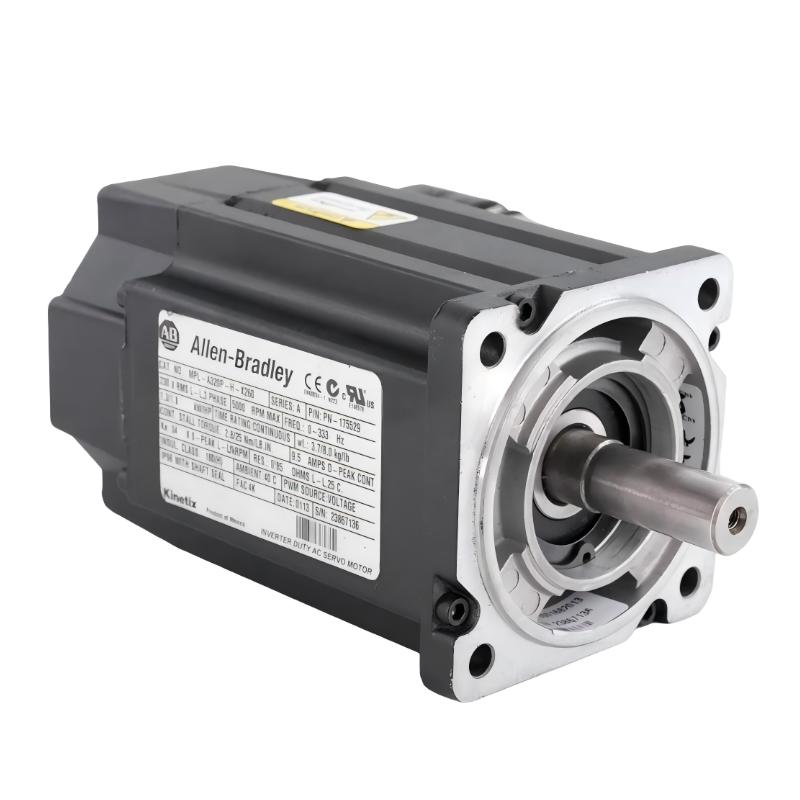
The Allen Bradley MPL-A320P-H-X260 is a rotary servo motor for industrial motion-control applications where controlled rotation, repeatable positioning, and coordinated machine movement are required. It belongs to the Allen Bradley MPL servo motor family and can be integrated with a compatible servo drive and motion controller.
This type of motor is commonly used as the drive element for machine axes such as indexing mechanisms, rotary tables, conveyors, feeders, actuators, and other automated equipment. Its rotary output can also be transferred through a gearbox, coupling, belt, or other mechanical transmission when the machine requires a specific torque or speed relationship.
In a typical motion system, the controller generates the required movement profile while the servo drive regulates the motor. Feedback within the servo architecture allows actual motor movement to be monitored and controlled against the commanded position or speed.
The MPL-A320P-H-X260 can therefore function as a dedicated rotary axis motor or as part of a larger coordinated motion system involving multiple servo axes and machine-control functions.
Technical Specifications
| Parameter | Value |
|---|---|
| Manufacturer | Allen Bradley |
| Model / Part Number | MPL-A320P-H-X260 |
| Product Type | Rotary Servo Motor |
| Series | MPL |
| Application | Industrial rotary motion and positioning |
| Dimensions | 550 × 150 × 380 mm |
| Weight | 8 kg |
Product Features
- Rotary servo motor for industrial machine motion applications.
- Part of the Allen Bradley MPL servo motor family.
- Suitable for controlled rotary positioning and speed regulation.
- Can be integrated with compatible servo drives and motion controllers.
- Supports applications requiring repeatable movement between defined machine positions.
- Can drive mechanical loads directly or through a suitable transmission.
- Suitable for single-axis and coordinated multi-axis automation systems.
- Can be used for maintenance or replacement of compatible servo motion equipment.
Working Principle
The MPL-A320P-H-X260 converts controlled electrical energy from a servo drive into rotary mechanical motion. The servo drive regulates motor operation according to commands from the motion controller, allowing the motor to accelerate, decelerate, stop, and position as required by the machine sequence.
A typical motion path is:
Motion Controller → Servo Drive → MPL-A320P-H-X260 → Mechanical Transmission → Rotary Machine Axis
The motion controller determines the required position, velocity, and movement profile. The servo drive then controls the motor based on these commands. Feedback from the servo system provides actual motion information, allowing the control system to regulate the axis during operation.
The motor’s rotary output can be coupled directly to a machine mechanism or transferred through a gearbox, belt, coupling, or other mechanical arrangement. This makes the motor suitable for applications where the machine requires precise and repeatable rotary movement.
Role in a Servo Motion Control Architecture
The MPL-A320P-H-X260 occupies the motor stage of a closed-loop servo motion architecture.
PLC / Motion Controller → Servo Drive → MPL-A320P-H-X260 → Mechanical Transmission → Rotary Machine Axis
| System Element | Function |
|---|---|
| PLC / Motion Controller | Generates motion commands and coordinates machine sequences |
| Servo Drive | Controls the electrical power supplied to the motor |
| MPL-A320P-H-X260 | Produces controlled rotary mechanical motion |
| Mechanical Transmission | Transfers or modifies motor torque and speed as required |
| Rotary Machine Axis | Performs indexing, positioning, feeding, or other machine movement |
| Feedback System | Supplies actual motion information for servo regulation |
In a multi-axis machine, the motor can operate as one coordinated axis alongside additional servo motors. The controller can synchronize these axes with sensors, machine I/O, and production sequences.
Industrial Applications
| Application | Typical Use |
|---|---|
| Rotary Positioning | Moves machine components to defined angular positions |
| Automated Assembly | Drives rotary mechanisms used for component handling and assembly |
| Packaging Machinery | Supports indexing, feeding, and synchronized rotary movement |
| Material Handling | Drives rotary transfer and handling mechanisms |
| Machine Tools | Provides controlled movement for machine axes and auxiliary mechanisms |
| Inspection Equipment | Positions cameras, sensors, fixtures, or workpieces |
| Rotary Tables | Drives controlled indexing and positioning operations |
| Multi-Axis Automation | Functions as one coordinated servo axis within a larger motion system |
Installation and Maintenance
- Verify Motor Selection
Confirm the complete MPL-A320P-H-X260 part number against the machine’s servo configuration before installation. - Check Mechanical Compatibility
Inspect the mounting arrangement, shaft connection, coupling, and driven mechanism before fitting the motor. - Confirm Servo Drive Compatibility
Verify that the connected servo drive and configured motor parameters correspond to the installed motor. - Inspect Power Connections
Check motor power connections for correct termination and secure installation. - Check Feedback Connections
Verify the feedback wiring and connector condition before commissioning the axis. - Inspect Motor Cables
Check cables for insulation damage, excessive bending, loose connections, or mechanical stress. - Check Mechanical Alignment
Ensure that the motor and driven mechanism are properly aligned to avoid unnecessary radial or axial loading. - Perform Controlled Power-Up
Energize the system under controlled conditions and check for unexpected drive faults. - Test Rotation Direction
Confirm that the motor rotates in the intended direction before running the complete machine sequence. - Perform Low-Speed Testing
Operate the axis at reduced speed initially to verify movement, acceleration, deceleration, and stopping behavior. - Monitor Operating Conditions
Check for abnormal vibration, noise, overheating, or repeated servo alarms during operation. - Maintain the Motion System
Include motor connections, mechanical couplings, cables, drive diagnostics, and axis performance in scheduled maintenance inspections.
Compatible System Components
| Component Type | Typical Role |
|---|---|
| Allen Bradley Kinetix Servo Drive | Controls motor power and servo operation |
| Allen Bradley Motion Controller | Generates and coordinates motion commands |
| Allen Bradley PLC | Coordinates motion with machine logic and I/O |
| MPL-Series Servo Components | Provide compatible elements for the motion architecture |
| Motor Power Cable | Connects the servo drive to the motor |
| Feedback Cable | Transfers motor feedback information to the servo system |
| Mechanical Coupling | Transfers motor torque to the driven machine mechanism |
| Gearbox or Transmission | Adjusts motor speed and torque where required |
Recommended Related Models
| Model / Family | Product Type | Typical Application |
|---|---|---|
| Allen Bradley MPL Series | Servo Motor | Industrial rotary and machine motion |
| Allen Bradley MP-Series | Servo Motor | General industrial motion applications |
| Allen Bradley Kinetix Servo Drives | Servo Drive | Servo motor control |
| Allen Bradley Kinetix Motion Controllers | Motion Controller | Coordinated multi-axis motion |
| Allen Bradley MPAS Series | Linear Stage | Linear positioning applications |
| Allen Bradley Integrated Motion Systems | Motion Control System | Coordinated machine automation |
Key Advantages
- Provides controlled rotary motion for industrial automation equipment.
- Suitable for repeatable positioning and coordinated machine movement.
- Integrates into servo architectures using compatible Allen Bradley motion components.
- Can drive rotary mechanisms directly or through a mechanical transmission.
- Suitable for single-axis and multi-axis machine applications.
- Useful for both new machine integration and replacement maintenance work.
Technical FAQs
What is the MPL-A320P-H-X260 used for?
The MPL-A320P-H-X260 is a rotary servo motor used to drive machine mechanisms requiring controlled rotation, speed regulation, and repeatable positioning.
Does the motor require a servo drive?
Yes. A servo motor normally operates through a compatible servo drive, which regulates the electrical power supplied to the motor based on commands from the motion-control system.
Can the MPL-A320P-H-X260 be used in a multi-axis machine?
Yes. A servo motor of this type can function as one axis within a coordinated motion system when the motor, servo drive, controller, feedback arrangement, and mechanical load are properly matched.
What should be checked when commissioning the motor?
Verify the motor and drive configuration, power and feedback wiring, mechanical mounting, shaft or coupling alignment, rotation direction, and motion parameters. Initial testing should be performed at controlled speed before the axis is returned to normal production operation.