

ProductPRODUCT
Featured products
Contact Us
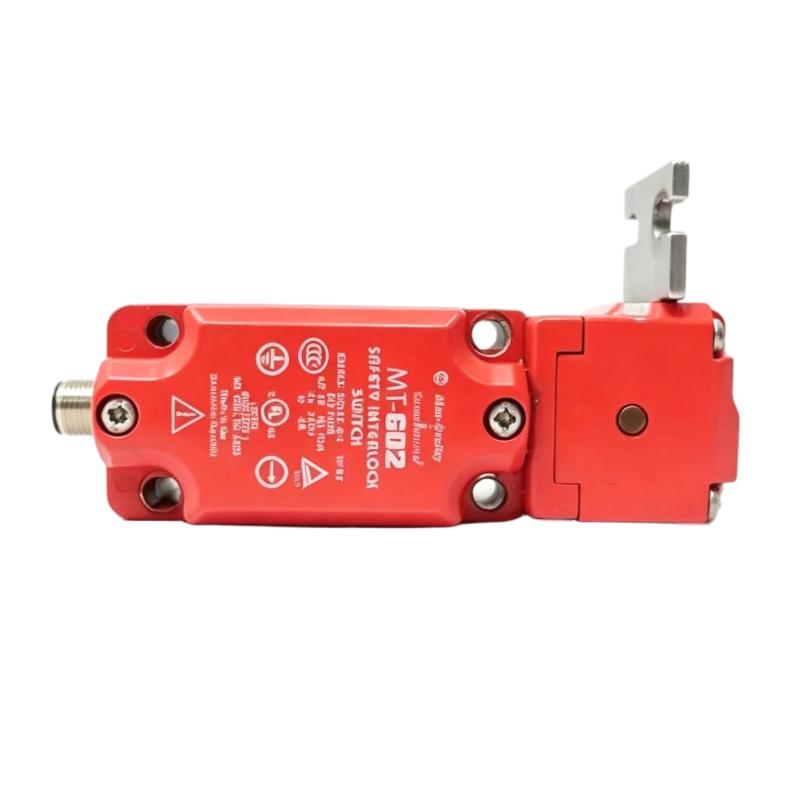
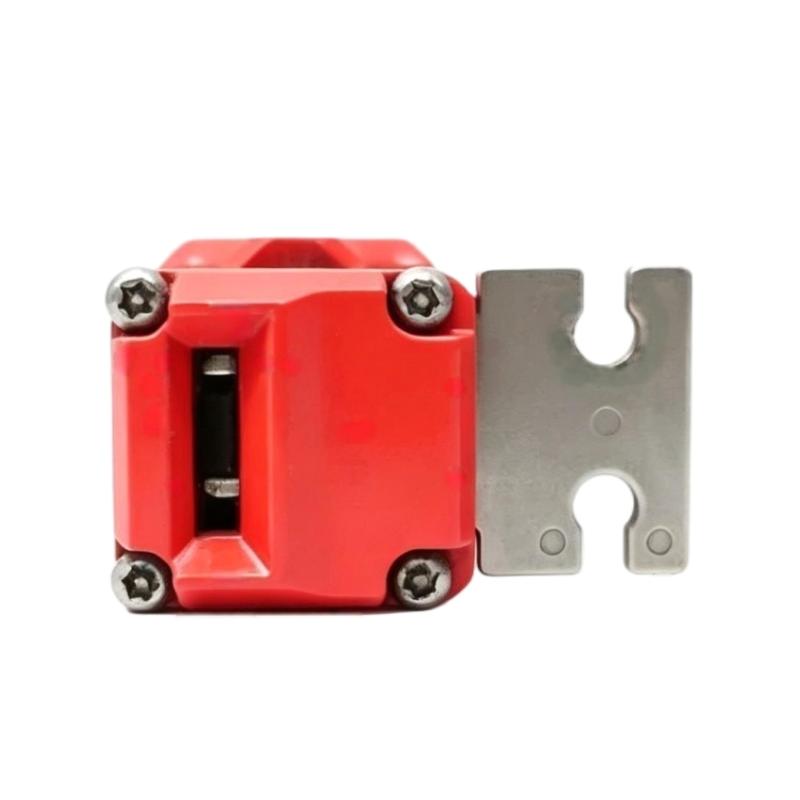
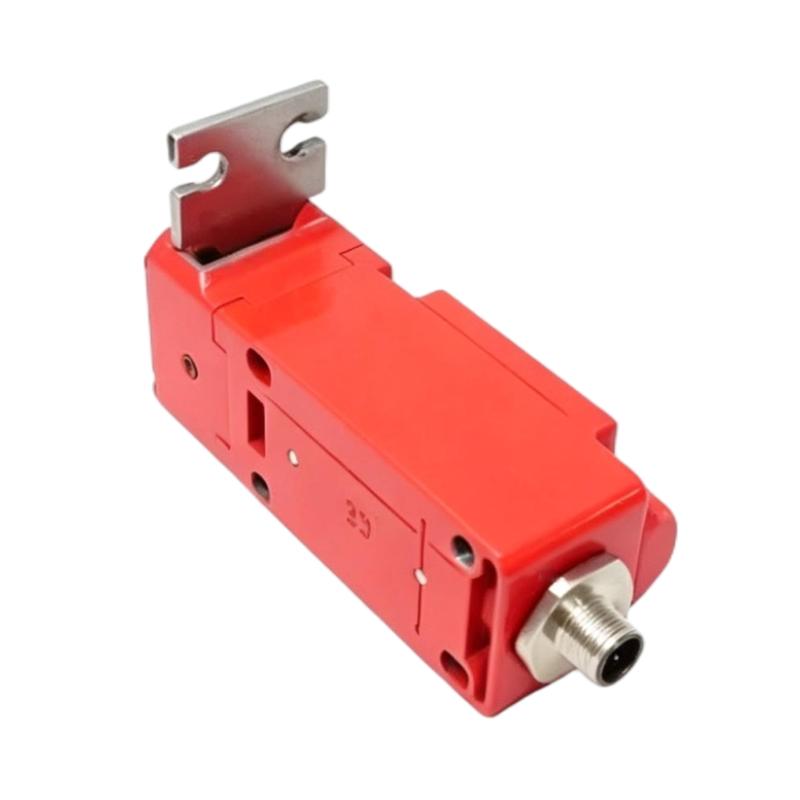
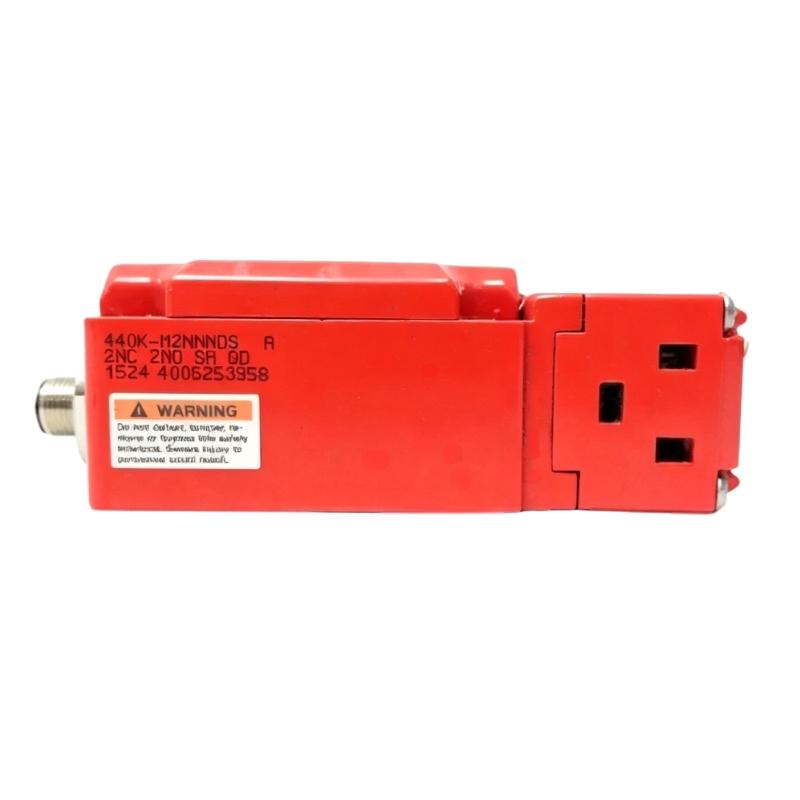
- Allen Bradley
- 440K-M2NNNDS
- Tongue Interlock
- USA
- 75 × 25 × 29 mm
- 0.06 kg
- Xiamen, China
- New & In Stock
- T/T, PayPal, Western Union
- 1 Year
- 1-3 Working Days
- DHL, UPS, TNT, FedEx and EMS.
- 24-Hour Service
- COO
- 5
Our advantage

Global Logistics
We have a 10-year logistics and express cooperation agreement, so our products can be shipped to any place in the world.

Brand new and original
Our products are imported in bulk from the place of origin. Because of the cooperative relationship, our products are all original and 100% new.

24-hour service
We provide 7*24 hours service to our customers. We will be there whenever you need us.

Price advantage
All our products are priced very favorably because we have our own warehouse and supply.
| Company Information | |||
| [email protected] | |||
| Mobile | +8615980777398 | ||
| +8615980777398 | |||
| 15980777398 |
Product Overview
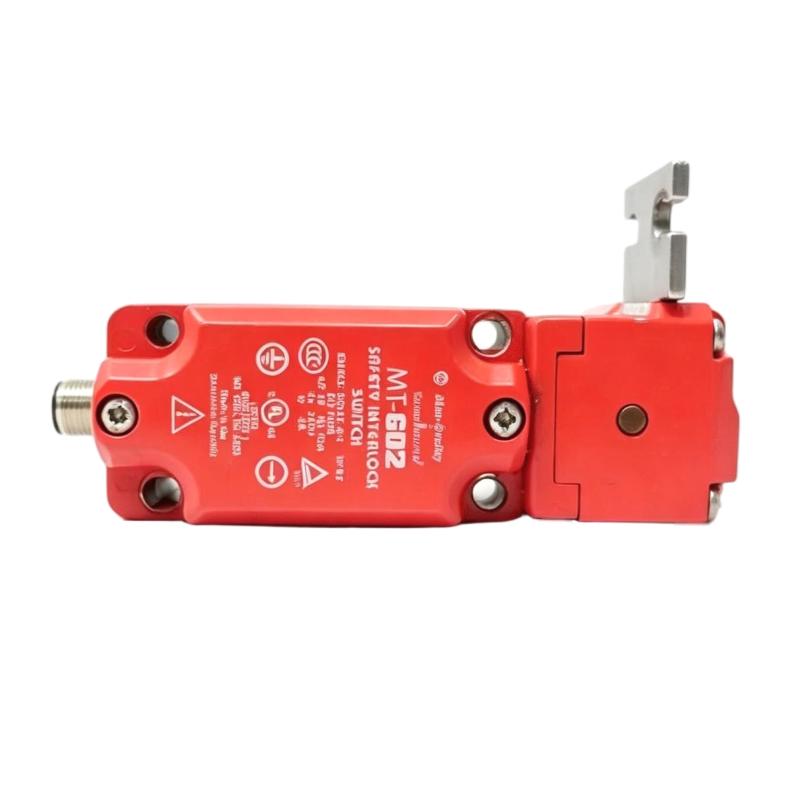
The Allen Bradley 440K-M2NNNDS Guardmaster MT-GD2 Tongue Interlock is a machine safety interlock used to monitor the position of movable guards, doors, and access panels. It is installed so that opening the protected guard changes the interlock state and allows the machine safety system to initiate the required protective response.
The tongue-style mechanism uses a coded actuator or tongue inserted into the switch body when the guard is closed. When the guard is opened, the actuator withdraws from the interlock, causing the internal contacts to change state. This provides a direct electrical indication of guard position to the associated safety circuit.
The MT-GD2 is suited to machinery where access doors or guards must be monitored during operation. Typical installations include production machines, automated equipment, packaging systems, and other machinery with hazardous moving components behind a physical guard.
Technical Specifications
| Parameter | Value |
|---|---|
| Manufacturer | Allen Bradley |
| Model / Part Number | 440K-M2NNNDS |
| Product Type | Guardmaster MT-GD2 Tongue Interlock |
| Series | Guardmaster MT-GD2 |
| Application | Machine guard and access-door interlocking |
| Dimensions | 75 × 25 × 29 mm |
| Weight | 0.06 kg |
Product Features
- Guardmaster MT-GD2 tongue-operated safety interlock for movable machine guards.
- Monitors the position of access doors, guards, and protective covers.
- Uses a tongue-style actuator to establish the interlock condition.
- Suitable for machinery with hazardous movement behind a physical guard.
- Provides a switching interface for the machine safety circuit.
- Can be integrated with safety relays, safety controllers, and safety I/O.
- Suitable for production machinery, packaging equipment, and automated systems.
- Supports a straightforward mechanical arrangement between the guard and safety switch.
Working Principle
The 440K-M2NNNDS operates through the interaction between the interlock body and its tongue actuator. When the machine guard is closed, the actuator enters the interlock mechanism and establishes the intended switch state.
When the guard is opened, the tongue is withdrawn from the switch. The internal contacts change state, and the connected safety circuit detects that the guard is no longer in its required position.
A typical signal path is:
Guard Closed / Open → Tongue Actuator → MT-GD2 Interlock → Safety Relay / Controller → Machine Stop Function
During commissioning, the guard should be opened and closed several times while observing the safety circuit response. The test should confirm both the mechanical movement of the actuator and the electrical response of the complete safety system.
Role in a Machine Safety Control Architecture
The MT-GD2 forms part of the guard-monitoring layer of a machine safety architecture. Its purpose is to provide the safety system with a direct indication of whether the protected guard is in the required position.
Movable Guard → Tongue Actuator → 440K-M2NNNDS → Safety Input → Safety Controller / Relay → Machine Stop or Prevention of Restart
| System Element | Function |
|---|---|
| Movable Guard | Physically separates personnel from the machine hazard |
| Tongue Actuator | Mechanically couples the guard to the interlock |
| 440K-M2NNNDS | Detects the guard position through the actuator |
| Safety Relay / Controller | Evaluates the interlock signal and manages the safety response |
| Contactor / Drive Safety Circuit | Carries out the required machine stopping or energy-control function |
| PLC / HMI | Can provide machine status and diagnostic information where appropriate |
| Machine Actuators | Remain controlled according to the defined safety state |
The interlock is only one element of the complete safeguarding function. The machine’s risk assessment, safety control architecture, stopping performance, guard construction, actuator alignment, and reset strategy must all be considered when implementing the final safety system.
Industrial Applications
| Application | Typical Use |
|---|---|
| Production Machinery | Monitoring access doors and movable machine guards |
| Packaging Equipment | Interlocking access covers around hazardous mechanisms |
| Automated Assembly Machines | Detecting opening of operator access doors |
| Material Handling Equipment | Monitoring guarded access points around moving equipment |
| Processing Machinery | Preventing normal operation while protective guards are open |
| Robotic Cells | Monitoring access doors and physical guarding around automated motion |
| Machine Tool Systems | Interlocking operator access points around hazardous machine areas |
Installation and Maintenance
- Position the interlock correctly
Mount the switch so that the tongue actuator enters and exits the mechanism smoothly as the guard moves. - Align the actuator carefully
Misalignment can place unnecessary mechanical stress on the interlock and affect reliable operation. - Secure the mounting hardware
Tighten the mounting hardware according to the applicable installation requirements and verify that the switch does not move during guard operation. - Check guard movement
Confirm that the guard opens and closes freely without forcing the actuator against the interlock body. - Verify actuator insertion
When the guard is closed, make sure the tongue reaches the intended operating position inside the switch. - Inspect the electrical wiring
Check terminal connections and compare the wiring with the approved machine electrical drawings. - Test the guard-opening response
Open the protected guard and confirm that the safety circuit changes to the required state. - Verify restart behavior
Confirm that opening the guard prevents the machine from continuing or restarting when the safety function requires the guard to be closed. - Inspect the actuator for wear
Check for bending, deformation, looseness, or other damage that could affect engagement with the switch. - Keep the mechanism clean
Prevent dirt, debris, and process residue from interfering with actuator movement or the interlock mechanism. - Check the complete safety function
Verify that the interlock signal reaches the safety controller or relay and produces the intended machine response. - Document periodic testing
Record safety inspections and functional tests according to the machine’s maintenance and safeguarding procedures.
Compatible System Components
| Component | Role in the System |
|---|---|
| Allen Bradley Guardmaster Safety Relays | Evaluate interlock signals and control safety outputs |
| Allen Bradley Safety Controllers | Process guard-monitoring inputs and coordinate safety functions |
| Allen Bradley Safety I/O Modules | Provide safety-related input and output interfaces |
| Allen Bradley Contactors | Control machine energy within the safety stopping circuit |
| Allen Bradley PowerFlex Drives | Can participate in machine safety functions where the selected drive configuration supports the required stop function |
| Guard Assemblies | Provide the physical separation between personnel and machine hazards |
| PLC / HMI Systems | Provide standard machine control, status, and diagnostic functions where applicable |
Recommended Related Models
| Model | Product Type | Typical Relationship |
|---|---|---|
| Allen Bradley 440K-M2NNNDS | Guardmaster MT-GD2 Tongue Interlock | Same product configuration |
| Allen Bradley 440K Series | Guardmaster Safety Interlock Switch | Related machine guard interlock family |
| Allen Bradley 440K-MT Series | Guardmaster Tongue Interlock | Related tongue-operated safety interlock |
| Allen Bradley 440K-T Series | Guardmaster Safety Interlock | Related guard monitoring device |
| Allen Bradley 440R Series | Guardmaster Safety Relay | Used to evaluate safety interlock signals |
| Allen Bradley 440E Series | Guardmaster Cable Pull Switch | Alternative safety device for extended emergency-stop applications |
Key Advantages
- Provides direct monitoring of movable machine guards.
- Uses a straightforward tongue-operated mechanical interface.
- Suitable for access doors and protective guards around hazardous machinery.
- Can be integrated into Guardmaster safety control architectures.
- Compact field device for machine guard monitoring applications.
- Supports clear separation between physical guarding and the machine safety control circuit.
Technical FAQs
What is the main function of the 440K-M2NNNDS?
It is a Guardmaster MT-GD2 tongue interlock used to monitor whether a movable machine guard or access door is in the required position.
How does the tongue actuator interact with the interlock?
When the guard is closed, the tongue enters the interlock mechanism and establishes the intended switch state. Opening the guard withdraws the tongue and changes the contact state for evaluation by the safety circuit.
What should be checked if the interlock does not change state when the guard opens?
First inspect the actuator alignment and mechanical movement, then check the electrical wiring and contact state. If the mechanical operation is correct, inspect the connected safety relay or controller and its diagnostic information.
Can the MT-GD2 be used as the only component in a machine safety function?
No. The interlock provides the guard-position sensing function, but the complete safety function also requires appropriate safety control equipment and a suitable machine stopping strategy. The complete safeguarding system must be designed and validated for the specific machine.