

ProductPRODUCT
Featured products
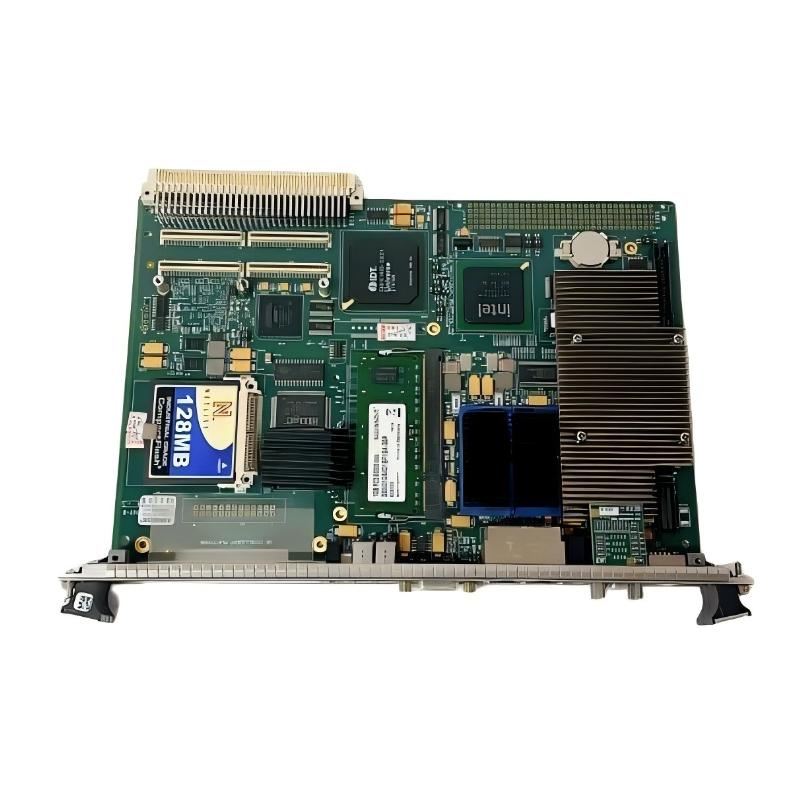
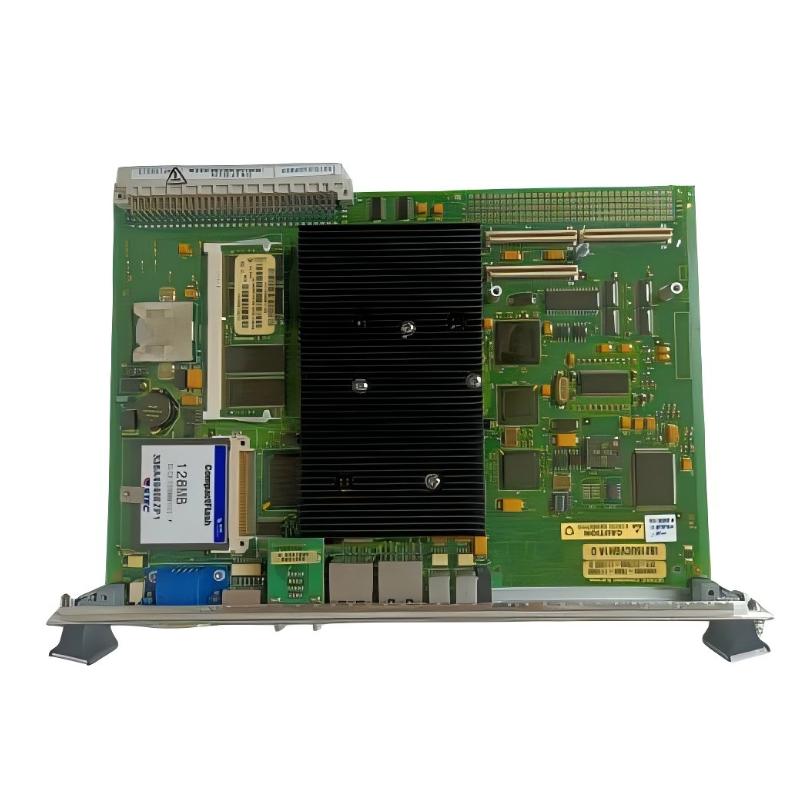
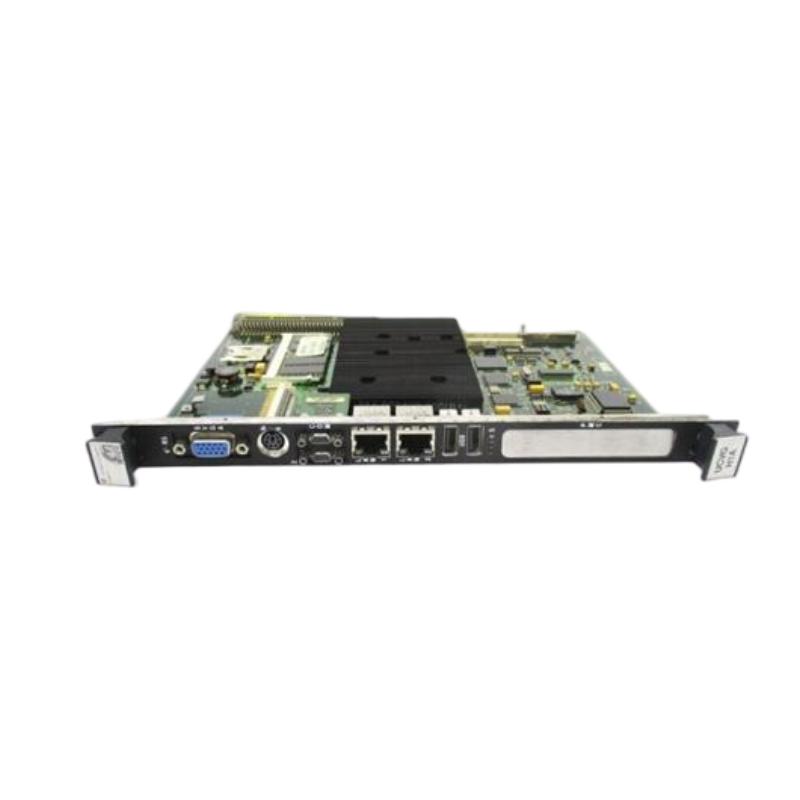
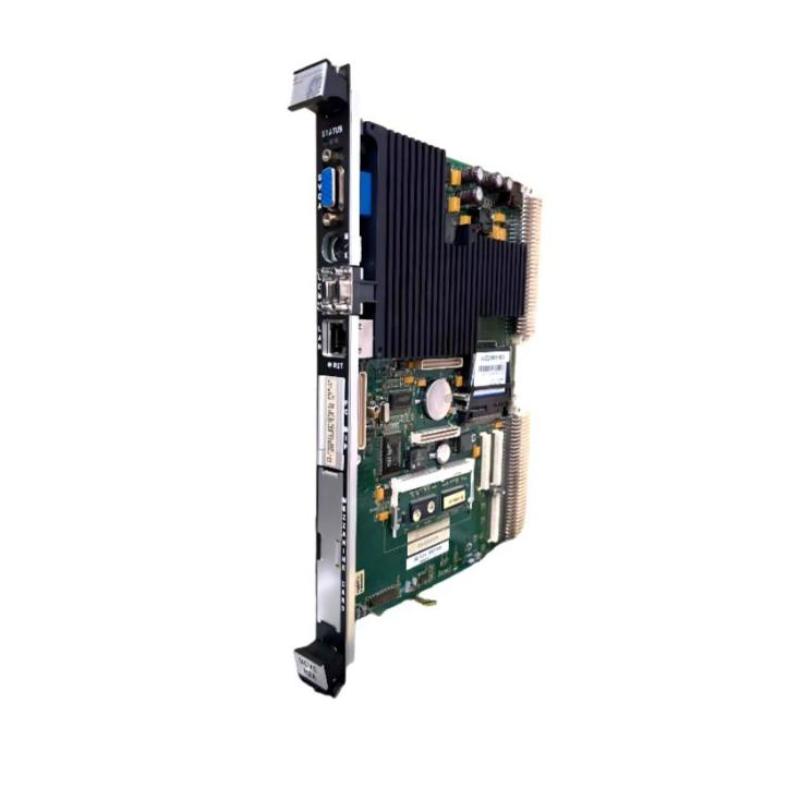
Contact Us
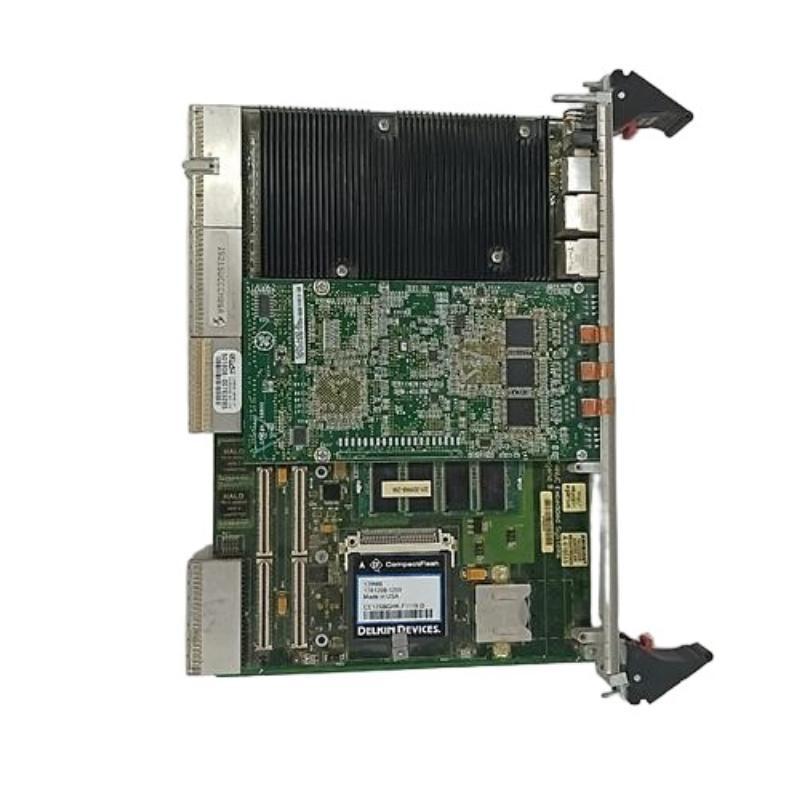
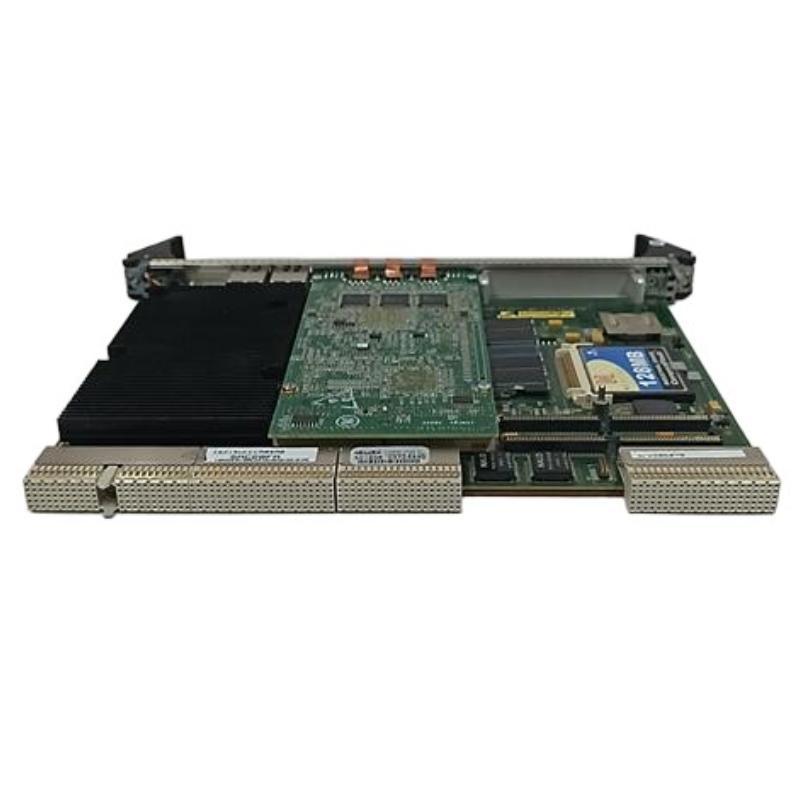
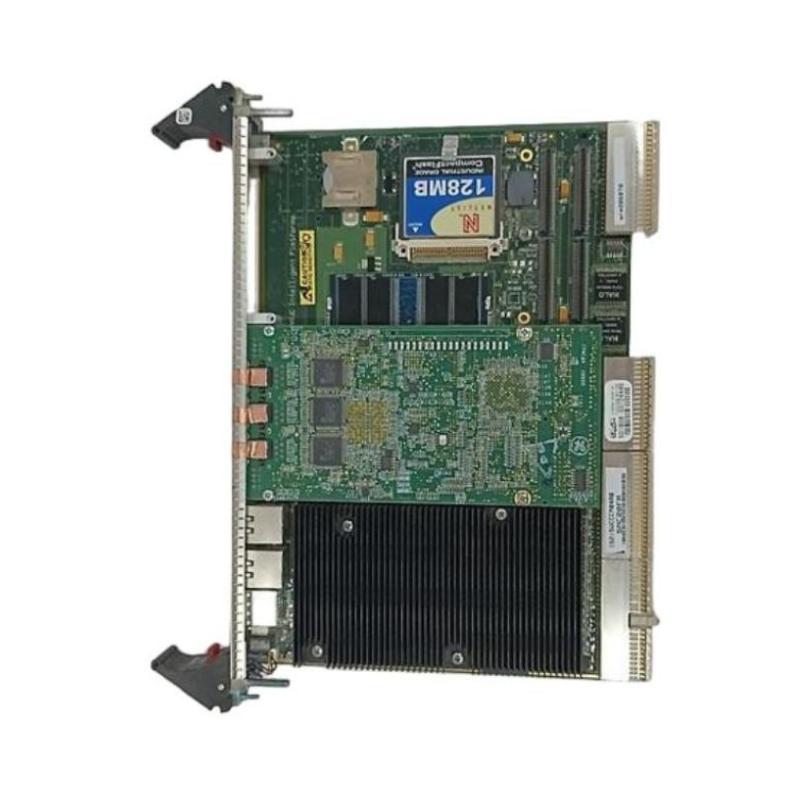
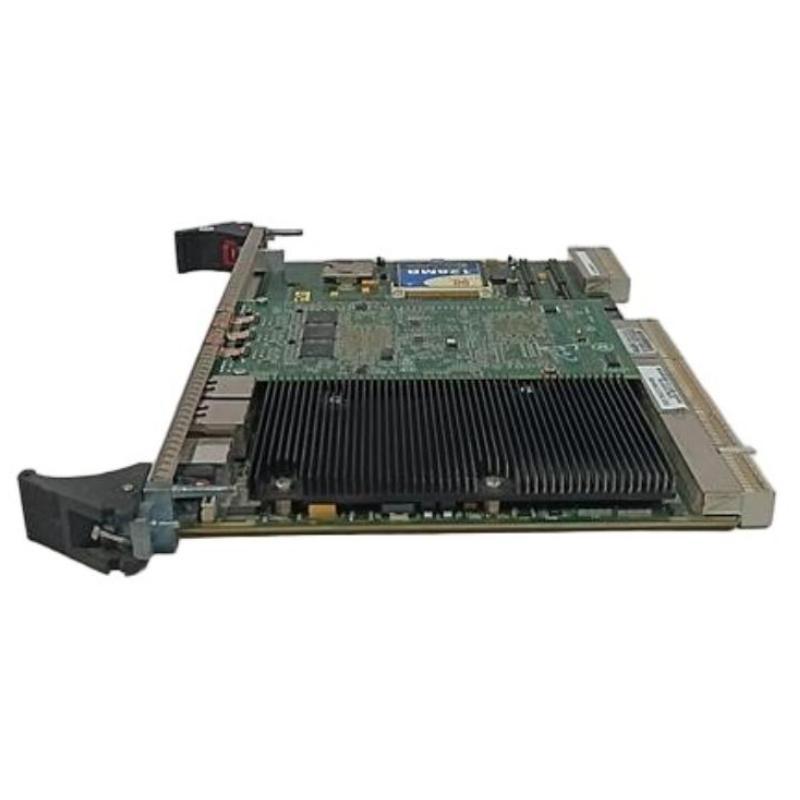
- GE
- IS215UCCCM04A
- Compact PCI Controller Board
- USA
- 175 × 105 × 20 mm
- 0.45 kg
- Xiamen, China
- New & In Stock
- T/T, PayPal, Western Union
- 1 Year
- 1-3 Working Days
- DHL, UPS, TNT, FedEx and EMS.
- 24-Hour Service
- COO
- 3
Our advantage

Global Logistics
We have a 10-year logistics and express cooperation agreement, so our products can be shipped to any place in the world.

Brand new and original
Our products are imported in bulk from the place of origin. Because of the cooperative relationship, our products are all original and 100% new.

24-hour service
We provide 7*24 hours service to our customers. We will be there whenever you need us.

Price advantage
All our products are priced very favorably because we have our own warehouse and supply.
| Company Information | |||
| [email protected] | |||
| Mobile | +8615980777398 | ||
| +8615980777398 | |||
| 15980777398 |
Product Overview
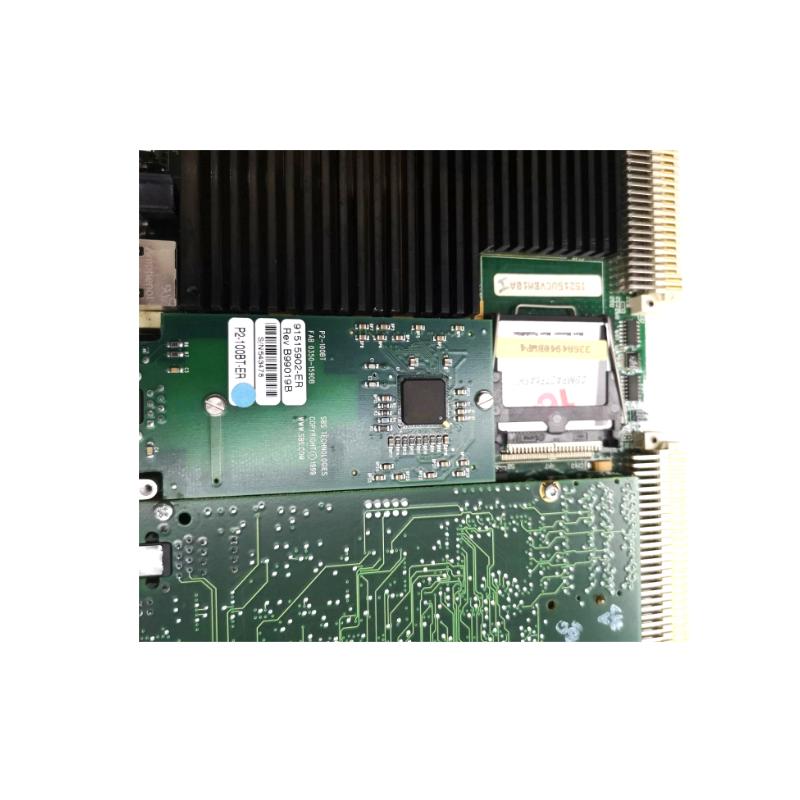
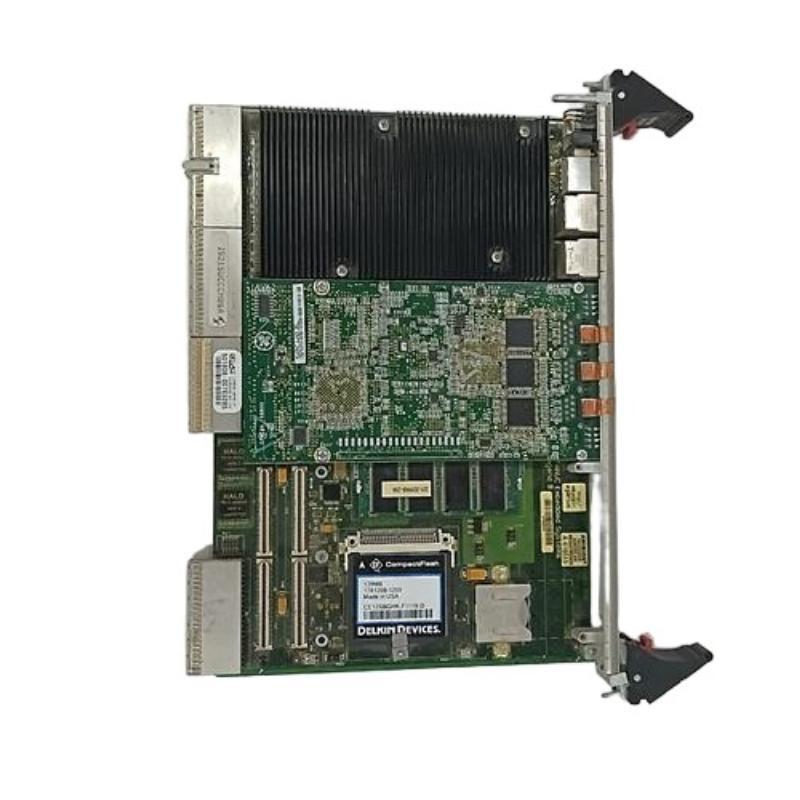
The GE IS215UCCCM04A Compact PCI Controller Board is an industrial control processor board designed for use in compatible GE control and automation systems. As a Compact PCI-based controller assembly, the IS215UCCCM04A provides processing and system-management capabilities within an industrial control architecture, supporting communication between control software, hardware interfaces, and associated system components.
Compact PCI technology provides a modular platform for industrial computing and control applications. A controller board installed within this type of architecture can perform processing tasks while communicating with other boards and system-level interfaces through the backplane and associated communication infrastructure.
The GE IS215UCCCM04A has listed physical dimensions of 175 × 105 × 20 mm and a weight of approximately 0.45 kg. Its compact form factor makes it suitable for control cabinets and equipment where processor functionality must be integrated into a space-efficient industrial electronic system.
Because controller boards can vary considerably between hardware revisions and host platforms, the exact processor configuration, memory capacity, communication interfaces, and supported software environment should always be verified against the installed system before replacement or commissioning.
Technical Specifications
| Parameter | Specification |
|---|---|
| Manufacturer | General Electric (GE) |
| Model | IS215UCCCM04A |
| Product Type | Compact PCI Controller Board |
| Product Family | GE IS215 Series |
| Board Architecture | Compact PCI |
| Primary Function | Industrial control processing and system management |
| Application | Industrial Control and Automation |
| Dimensions | 175 × 105 × 20 mm |
| Weight | 0.45 kg |
| Installation | Compatible GE industrial control equipment |
| Mounting Architecture | Compact PCI / Backplane-Based System |
| Typical Role | Controller / Processor Board |
What Is the GE IS215UCCCM04A?
The GE IS215UCCCM04A is a Compact PCI controller board used as part of an industrial automation and control platform.
In an industrial control system, the controller provides the processing layer between field-level information, I/O hardware, communication networks, and higher-level control functions. Depending on the architecture, the controller may execute control programs, process system data, manage communications, supervise connected hardware, and exchange information with operator or supervisory systems.
The Compact PCI architecture allows the controller to operate as part of a modular hardware platform rather than functioning as an isolated circuit board.
A simplified system structure can be represented as:
Field Devices → I/O Modules → Control Backplane → IS215UCCCM04A Controller → Supervisory / Operator System
The actual architecture depends on the GE control platform in which the board is installed.
Compact PCI Controller Architecture
Compact PCI is a modular computer architecture designed around a backplane and plug-in electronic boards. In industrial applications, this arrangement provides a structured method of combining processing, communication, I/O, and specialized control functions within a single hardware platform.
The IS215UCCCM04A functions within this type of architecture as a controller board.
The main advantages of a backplane-based controller architecture include:
- Modular hardware organization
- Reduced cabinet wiring
- Structured communication between boards
- Simplified system expansion
- Centralized processing
- Easier replacement of individual assemblies
- Integration of multiple control functions
For industrial automation systems, modular controller architectures are particularly useful when multiple electronic functions must operate together with predictable communication and system coordination.
Function and Working Principle
Control Processing
The primary role of the controller board is to provide processing resources for the associated industrial control system.
Input information from connected I/O modules and system interfaces can be processed by the controller according to the application logic configured for the host system.
The resulting control information can then be transmitted to other system components.
Data Management
Industrial automation systems continuously exchange large quantities of information between controllers, I/O modules, communication interfaces, and supervisory equipment.
A controller board helps organize this information and provides the processing layer required for system-level operation.
Communication Management
Depending on the host system configuration, the controller can participate in communication between internal system components and external automation equipment.
Communication may include exchanges involving:
- I/O modules
- Control processors
- Operator interfaces
- Supervisory systems
- Engineering workstations
- Industrial communication interfaces
The exact supported interfaces should be confirmed for the specific IS215UCCCM04A installation and hardware revision.
System Supervision
A controller board can also participate in monitoring the status of connected system hardware.
Diagnostic information may be used to identify abnormal operating conditions, communication failures, board errors, or other system-level problems.
Role in Industrial Control Systems
The GE IS215UCCCM04A can form part of the central processing layer of an industrial control architecture.
A typical automation structure can include:
Sensors → I/O Interface → Controller → Output Modules → Actuators
The controller interprets process information and coordinates the actions required by the automation application.
For example, a process-control system may receive temperature, pressure, speed, flow, or other process information through I/O modules. The controller processes this information according to the configured control strategy and communicates the appropriate commands to output devices.
This architecture allows individual field devices and I/O modules to operate as part of a coordinated control system.
Industrial Applications
The IS215UCCCM04A may be used in industrial environments where compatible GE control equipment requires Compact PCI-based processing.
Potential application areas include:
Power Generation
Industrial control platforms are widely used in power-generation equipment for monitoring and controlling complex mechanical and electrical systems.
A controller board can provide the processing layer required to coordinate I/O, control logic, alarms, and system communications.
Turbine Control
Turbine systems require continuous monitoring and rapid processing of operating parameters. A controller can coordinate information from sensors and control modules as part of the overall turbine control architecture.
Industrial Process Automation
Process plants rely on centralized controllers to coordinate measurement, control, communication, and equipment monitoring.
Manufacturing Automation
Industrial production equipment can use controller-based architectures to coordinate machinery, sensors, drives, and I/O systems.
Equipment Monitoring
Controller boards can also participate in equipment-status monitoring, diagnostics, alarm processing, and communication with supervisory systems.
System Integration
The IS215UCCCM04A should be considered as one component within a larger industrial control architecture rather than as a standalone computer board.
A typical system may include:
| System Layer | Typical Function |
|---|---|
| Field Sensors | Collect process information |
| I/O Modules | Interface field signals |
| Backplane | Provides board-level interconnection |
| IS215UCCCM04A | Control processing |
| Communication Modules | Exchange system data |
| Operator Interface | Display operating information |
| Engineering Station | System configuration and maintenance |
| Supervisory System | Higher-level monitoring |
The exact configuration depends on the GE control platform and application.
Before installing the board, engineers should verify the host system, slot assignment, hardware revision, firmware requirements, and associated boards.
Installation Guidelines
Correct installation is important for maintaining controller reliability.
Verify the Board Identification
Before replacement, confirm:
- Full model number
- Revision designation
- Board identification markings
- Existing slot position
- Backplane arrangement
- Associated boards
- System configuration
The replacement board should match the required IS215UCCCM04A configuration.
Power Down Before Installation
The system should be placed into an appropriate maintenance condition before removing or installing a controller board.
Follow the applicable equipment safety procedures and ensure that hazardous energy sources have been controlled before accessing the control cabinet.
Check the Backplane
Inspect the Compact PCI backplane and board connector before installation.
Look for:
- Damaged connector pins
- Contamination
- Loose hardware
- Mechanical obstruction
- Signs of overheating
- Physical damage
A controller board should not be installed into a damaged backplane.
Install the Board Correctly
The board should be aligned with the appropriate guide rails and inserted without excessive mechanical force.
Improper insertion can damage connectors or the board itself.
Check Adjacent Components
Adequate clearance should be maintained around the controller and surrounding electronic assemblies.
The cooling path should remain unobstructed to help prevent excessive operating temperatures.
Commissioning Procedure
After installation, the controller should be commissioned systematically.
Step 1: Confirm Board Identification
Verify that the installed board corresponds to the required IS215UCCCM04A configuration.
Step 2: Inspect Connections
Check the board-to-backplane connection and all associated communication or interface connections.
Step 3: Apply System Power
Restore system power according to the equipment commissioning procedure.
Observe controller status indicators and system diagnostics.
Step 4: Check Communication
Verify communication between the controller and the associated I/O and system modules.
Step 5: Check Application Configuration
Confirm that the controller is recognized correctly by the host system and that the expected configuration is available.
Step 6: Verify System Operation
Monitor system status under controlled operating conditions before returning the equipment to normal production service.
Troubleshooting the GE IS215UCCCM04A
Controller faults should be investigated at the board, backplane, power, communication, and system-configuration levels.
Controller Does Not Start
Possible causes include:
- Power supply problems
- Incorrect board installation
- Backplane connection problems
- Hardware fault
- Configuration problems
- Firmware or system compatibility issues
Check the system power and board seating before assuming that the controller itself has failed.
Communication Failure
If the controller cannot communicate correctly with associated modules, inspect:
- Backplane connections
- Communication interfaces
- Cable connections
- Configuration parameters
- Adjacent modules
- System diagnostics
A communication failure does not necessarily indicate a defective controller.
Intermittent Operation
Intermittent controller behavior can be associated with:
- Loose board connections
- Vibration
- Excessive temperature
- Power instability
- Connector contamination
- Hardware degradation
- Communication problems
Environmental conditions should be checked before replacing the board.
System Configuration Error
A replacement controller may require appropriate system configuration before normal operation.
Differences in revision or configuration can produce unexpected behavior even when the physical board appears compatible.
Preventive Maintenance
Regular maintenance can help reduce unexpected controller failures.
Inspect the Board
Check the board periodically for:
- Dust accumulation
- Discoloration
- Burn marks
- Damaged components
- Connector contamination
- Mechanical damage
Maintain Cabinet Cooling
Electronic controllers should operate within the environmental limits specified for the host system.
Blocked ventilation paths, excessive dust, and high cabinet temperatures can reduce electronic component life.
Inspect the Backplane
The Compact PCI backplane should also be inspected during scheduled maintenance.
Monitor System Diagnostics
System alarms and diagnostic information can provide early indications of communication or hardware problems.
Maintain Spare Boards
For critical industrial systems, maintaining a correctly identified spare controller can reduce equipment downtime when a hardware failure occurs.
Replacement Considerations
When replacing a GE IS215UCCCM04A Compact PCI Controller Board, the complete identification should be checked rather than relying only on the general board appearance.
Important information includes:
- IS215UCCCM04A model number
- Revision designation
- Board markings
- Host equipment
- Slot position
- Backplane type
- Associated I/O modules
- Software configuration
- Firmware compatibility
The listed physical dimensions are 175 × 105 × 20 mm, and the listed weight is 0.45 kg.
These dimensions are useful for inventory management, cabinet planning, shipping preparation, and replacement logistics.
A board with a similar physical size should not automatically be treated as an electrical or functional replacement.
Physical Dimensions and Handling
The GE IS215UCCCM04A has listed dimensions of:
175 × 105 × 20 mm
Its listed weight is:
0.45 kg
The compact construction is suitable for modular industrial control equipment where electronic processing functions must fit within a limited installation area.
During handling, technicians should use appropriate electrostatic discharge precautions. Circuit boards should be protected from static electricity, moisture, contamination, and unnecessary mechanical stress.
The board should preferably remain in suitable protective packaging until it is ready for installation.
Compatible System Components
Depending on the host control architecture, a Compact PCI controller can work alongside several types of industrial electronic assemblies.
Typical system components may include:
- GE control processors
- Compact PCI backplanes
- I/O interface boards
- Communication boards
- Digital input modules
- Digital output modules
- Analog input modules
- Analog output modules
- Power supply assemblies
- Operator interface equipment
- Engineering workstations
- Supervisory control systems
Exact compatibility should be established from the target GE system configuration.
Engineering Best Practices
Several practices can improve the reliability of controller-based industrial automation systems.
Use Exact Board Identification
Always record the full model and revision before ordering a replacement.
Keep Configuration Records
Maintain records of system configuration, board locations, software versions, and associated modules.
Protect Against ESD
Use suitable electrostatic-discharge handling procedures when working with electronic control boards.
Maintain Stable Power
Controller electronics depend on stable system power. Power-quality issues should be investigated when unexplained resets or intermittent operation occur.
Control Cabinet Environment
Keep the control cabinet clean and maintain appropriate ventilation.
Verify Before Returning to Service
After replacing a controller, verify communication, diagnostics, application configuration, and system operation before returning the equipment to full production.
Recommended Related GE Controller and Control Boards
| GE Model | General Product Type | Typical Role |
|---|---|---|
| IS215UCCAM03 | Compact PCI Processor Board | Industrial control processing |
| IS215UCCCM04A | Compact PCI Controller Board | Controller and system processing |
| IS215ACLEH1BC | Application Control Layer Module | Application-level control |
| IS215ACLAH1AD | Application Control Layer Module | Control-system processing |
| IS215PMVPH1A | I/O Module | Industrial I/O interface |
| IS215REBFH1B | I/O Expansion Board | I/O system expansion |
These models belong to related GE industrial control hardware families, but they should not be considered direct replacements for one another without confirming the host system and hardware configuration.
Key Advantages
The GE IS215UCCCM04A provides several practical characteristics for industrial control applications:
- Compact Compact PCI form factor
- Dedicated controller-board architecture
- Suitable for modular industrial control platforms
- Centralized processing within a backplane-based system
- Compact physical dimensions of 175 × 105 × 20 mm
- Listed weight of 0.45 kg
- Suitable for integration with compatible GE control equipment
- Supports structured system-level control architecture
- Designed for industrial automation environments
Technical FAQs
What is the GE IS215UCCCM04A?
The GE IS215UCCCM04A is a Compact PCI Controller Board designed for use in compatible GE industrial control and automation systems.
What is the primary function of the IS215UCCCM04A?
Its primary role is to provide control processing and system-management functionality within a compatible modular industrial control architecture.
What are the dimensions of the IS215UCCCM04A?
The listed dimensions are 175 × 105 × 20 mm.
How much does the IS215UCCCM04A weigh?
The listed weight is approximately 0.45 kg.
Is the IS215UCCCM04A a PLC?
The IS215UCCCM04A is a Compact PCI Controller Board, not a conventional standalone PLC. Its function is associated with the specific GE industrial control architecture in which it is installed.
What is Compact PCI used for?
Compact PCI provides a modular backplane-based architecture for integrating processing, communication, I/O, and other electronic functions within industrial and embedded control systems.
Can another IS215 board replace the IS215UCCCM04A?
Not automatically. Physical similarity does not establish electrical or functional compatibility. The complete model number, revision, host platform, backplane configuration, and software requirements should be checked before replacement.
What should be checked when troubleshooting the board?
Technicians should check system power, board seating, backplane connections, communication paths, configuration, environmental conditions, and system diagnostics before concluding that the controller board has failed.
How should the IS215UCCCM04A be stored?
The board should be protected from electrostatic discharge, moisture, dust, mechanical impact, and extreme environmental conditions. Suitable ESD-safe packaging is recommended for storage and transportation.
Conclusion
The GE IS215UCCCM04A Compact PCI Controller Board is a compact industrial controller assembly designed to provide processing and system-management functionality within compatible GE automation and control platforms. Its Compact PCI architecture allows the board to operate as part of a modular backplane-based system containing controllers, I/O modules, communication interfaces, and other industrial electronic assemblies.
With listed dimensions of 175 × 105 × 20 mm and a weight of 0.45 kg, the IS215UCCCM04A provides a space-efficient controller solution for industrial equipment where reliable processing and modular system integration are required.
For installation, replacement, and maintenance, engineers should verify the complete IS215UCCCM04A identification, revision, host-system compatibility, backplane configuration, and software requirements. Proper ESD handling, secure board installation, adequate cabinet cooling, and systematic commissioning can help maintain reliable operation of the controller and the larger industrial automation system.