

ProductPRODUCT
Featured products
Contact Us
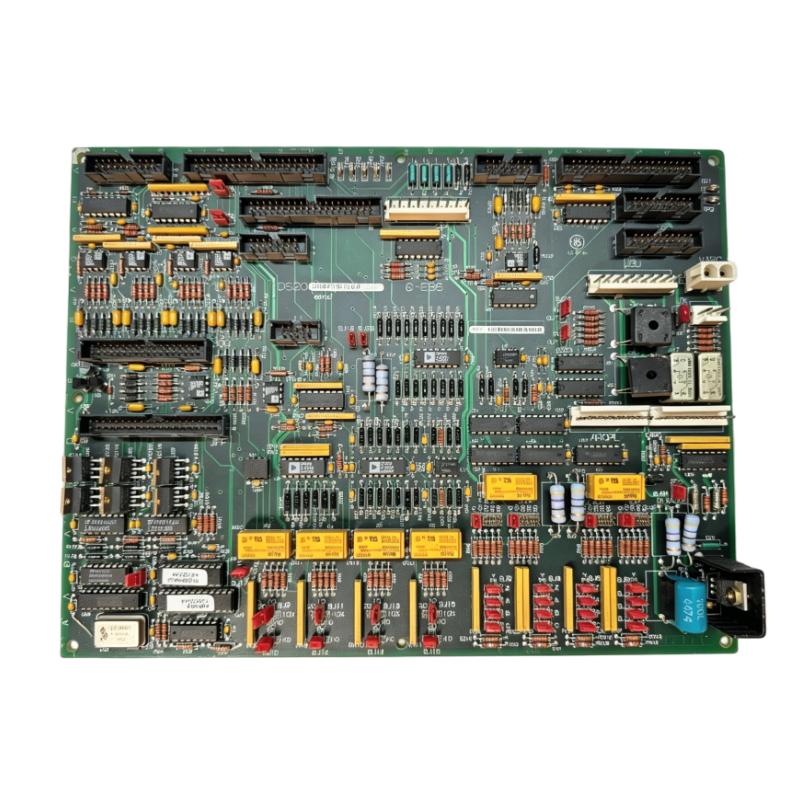
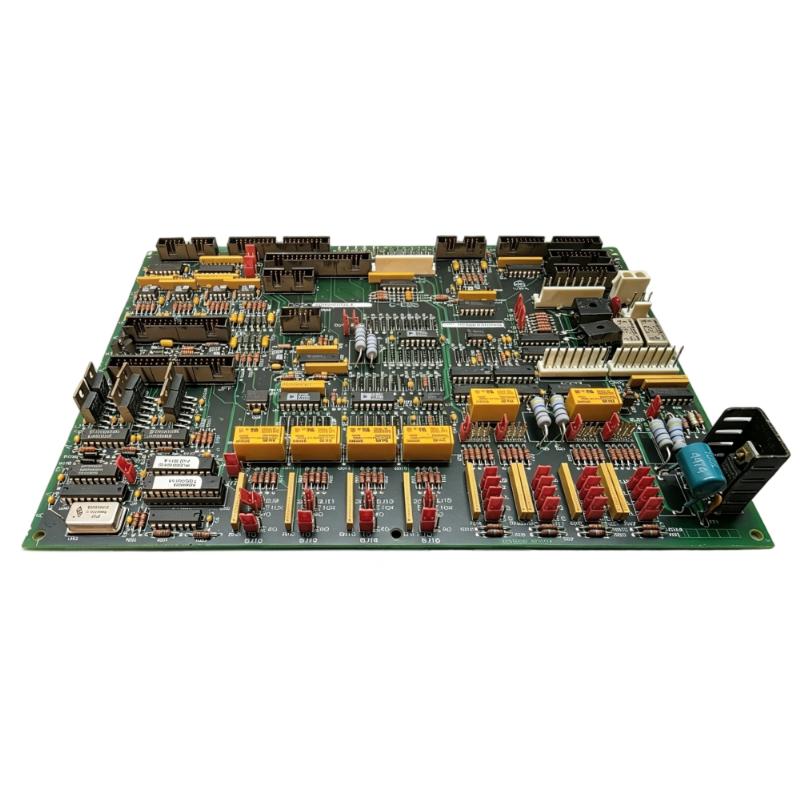
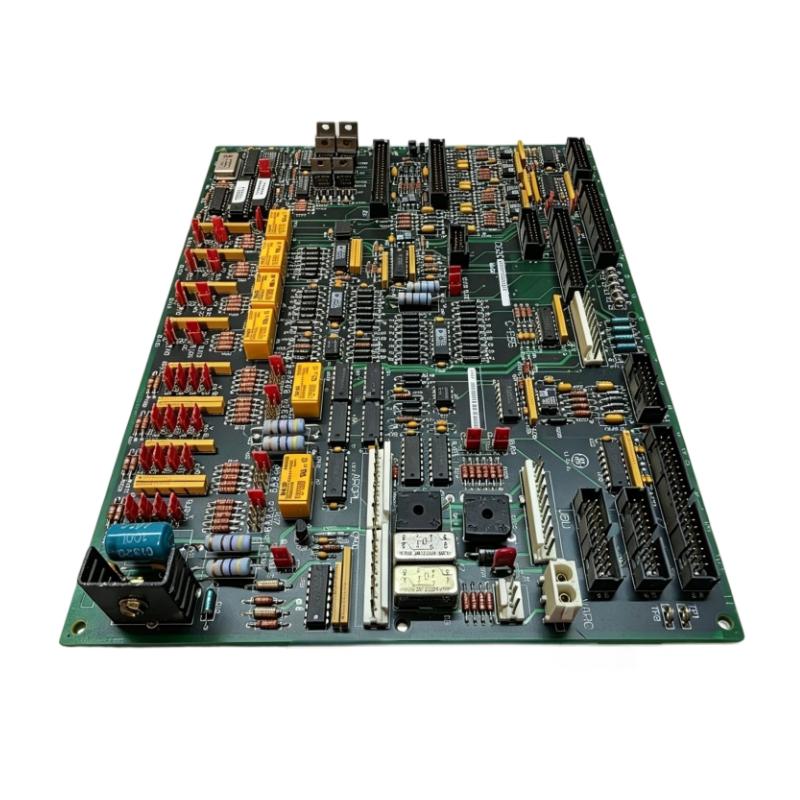
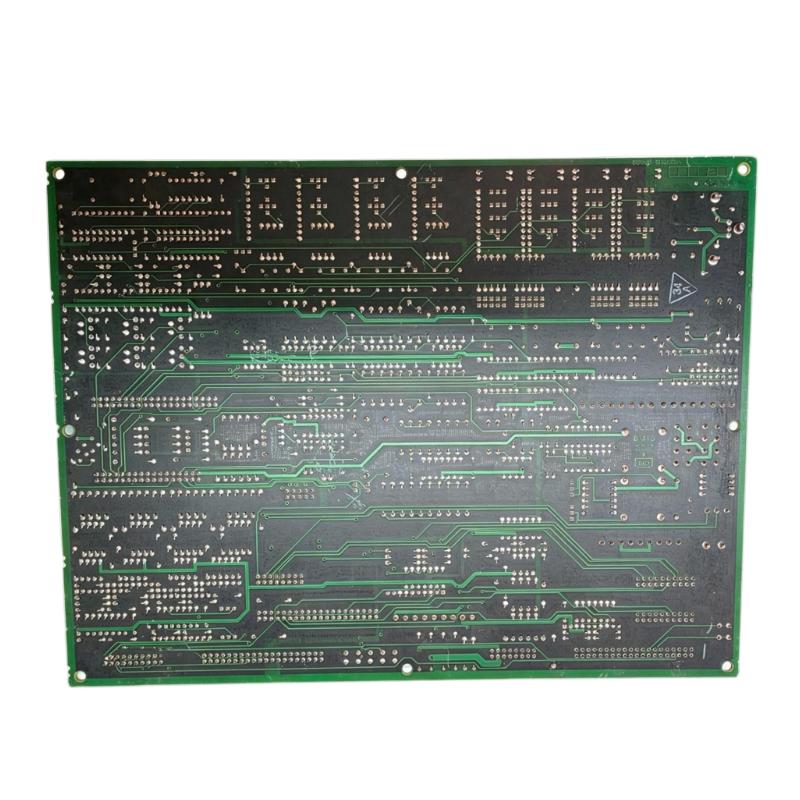
- GE
- DS200TCQCG1BHF
- RST Overflow Board
- USA
- 330 × 280 × 25 mm
- 0.45 kg
- Xiamen, China
- New & In Stock
- T/T, PayPal, Western Union
- 1 Year
- 1-3 Working Days
- DHL, UPS, TNT, FedEx and EMS.
- 24-Hour Service
- COO
- 18
Our advantage

Global Logistics
We have a 10-year logistics and express cooperation agreement, so our products can be shipped to any place in the world.

Brand new and original
Our products are imported in bulk from the place of origin. Because of the cooperative relationship, our products are all original and 100% new.

24-hour service
We provide 7*24 hours service to our customers. We will be there whenever you need us.

Price advantage
All our products are priced very favorably because we have our own warehouse and supply.
| Company Information | |||
| [email protected] | |||
| Mobile | +8615980777398 | ||
| +8615980777398 | |||
| 15980777398 |
Product Overview
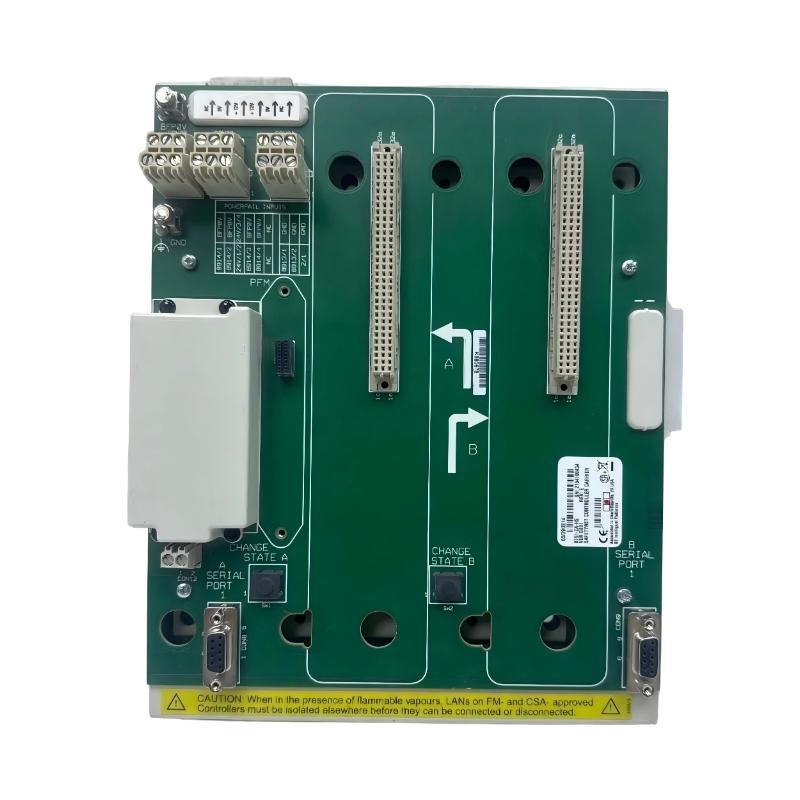
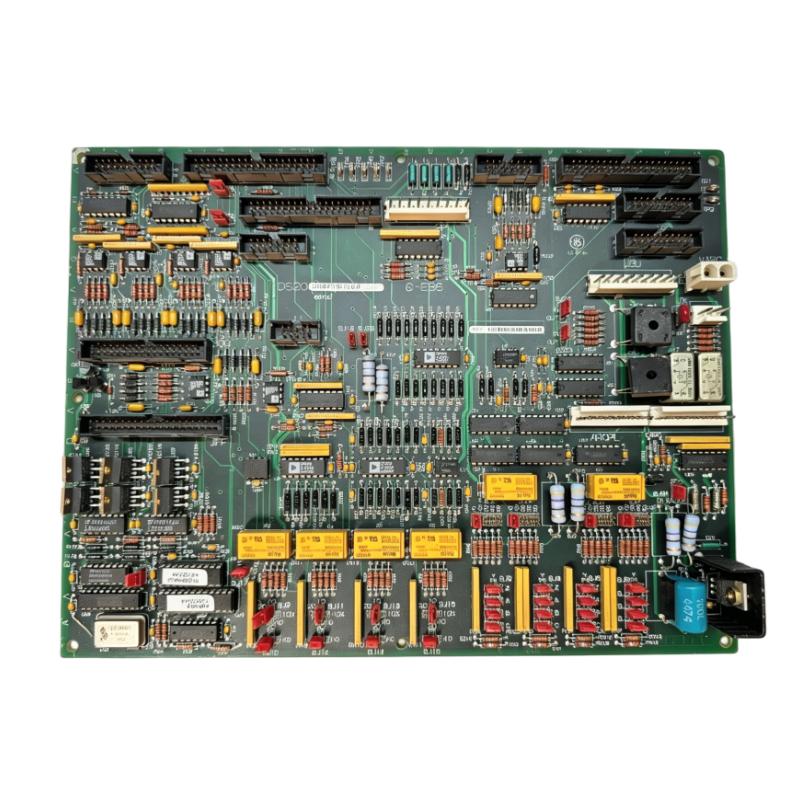
The GE DS200TCQCG1BHF is a Mark V RST Overflow Board used in GE Mark V turbine control system hardware. It belongs to the board-level electronics installed within the Mark V control cabinet and supports the system’s signal and control architecture.
The RST designation is associated with the redundant control arrangement used in Mark V turbine systems. The overflow board works as part of this broader hardware structure rather than acting as an independent turbine controller. Its operation depends on the surrounding Mark V boards, terminal interfaces, processors, and configured signal paths.
For maintenance teams working on legacy Mark V equipment, the DS200TCQCG1BHF is primarily a board-level replacement item. When a related signal or control function behaves abnormally, technicians should evaluate the complete circuit—including associated terminal boards, cables, adjacent boards, and system diagnostics—before attributing the problem solely to the overflow board.
Technical Specifications
| Parameter | Specification |
|---|---|
| Product | GE DS200TCQCG1BHF |
| Product Type | Mark V RST Overflow Board |
| Series | Mark V |
| Board Type | RST Overflow Board |
| Function | Overflow signal and control-system interface within the Mark V architecture |
| Application | Turbine control and monitoring |
| System Integration | GE Mark V control architecture |
| Dimensions | 330 × 280 × 25 mm |
| Weight | 0.45 kg |
Product Features
- Mark V system compatibility for legacy turbine control installations.
- RST architecture integration within the redundant Mark V control arrangement.
- Board-level construction for cabinet-mounted turbine control electronics.
- Overflow-board function supporting the configured Mark V signal architecture.
- Integration with surrounding Mark V hardware rather than standalone operation.
- Suitable for maintenance replacement in existing turbine control cabinets.
Working Principle
The DS200TCQCG1BHF operates as one element of the Mark V electronic control architecture. Its function is tied to the configured RST control and signal arrangement, with the board working alongside other Mark V processing and interface hardware.
In an operating turbine system, signals move between field equipment, terminal boards, I/O hardware, and the Mark V control electronics. The overflow board participates in this overall architecture so that the required signal or control information can be handled by the appropriate system hardware.
When troubleshooting a DS200TCQCG1BHF installation, the board should not be isolated from the rest of the system. An abnormal indication may originate from a connected terminal board, wiring path, adjacent control board, power condition, or configuration. Checking the signal path and system diagnostics together gives a more useful indication of where the actual fault is located.
Role in a Mark V Turbine Control Architecture
| System Element | Function |
|---|---|
| DS200TCQCG1BHF RST Overflow Board | Provides its configured overflow function within the Mark V RST architecture |
| Mark V Control Processors | Execute turbine control and protection functions |
| Mark V I/O Boards | Interface field signals with the control system |
| Terminal Boards | Provide field-side termination and signal routing |
| Interconnecting Cables | Connect boards and terminal interfaces |
| RST Control Architecture | Provides the redundant control structure used by Mark V |
| Operator Interface | Displays turbine operating conditions, alarms, and status |
| Turbine Field Equipment | Generates the process conditions and equipment responses monitored by Mark V |
Industrial Applications
| Application | Typical Use |
|---|---|
| Gas Turbine Control | Mark V control cabinet operation and maintenance |
| Steam Turbine Systems | Legacy turbine control and monitoring installations |
| Power Generation | Board-level maintenance of turbine control systems |
| Turbine Protection | Supporting hardware within the broader Mark V protection architecture |
| Turbine Monitoring | Integration with Mark V signal and control hardware |
| Industrial Turbomachinery | Maintenance of Mark V-based control cabinets |
| Legacy Control System Upgrades | Replacement of individual Mark V boards during system maintenance |
Installation and Maintenance
- Verify the complete board number before installation and confirm that DS200TCQCG1BHF matches the existing Mark V configuration.
- Check the board location against the cabinet drawings and maintenance documentation before removing the existing hardware.
- Follow the plant shutdown and electrical safety procedures before accessing the Mark V control cabinet.
- Record cable and connector positions before removal because multiple Mark V boards can have similar physical interfaces.
- Inspect connectors and mating hardware for bent pins, contamination, loose contacts, or visible damage.
- Check associated terminal boards and cables before replacing the board when the fault involves a signal connected to the overflow circuitry.
- Install the replacement board in the correct position and ensure that it is properly seated.
- Verify all connectors and cable routing before restoring the cabinet to operating condition.
- Check power and board status indications after installation and compare them with the expected Mark V operating condition.
- Review related turbine alarms and diagnostics to determine whether the original fault has been cleared.
- Monitor the associated control or signal function during return to service rather than relying only on a successful board startup.
- Document the replacement and test results including the board position, affected system function, and any abnormal conditions observed during commissioning.
Compatible System Components
| Component | Function |
|---|---|
| GE Mark V Control Processors | Execute turbine control, sequencing, and protection functions |
| Mark V I/O Boards | Provide field signal interfacing |
| Mark V Terminal Boards | Terminate and route field signals |
| RST Control Hardware | Supports the redundant Mark V control architecture |
| Interconnecting Cables | Provide board-to-board and terminal-to-board connections |
| Turbine Instrumentation | Supplies operating measurements and status information |
| Operator Interface | Provides turbine monitoring and alarm information |
| Mark V Cabinet Hardware | Houses and supports the control-system electronics |
Recommended Related Models
| Model / Product Family | Product Type | Typical Application |
|---|---|---|
| GE DS200TCQCG1BHF | Mark V RST Overflow Board | RST control-system overflow function |
| GE DS200TCCAG2AJB | Mark V I/O TC2000 Analog Board | Analog signal interfacing |
| GE DS200TBAI41A | Mark V Analog I/O Board | Turbine analog signal processing |
| GE DS200TBQAG1A | Mark V I/O Terminal Board | Field signal termination |
| GE DS200DTBCG1AAA | Mark V I/O Terminal Board | Turbine field signal interface |
| GE DS200SDCCG1A | Mark V Control Board | Mark V control and interface functions |
Key Advantages
- Mark V RST architecture integration
- Dedicated overflow-board function
- Board-level maintenance capability
- Compatible with legacy turbine control cabinets
- Integrates with the broader Mark V control hardware
Technical FAQs
What is the GE DS200TCQCG1BHF used for?
The DS200TCQCG1BHF is a Mark V RST Overflow Board used as part of the signal and control architecture in GE Mark V turbine control systems.
What does RST refer to in the Mark V architecture?
RST refers to the redundant control arrangement used within the Mark V turbine control architecture. The DS200TCQCG1BHF operates as part of this larger system rather than functioning as an independent controller.
What should be checked before replacing the DS200TCQCG1BHF?
Verify the complete board number, cabinet position, associated connectors, cables, terminal hardware, and Mark V system documentation. Recording the original installation before removal can reduce wiring and configuration errors during replacement.
What should be investigated if a fault remains after board replacement?
Check the complete associated signal path, including power, connectors, cables, terminal boards, adjacent Mark V boards, and system diagnostics. If the same symptom remains after replacing the board, the fault may exist elsewhere in the control or field interface.