

ProductPRODUCT
Featured products



Contact Us
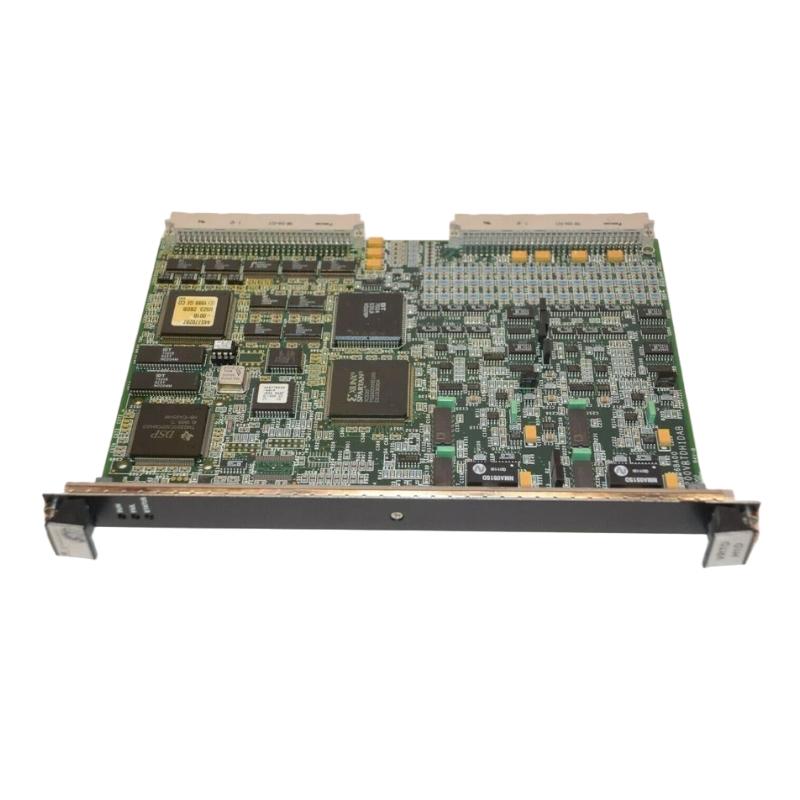
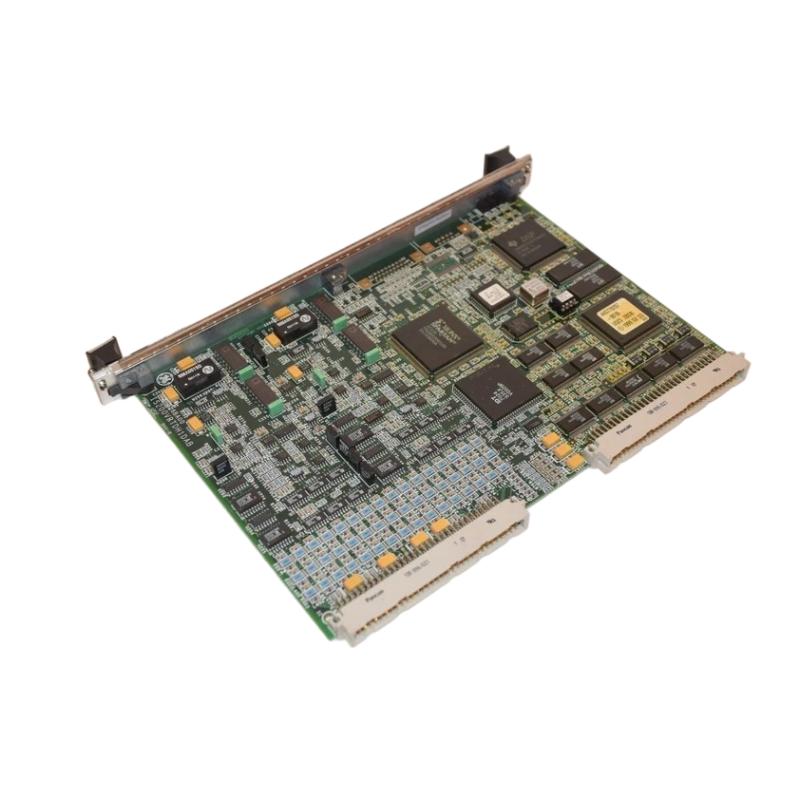
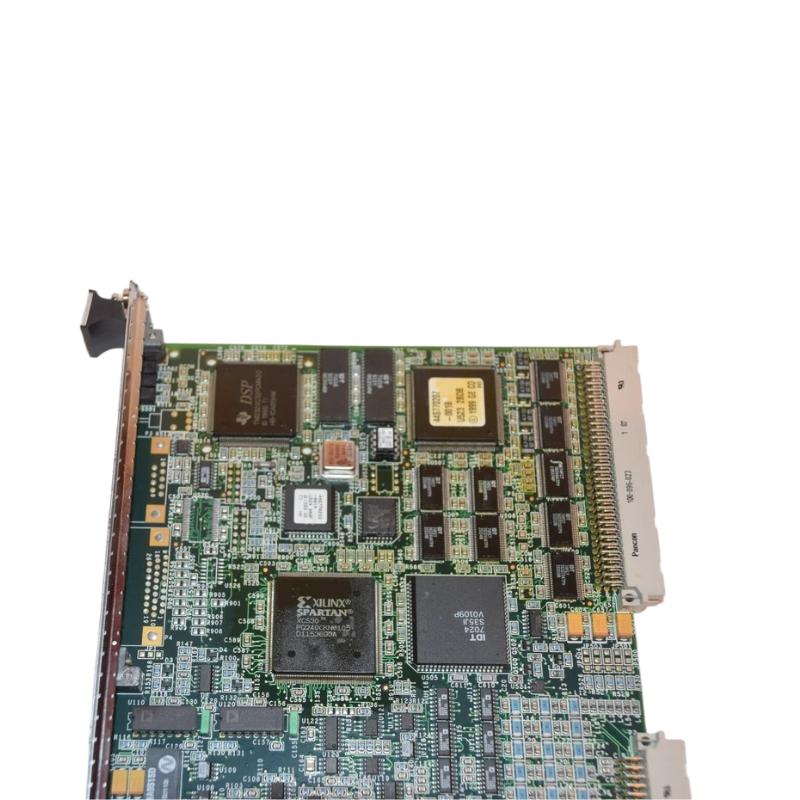
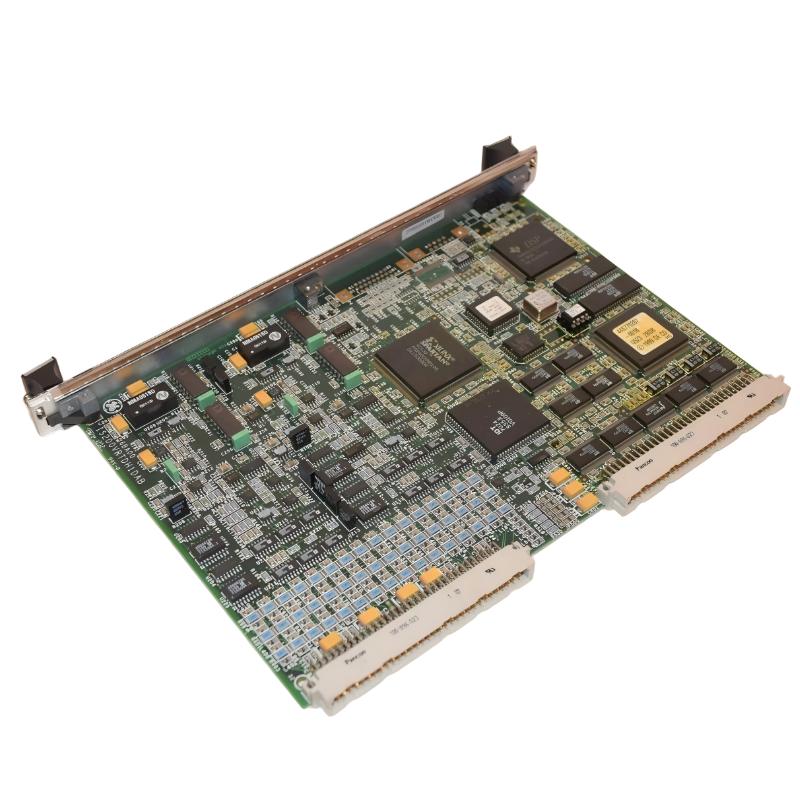
- GE
- IS200VRTDH1DAB
- Resistance Thermometer
- USA
- 280 x 33 x 220 mm
- 0.476 kg
- Xiamen, China
- New & In Stock
- T/T, PayPal, Western Union
- 1 Year
- 1-3 Working Days
- DHL, UPS, TNT, FedEx and EMS.
- 24-Hour Service
- COO
- 32
Our advantage

Global Logistics
We have a 10-year logistics and express cooperation agreement, so our products can be shipped to any place in the world.

Brand new and original
Our products are imported in bulk from the place of origin. Because of the cooperative relationship, our products are all original and 100% new.

24-hour service
We provide 7*24 hours service to our customers. We will be there whenever you need us.

Price advantage
All our products are priced very favorably because we have our own warehouse and supply.
| Company Information | |||
| [email protected] | |||
| Mobile | +8615980777398 | ||
| +8615980777398 | |||
| 15980777398 |
Product Overview
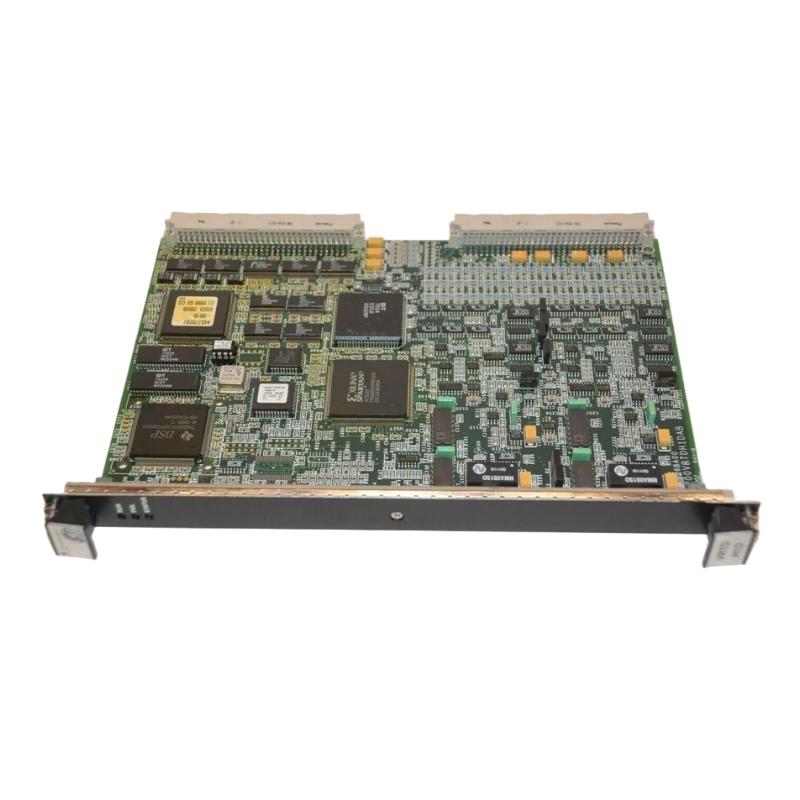
The GE IS200VRTDH1DAB Resistance Thermometer is a specialized temperature measurement component designed for integration into compatible GE industrial control and automation systems. It is associated with resistance temperature detection technology, commonly known as RTD measurement, which provides the control system with temperature-related electrical signals for monitoring and process supervision.
Temperature is one of the most important process variables in industrial automation. Motors, generators, turbines, compressors, transformers, bearings, heat exchangers, pumps, and other equipment can require continuous temperature monitoring to maintain safe and reliable operation. An RTD-based measurement device provides a practical method of converting temperature changes into electrical signals that can be interpreted by the associated control architecture.
The GE IS200VRTDH1DAB is identified as a Resistance Thermometer and has listed physical dimensions of 280 × 33 × 220 mm with a weight of approximately 0.476 kg. Its compact board-style construction allows it to be integrated into industrial control equipment where accurate temperature-related signal acquisition and system monitoring are required.
In an industrial control application, the IS200VRTDH1DAB can form part of a measurement chain connecting field temperature sensors with control processors, monitoring functions, alarms, and supervisory systems.
A simplified architecture can be represented as:
Temperature Sensor → IS200VRTDH1DAB → Measurement Processing → Control System → Monitoring / Protection
The exact electrical interface, supported sensor configuration, channel arrangement, and system function should be confirmed against the specific host equipment and board revision before installation or replacement.
Technical Specifications
| Parameter | Specification |
|---|---|
| Manufacturer | General Electric (GE) |
| Model | IS200VRTDH1DAB |
| Product Type | Resistance Thermometer |
| Measurement Technology | RTD / Resistance Temperature Detection |
| Primary Function | Temperature signal measurement and interface |
| Application | Industrial Temperature Monitoring and Control |
| Product Family | GE IS200 Series |
| Board Type | Temperature Measurement / Interface Board |
| Dimensions | 280 × 33 × 220 mm |
| Weight | 0.476 kg |
| Installation | Compatible GE industrial control equipment |
| Typical Use | Equipment temperature monitoring, process supervision, alarm and protection systems |
| Measurement Principle | Temperature-dependent electrical resistance |
| System Integration | Industrial control and monitoring architecture |
Exact channel capacity, supported RTD types, excitation characteristics, accuracy, wiring configuration, and electrical limits are system- and revision-dependent and should be verified before commissioning.
What Is the GE IS200VRTDH1DAB?
The GE IS200VRTDH1DAB is a GE industrial temperature measurement component associated with Resistance Temperature Detector (RTD) sensing.
An RTD measures temperature by exploiting the predictable relationship between the electrical resistance of a sensing element and its temperature. As temperature changes, the resistance of the sensing element changes. Measurement electronics can detect this resistance variation and convert it into useful temperature information.
The IS200VRTDH1DAB therefore belongs to the measurement side of an industrial automation system rather than functioning as a general-purpose PLC processor.
Its purpose can be understood through three basic stages:
- Temperature sensing – an RTD installed on the equipment responds to temperature.
- Electrical measurement – the resistance-related signal is acquired by the measurement interface.
- Control-system processing – the temperature information is made available to the associated control architecture.
This type of measurement is particularly useful when temperature must be monitored continuously rather than checked manually.
RTD Temperature Measurement Principle
A resistance thermometer uses the fact that the electrical resistance of a suitable sensing element changes in a predictable manner as temperature changes.
For many industrial RTD applications, the sensing element is made from a material with a relatively stable temperature-resistance relationship. Platinum RTDs are commonly encountered in industrial instrumentation, although the actual supported sensor type depends on the host measurement system.
The general relationship can be represented as:
Temperature Change → Resistance Change → Electrical Measurement → Temperature Value
The measurement electronics must account for the resistance of the sensing element and, depending on the system configuration, the resistance introduced by the connecting wires.
This is why correct sensor wiring is important for reliable RTD measurement.
Function and Working Principle
Temperature Signal Acquisition
An RTD installed on industrial equipment changes resistance according to the temperature of the monitored point.
The IS200VRTDH1DAB provides the associated measurement interface through which temperature-related sensor information can be incorporated into the control system.
Typical monitored points may include:
- Motor windings
- Generator components
- Bearings
- Turbine equipment
- Process piping
- Heat exchangers
- Pumps
- Compressors
- Industrial machinery
- Electrical equipment
The actual measurement points depend on the application.
Resistance Measurement
The measurement electronics determine the resistance associated with the RTD sensor.
Because the sensor’s resistance changes with temperature, the measured electrical value provides the basis for determining the corresponding temperature.
The quality of the measurement depends on several factors, including sensor condition, wiring resistance, electrical noise, grounding, installation, and the characteristics of the measurement circuit.
Signal Processing
Once the sensor signal has been acquired, the measurement system processes the information so that it can be used by the industrial control architecture.
Depending on the host system, the resulting temperature information may be used for:
- Process monitoring
- High-temperature alarms
- Equipment protection
- Trend analysis
- Maintenance diagnostics
- Control logic
- Supervisory monitoring
Continuous Monitoring
Unlike manual temperature inspection, an integrated RTD measurement system can provide continuous information to the control system.
This allows temperature changes to be detected while the equipment is operating.
A gradual increase in bearing temperature, for example, may indicate a developing mechanical or lubrication problem. Similarly, an abnormal winding temperature can provide information about motor or generator operating conditions.
The temperature measurement itself does not determine the cause of an abnormal condition; it provides data that can be evaluated by the control and maintenance system.
Role in Industrial Control Systems
The IS200VRTDH1DAB can occupy an important position within an industrial instrumentation architecture.
Modern control systems frequently combine multiple types of process information, including:
- Temperature
- Pressure
- Flow
- Level
- Vibration
- Speed
- Current
- Voltage
- Position
Temperature information can be particularly important for equipment protection because many electrical and mechanical components have defined operating-temperature ranges.
The general architecture can be described as:
Field Sensor → Measurement Interface → Control Processor → Logic / Alarm → Operator Interface
The IS200VRTDH1DAB is associated with the measurement-interface portion of this architecture.
When integrated correctly, temperature information can be presented to operators, incorporated into control logic, recorded for historical analysis, or used to initiate protective actions according to the host system’s programmed strategy.
Industrial Applications
Generator Temperature Monitoring
Generators contain several components where temperature monitoring can provide important operating information.
RTDs can be installed at selected locations to monitor temperature during generator operation. The resulting measurements can be integrated into the broader control and protection system.
Motor Temperature Monitoring
Industrial motors can experience increased temperature because of excessive loading, inadequate cooling, bearing problems, electrical abnormalities, or environmental conditions.
Continuous RTD monitoring can help provide early information about abnormal temperature conditions.
Turbine Systems
Turbine installations often use multiple measurement systems to monitor mechanical and thermal operating conditions.
Temperature measurement can contribute to equipment supervision and protection strategies.
Pump and Compressor Equipment
Bearings, housings, motors, and process-related components may require temperature monitoring in pump and compressor systems.
An RTD-based measurement system can provide continuous temperature information to the control system.
Process Equipment
Industrial processing systems may require temperature monitoring of vessels, pipes, heat exchangers, and other equipment.
The IS200VRTDH1DAB can form part of an instrumentation architecture where temperature signals need to be incorporated into industrial control equipment.
Electrical Equipment
Transformers, generators, motors, and other electrical equipment can use temperature sensors to monitor thermal conditions.
Temperature data can be combined with electrical measurements to provide a more complete view of equipment operation.
System Integration
The IS200VRTDH1DAB should be considered as one element of a complete temperature measurement chain.
A typical system may contain:
| System Element | Function |
|---|---|
| RTD Sensor | Detects equipment temperature |
| Sensor Cable | Carries the resistance-related signal |
| IS200VRTDH1DAB | Provides temperature measurement interface functionality |
| Control Processor | Processes measurement data |
| Protection Logic | Evaluates abnormal conditions |
| HMI | Displays temperature information |
| SCADA System | Provides supervisory monitoring and historical data |
| Alarm System | Notifies operators of configured abnormal conditions |
The exact architecture varies according to the GE control platform and application.
Before integration, engineers should verify the board’s compatibility with the existing rack, backplane, connectors, sensor configuration, and system software.
RTD Wiring Considerations
RTD measurements are sensitive to wiring configuration because the resistance of the connecting cable can become part of the measurement.
Industrial RTD systems may use different wiring arrangements to reduce the influence of lead resistance.
Common configurations include:
- Two-wire RTD
- Three-wire RTD
- Four-wire RTD
The correct arrangement depends on the sensor and measurement system.
Incorrect wiring can produce:
- Temperature offset
- Unstable readings
- Incorrect temperature values
- Open-circuit indications
- Short-circuit indications
- Loss of measurement
For this reason, the sensor wiring should be verified against the applicable system documentation before commissioning.
Installation Guidelines
Verify the Board Identification
Before installing or replacing an IS200VRTDH1DAB, technicians should confirm:
- Complete part number
- Revision designation
- Board identification markings
- Connector arrangement
- Host rack
- Board position
- Associated wiring
- Existing system configuration
A visually similar IS200 board should not automatically be considered interchangeable.
Power Isolation
Before working on the control equipment, the associated system should be placed into an appropriate safe maintenance state.
Power isolation procedures should follow the plant’s electrical safety requirements and applicable GE equipment procedures.
Inspect Connectors
Connectors should be inspected for:
- Bent contacts
- Contamination
- Corrosion
- Loose connections
- Mechanical damage
- Incorrect seating
A poor connector connection can create symptoms that resemble a board failure.
Check Sensor Wiring
RTD cables should be inspected for:
- Broken conductors
- Damaged insulation
- Loose terminals
- Moisture ingress
- Incorrect routing
- Shielding problems
The sensor wiring should match the intended measurement configuration.
Cabinet Installation and Environmental Considerations
Industrial electronic boards require an appropriate installation environment.
The equipment cabinet should be maintained within the environmental limits specified for the host control system.
Important considerations include:
Temperature
Excessive cabinet temperature can reduce electronic component life and may affect measurement stability.
Humidity
Condensation and excessive humidity can create insulation and corrosion problems.
Dust
Dust accumulation can interfere with connectors and contribute to thermal problems.
Vibration
High mechanical vibration can affect connectors, wiring, and electronic assemblies.
Electromagnetic Interference
RTD signals can be relatively low-level measurement signals. Routing sensor cables close to high-power switching conductors can increase the possibility of electrical interference.
Good cabinet wiring practices and suitable cable separation can therefore improve measurement reliability.
Commissioning Procedure
After installation, the temperature measurement system should be commissioned systematically.
Step 1: Confirm Board Identity
Verify that the installed board corresponds to the required IS200VRTDH1DAB configuration.
Step 2: Inspect Wiring
Check the complete sensor circuit from the RTD to the measurement interface.
Step 3: Verify Sensor Condition
Confirm that the RTD sensor is correctly installed and mechanically secure.
Step 4: Check System Configuration
Verify the configured sensor type and associated measurement parameters in the host control system.
Step 5: Compare With Expected Temperature
The displayed temperature should be compared with a suitable reference or expected process condition.
Step 6: Check Alarm Logic
If temperature alarms are configured, verify that the system responds correctly to simulated or controlled test conditions where permitted by the maintenance procedure.
Step 7: Monitor During Operation
Observe the measurement after startup and confirm that the temperature trend behaves consistently with the actual equipment operating condition.
Troubleshooting the GE IS200VRTDH1DAB
Temperature measurement problems should be investigated across the entire sensor-to-control chain rather than assuming the board is defective.
No Temperature Reading
Possible causes include:
- Disconnected RTD
- Damaged sensor cable
- Incorrect connector installation
- Board connection problem
- Sensor failure
- Configuration problem
- Host-system fault
The sensor circuit should be checked before replacing the board.
Temperature Reading Too High
A high temperature indication can result from:
- Genuine process overheating
- Sensor problems
- Wiring resistance
- Incorrect sensor configuration
- Electrical interference
- Measurement-interface problems
The indicated value should be compared with an independent temperature measurement when practical.
Temperature Reading Too Low
Possible causes include:
- Sensor malfunction
- Incorrect wiring
- Incorrect sensor configuration
- Poor connection
- Signal-conditioning problems
- Actual low process temperature
Unstable Temperature Signal
An unstable reading may be caused by:
- Loose connections
- Damaged cable
- Electrical interference
- Sensor degradation
- Poor grounding
- Mechanical vibration
- Measurement-interface problems
Inspect the sensor and wiring before replacing the electronic board.
Intermittent Measurement
Intermittent temperature signals often point toward connection or wiring problems.
Technicians should inspect:
- Connectors
- Terminal points
- Sensor cable
- Cable shielding
- Mechanical connections
- Sensor installation
Temperature trends should also be reviewed to determine whether the problem is electrical or related to actual process behavior.
Preventive Maintenance
A structured maintenance program can help maintain reliable temperature measurement.
Inspect Sensors
RTDs should be inspected for mechanical damage, contamination, loose mounting, and signs of deterioration.
Check Wiring
Sensor cables should be inspected periodically for abrasion, moisture, excessive bending, and loose connections.
Inspect Board Connections
Board connectors should remain clean and securely seated.
Monitor Temperature Trends
Historical temperature trends can provide useful information about equipment condition.
For example, a gradual increase in operating temperature may be more significant than a single isolated measurement.
Maintain Cabinet Conditions
The control cabinet should be kept clean and within the environmental conditions required by the host equipment.
Replacement Considerations
When replacing a GE IS200VRTDH1DAB Resistance Thermometer, the complete identification should be verified before procurement or installation.
Important information includes:
- Full model number
- Revision designation
- Board markings
- Connector arrangement
- Host equipment
- Board position
- Sensor configuration
- Existing control-system configuration
The physical dimensions of the IS200VRTDH1DAB are listed as 280 × 33 × 220 mm, with a weight of approximately 0.476 kg.
Physical size alone should not be used to determine compatibility. GE IS200 assemblies can have similar mechanical characteristics while serving very different electrical and control functions.
Physical Dimensions and Weight
The listed dimensions of the GE IS200VRTDH1DAB are:
280 × 33 × 220 mm
The listed weight is:
0.476 kg
These physical characteristics are useful when planning:
- Spare-parts storage
- Cabinet installation
- Replacement logistics
- Equipment inventory
- Maintenance planning
- Shipping and handling
The physical dimensions should be considered together with connector clearance and cabinet mounting requirements when planning an installation.
Engineering Best Practices
For reliable operation of the IS200VRTDH1DAB measurement system, several engineering practices are recommended.
Use Correct Sensor Configuration
The RTD type and wiring arrangement should match the measurement system configuration.
Avoid Unnecessary Cable Extensions
Additional cable length can introduce resistance and increase the possibility of interference.
Separate Measurement and Power Cables
Where practical, low-level sensor cables should be separated from high-current or high-voltage conductors.
Verify Grounding
Proper grounding and shielding practices can reduce electrical interference.
Compare Measurements
When troubleshooting an abnormal temperature value, comparison with an independent measurement instrument can help distinguish a real process condition from a measurement problem.
Review Trends
Historical temperature trends can help identify gradual equipment degradation.
Verify Before Replacement
The board should not be replaced solely because a temperature value is abnormal. Sensor condition, wiring, configuration, and actual process temperature should be checked first.
Recommended Related GE IS200 Models
| GE Model | Product Description | General Role |
|---|---|---|
| IS200VAICH1DAA | VME Analog Input Board | Analog signal acquisition |
| IS200VAICH1DAB | VME Analog Input Board | Analog measurement interface |
| IS200DTCIH1ABB | Simplex Thermocouple Input Board | Thermocouple signal measurement |
| IS200TVIBH2BBB | Vibration Terminal Block | Vibration signal interface |
| IS200TVIBH2BCC | Vibration Terminal Block | Vibration monitoring interface |
| IS200TRTDH1CCC | Resistance Temperature Detector | Temperature measurement interface |
| IS200VCRCH1BBB | Discrete Input/Output Board | Discrete field signal interface |
| IS200VGENH1B | Generator Monitor and Trip Panel | Generator monitoring and protection |
These components can represent related measurement, interface, and monitoring functions within GE industrial control architectures. They should not be considered direct replacements for the IS200VRTDH1DAB without verifying system compatibility.
Key Advantages
RTD-Based Temperature Measurement
The IS200VRTDH1DAB is designed around resistance-based temperature measurement, providing a practical method for integrating temperature information into industrial control systems.
Continuous Equipment Monitoring
Integrated temperature measurement allows operating conditions to be monitored continuously.
Industrial Automation Integration
Temperature information can be incorporated into control, monitoring, alarm, and maintenance systems.
Compact Board Construction
With listed dimensions of 280 × 33 × 220 mm, the board can be incorporated into compatible industrial control equipment.
Lightweight Design
The listed weight of 0.476 kg simplifies handling and replacement logistics.
Useful for Preventive Maintenance
Temperature trends can provide valuable information for identifying changing equipment conditions before they develop into larger operational problems.
Technical FAQs
What is the GE IS200VRTDH1DAB?
The GE IS200VRTDH1DAB is a specialized Resistance Thermometer associated with RTD-based temperature measurement in compatible GE industrial control systems.
What does the IS200VRTDH1DAB measure?
It is associated with temperature measurement using resistance-based sensing technology.
What is an RTD?
An RTD, or Resistance Temperature Detector, is a temperature sensor whose electrical resistance changes predictably with temperature.
Why are RTDs used in industrial automation?
RTDs provide a stable and repeatable method of measuring temperature and are widely used for monitoring industrial equipment and processes.
What are the dimensions of the IS200VRTDH1DAB?
The listed dimensions are 280 × 33 × 220 mm.
How much does the IS200VRTDH1DAB weigh?
The listed weight is approximately 0.476 kg.
Where can RTD temperature measurement be used?
RTD measurement can be used for motors, generators, turbines, pumps, compressors, bearings, process equipment, heat exchangers, and other industrial systems where temperature monitoring is required.
Can an abnormal temperature reading be caused by the board?
Yes, but an abnormal reading can also be caused by the RTD sensor, wiring, connector, configuration, electrical interference, or an actual process-temperature change. The complete measurement chain should be checked before replacing the board.
Is the IS200VRTDH1DAB interchangeable with another IS200 board?
Not automatically. Compatibility should be confirmed using the complete model number, revision, connector configuration, host equipment, sensor arrangement, and control-system requirements.
What should be checked before replacing the board?
Technicians should verify the board identification, host system, connectors, sensor wiring, RTD condition, configuration, and system diagnostics before installing a replacement.
Conclusion
The GE IS200VRTDH1DAB Resistance Thermometer is a specialized industrial temperature measurement component designed to integrate resistance-based temperature sensing into compatible GE control and monitoring architectures.
By connecting RTD temperature information with industrial control electronics, the IS200VRTDH1DAB can support continuous equipment monitoring, alarm functions, process supervision, maintenance analysis, and temperature-related protection strategies. Its applications can extend across generators, motors, turbines, pumps, compressors, process equipment, and other industrial machinery where reliable temperature information is required.
The board has listed dimensions of 280 × 33 × 220 mm and a weight of 0.476 kg, making these values useful for equipment identification, inventory management, and replacement planning.
Reliable operation depends on more than the measurement board itself. Correct RTD selection, proper sensor installation, appropriate wiring, good grounding, suitable cabinet conditions, and correct host-system configuration all contribute to measurement quality.
For maintenance and replacement work, the complete GE IS200VRTDH1DAB identification should always be verified against the existing system. Proper installation and systematic troubleshooting can help maintain stable temperature measurement and dependable industrial automation performance.